Retail Chains That Started as One-Store Shops
Walk into any big-box retailer today and you’ll see aisles stretching into the distance, dozens of employees, and shopping carts everywhere. These massive operations feel permanent, like they’ve always existed exactly as they are now.
But every single one started somewhere much smaller—often just a single storefront with a dream and a lot of hard work.
Walmart: A Five-and-Dime in Arkansas
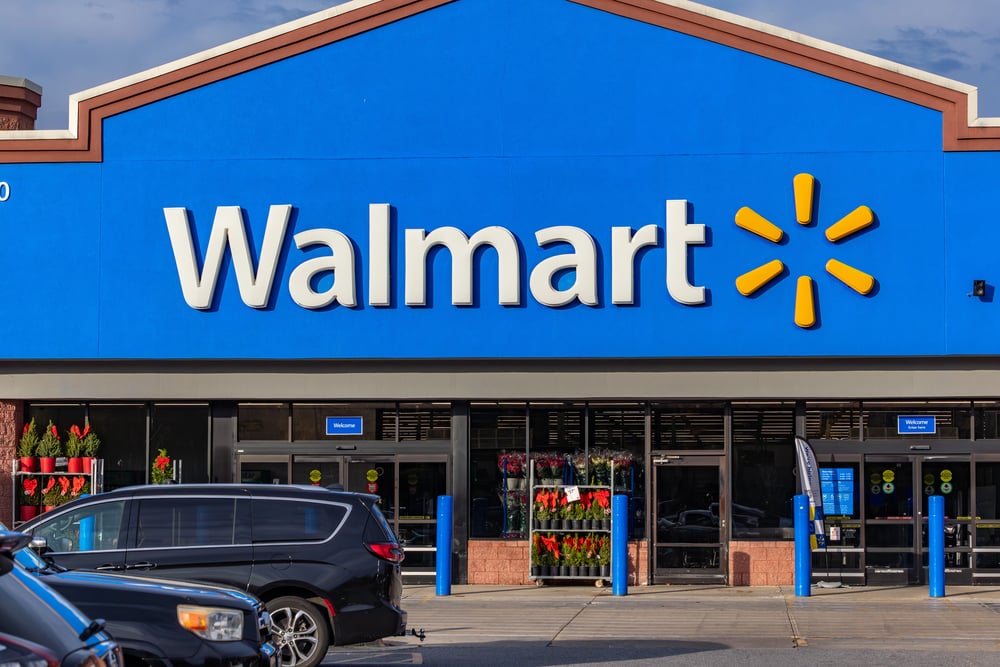
Sam Walton opened his first store in 1962 in Rogers, Arkansas. He called it Walmart Discount City, and the whole concept revolved around offering lower prices than competitors.
Walton had already run a Ben Franklin franchise, so he knew retail. But this was different.
He wanted to prove that serving small-town America with everyday low prices could work on a massive scale.
The first store was just 16,000 square feet. Today, Walmart operates over 10,000 stores worldwide.
The company built its empire by sticking to Walton’s original vision, even as it grew beyond anything he probably imagined standing in that first Rogers location.
Target: Minnesota’s Upscale Discount Store
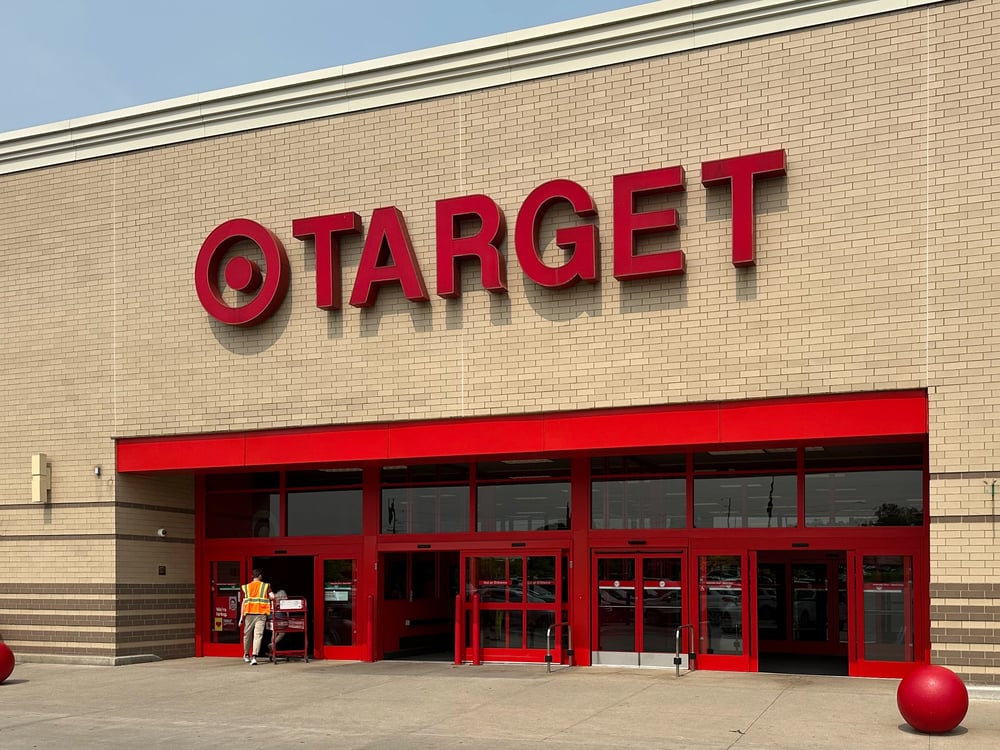
Target opened its first store in 1962 in Roseville, Minnesota—the same year Walmart launched. The Dayton Company, which had been running department stores since 1902, wanted to create something new: a discount store that didn’t feel cheap.
That first Target store emphasized clean design and better merchandise presentation than typical discount retailers. The red and white color scheme came from the start.
Everything about it signaled “affordable but not bargain-basement,” which became the brand’s defining characteristic. The company separated from its parent in 2000 and became the Target Corporation everyone knows today.
Starbucks: Pike Place Market
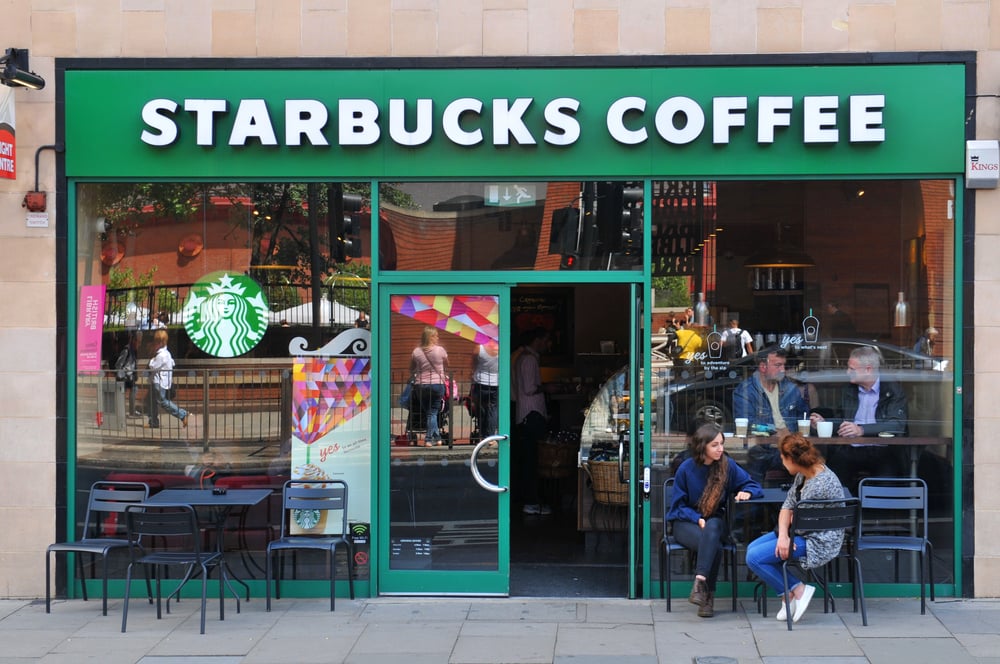
Starbucks began in 1971 at Seattle’s Pike Place Market. It was launched by three people – J. Baldwin, Zev Siegl, and Gordon Bowker – who focused on selling coffee beans, not running a café.
Back then, you couldn’t order a drink there. Their main items were beans and brewing gear.
Howard Schultz came on board in 1982, inspired by Italian espresso spots he saw while traveling. Because others weren’t convinced, he stepped away to launch his own shops.
Then, by 1987, he took over Starbucks altogether – kicking off rapid growth. Meanwhile, the first shop at Pike Place keeps running, holding onto its vintage look from decades ago.
McDonald’s: The Brothers’ Restaurant

The McDonald brothers, Richard along with Maurice, started their first spot back in 1940 over in San Bernardino, California. That place wasn’t anything like the fast-food joints today.
Barbecue was on the menu, plus workers brought food right to your car. By ’48, they changed it all – focused on quick service instead: fewer items listed, kitchen work done like a line crew, without servers taking orders.
Ray Kroc sold milkshake mixers; he stopped by in ’54, spotted a chance to expand. Instead of just selling machines, he teamed up with the siblings, launched his initial outlet near Chicago in ’55.
Over time, he took full control by 1961. They walked away with $2.7 million – big money back then.
He turned the whole thing into a massive empire later on.
IKEA: A Mail-Order Business in Sweden
Ingvar Kamprad started IKEA in 1943 when he was just 17. He sold pens, wallets, and small goods by mail order in rural Sweden.
The name combined his initials with the first letters of the farm and village where he grew up.
IKEA didn’t even sell furniture at first. Kamprad added furniture to the catalog in 1947, and it sold well enough that he opened the first showroom in 1953 in Älmhult, Sweden.
The flat-pack concept came later, born from practical necessity when an employee removed table legs to fit furniture in a car. That simple act defined everything that followed.
Now IKEA operates over 400 stores in dozens of countries.
Home Depot: Two Stores on the Same Day
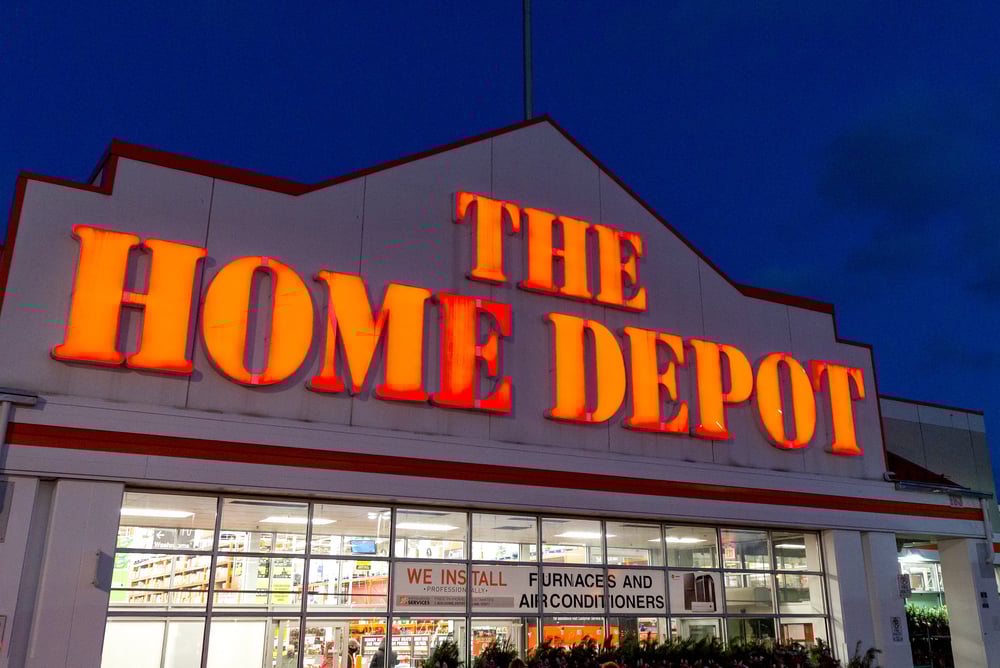
Home Depot opened two stores on the same day in 1979—both in Atlanta. Bernie Marcus and Arthur Blank had been fired from another home improvement chain and decided to create their own vision.
They wanted warehouse-style stores that sold directly to do-it-yourselfers at contractor prices.
Those first stores were huge for their time—60,000 square feet each. The orange aprons came from the beginning.
So did the philosophy of hiring knowledgeable staff who could actually help customers with projects. The company went public in 1981, just two years after opening, and grew aggressively from there.
It now operates over 2,300 stores.
Trader Joe’s: A Convenience Store Chain Reimagined
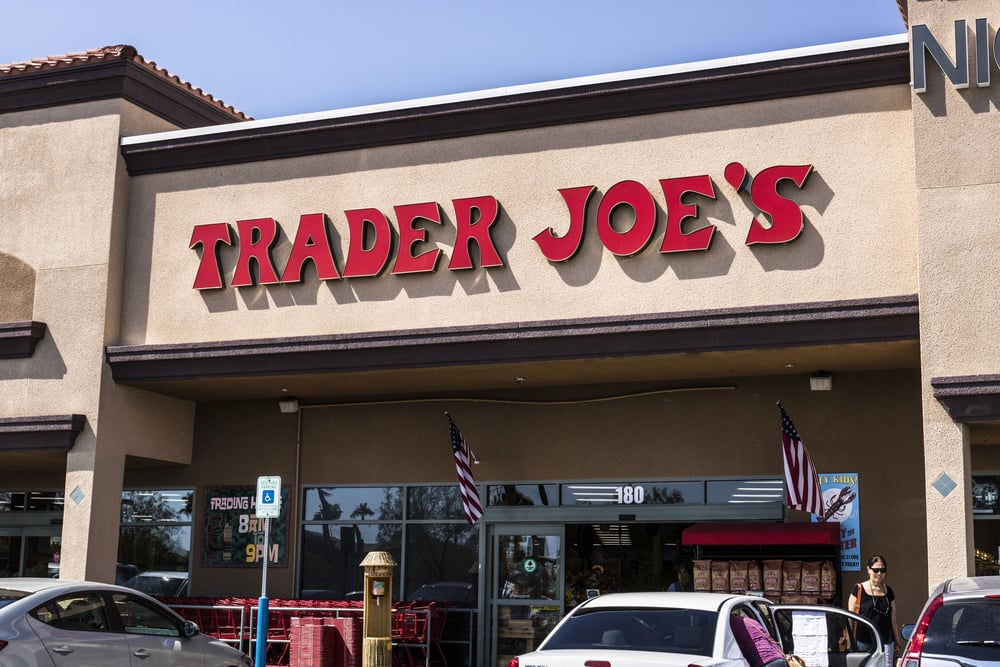
Joe Coulombe owned a small chain of convenience stores called Pronto Markets in Southern California. In 1967, he rebranded one store in Pasadena as Trader Joe’s, going for a nautical theme and focusing on unique, affordable products.
The concept worked because Coulombe understood his customers—educated people who traveled and wanted interesting foods they couldn’t find elsewhere. He started stocking things like vitamins, nuts, and wine when those items were harder to find.
The company expanded slowly and deliberately, never franchising, always maintaining the quirky culture that made it different.
Whole Foods: Austin’s Natural Grocery
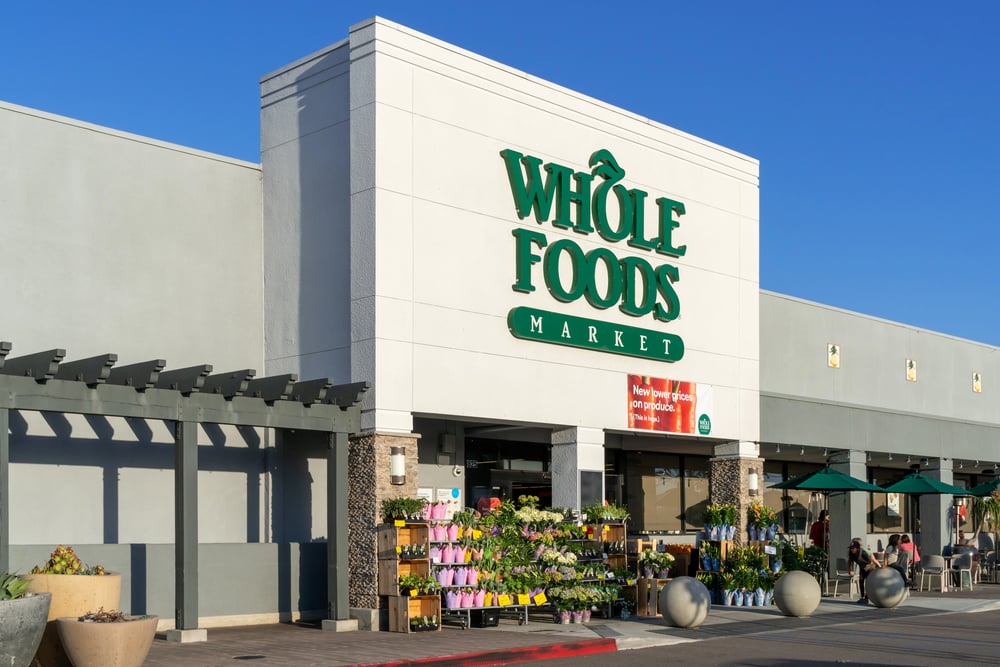
John Mackey and Renee Lawson borrowed $45,000 to open a small natural foods store in Austin, Texas in 1978. They called it SaferWay, playing off Safeway.
Two years later, they partnered with two other local grocers to create the first Whole Foods Market—a 10,500 square-foot store, which was huge for a natural foods store at the time.
The store’s timing was perfect. Americans were becoming more health-conscious.
Organic farming was growing. Whole Foods positioned itself as the mainstream option for natural foods, not the fringe hippie store.
The company went public in 1992 and spent the next decades acquiring smaller chains and growing nationally. Amazon bought it in 2017 for $13.7 billion.
Best Buy: A Minnesota Music Store
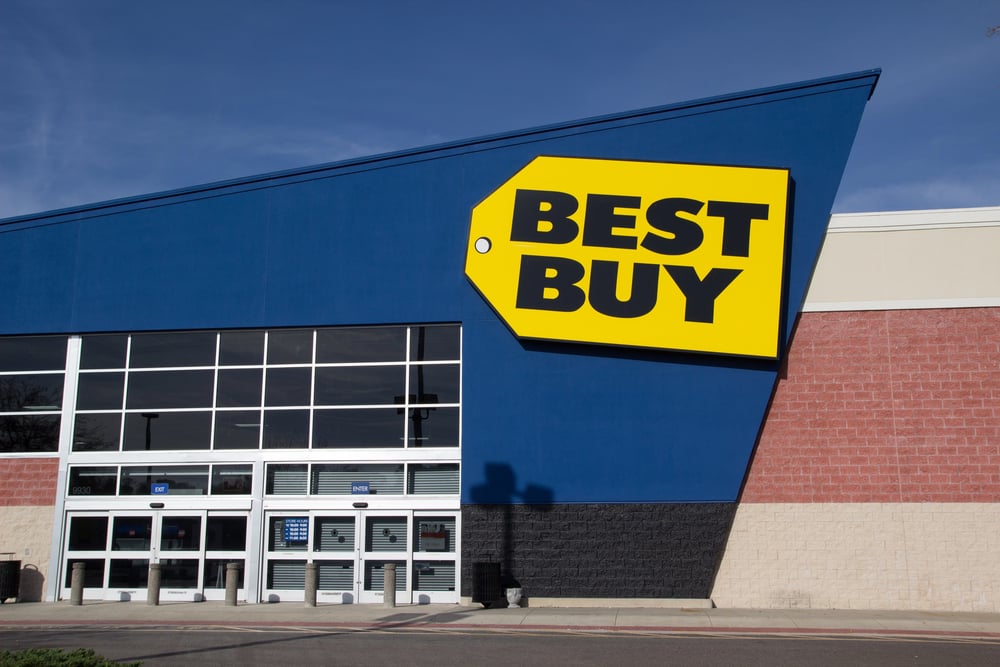
Best Buy started as Sound of Music – a small store for music equipment, opened by Richard Schulze in St. Paul, Minnesota in 1967. When a tornado destroyed it in 1982, he didn’t close up shop; instead, he set up deals outside, right in the driveway.
That pop-up event pulled in cash far beyond what anyone thought possible. Right then, he realized massive discounts could draw in tons of people.
He picked the name Best Buy in 1982, soon began offering coolers along with electronics. Big stores followed, packed wall to wall with gizmos.
In the ’90s, they rode the wave of home theater systems, tapped into the computer boom at the same time, but kept going even when others like Circuit City shut down.
A tiny music store in St. Paul set off endless changes, helping it survive through round after round of fresh tech.
Nike: Shoes Sold from a Car Trunk
Phil Knight and Bill Bowerman started Blue Ribbon Sports in 1964. Knight was a middle-distance runner.
Bowerman coached him at the University of Oregon. They imported running footwear from Japan, and Knight literally sold them from the trunk of his car at track meets.
The company didn’t become Nike until 1971, when they decided to manufacture their own shoes. The swoosh logo came from a graphic design student who charged $35 for it.
The name Nike came from the Greek goddess of victory. Everything about the early company was scrappy and underfunded.
Now it’s one of the most recognizable brands on the planet, worth well over $100 billion.
Gap: Levi’s and Records
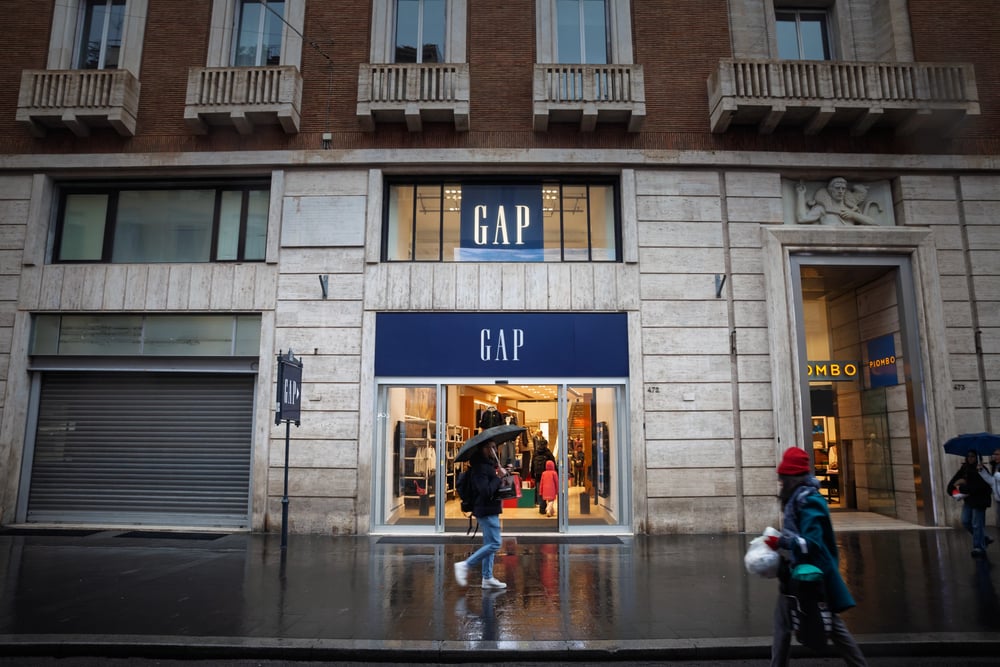
Donald and Doris Fisher opened the first Gap store in 1969 near San Francisco State University. The name came from the “generation gap,” which was very much a concept in 1969.
They sold Levi’s and records—that’s it. The goal was to make it easy for young people to find jeans in their size, which was apparently harder than it should have been.
The concept worked. The Fishers opened a second store within a year and kept expanding.
They eventually introduced their own private label clothing in the 1970s and built Gap into a fashion empire that later spawned Banana Republic and Old Navy.
That first store was just about selling jeans. Everything else came later.
Walgreens: A Chicago Drugstore
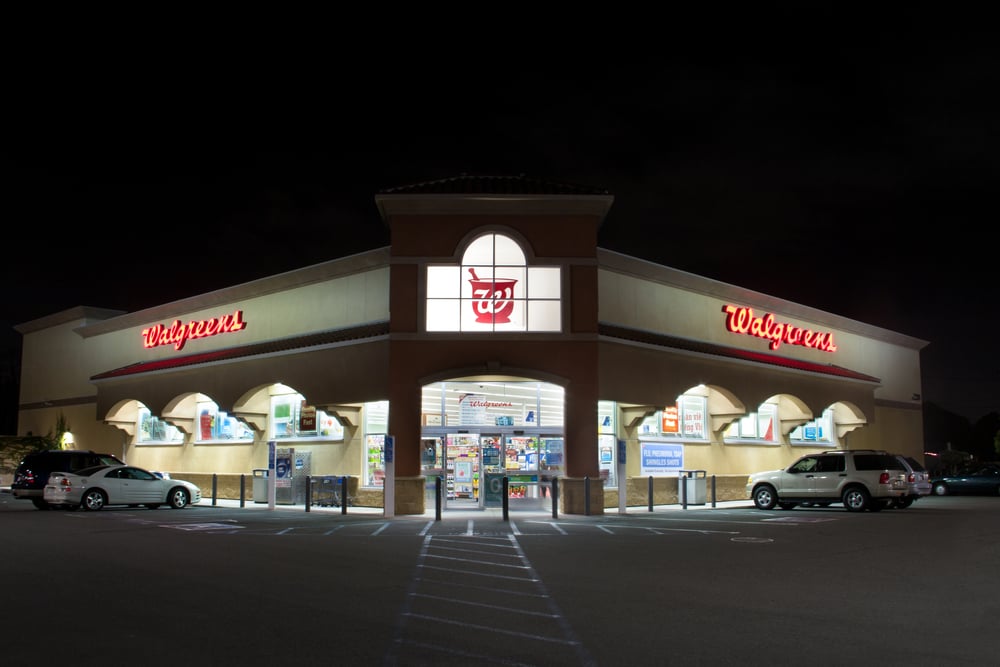
Charles R. Walgreen bought a drugstore on Chicago’s South Side in 1901. He didn’t start the store—he bought it.
But he turned it into something new by focusing on customer service and innovation. He’s credited with inventing the malted milkshake, which he served at the soda fountain to drive foot traffic.
Walgreen expanded carefully, opening new stores and acquiring smaller chains. By the time he died in 1939, the company operated over 400 stores.
His son continued the expansion. The company went public in 1927 and never stopped growing.
It’s now one of the largest pharmacy chains in America, but it all traces back to that single South Side Chicago location.
Costco: A San Diego Warehouse
Price Club opened in 1976 in a converted airplane hangar in San Diego. Sol Price created the membership warehouse concept—you pay an annual fee, and in return, you get wholesale prices.
The idea was simple but novel. Businesses could buy supplies in bulk.
Regular consumers could join too.
Jeff Brotman and Jim Sinegal founded Costco in Seattle in 1983 after studying Price’s model. The two companies merged in 1993, becoming PriceCostco (later just Costco).
The warehouse model eliminated frills, kept margins razor-thin, and made money primarily from membership fees rather than product markups.
That first hangar in San Diego proved that the concept could work at scale.
CVS: Consumer Value Stores
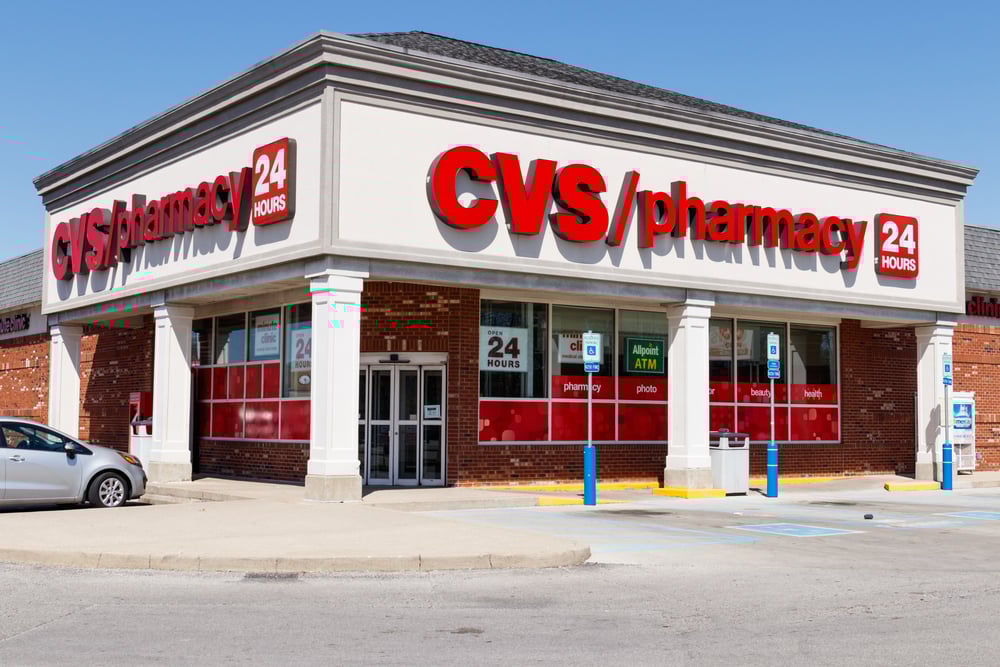
The first CVS opened in Lowell, Massachusetts in 1967. Stanley Goldstein, Sidney Goldstein, together with Ralph Hoagland joined forces – they wanted a pharmacy that offered extra items like skin care or wellness products.
They called it Consumer Value Stores since it reflected their goal.
The company grew fast – bought smaller chains instead of building from scratch, also rolled out new stores around the country, quickly becoming a top pharmacy name nationwide.
First came meds on script, next added clinics you could drop into anytime, eventually grabbed Aetna, an insurance player.
The original plan? Sell skincare and health stuff without draining your wallet. Everything after simply built on that base.
Where Ambition Meets Opportunity
Those shops didn’t grow big from some hidden trick. Progress kicked in once someone spotted a chance, tried something daring – then kept going with small steps every single day.
A few made it mainly ’cause timing worked out well. Others barely pulled through rough patches that almost shut them down for good.
One or two finally let go of their starting plan entirely.
The real link isn’t about stuff or spots. But this – what counts is that someone began.
One individual dove in, rented a space, filled racks, then swung the doors wide with no clue if folks would come. Going from nothing to something?
That’s the toughest leg. What follows is just doing it again – and stretching further every round.
More from Go2Tutors!

- The Romanov Crown Jewels and Their Tragic Fate
- 13 Historical Mysteries That Science Still Can’t Solve
- Famous Hoaxes That Fooled the World for Years
- 15 Child Stars with Tragic Adult Lives
- 16 Famous Jewelry Pieces in History
Like Go2Tutors’s content? Follow us on MSN.



