16 Ancient Peace Treaties That Lasted For Centuries
Peace treaties often get broken faster than campaign promises, but history does offer some remarkable exceptions. Throughout the ages, certain diplomatic agreements have stood the test of time, surviving political upheavals, regime changes, and the natural human tendency to pick fights with neighbors.
These enduring accords prove that sometimes, ancient diplomats knew a thing or two about crafting deals that stick. Here is a list of 16 ancient peace treaties that managed to keep the peace for centuries, often outlasting the civilizations that created them.
Treaty of Kadesh

The world’s first known peace treaty deserves the top spot on any list about diplomatic longevity. Signed around 1259 BCE between Egyptian Pharaoh Ramesses II and Hittite King Hattusili III, this agreement ended decades of conflict over control of Syria.
The treaty established clear territorial boundaries, created mutual defense pacts, and even included extradition clauses for political refugees. Clay tablets containing the treaty text have survived to this day, giving us a window into Bronze Age diplomacy that remained effective for over two centuries until the Hittite Empire collapsed.
Peace of Nicias
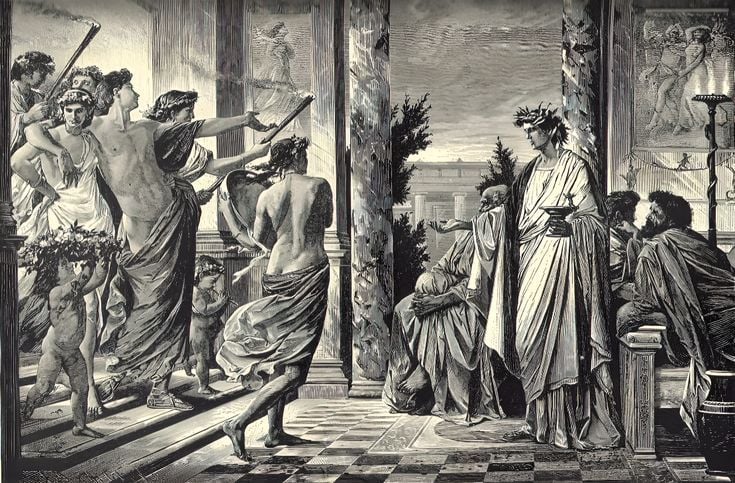
Athens and Sparta managed to pause their legendary rivalry with this 421 BCE agreement, though calling it a complete success might be generous. The Peace of Nicias was supposed to last 50 years and did provide about six years of relative calm during the Peloponnesian War.
While both sides violated the spirit of the agreement through proxy conflicts, the formal treaty structure influenced Greek diplomatic practices for generations. The accord’s detailed prisoner exchange provisions and territorial restoration clauses became templates for later Greek peace negotiations.
Treaty of Phoenice
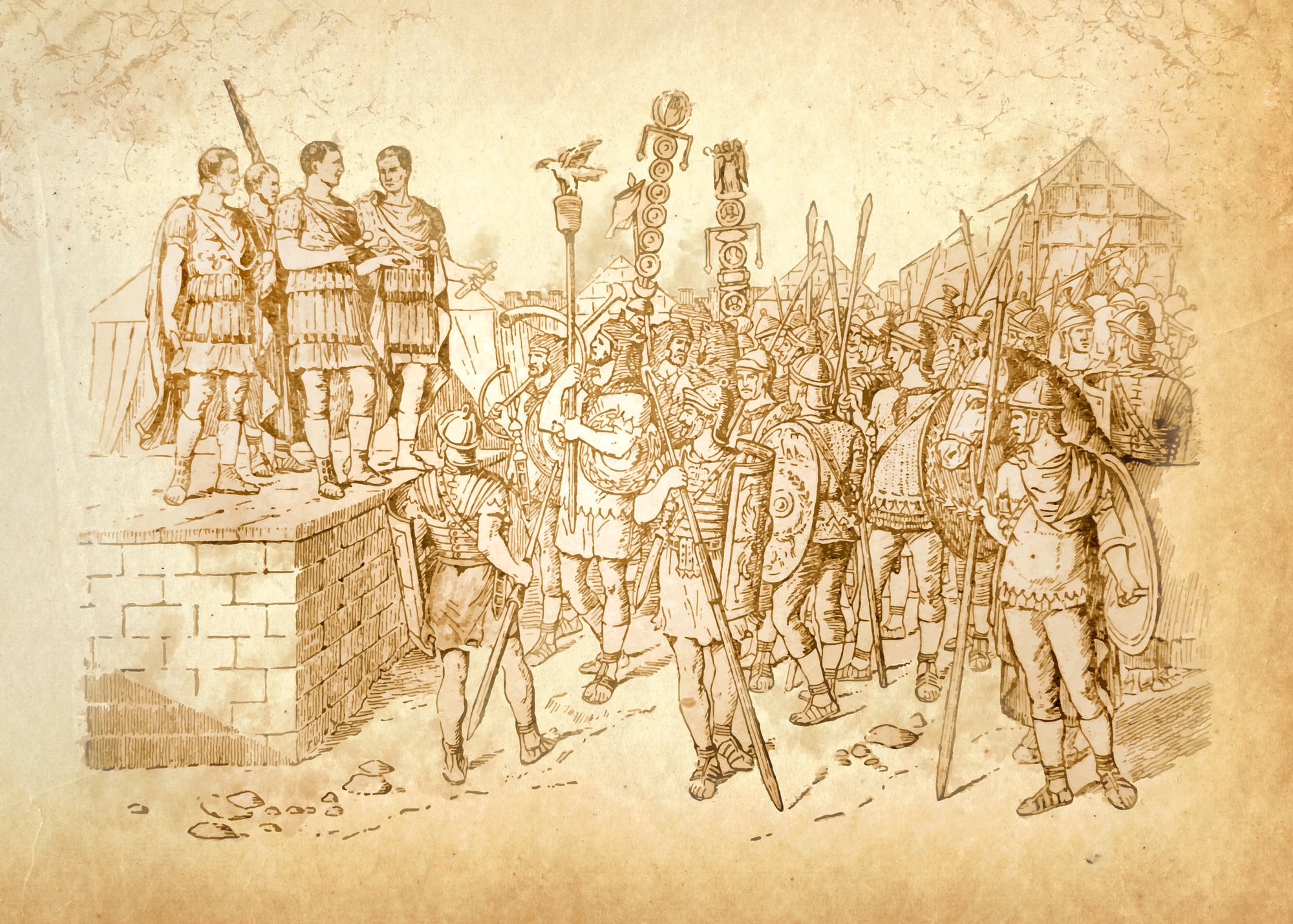
Rome and Macedon signed this agreement in 205 BCE, effectively ending the First Macedonian War and establishing a balance of power in the eastern Mediterranean. The treaty recognized existing territorial boundaries and created a framework for peaceful coexistence that lasted until Rome decided it wanted to expand eastward again.
For nearly two decades, this accord allowed both powers to focus on other threats while maintaining relative stability in a region that had seen constant warfare.
Foedus Cassianum

This treaty between Rome and the Latin League around 493 BCE created one of the ancient world’s most successful military alliances. The agreement established mutual defense obligations, standardized legal procedures between member states, and created frameworks for trade and intermarriage.
The treaty’s structure was so effective that it served as the foundation for Roman expansion throughout Italy, lasting in various forms for over 150 years until Rome absorbed most Latin cities directly.
Peace of Callias

Signed around 449 BCE between Athens and Persia, this treaty ended the Greco-Persian Wars and established boundaries that both empires respected for decades. The agreement recognized Persian control over Asia Minor while guaranteeing Greek independence and limiting Persian naval activities in the Aegean Sea.
Though some historians debate whether the treaty actually existed in written form, its practical effects shaped Mediterranean politics for over 50 years and demonstrated that even bitter enemies could find common ground.
Treaty of Apamea

Rome’s 188 BCE agreement with the Seleucid Empire following the Battle of Magnesia created lasting stability in Asia Minor. The treaty stripped Antiochus III of most of his territories west of the Taurus Mountains and imposed heavy tribute payments, but it also established clear boundaries that both sides respected.
The agreement’s territorial provisions remained largely intact for over a century, helping Rome consolidate its eastern Mediterranean holdings while allowing the Seleucids to maintain their core territories.
Thirty Years’ Peace
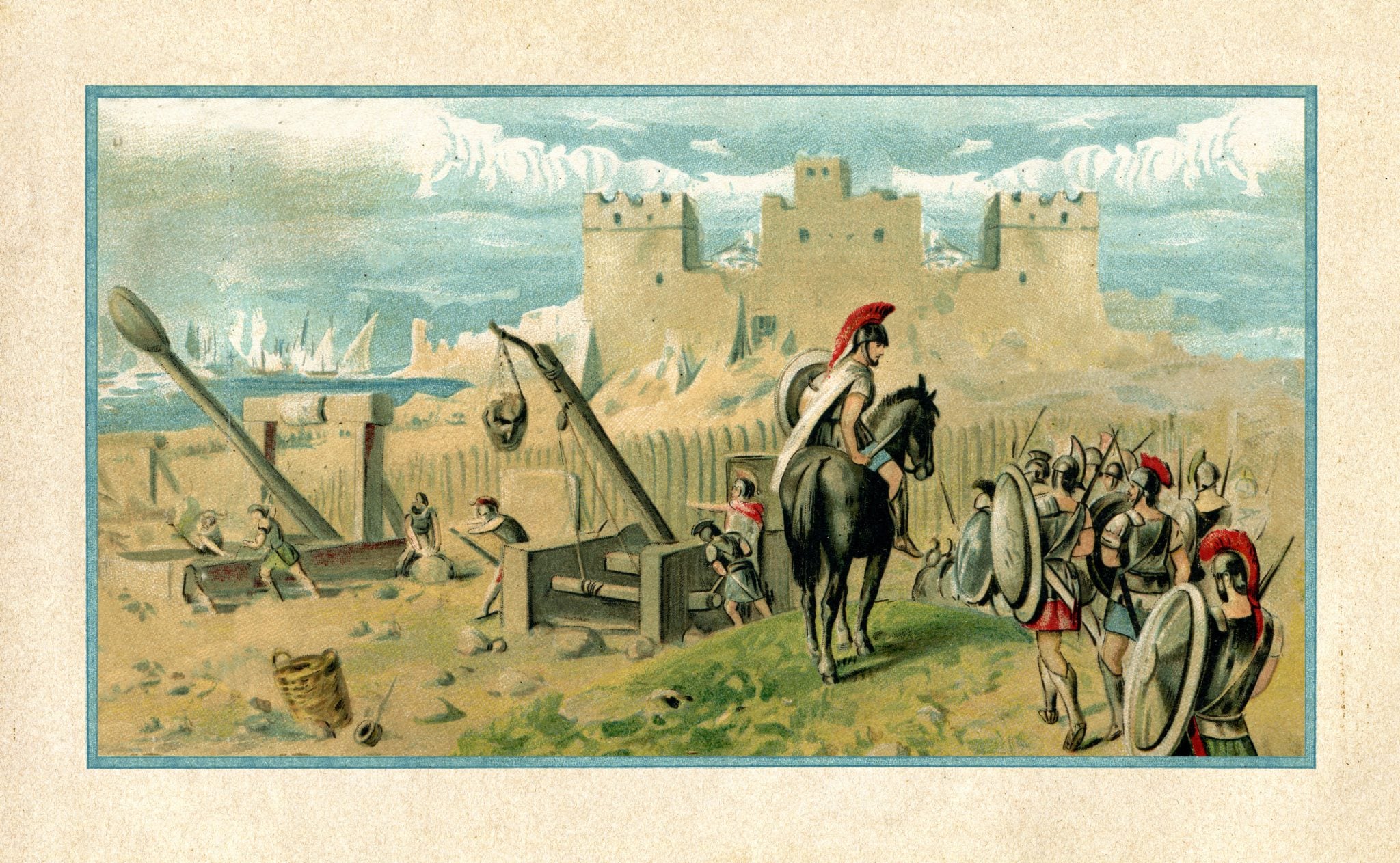
Athens and Sparta signed this agreement in 446 BCE, creating a framework that successfully managed Greek interstate relations for three decades. The treaty established spheres of influence, created arbitration procedures for disputes, and recognized the legitimacy of both the Delian and Peloponnesian Leagues.
While the peace eventually broke down leading to the Peloponnesian War, thirty years of relative stability in a region known for constant conflict represents a remarkable diplomatic achievement.
Treaty of Brundisium

This 40 BCE agreement between Mark Antony and Octavian temporarily resolved their power struggle and divided the Roman world between them. While the treaty ultimately failed to prevent civil war, it provided several years of stability and established administrative boundaries that influenced later imperial organization.
The accord’s marriage alliance provisions and territorial divisions became models for subsequent Roman political arrangements.
Peace of Antalcidas
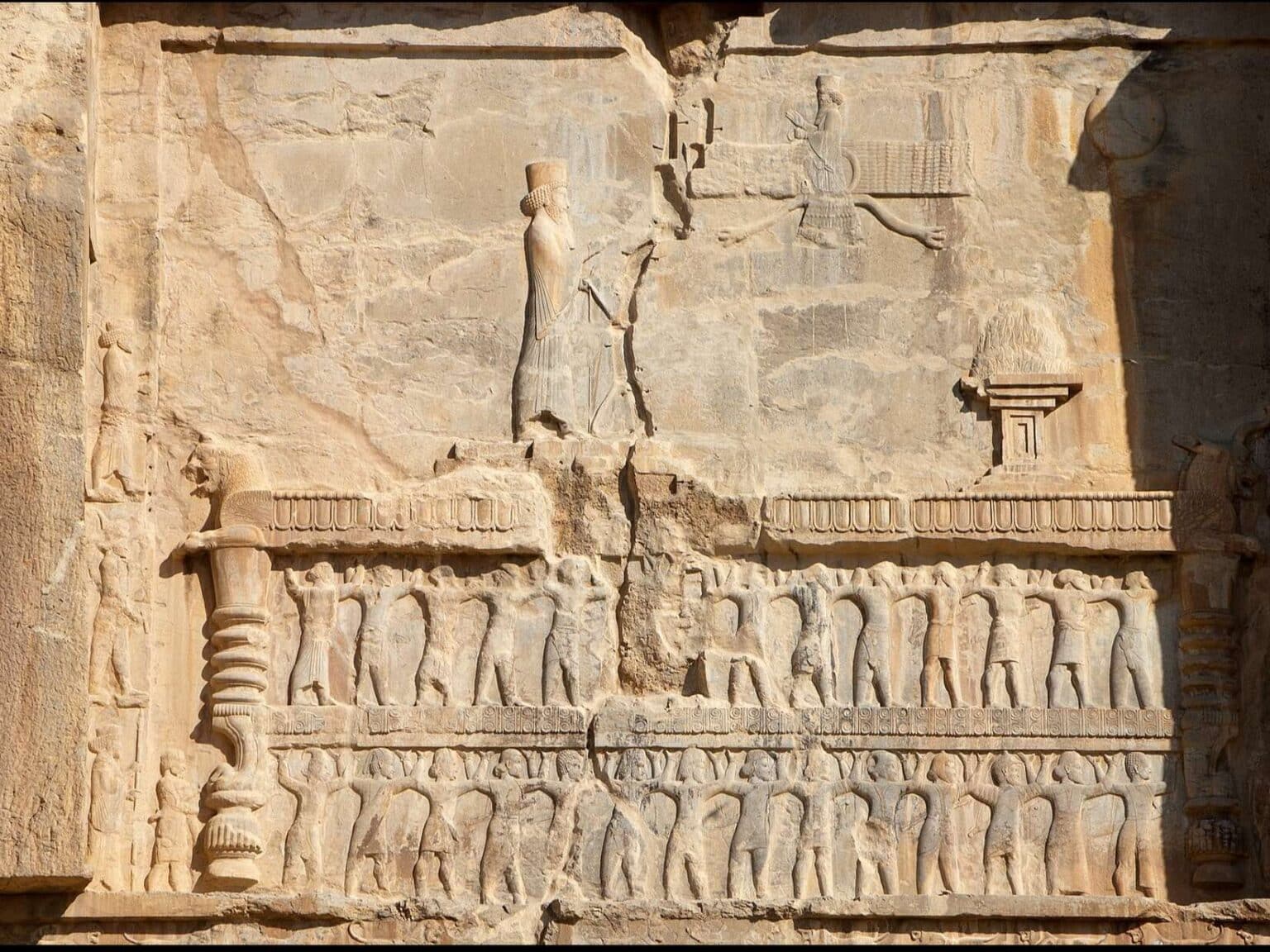
Also known as the King’s Peace, this 387 BCE treaty between Persia and the Greek city-states ended the Corinthian War and established Persian arbitration over Greek affairs. The agreement recognized Persian control over Asia Minor while guaranteeing autonomy for individual Greek cities, effectively breaking up the major Greek alliances.
Though controversial for accepting Persian dominance, the treaty provided nearly a decade of peace and influenced Greek diplomatic practices for generations.
Treaty of Phoenice

The 205 BCE agreement between Rome and Philip V of Macedon ended the First Macedonian War and established territorial boundaries in the Balkans. The treaty recognized existing spheres of influence while creating frameworks for peaceful coexistence that lasted until Roman expansion priorities changed.
For nearly two decades, this accord allowed both powers to address other strategic challenges while maintaining stability in a traditionally volatile region.
Delian League Charter
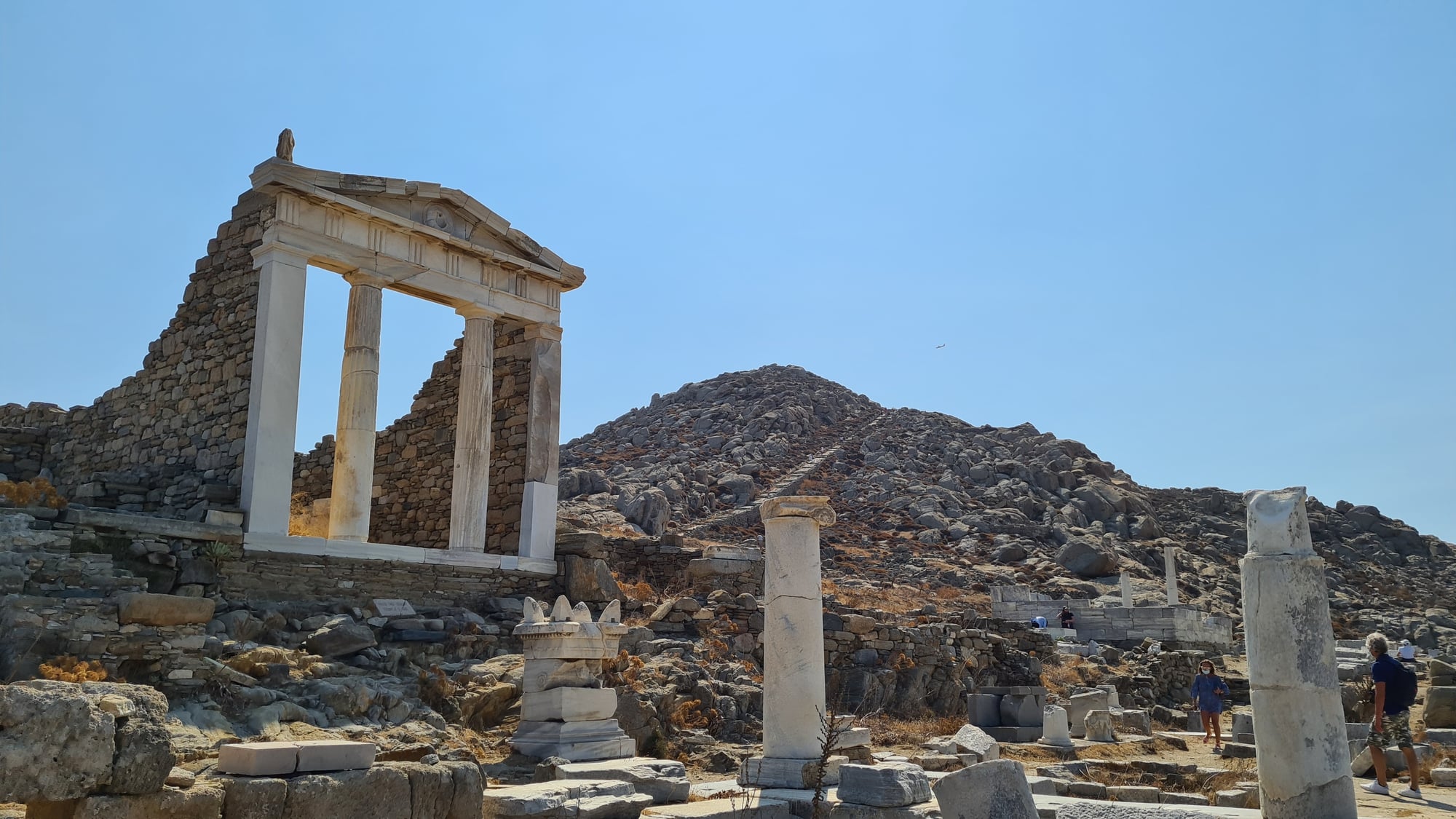
While not technically a peace treaty, the founding agreement of the Delian League in 478 BCE created a framework for collective security that lasted over 70 years. The charter established Athens as the hegemon while guaranteeing member city-states protection from Persian attacks in exchange for tribute or ships.
Despite evolving into an Athenian empire, the original agreement’s structure provided unprecedented stability and prosperity for Aegean communities throughout the 5th century BCE.
Peace of Philocrates

Athens and Philip II of Macedon signed this 346 BCE treaty ending the Third Sacred War and recognizing Macedonian dominance in central Greece. The agreement allowed Athens to maintain its independence while acknowledging political realities in northern Greece.
Though lasting only about eight years before renewed conflict, the treaty’s diplomatic precedents influenced later Greek negotiations with Macedonian rulers and demonstrated how smaller powers could negotiate with rising hegemonies.
Treaty of Dardanos

This 85 BCE agreement between Rome and Mithridates VI of Pontus ended the First Mithridatic War and established boundaries in Asia Minor that lasted for over a decade. The treaty restored most territorial conquests to their original owners while imposing tribute payments on Pontus.
Despite renewed conflicts later, the accord provided crucial breathing room for Roman consolidation in the east and established diplomatic precedents for dealing with Hellenistic kingdoms.
Foedus with the Aequi

Rome’s various treaties with the Aequi people during the 5th and 4th centuries BCE created lasting peace with these traditional enemies from the central Italian mountains. These agreements typically involved territorial concessions, tribute arrangements, and mutual defense obligations that successfully ended generations of raids and border conflicts.
The treaty framework was so effective that it became a model for Roman expansion throughout the Italian peninsula.
Peace with the Volsci

Similar to agreements with the Aequi, Rome’s treaties with the Volsci created lasting stability along its southern borders during the early Republic. These accords established clear territorial boundaries, created trade relationships, and ended the constant raiding that had plagued both peoples for generations.
The diplomatic framework developed through these negotiations influenced Roman treaty-making practices throughout their expansion period.
Treaty with Carthage

Rome’s earliest recorded treaty with Carthage, dating to around 509 BCE, established spheres of influence that lasted for over two centuries. The agreement recognized Carthaginian dominance in the western Mediterranean while establishing Roman control over central Italy.
Despite later conflicts, this foundational treaty created trading relationships and diplomatic precedents that shaped Mediterranean politics for generations.
When Ancient Wisdom Meets Modern Reality

These ancient treaties remind us that effective diplomacy isn’t about perfect agreements but about creating frameworks flexible enough to survive changing circumstances. The most successful accords didn’t try to solve every possible future problem but instead established clear principles and procedures for managing disputes.
Modern negotiators could learn from these ancient diplomats who understood that lasting peace requires both sides to gain something valuable while accepting reasonable limitations. The clay tablets of Kadesh and the marble inscriptions of Greek city-states prove that when people commit to genuine cooperation, even the most bitter enemies can find ways to coexist.
More from Go2Tutors!

- The Romanov Crown Jewels and Their Tragic Fate
- 13 Historical Mysteries That Science Still Can’t Solve
- Famous Hoaxes That Fooled the World for Years
- 15 Child Stars with Tragic Adult Lives
- 16 Famous Jewelry Pieces in History
Like Go2Tutors’s content? Follow us on MSN.



