Bizarre Trivia Facts About Life in the Arctic Circle
Flags wave overhead every day, reduced to background noise in a world that moves too fast to notice. But these aren’t just colored fabric catching wind.
Each one carries stories, secrets, and symbols that entire nations decided mattered enough to display forever. Some meanings hide in plain sight, while others require knowing where to look.
The most fascinating flags often belong to countries that packed their entire identity into a design most people glance at and forget.
Polar Bears Have Black Skin
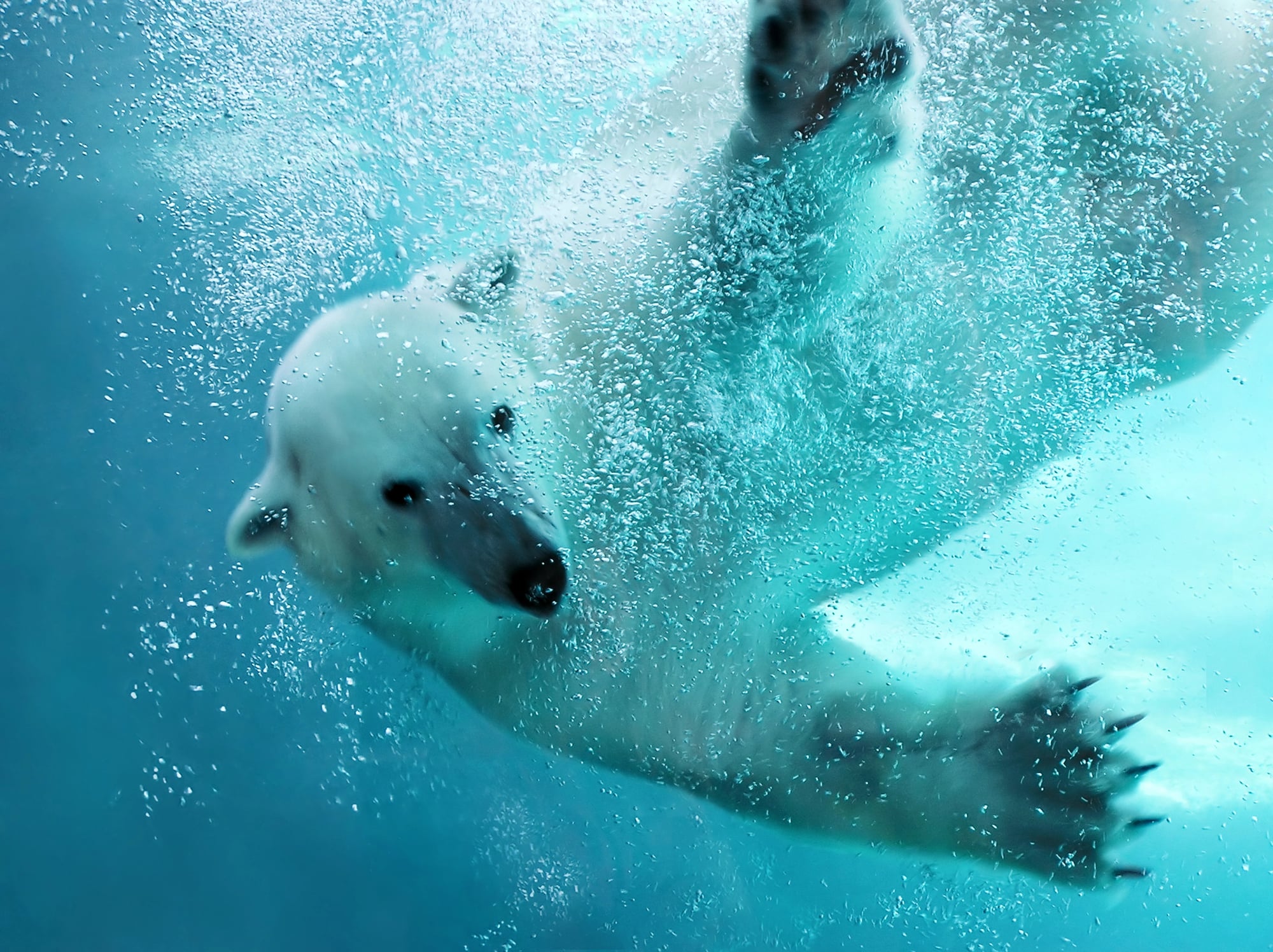
Polar bears aren’t actually white. Their fur is transparent and hollow, designed to trap air for insulation.
The black skin underneath absorbs heat from whatever sunlight manages to reach it. This setup works so well that polar bears can overheat while running.
Arctic Ground Squirrels Drop Their Body Temperature Below Freezing
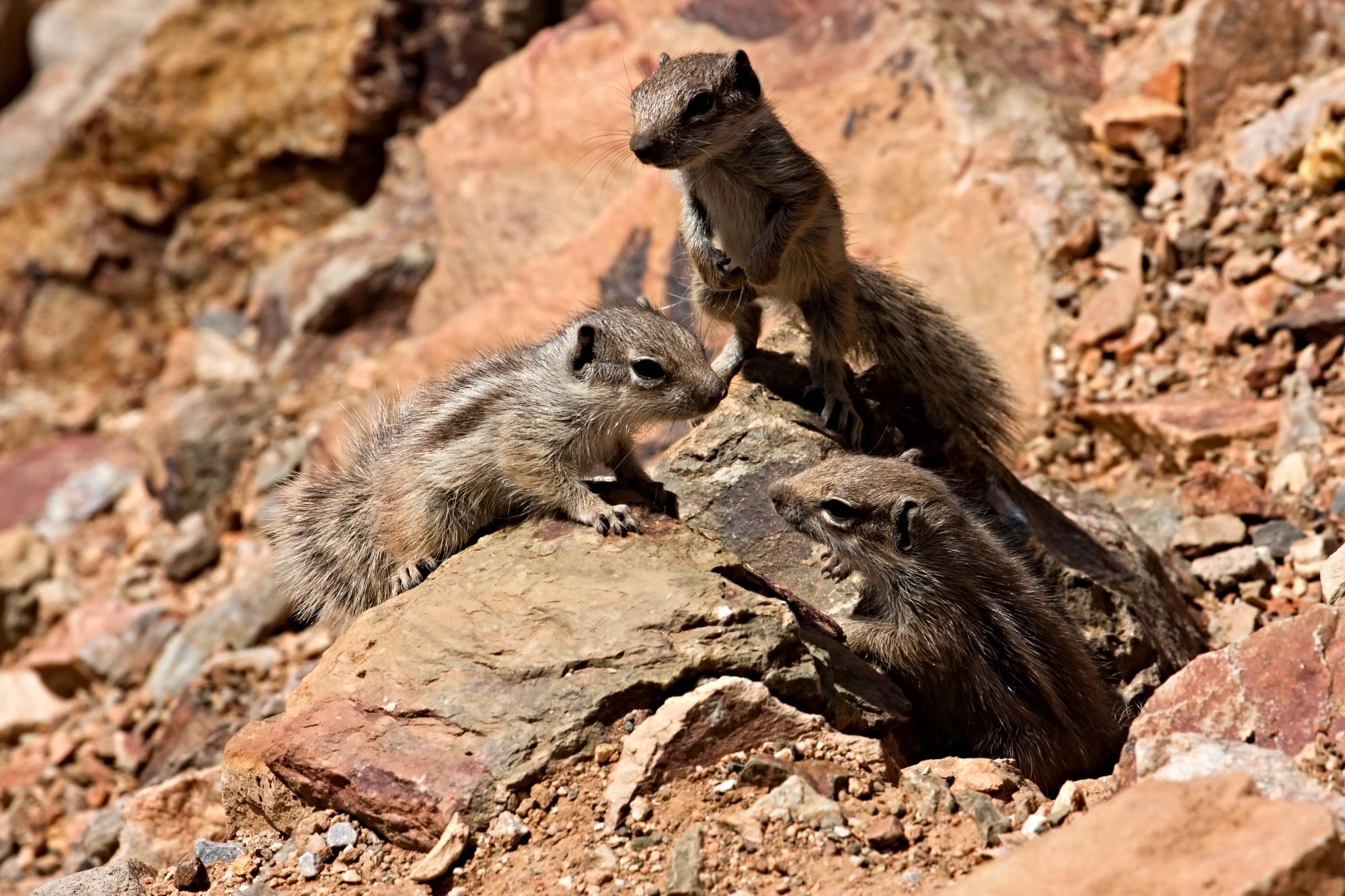
Most hibernating animals slow their metabolism and drop their body temperature slightly. Arctic ground squirrels take a different approach — they let their body temperature fall to 26°F, technically below the freezing point of water.
They survive because they are able to cleanse their bodies of ice nucleators, which are necessary for ice crystals to form, allowing their blood to remain liquid in a supercooled state.
Every few weeks, they wake up just long enough to shiver themselves back to normal temperature, then drop back into their frozen state.
The Arctic Tern Migration Makes Every Other Animal Journey Look Modest
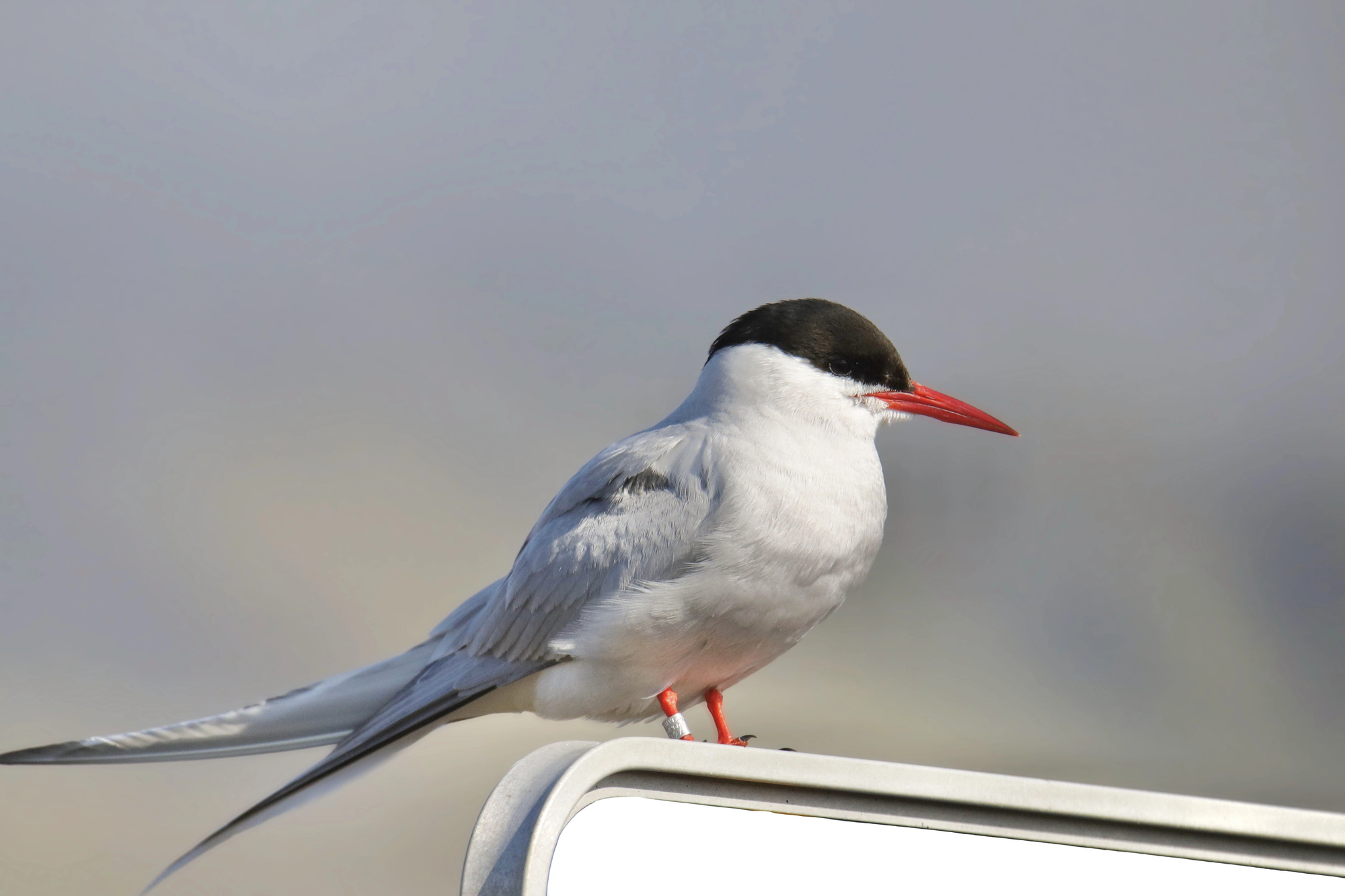
Here’s a bird that treats the planet like a small neighborhood. Arctic terns nest in the Arctic Circle during the northern summer, then fly to Antarctica for the southern summer — a round trip of roughly 44,000 miles every single year.
Over their lifetime (which can stretch past 30 years), they see more daylight than any other creature on Earth, and they cover a distance equivalent to flying to the moon and back three times.
And yet this remarkable feat went largely unnoticed by science until satellite tracking technology made it possible to follow their exact routes — routes that, it turns out, follow the wind patterns with a precision that puts most human navigation to shame.
Inuit Languages Don’t Actually Have Hundreds Of Words For Snow
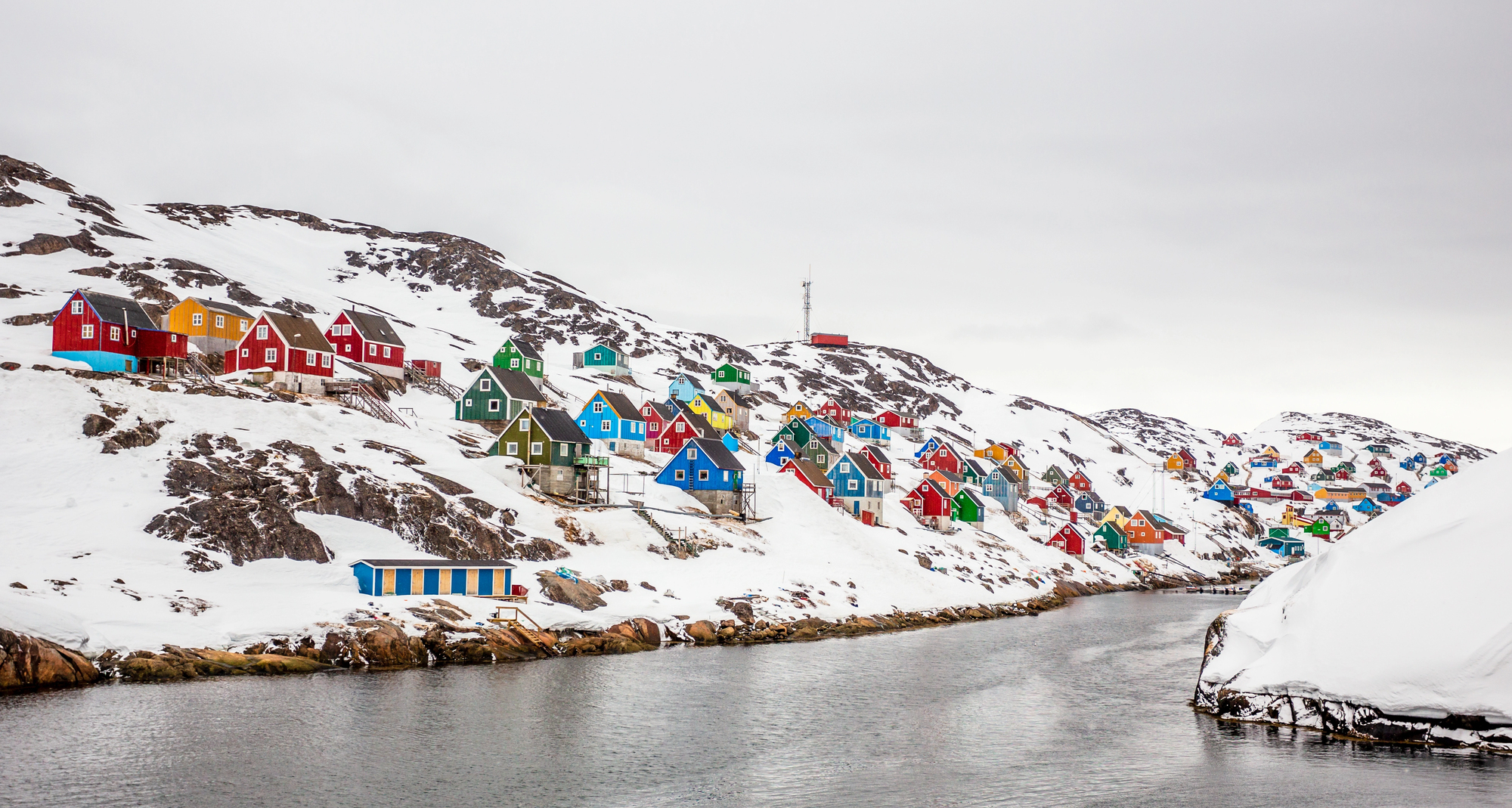
The persistent myth about Inuit languages having dozens or hundreds of words for snow is linguistically backwards. Inuit languages work through a process called polysynthesis, where you build words by adding pieces together — the same way English speakers might say “snowball,” “snowflake,” or “snowdrift.”
You could theoretically create infinite snow-related words in these languages, just like English speakers do.
The myth says more about how outsiders misunderstand language structure than it does about Arctic cultures.
Narwhal Tusks Are Actually Teeth
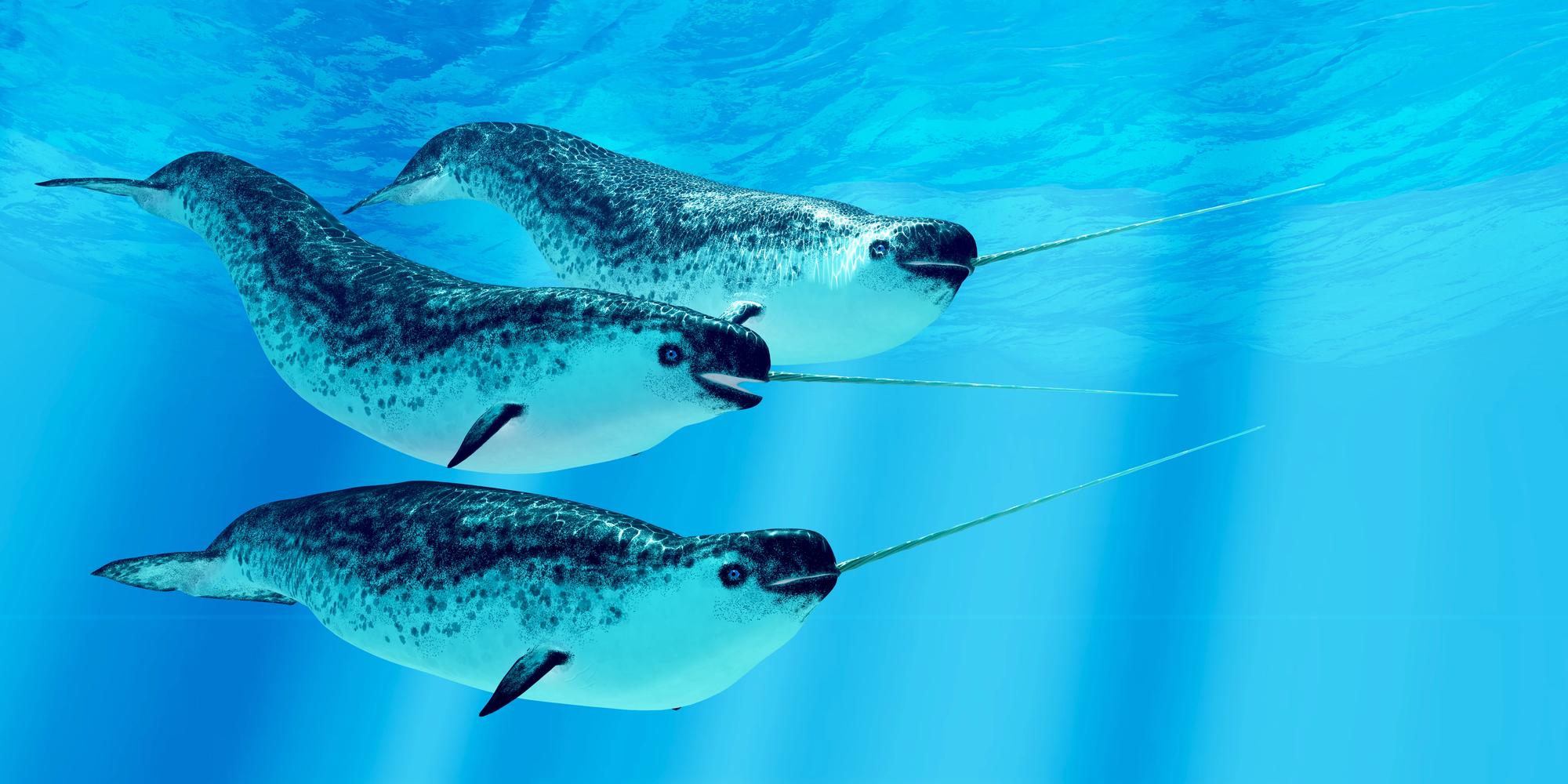
That spiral horn jutting from a narwhal’s head isn’t a horn at all — it’s a tooth. Usually just the left canine tooth, growing straight through the animal’s lip and continuing to spiral as it lengthens.
Some narwhals grow two tusks, and occasionally a female will develop one, but the standard setup is a single twisted tooth that can reach eight feet long.
Scientists still debate what narwhals use these tusks for, though recent research suggests they might be incredibly sensitive sensory organs, capable of detecting changes in water pressure, temperature, and chemical composition.
Arctic Foxes Change More Than Just Their Coat Color
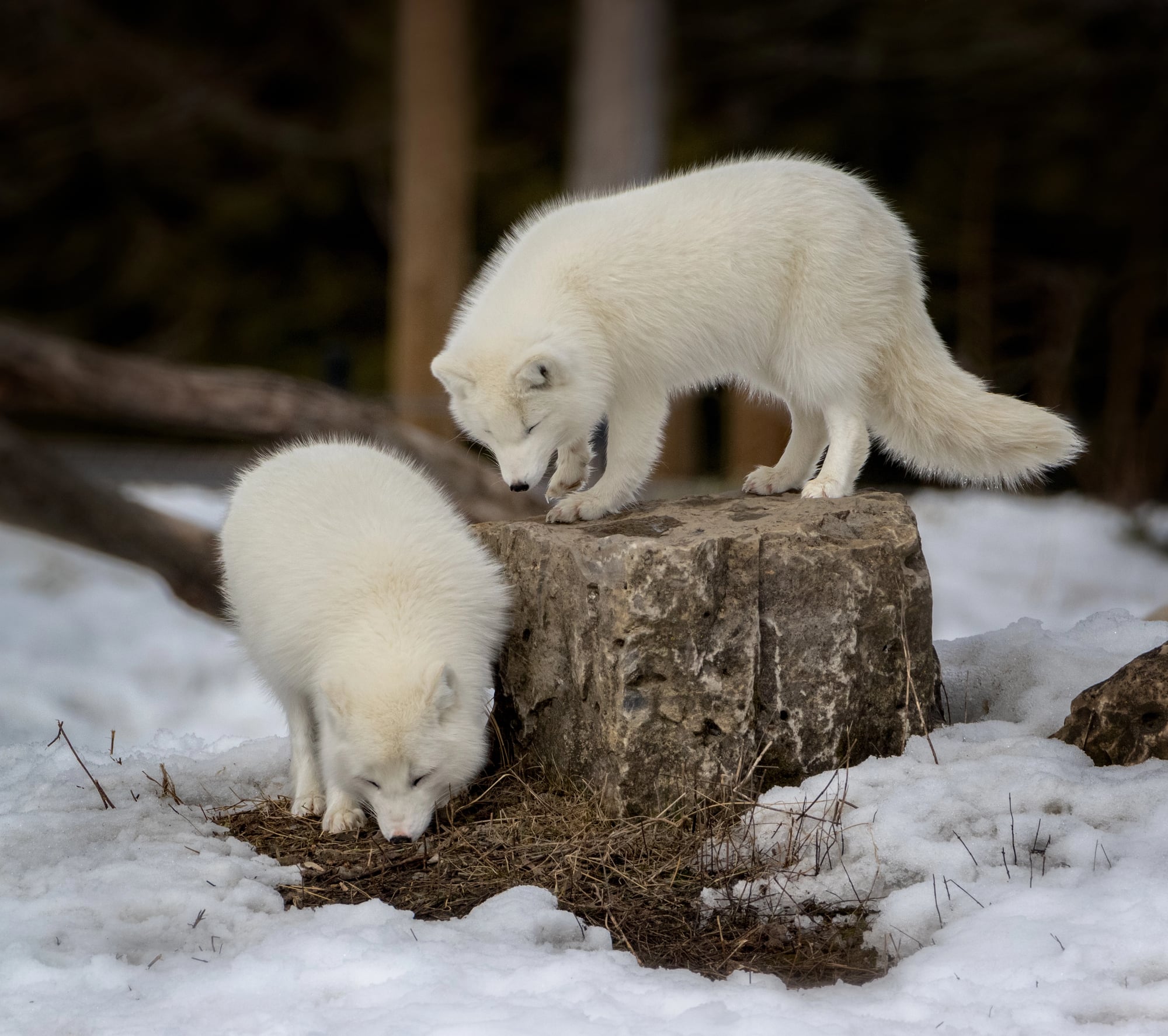
The seasonal transformation of Arctic foxes goes far beyond their famous white winter coat. Their entire sensory system shifts with the seasons — their hearing becomes more acute in winter to help them locate prey moving beneath the snow, while their sense of smell adapts to work in extreme cold when most scents are muted.
Their paws develop extra fur that works like snowshoes, and their metabolism changes so dramatically that they can survive temperatures down to -58°F without shivering.
Even their behavior flips: the same fox that might be territorial in summer becomes more social in winter, sometimes following polar bears to scavenge their kills.
Greenland Sharks Live Longer Than Most Countries Have Existed
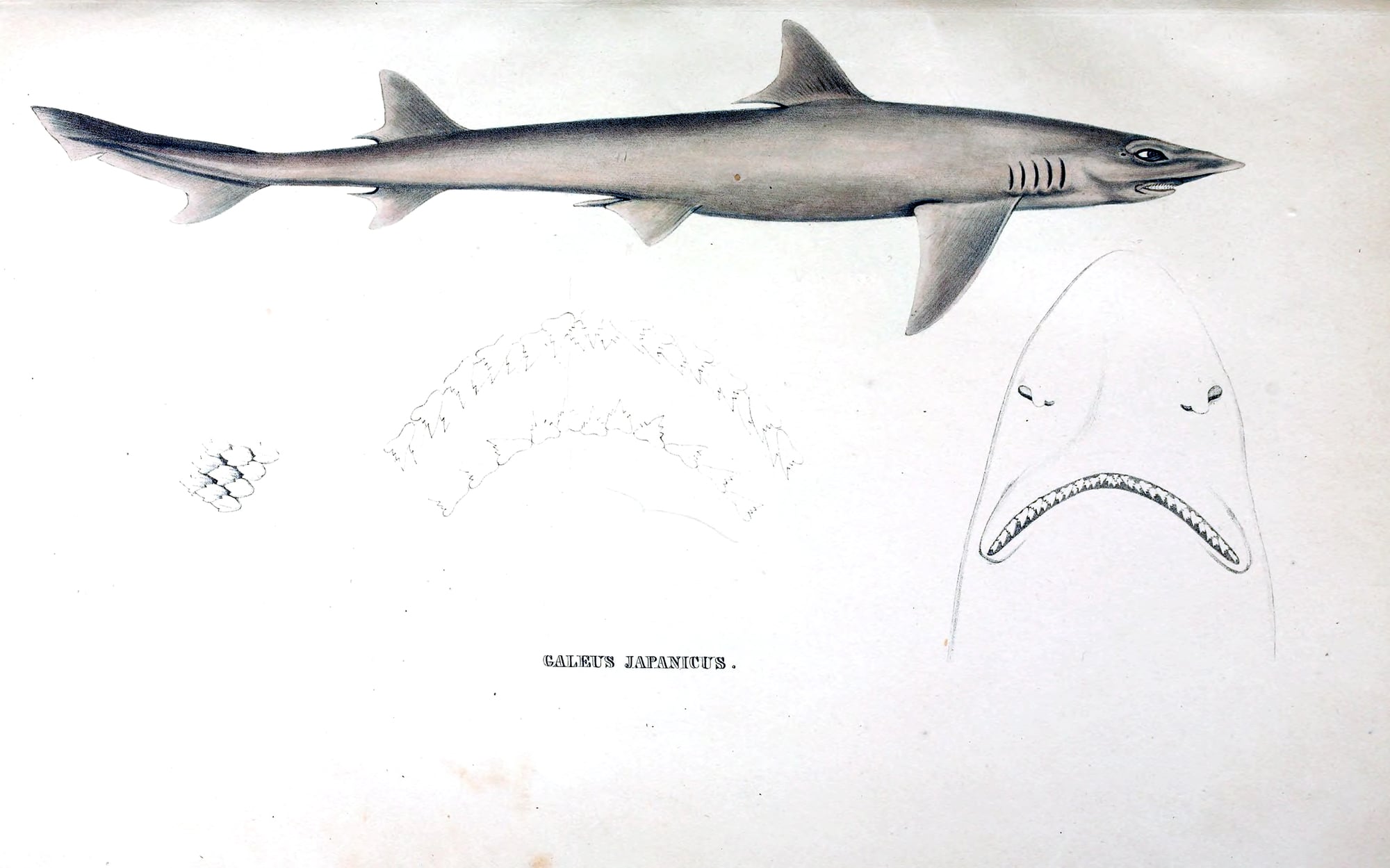
These slow-moving sharks cruise the Arctic waters with the patience of geological time. Recent research suggests they can live over 400 years, with some specimens potentially reaching 500 years or more.
That means sharks swimming in Arctic waters today were alive when Shakespeare was writing his plays.
They grow incredibly slowly — about a centimeter per year — and don’t reach reproductive maturity until they’re around 150 years old.
Arctic Char Can Survive Being Frozen Solid
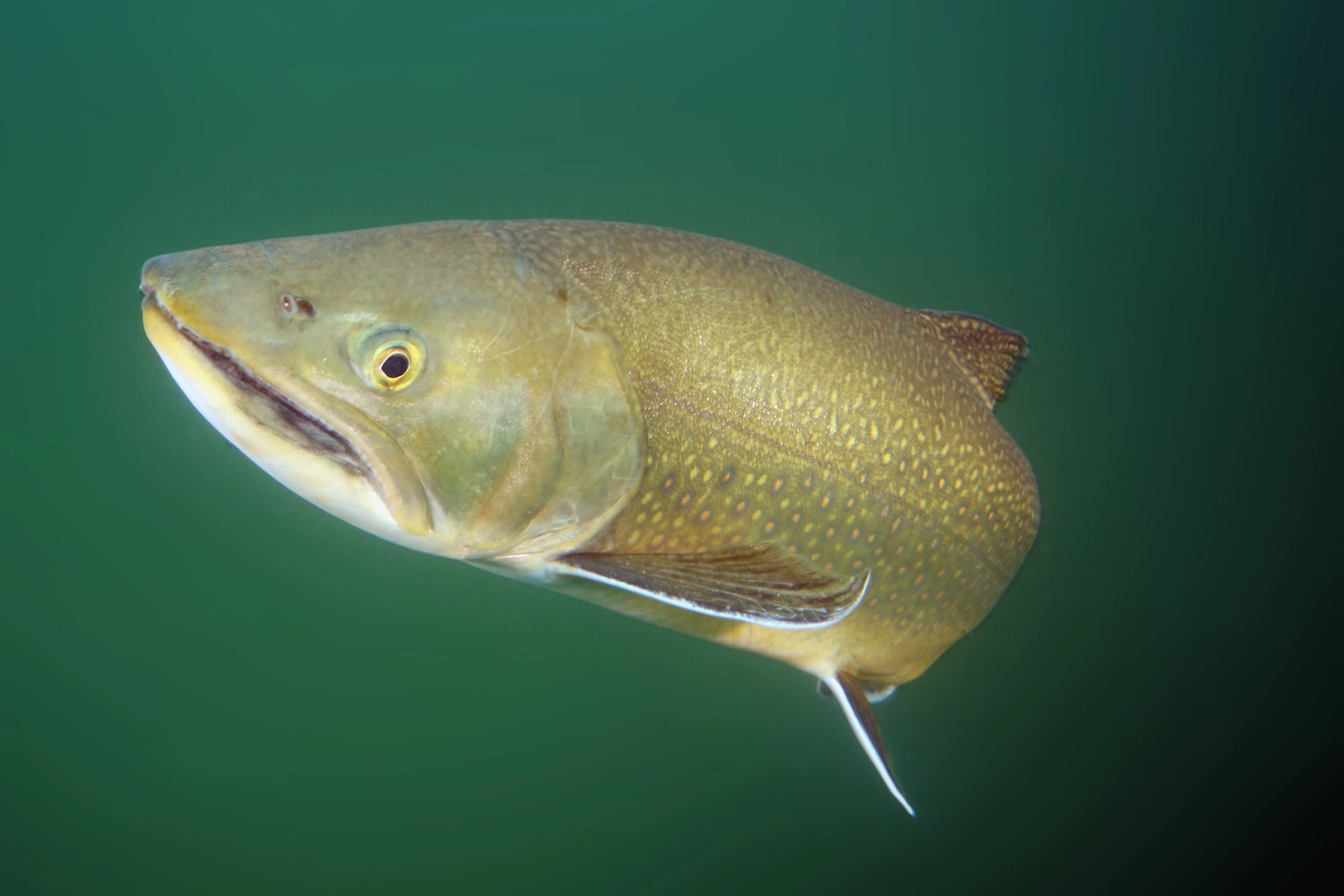
Not many fish can handle being turned into a fish-sicle and living to swim another day. Arctic char have antifreeze proteins in their blood that prevent ice crystals from forming, allowing them to survive in water so cold it should technically be impossible for fish to live in.
When lakes freeze completely to the bottom, these fish can survive in a state of suspended animation until the ice melts.
The Midnight Sun Affects Human Behavior In Measurable Ways
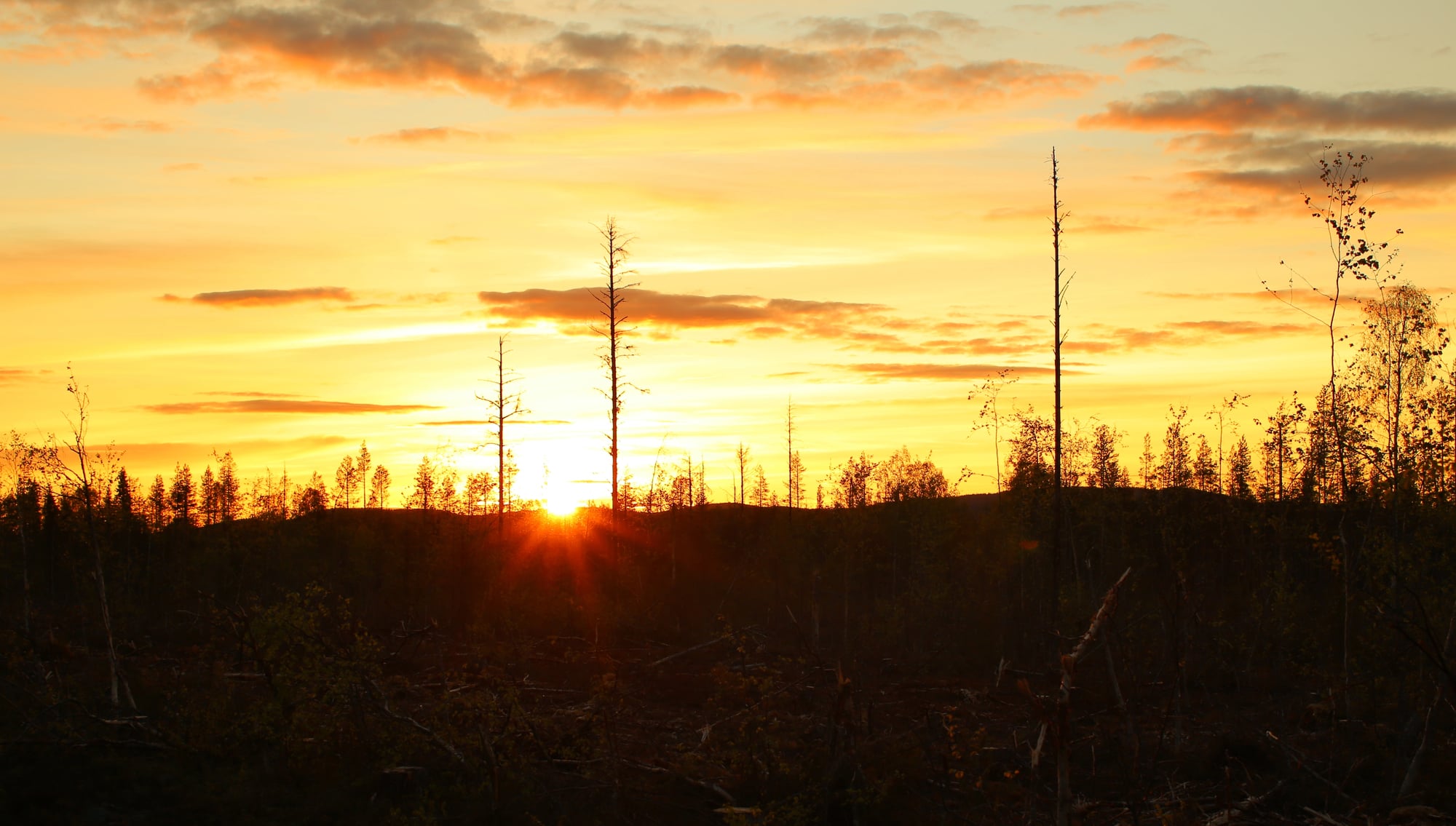
Three months of continuous daylight does strange things to people who didn’t evolve for it. Sleep patterns collapse, with many Arctic residents developing what researchers call “free-running sleep” — sleeping and waking in cycles that have nothing to do with clocks.
Crime rates shift, with property crimes increasing during the constant daylight months while violent crimes decrease.
Even more surprising: many people report feeling more creative and energetic during the midnight sun period, despite the obvious challenges of never knowing what time it is.
Musk Oxen Form Defensive Circles That Haven’t Changed In Thousands Of Years
When threatened, musk oxen arrange themselves in a perfect circle with their horns facing outward and their calves protected in the center. This formation worked perfectly against wolves and polar bears for millennia.
Unfortunately, it also makes them perfect targets for human hunters, since the entire herd stays put in one tight group instead of scattering.
The same ancient instinct that ensured their survival for thousands of years nearly drove them to extinction once rifles entered the picture.
Arctic Willow Trees Grow Sideways Instead Of Up
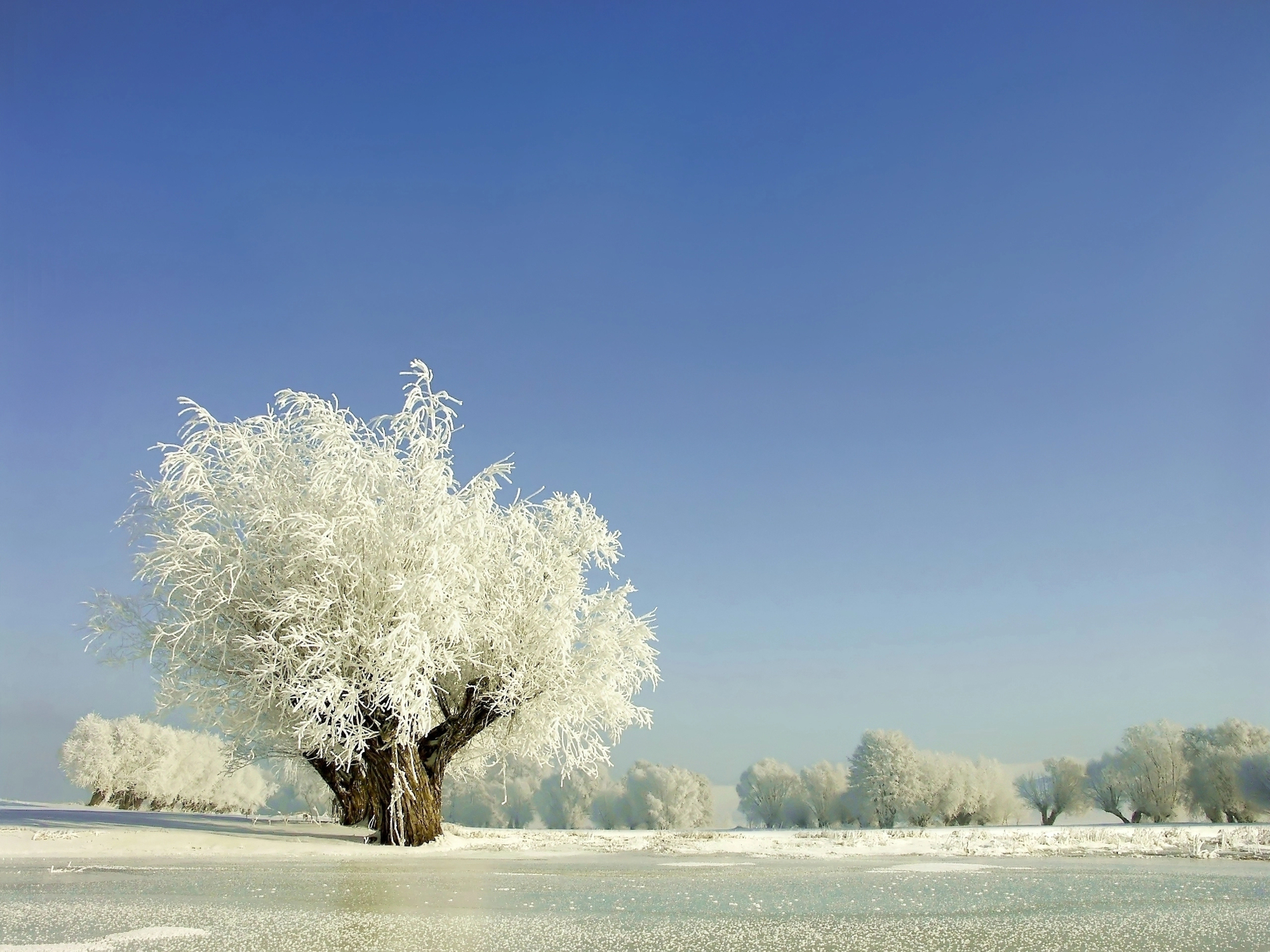
In the Arctic, being tall is a death sentence for plants. The Arctic willow has solved this problem by giving up on the concept of height entirely — it grows outward along the ground, rarely reaching more than a few inches tall but spreading across large areas.
These “trees” can live for decades while looking like nothing more than a thick mat of vegetation.
Some Arctic willows are older than the tall trees you’d find in temperate forests, despite being small enough to step over.
Polar Night Affects Vitamin D Production So Severely That Arctic Peoples Evolved Lighter Skin
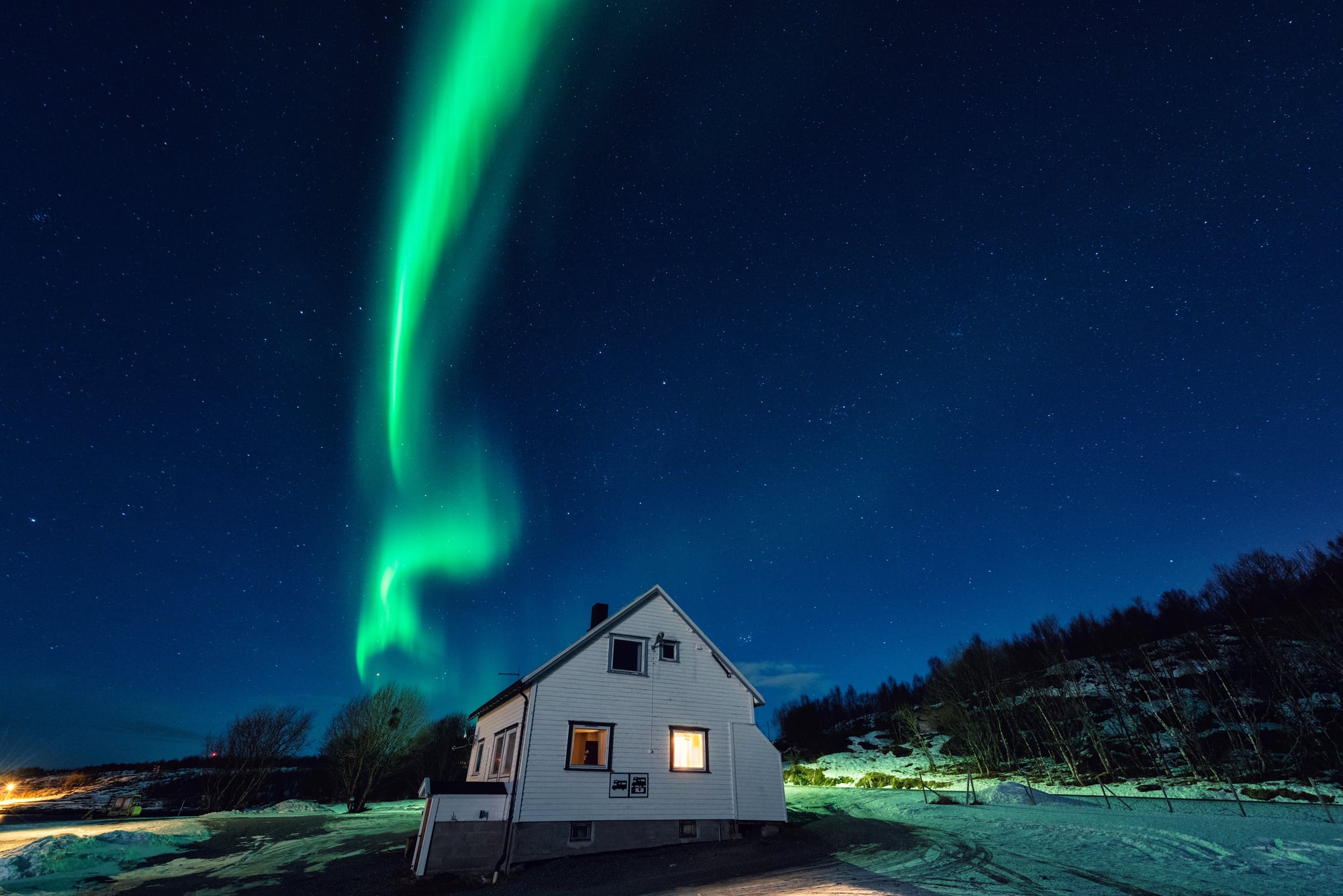
The months of total darkness in the Arctic create a vitamin D crisis that would be fatal for most humans. Indigenous Arctic populations developed lighter skin over thousands of years to maximize vitamin D synthesis during the brief periods when sunlight is available.
Even with these adaptations, many Arctic communities have traditionally relied on vitamin D-rich foods like fish liver and seal blubber to survive the polar night.
Snowy Owls Have Feathers On Their Feet
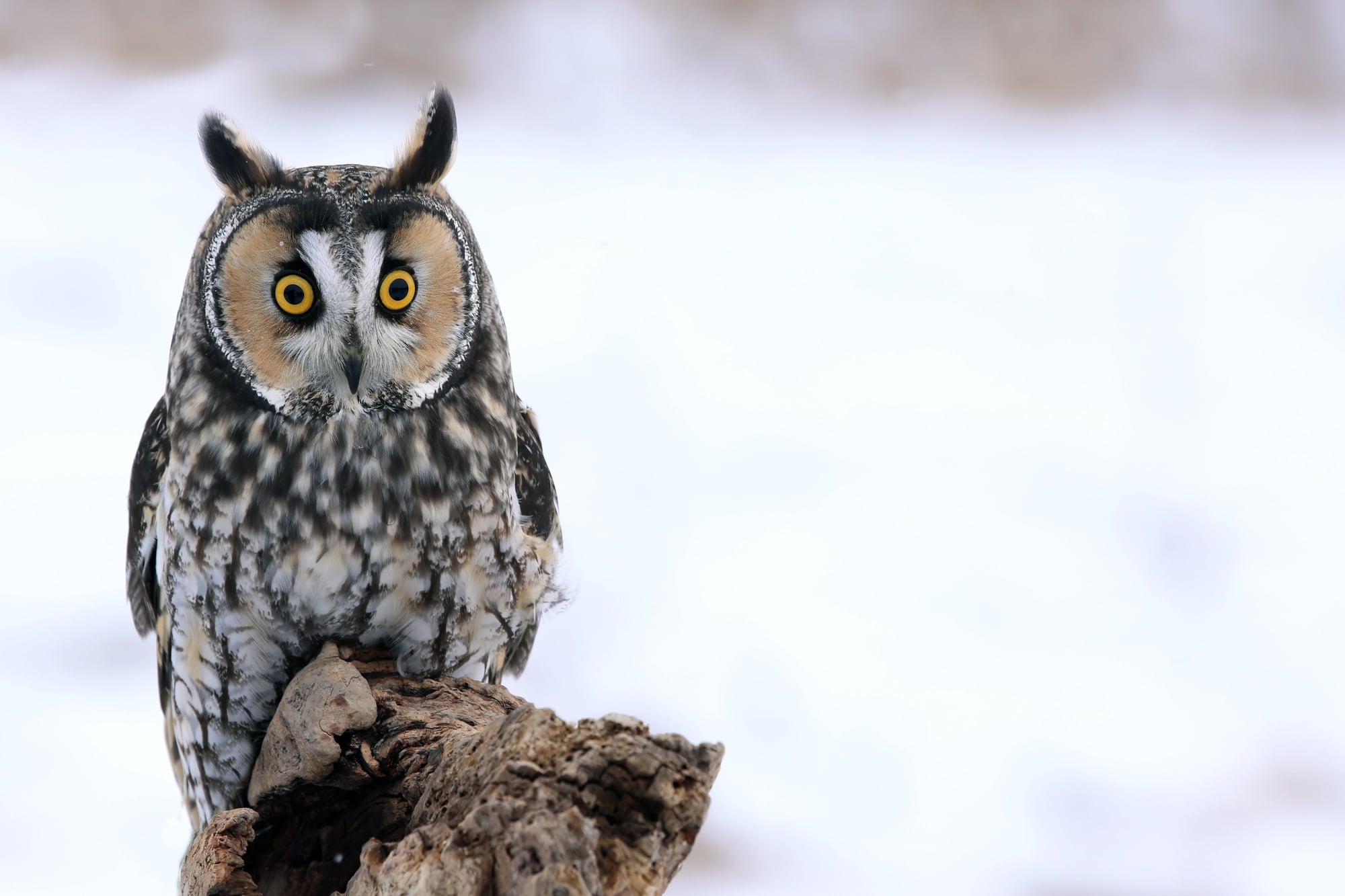
Most owls have bare talons, but snowy owls have feathers covering their feet all the way down to their toes. These feathered feet work like built-in boots, providing insulation and traction on ice and snow.
The feathers are so thick that snowy owl tracks in snow often look more like small snowshoe prints than bird tracks.
Caribou Migrate In Groups Of Hundreds Of Thousands
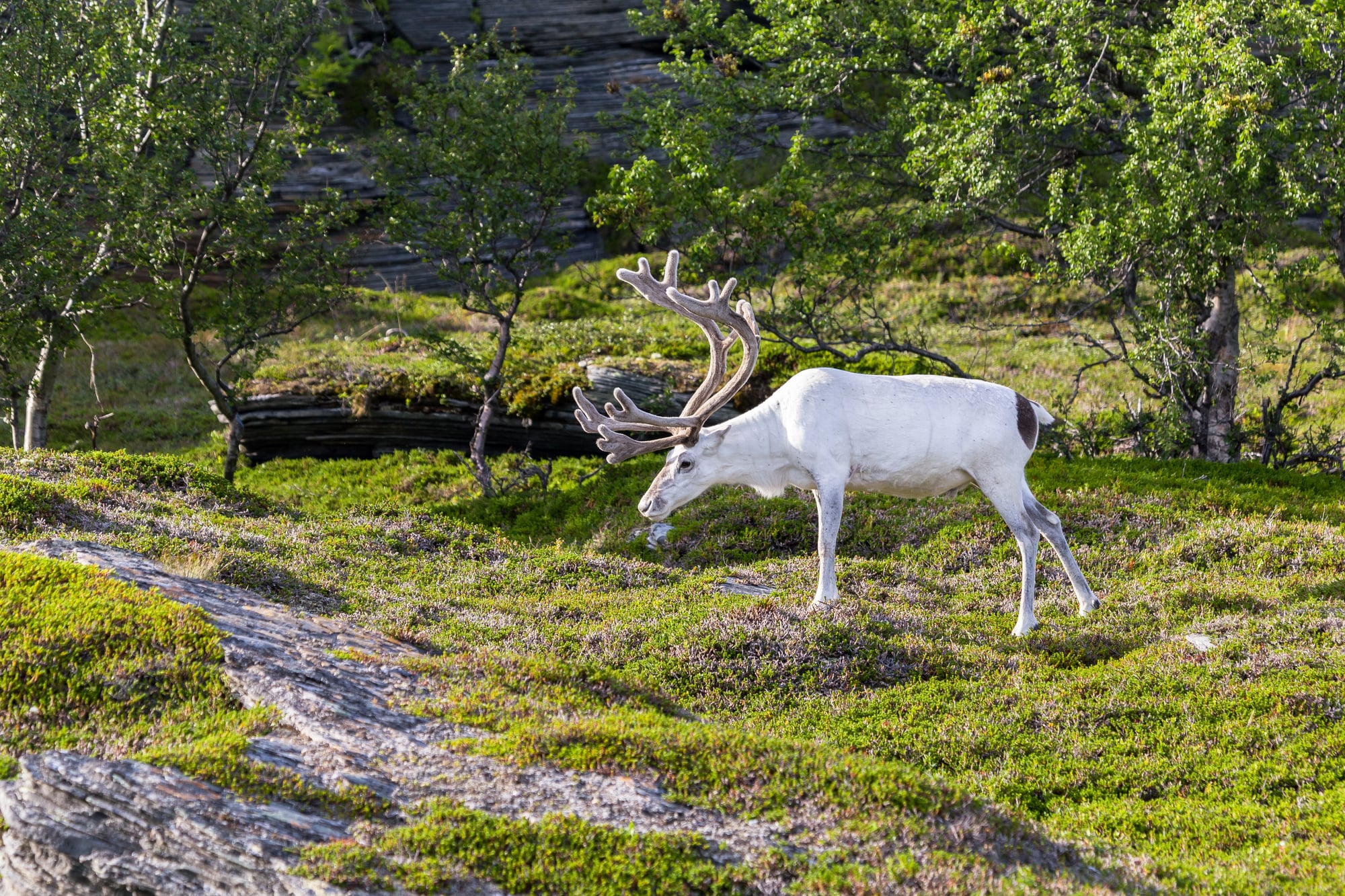
Individual caribou herds can contain over 400,000 animals, creating migrations that stretch across hundreds of miles of Arctic landscape. The Western Arctic Caribou Herd alone includes roughly 200,000 animals that move together across Alaska and northwestern Canada.
When these herds are on the move, they can be seen from space, and their collective impact on the landscape is so significant that their migration routes remain visible in satellite images long after they’ve passed.
Where The Impossible Becomes Routine
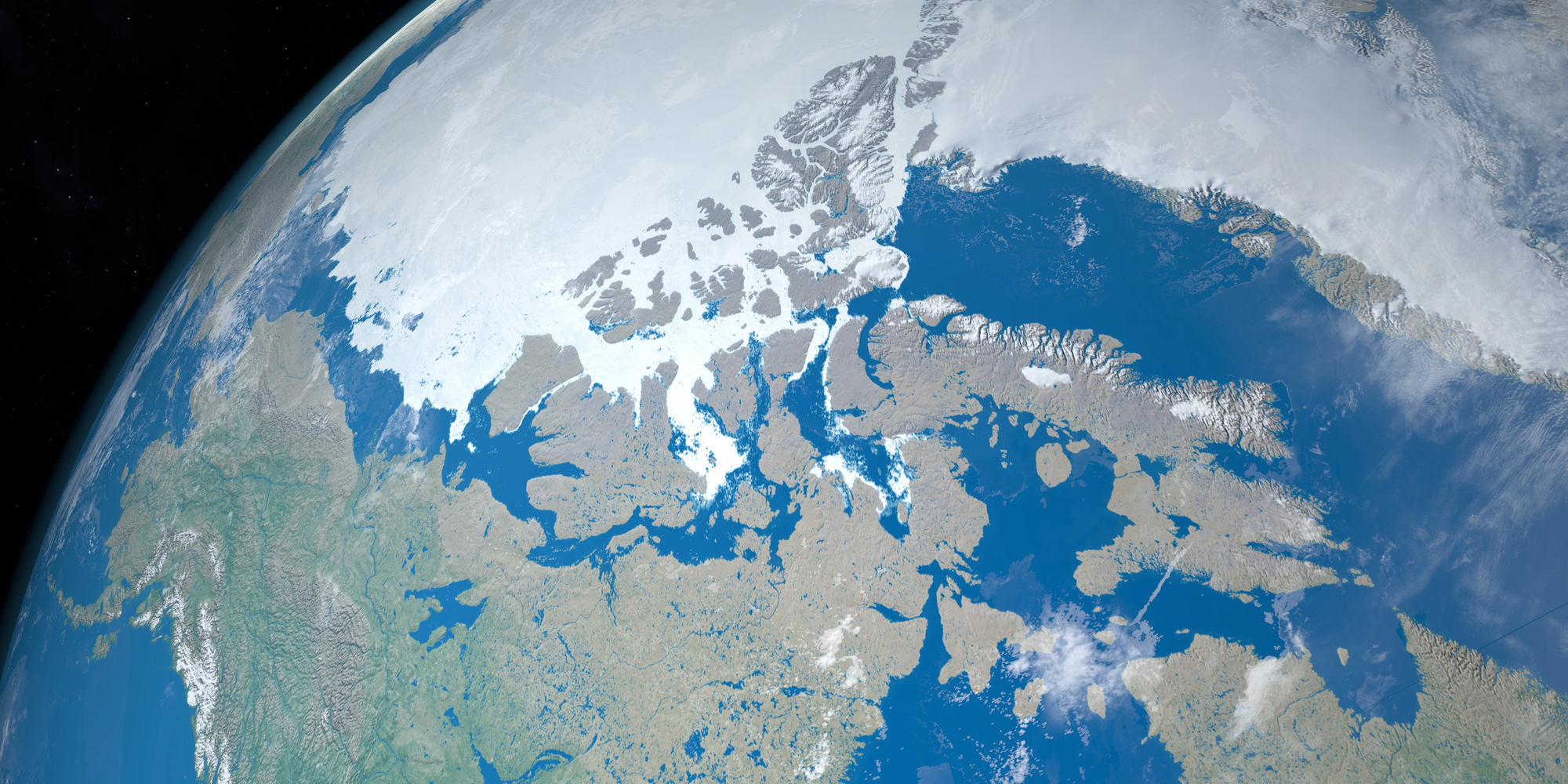
Living in the Arctic Circle means accepting that the basic rules of biology, physics, and human behavior all come with asterisks. Animals survive by freezing themselves solid, plants grow sideways to avoid death by height, and humans adapt to months of continuous light or darkness by essentially rewiring their internal clocks.
The most bizarre fact about the Arctic might be that all these impossible adaptations work perfectly — until you try to explain them to someone who’s never experienced life at the edge of what should be survivable.
More from Go2Tutors!

- The Romanov Crown Jewels and Their Tragic Fate
- 13 Historical Mysteries That Science Still Can’t Solve
- Famous Hoaxes That Fooled the World for Years
- 15 Child Stars with Tragic Adult Lives
- 16 Famous Jewelry Pieces in History
Like Go2Tutors’s content? Follow us on MSN.