Facts Textbooks Swore Were True—but Aren’t
For generations, textbooks have shaped how we see the world. They teach children what’s worth knowing and decide which stories become common knowledge.
But even the best-intentioned books can get things wrong. Some simplified ideas were printed so often that they became unshakable “facts.”
Others were born from mistranslations, national pride, or plain misunderstanding. Once written in ink, those mistakes lived on for decades, repeated by teachers and students alike.
The result? A patchwork of myths woven right into the fabric of education. Here is a list of 13 facts textbooks swore were true—but aren’t.
Vikings Wore Horned Helmets

The image of a Viking charging into battle with horns curling from his helmet is pure fiction. Archaeologists have uncovered thousands of Norse artifacts, but none include horned headgear.
The myth took root in the 1800s when costume designers for Wagner’s operas added horns for dramatic flair. The look was so striking that painters and illustrators copied it, cementing the false image for generations.
Real Viking helmets were made of iron or leather and built for protection, not decoration. The horned version might look good on a movie poster, but on a real battlefield, it would have been an invitation for someone to grab your headgear.
Napoleon Was Short
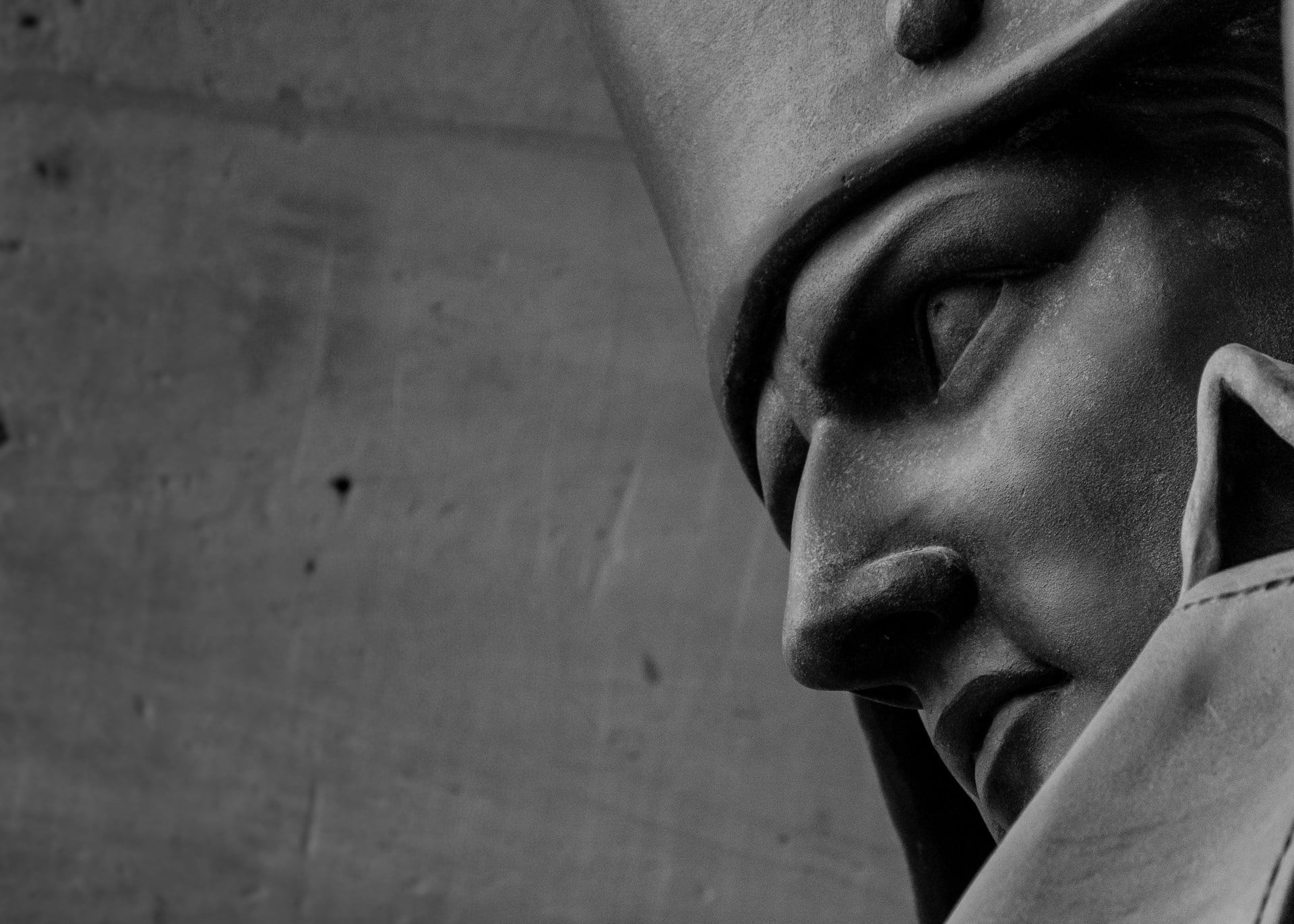
Napoleon Bonaparte’s supposed short stature became a symbol of overcompensation—a “small man with big ambition.” In reality, he was roughly 5 feet 6½ inches tall, average for early-19th-century France.
The confusion came from mixing up French and British measurement systems; five feet two inches in French units equaled about five feet six inches in English. British cartoonists exaggerated his height to mock their rival, and the legend stuck.
He wasn’t towering, but he certainly wasn’t tiny. Ironically, he surrounded himself with unusually tall bodyguards, which probably made him look shorter in comparison.
Columbus Proved the Earth Was Round

Students for years were taught that Christopher Columbus set sail to prove the Earth wasn’t flat. In truth, educated Europeans had known it was round since ancient times.
Greek scholars like Eratosthenes had already measured the planet’s circumference with remarkable accuracy more than a thousand years earlier. Columbus’s gamble wasn’t about shape—it was about distance.
He miscalculated the size of the Earth, thinking Asia was much closer. If the Americas hadn’t been in the way, his crew would have starved long before reaching their intended destination.
The myth was later added by 19th-century writers who wanted to cast him as a scientific hero rather than a lucky navigator.
Einstein Failed Math
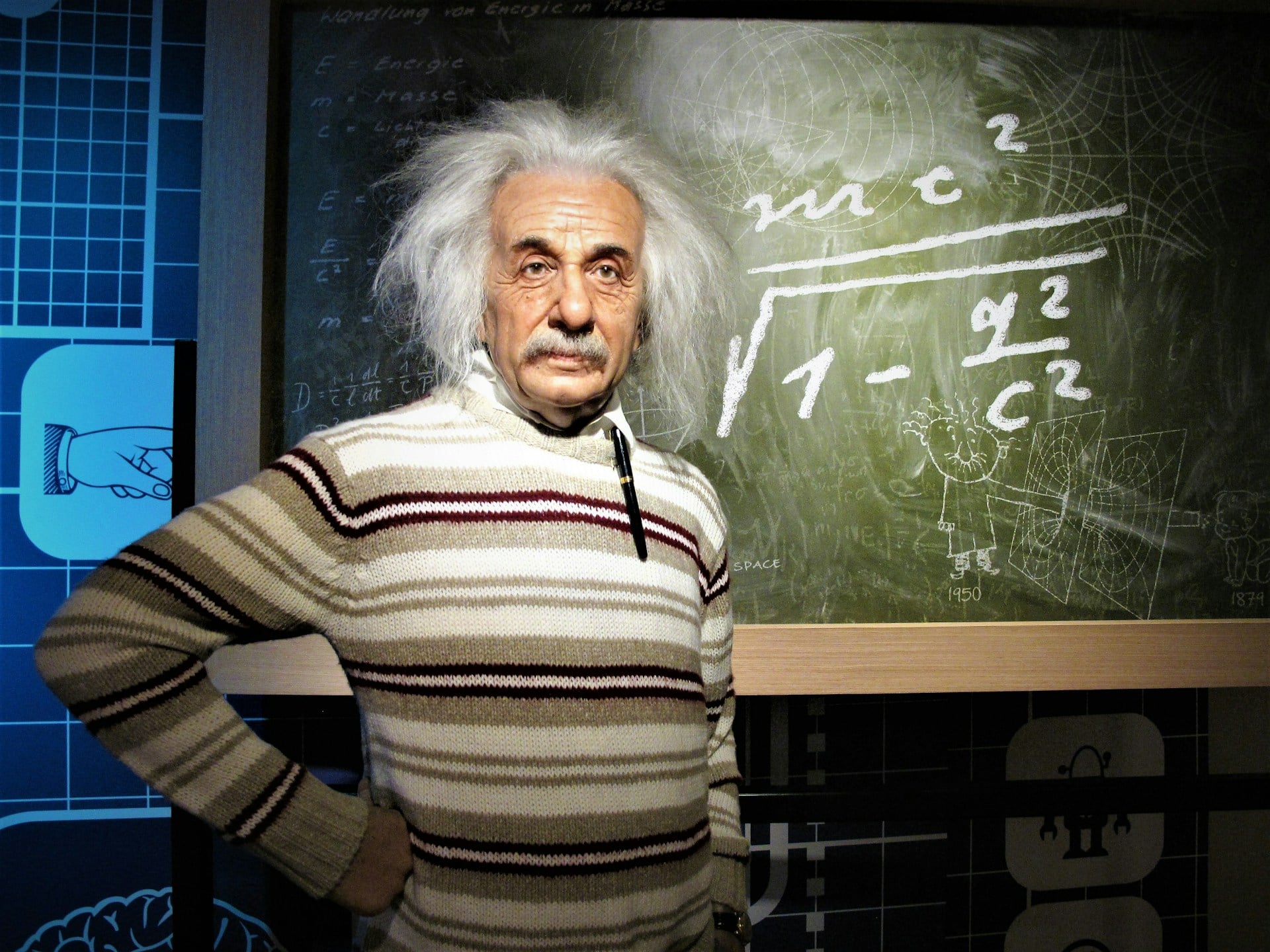
Einstein’s name became synonymous with genius, so it’s no surprise people love the story that he once failed math. It makes him seem relatable—a reminder that even geniuses struggle.
Unfortunately, it’s false. Einstein excelled in math from a young age and was studying calculus by 12.
The myth likely started because of confusion over Swiss grading scales, where lower numbers meant better performance. A journalist misread an old report card, and the story spread.
Einstein later joked, “Before I was fifteen I mastered differential and integral calculus. I never failed mathematics.” He found humor in the rumor, but it frustrated him that it kept reappearing long after he set the record straight.
Humans Use Only 10 Percent of Their Brains

This myth refuses to die. The idea that most of our brain lies dormant makes for great movie plots, but neuroscience shows that nearly every region has a function.
Brain scans reveal constant electrical activity, even during rest or sleep. The misconception may have started when early psychologists speculated that people rarely reach their full potential.
Somewhere along the way, that statement morphed into “we use only ten percent.” It’s appealing because it hints at hidden power—but the truth is more impressive.
We use all of it, just not all at once.
The Great Wall of China Is Visible from Space

For decades, textbooks declared that the Great Wall could be seen from the Moon, a claim that even early astronauts dismissed. The wall stretches for thousands of miles, but it’s narrow and built from materials that blend into the terrain.
From orbit, it’s virtually invisible to the unaided eye. Other man-made features—city grids, airports, and roads—are easier to spot.
The “visible from space” story appeared in print long before anyone had actually left Earth, proving how easily imagination can outrun evidence.
Chameleons Change Color to Match Their Surroundings

Chameleons don’t shift color to disappear into the background like living camouflage sheets. Their color changes come from microscopic crystals in their skin that reflect light differently depending on mood, temperature, and environment.
A bright yellow display may mean excitement or aggression; darker tones help absorb heat. Scientists discovered that these shifts also serve as social signals—a way for chameleons to talk without words.
Matching their environment is sometimes a side effect, not the main goal.
The Tongue Has Separate Taste Zones

If you memorized a diagram showing where sweet, salty, sour, and bitter tastes occur, you memorized a century-old mistake. The original 1901 study didn’t claim exclusive zones at all—it noted minor differences in sensitivity.
When translated into English, the nuance vanished, and textbook illustrators ran with it. In reality, all taste buds can detect all flavors.
The tongue is democratic; no single area claims ownership of sweetness or saltiness. Modern neuroscience has replaced the old chart with a far more fascinating picture of taste as a combination of smell, texture, and even temperature.
Marie Antoinette Said “Let Them Eat Cake”

The doomed queen of France never said those infamous words. Philosopher Jean-Jacques Rousseau wrote the phrase in his memoirs years before Marie Antoinette was even a teenager, attributing it to an unnamed princess.
Revolutionaries later attached it to her to fuel public outrage. In truth, she often donated money to the poor and supported charitable causes.
The story stuck because it perfectly symbolized the disconnect between rulers and the people—an exaggeration that turned into historical shorthand for arrogance.
Einstein Invented the Atomic Bomb
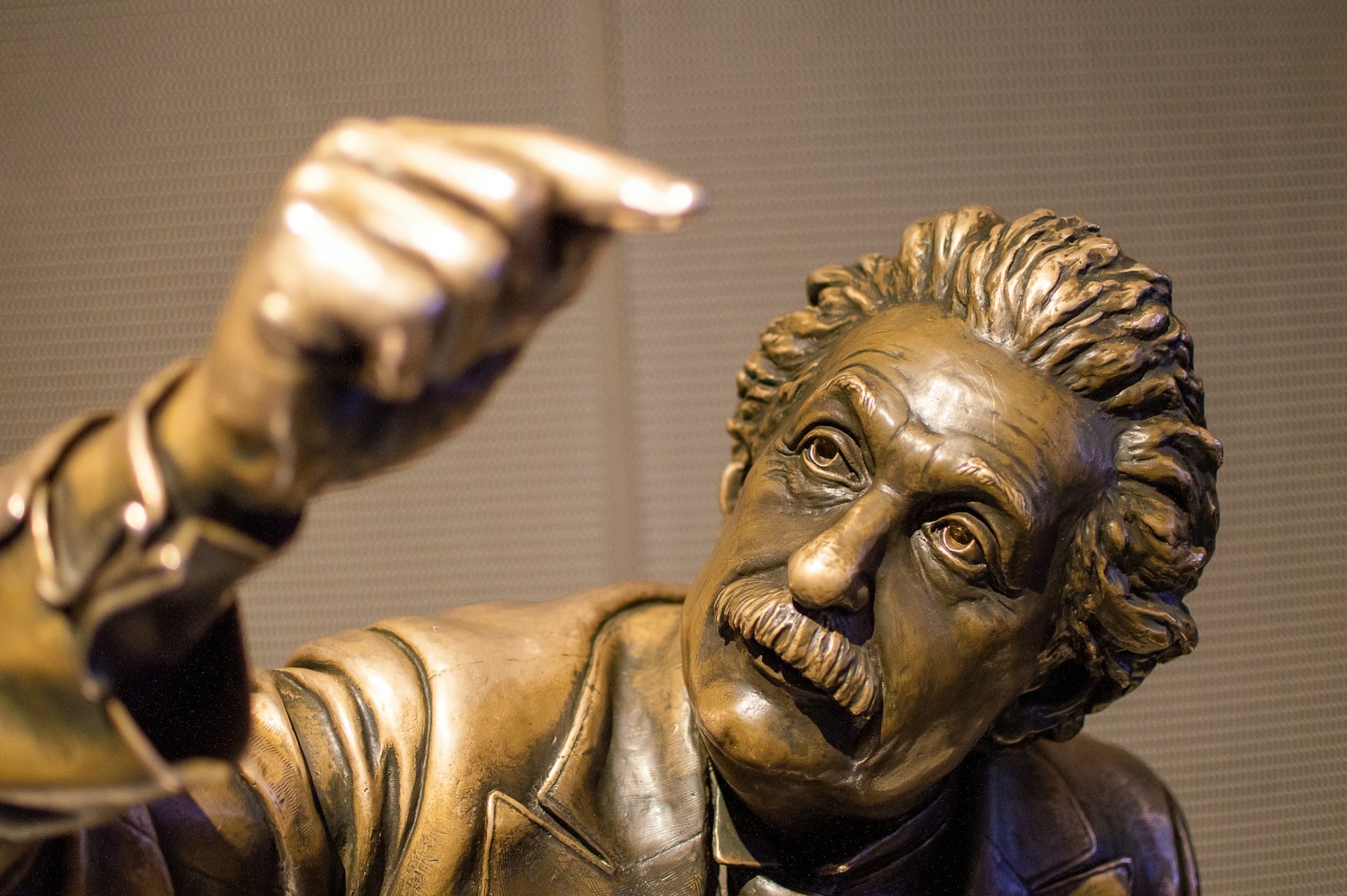
Einstein’s theories of relativity laid groundwork for understanding energy, but he had no role in creating the bomb itself. His only contribution was signing a 1939 letter to President Roosevelt warning that Nazi Germany might be pursuing nuclear research.
That letter helped prompt the Manhattan Project, but Einstein, a lifelong pacifist, later regretted even that indirect involvement. Simplified school lessons blurred the line between scientific discovery and military application, giving him credit—and blame—for something he neither built nor wanted.
Salem “Witches” Were Burned at the Stake

Hollywood dramatization turned the Salem witch trials into images of flames and pyres, but Massachusetts followed English law, which prescribed hanging, not burning. Nineteen people were hanged, one was pressed to death under stones, and several died in jail awaiting trial.
The confusion likely came from European witch hunts, where burning was common. The real Salem story is grim enough without embellishment: fear, superstition, and political rivalry led neighbors to destroy one another in the name of purity.
George Washington Had Wooden Teeth
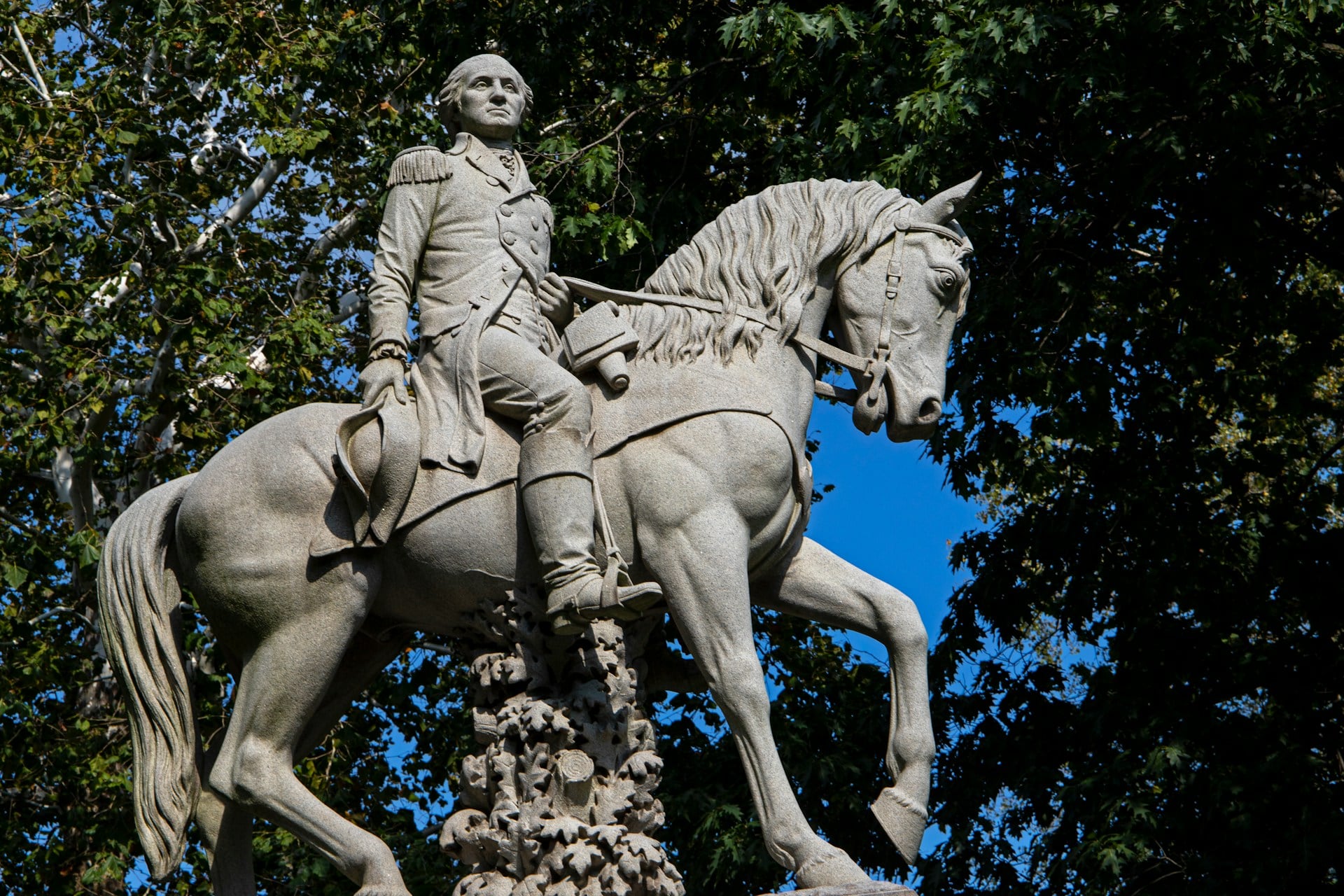
Washington’s dentures were a patchwork of materials—ivory, gold, lead, and even teeth purchased from donors—but never wood. Years of use stained and cracked them, giving a grainy appearance that probably inspired the rumor.
They caused constant pain and distorted his speech, which explains his famously tight-lipped portraits. Far from a simple dental myth, his story reflects how medicine lagged behind ambition.
Being president didn’t spare him from primitive technology.
The Dark Ages Were Entirely “Dark”

Textbooks once painted a thousand years of gloom between the fall of Rome and the Renaissance, but that view ignores entire civilizations that flourished during that time. Islamic scholars preserved and expanded classical knowledge, Chinese inventors developed printing and gunpowder, and universities emerged across Europe.
Art and architecture evolved, and trade connected continents. The term “Dark Ages” was coined by later writers who wanted to highlight their own enlightenment by dimming the centuries before.
The truth is far richer: progress never stopped—it simply changed direction.
The Truth Is Stranger Than Fiction

These myths show how easily storytelling replaces accuracy once a false idea gains momentum. Textbooks, like people, evolve with time, and many of today’s editions correct these mistakes.
But some still echo in conversation, classroom trivia, and social media posts. Myths survive because they’re easy to remember and satisfying to repeat.
The real challenge is that truth often lacks the drama of a good story. Yet when we take the time to check the facts, history becomes far more compelling.
Real people, real discoveries, and real failures are infinitely more interesting than the legends that replaced them. Learning to question what we’re taught doesn’t make education weaker—it makes it stronger.
The past isn’t static ink on a page; it’s a living conversation that grows sharper each time someone asks, “Is that really true?”
More from Go2Tutors!

- The Romanov Crown Jewels and Their Tragic Fate
- 13 Historical Mysteries That Science Still Can’t Solve
- Famous Hoaxes That Fooled the World for Years
- 15 Child Stars with Tragic Adult Lives
- 16 Famous Jewelry Pieces in History
Like Go2Tutors’s content? Follow us on MSN.