18 Wars That Almost Happened But Were Stopped at the Last Moment
Throughout history, the world has repeatedly stood on the precipice of devastating conflicts that would have altered the course of nations and cost countless lives. Yet through diplomatic intervention, individual courage, or sometimes pure luck, these potential wars were averted at the final hour.
The narrow escapes from these conflicts reveal how fragile peace can be and how easily tensions can escalate to the brink of disaster. Here is a list of 18 wars that nearly erupted but were halted before full-scale conflict could begin.
The Cuban Missile Crisis
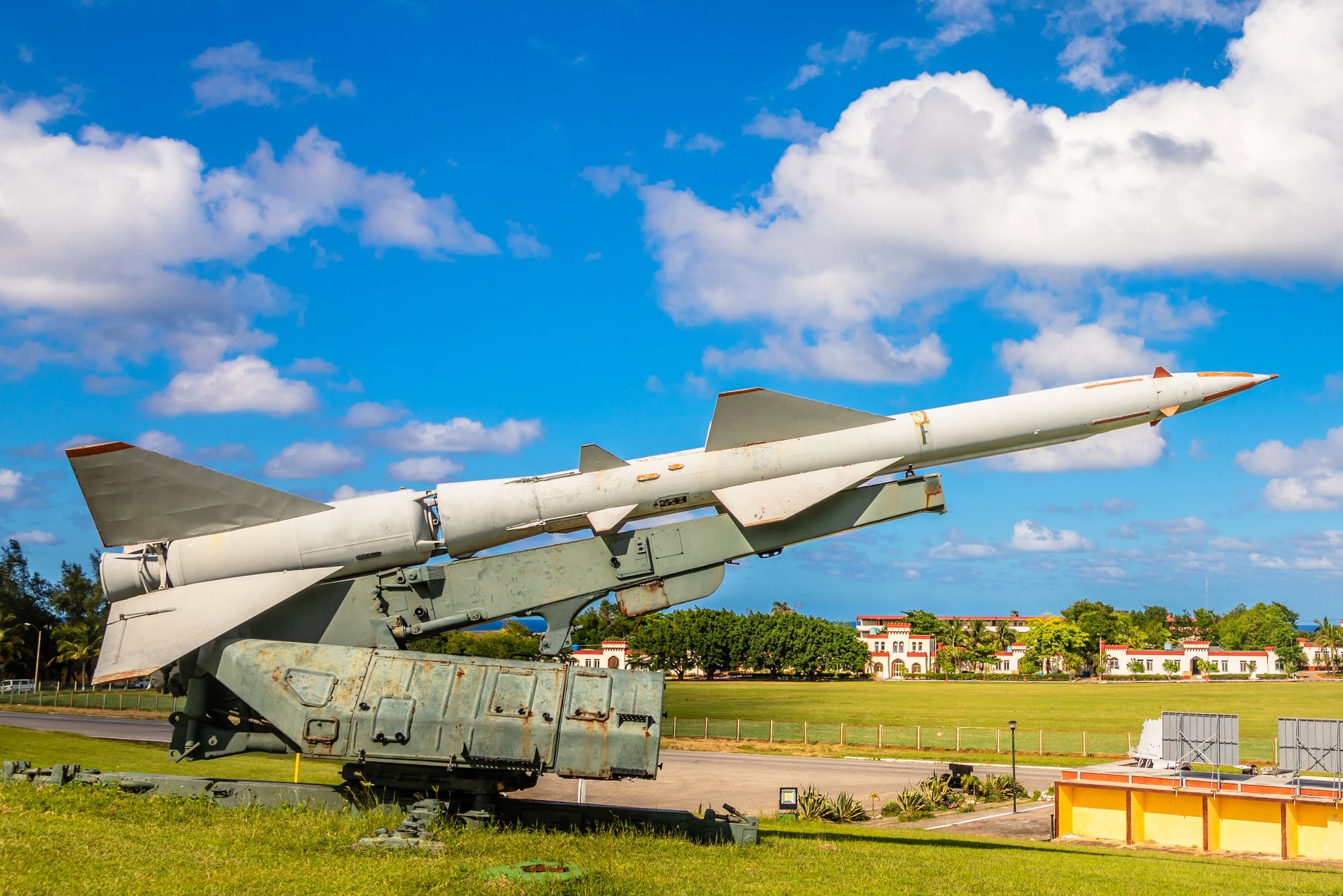
In October 1962, the United States and Soviet Union came within hours of nuclear war after American surveillance discovered Soviet missiles in Cuba. For thirteen tense days, the world held its breath as military forces on both sides prepared for combat.
The crisis was ultimately resolved when Soviet Premier Khrushchev agreed to remove the missiles in exchange for a U.S. pledge not to invade Cuba and a secret agreement to remove American missiles from Turkey.
The Able Archer Incident
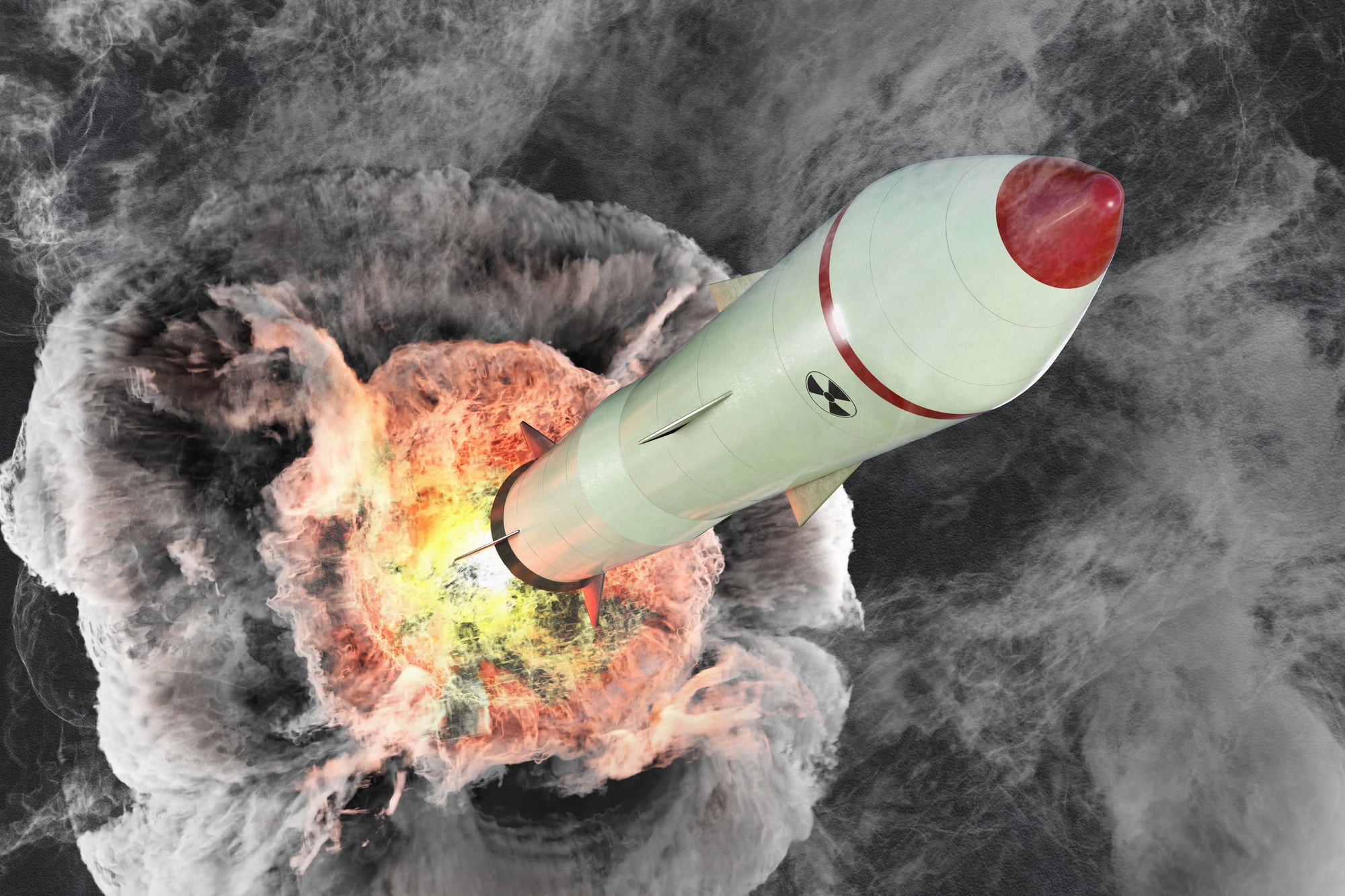
In November 1983, NATO conducted a military exercise called Able Archer 83 that simulated a nuclear launch. Soviet intelligence misinterpreted these war games as preparation for an actual first strike and placed their nuclear forces on high alert.
The world unknowingly came to the edge of nuclear war until U.S. intelligence noticed the Soviet reaction and quickly communicated that the exercise was not a prelude to attack.
The Norwegian Rocket Incident
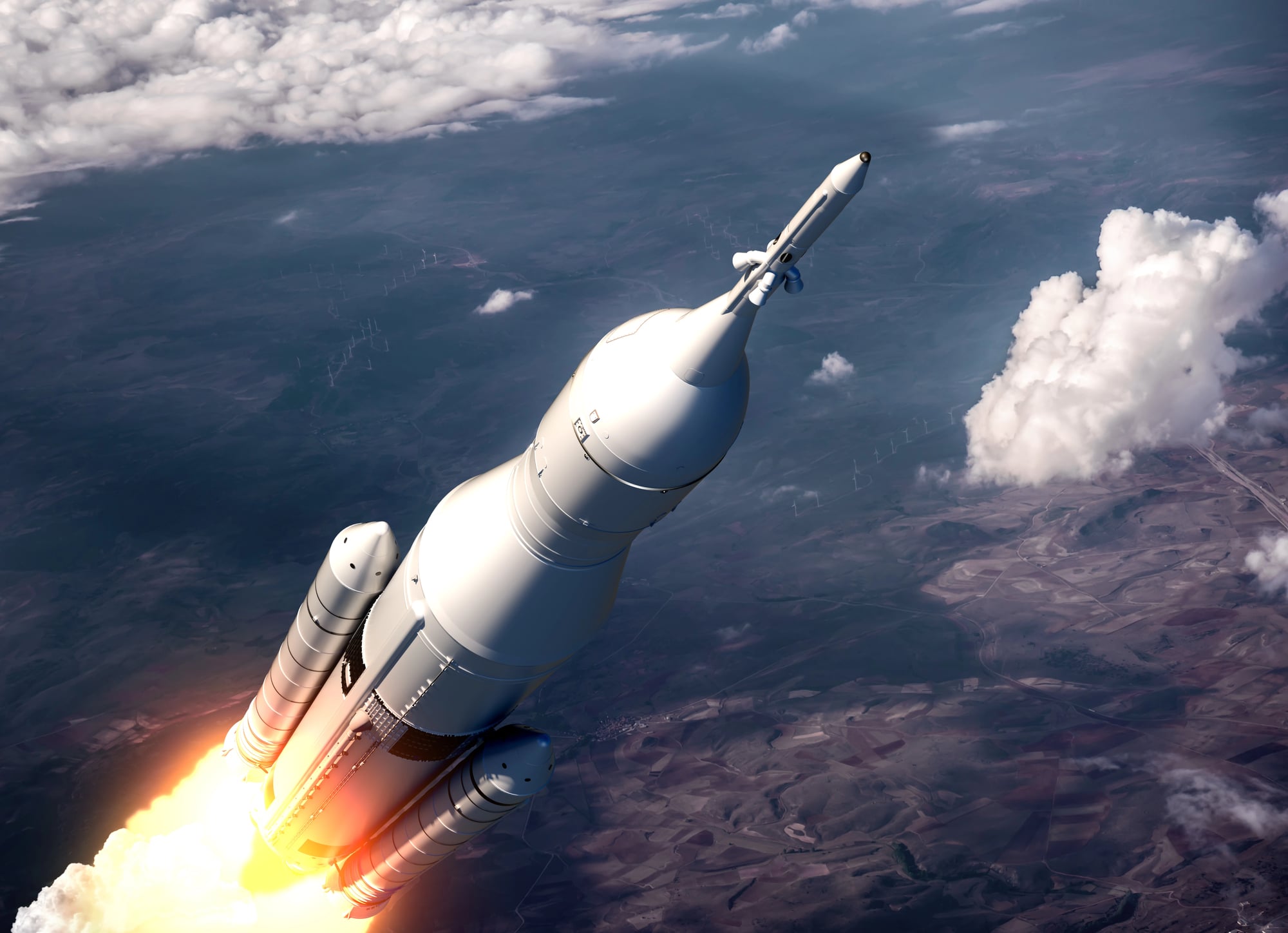
In January 1995, a team of Norwegian scientists launched a research rocket to study the northern lights, but the rocket appeared on Russian radar systems as a potential incoming missile. This triggered Russia’s nuclear response system, and for the first time ever, the nuclear briefcase was opened in front of Russian President Boris Yeltsin.
With just minutes to decide, Yeltsin correctly determined it wasn’t an attack, averting what could have been a catastrophic nuclear exchange based on a misunderstanding.
The Taiwan Strait Crisis of 1996
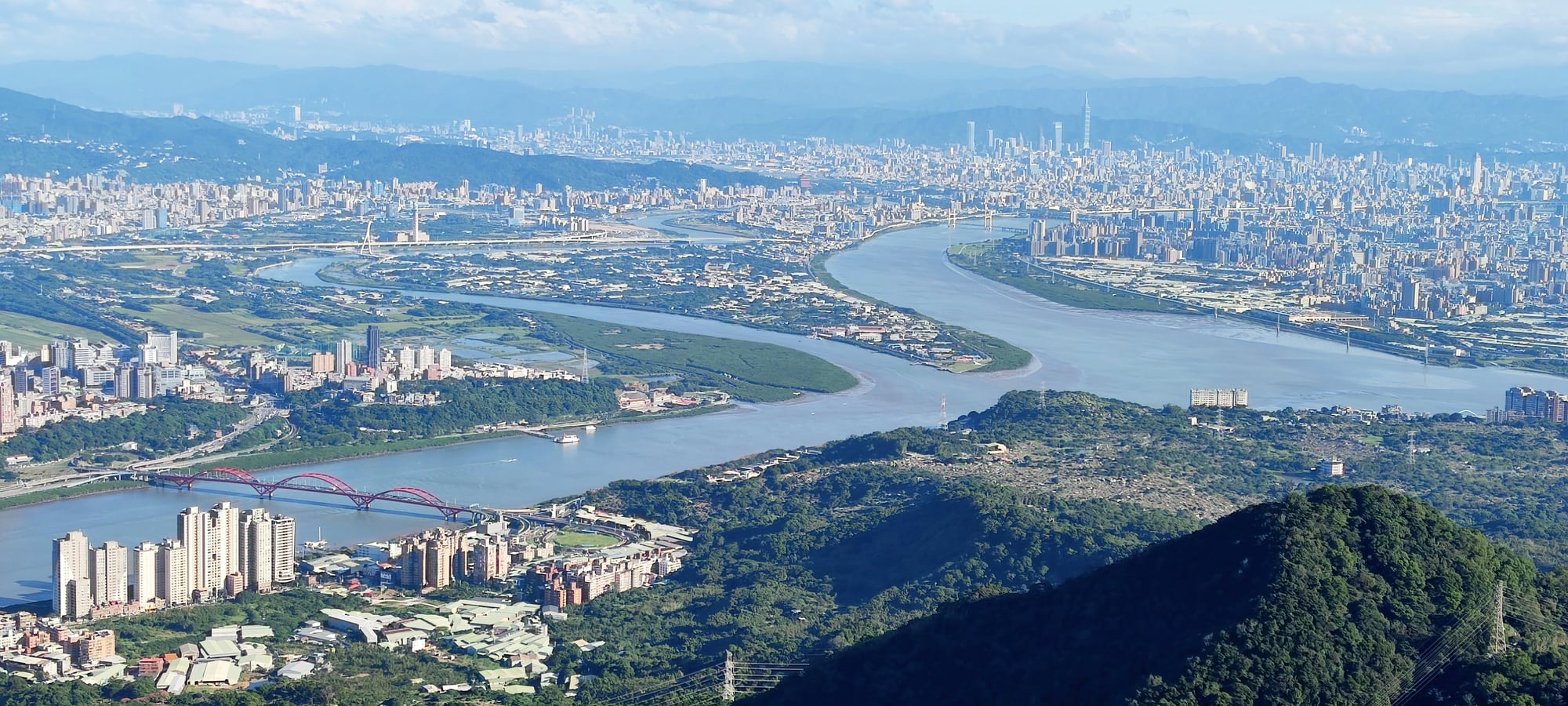
China conducted missile tests and military exercises near Taiwan in an attempt to intimidate the island before its first democratic presidential election. The United States responded by sending two aircraft carrier groups to the region in the largest U.S. military display in Asia since the Vietnam War.
This naval standoff nearly erupted into direct conflict between two nuclear powers but ultimately ended when China concluded its exercises after the Taiwanese elections proceeded as planned.
The Cod Wars
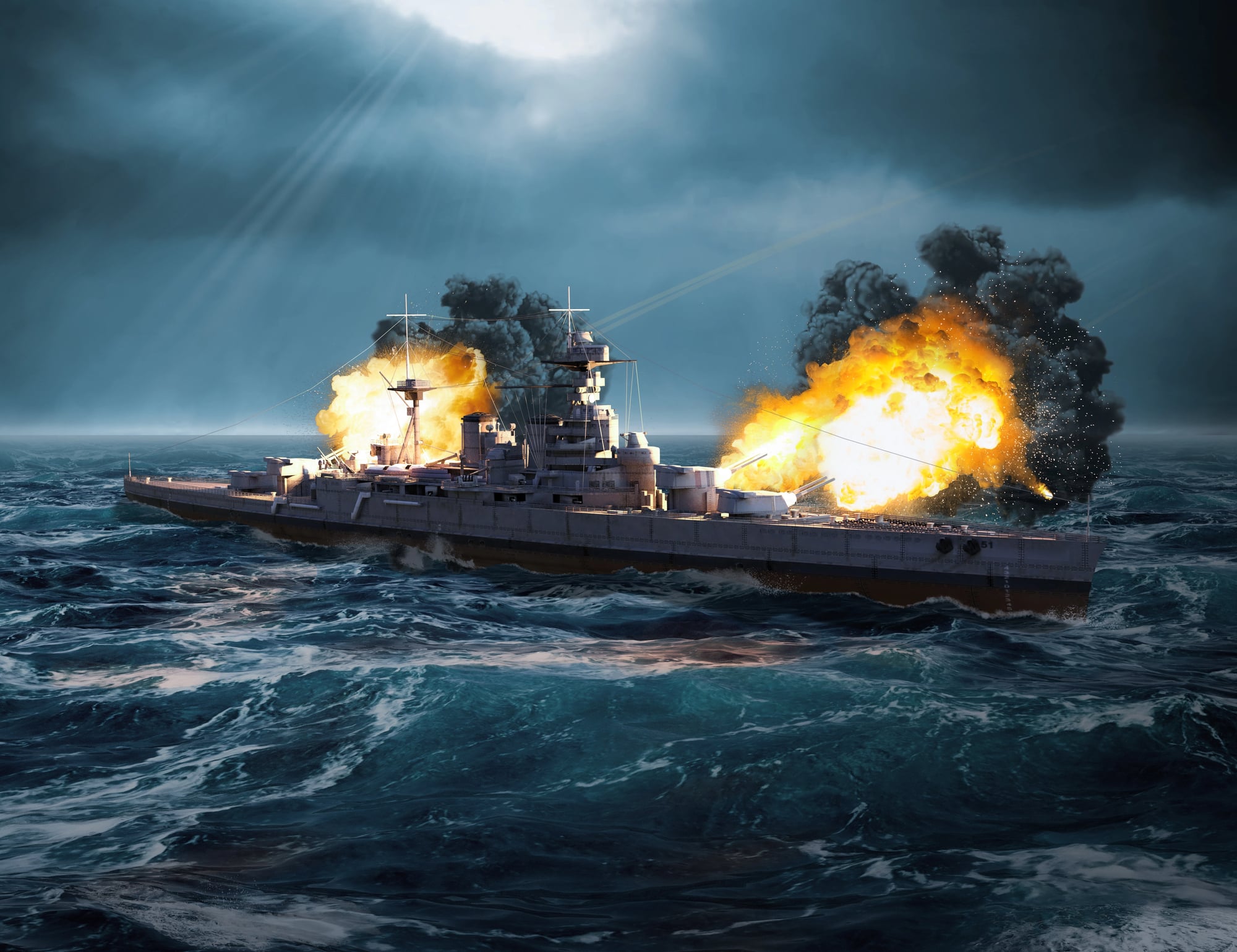
From the 1950s until the 1970s, Britain and Iceland battled one another for fishing rights in the North Atlantic. Though they had a dramatic title, the “wars” were about crashing ships, ruining fishing nets, and aiming water cannons rather than conventional weaponry.
Diplomatic pressure from the US and other NATO members helped create fishing agreements before actual conflict could start, therefore averting the tensions from approaching a military clash between the allies.
Operation RYAN Alert
In 1983, Soviet intelligence received reports that misinterpreted a NATO exercise as preparation for a surprise nuclear attack. The aging Soviet leadership, particularly KGB chairman Yuri Andropov, became convinced that the United States was planning a first strike.
This paranoia nearly triggered a preemptive Soviet attack but was defused when a Soviet double agent, Oleg Gordievsky, smuggled information to British intelligence confirming that NATO had no aggressive intentions.
The Fashoda Incident

In 1898, British and French military expeditions met at Fashoda (now in South Sudan) in a territorial dispute that brought the two European powers to the brink of war. The British, led by General Kitchener, and the French, under Major Marchand, maintained an armed standoff as their governments negotiated thousands of miles away.
Cooler heads eventually prevailed when France, recognizing Britain’s superior naval power, agreed to withdraw from the area in exchange for concessions elsewhere in Africa.
The Agadir Crisis
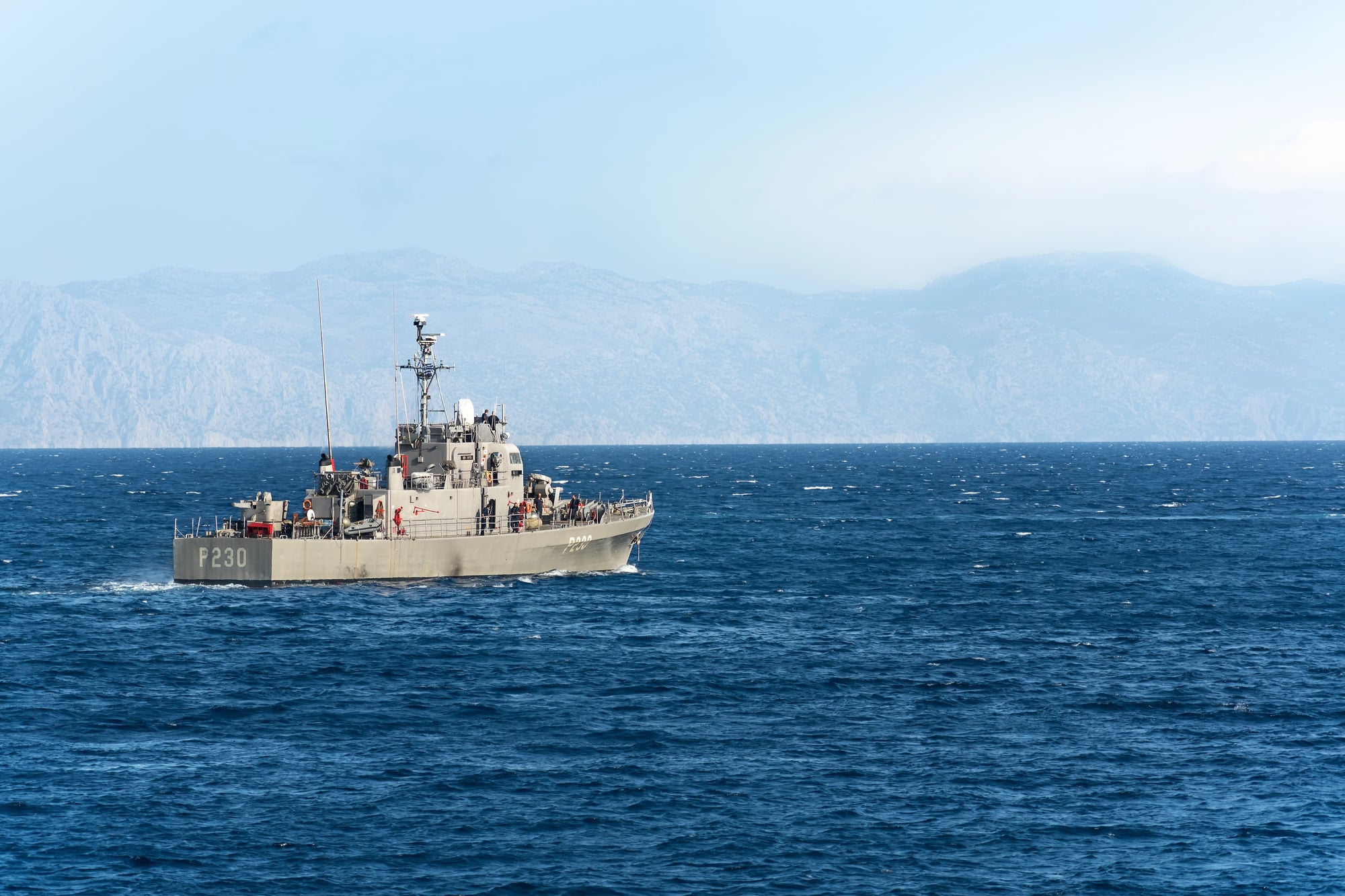
In 1911, Germany sent the gunboat Panther to the Moroccan port of Agadir, challenging French control of Morocco and testing the Anglo-French Entente. This aggressive move triggered a major international crisis that nearly led to a European war three years before World War I actually began.
The situation was resolved through diplomatic negotiations, with Germany accepting French dominance in Morocco in exchange for territorial concessions in central Africa.
The Black Sea Incident

In 2015, Turkey shot down a Russian fighter jet near the Turkey-Syria border, claiming it had violated Turkish airspace. This direct military confrontation between a NATO member and Russia created an immediate crisis that threatened to spiral into a broader conflict.
Through intense diplomatic efforts and Russia’s decision to respond with economic sanctions rather than military action, the situation was defused before it could expand into open warfare.
The Indo-Pakistani Standoff of 2001-2002

In December 2001, India mobilized more than 500,000 troops along its border with Pakistan in response to a terrorist attack on the Indian Parliament, to which Pakistan reciprocated. With armies in place and missiles primed, both nuclear-armed countries were poised to engage in their fourth conflict since gaining their independence.
After months of deadly tension, both sides were persuaded to withdraw their soldiers by intense international diplomatic pressure, especially from the United States.
The Sino-Soviet Border Conflict

In 1969, Chinese and Soviet forces clashed along their disputed border at the Ussuri River, resulting in hundreds of casualties. These skirmishes nearly escalated to full-scale war, with the Soviets even considering a preemptive nuclear strike against Chinese nuclear facilities.
The conflict was eventually contained through diplomatic channels, though tensions remained high for years afterward.
The Persian Gulf Crisis of 1987

During the Iran-Iraq War, the United States began escorting Kuwaiti oil tankers through the Persian Gulf to protect them from Iranian attacks. After the USS Stark was hit by an Iraqi missile and the USS Vincennes accidentally shot down an Iranian civilian airliner, the situation nearly spiraled into direct conflict between America and Iran.
Careful restraint on both sides prevented these incidents from triggering a wider war in the region.
The Berlin Blockade

In 1948, the Soviet Union blocked all land access to West Berlin, attempting to force the Western Allies to abandon the city. Rather than attempt a military breakthrough that would likely trigger World War III, the Allies organized the Berlin Airlift, flying in supplies to the blockaded city for nearly a year.
This creative solution maintained Western control of West Berlin without firing a shot, and the Soviets eventually lifted the blockade once it became clear it had failed.
The Wisdom of Restraint
These near-miss incidents serve as a reminder that, even in very tense times, war is hardly inevitable. Individual choices to restraint against violence have often helped society to be retrieved from disasters over and over again.
The way these crises are resolved provides insightful analysis of the need for open communication, diplomatic channels, and the readiness to compromise. Although we honor the wars that shaped history, maybe we should also be equally appreciative of these related conflicts that nearly occurred but did not, saving many lives and providing more peaceful means of onward direction.
More from Go2Tutors!

- The Romanov Crown Jewels and Their Tragic Fate
- 13 Historical Mysteries That Science Still Can’t Solve
- Famous Hoaxes That Fooled the World for Years
- 15 Child Stars with Tragic Adult Lives
- 16 Famous Jewelry Pieces in History
Like Go2Tutors’s content? Follow us on MSN.



