15 Things You Never Knew About the Amish
The Amish live among us, yet remain largely hidden in plain sight. Their horse-drawn buggies clip-clop down country roads while pickup trucks rumble past, creating a curious collision of centuries that most of us notice but rarely question.
Behind those simple clothes and that quiet demeanor lies a community far more complex and surprising than the stereotypes suggest. Some of what you think you know is wrong.
Much of what you don’t know will change how you see them entirely.
Technology Isn’t Completely Forbidden

The Amish don’t reject all technology. They evaluate it.
Each district decides what serves their community without corrupting it. Solar panels power some Amish homes.
Pneumatic tools run on compressed air in woodworking shops. The key is whether technology strengthens family bonds or weakens them.
A landline telephone in the barn for emergencies? Often acceptable. A smartphone in every pocket? That’s where they draw the line.
Their Furniture Is a $2 Billion Industry
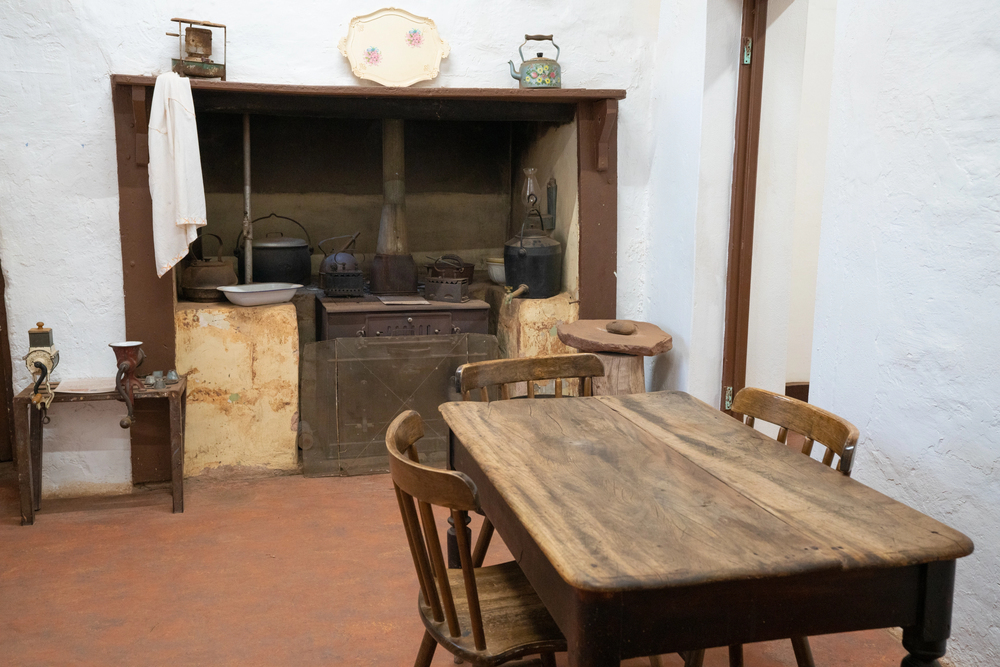
When someone mentions Amish furniture, you might picture a simple wooden table (and there’s nothing wrong with that mental image, because simplicity is precisely the point), but what most people don’t grasp is that this represents one of the most successful manufacturing networks in rural America — so successful, in fact, that Amish woodworkers have quietly built a furniture empire that ships custom pieces to Manhattan apartments and Beverly Hills estates. The irony runs deep: communities that deliberately limit their exposure to the modern world have become masters at serving its most demanding consumers.
And yet their success stems from the very values that separate them from that world. Their reputation for quality isn’t marketing. It’s generational knowledge passed from father to son, where a joint that fails brings shame to the family name.
No shortcuts, no particle board, no planned obsolescence.
They Pay Taxes But Don’t Collect Social Security

The Amish pay federal and state income taxes, property taxes, and sales taxes. They contribute to society’s infrastructure while using very little of it. What they don’t pay into is Social Security or Medicare.
Congress granted them an exemption in 1965 — not because they asked for special treatment, but because they proved they take care of their own elderly and sick without government assistance. Their community support system made Social Security redundant.
Teenagers Get a Rumspringa Reality Check
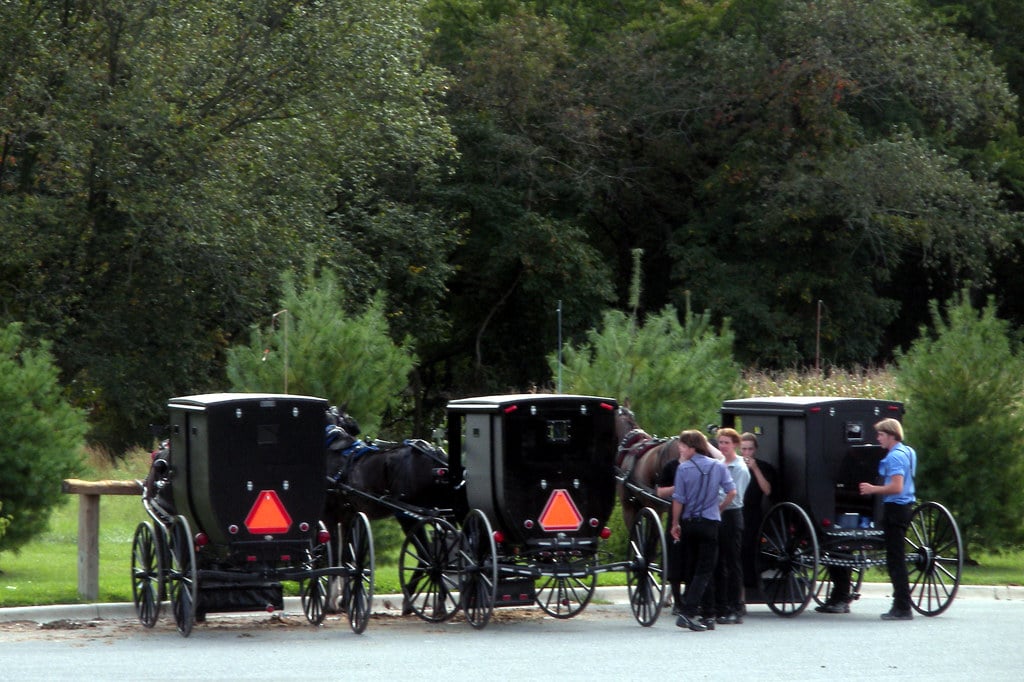
Rumspringa gets romanticized as Amish teenagers gone wild — a sanctioned rebellion before settling down. The reality operates more like extended decision-making time, where young people (usually between 16 and their early twenties) experience life beyond their community’s boundaries before choosing whether to commit through baptism.
Most don’t transform into party animals; they work jobs in town, maybe buy a car, perhaps date outside their community. The surprising part isn’t that some experiment with forbidden activities. It’s that roughly 85% choose to return and join the church permanently.
Freedom, it turns out, often makes the choice to stay feel more genuine rather than less.
They’re Excellent Businesspeople
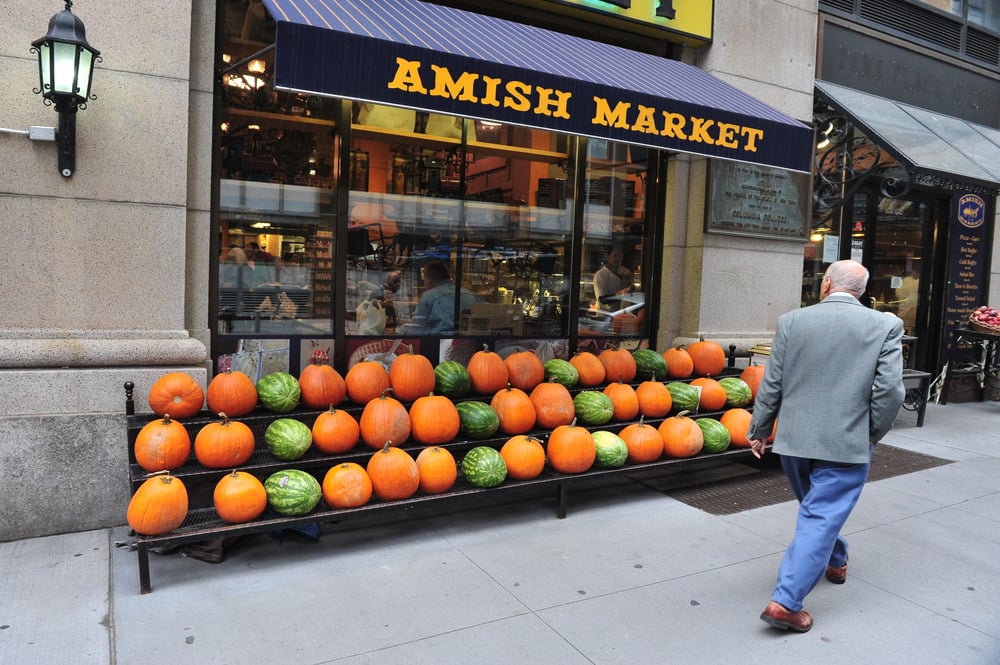
Amish businesses succeed at rates that would make MBA programs jealous. The combination of strong work ethic, low overhead, and word-of-mouth reputation creates enterprises that rarely fail.
Construction crews, furniture makers, produce stands, and repair shops — all built without advertising budgets or business loans. They understand something most entrepreneurs miss: reputation travels faster than marketing, and quality sells itself when you’re patient enough to let it.
Customer loyalty isn’t a strategy for them; it’s a natural byproduct of doing things right.
Education Stops at Eighth Grade for Good Reason

Formal schooling ends after eighth grade, but learning continues for life. The Supreme Court upheld their right to limit formal education in 1972, recognizing that their agricultural lifestyle didn’t require advanced academics.
What happens next challenges assumptions about education entirely. At 14, Amish children begin apprenticeships in farming, carpentry, or other trades.
By 18, they possess skills that many college graduates lack: the ability to build, repair, grow, and create with their hands. While their peers accumulate debt in lecture halls, Amish young adults accumulate practical knowledge that translates directly into economic independence.
Their literacy rates remain high. They simply prioritize different forms of intelligence.
They’re Not All Farmers Anymore
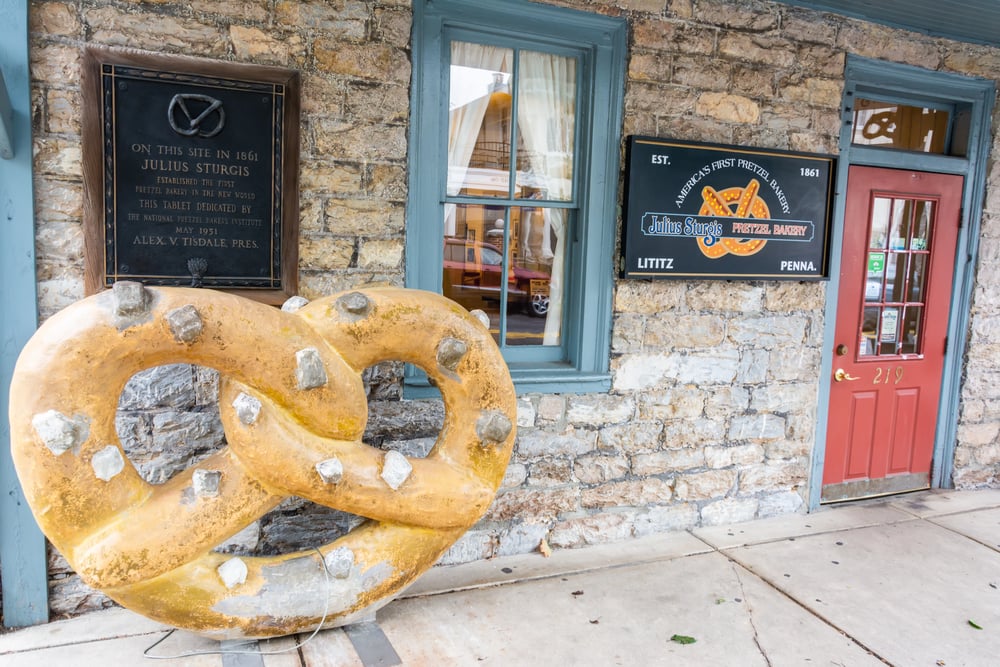
Farming requires land, and land costs money most young Amish families don’t have. So they adapted.
Carpentry shops, bakeries, furniture businesses, and construction crews now employ more Amish workers than traditional agriculture. Some communities have embraced light manufacturing.
Others focus on crafts and services. The shift happened quietly, without abandoning their core values — they simply found new ways to support their families while maintaining their community structure.
Medical Care Includes Modern Hospitals

When someone gets seriously hurt or sick, the Amish head straight to the hospital. They don’t rely on faith healing or folk remedies for major medical issues.
What they do differently is pay cash upfront and negotiate directly with providers. Many hospitals offer discounts for cash payments, which works perfectly for a community that avoids insurance and debt.
The Amish also maintain mutual aid funds — essentially community insurance pools — to cover major medical expenses that individual families can’t handle alone.
They Speak Three Languages

Pennsylvania Dutch serves as their primary language at home — though calling it “Dutch” is misleading, since it evolved from German dialects. English gets used for business and interaction with outsiders.
High German appears in religious services and formal occasions. Most Amish children grow up trilingual without trying.
They switch between languages naturally, using whichever one fits the situation best. Their Pennsylvania Dutch preserves idioms and expressions that disappeared from standard German centuries ago.
Shunning Isn’t Permanent Punishment

Shunning sounds harsh to outsiders, but it operates more like intensive intervention than permanent exile (though the experience certainly doesn’t feel gentle to those enduring it). When someone violates community standards after baptism, shunning creates social pressure designed to encourage repentance and return — the goal being restoration rather than punishment, even when the process inflicts genuine pain on both the shunned individual and their family members who must participate.
But the door back remains open, and many who face shunning eventually return to good standing once they demonstrate genuine commitment to community standards. The practice reflects their belief that temporary discomfort serves long-term spiritual health, though critics reasonably argue about whether such social pressure crosses ethical lines.
Their Quilts Tell Stories
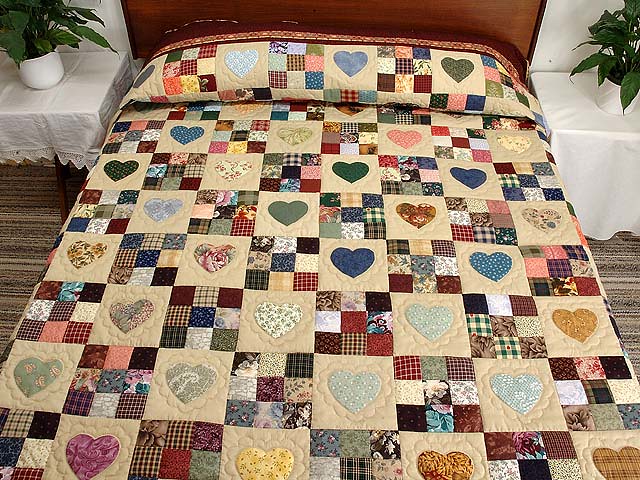
Amish quilts aren’t just bedding — they’re historical records. Patterns passed down through generations carry names, meanings, and cultural significance that outsiders rarely recognize.
A “Wedding Ring” pattern celebrates marriage. “Log Cabin” designs honor homesteading heritage. The famous “mistake” in every Amish quilt — a deliberate imperfection — isn’t actually universal.
Some quilters include them, believing only God creates perfection, while others focus purely on craftsmanship. The myth persists because it sounds appropriately humble.
They Vote Less Than You’d Expect

Political participation varies dramatically between districts and individuals. Some Amish communities engage actively in local politics, particularly on issues affecting their schools or farms.
Others avoid voting entirely, viewing political involvement as worldly entanglement. When they do vote, it’s typically for candidates who support religious freedom and agricultural interests — which doesn’t align neatly with either major party.
Their political influence operates more through quiet lobbying and community relationships than campaign contributions or vocal advocacy.
Genetic Diversity Is a Real Concern
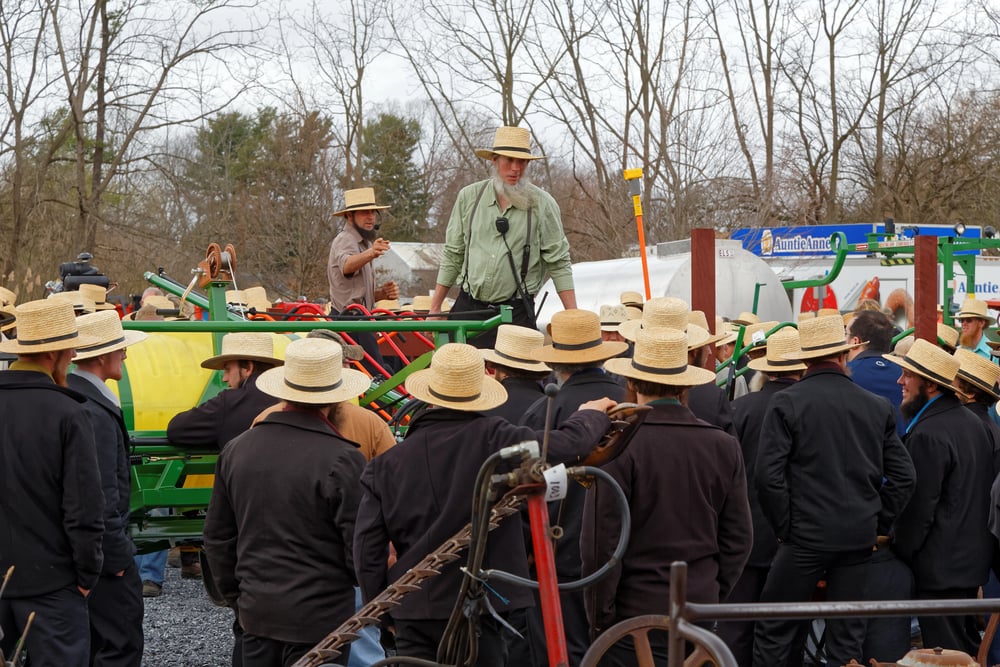
Small founding populations create genetic challenges that Amish communities acknowledge and address. Certain genetic disorders appear more frequently in Amish populations due to limited genetic diversity — a consequence of marrying within their community for generations.
Some communities have developed genetic counseling programs and maintain detailed family records to help couples make informed decisions. Others have welcomed converts or encouraged marriage between distant communities to expand the genetic pool.
The issue requires balancing health concerns with religious and cultural values.
Their Furniture Isn’t Always Handmade
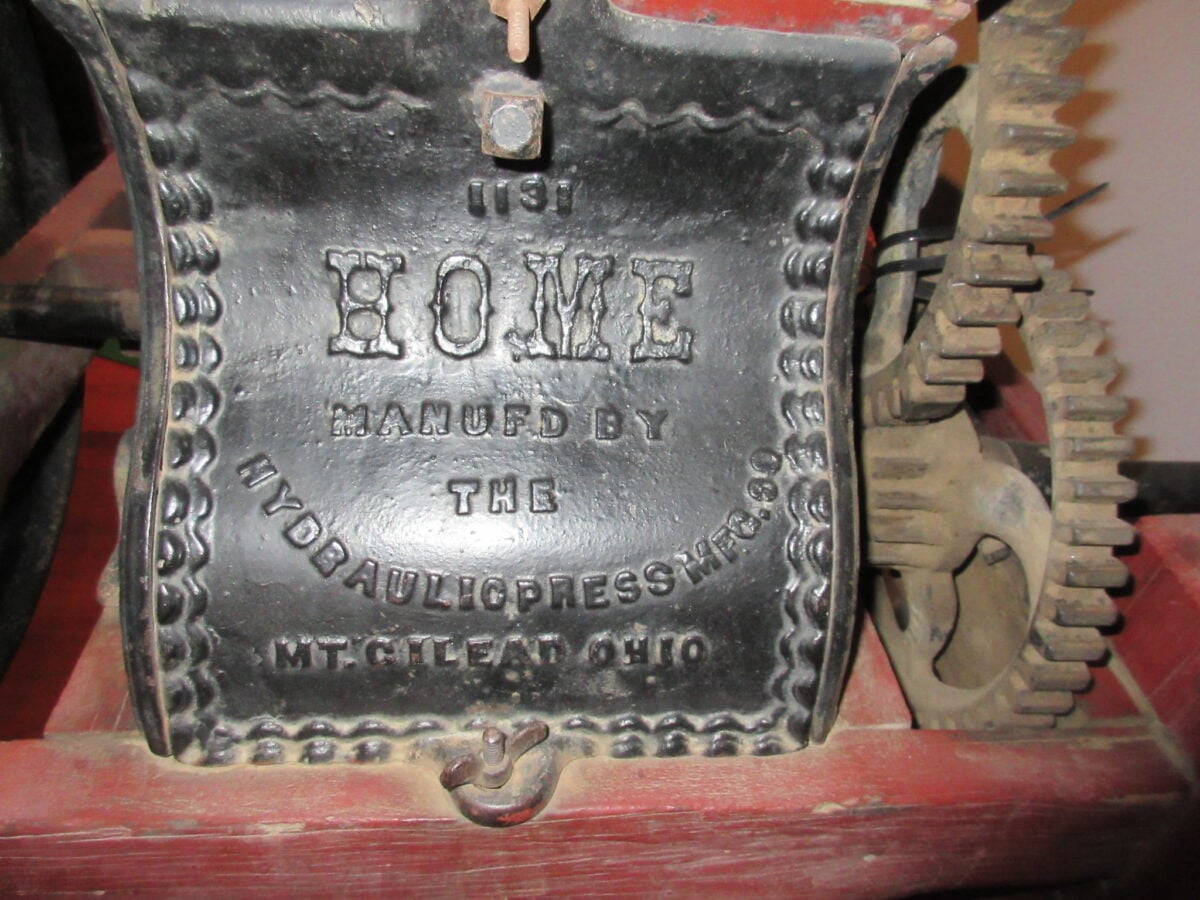
Modern Amish furniture shops use power tools, assembly lines, and efficient production methods. The difference lies in materials and construction techniques, not whether everything gets carved by hand with primitive tools.
Pneumatic sanders, hydraulic presses, and computer-controlled cutting tools appear in many shops. The “handmade” label refers to individual craftsmanship and attention to detail rather than pre-industrial methods.
Each piece still receives personal attention from skilled workers who take pride in quality. Mass production exists, but not at the expense of durability.
They’re Growing Faster Than Almost Any Other Religious Community in North America
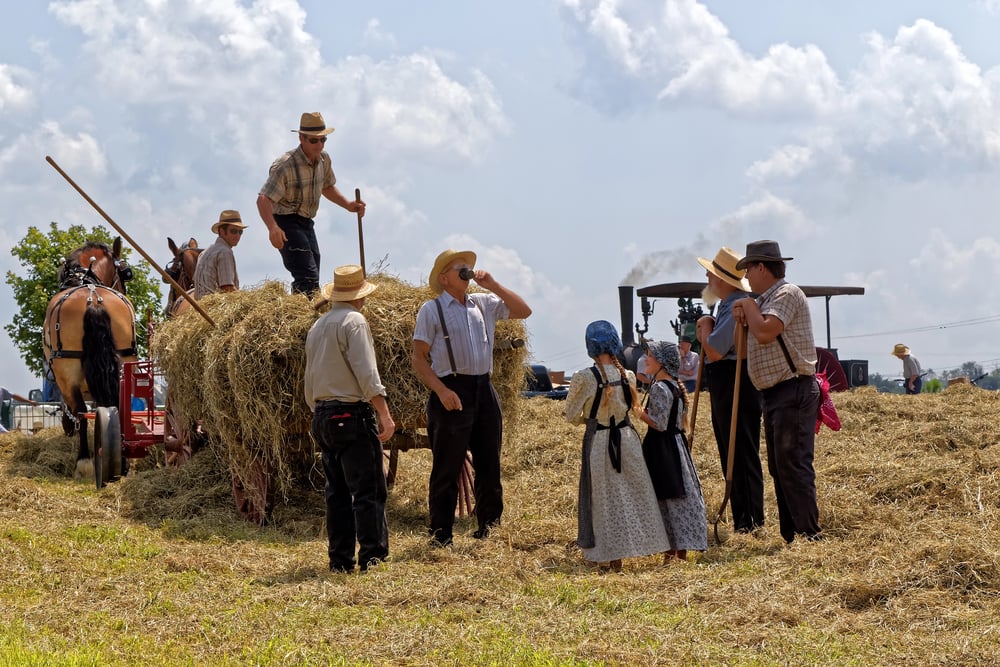
The Amish population doubles roughly every 20 years. High birth rates, strong retention after rumspringa, and occasionally successful conversion efforts fuel this growth.
What started as a few thousand immigrants in the 1700s has expanded to over 390,000 people across multiple states and countries. This growth creates challenges: finding enough farmland, maintaining community cohesion as settlements spread, and preserving traditions as numbers increase.
Some worry that rapid expansion threatens the close-knit community structure that defines Amish life.
Beyond the Buggy
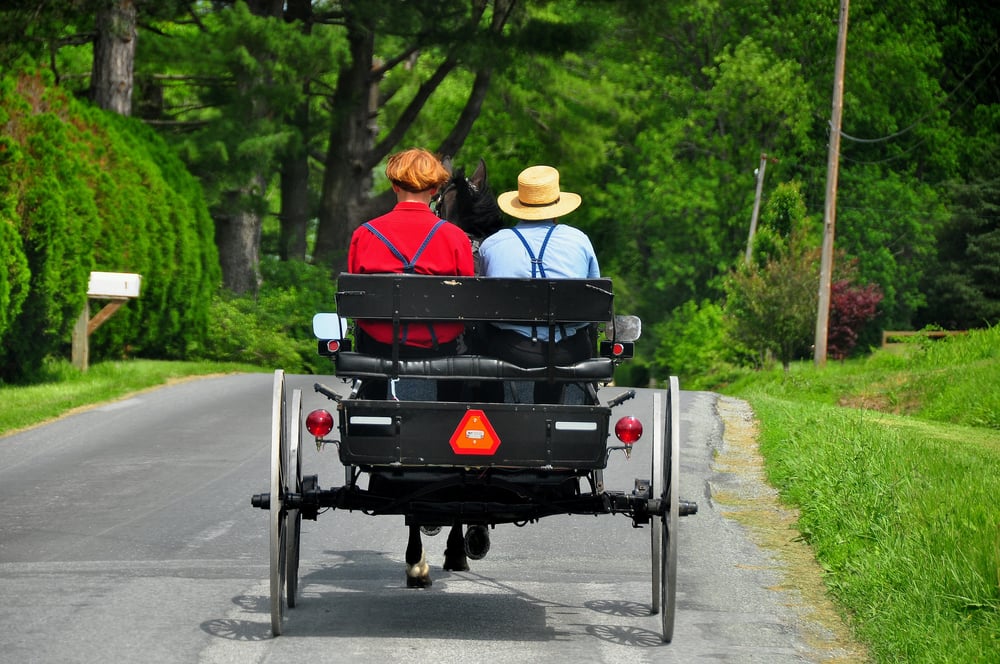
The Amish remain a puzzle worth respecting rather than solving. Their choices challenge assumptions about progress, success, and happiness that most of us never question.
Whether you admire their commitment or find their restrictions troubling, they’ve created something increasingly rare: communities where people know their neighbors, children learn from grandparents, and families eat dinner together without checking phones. That’s worth understanding, even if it’s not worth copying.
More from Go2Tutors!

- The Romanov Crown Jewels and Their Tragic Fate
- 13 Historical Mysteries That Science Still Can’t Solve
- Famous Hoaxes That Fooled the World for Years
- 15 Child Stars with Tragic Adult Lives
- 16 Famous Jewelry Pieces in History
Like Go2Tutors’s content? Follow us on MSN.