15 Cartoons Adults Actually Like
Admitting you watch cartoons as an adult used to feel like a confession. Not anymore.
Some of the smartest, most emotionally complex stories on screen right now happen to be animated. The line between kids’ shows and adult shows has blurred.
Animation studios figured out they could tell stories that work on multiple levels—simple enough for children, deep enough for adults. And some shows don’t even pretend to be for kids at all.
Avatar: The Last Airbender
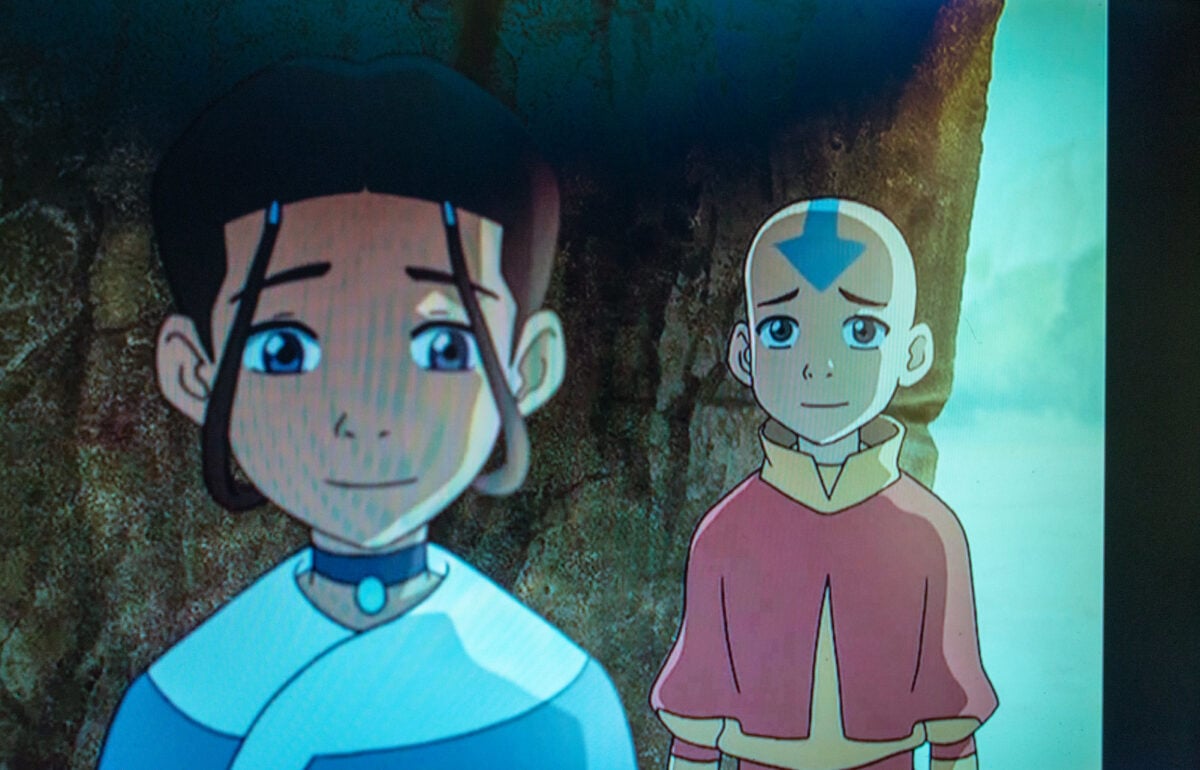
This show ran on Nickelodeon but handled war, genocide, and imperialism with more nuance than most live-action dramas. The character development spans three seasons and every major character changes in meaningful ways.
Aang has to reconcile his pacifist beliefs with his role as the only person who can stop a war. Zuko gets one of the best redemption arcs in television history.
Even side characters get complete emotional journeys. The fights are beautifully choreographed.
The world-building is thorough. The humor lands.
And the finale delivers on everything the show promised. Adults who missed it when it aired are discovering it now and realizing what they missed.
BoJack Horseman
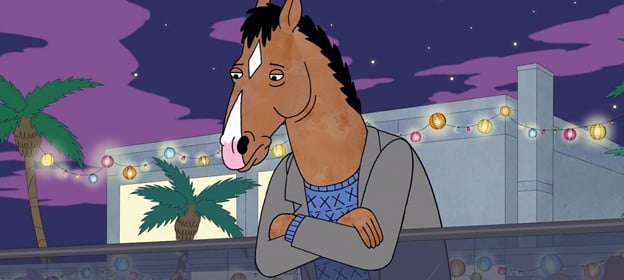
A show about a washed-up actor who happens to be a horse sounds like a joke setup. Then it becomes one of the most honest examinations of depression, addiction, and self-destruction ever put on screen.
The comedy is sharp, but the show doesn’t let you hide behind the jokes. BoJack does terrible things and the show makes you watch the consequences.
There’s no redemption arc that fixes everything. Some damage is permanent.
Later seasons get darker. The animation style stays cartoonish while the subject matter becomes almost unbearably real.
It’s a show that understands how people hurt themselves and each other, and it doesn’t offer easy answers.
Arcane
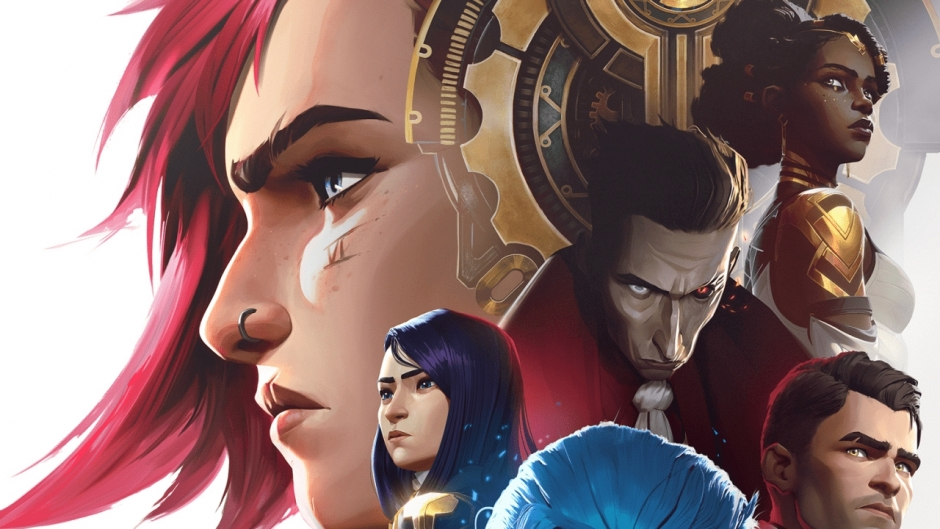
This came out of nowhere and became one of the best animated series ever made. The visuals alone justify watching it—every frame looks like a painting.
But the story and characters are just as impressive. The show takes characters from a video game and gives them depth most prestige dramas would envy.
Jinx’s descent into mental illness is portrayed with care and complexity. Vi’s loyalty to her sister destroys her in slow motion.
The political conflicts feel real. You don’t need to know anything about League of Legends to appreciate it.
The show stands alone completely. The second season proved the first wasn’t a fluke.
Adventure Time
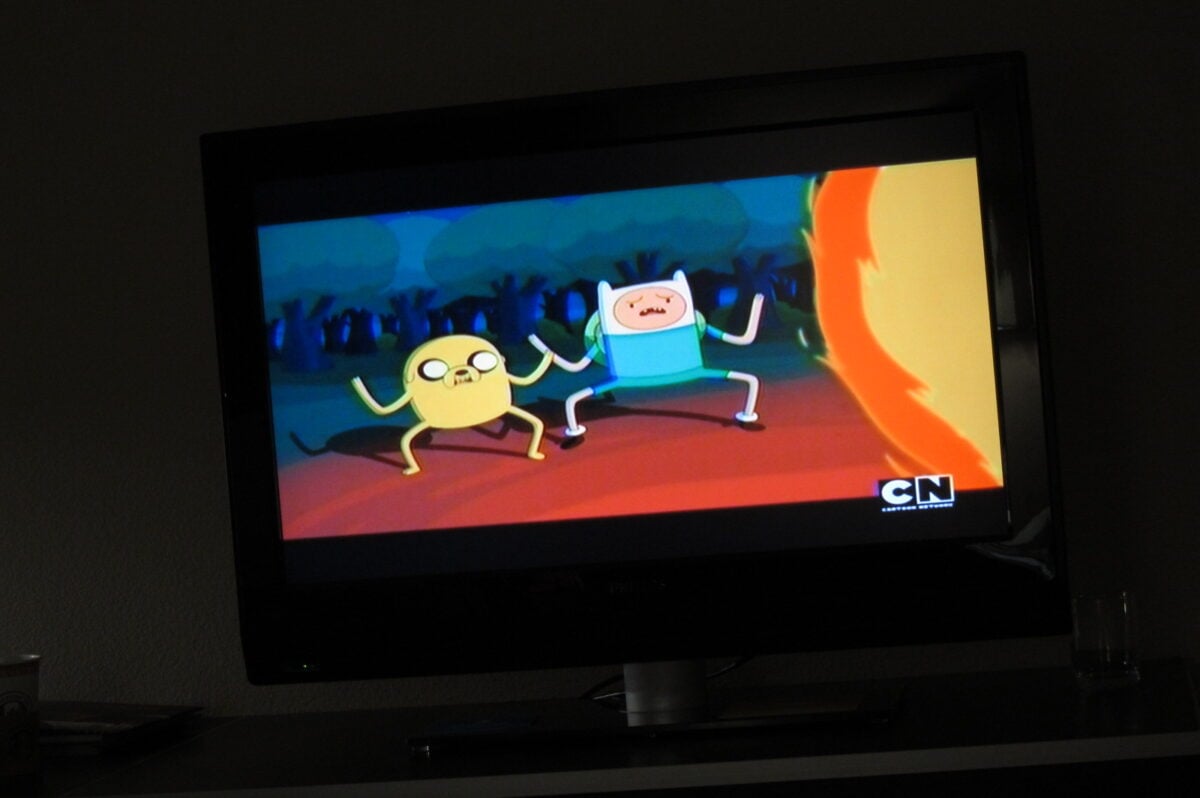
This show pretended to be random and silly for years while building one of the most emotionally devastating stories in animation. The bright colors and weird humor masked a post-apocalyptic world dealing with trauma, loneliness, and loss.
Finn grows up over ten seasons. His relationships change. His understanding of the world deepens.
The show never talks down to its audience, even when that audience is children. The later seasons explore heavy themes—abandonment, identity, mortality.
The finale is perfect. Adults who wrote it off as weird kid stuff eventually came back and realized they’d missed something special.
Rick and Morty
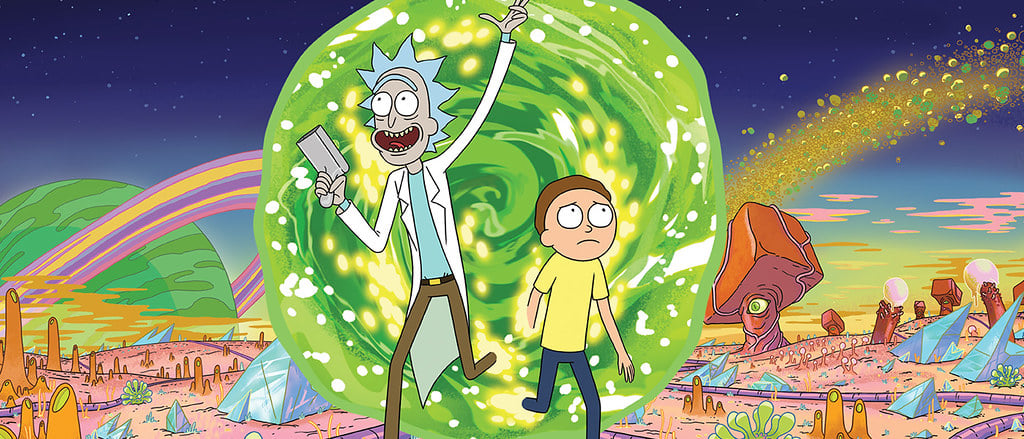
A cynical genius drags his grandson on adventures across the multiverse while dealing with depression, alcoholism, and the meaninglessness of existence. It’s funny and disturbing in equal measure.
The show uses science fiction concepts to explore real emotional problems. Rick’s intelligence doesn’t make him happy.
Morty’s family is dysfunctional in ways that feel true. The humor is clever enough to reward repeat viewing.
Some episodes are just fun sci-fi stories. Others are brutal character studies.
The show knows when to be silly and when to gut-punch you with something real.
Gravity Falls
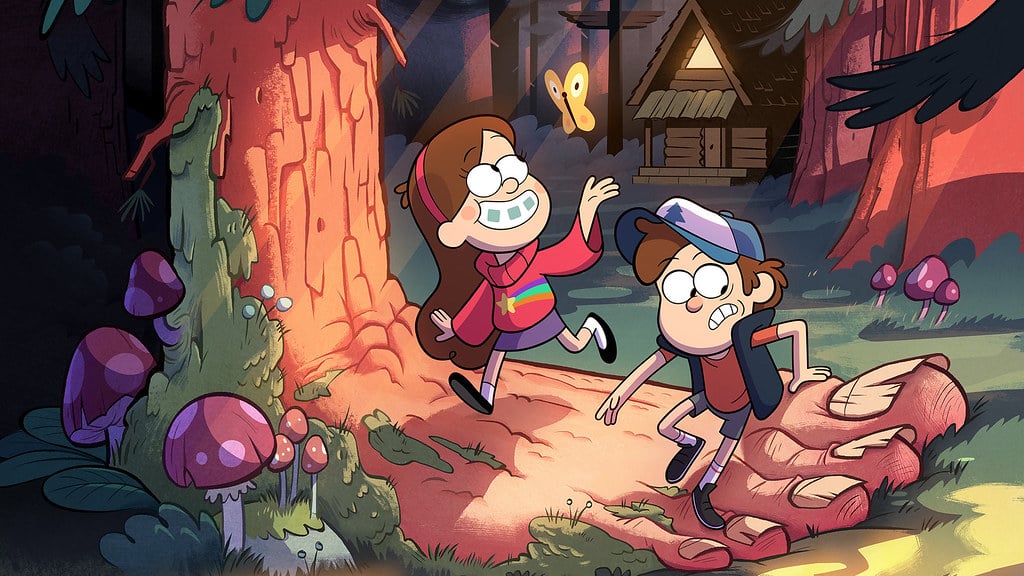
Two kids spend a summer in a weird town and uncover a massive conspiracy. The mystery unfolds over two perfect seasons with no filler, no wasted episodes.
The humor works for adults. The jokes are layered—kids laugh at the physical comedy, adults laugh at the references and darker implications.
The voice acting is excellent. The plot actually goes somewhere and ends. Creator Alex Hirsch fought to keep the show short and focused.
He told the story he wanted to tell and then stopped. The result is a series with no weak points, which is rare for any show.
Over the Garden Wall
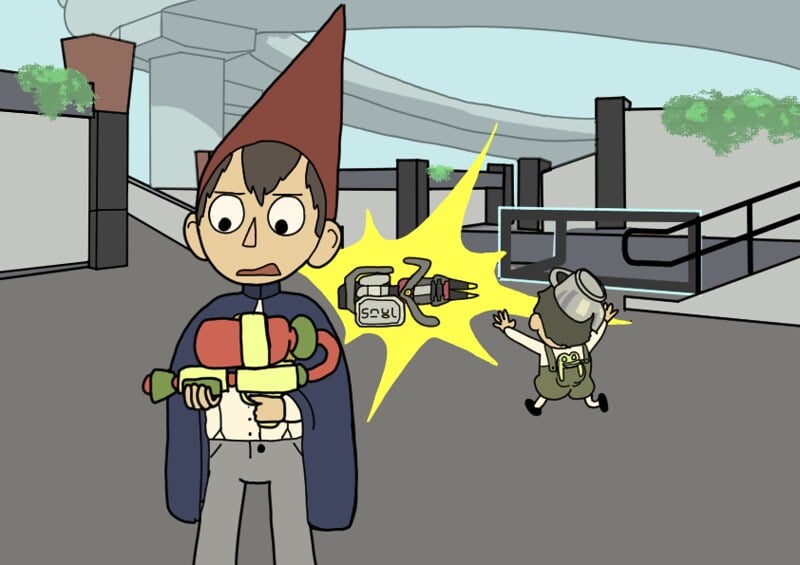
Ten episodes, each about eleven minutes long. A complete story told in less than two hours total.
It’s perfect. Two brothers get lost in a mysterious forest and have to find their way home.
The animation style shifts between episodes. The tone ranges from whimsical to genuinely frightening.
The voice acting features Elijah Wood and Christopher Lloyd. It’s a fall tradition for many adults now.
People rewatch it every October because it captures a specific mood—slightly spooky, deeply melancholic, ultimately hopeful. Nothing else feels quite like it.
Castlevania
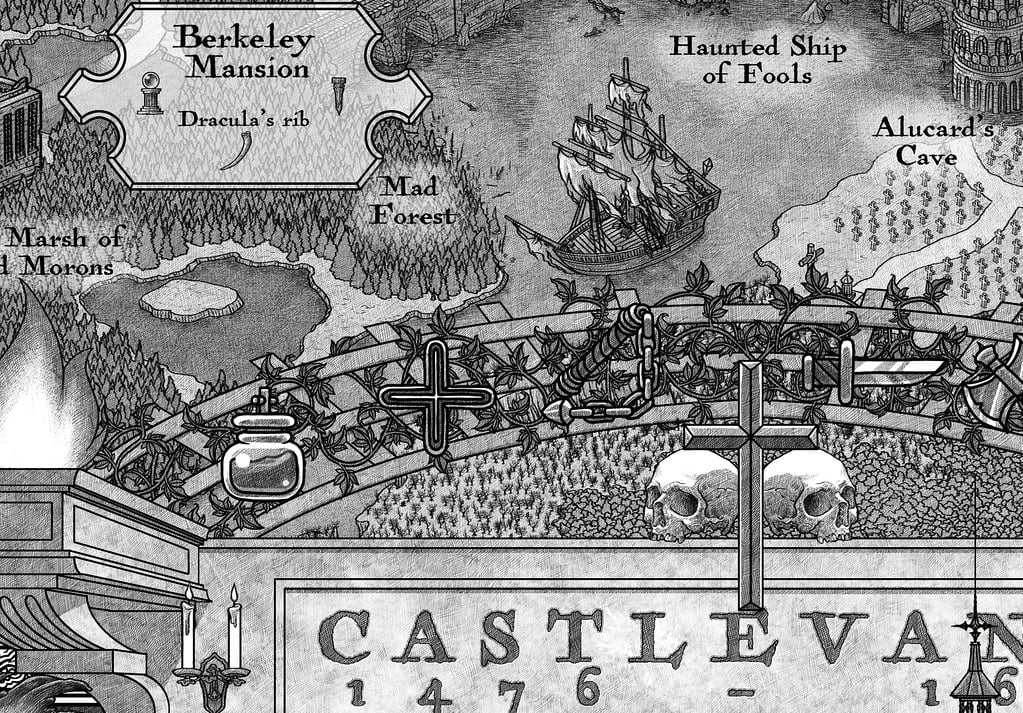
This adaptation of the video game series has no right to be as good as it is. The animation is stunning.
The fight choreography is brutal and creative. The dialogue is sharp and often darkly funny.
Trevor Belmont is a drunk monster hunter who gets dragged into saving the world. Alucard is Dracula’s son dealing with patricide and isolation.
Sypha is a magician who refuses to let either of them wallow in self-pity. The show takes the games’ basic premise and builds actual characters with motivations and relationships that matter.
Dracula’s grief drives the plot but doesn’t excuse his actions. The moral complexity is real.
Bluey
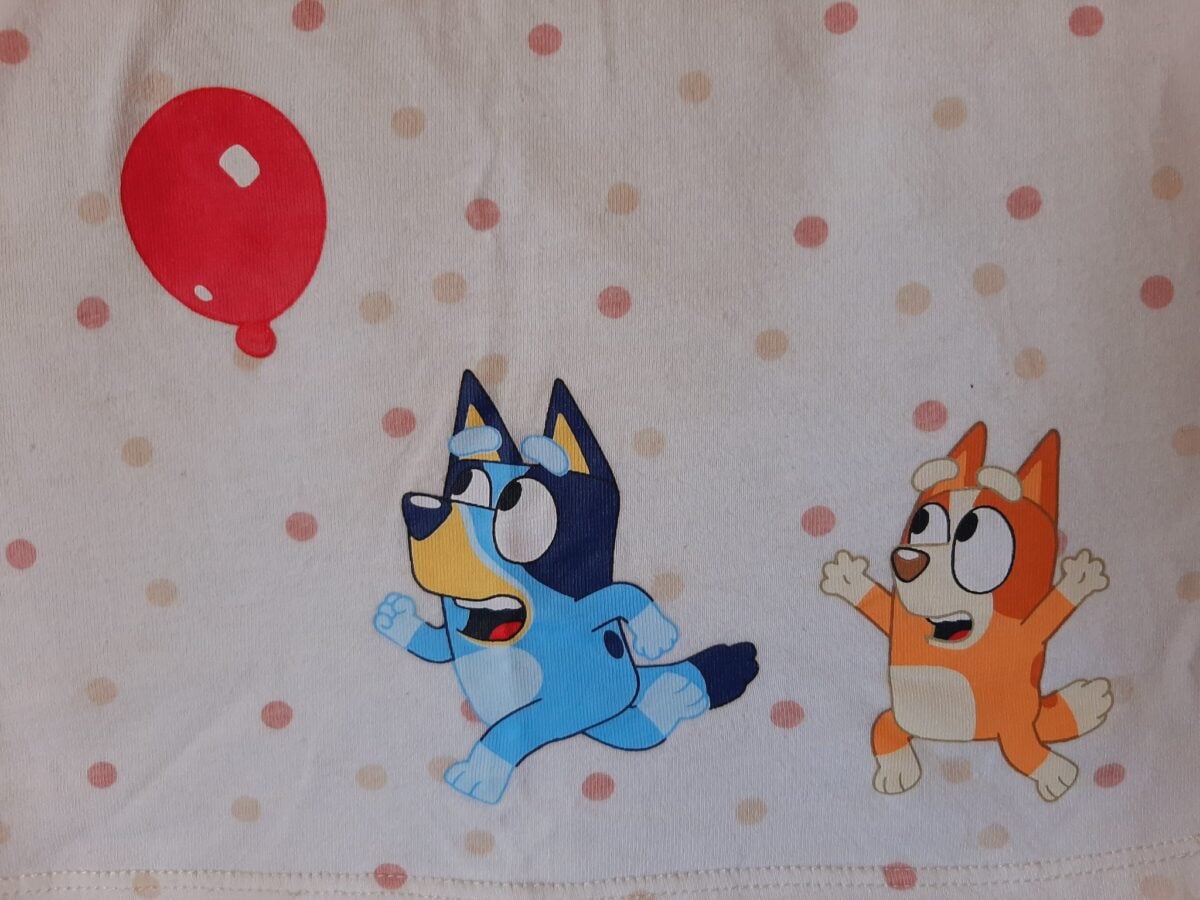
A show about a family of cartoon dogs shouldn’t make grown adults cry, but here we are. Bluey understands parenting, childhood, and family dynamics better than most live-action family dramas.
The parents actually parent. They get tired, frustrated, and overwhelmed, but they show up for their kids.
The episodes are seven minutes long but pack in more emotional truth than shows with ten times the runtime. Adults watch it with their kids and end up more invested than the kids are.
The writing is clever without being condescending. It respects its audience regardless of age.
Batman: The Animated Series
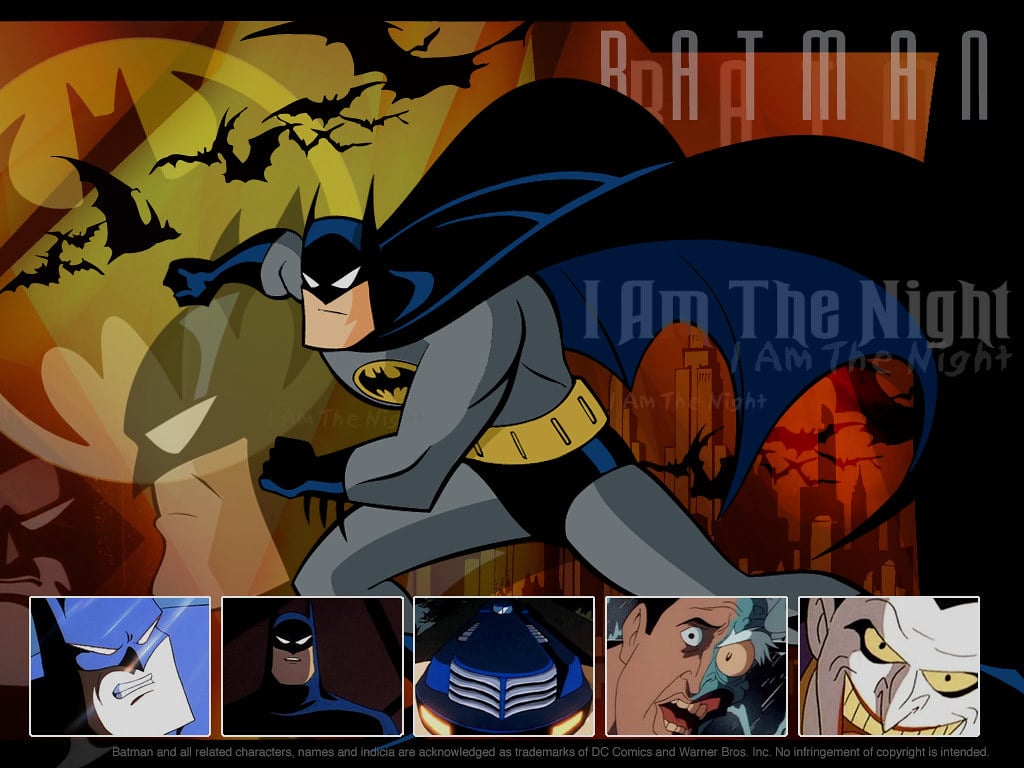
This show from the 90s set the standard for superhero storytelling that nothing has really surpassed. The Art Deco design holds up.
The voice acting is definitive—Kevin Conroy is still the Batman voice in most people’s heads. The writing was sophisticated for a kids’ show.
Episodes dealt with mental illness, moral ambiguity, and the nature of justice. Mr. Freeze’s origin story is a tragedy that makes him sympathetic despite his crimes.
Watch it now and it still works. The animation style is timeless.
The stories don’t feel dated. It proved that superhero stories could be complex and emotionally resonant.
Invincible
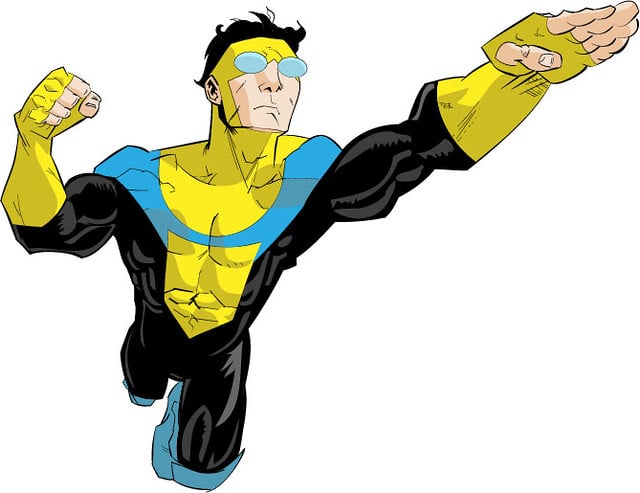
Superhero shows usually pull their punches. Invincible doesn’t.
The first episode ends with a twist that changes everything, and the show keeps that energy throughout the first season. The fights have real consequences.
People die and stay dead. The protagonist’s relationship with his father becomes the emotional core of a story about power, responsibility, and what people do when they think no one can stop them.
The animation can be inconsistent, but when the show needs to deliver on a big moment, it delivers completely. The voice cast is stacked with talent.
The second season proved the first wasn’t just shock value.
Primal
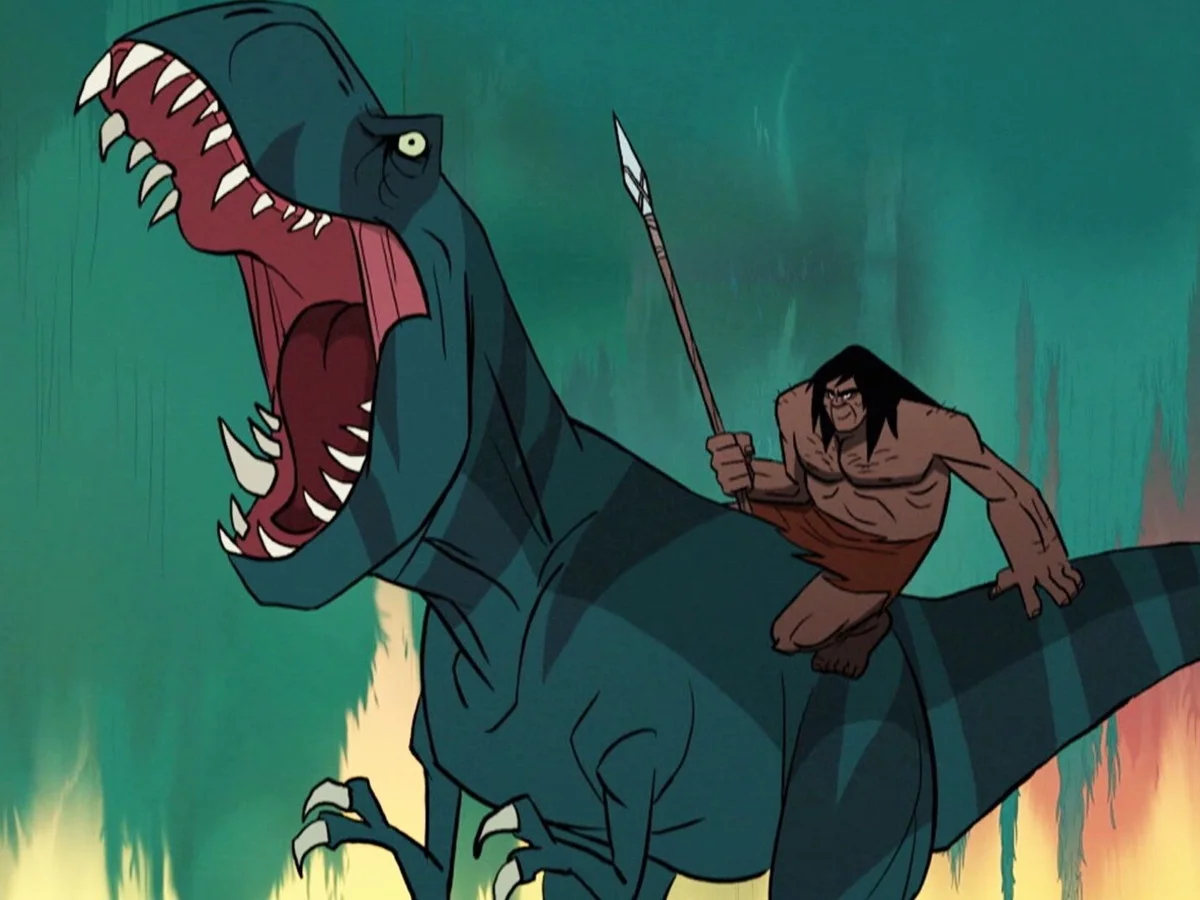
Genndy Tartakovsky made a show with almost no dialogue about a caveman and a dinosaur surviving in a brutal prehistoric world. It works because the animation tells the story.
The violence is extreme and the world is merciless. But underneath the action is a story about grief, survival, and unlikely friendship.
You don’t need words when the character animation is this expressive. Each episode feels like a short film.
The show trusts its audience to follow the story without explanation. It’s bold and strange and completely committed to its vision.
The Legend of Korra
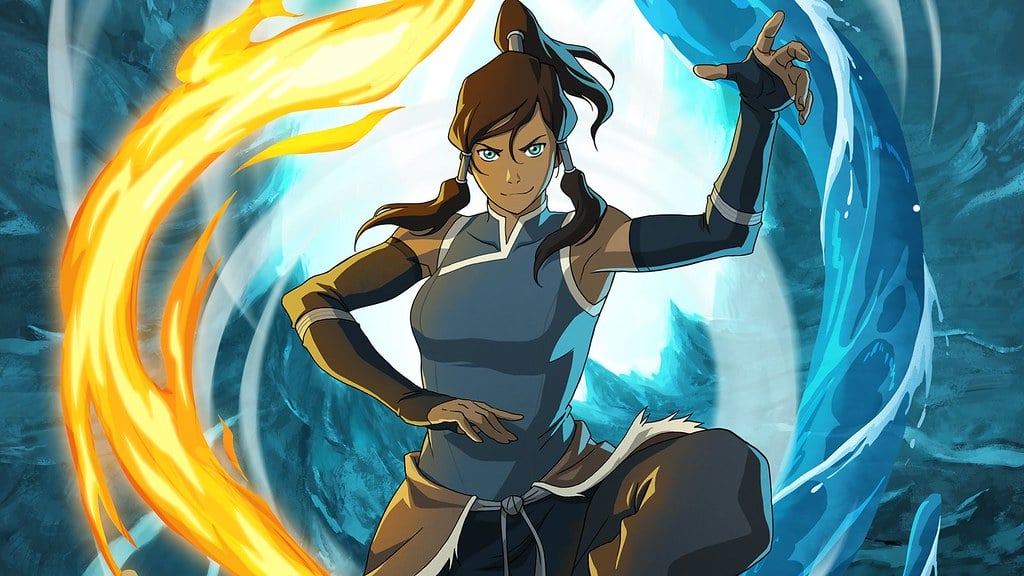
Following Avatar: The Last Airbender was always going to be impossible. Korra doesn’t try to be Aang.
The show is darker, more political, and more interested in internal conflict. Korra struggles with her identity and mental health across four seasons.
The villains have ideologies, not just evil plans. The relationships are complex and messy.
The show takes risks that don’t always pay off, but at least it takes risks. The animation quality improved with each season.
The fight scenes are incredible. And the ending was groundbreaking for children’s television at the time.
Samurai Jack
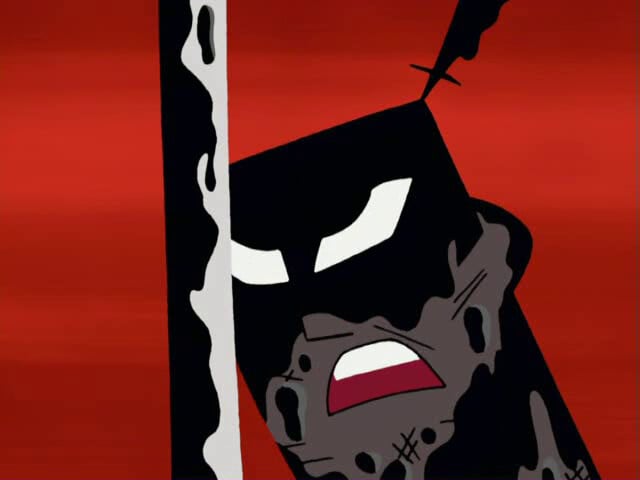
A samurai gets thrown into a dystopian future and spends years trying to get back to his own time to defeat the demon that destroyed his world. The premise is simple but the execution is masterful.
Tartakovsky created a show that’s often silent for long stretches, letting the visuals and music carry the story. The fight choreography is influenced by samurai films and martial arts cinema.
Every episode looks distinct. The final season aired on Adult Swim years after the original run and gave Jack a proper ending.
It’s darker and more violent, but it completes the story.
Steven Universe
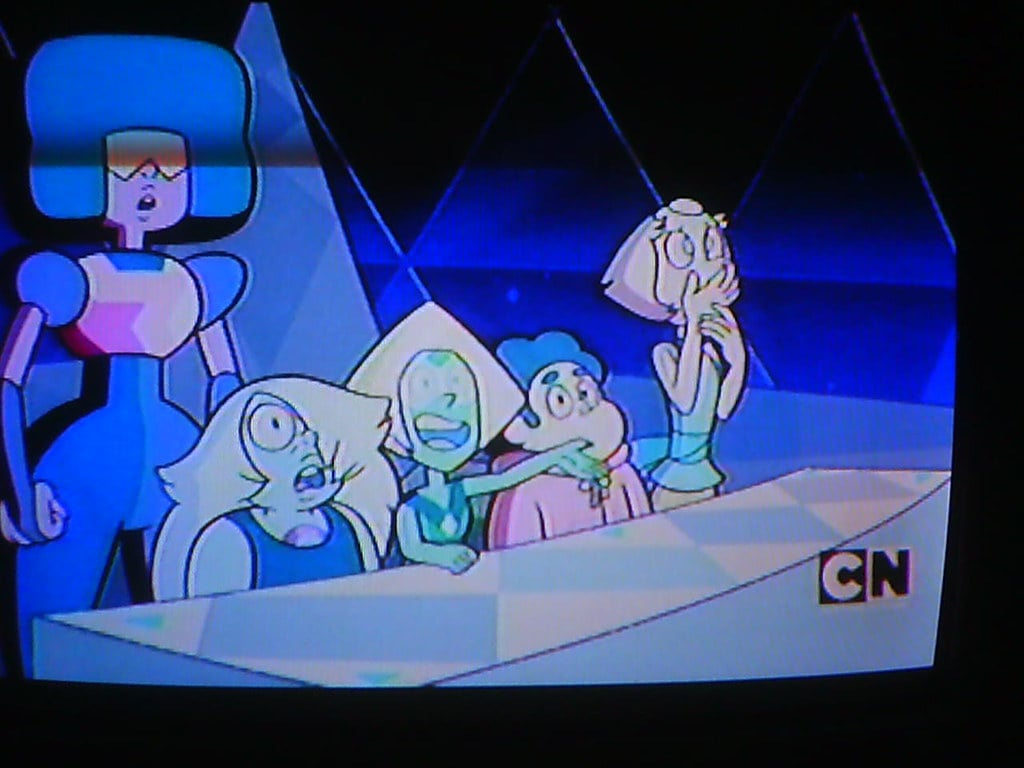
This show is about a boy who lives with alien warriors and starts out cute and becomes deeply emotional. The themes of identity, trauma, and healing are handled with care and complexity.
The show explores relationships in ways children’s television usually doesn’t. Characters make mistakes and have to live with them. Forgiveness is important but it’s not automatic or easy.
The musical numbers are genuinely good. The lore gets surprisingly dense.
The show has flaws—pacing issues, inconsistent animation—but it tries to say something meaningful about empathy and growth.
More Than Just Nostalgia
What pulls grown-ups in isn’t different from what always does. Clever lines keep ears tuned.
People feel real, not built. Plotlines carry weight.
That kind of grip doesn’t need explaining. What if animation didn’t pretend to be real? Instead, it builds cities that float on sound, shapes feelings into jagged lines, while colors shift like moods.
Real people could never stand inside a thunderstorm of scribbled anger – yet here, it makes sense. These stories lean into the unreal, letting images stretch beyond flesh and bone.
Most top cartoon series never assume less from their audience. Stories unfold in ways kids follow, adults appreciate.
This isn’t some flaw built into kid-focused TV. Actually, it’s exactly what makes them matter.
Sometimes you might sit through these shows by yourself. Other times, someone else is around – maybe children, maybe grown-ups too.
Either setup fits just fine. Calling animation a genre misses the point completely.
It simply moves narratives forward, like live-action does. A few of those animated tales stand out sharply, clear and strong.
More from Go2Tutors!

- The Romanov Crown Jewels and Their Tragic Fate
- 13 Historical Mysteries That Science Still Can’t Solve
- Famous Hoaxes That Fooled the World for Years
- 15 Child Stars with Tragic Adult Lives
- 16 Famous Jewelry Pieces in History
Like Go2Tutors’s content? Follow us on MSN.