15 Photos Of What Airplane Food Looks Like Around the World
Flying can be exhausting — cramped seats, stale air, and that peculiar suspension between destinations that makes time feel negotiable. But there’s something oddly comforting about the ritual of airplane meals, those foil-covered mysteries that arrive on tiny trays.
The food itself ranges from surprisingly decent to memorably terrible, but it’s never quite what you’d expect. Each airline brings its own interpretation of what passengers should eat at 35,000 feet, influenced by culture, budget, and what can actually survive the reheating process. These snapshots from flights around the globe reveal just how different that interpretation can be.
Singapore Airlines
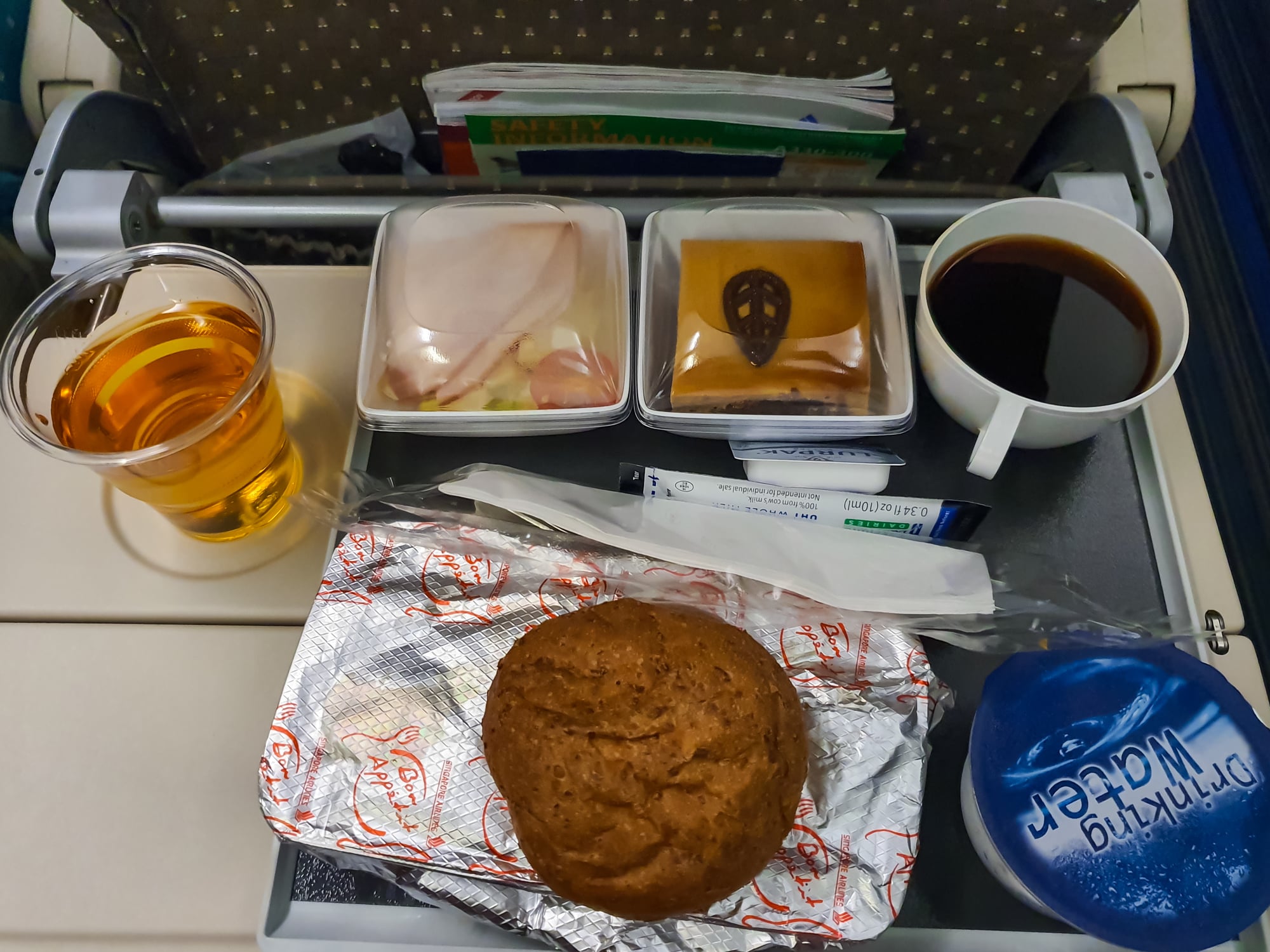
Short, precise portions arranged like a small painting. The presentation suggests someone actually considered how this would look when the foil peeled back.
Rice, vegetables, and protein occupy their designated spaces without bleeding into each other.
Air France
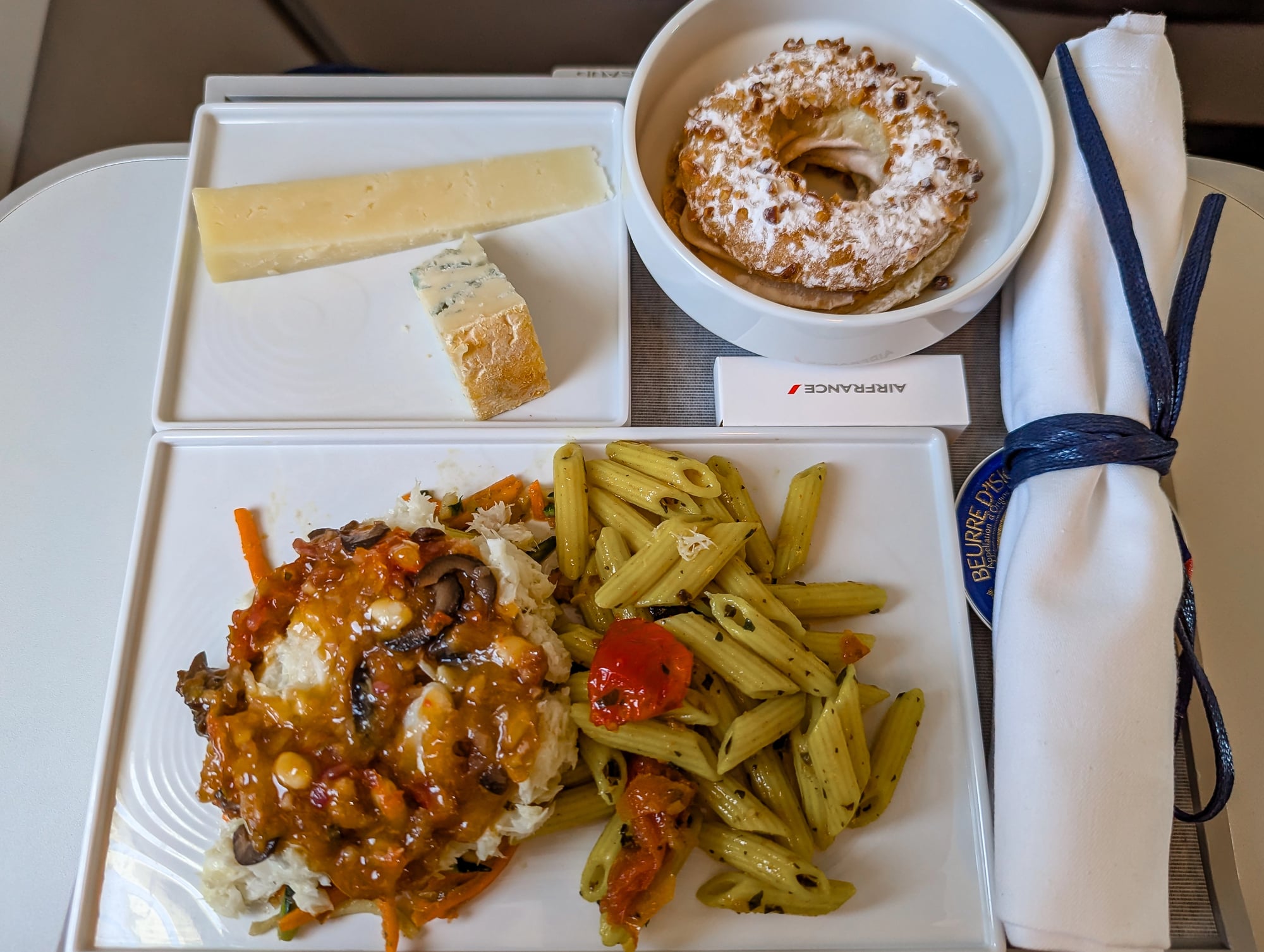
The French refuse to abandon standards, even in pressurized cabins. So you get actual cheese (not the processed version that dominates most flights), wine that doesn’t taste like it came from a laboratory, and bread that remembers what wheat is supposed to taste like.
Even the plastic cutlery seems embarrassed to be there. And yet — this is still airplane food, which means the coq au vin has been sitting in a warming tray longer than anyone wants to think about.
Japan Airlines
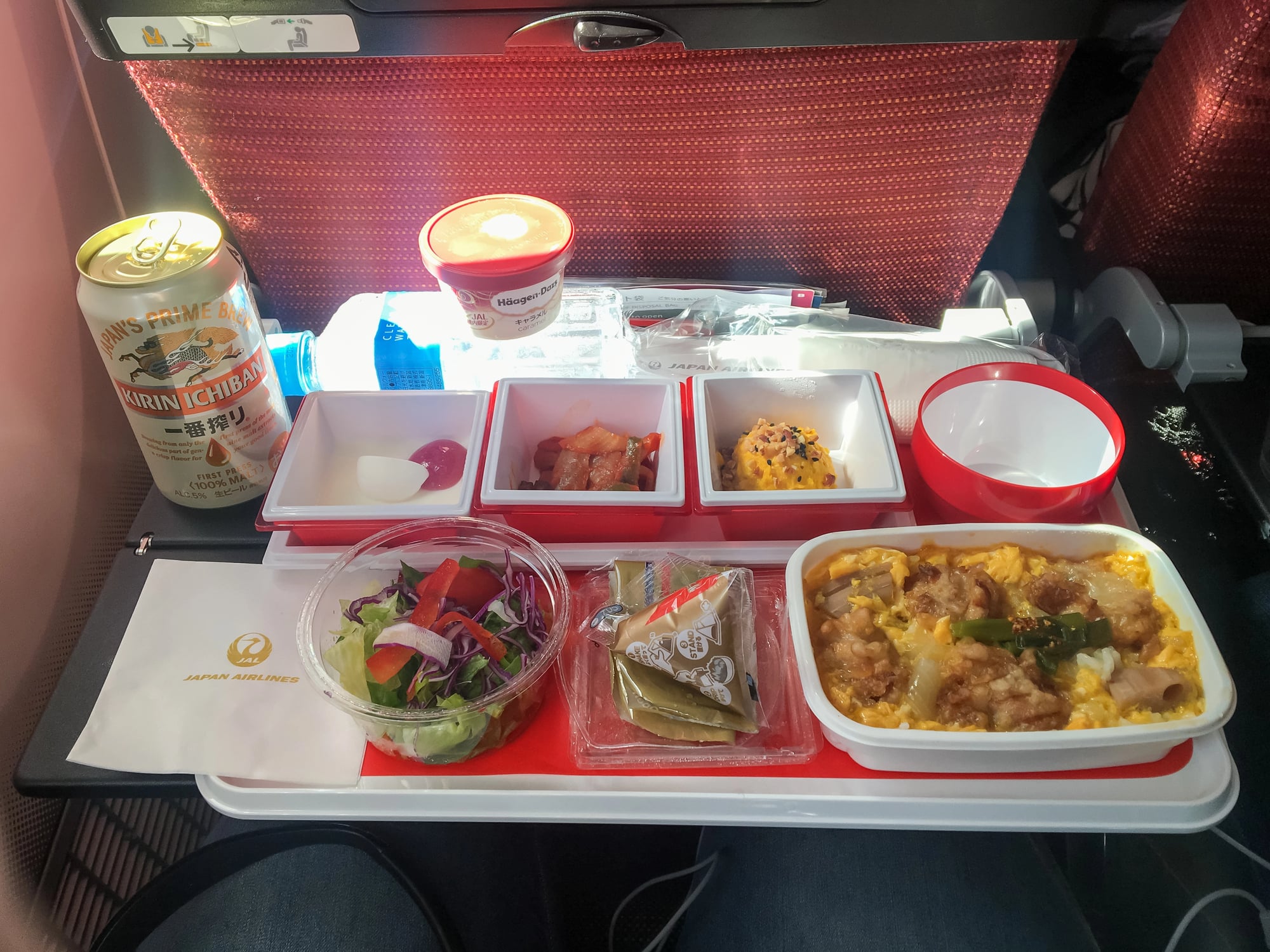
There’s something almost ceremonial about how Japanese airlines approach food service, like watching someone arrange flowers or fold origami — each element placed with deliberate care. The bento-style presentation transforms what could be another forgettable airline meal into something that feels intentional.
The flavors tend to be subtle rather than aggressive (probably wise when your audience is trapped in metal tube for hours), and the portions acknowledge that airplane eating is different from ground eating. You find yourself eating more slowly, not because the food demands it, but because the presentation suggests you should.
Lufthansa
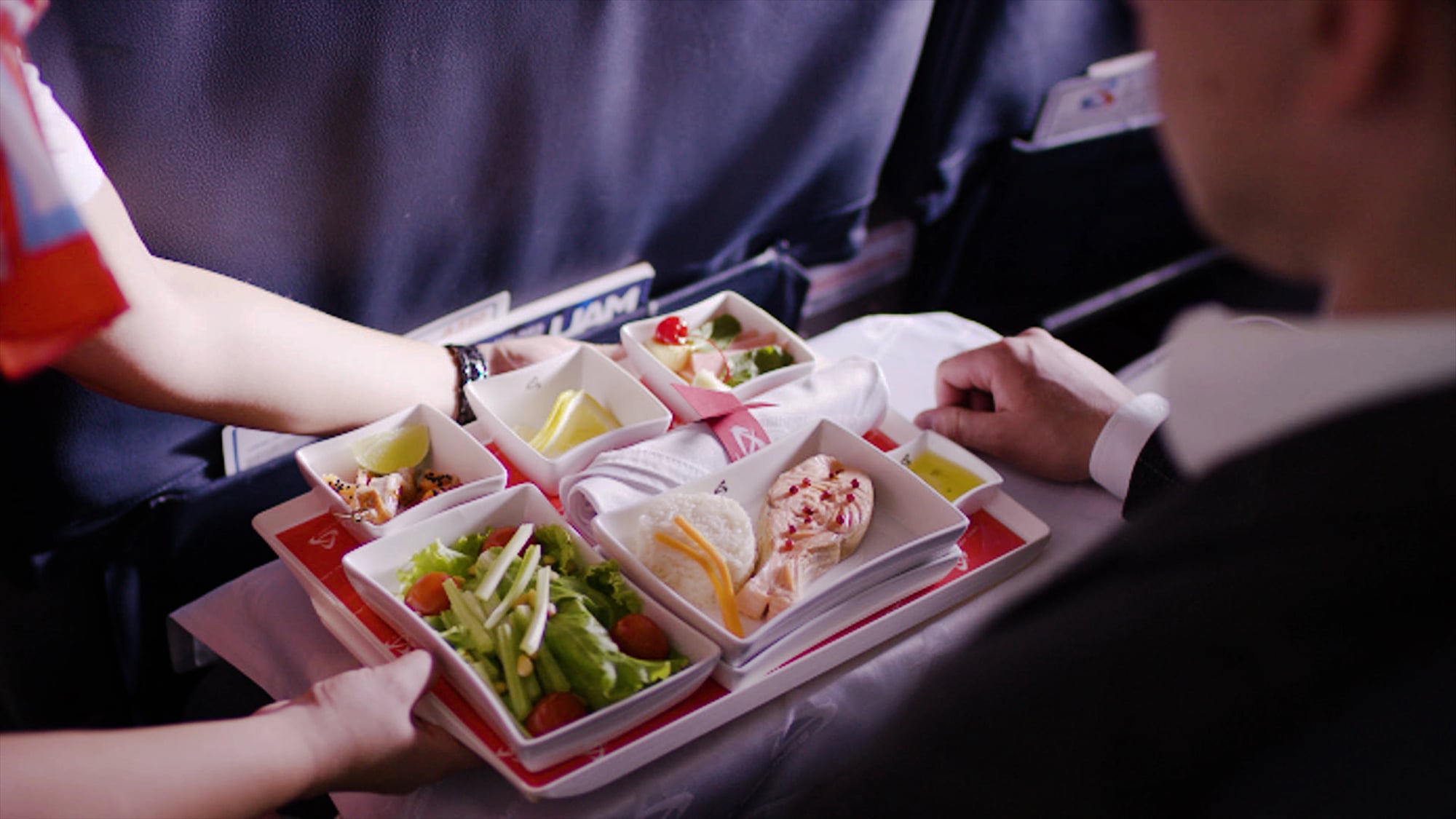
German efficiency extends to meal service. Everything appears designed for function over flourish, which turns out to work better than expected at altitude.
The portions are sensible, the flavors are straightforward, and nothing tries to be something it isn’t.
Emirates
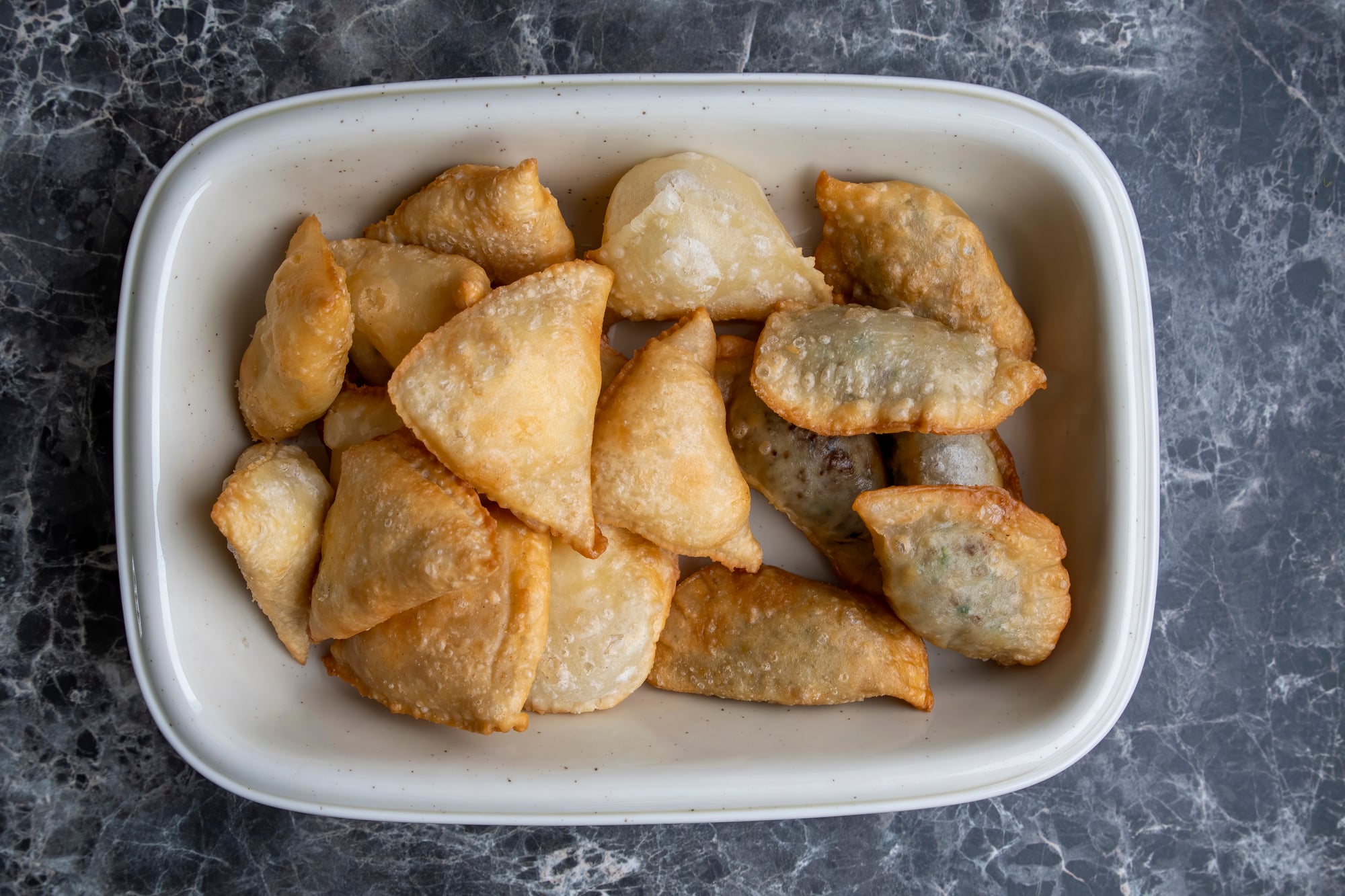
This is what happens when an airline decides to treat food service like a competition it intends to win — multiple courses arrive in succession, each one more elaborate than most restaurants attempt on solid ground. The portions border on excessive (which feels almost rebellious in the context of airline travel), and the presentation suggests they’ve hired people who actually understand food rather than just heating instructions.
But here’s what’s interesting: it works, even when logic suggests it shouldn’t, because sometimes the gesture matters more than the execution, and Emirates commits fully to the gesture.
British Airways
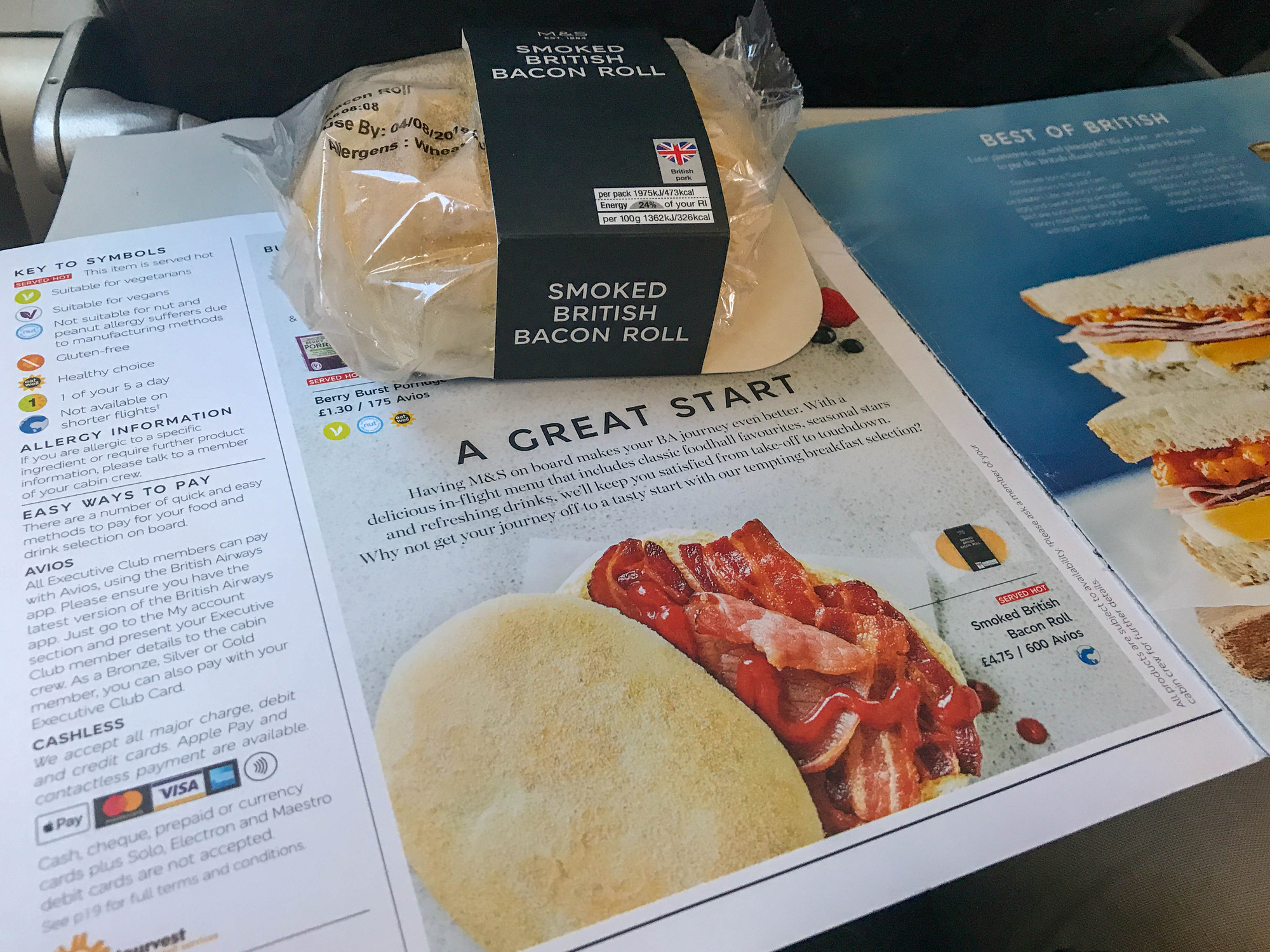
Airplane food reveals national character more clearly than most people realize, and British Airways serves exactly what you’d expect — familiar, unpretentious, and designed not to offend anyone. The flavors lean conservative, the portions are reasonable, and everything feels like it was chosen by committee.
There’s something oddly reassuring about this predictability, like staying at a hotel where you know exactly what the towels will feel like.
Qatar Airways
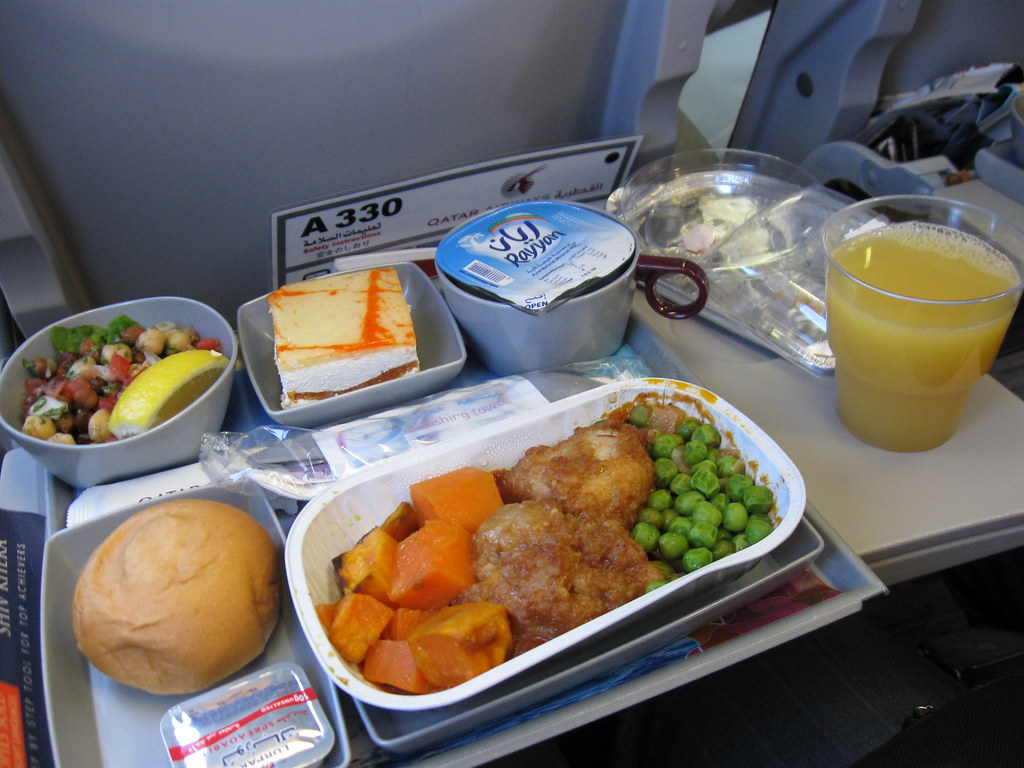
Middle Eastern hospitality translates surprisingly well to airline service. The spice levels remain restrained enough for international palates, but the flavor combinations suggest actual thought rather than just corporate recipe cards.
Rice appears frequently, prepared with enough care that it doesn’t turn into the mushy disaster that haunts most airplane grain dishes.
Korean Air
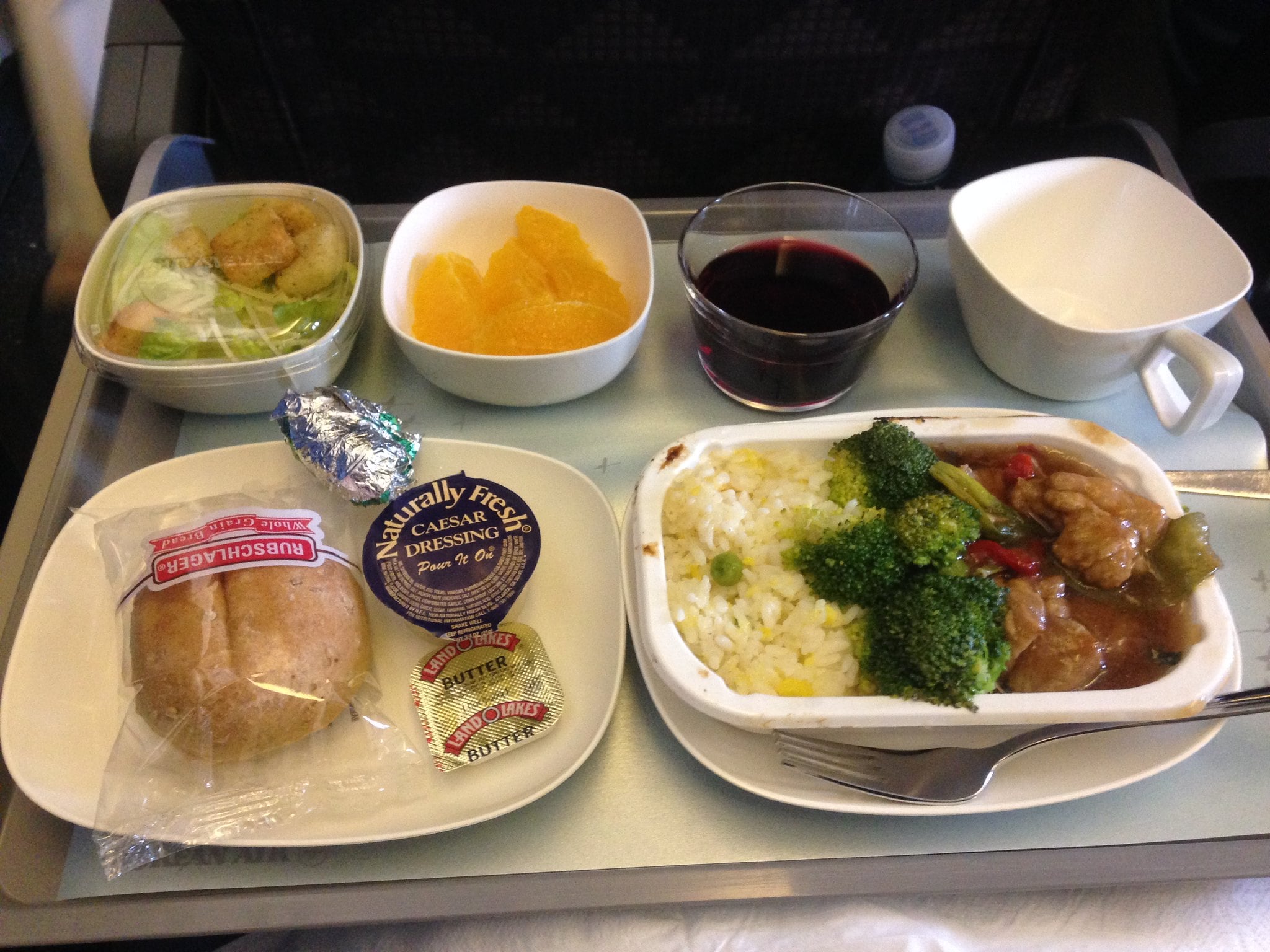
Korean airlines understand something about umami that many Western carriers miss entirely — that depth of flavor becomes more important when your taste buds are operating at reduced capacity due to cabin pressure and recycled air. The kimchi appears in small, manageable portions (probably wise given the confined space), and the banchan-style side dishes mean there’s always something interesting happening on the tray.
Even the Western options tend to have more complexity than you’d expect, as if the Korean approach to layered flavors influences everything that comes out of their kitchens.
Turkish Airlines
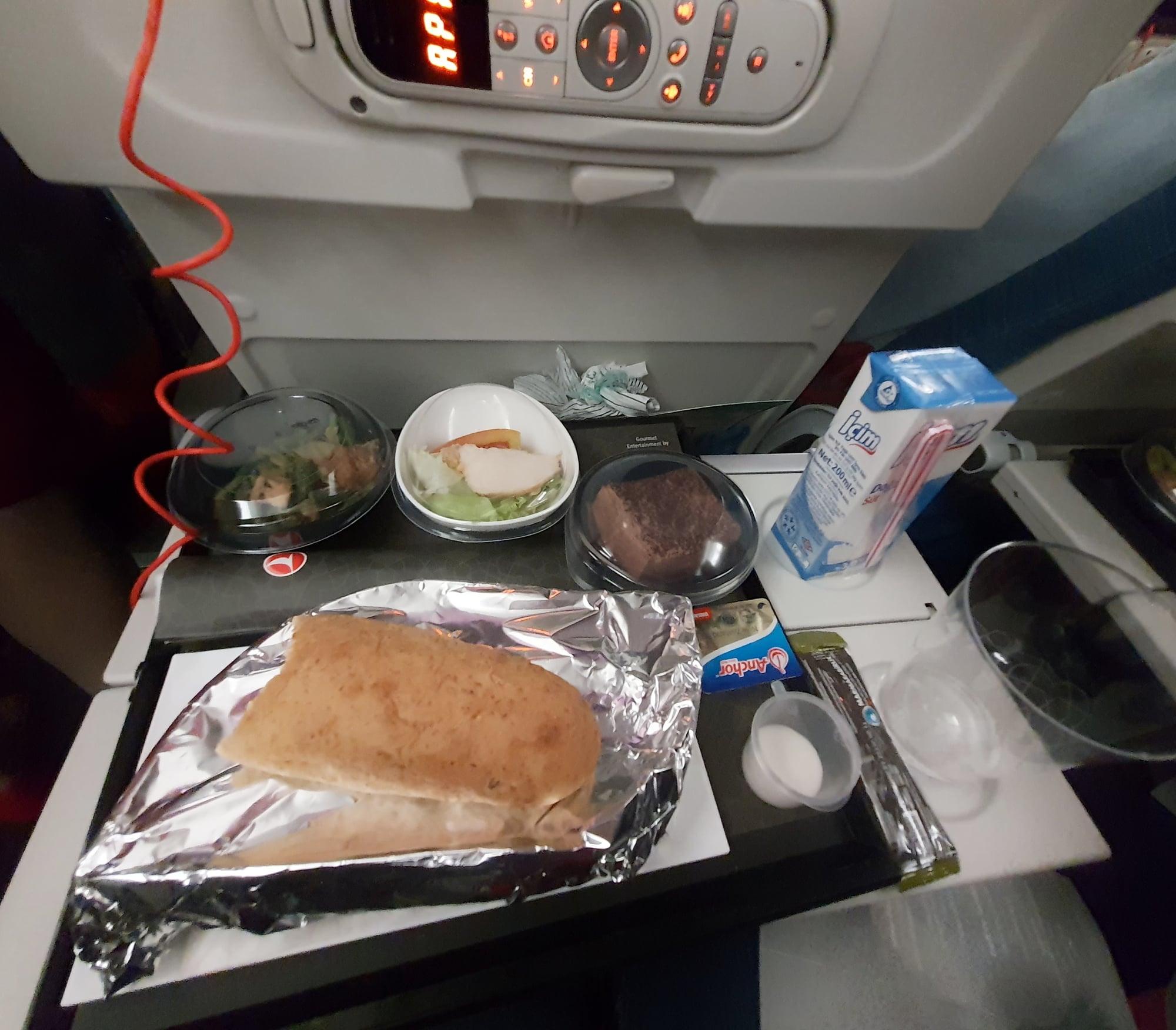
Istanbul’s position between continents shows up clearly in the meal service. European presentations meet Middle Eastern flavors, with enough Mediterranean influence to keep things interesting.
The bread tends to be better than average, which matters more than it should when you’re eating with plastic utensils.
Delta Air Lines
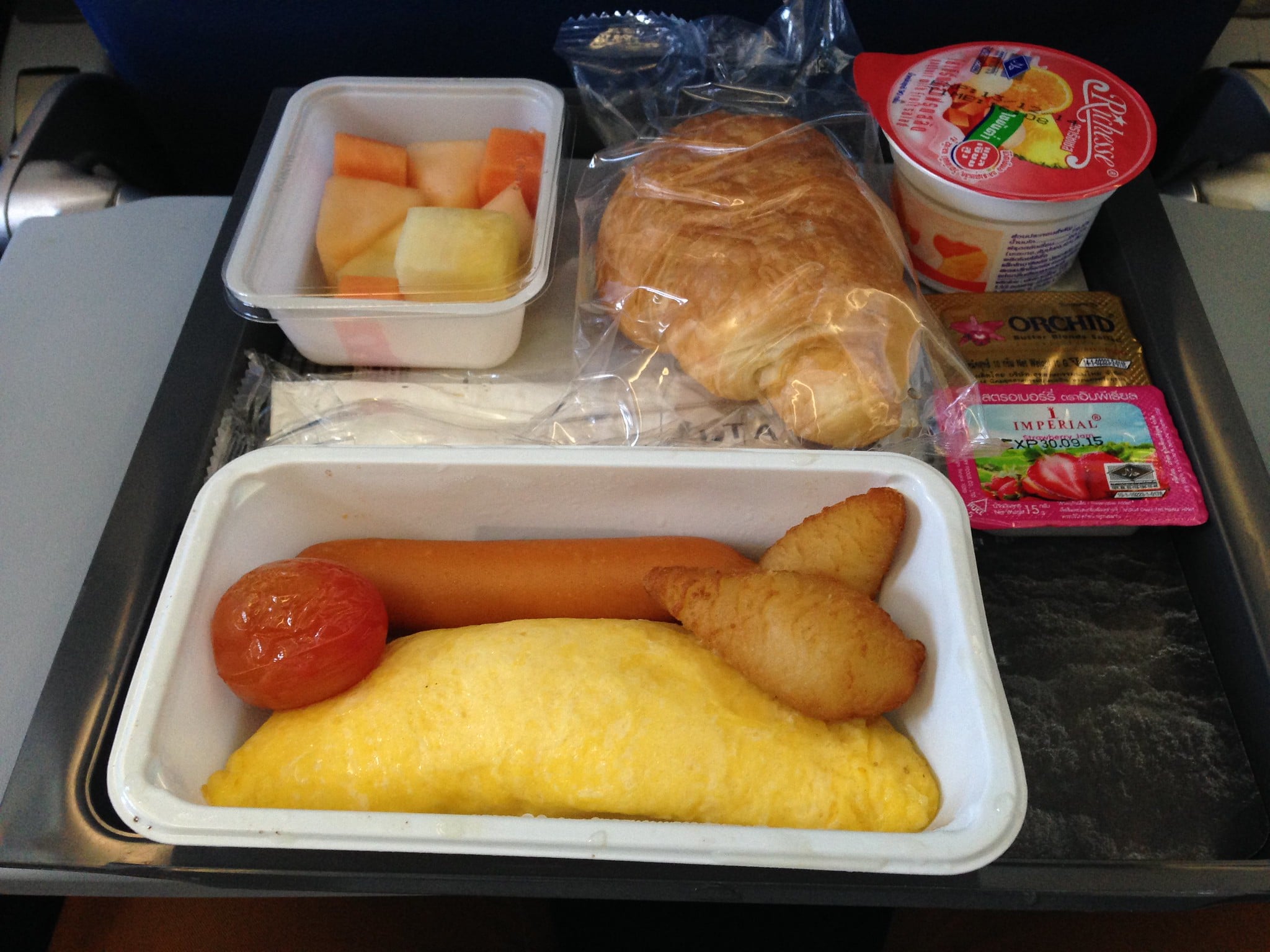
American airline food carries the weight of particularly low expectations, and Delta manages to clear that bar without breaking a sweat. The portions acknowledge American appetite preferences, the flavors stay firmly within familiar territory, and the presentation suggests they understand this is fuel rather than fine dining.
Which is honest, if not inspiring.
Swiss International Air Lines
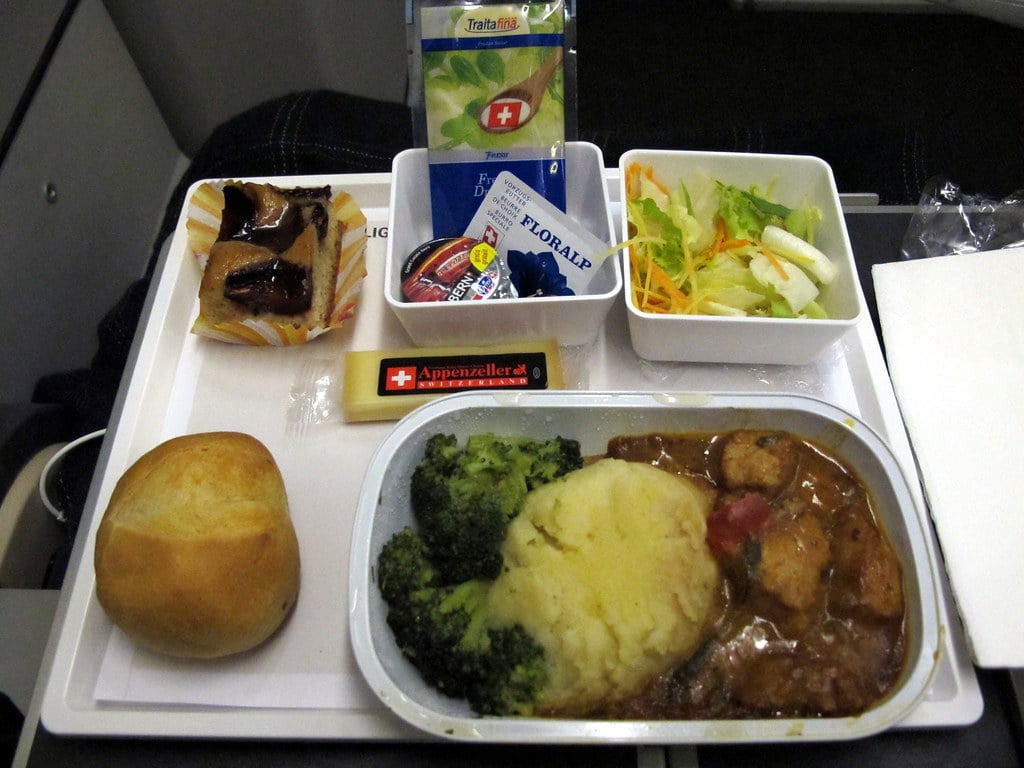
Precision appears in unexpected places — portion sizes that make sense, seasoning that’s measured rather than guessed at, and presentations that look intentional rather than accidental. The cheese selections lean heavily on what Switzerland does best, which creates one of those rare moments when airplane food actually connects to the place it came from.
You get the sense that someone who understands food made decisions about what should appear on these trays, rather than leaving it entirely to cost accountants and logistics managers.
Air Canada
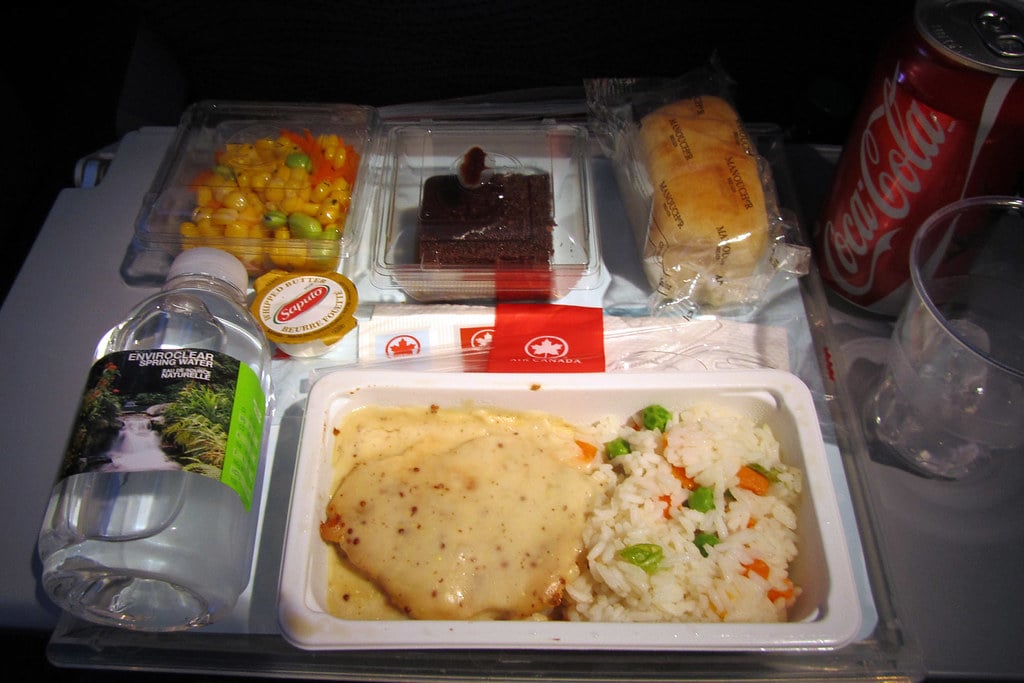
Canadian politeness extends to meal service, which means everything is perfectly acceptable without being particularly memorable. The portions are fair, the flavors are mild, and the presentations suggest competence without flair.
It’s airplane food that doesn’t want to cause any trouble.
Thai Airways
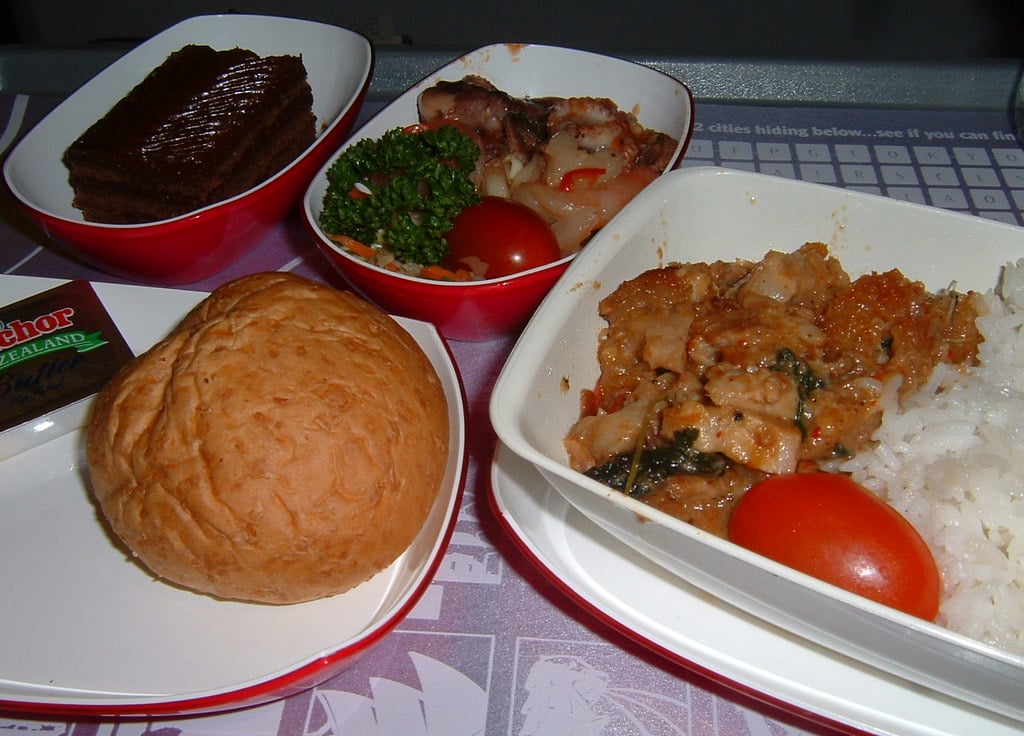
Spice levels calibrated for international tolerance, but the essential character of Thai cooking survives the airplane preparation process better than expected. The balance between sweet, sour, and heat remains recognizable even after industrial reheating, which says something about how fundamental those flavor relationships are to the cuisine.
Even the pad thai — which should be terrible in airplane form — manages to retain enough of its identity to be satisfying rather than disappointing.
Scandinavian Airlines
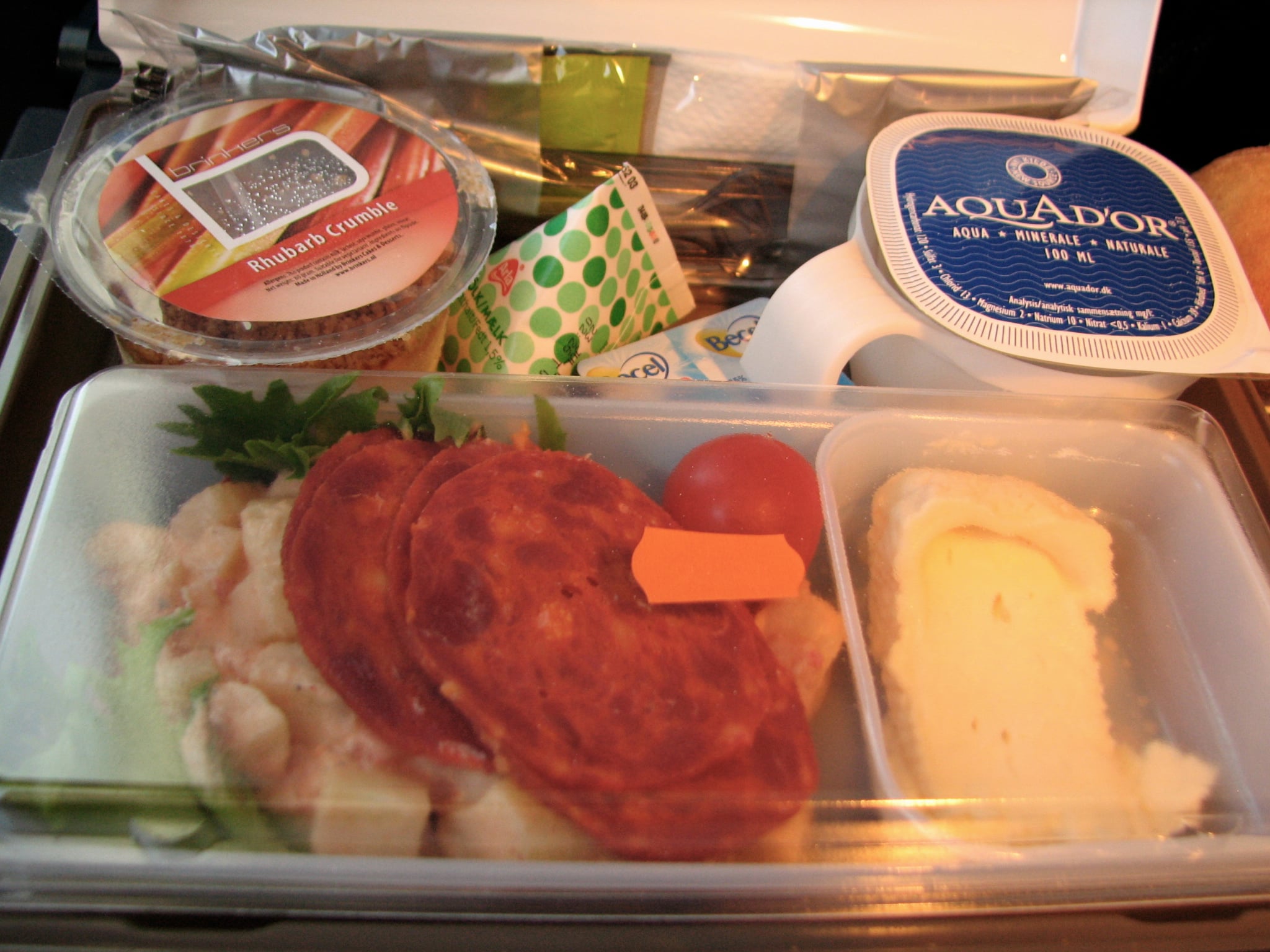
Nordic minimalism applied to airline food produces exactly what you’d expect: clean presentations, quality ingredients treated simply, and an overall aesthetic that feels more honest than flashy. The fish dishes tend to be particularly successful, probably because Scandinavian countries understand fish preparation in ways that translate well to the constraints of airline kitchens.
There’s something refreshing about food that doesn’t try to be more than it is — sustenance with dignity rather than spectacle.
Cathay Pacific
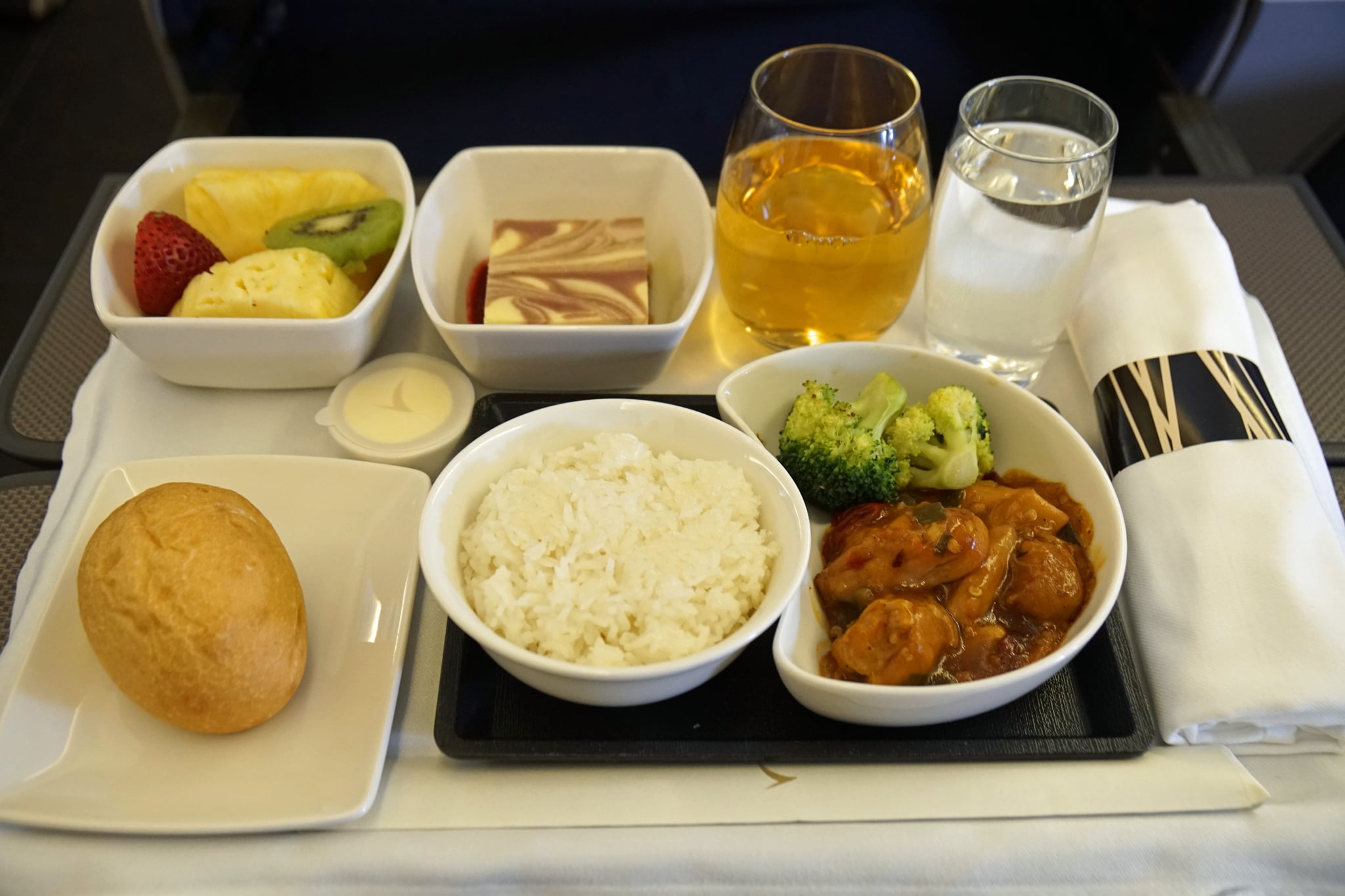
Hong Kong’s position as an international hub influences the meal service in subtle ways — familiar presentations with unexpected details that suggest broader culinary awareness. The noodle dishes work better than they should at altitude, and the dim sum options (when available) show actual restraint in portion and preparation.
You get the sense of eating food prepared by people who understand both Asian and Western palates without pandering to either.
Miles Above The Ordinary
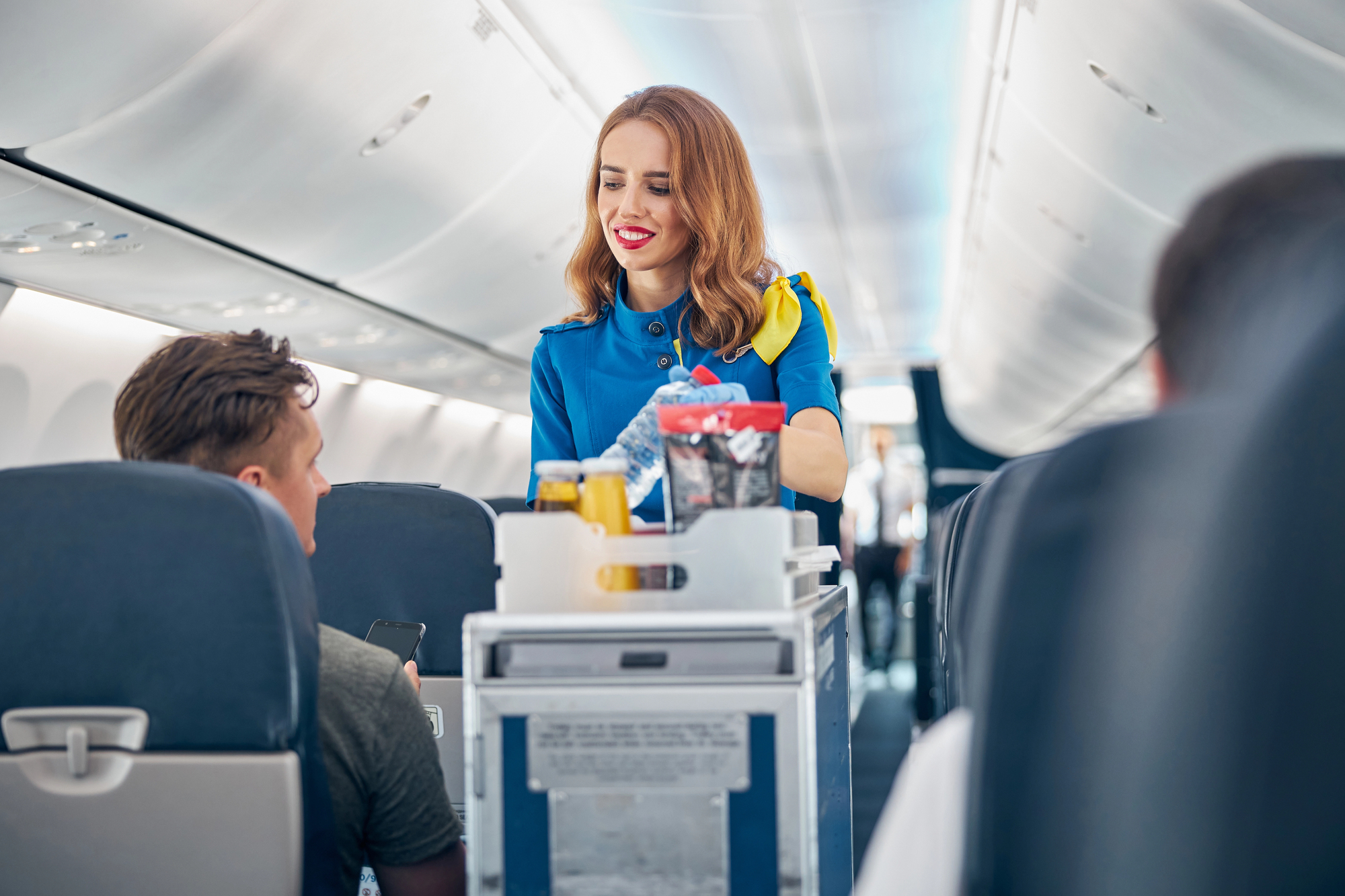
Flying strips away many of the rituals we associate with eating — the familiar plates, the perfect temperatures, the ability to season things to taste. What remains is something more fundamental: the simple act of being fed while suspended between destinations.
Some airlines treat this as a logistical problem to be solved as cheaply as possible. Others recognize it as an opportunity to offer comfort in an inherently uncomfortable situation. The difference shows up clearly when that foil covering gets peeled back and you see what someone thought you deserved to eat at 35,000 feet.
More from Go2Tutors!

- The Romanov Crown Jewels and Their Tragic Fate
- 13 Historical Mysteries That Science Still Can’t Solve
- Famous Hoaxes That Fooled the World for Years
- 15 Child Stars with Tragic Adult Lives
- 16 Famous Jewelry Pieces in History
Like Go2Tutors’s content? Follow us on MSN.