15 Unsolved Art Heists That Shocked the World
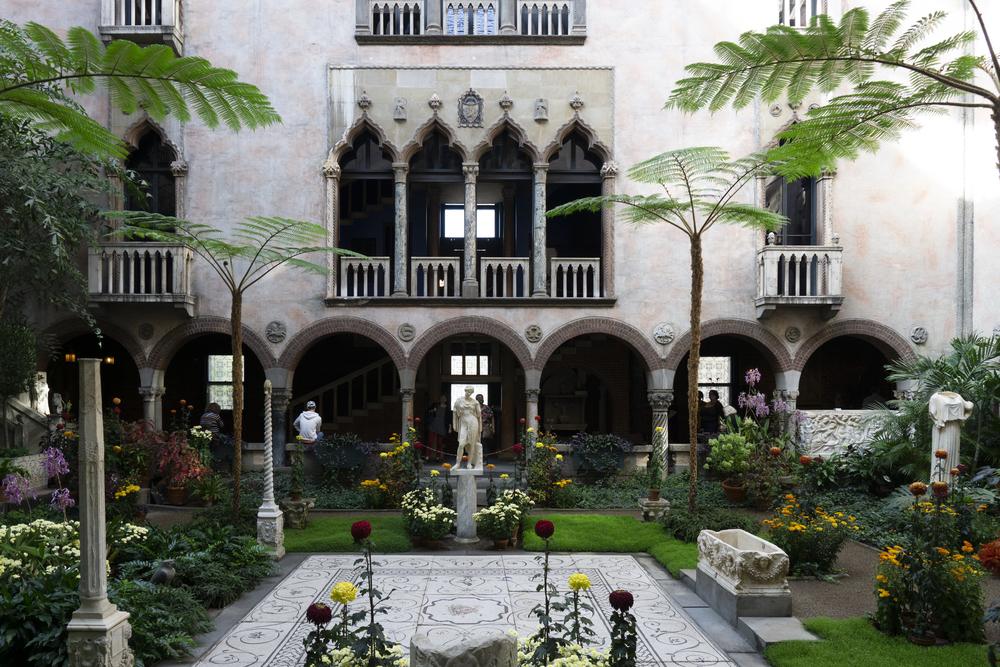
Art thieves have always been drawn to the most precious paintings and sculptures in the world. These criminals walk into museums, private homes, and galleries with bold plans that sometimes work perfectly. The world of art theft involves everything from elaborate heists planned for months to opportunistic grabs by desperate criminals. Some thieves work alone, while others operate as part of organized crime networks that span multiple countries. The stolen artworks often vanish into private collections or underground markets where they can't be displayed publicly. When priceless artwork disappears without a trace, it leaves behind empty frames, confused investigators, and mysteries that can last for decades. The financial losses from these crimes reach into the billions of dollars, but the cultural impact goes far beyond money. Museums lose their most treasured pieces, and the public loses access to masterpieces that took centuries to create.
Let's look at some of the most shocking art thefts that remain unsolved to this day.
Isabella Stewart Gardner Museum heist
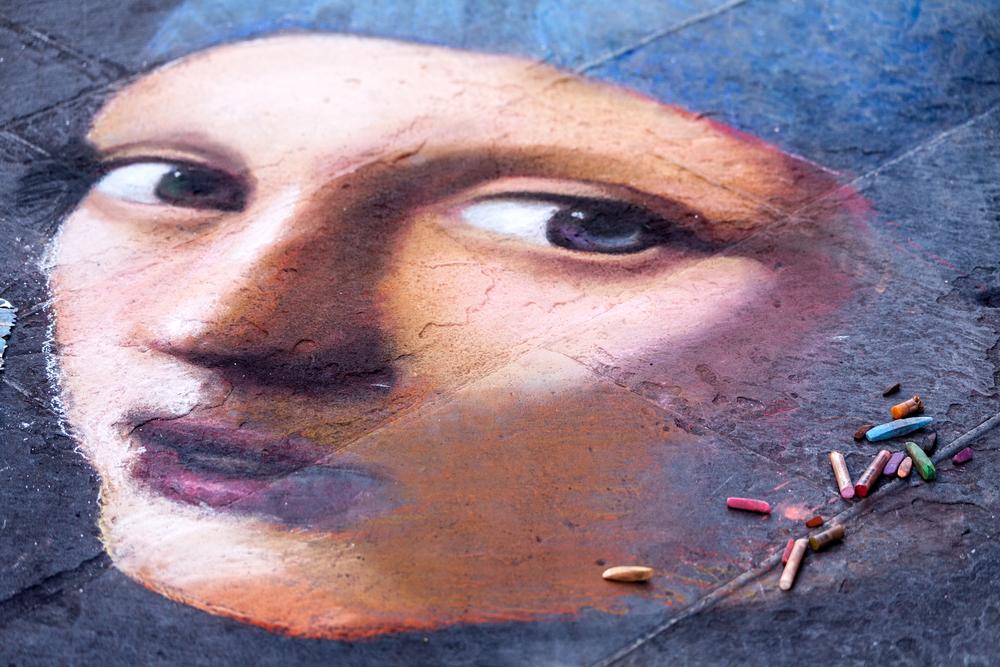
Two men dressed as Boston police officers walked into this museum on March 18, 1990, and pulled off the biggest art theft in American history. They tied up the security guards and spent 81 minutes selecting 13 pieces worth over 500 million dollars, including works by Rembrandt, Vermeer, and Degas. The thieves gained access by claiming to respond to a disturbance call, then proceeded to steal rare paintings that made it the largest property crime in U.S. history. The museum still offers a $10 million reward for information leading to recovery of the stolen works. Nobody has ever found even a single piece from this theft, making it one of the world's greatest unsolved mysteries.
The Concert by Vermeer

This painting disappeared during the Gardner Museum robbery and became the most valuable stolen painting in the world. Vermeer only created about 34 known paintings during his lifetime, so losing even one represents a huge cultural loss. The work showed three people making music together in a typical Dutch interior from the 1600s. Art experts valued this single painting at over 200 million dollars before it vanished. The empty frame still hangs in the Gardner Museum as a reminder of what was lost that night.
The Weeping Woman by Picasso
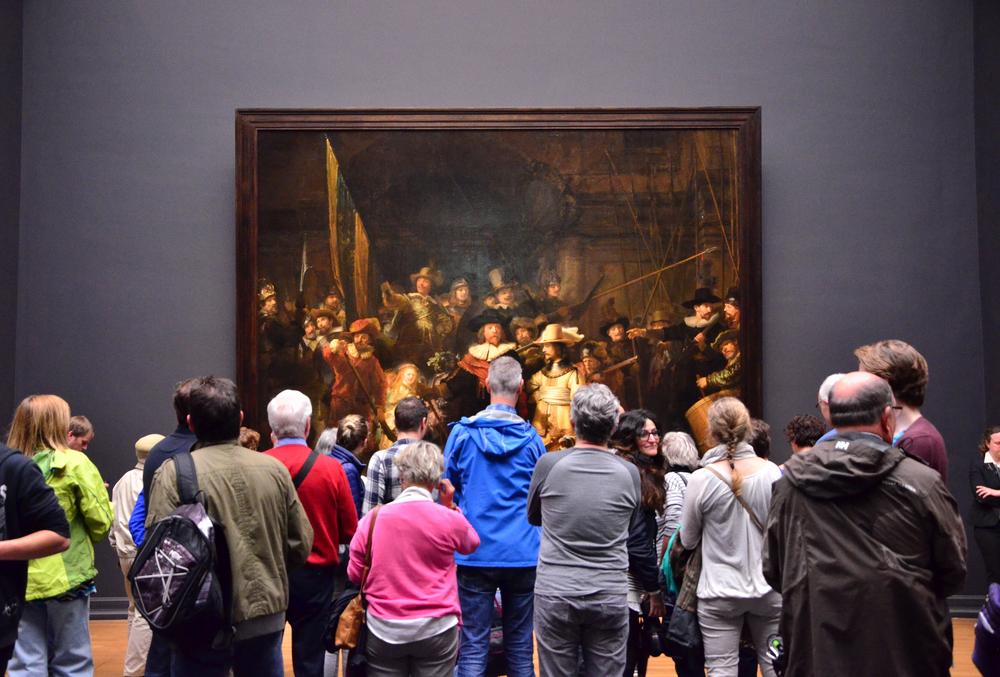
The theft took place on August 2, 1986, in Melbourne, Australia, when a group calling itself "Australian Cultural Terrorists" stole the painting from the National Gallery of Victoria. Strangely, no one noticed for two days that the controversial $2 million painting had been swiped from the gallery walls. The thieves demanded increased funding for the arts and made political statements about cultural priorities in Australia. The painting showed up two weeks later in a railway locker after the demands were met, but the criminals were never caught. This case became Australia's most famous art theft and inspired documentaries about the mysterious group behind it.
Storm on the Sea of Galilee by Rembrandt

This dramatic seascape was the only known marine painting that Rembrandt ever created, making it incredibly rare and valuable. The work disappeared from the Gardner Museum along with the other stolen pieces in 1990. The painting showed Jesus calming a storm while his disciples struggled with fear in their fishing boat. Art historians considered it one of Rembrandt's finest works because of its emotional power and technical skill. The theft robbed the world of seeing this unique example of the Dutch master's only attempt at painting the ocean.
Poplar trees by Van Gogh
Thieves stole this painting from the Mohamed Mahmoud Khalil Museum in Cairo, Egypt, not once but twice. The first theft happened in 1977, and amazingly, someone found the painting at Kuwait Airport ten years later. Museum officials celebrated getting it back and put it on display again. Then in 2010, different criminals walked away with the same Van Gogh painting, and this time it stayed gone. The repeated targeting of this specific artwork suggests that some thieves become obsessed with particular pieces.
The Just Judges panel
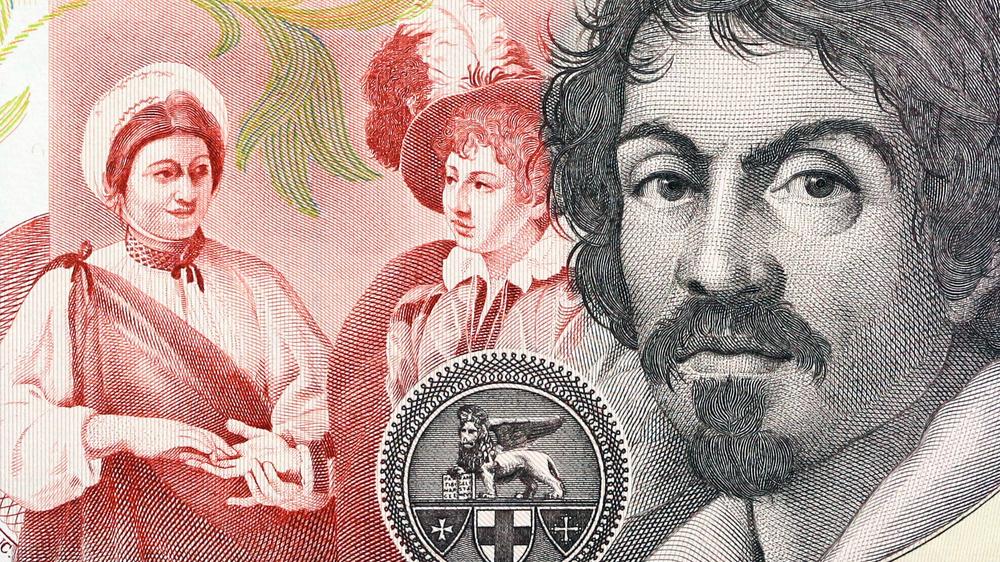
This section of the famous Ghent Altarpiece by the Van Eyck brothers vanished from Saint Bavo Cathedral in Belgium in 1934. The thief sent ransom letters demanding money for the panel's return and even returned one small piece as proof of possession. The criminal died before revealing the location, taking the secret to the grave. Art historians believe this 600-year-old painting panel might be hidden somewhere in Belgium. The missing piece leaves one of the world's most important medieval artworks incomplete.
Nativity with St. Francis and St. Lawrence by Caravaggio

This massive painting disappeared from the Oratory of San Lorenzo in Palermo, Italy, in 1969. The artwork measured nearly six feet tall and showed the birth of Jesus with two saints watching over the scene. Caravaggio painted it around 1600 during his time in Sicily, and it became one of his most important religious works. The Italian mafia reportedly stole the painting, but decades of investigations never recovered it. Some experts fear the painting was damaged or destroyed because of its size and the difficulty of keeping such a famous work hidden.
Le Pigeon aux Petits Pois by Picasso

A single thief walked into the Museum of Modern Art in Paris in May 2010 and stole five paintings worth over 100 million dollars. This Picasso painting of a dove with green peas was among the stolen works that included pieces by Matisse and Monet. Security cameras caught the theft happening, but the criminal wore a mask and knew exactly how to avoid the museum's alarm systems. The thief cut the paintings from their frames and walked out through a window that had a broken lock. French police arrested suspects years later, but the paintings remain missing and might have been destroyed.
View of Auvers-sur-Oise by Cezanne
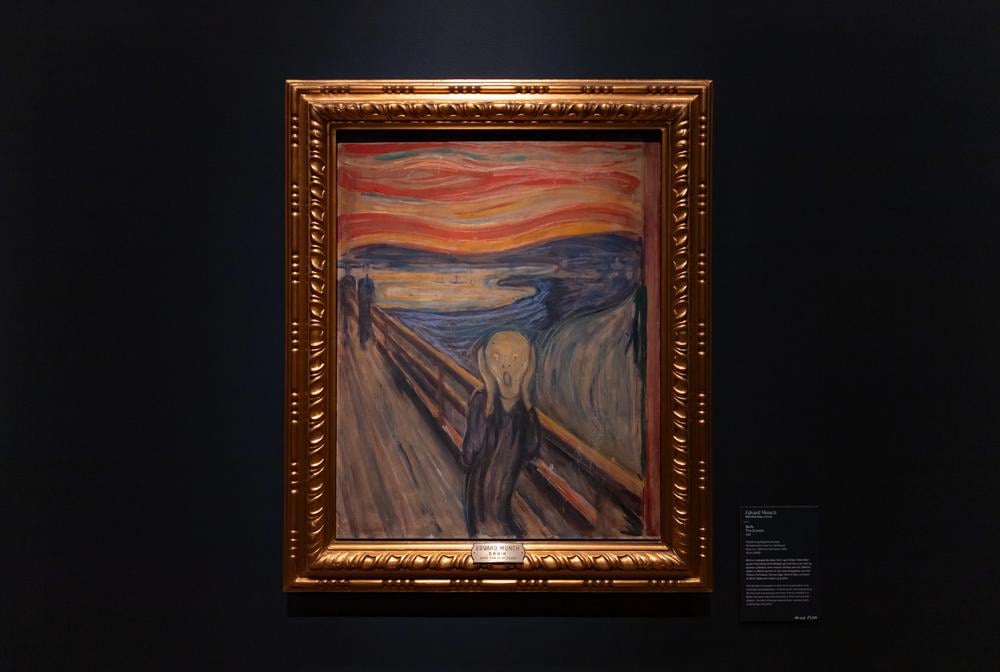
Thieves targeted this landscape painting during the same Paris museum heist that took the Picasso dove. Cezanne painted this peaceful countryside scene in 1879-1880, showing the French village where he worked during his later career. The work represented an important period in the artist's development as he moved toward his famous geometric style. The painting's moderate size made it easy for the thief to roll up and carry away with the other stolen works. Art recovery experts believe this Cezanne might be the most likely piece from the theft to eventually surface in the black market.
The Scream by Munch
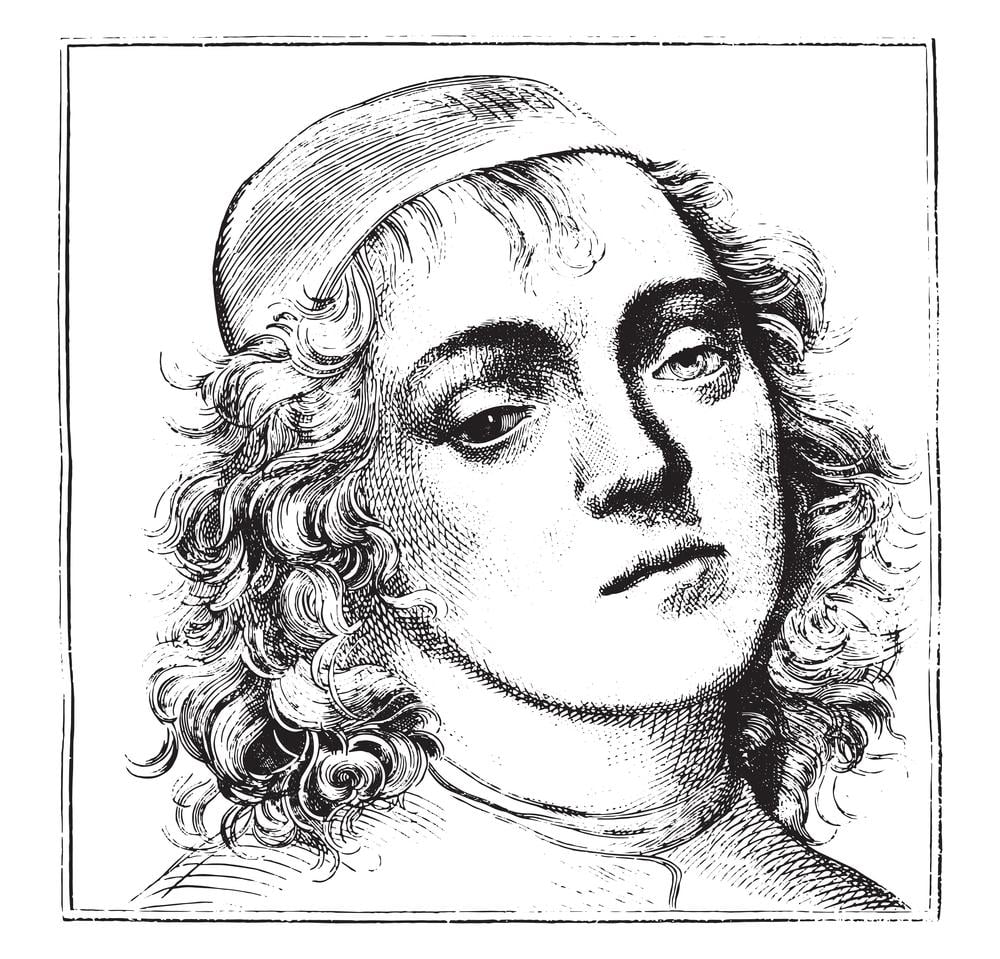
Two different versions of this famous painting have been stolen in separate crimes that both remain partially unsolved. The first theft happened at the National Gallery in Oslo in 1994, when thieves left a note saying "thanks for the poor security." They recovered that version, but criminals struck again in 2004 at the Munch Museum, taking another version along with Madonna. The second theft involved armed robbers who threatened museum visitors before escaping with the paintings. While police eventually found these works, the full truth about who organized the thefts and why remains unclear.
Portrait of a Young Man by Raphael
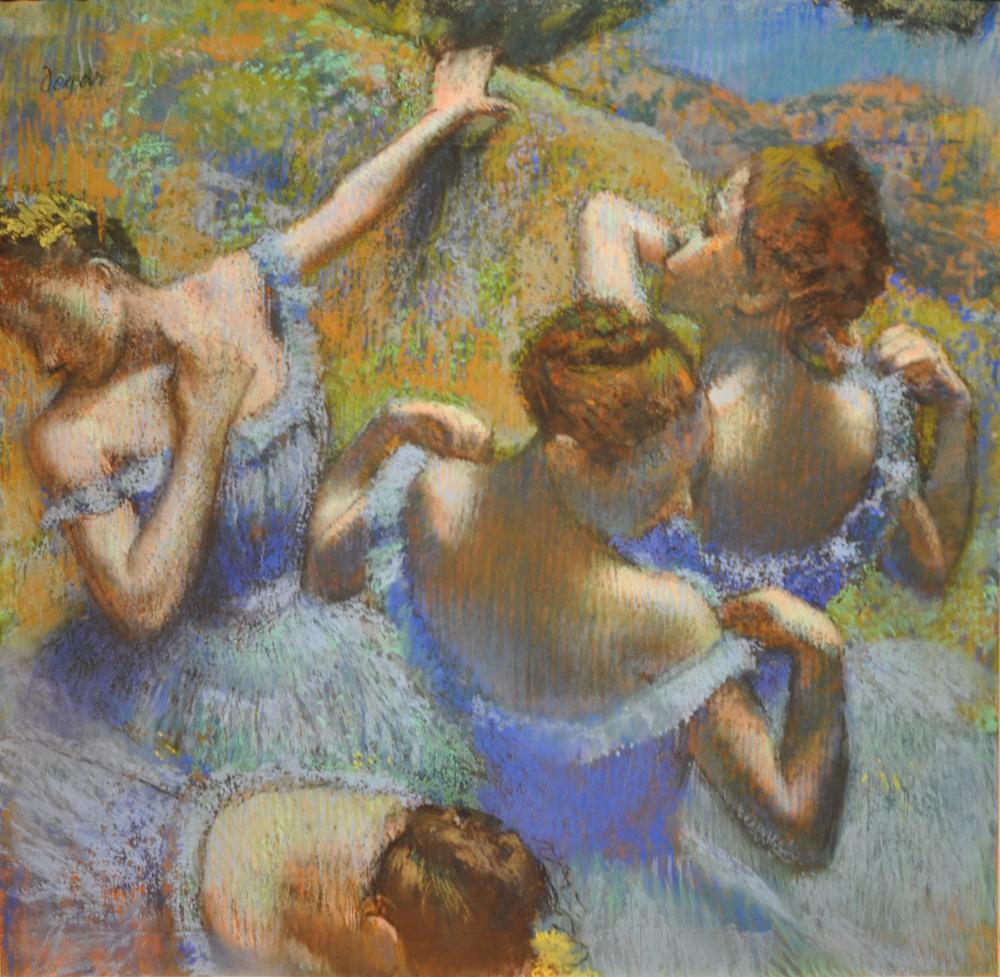
This Renaissance masterpiece vanished during World War II and became one of the most sought-after missing paintings in the world. The Nazis likely stole it from Poland's Czartoryski Museum along with thousands of other artworks. The painting showed an elegant young nobleman and demonstrated Raphael's incredible skill at capturing personality through portraiture. Some experts believe Nazi officials took it to Germany, while others think it ended up in private collections. The work's estimated value exceeds 100 million dollars, making it one of the most expensive missing paintings ever.
The Dancers by Degas
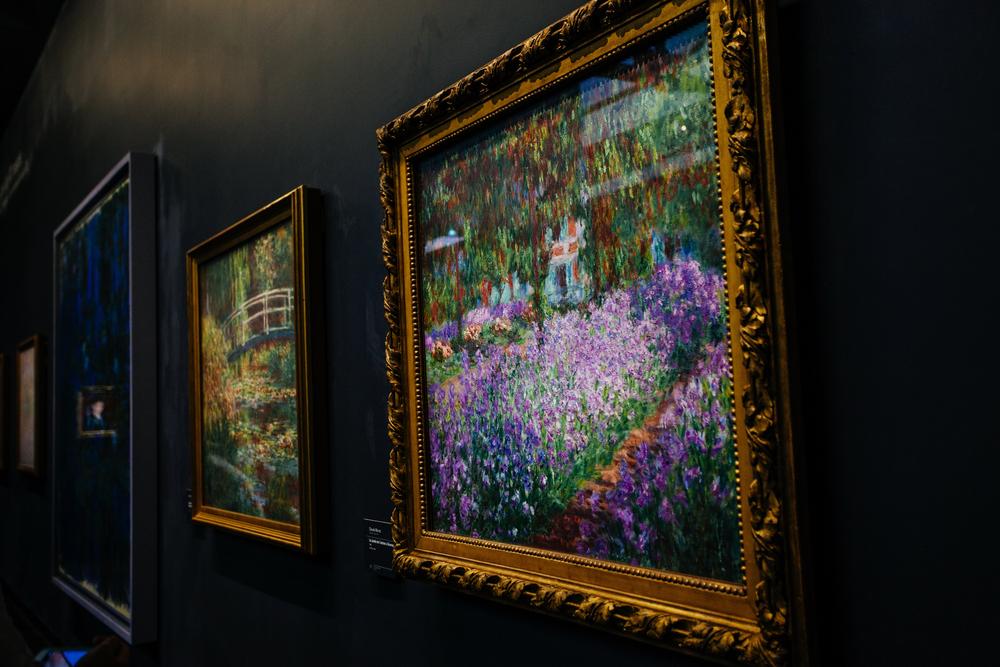
Five drawings by Edgar Degas disappeared from the Gardner Museum during the famous 1990 heist. These works showed ballet dancers in various poses and represented some of the artist's finest examples of capturing movement on paper. Degas spent much of his career studying dancers and created thousands of works featuring them. The stolen pieces were small enough for the thieves to easily carry but valuable enough to be worth millions of dollars each. The loss of these drawings deprived the world of seeing Degas at his most skilled and observant.
Chez Tortoni by Manet
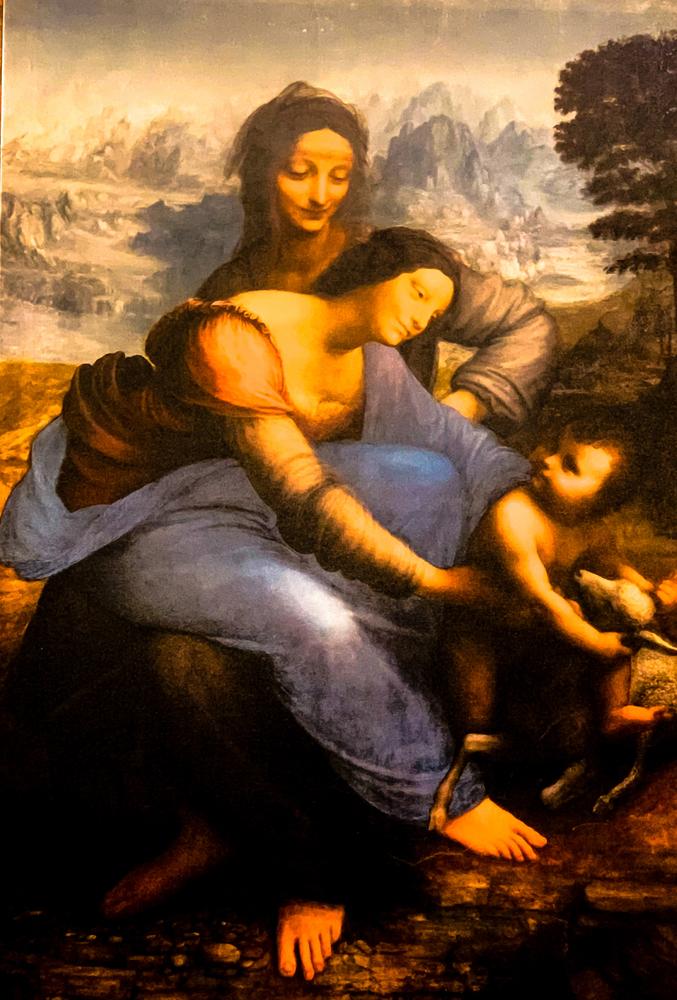
This small painting of a man in a cafe was among the works stolen from the Gardner Museum in 1990. Manet painted it around 1878-1880 and it showed his interest in everyday Paris life during the late 1800s. The work measured only about 10 by 13 inches, making it one of the smaller pieces the thieves selected that night. Art historians valued it at around 40 million dollars despite its modest size. The painting's subject matter and style made it an important example of how Impressionist artists found beauty in ordinary moments.
Madonna of the Yarnwinder by Leonardo da Vinci
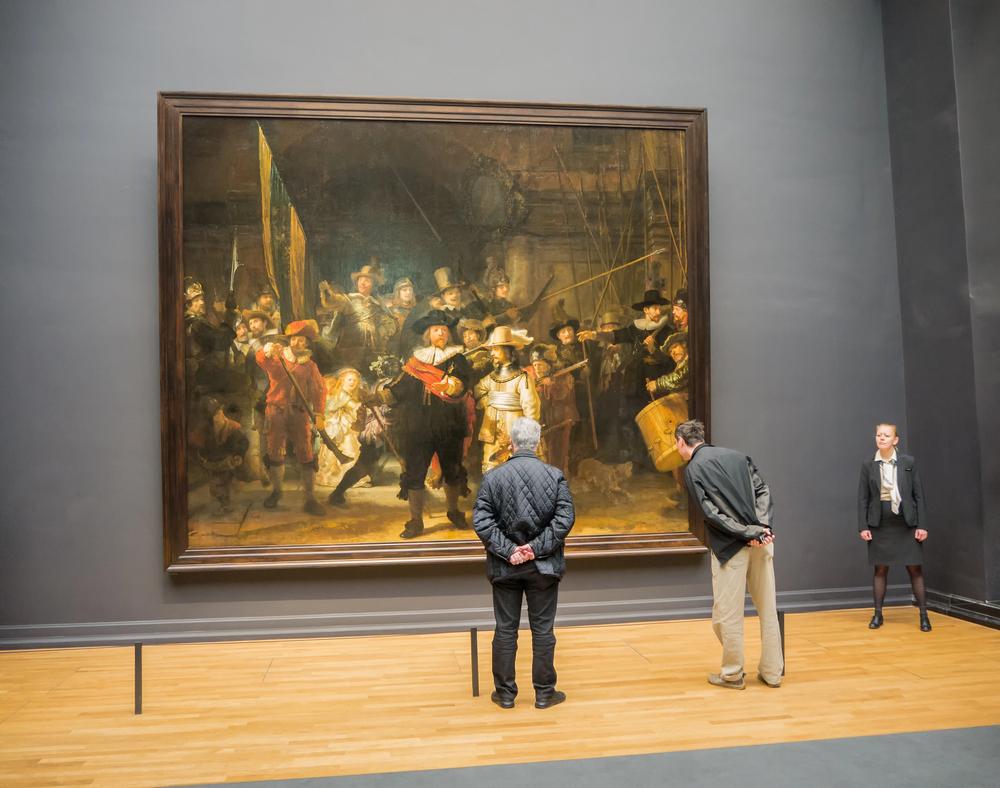
Two men stole this Renaissance painting from Drumlanrig Castle in Scotland in 2003 by overpowering a tour guide. The work showed the Virgin Mary and baby Jesus, and Leonardo painted it around 1501 during his most productive period. The thieves escaped in a Volkswagen Golf, which seemed almost comical given they had just stolen a priceless Leonardo. Police eventually recovered the painting in 2007, but questions remain about the full network behind the theft. The case showed how even remote castles can become targets for determined art criminals.
Christ in the Storm on the Lake of Galilee by Rembrandt
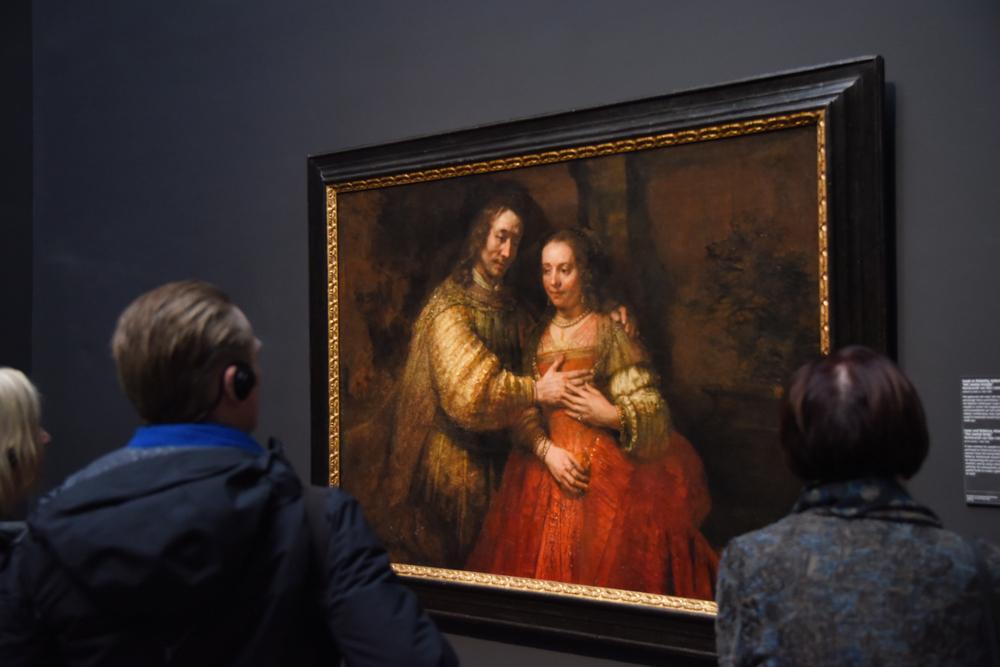
This religious scene was another victim of the Gardner Museum heist and represented one of Rembrandt's most dramatic biblical paintings. The work showed Jesus sleeping peacefully in a boat while his terrified disciples struggled against a fierce storm. Rembrandt painted their faces with incredible emotion, showing each man's different reaction to the crisis. The painting measured about four feet wide and became one of the most recognizable missing artworks in the world. Art lovers continue to hope that someday this masterpiece will return to public view where everyone can appreciate Rembrandt's storytelling genius.
More from Go2Tutors!

- 16 Historical Figures Who Were Nothing Like You Think
- 12 Things Sold in the 80s That Are Now Illegal
- 15 VHS Tapes That Could Be Worth Thousands
Like Go2Tutors’ content? Follow us on MSN.



