16 Childhood Games That Were Like Military Training
Looking back at childhood, it’s fascinating how many playground activities were actually mini boot camps in disguise. While we thought we were just having fun, these games were secretly teaching us combat tactics, strategic thinking, and survival skills that would make any drill sergeant proud.
The connection between play and preparation for conflict runs deeper than most people realize. Here is a list of 16 childhood games that were essentially military training exercises wrapped in innocent fun.
Capture the Flag
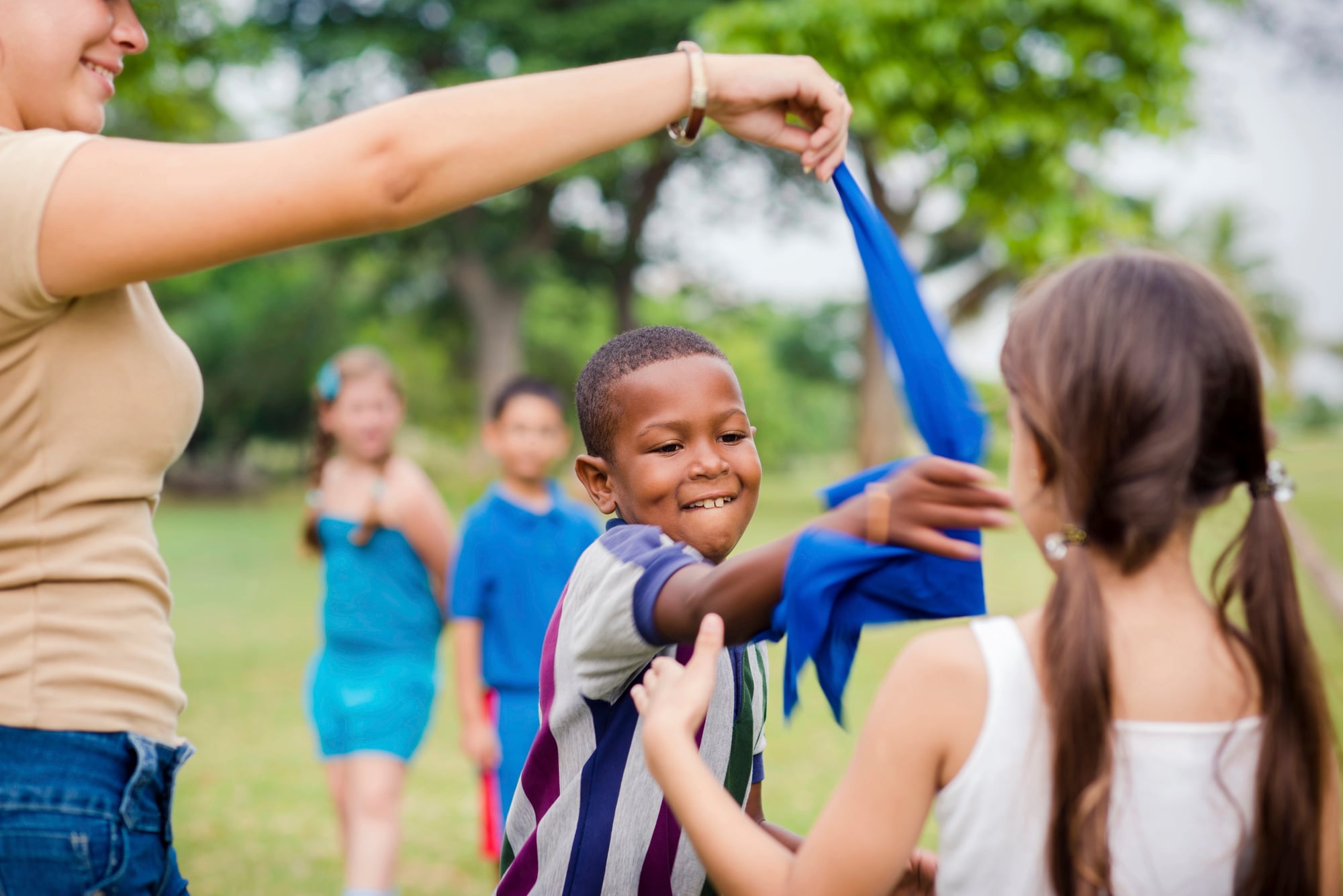
This classic camp game is basically warfare with colorful bandanas. Teams must infiltrate enemy territory, retrieve their flag, and return it to base without getting tagged.
The strategic elements mirror real military operations—reconnaissance, diversionary tactics, protecting supply lines, and coordinated attacks. Kids naturally develop teamwork, communication under pressure, and the ability to think several moves ahead while defending their home base.
Red Rover
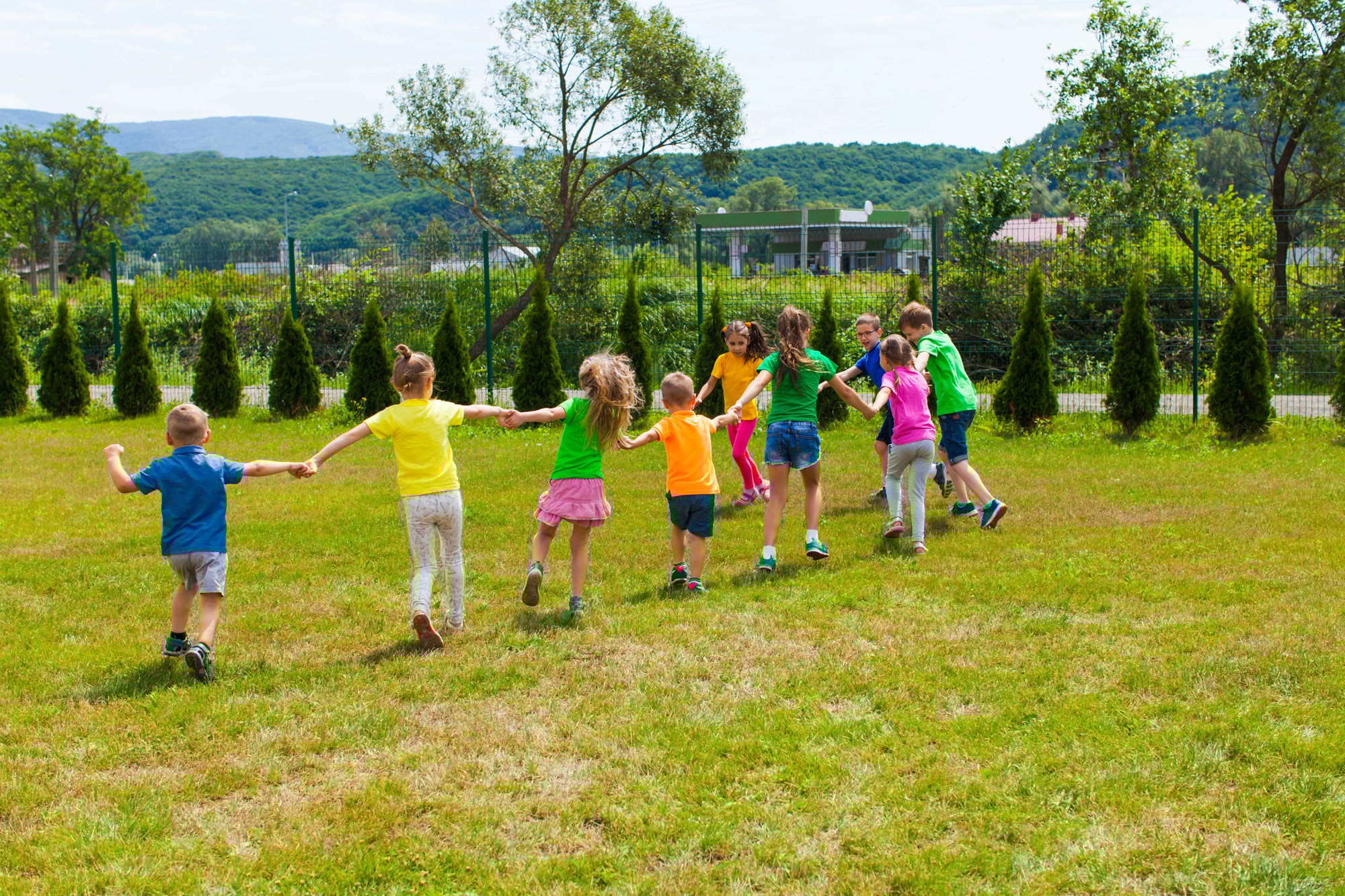
What appeared to be a simple game of breaking through linked arms was actually training in formation tactics and psychological warfare. Players had to assess the weakest points in the enemy line, build up momentum for a charge, and maintain defensive positions.
The mental aspect was crucial too—calling out specific opponents created pressure and required quick decision-making under scrutiny.
Like Go2Tutors’s content? Follow us on MSN.
Hide and Seek

The grandfather of stealth training, this game taught camouflage, patience, and situational awareness. Kids learned to move silently, use shadows and terrain to their advantage, and remain motionless for extended periods.
The seeker developed tracking skills, pattern recognition, and systematic search techniques that would be right at home in reconnaissance missions.
King of the Hill
This territorial control game was pure military strategy disguised as playground fun. Players fought to establish and maintain dominance over high ground—a fundamental principle in warfare.
Success required understanding defensive positioning, managing resources, and knowing when to attack versus when to consolidate power. The constant threat of being overthrown taught vigilance and adaptability.
Dodgeball
Beyond the obvious physical training, dodgeball was advanced combat simulation. Players learned target acquisition, projectile physics, and evasive maneuvering under fire.
Team versions required communication, coordinated attacks, and protecting wounded allies. The split-second decision-making between offense and defense mirrors real combat scenarios where hesitation means elimination.
Like Go2Tutors’s content? Follow us on MSN.
Manhunt

The nighttime version of hide and seek ramped up the military training aspects considerably. Players used darkness for concealment, developed night vision, and learned to move through terrain without detection.
The game required advanced planning, establishing safe houses, and coordinating with teammates using minimal communication—all essential special forces skills.
Tug of War

This wasn’t just about strength—it was a lesson in leverage, timing, and coordinated effort. Teams learned to work as a single unit, with each member understanding their role in the larger strategy.
The game taught the importance of maintaining formation under pressure and how individual actions affect group success, fundamental concepts in military unit cohesion.
Kick the Can

Combining elements of hide and seek with base liberation, this game was like a complete military operation. Players had to conduct surveillance, plan coordinated attacks, and execute rescue missions while avoiding detection.
The can represented a strategic objective that required both stealth to approach and speed to execute the mission successfully.
Like Go2Tutors’s content? Follow us on MSN.
War (Card Game)

Even seemingly passive games had military applications. This card game taught resource management, risk assessment, and the concept that conflicts can have winners and losers based on chance and strategy.
Kids learned to manage their ‘armies’ of cards and understand that sometimes you win or lose based on factors beyond immediate control.
Simon Says
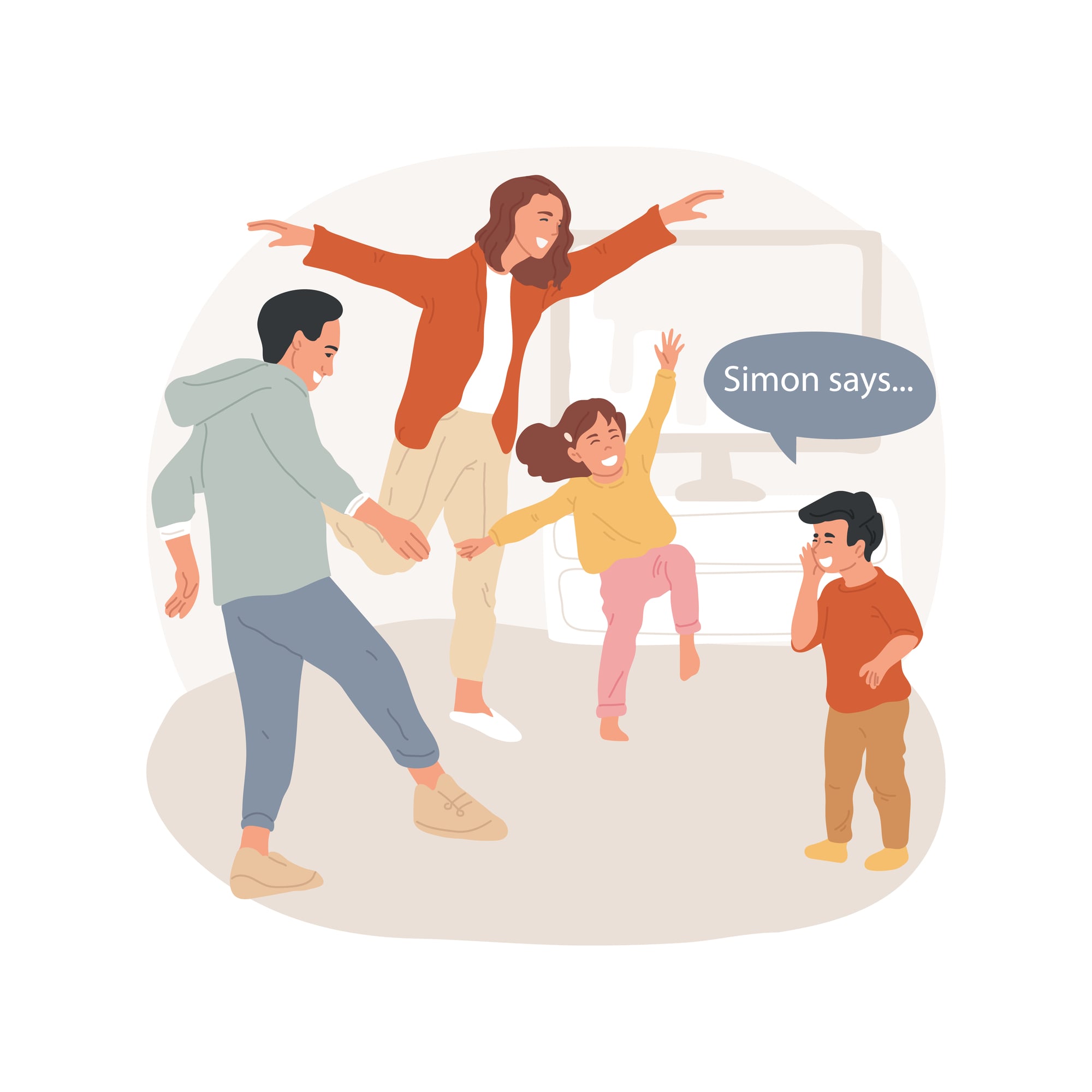
This command-following game was essentially a drill instruction with a twist. Players learned to follow orders precisely while maintaining critical thinking about the source of those orders.
The game taught the importance of attention to detail, instant response to commands, and the ability to distinguish between legitimate and illegitimate authority—crucial skills for any military operation.
Nerf Wars
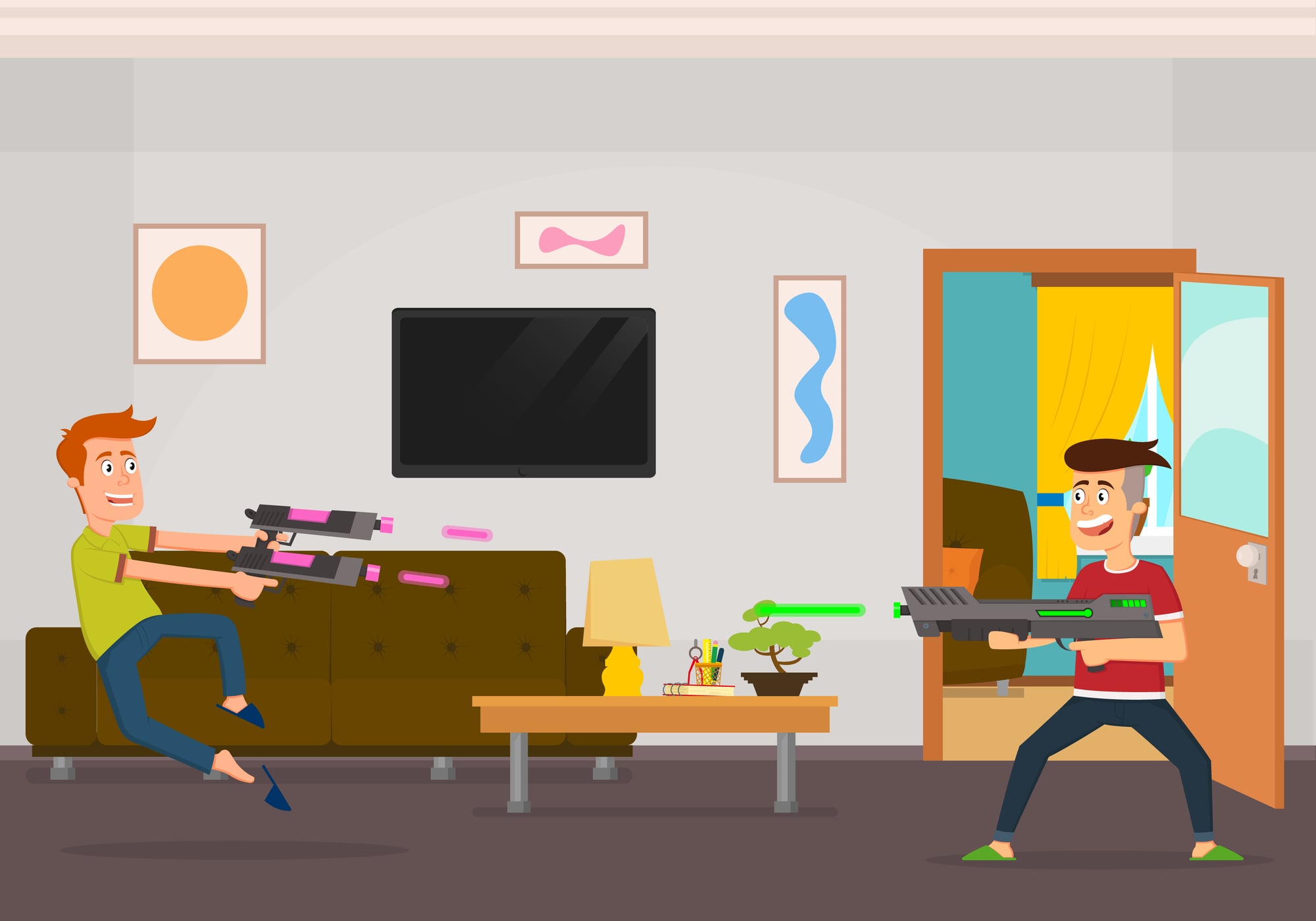
The most obviously military of childhood games, Nerf battles were complete tactical training exercises. Kids learned weapon handling, ammunition conservation, flanking maneuvers, and squad-based tactics.
These games often involved elaborate scenarios with objectives, time limits, and rules of engagement that mirrored real military exercises, just with foam projectiles instead of live rounds.
Like Go2Tutors’s content? Follow us on MSN.
From Playground to Battlefield

These games shaped generations of children into adults who understood teamwork, strategy, and quick thinking under pressure. While we played for fun, we were unknowingly developing the mental and physical skills that have served humans in conflicts throughout history.
The fact that children naturally gravitate toward these activities suggests something deeper about human nature and our instinctive preparation for the challenges life might throw our way.
More from Go2Tutors!

- 18 Unexpectedly Valuable Collectibles You Might Have Lying Around
- 20 Little-Known Historical Battles That Had Huge Consequences
- 20 Historical Artifacts That Scientists Can’t Explain
- 15 Inventions That Were Immediately Banned After Being Created
- 20 Actors Who Were Almost Cast in Iconic Roles
Like Go2Tutors’s content? Follow us on MSN.



