17 Fascinating Facts About Government Buildings
Government buildings shape the skyline of every capital city, but most people walk past them without a second thought. These aren’t just places where bureaucrats shuffle papers — they’re repositories of architectural ambition, political theater, and the occasional state secret.
From hidden bunkers beneath the White House to the curious acoustics of legislative chambers, these structures hold stories that reveal as much about power as any political speech ever could.
The White House Has A Movie Theater, Chocolate Shop, And Dentist Office
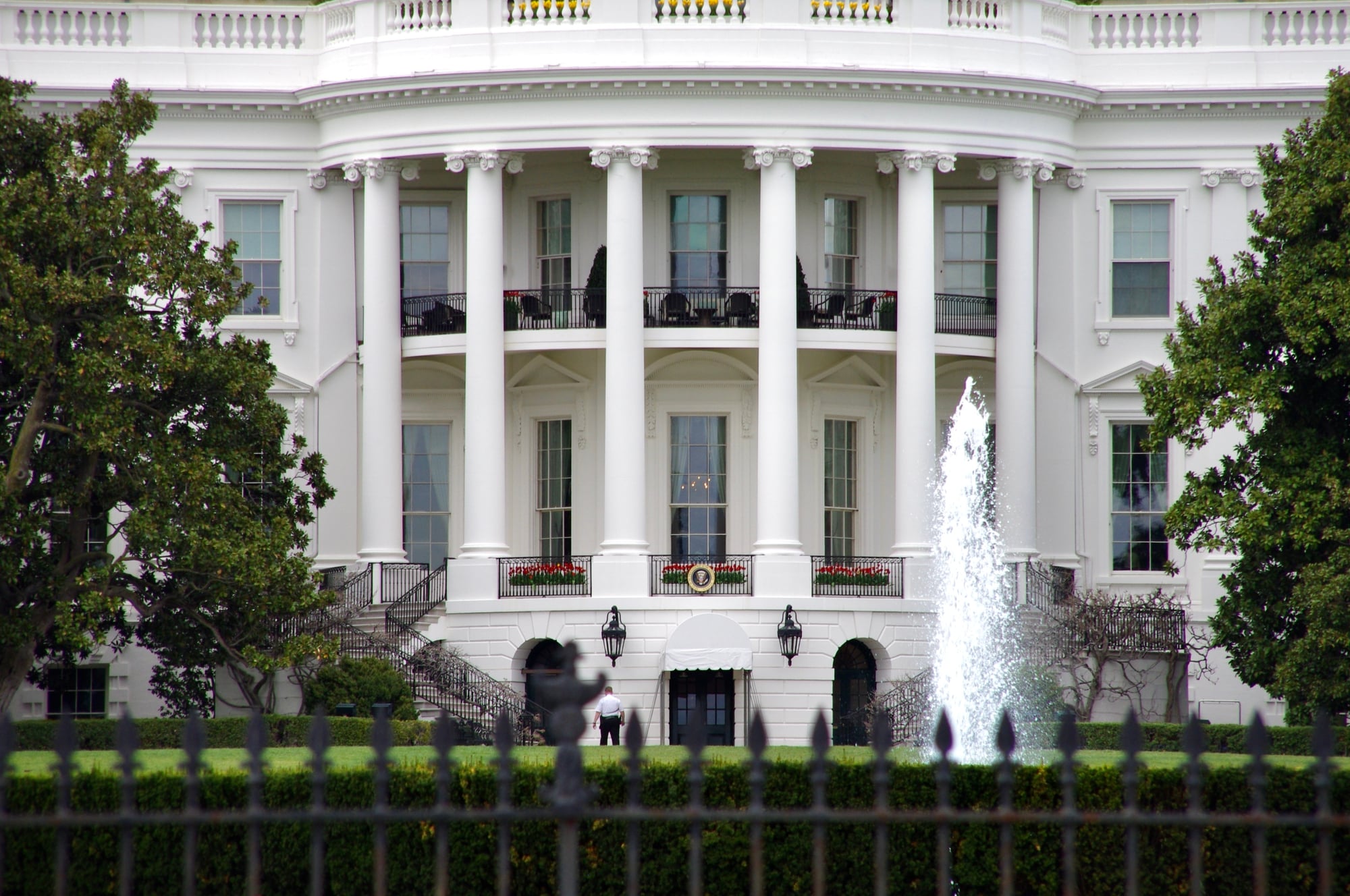
The White House isn’t just an office and residence. It’s essentially a small town crammed into 55,000 square feet.
The building houses a movie theater that seats 42 people, a chocolate shop, a dentist office, and a flower shop. There’s even a bowling alley installed by President Truman in 1947.
The Capitol Dome Weighs 8,909,200 Pounds
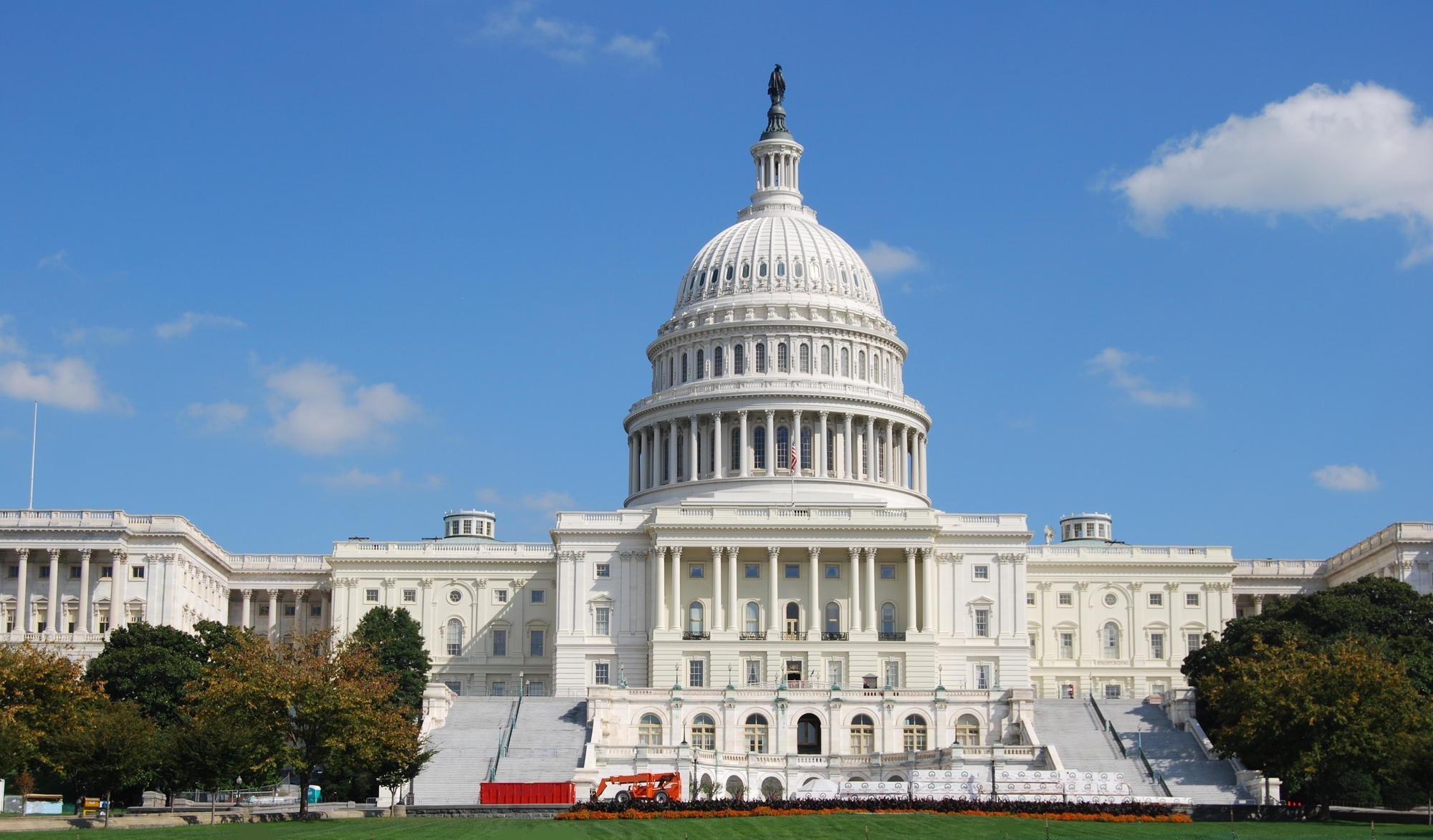
The U.S. Capitol’s cast-iron dome might look delicate from a distance, but it’s a monument to 19th-century engineering ambition. The entire structure weighs nearly 4,500 tons — roughly equivalent to 1,800 cars stacked on top of the building.
The Statue of Freedom perched at its peak adds another 15,000 pounds, because apparently the architects believed in making a statement that could be seen from orbit.
Supreme Court Justices Have Their Own Basketball Court
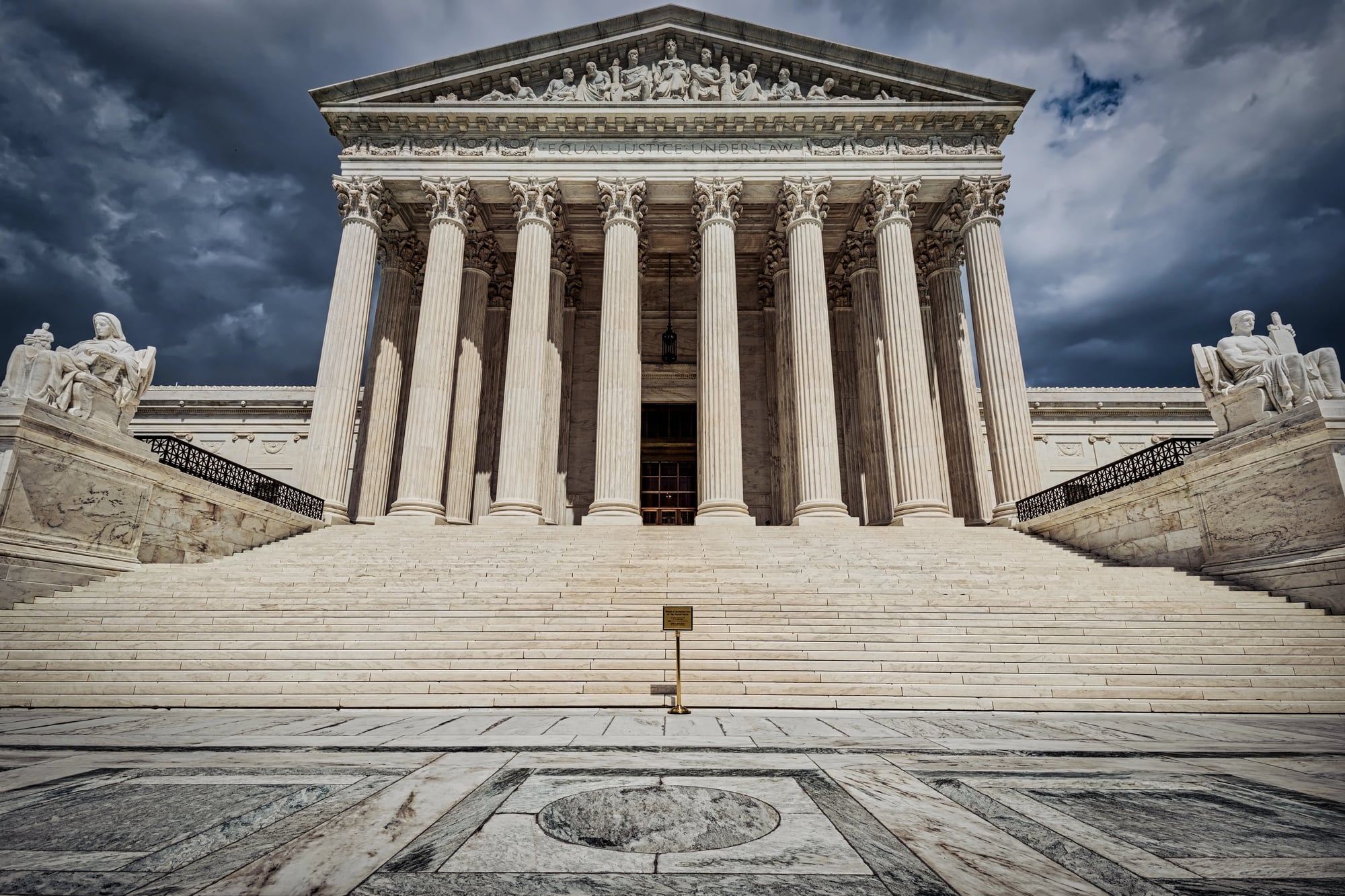
There’s something wonderfully absurd about the highest court in the land doubling as a recreational facility, but that’s exactly what happens on the Supreme Court building’s top floor.
The basketball court sits directly above the courtroom where constitutional law is debated (the justices call it “the highest court in the land,” which is either charming or insufferable depending on your tolerance for judicial humor).
And yes, the court has been used by actual justices — Justice Byron White was known to shoot hoops between hearings, which makes you wonder what other stress-relief activities happen behind those marble walls.
The Pentagon Has Twice As Many Bathrooms As Necessary

When the Pentagon was designed in the 1940s, Virginia’s segregation laws required separate facilities for Black and white workers.
So the building was constructed with twice the necessary number of restrooms.
The segregation plan was abandoned before the building opened, but the extra bathrooms remained — a physical reminder of institutional prejudice embedded in concrete and steel.
The building’s five-sided design wasn’t chosen for symbolic reasons either. The original site was bounded by roads that formed a pentagon shape, and architects simply worked within those constraints.
Sometimes the most iconic designs happen by accident.
10 Downing Street’s Exterior Is Actually Yellow
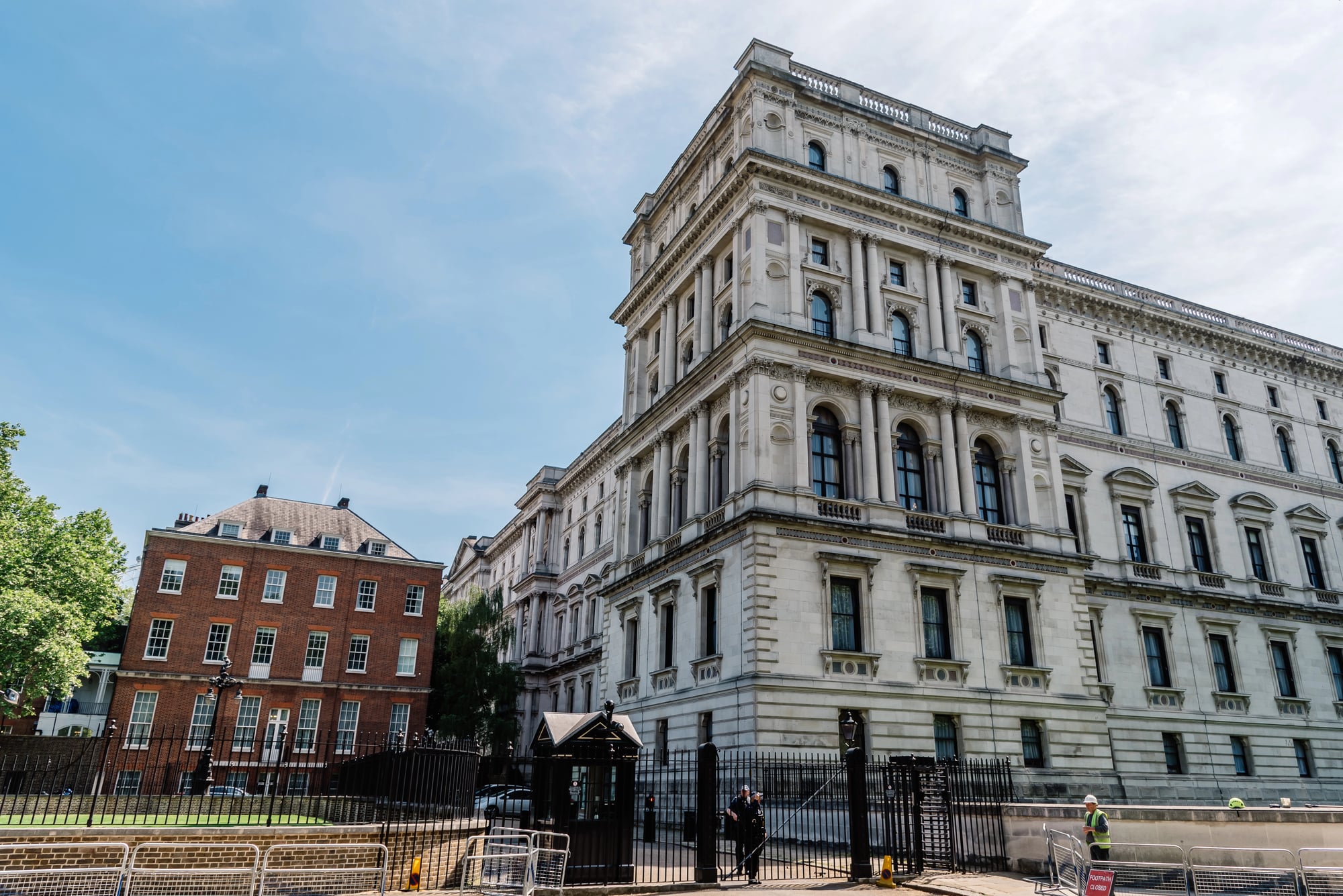
The famous black door and facade of the British Prime Minister’s residence isn’t naturally black at all.
The building’s exterior is made of yellow London stock brick that has been painted black for centuries.
The “iconic” black appearance exists purely because of London’s historically filthy air — centuries of coal smoke and pollution darkened the original yellow brick, and successive governments decided to embrace the grimmer aesthetic rather than fight it.
When the building undergoes restoration, workers strip away layers of black paint to reveal the original warm yellow underneath.
It’s oddly fitting that the seat of British political power has spent centuries wearing a mask of industrial grime.
The Kremlin Walls Contain The Ashes Of Soviet Leaders
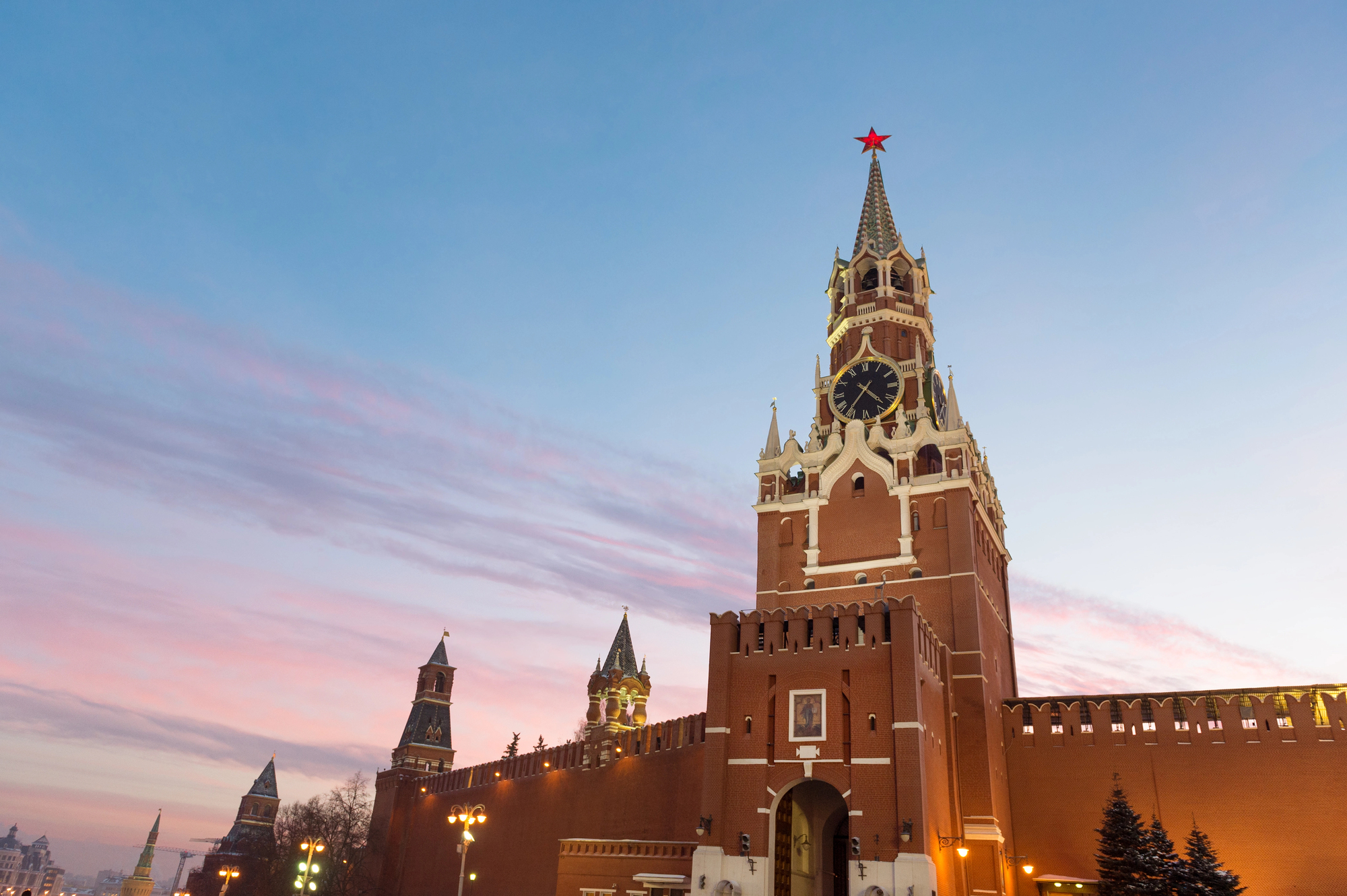
Between the Kremlin wall and Red Square lies one of the world’s most exclusive cemeteries.
The Kremlin Wall Necropolis contains the remains of Soviet leaders, cosmonauts, and other state heroes.
Stalin’s ashes rest there, as do those of the first person in space, Yuri Gagarin.
The location transforms what could have been a tourist photo opportunity into something approaching a shrine — though whether that shrine celebrates achievement or authoritarianism depends entirely on where you happen to be standing.
The Library Of Congress Receives 22,000 Items Every Working Day
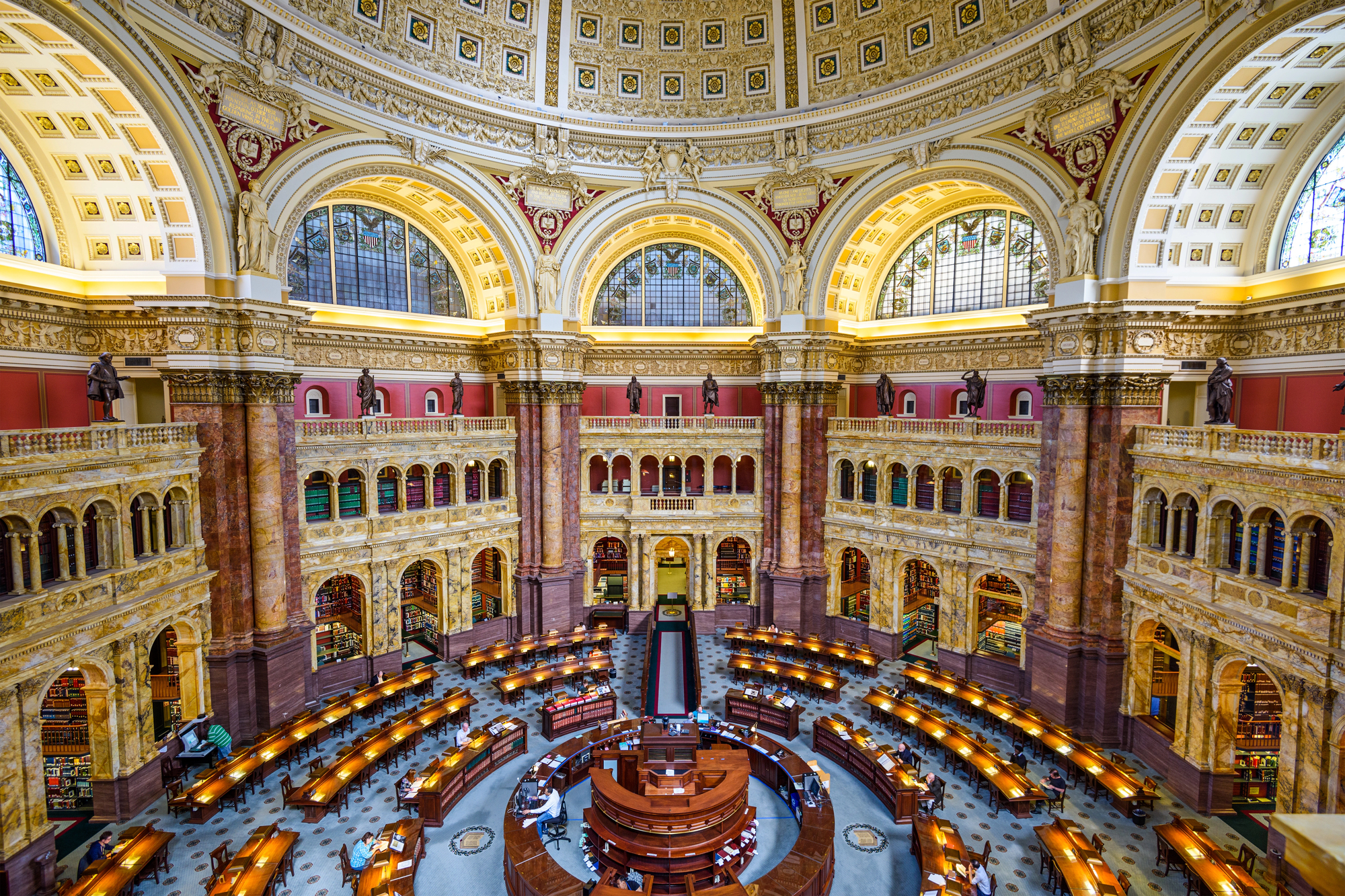
The world’s largest library doesn’t just collect books — it hoovers up human knowledge with industrial efficiency.
Every single day, the Library of Congress processes 22,000 new items: books, manuscripts, maps, photographs, music, and digital files.
The collection grows by roughly 8 million items per year, which means the building is essentially a monument to humanity’s inability to stop creating things.
But here’s the thing about institutions that collect everything: they become mirrors of the culture that feeds them.
The Library of Congress doesn’t just preserve American history — it accidentally preserves American obsessions, blind spots, and the particular brand of optimism that assumes future generations will want to read everything we’ve ever written down.
Buckingham Palace Has 775 Rooms But Only 19 State Rooms
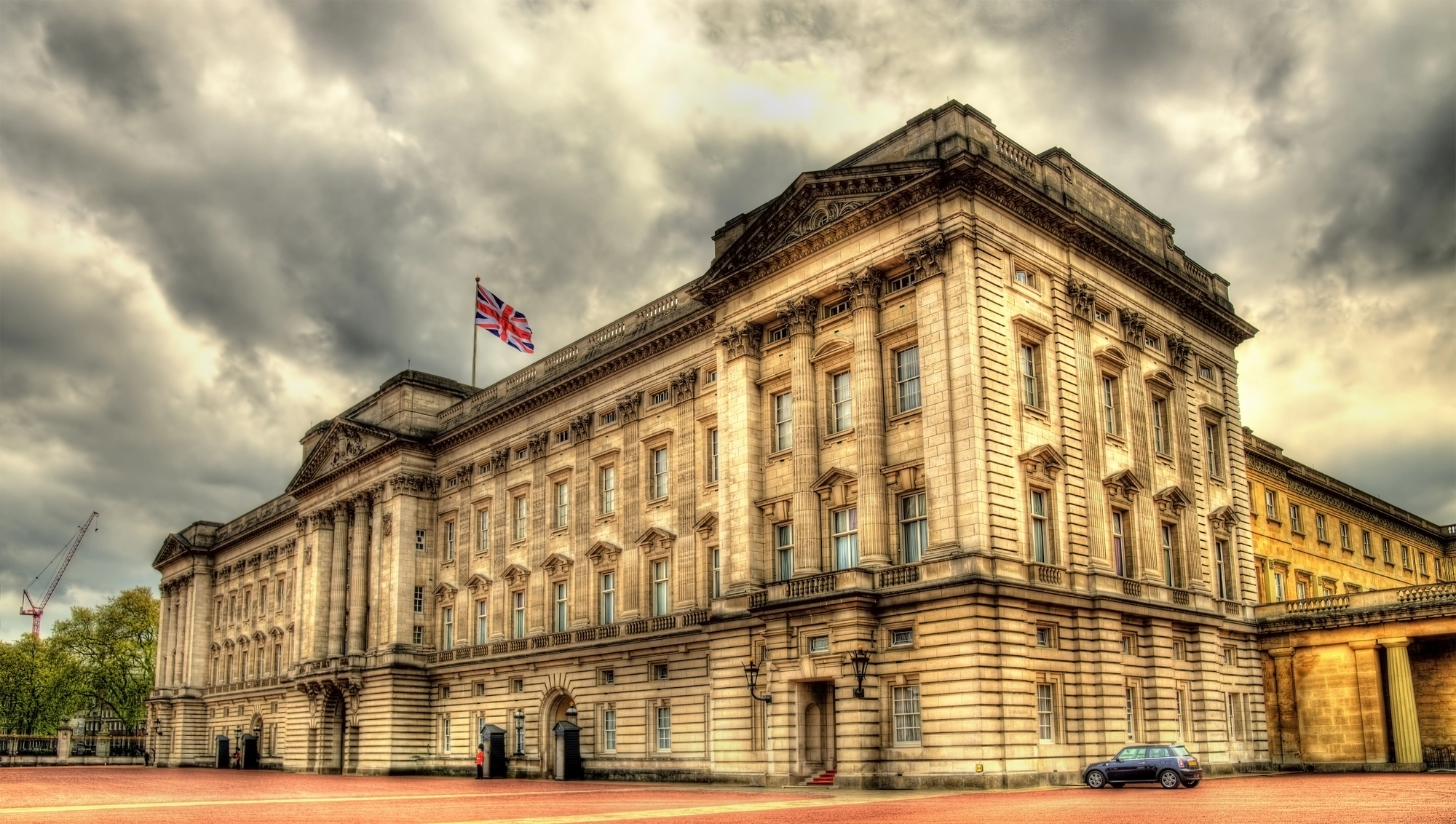
The numbers tell the story of institutional priorities: 775 total rooms, but only 19 are used for state functions.
The rest house everything from staff quarters to storage for the royal art collection.
There are 78 bathrooms, 52 royal and guest bedrooms, and 188 staff bedrooms — which suggests that running a monarchy requires roughly the same infrastructure as operating a mid-sized hotel, except with more crowns and fewer complimentary mints on the pillows.
The U.S. Treasury Building Appears On The $10 Bill — By Accident
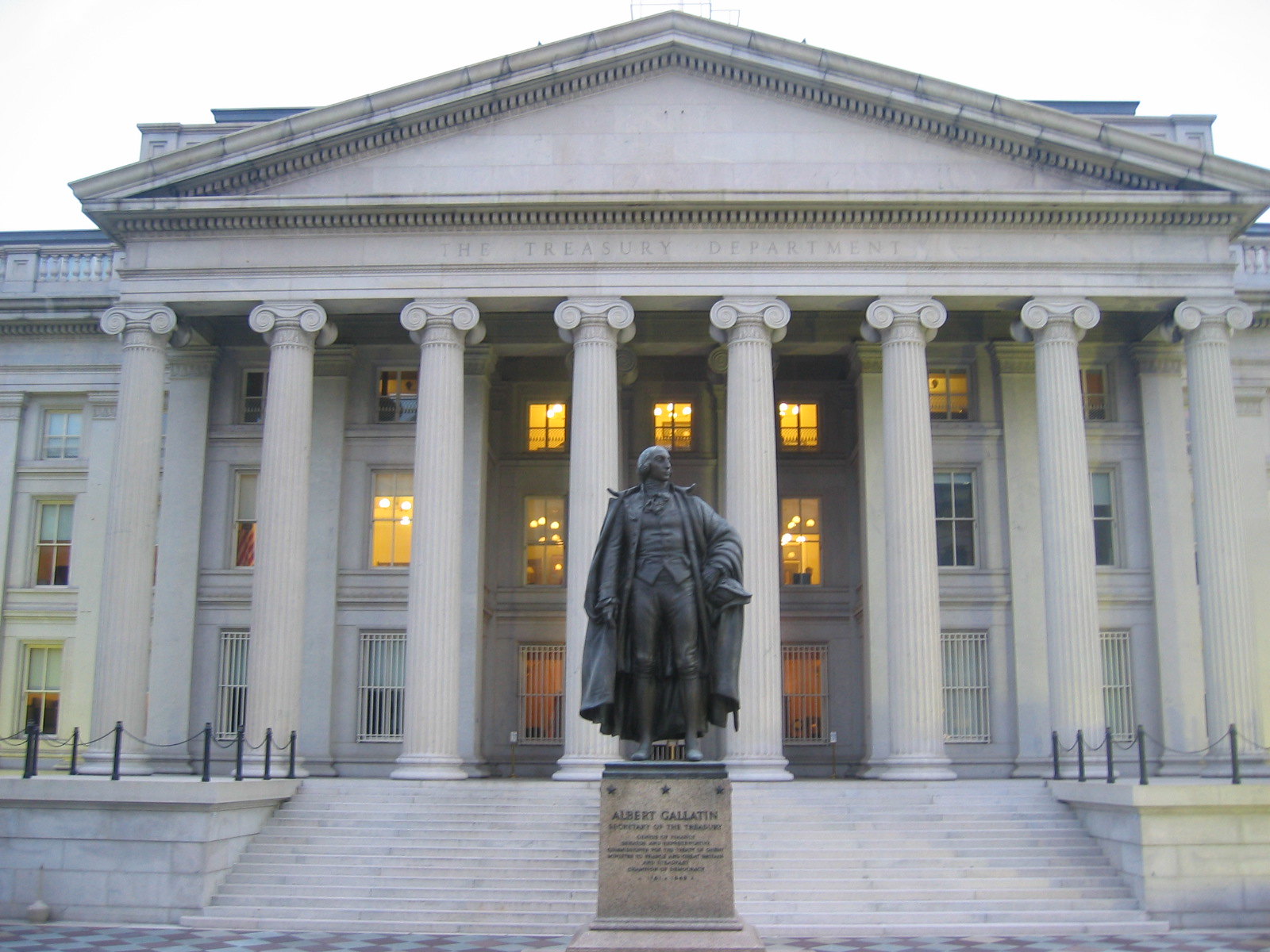
Alexander Hamilton was supposed to be featured with a symbol of American finance on the $10 bill, but the engraver couldn’t find a suitable image of early American banking.
So they used the Treasury building instead, making it the only government building to appear on U.S. currency not because of historical significance, but because of a deadline and limited artistic options.
Sometimes the most enduring symbols are just whatever happened to be convenient at the time.
Westminster Palace Has Over 1,000 Rooms And 3 Miles Of Corridors
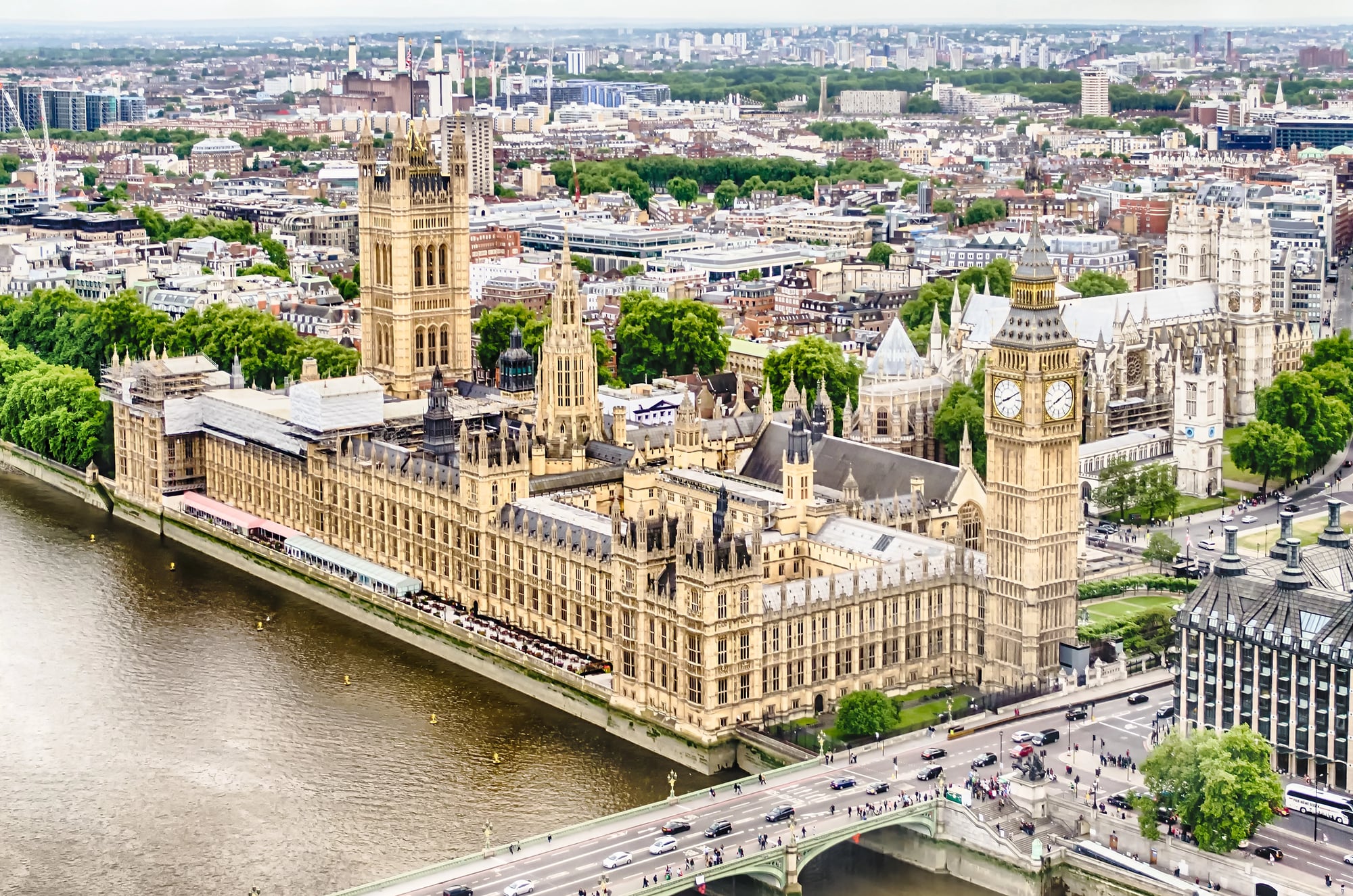
The British Houses of Parliament sprawl across 8 acres and contain enough rooms to house a small city.
The building has 1,100 rooms connected by 3 miles of corridors, which explains why Members of Parliament occasionally get lost on their way to vote.
There are 100 staircases, and the entire complex employs a full-time staff whose job is essentially crowd control for elected officials who can’t find the bathroom.
The maze-like design wasn’t intentional — Westminster Palace grew organically over centuries, with each generation of architects adding rooms wherever they could find space.
Democracy, as it turns out, is housed in a building that perfectly embodies the chaotic, unplanned nature of British institutional development.
The Sydney Opera House Was Originally Budgeted At $7 Million But Cost $102 Million
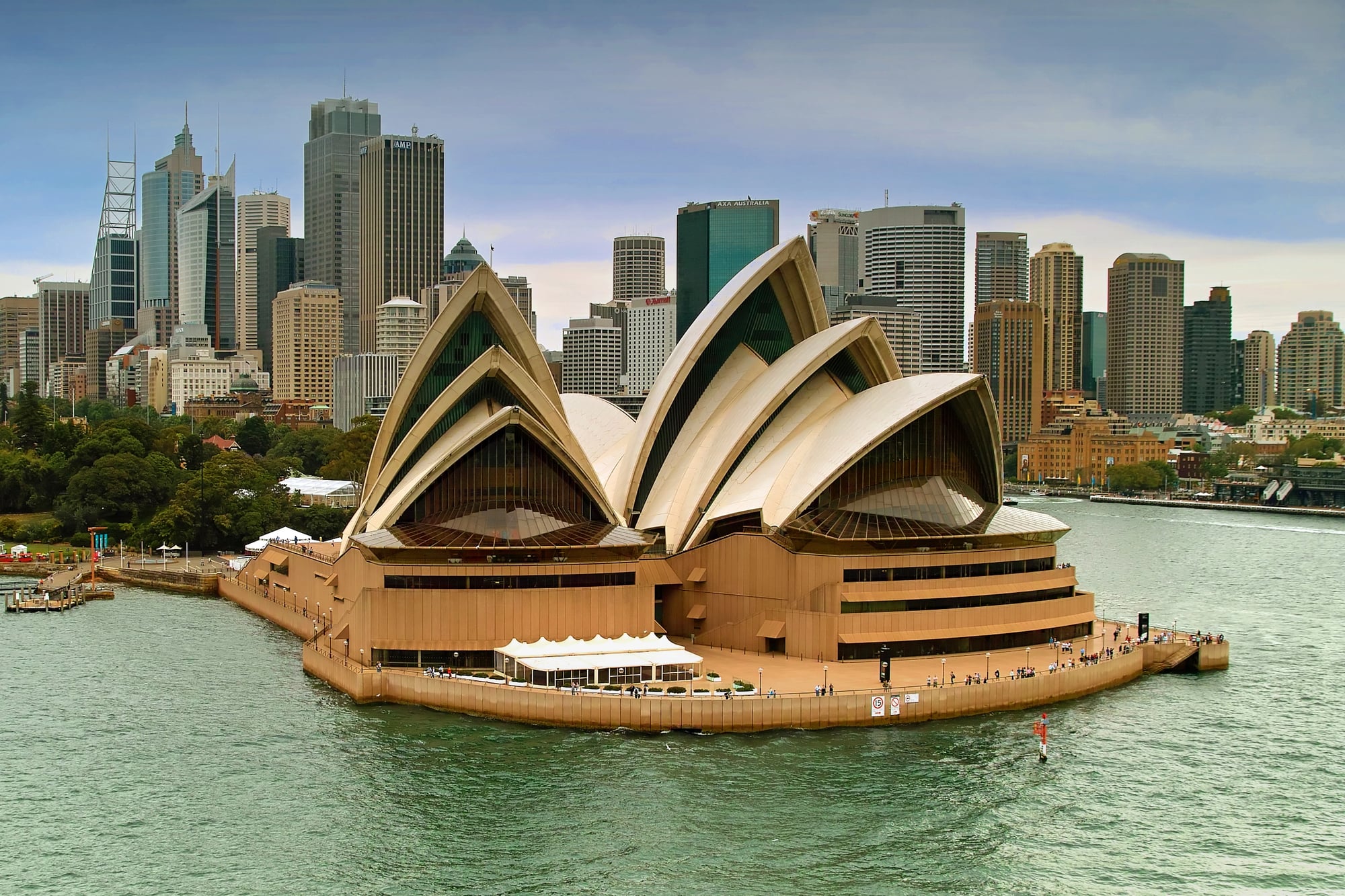
Government projects have a tendency to exceed their budgets, but the Sydney Opera House set records that still stand today.
What began as a $7 million architectural competition winner became a $102 million exercise in the gap between artistic vision and engineering reality.
The project took 14 years to complete instead of the planned 4, and the original architect resigned in frustration before seeing his design finished.
The building’s iconic shell design looks inevitable now, but it nearly bankrupted the New South Wales government and required the invention of entirely new construction techniques.
Which raises an interesting question about government buildings: are the ones we remember most fondly always the ones that caused the most trouble to build?
The Reichstag Dome Uses Mirrors To Light The Debating Chamber
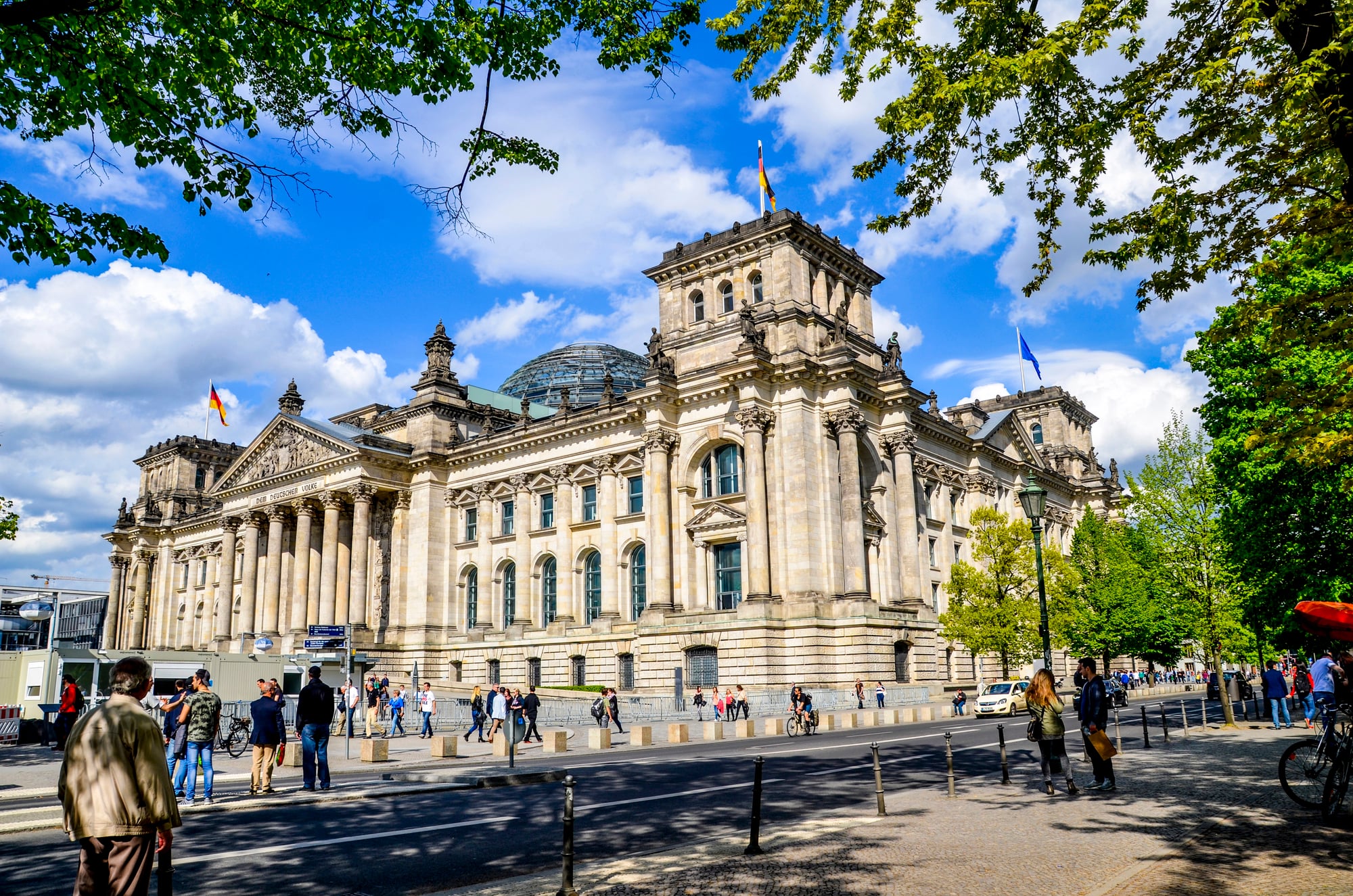
The German Bundestag’s glass dome isn’t just architectural showboating — it’s a functioning piece of democratic symbolism.
The dome uses a complex system of mirrors to reflect natural light down into the parliamentary chamber below, literally illuminating the democratic process.
Visitors can walk up a spiral ramp inside the dome and look down at legislators at work, which makes the building a physical manifestation of government transparency.
The symbolism gets more pointed when you consider that the original Reichstag was gutted by fire in 1933, an event the Nazis used to justify seizing emergency powers.
The new dome, installed after German reunification, seems designed to prevent that kind of democratic darkness from falling again.
Canada’s Parliament Buildings Have Gargoyles Depicting Local Wildlife
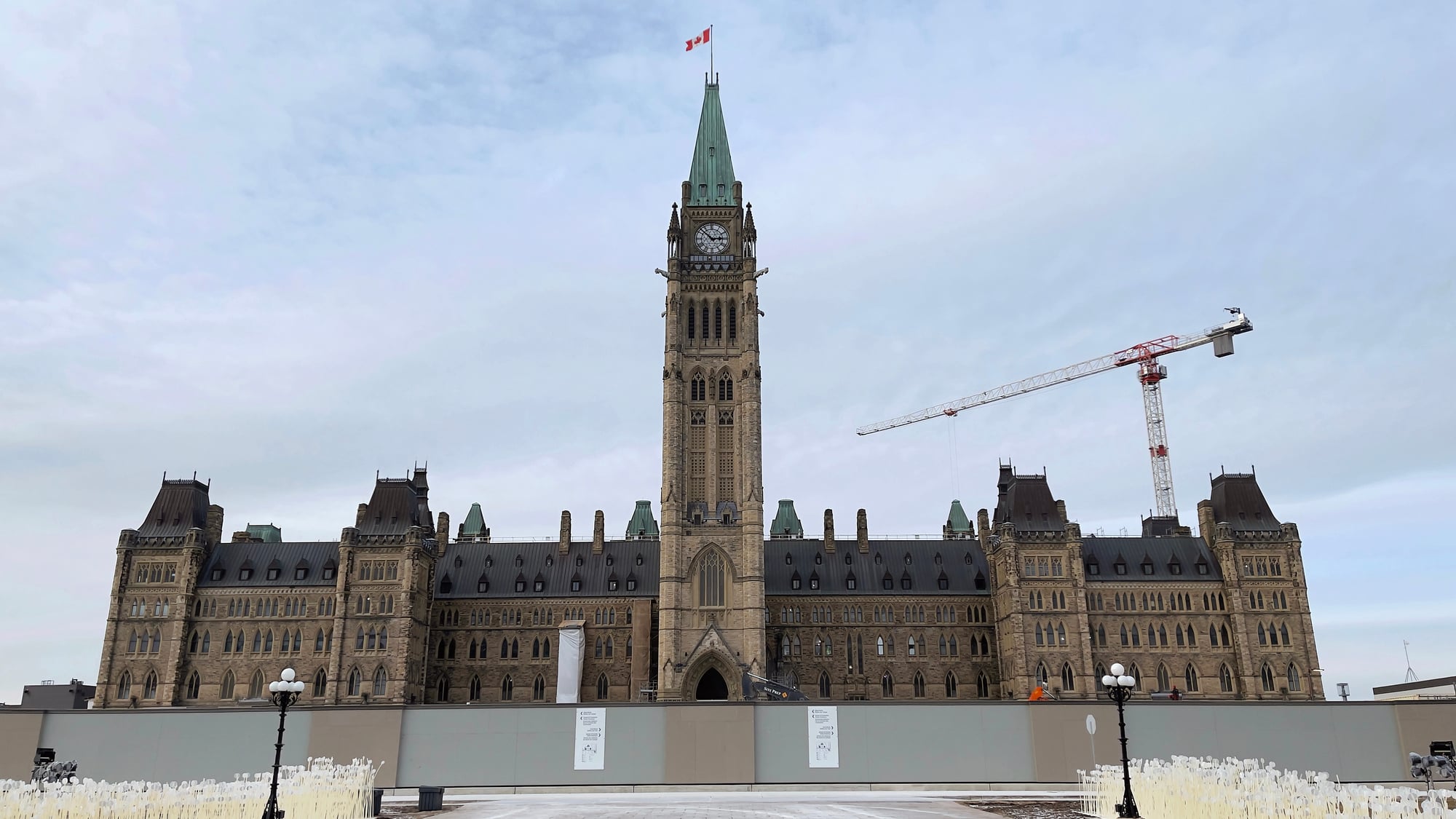
Gothic Revival architecture usually features European monsters and mythical beasts, but Canada’s Parliament Hill took a different approach.
The building’s stone gargoyles and decorative carvings feature distinctly Canadian creatures: beavers, maple leaves, and local flora that would have been completely foreign to medieval European stone carvers.
It’s a small detail that reveals something larger about how nations adapt imported architectural styles to local identity.
The carvings also include political figures and historical scenes, which means the building’s exterior functions as a kind of three-dimensional textbook of Canadian history — assuming you have the patience to walk around the entire perimeter looking up at stone creatures.
The U.S. Capitol Building Has A Subway System
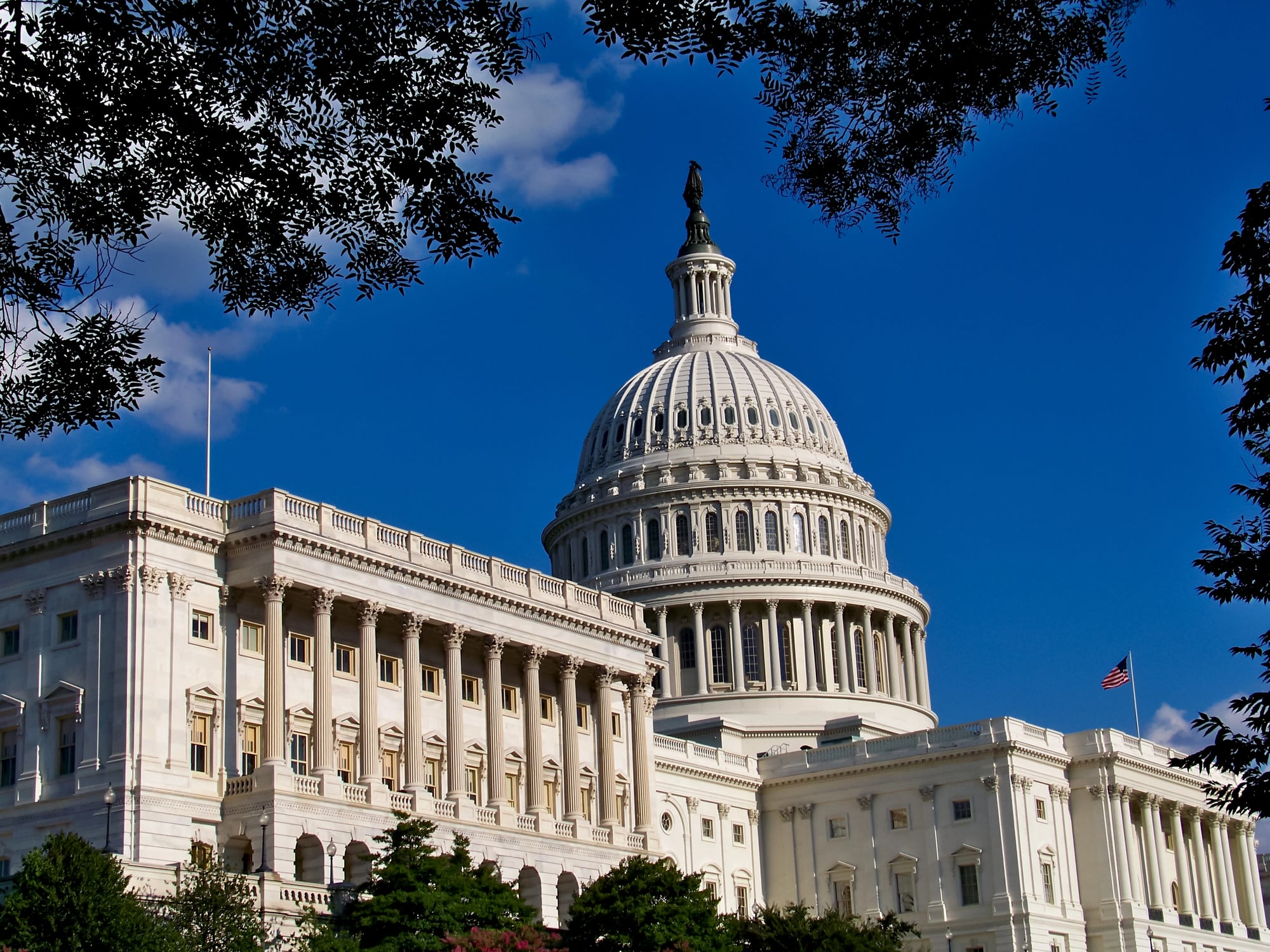
Underneath the Capitol complex runs a small subway system that connects the House and Senate office buildings to the main Capitol building.
The system uses small, electric trains that have been shuttling legislators back and forth since 1909.
It’s possibly the most exclusive mass transit system in America — the only people who get to ride are members of Congress, their staff, and the occasional VIP guest.
The trains run every few minutes and cover distances that most people would just walk, but when you’re wearing a suit and carrying the weight of democratic representation, apparently every minute counts.
Beijing’s Forbidden City Has 9,999 Rooms
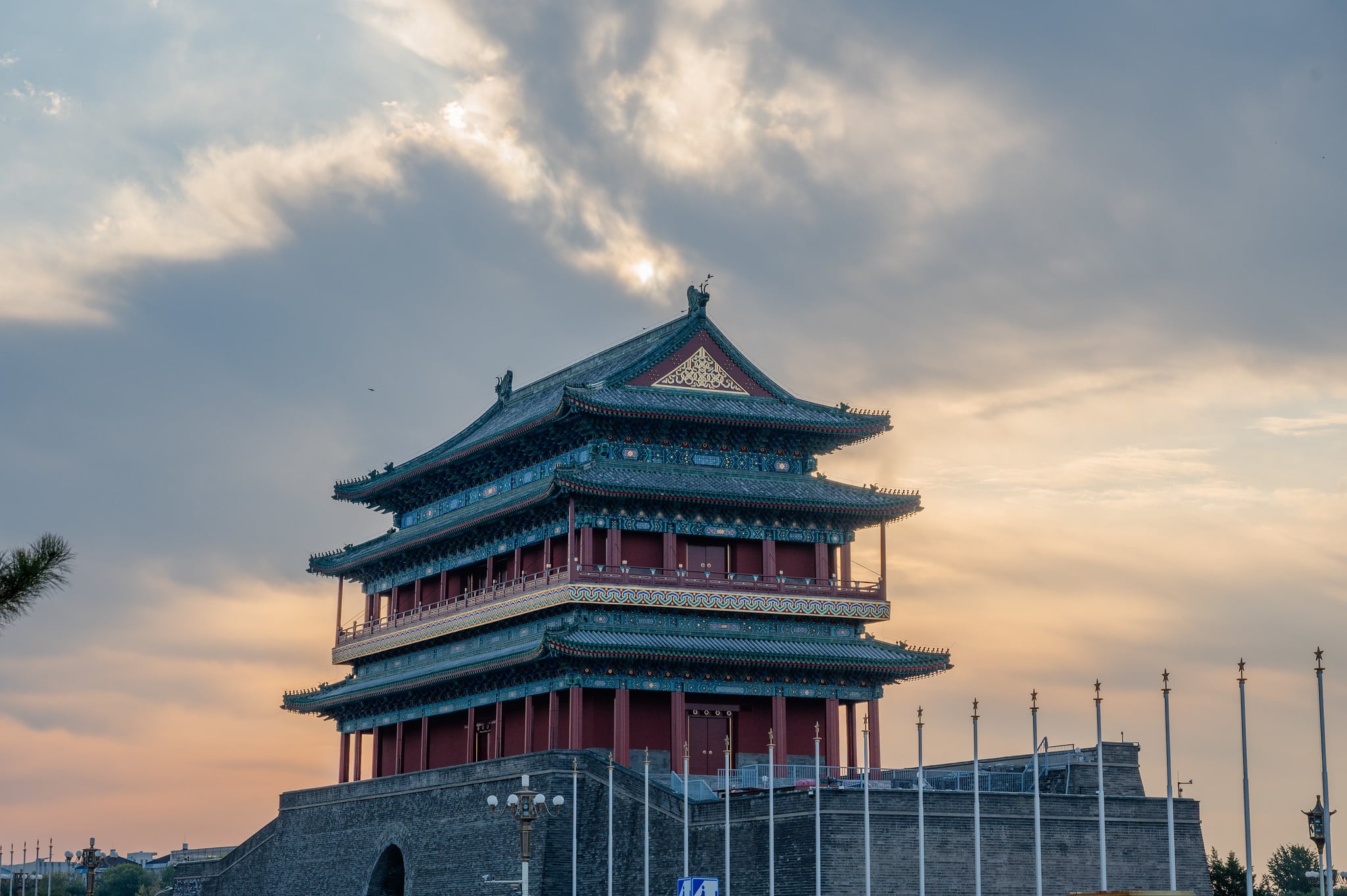
Chinese imperial architecture operated by different rules than Western government buildings — instead of projecting power through height or ornate facades, the Forbidden City demonstrated authority through sheer scale and symbolic perfection.
The complex contains 9,999 rooms because Chinese tradition held that only heaven could have 10,000 rooms, and earthly emperors had to settle for one less.
It’s a rare example of architectural humility built into a structure designed to showcase absolute power.
The number also reflects the Chinese concept of feng shui and numerological significance in imperial architecture.
Every measurement, every room count, every decorative element was chosen to align with cosmic principles — which makes the Forbidden City less a government building than a three-dimensional political philosophy rendered in wood and stone.
The Pentagon Can Be Evacuated In 7 Minutes

The world’s largest office building was designed with efficiency in mind — despite housing 23,000 employees across 17.5 miles of corridors, the entire Pentagon can be evacuated in under 7 minutes.
This isn’t theoretical: the building’s evacuation procedures have been tested and refined over decades, because when your office building is also a primary military target, you take emergency preparedness seriously.
The building’s five-sided design actually helps with evacuation flow — there are no long, single corridors that could create bottlenecks.
Instead, the concentric rings and multiple exit points distribute evacuation traffic evenly, which turns geometric necessity into life-saving functionality.
The Palace Of Versailles Has 2,300 Rooms And 67 Staircases
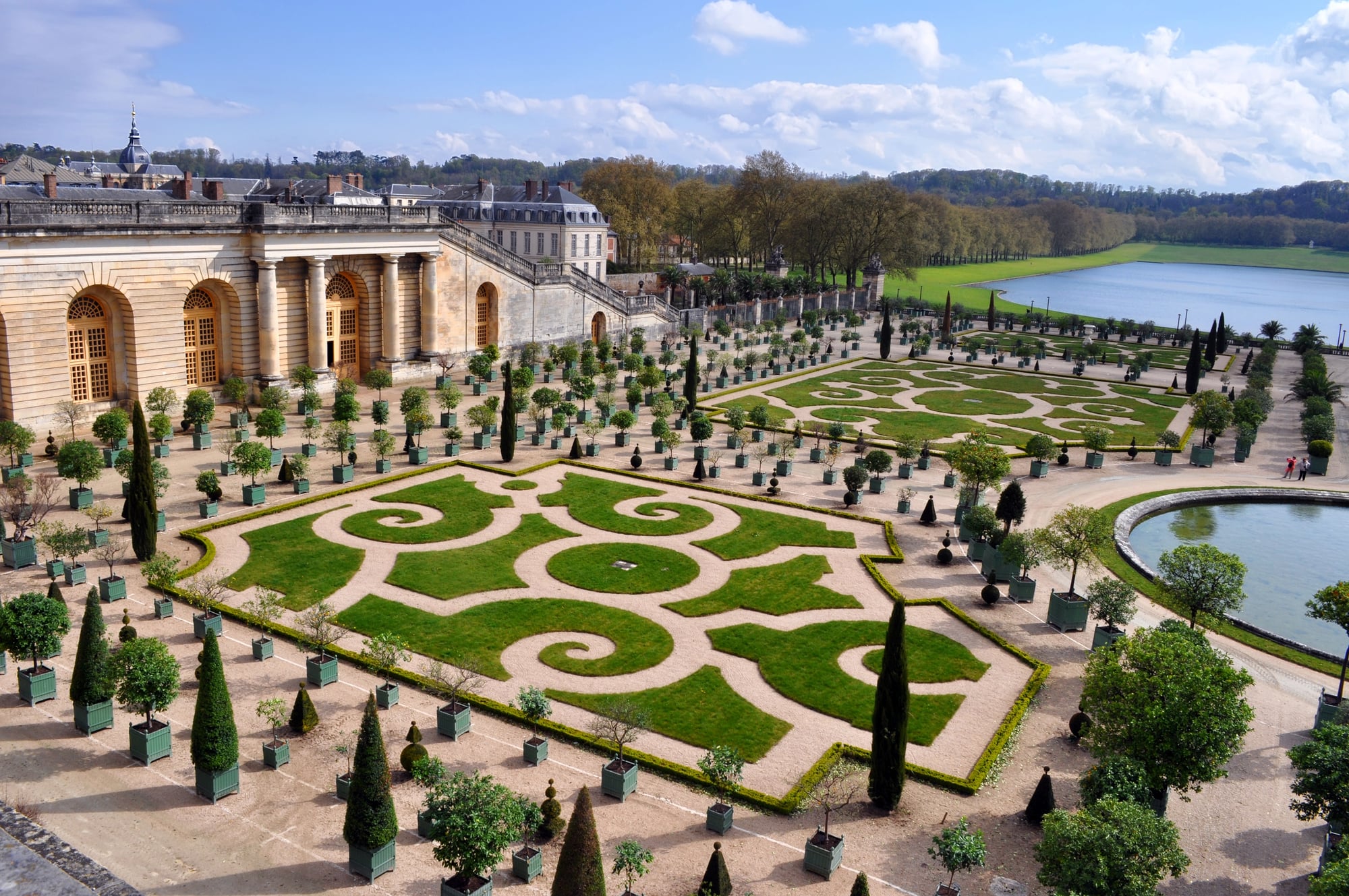
Before democratic government buildings tried to project power through architectural grandeur, there was Versailles — the gold standard for institutional excess.
The palace contains 2,300 rooms connected by 67 staircases, and the famous Hall of Mirrors alone stretches 240 feet and contains 357 mirrors.
The building was designed to demonstrate that the French monarchy had resources so vast they could afford to cover entire walls with what was then one of the world’s most expensive manufactured goods.
The palace also represents the political philosophy of absolute monarchy made architectural: every room, every decoration, every carefully planned vista was designed to reinforce the divine right of kings.
When democratic governments build impressive buildings today, they’re unconsciously competing with Versailles — trying to prove that elected leadership can be just as magnificent as hereditary power, just with better parking and more accessible restrooms.
Where Power Lives, Stories Accumulate
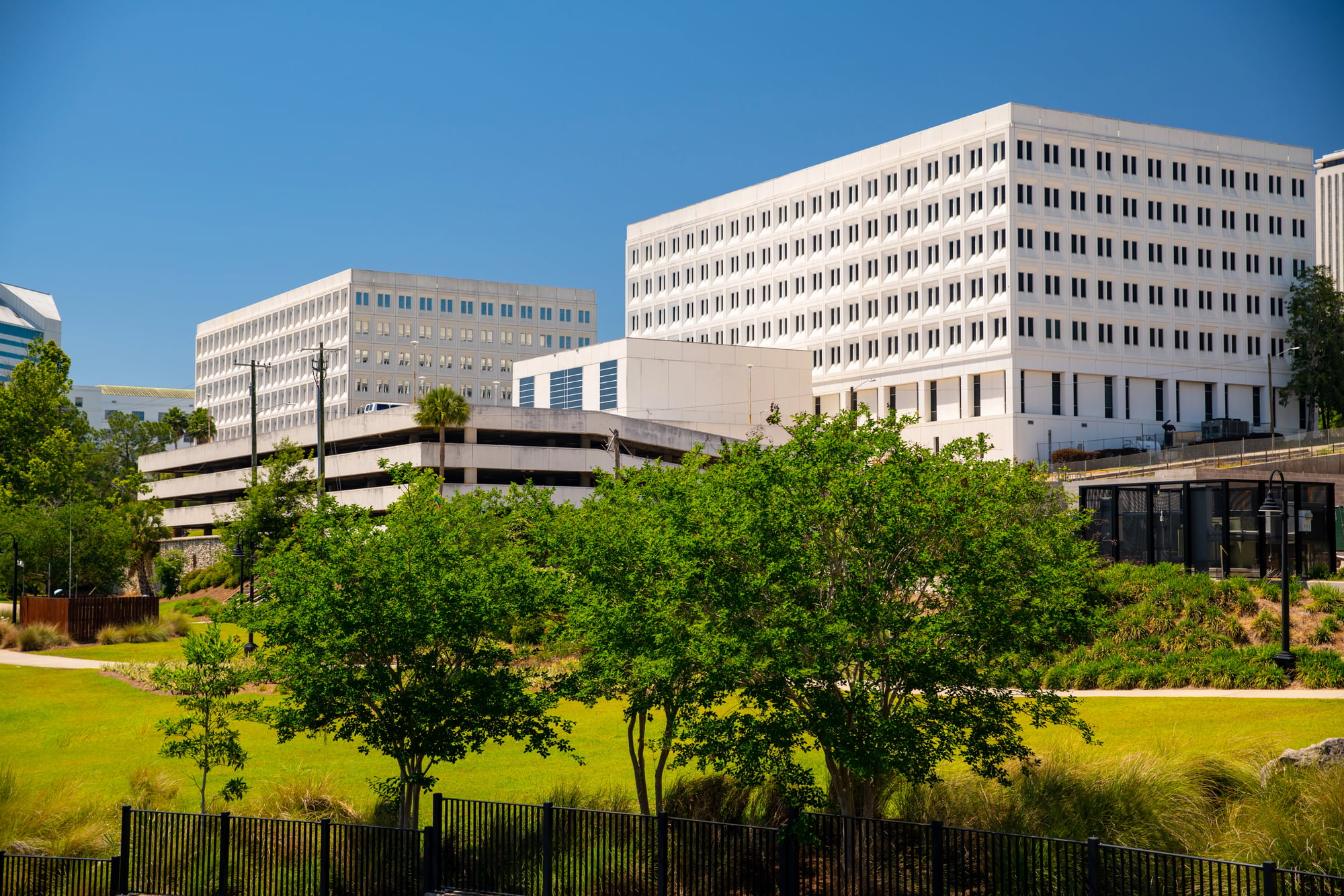
Government buildings outlast the politicians who work inside them, and maybe that’s the point.
These structures become repositories for the contradictions of democratic life: buildings designed to project stability that house the chaotic work of governance, monuments to transparency that contain secret passages and hidden rooms, architectural symbols of the people’s will that most people never get to see from the inside.
They’re stages built for the performance of power, but they end up revealing more about human ambition and folly than any of their architects probably intended.
More from Go2Tutors!

- The Romanov Crown Jewels and Their Tragic Fate
- 13 Historical Mysteries That Science Still Can’t Solve
- Famous Hoaxes That Fooled the World for Years
- 15 Child Stars with Tragic Adult Lives
- 16 Famous Jewelry Pieces in History
Like Go2Tutors’s content? Follow us on MSN.