15 Foods That Were Born in the Americas and Changed the World
Your dinner plate tells a story of conquest, trade, and transformation that stretches back centuries. Most of what fills your kitchen today would have been completely foreign to anyone living outside the Americas before 1492.
These ingredients didn’t just travel — they rewrote entire cuisines, reshaped economies, and fed populations that would have otherwise starved. The foods that originated in North and South America became so fundamental to global cooking that it’s hard to imagine life without them.
Italian cuisine without tomatoes, Irish cooking without potatoes, Asian dishes without chili peppers — these combinations seem impossible now, but they represent a relatively recent chapter in human history.
Corn
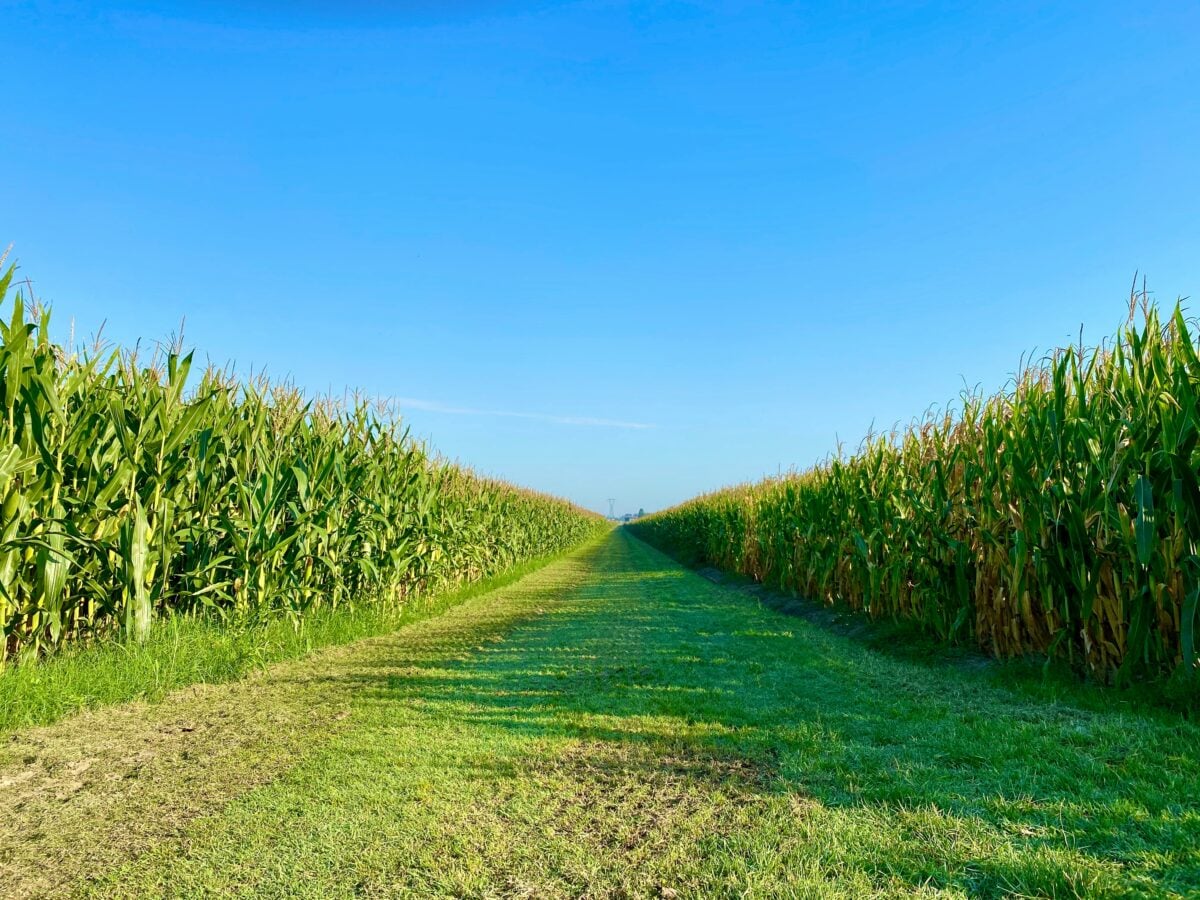
Corn built civilizations. The Maya, Aztec, and countless other indigenous groups engineered this crop from a wild grass called teosinte into something that could feed entire empires.
Today corn appears in more products than most people realize. Your soda, your car’s fuel, your livestock feed — corn is everywhere, but it started in central Mexico around 9,000 years ago.
Potatoes
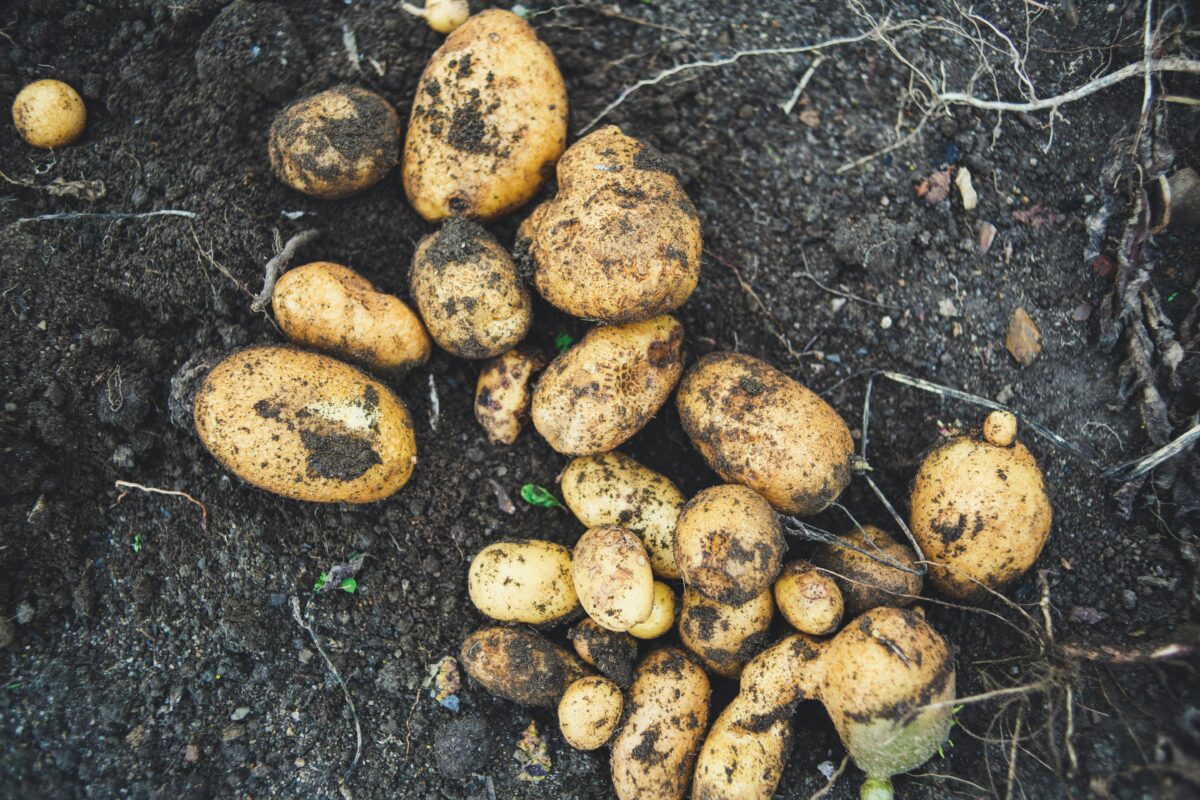
The potato story reads like a slow-motion revolution that nobody saw coming (except maybe the Incas, who had been perfecting potato cultivation in the Andes for thousands of years, developing varieties that could survive at altitudes where other crops simply gave up). When Spanish conquistadors brought potatoes back to Europe in the 16th century, Europeans treated them with suspicion — some thought they caused leprosy, others considered them fit only for animals, and the wealthy avoided them entirely because they weren’t mentioned in the Bible.
But here’s the thing about potatoes: they’re almost embarrassingly nutritious and incredibly reliable, which meant that once people got over their bizarre prejudices, this humble tuber quietly became the foundation of European agriculture. And then came Ireland.
The Irish potato famine wasn’t really about potatoes failing — it was about putting all your agricultural hopes into one variety of one crop. Risky move.
But even that catastrophe couldn’t diminish what potatoes had already accomplished: they had become so essential to European diets that entire populations depended on them for survival.
Tomatoes
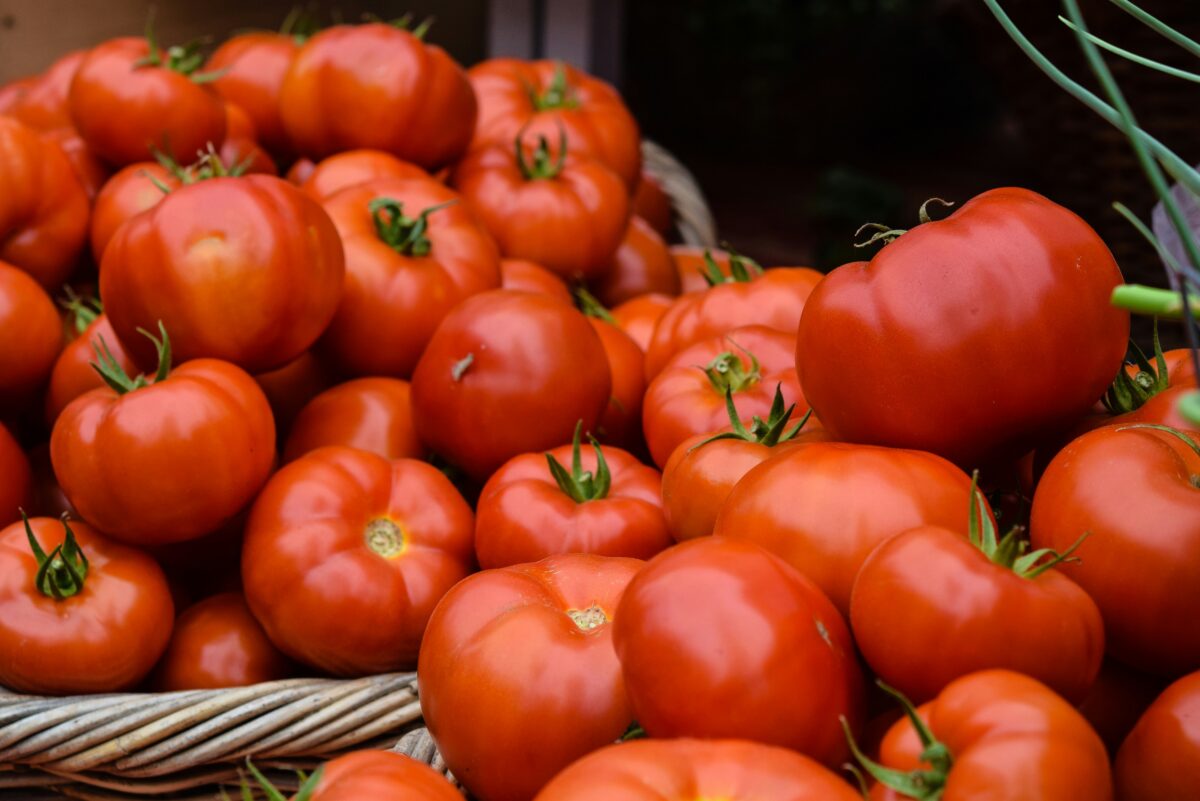
There’s something almost theatrical about how tomatoes were misunderstood for centuries — Europeans called them “poison apples” because wealthy people who ate them kept dying, not realizing that acidic tomatoes were leaching lead from their fancy pewter plates. The tomatoes weren’t the problem; the tableware was.
Meanwhile, indigenous peoples in Mexico and Central America had been cultivating and eating tomatoes without drama for thousands of years. They understood what Europeans would eventually figure out: tomatoes don’t just add flavor, they transform it.
The umami depth, the bright acidity, the way they marry with almost everything — these qualities turn simple ingredients into something complex and satisfying. The transformation happened gradually, then all at once.
Italian cuisine absorbed tomatoes so completely that marinara sauce feels ancient, even though it only emerged in the 1600s.
Chili Peppers
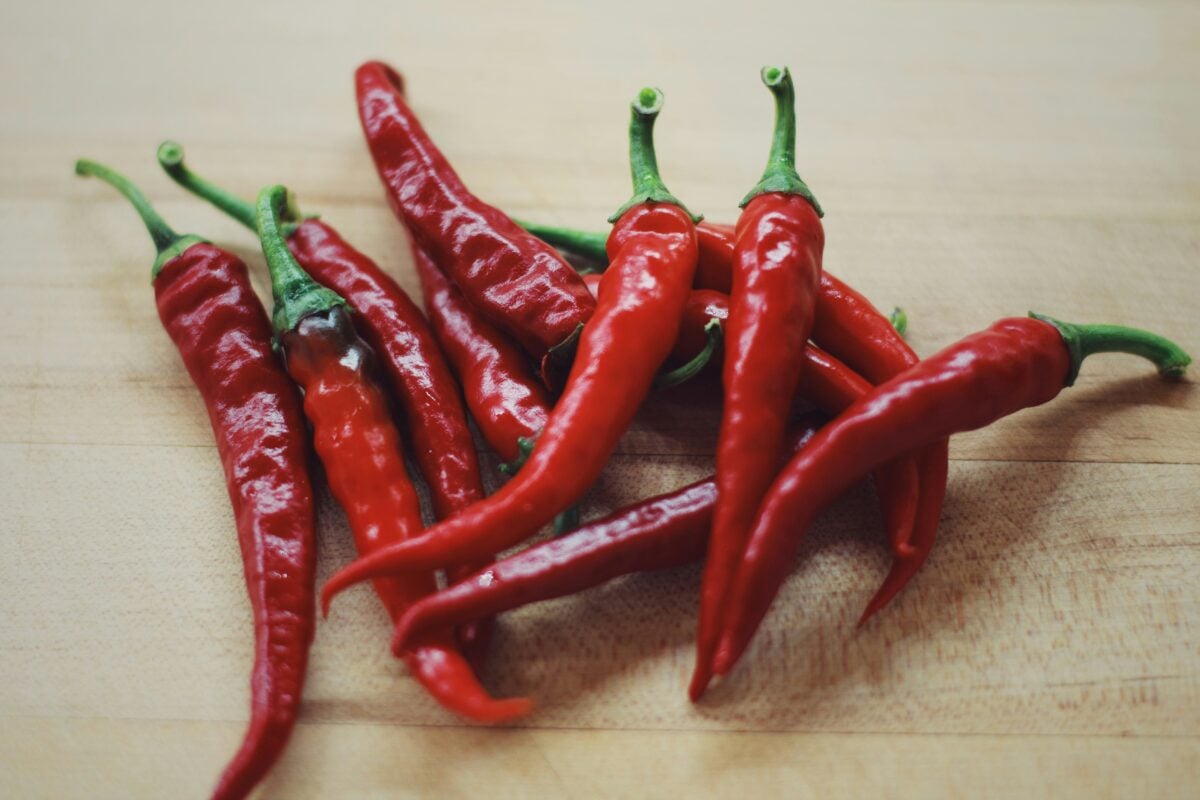
Chili peppers are perfect. They don’t apologize for what they are.
Every cuisine that encountered them said yes immediately. Thai food, Indian curries, Korean kimchi, Hungarian paprika — all of it traces back to the Americas.
Chocolate
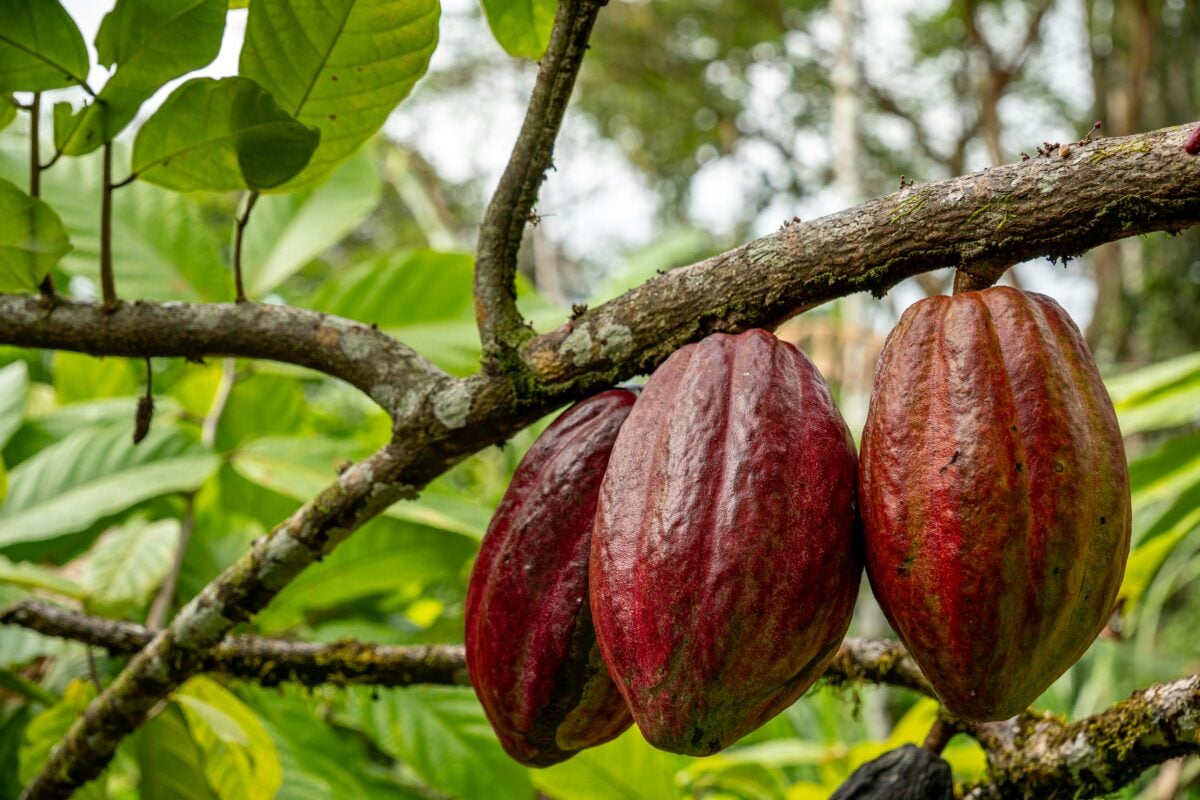
Here’s the uncomfortable truth about chocolate: the Aztecs and Maya treated cacao as currency and served it as a bitter, sacred drink reserved for nobility and warriors, while modern chocolate bars would probably confuse them entirely — all that sugar and milk would seem like missing the point of what made cacao valuable in the first place, which was its intensity, not its sweetness. When Spanish colonizers brought cacao back to Europe, they had to figure out how to make this intensely bitter substance palatable to European tastes, so they added sugar (another colonial product, which tells its own grim story), and eventually someone figured out how to make it solid, and then someone else figured out mass production.
But the original chocolate experience was something entirely different: a bitter, frothy drink that was both ritual and sustenance. The transformation from sacred beverage to global commodity happened over centuries, and somewhere along the way, chocolate stopped being about spiritual connection and started being about comfort and indulgence.
Not necessarily a bad trade, but definitely a different one. So the next time someone talks about “authentic” chocolate, remember that authenticity depends entirely on which century you’re referencing.
Vanilla

Vanilla grows as an orchid on vines in the rainforests of Mexico, where the Totonac people first cultivated it long before anyone thought to pair it with ice cream. The flower blooms for just a few hours and requires hand-pollination outside its native habitat — which explains why real vanilla costs what it does and why most “vanilla” flavoring comes from synthetic vanillin derived from wood pulp or petroleum-based compounds instead.
The Aztecs combined vanilla with chocolate in their ceremonial drinks, understanding something that modern dessert makers would later rediscover: vanilla doesn’t just add sweetness, it amplifies other flavors while adding its own warm complexity. When Spanish conquistadors brought vanilla to Europe, it remained paired with chocolate for nearly 300 years before anyone thought to use it independently.
That patience turned out to be worth it. Vanilla became the world’s second-most expensive spice after saffron, and the flavor profile that defines comfort food across cultures.
Sweet Potatoes
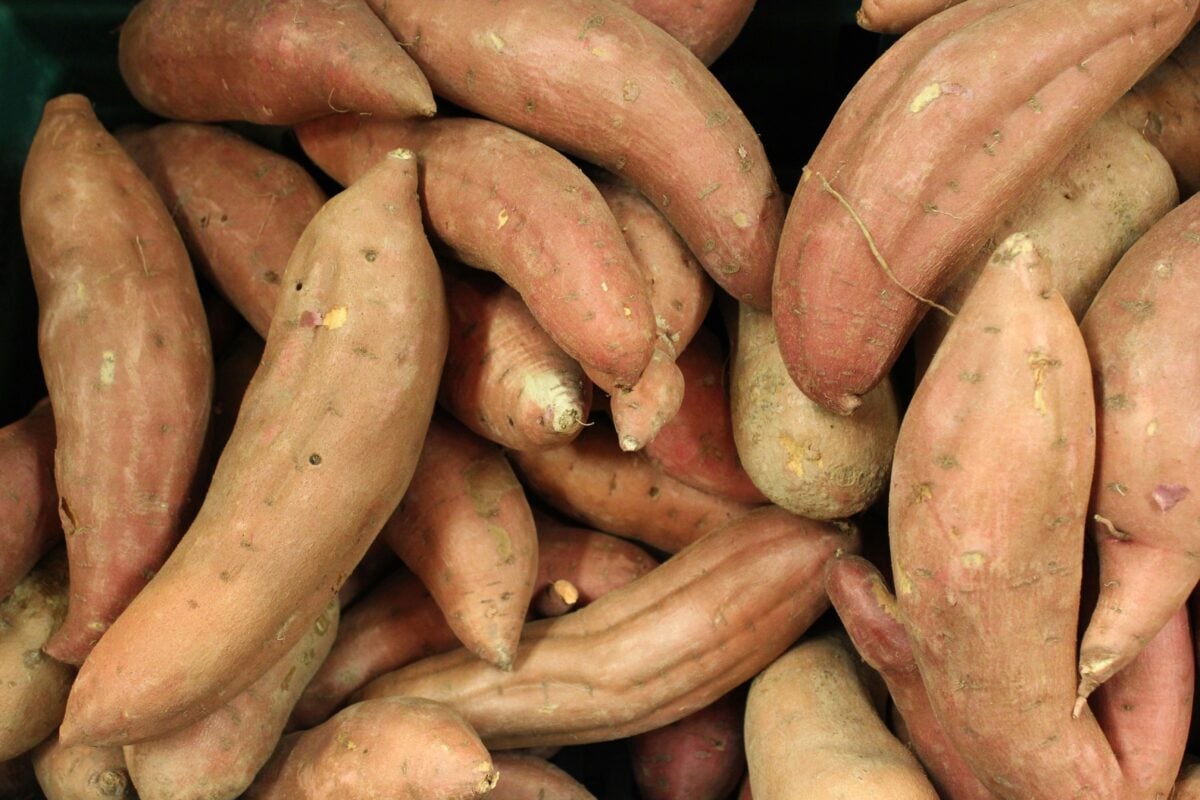
Sweet potatoes don’t get the respect they deserve. They’re more nutritious than regular potatoes and have been feeding people reliably for thousands of years.
Indigenous peoples throughout the Americas developed countless varieties. Orange, purple, white — each with different flavors and growing conditions.
Avocados
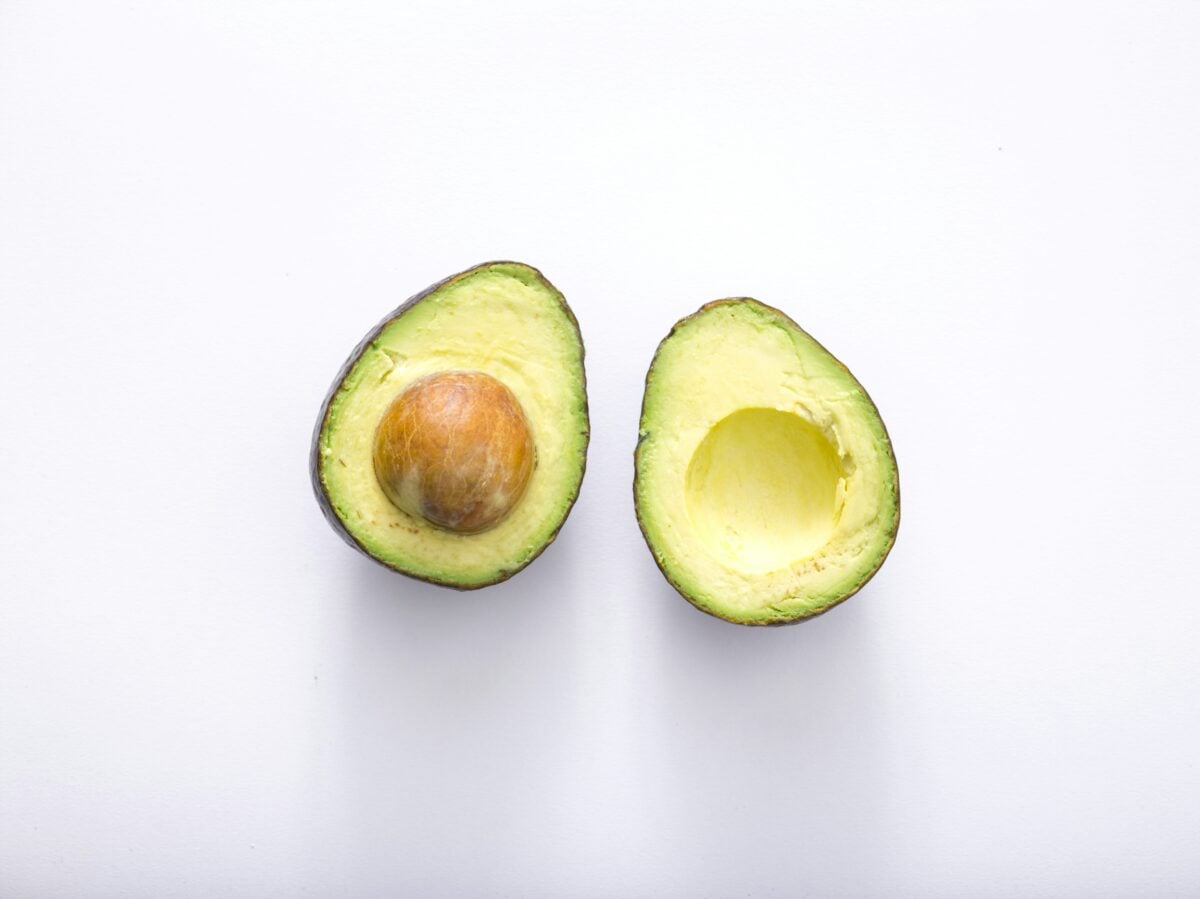
The Aztecs called them “ahuacatl,” a Nahuatl word often associated with the fruit’s distinctive shape. Marketing has improved since then.
Avocados were cultivated in Mexico around 5,000 years ago, but they didn’t become a global phenomenon until the late 20th century. Now they’re everywhere, driving entire agricultural economies and inspiring millennial financial advice.
The fruit’s journey from regional specialty to international obsession happened faster than almost any other food on this list. That’s the power of good marketing and the right nutritional moment — people wanted healthy fats, and avocados delivered them in the most Instagram-ready package imaginable.
Quinoa
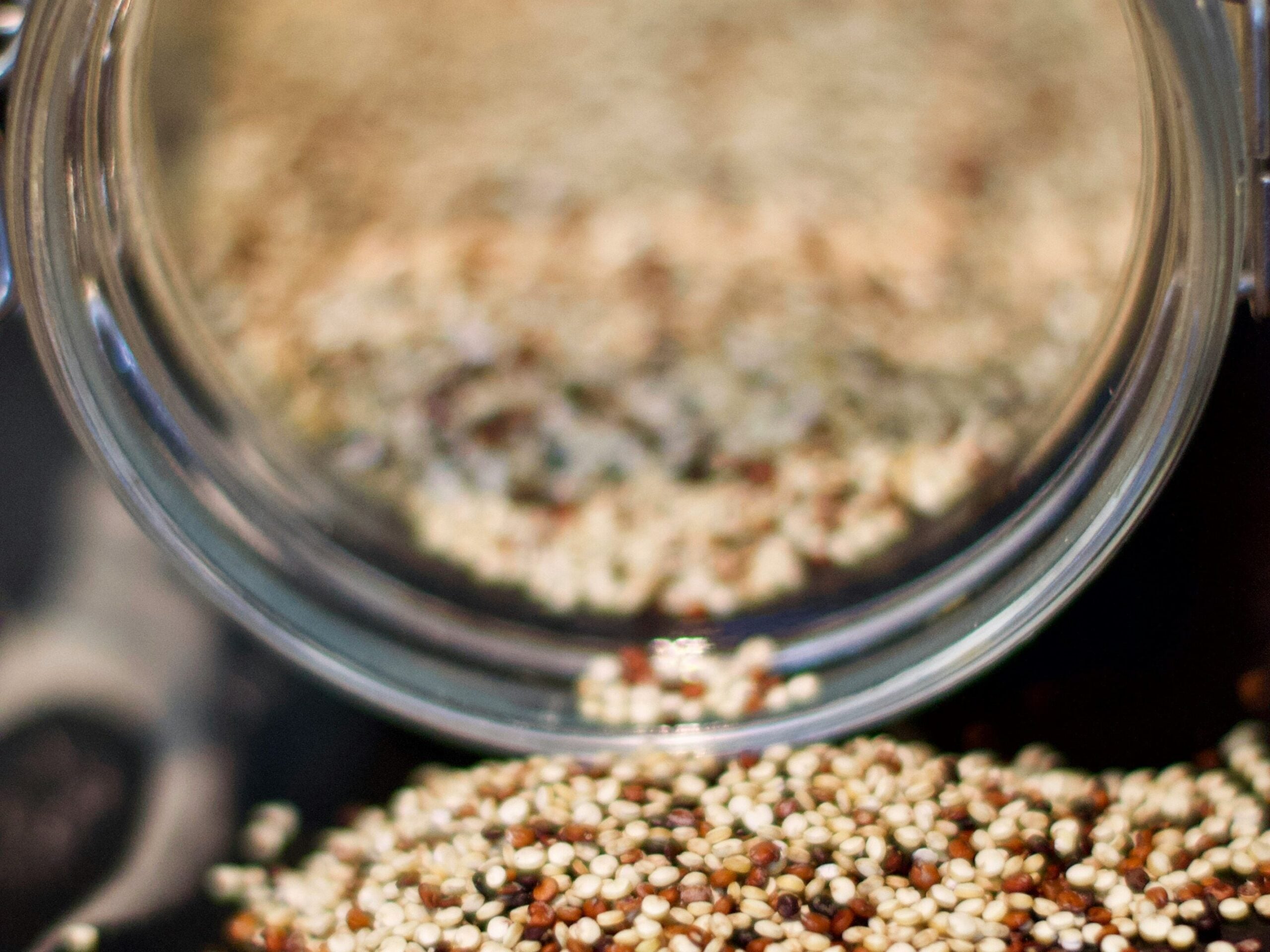
Quinoa carried the Inca Empire on its back, growing at altitudes where other grains couldn’t survive and providing complete protein in regions where that was hard to come by — which made it so valuable that the Incas called it “chisaya mama,” meaning “mother of all grains,” even though quinoa isn’t technically a grain at all, it’s the seed of a plant related to spinach and beets. When Spanish colonizers arrived, they dismissed quinoa as “Indian food” and tried to replace it with European crops, not understanding (or caring) that they were disrupting a food system that had sustained complex civilizations in impossible terrain for thousands of years.
But quinoa survived in indigenous communities, quietly maintaining its genetic diversity and cultural significance until the health food movement of the late 20th century rediscovered it. And then the same thing happened that always happens when global markets discover indigenous crops: prices skyrocketed, and the people who had preserved quinoa for centuries suddenly couldn’t afford to eat it regularly.
So now quinoa sits in upscale grocery stores marketed as a “superfood” to people who can afford superfoods, while its original cultivators often can’t.
Beans
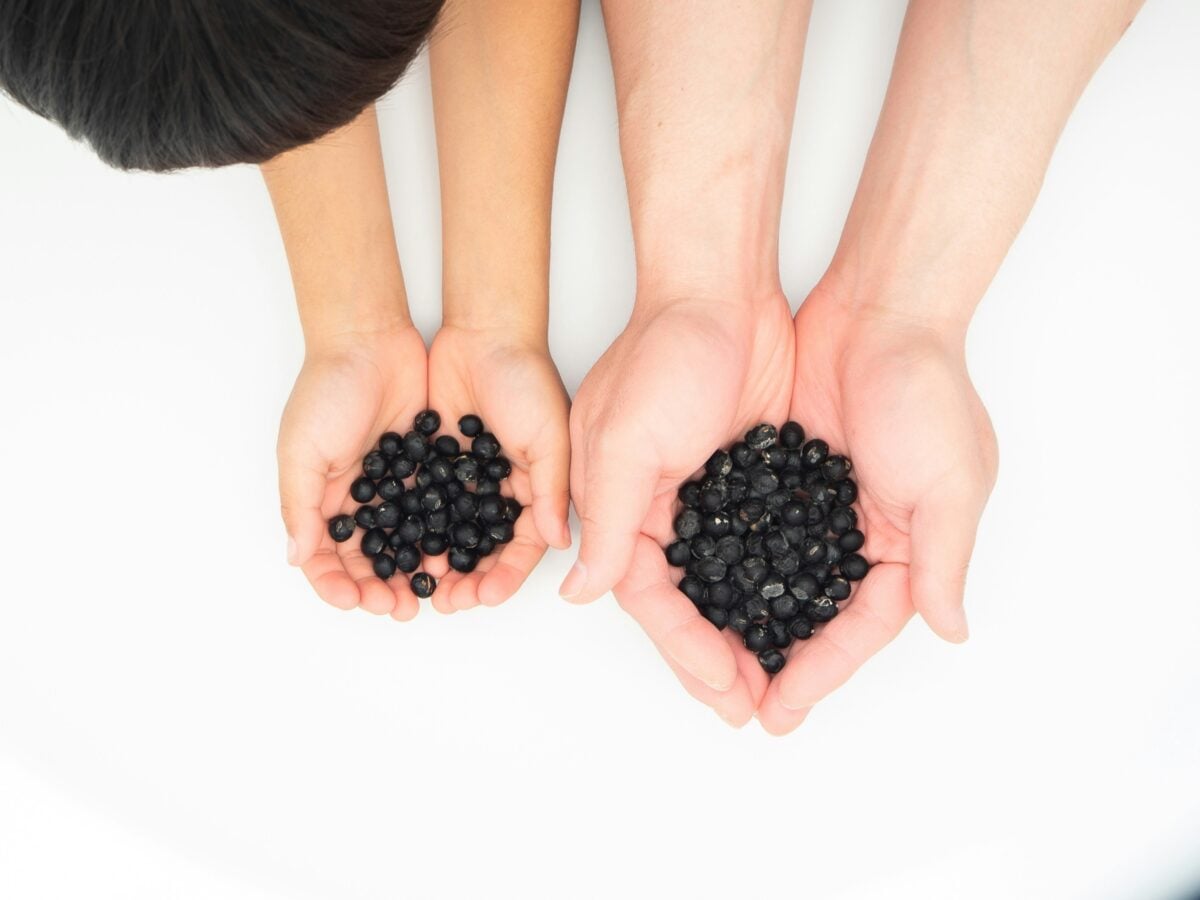
Beans were the reliable partner in one of agriculture’s greatest partnerships — the “Three Sisters” combination of corn, beans, and squash that sustained indigenous populations throughout the Americas for thousands of years. Corn provided the structure, beans fixed nitrogen in the soil and provided protein, squash covered the ground and prevented weeds while its large leaves retained moisture.
This wasn’t just companion planting; it was ecological engineering that improved soil fertility rather than depleting it. The beans themselves came in endless varieties — black beans, navy beans, kidney beans, lima beans, pinto beans — each adapted to specific climates and growing conditions.
When European colonizers encountered this system, they initially dismissed it as primitive because it didn’t look like European agriculture. They preferred neat rows of single crops, which required more work and produced less nutrition.
Sometimes efficiency and tradition don’t align with wisdom.
Pumpkins and Squash
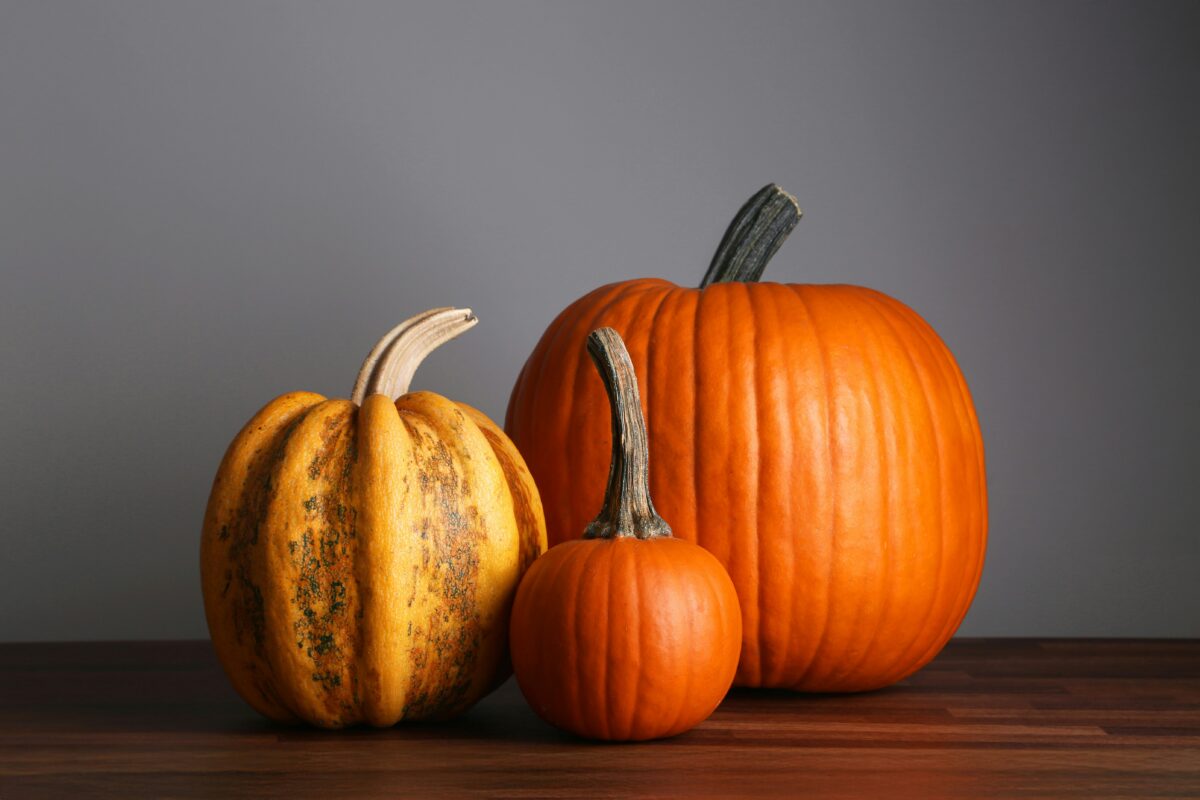
Pumpkins and squash represent one of humanity’s longest agricultural relationships, with evidence of cultivation dating back over 10,000 years in Mexico. Indigenous peoples didn’t just eat the flesh — they used the seeds for protein, the shells as containers, and the flowers as vegetables.
The variety was staggering. Butternut squash, acorn squash, delicata, kabocha, hubbard — each developed for specific climates, storage needs, and culinary purposes. Some were bred for sweetness, others for keeping through long winters, still others for their seeds rather than their flesh.
European settlers learned these cultivation techniques from indigenous peoples, and pumpkins became so associated with American identity that they showed up in colonial literature as symbols of providence and abundance.
Sunflowers
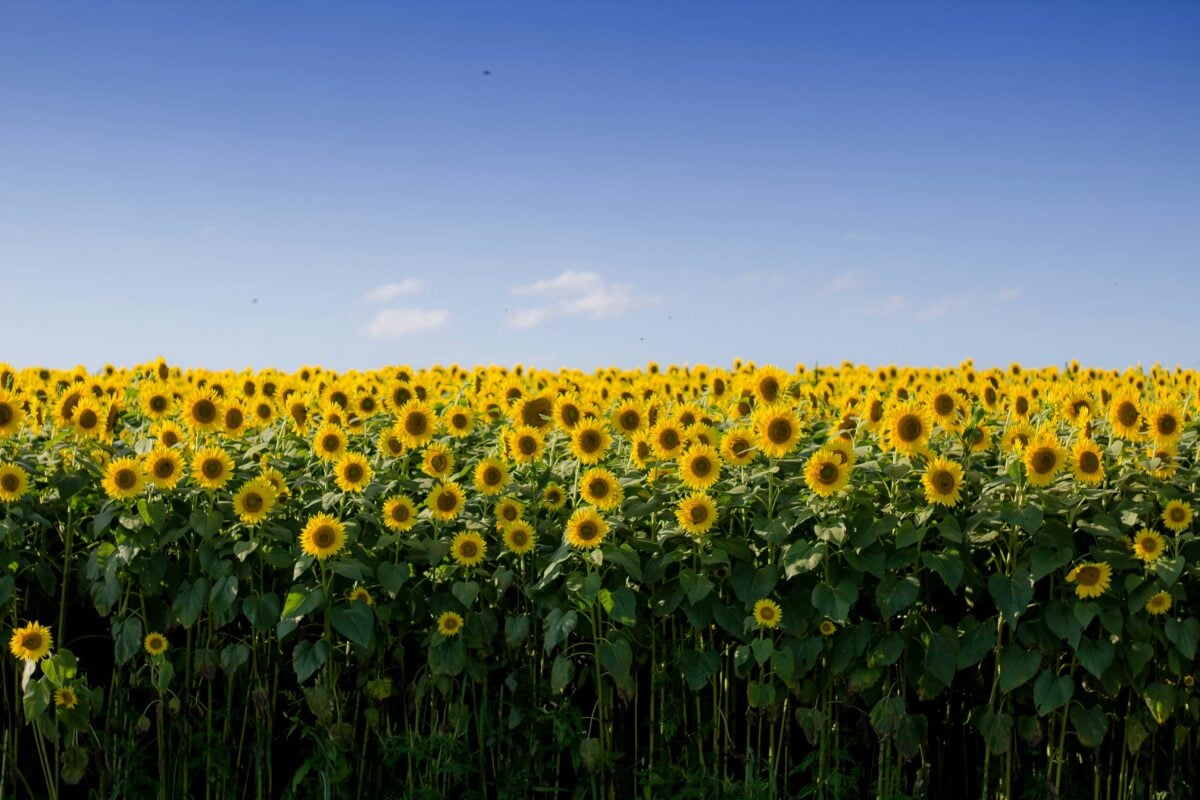
Sunflowers started as a crop, became art, then became industrial agriculture. Indigenous peoples in the Americas domesticated wild sunflowers around 3,000 years ago, developing varieties with larger seeds and more oil content.
The flowers followed the Spanish back to Europe, where they became ornamental plants in gardens before anyone realized their economic potential. Russia eventually figured out the commercial possibilities and developed sunflower oil as a major agricultural product.
But the most remarkable thing about sunflowers isn’t their size or their oil content — it’s their mathematical precision. The spiral patterns in sunflower seed heads follow the Fibonacci sequence, creating the most efficient possible arrangement for maximum seed production.
Indigenous plant breeders achieved this optimization through thousands of years of careful selection.
Peppers (Sweet)
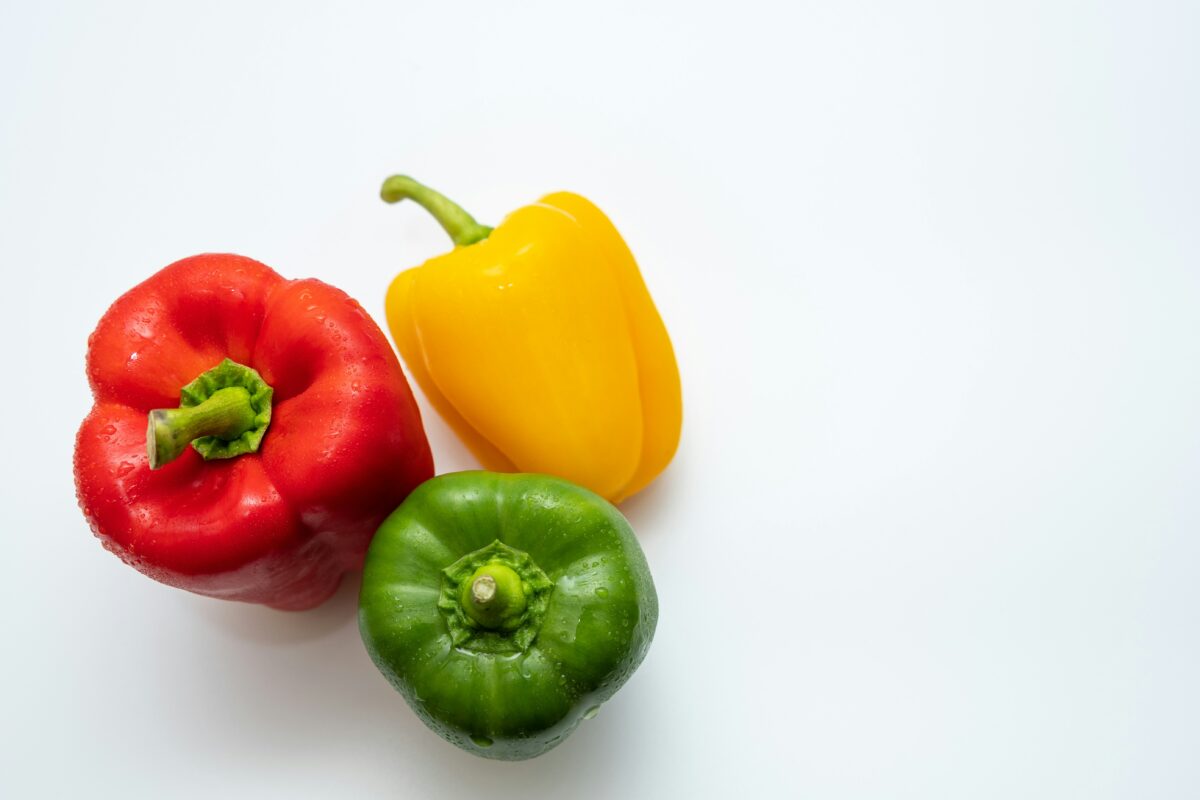
Sweet peppers tell a different story than their spicy relatives — instead of conquest through intensity, they won over global cuisines through versatility and reliable sweetness that could anchor dishes without overwhelming them, and unlike chili peppers, which spread rapidly because they were exotic and exciting, sweet peppers had to prove their worth more gradually by demonstrating that they could improve familiar dishes rather than creating entirely new ones. Hungarian paprika, Italian roasted peppers, stuffed bell peppers in American home cooking — each tradition developed its own relationship with what was originally a Central and South American crop.
The breeding innovations happened over centuries as different cultures selected for the qualities they valued: size, color, thickness of flesh, storage capability, resistance to local pests and diseases. So what started as small, wild peppers in Bolivia became the enormous bell peppers that dominate grocery store produce sections.
And the colors — red, yellow, orange, purple, nearly black — those weren’t accidents. Each color represents generations of careful selection by farmers who understood that people eat with their eyes first.
Turkey
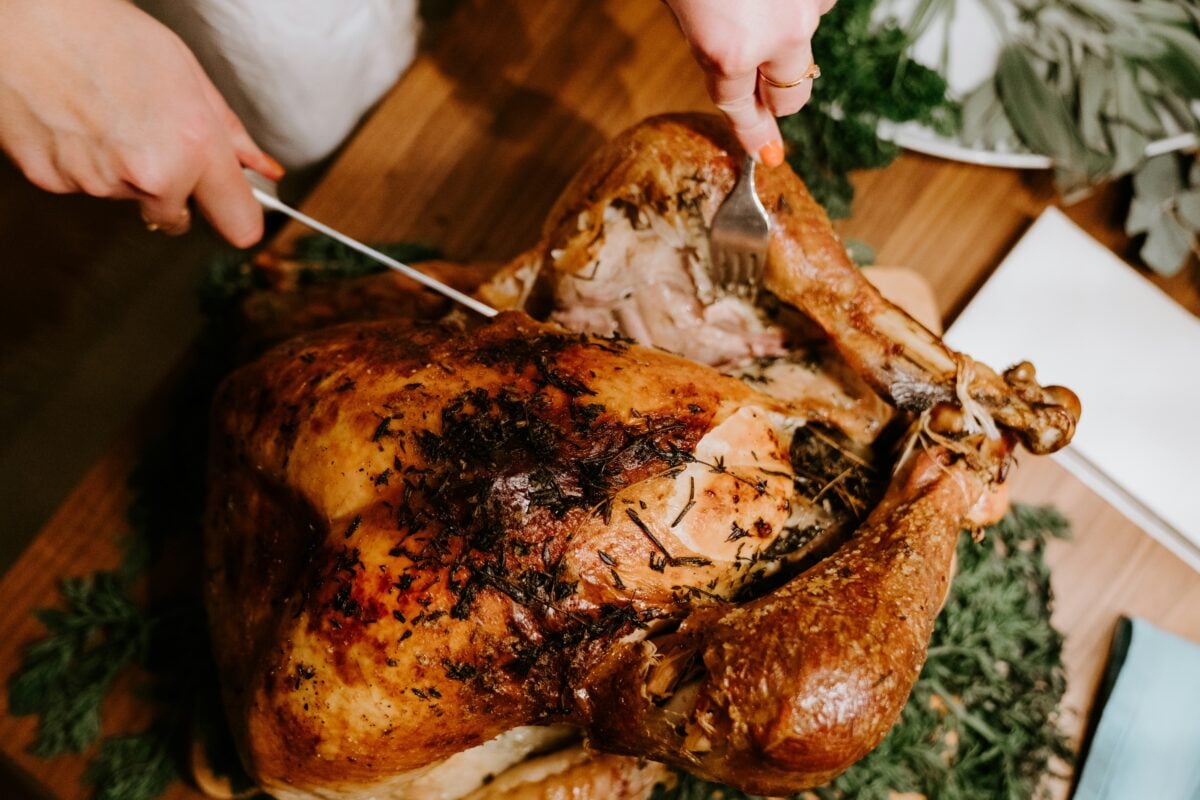
Turkey was already domesticated in Mexico when Europeans arrived, and indigenous peoples had developed sophisticated techniques for raising them alongside other agricultural systems. The birds provided meat, eggs, feathers for ceremonial purposes, and their droppings enriched crop soil.
When Spanish colonizers brought turkeys to Europe, they arrived via Turkish merchants, which created the naming confusion that persists today. The French call them “coq d’Inde” (rooster from India), the Turkish call them “hindi” (from India), and Americans call them turkeys because everyone was geographically confused about where things came from in the 16th century.
But the real story is how quickly turkey became central to European and eventually global protein systems. These birds adapted to different climates, grew quickly, and provided more meat per animal than most alternatives available at the time.
Cashews
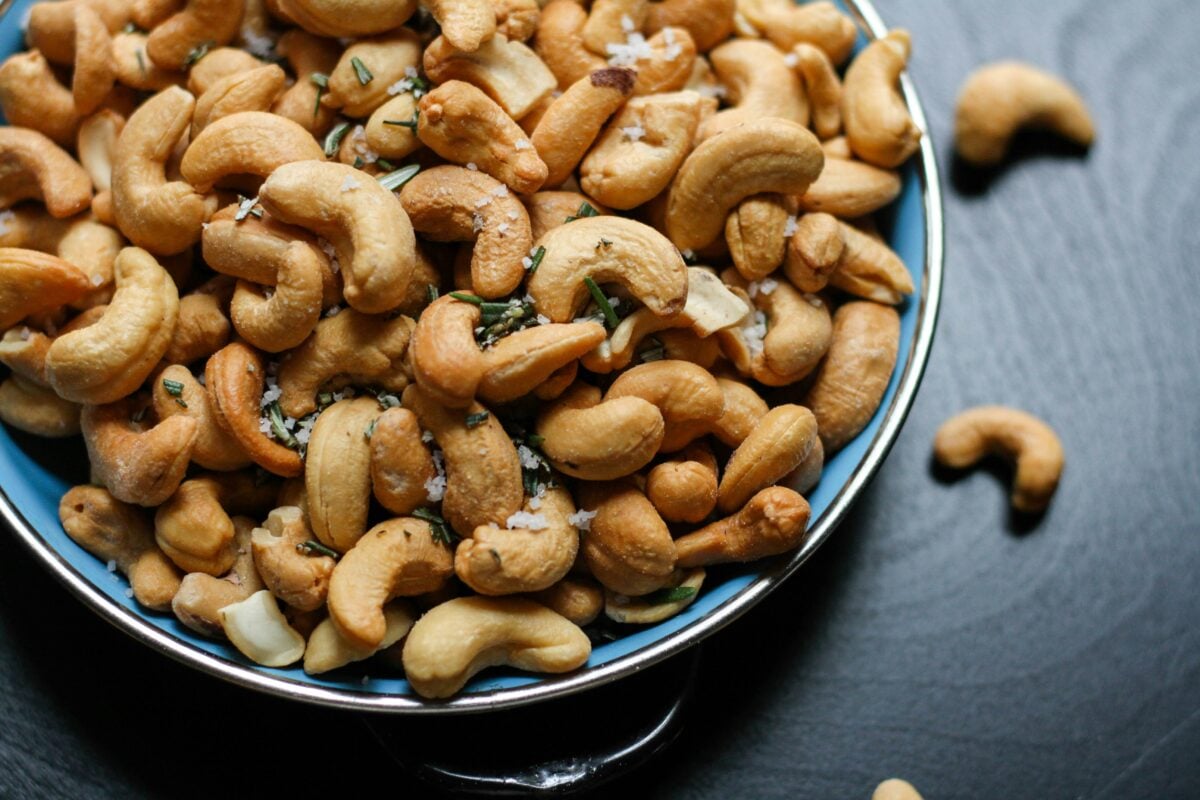
Cashews grow attached to cashew apples in a way that seems designed to make harvesting as complicated as possible. The nut is surrounded by a shell containing caustic oil that can cause severe burns — which explains why cashews cost so much and why they’re always sold pre-shelled.
Indigenous peoples in Brazil developed techniques for safely processing cashews thousands of years ago, treating both the nut and the attached fruit as valuable food sources. Portuguese colonizers brought cashews to other tropical regions, but the labor-intensive processing requirements meant that cashew cultivation remained concentrated in areas with specific expertise and economic conditions.
The global cashew industry now centers in Vietnam and India rather than the Americas, showing how colonial agricultural transfers often ended up benefiting entirely different regions than where crops originated.
A World Transformed

These fifteen foods didn’t just change what people ate — they changed how societies functioned, where populations could thrive, and which empires could sustain themselves across vast territories. The potato allowed European populations to grow beyond what grain-based agriculture could support.
Corn became the foundation of industrial livestock systems. Chili peppers created entirely new regional cuisines that defined cultural identity.
But the transformation wasn’t neutral. The same ships that carried these crops away from the Americas brought diseases, weapons, and colonial systems that devastated the indigenous peoples who had developed these foods over thousands of years.
The wealth these crops generated rarely returned to their communities of origin. What remains is a global food system built on indigenous knowledge and innovation, one that feeds billions of people daily with crops that were perfected in the Americas long before anyone thought to call them “New World” discoveries.
Every meal is a reminder of how interconnected human cultures have always been, and how much modern life depends on the agricultural wisdom of people whose contributions are rarely acknowledged in the history books.
More from Go2Tutors!

- The Romanov Crown Jewels and Their Tragic Fate
- 13 Historical Mysteries That Science Still Can’t Solve
- Famous Hoaxes That Fooled the World for Years
- 15 Child Stars with Tragic Adult Lives
- 16 Famous Jewelry Pieces in History
Like Go2Tutors’s content? Follow us on MSN.