Real-life Events that Inspired 80s-90s Movies
The 1980s and 1990s gave us some of the most memorable films in cinema history, and many of them weren’t just products of screenwriters’ imaginations. From mob bosses to space crises, these decades saw Hollywood turning real-life drama into box office gold.
The stories were so wild that sometimes truth really was stranger than fiction. Directors and writers mined newspapers, history books, and autobiographies to bring authentic human experiences to the big screen, creating films that resonated because they actually happened.
Here is a list of 13 real-life events that inspired iconic 80s and 90s movies.
Goodfellas

Martin Scorsese’s 1990 masterpiece drew from the life of Henry Hill, a mobster who became an FBI informant after three decades in the Lucchese crime family. The film was based on Nicholas Pileggi’s 1985 book Wiseguy, which chronicled Hill’s rise and fall in organized crime.
Hill began working for local mobsters as a teenager in Brooklyn and participated in various criminal activities including the infamous 1978 Lufthansa Heist. After being arrested on drug trafficking charges in 1980, Hill turned state’s evidence and his testimony brought down some of New York’s most feared mobsters.
Schindler’s List
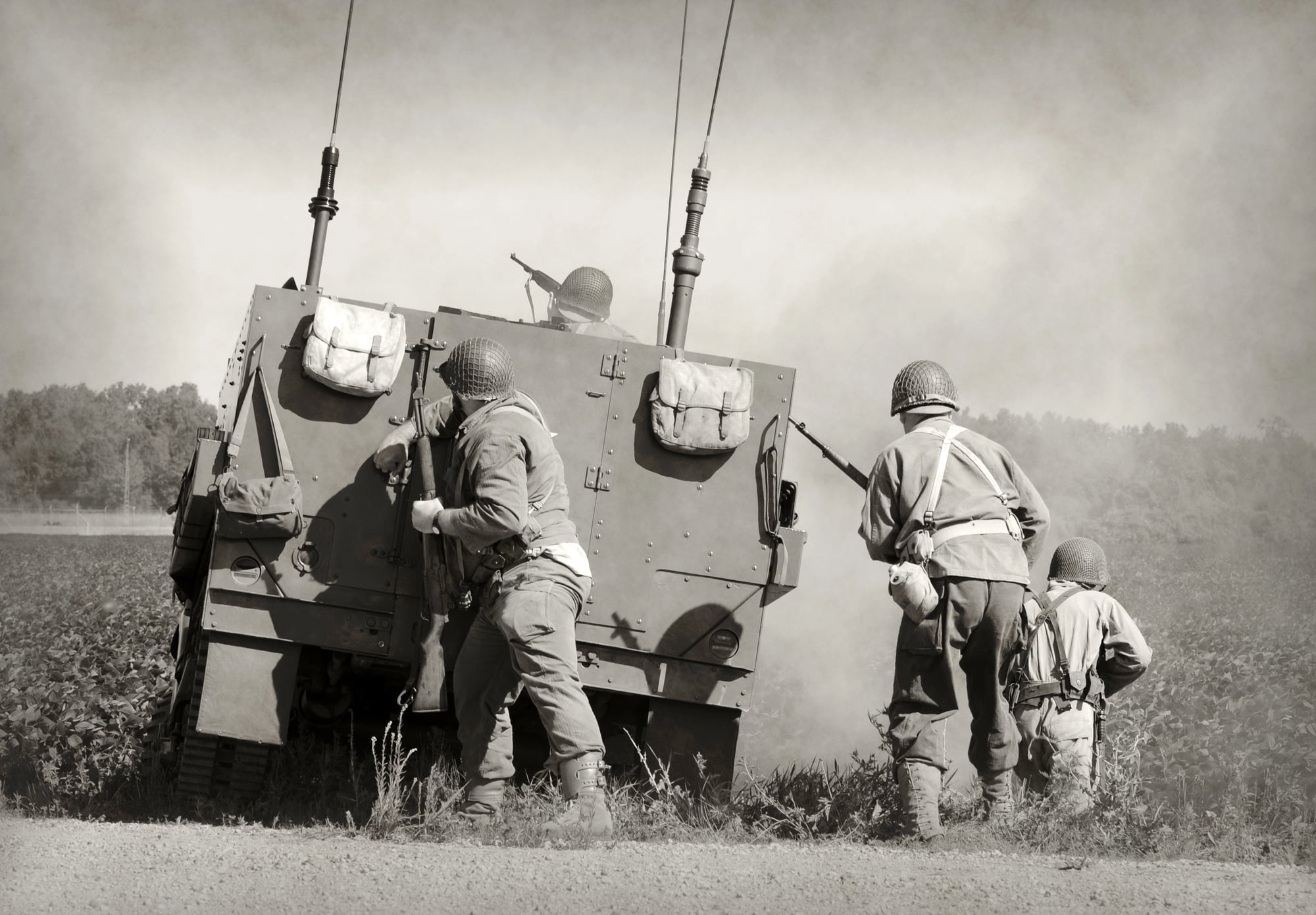
Steven Spielberg’s 1993 Holocaust drama tells the story of Oskar Schindler, a German industrialist who saved more than a thousand mostly Polish-Jewish refugees during World War II by employing them in his factories. Schindler was a morally complex figure – a greedy opportunist, a German spy, and a member of the Nazi Party with numerous personal flaws.
Over the course of his years in Kraków, Schindler underwent a slow transformation and eventually decided to use his new wealth and position of influence to help Jews. The film earned seven Academy Awards including Best Picture.
Platoon

Oliver Stone’s 1986 Vietnam War film was based on his own experiences as a U.S. infantryman who served from 1967 to 1968. Stone was only 21 years old when he enlisted for combat duty and served in the 25th Infantry Division.
He wrote the screenplay based upon his experiences to counter the vision of the war portrayed in John Wayne’s The Green Berets, completing it as soon as he got back from the war in 1969. The film won four Academy Awards including Best Picture and Best Director.
Raging Bull

Martin Scorsese’s 1980 biographical sports drama adapted Jake LaMotta’s 1970 memoir about his life as a middleweight boxing champion. LaMotta was nicknamed the Bronx Bull for his technique of constant stalking and brawling, and was world middleweight champion between 1949 and 1951.
When LaMotta watched the film at its premiere, he found it painful to see his personal life displayed on screen, but eventually admitted its accuracy. Robert De Niro won the Academy Award for Best Actor for his transformative performance.
Malcolm X

Spike Lee’s 1992 epic biographical drama was based largely on Alex Haley’s 1965 book The Autobiography of Malcolm X. The film dramatizes key events in Malcolm X’s life including his criminal career, his incarceration, his conversion to Islam, his ministry as a member of the Nation of Islam, and his assassination.
The film shows Malcolm’s journey from his birth as Malcolm Little through various identities and conversions, ultimately becoming a minister who taught Black empowerment and separatism before his pilgrimage to Mecca changed his views. Denzel Washington delivered an electrifying performance that earned him an Academy Award nomination.
JFK
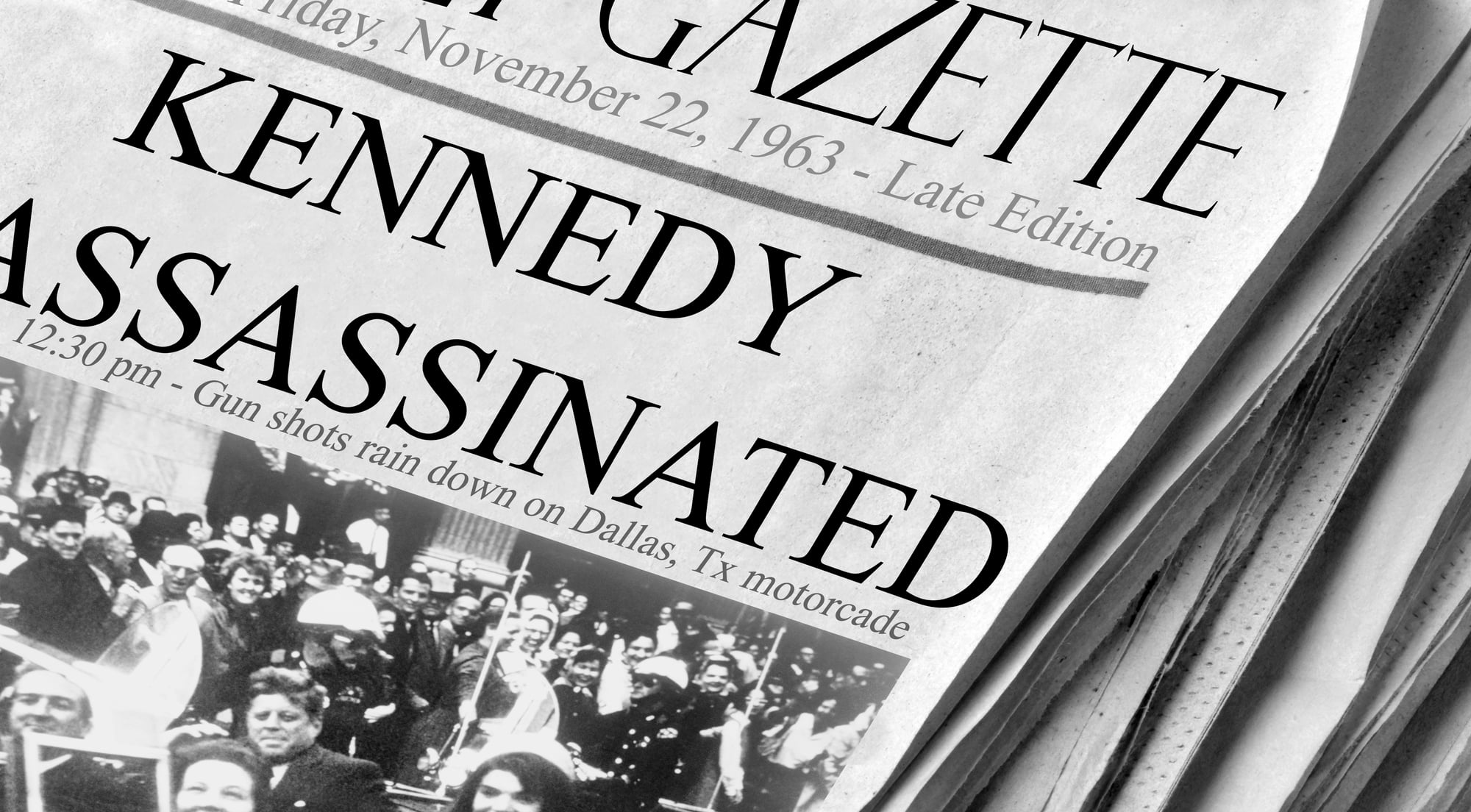
Oliver Stone’s 1991 political thriller examined New Orleans district attorney Jim Garrison’s investigation into President Kennedy’s assassination. Stone’s screenplay was adapted from two books: On the Trail of the Assassins by Garrison and Crossfire: The Plot That Killed Kennedy by Jim Marrs.
Garrison became convinced that Kennedy’s death was linked to a conspiracy involving the CIA, anti-Castro groups, the Secret Service, and the military-industrial complex. The film sparked enormous controversy but earned eight Academy Award nominations and won two Oscars for Best Cinematography and Best Film Editing.
Apollo 13

Ron Howard’s 1995 space drama followed the real 1970 lunar mission where an oxygen tank explosion crippled the spacecraft, forcing NASA to abandon the Moon landing and devise creative solutions to bring the astronauts home safely. The film was based on the 1994 book Lost Moon: The Perilous Voyage of Apollo 13 by astronaut Jim Lovell.
Director Howard collaborated directly with NASA to train the cast and shot scenes on a reduced-gravity aircraft to accurately capture weightlessness. The film earned nine Academy Award nominations and won two for Best Film Editing and Best Sound.
Braveheart
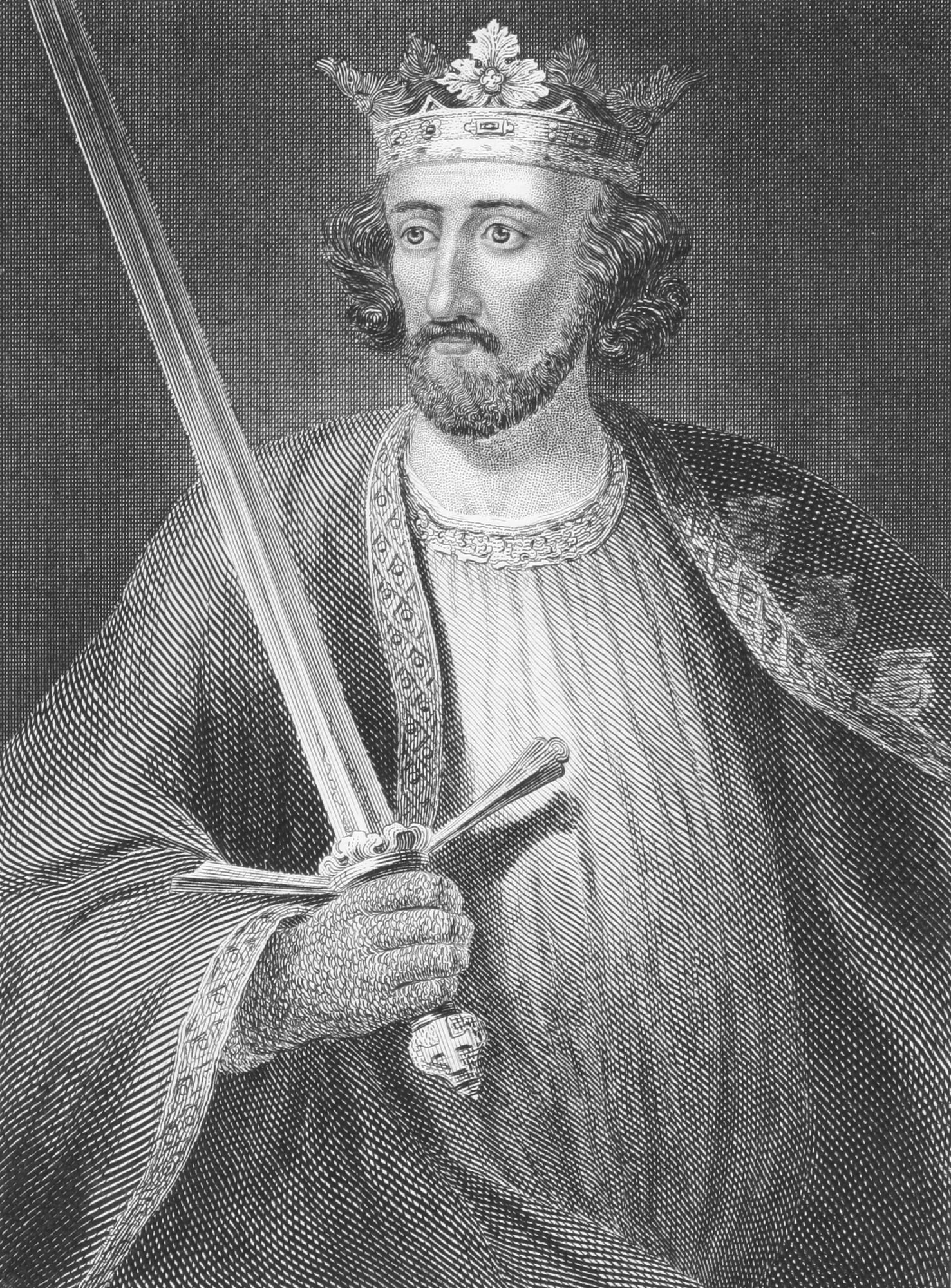
Mel Gibson’s 1995 epic was inspired by Blind Harry’s 15th century poem about Scottish warrior Sir William Wallace and his role in the First War of Scottish Independence against King Edward I of England. Wallace led his outnumbered ranks to victory in the Battle of Stirling Bridge and conducted raids into northern England.
After being betrayed and captured, Wallace was executed in London but refused to submit for mercy, defiantly crying out for freedom. Despite taking significant historical liberties, the film won five Academy Awards including Best Picture and Best Director.
Born on the Fourth of July

Oliver Stone’s 1989 Vietnam War drama traced the true story of Ron Kovic, who was born on Independence Day and became a decorated Marine. Kovic was paralyzed from the chest down during his second tour of duty in Vietnam after being shot in the shoulder and spine.
The film follows his transformation from an enthusiastic patriot to a disillusioned veteran and eventually an outspoken anti-war activist. Tom Cruise earned an Academy Award nomination for his powerful portrayal of Kovic.
A Few Good Men
The 1992 legal drama starring Tom Cruise and Jack Nicholson was inspired by a 1986 hazing incident at Guantanamo Bay, which was dramatized in Aaron Sorkin’s stage play. The film explores themes of military honor, following orders, and moral responsibility.
While the real Marine survived the hazing incident, the movie changed key details and created dramatic courtroom confrontations that were fictionalized, though the underlying incident gave the story its foundation in military reality.
The Killing Fields

This 1984 drama tells the harrowing true story of Cambodian journalist Dith Pran and his friendship with New York Times reporter Sydney Schanberg during the Khmer Rouge takeover of Cambodia. Pran survived four years of captivity and forced labor under the brutal regime before escaping to Thailand.
The film earned three Academy Awards and brought international attention to the Cambodian genocide. Haing S. Ngor, who played Pran, was a gynecologist with no acting experience before the film, and he was himself a survivor of the Khmer Rouge. He won the Oscar for Best Supporting Actor.
The Right Stuff

Philip Kaufman’s 1983 epic chronicled the real story of America’s first astronauts in the Mercury program. The film followed test pilots like Chuck Yeager who broke the sound barrier and the seven Mercury astronauts who became national heroes.
Based on Tom Wolfe’s bestselling 1979 book, the movie captured the courage and competition of the early space race. Despite being a box office disappointment initially, it won four Academy Awards and is now considered one of the greatest films about the space program.
Mississippi Burning

Alan Parker’s 1988 thriller was inspired by the 1964 murders of three civil rights workers in Mississippi during Freedom Summer. James Chaney, Andrew Goodman, and Michael Schwerner were killed by members of the Ku Klux Klan.
The film dramatized the FBI investigation into their disappearances, though it took significant creative liberties with the actual events. Gene Hackman and Willem Dafoe starred as entirely fictional FBI agents, and the film’s portrayal of the FBI as civil rights heroes has been heavily criticized by historians.
Despite the controversy, the film earned seven Academy Award nominations.
Cinema’s Most Compelling Mirror
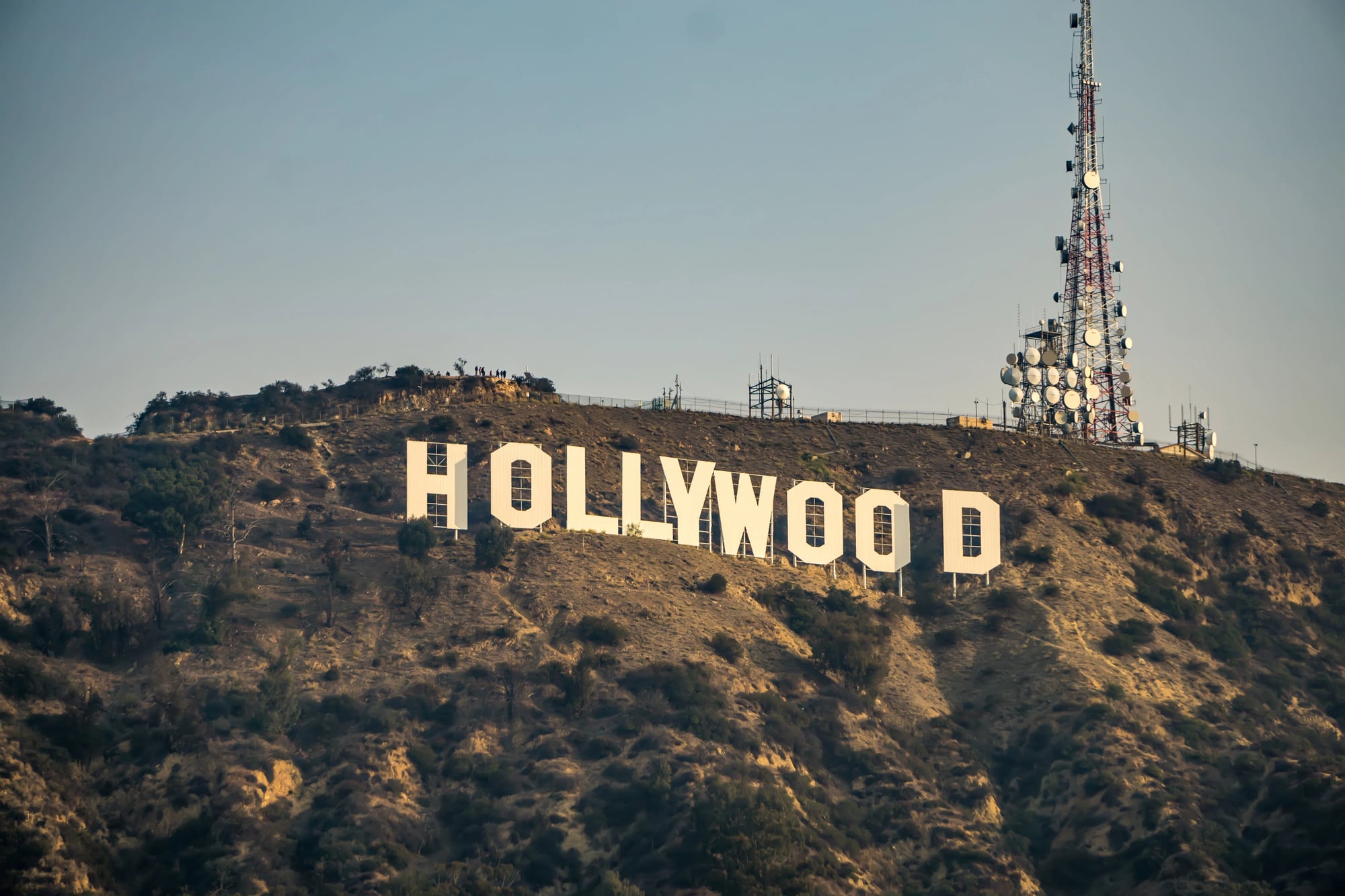
These films remind us that Hollywood’s most gripping stories often come straight from the pages of history and real human experience. Directors like Scorsese, Spielberg, and Stone understood that authentic drama beats manufactured conflict every time.
Whether depicting mob violence, war heroism, or civil rights struggles, these movies gave audiences a window into moments that shaped our world. The 80s and 90s proved that when filmmakers mine real events with honesty and artistry, they create cinema that endures long after the credits roll.
More from Go2Tutors!

- The Romanov Crown Jewels and Their Tragic Fate
- 13 Historical Mysteries That Science Still Can’t Solve
- Famous Hoaxes That Fooled the World for Years
- 15 Child Stars with Tragic Adult Lives
- 16 Famous Jewelry Pieces in History
Like Go2Tutors’s content? Follow us on MSN.



