14 Animals That May Sense Natural Disasters Early
Throughout history, people have noticed something remarkable about animals before major natural disasters strike. Dogs start barking frantically at nothing. Cats disappear for days. Farm animals act restless and refuse to go into their usual shelters. While scientists are still studying exactly how this works, there’s growing evidence that many animals can detect changes in their environment that humans completely miss.
These abilities might come from their superior hearing, their sensitivity to vibrations, or even their ability to sense electromagnetic changes in the atmosphere. Here is a list of 14 animals that may sense natural disasters early.
Dogs

Dogs have been alerting their owners to incoming disasters for centuries, and their behavior changes are often the most noticeable to humans. They might start whimpering, pacing, or trying to hide in unusual places hours before an earthquake hits.
Their incredible hearing allows them to pick up the low-frequency sounds that earthquakes produce, which can travel much faster than the main quake itself.
Cats

Cats are notorious for vanishing right before earthquakes, sometimes disappearing for days at a time. They’re incredibly sensitive to vibrations through their paws and can feel the tiny tremors that happen before major quakes.
Many cat owners in earthquake-prone areas have learned to pay attention when their usually predictable pets suddenly become skittish or refuse to come inside.
Horses

Horses become visibly agitated before seismic events, often refusing to enter stables or standing with their ears pinned back in obvious distress. Their hooves are extremely sensitive to ground vibrations, acting almost like natural seismographs.
During the 2011 earthquake in Japan, many horse owners reported their animals acting nervous and restless for hours before the main event.
Cows
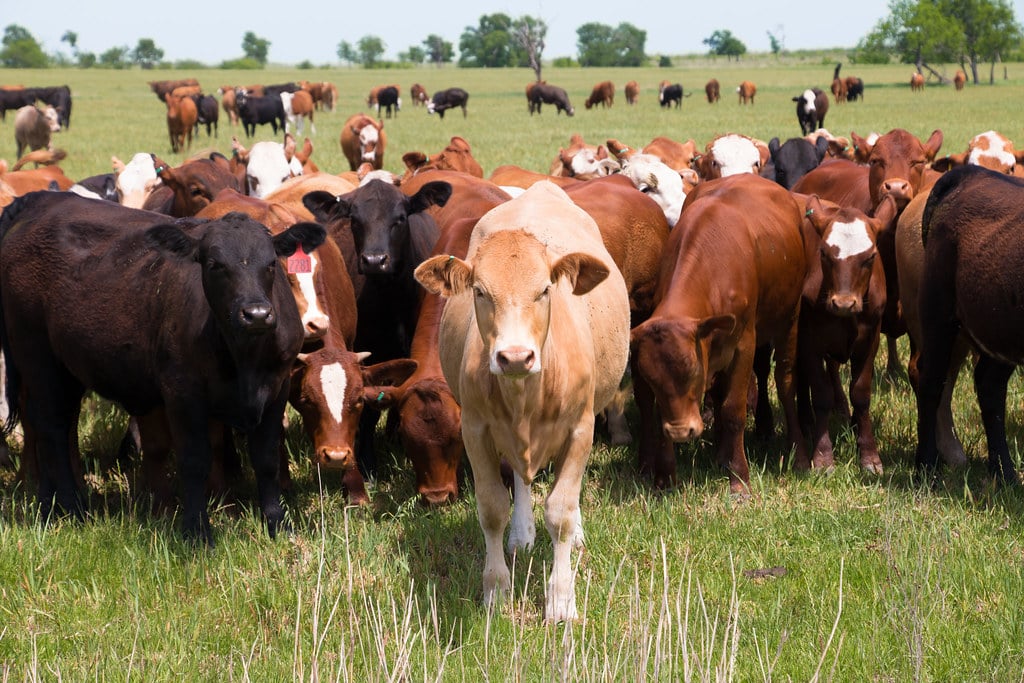
Dairy farmers have long observed that cows produce less milk and seem unsettled in the days leading up to earthquakes. These large animals can feel ground movements through their hooves that are far too subtle for humans to notice.
In some rural areas, farmers still use changes in cow behavior as an informal early warning system.
Snakes

Snakes are perhaps the most dramatic responders to incoming earthquakes, sometimes leaving hibernation in the middle of winter to escape their underground dens. Chinese researchers have documented cases where snakes emerged in freezing temperatures, preferring to risk death from cold rather than stay underground.
Their bodies are perfectly designed to detect vibrations, making them living earthquake detectors.
Birds

Large flocks of birds taking flight all at once has been documented before many major disasters, from earthquakes to volcanic eruptions. Birds can sense changes in atmospheric pressure and magnetic fields that signal trouble ahead.
Their ability to detect infrasound—sound waves below human hearing range—gives them advance warning of everything from storms to seismic activity.
Elephants

Elephants have been observed trumpeting and heading for higher ground before tsunamis, saving not only themselves but sometimes the humans who followed them. Their massive feet can detect vibrations traveling through the ground from hundreds of miles away.
In Thailand during the 2004 tsunami, elephants at tourist beaches broke their chains and ran inland, with some carrying riders to safety.
Rats

Rats and mice often flee buildings en masse before earthquakes, creating a noticeable exodus that locals have learned to recognize as a warning sign. These rodents are extremely sensitive to changes in electrical fields that occur before seismic events.
In ancient Greece, historians recorded that rats abandoned the city of Helice just days before a devastating earthquake destroyed it completely.
Chickens

Chickens stop laying eggs and refuse to roost in their usual spots when they sense incoming disasters. Farm owners often notice their chickens clustering together in the middle of the day or refusing to go into their coops at night.
This behavior has been so consistently observed that some rural communities consider it a reliable predictor of seismic activity.
Fish

Fish behavior changes dramatically before underwater earthquakes, with deep-sea species sometimes washing up on beaches days before major events. They can detect changes in water pressure and electrical fields that occur when tectonic plates start shifting.
Japanese fishing communities have traditional knowledge about certain fish species appearing in unusual numbers as a sign of coming earthquakes.
Goats
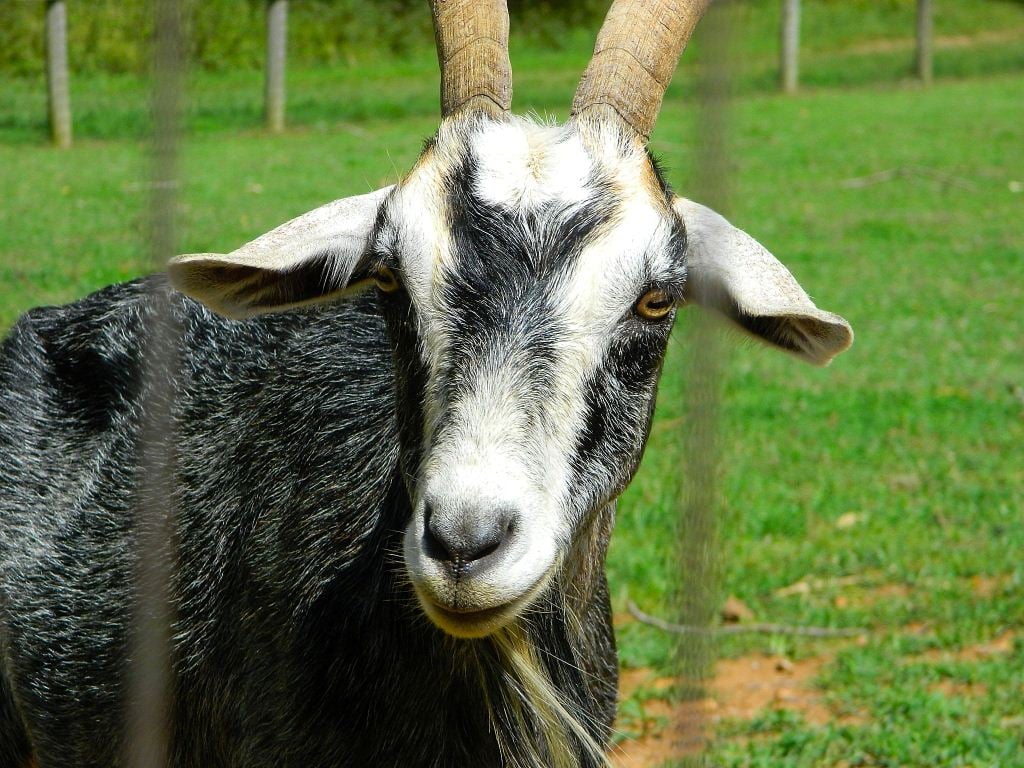
Mountain goats and domestic goats alike show increased nervousness and erratic behavior before landslides and earthquakes. They often refuse to graze in their usual spots or become unusually vocal and restless.
Their sure-footed nature means they’re incredibly attuned to changes in ground stability that might signal geological problems ahead.
Bears

Bears have been observed leaving their natural territories and moving to unusual locations before major seismic events. Their excellent sense of smell might detect gases released from the earth before earthquakes, while their sensitive hearing picks up subsonic sounds.
In some wilderness areas, park rangers have learned to take note when bears start behaving differently or moving in large numbers.
Deer

Wild deer populations often migrate away from areas shortly before earthquakes or volcanic activity begins. They seem to sense environmental changes through a combination of their acute hearing and ability to detect ground vibrations.
Hunters and wildlife observers have reported entire herds abandoning feeding areas they’ve used for years, only to have disasters strike those locations days later.
Dolphins

Dolphins and whales beach themselves or swim in unusual patterns before underwater earthquakes and tsunamis. Their sophisticated echolocation systems can detect changes in underwater topography and pressure that signal seismic activity.
Marine biologists have documented cases where dolphin behavior changes served as an early warning for coastal communities about incoming tsunamis.
Nature’s Early Warning System

While modern technology gives us sophisticated monitoring equipment, these animal behaviors represent millions of years of evolutionary adaptation to environmental threats. Scientists continue studying how animals detect disasters, hoping to improve our own prediction methods.
The next time your pet starts acting strangely for no apparent reason, it might be worth paying attention—they could be picking up on something you’re missing entirely.
More from Go2Tutors!

- The Romanov Crown Jewels and Their Tragic Fate
- 13 Historical Mysteries That Science Still Can’t Solve
- Famous Hoaxes That Fooled the World for Years
- 15 Child Stars with Tragic Adult Lives
- 16 Famous Jewelry Pieces in History
Like Go2Tutors’s content? Follow us on MSN.