15 Fastest Animals Birds and Marine Creatures on the Planet
Speed in the natural world isn’t just about survival — it’s about mastery. While humans struggle to break the sound barrier with machines, nature has been perfecting velocity for millions of years.
Some creatures slice through water like living torpedoes, others tear across land in blurs of muscle and fury, and a few turn the sky into their personal racetrack. The fastest animals on Earth represent evolution’s most impressive experiments in motion, each one pushing the limits of what flesh, blood, and bone can achieve.
Peregrine Falcon
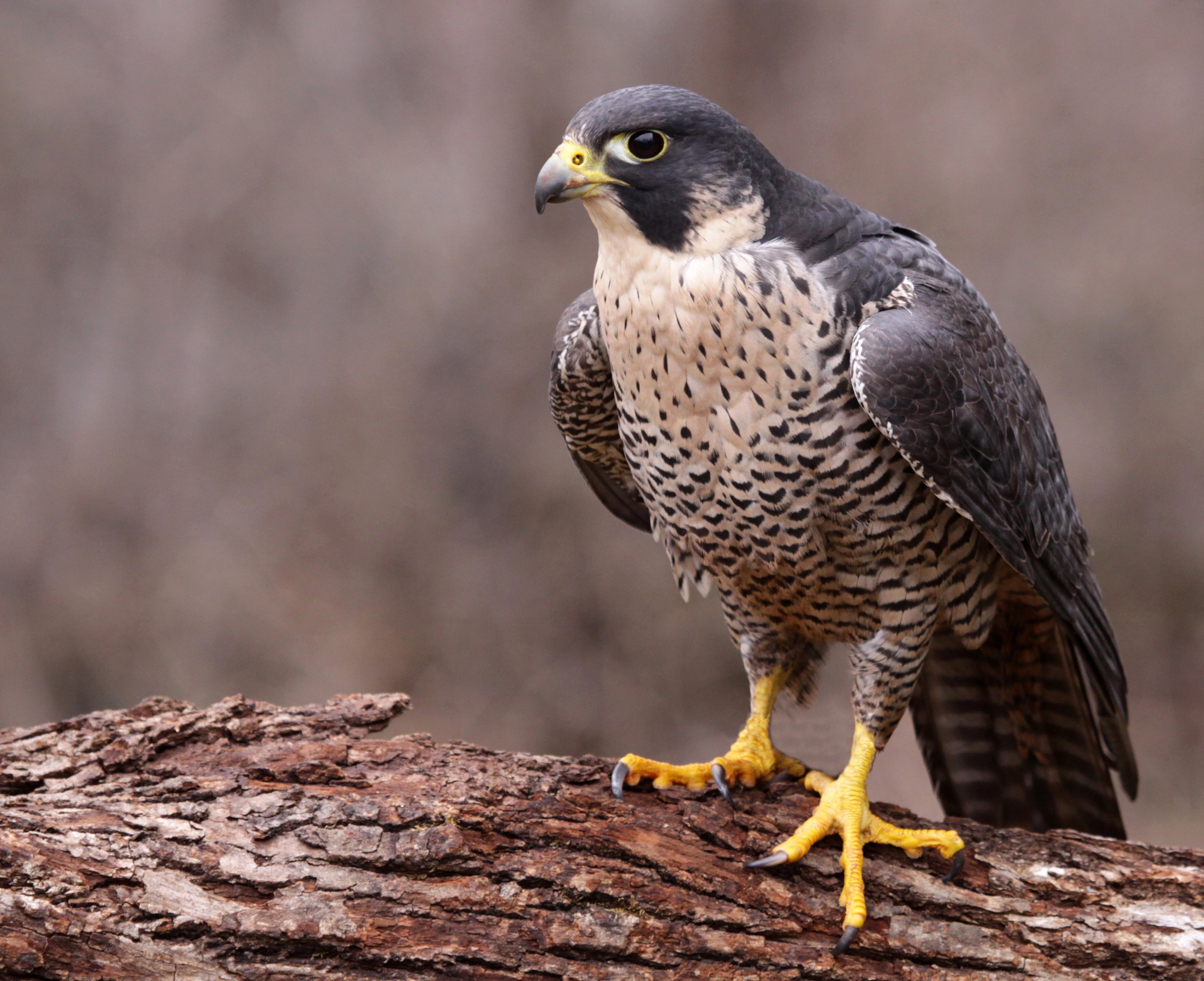
The peregrine falcon doesn’t mess around. When it locks onto prey, it folds its wings and drops like a feathered missile, reaching speeds of 242 mph in a hunting dive.
No other animal on the planet moves faster.
What makes this speed possible is pure aerodynamic perfection. Those nostrils have special baffles to prevent lung damage from air pressure.
The eyes can process visual information fast enough to track a pigeon while screaming earthward at terminal velocity.
Cheetah
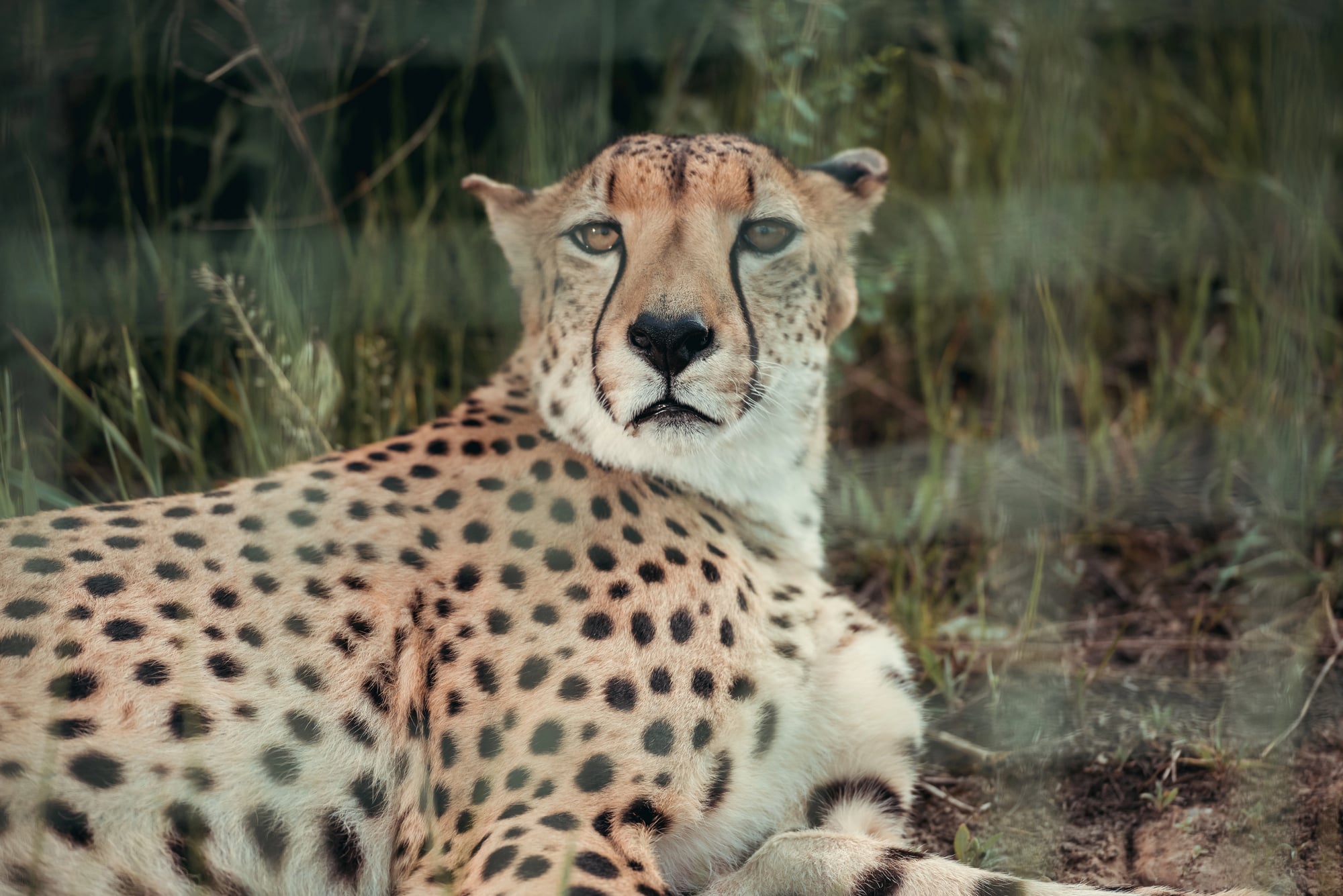
There’s something almost unsettling about watching a cheetah accelerate — the way it gathers itself into a coiled spring before exploding forward, transforming from stillness to 70 mph in three seconds flat. The entire body becomes a study in focused intent: spine flexing like a whip, oversized lungs pulling in desperate gulps of air, claws digging into earth with the precision of track spikes.
It’s not just speed you’re witnessing; it’s the moment when an animal becomes pure purpose, when every fiber commits to a single, impossibly brief sprint that will determine whether it eats or goes hungry for another day.
The cheetah’s body pays a price for this burst of velocity (those lightweight bones break easily, the heart pounds at dangerous rates), but evolution decided the trade-off was worth it. So the cheetah runs anyway — not because it’s built to last, but because for those twenty seconds of full sprint, nothing else on land can touch it.
Black Marlin
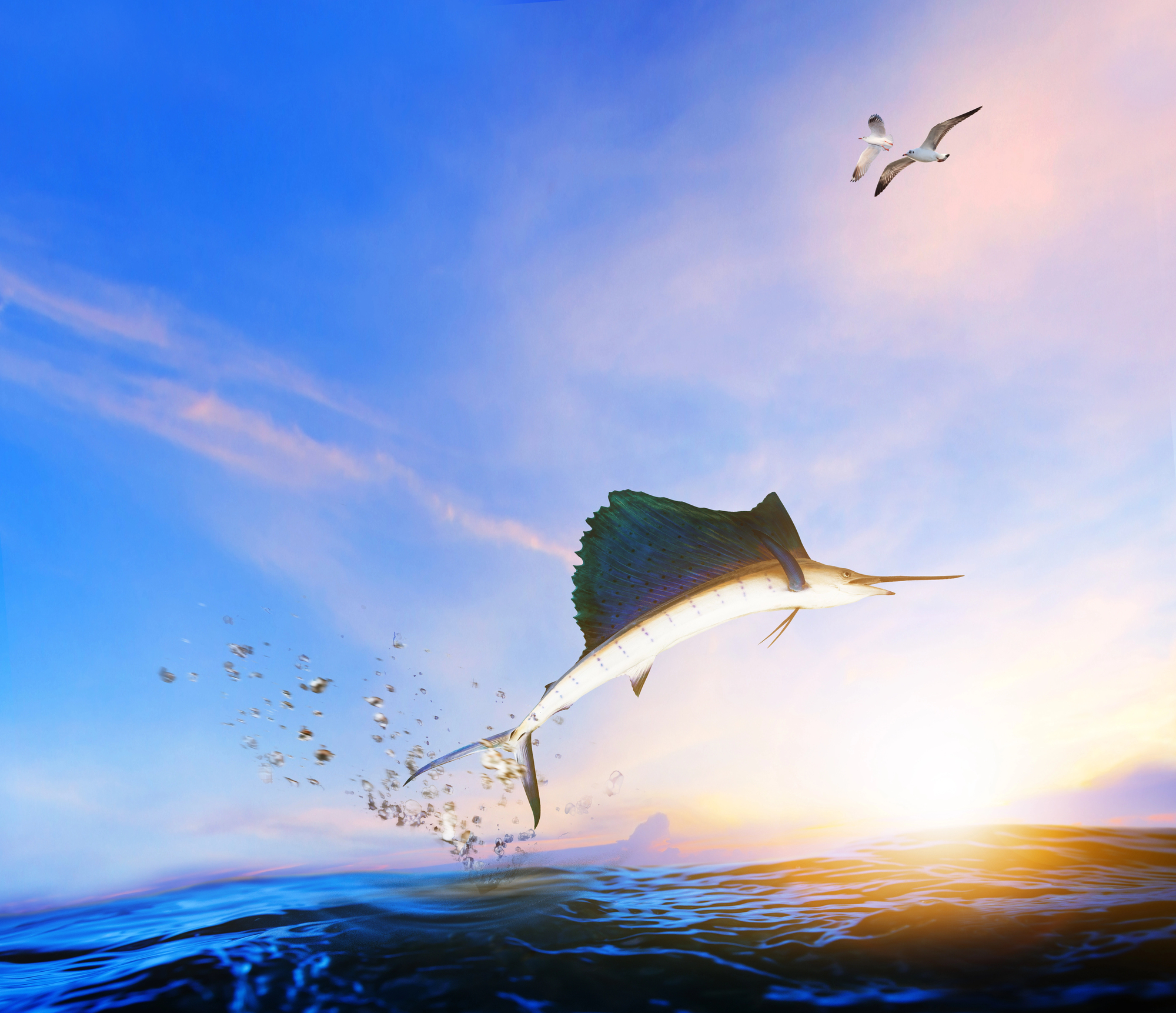
Black marlins are built wrong and they know it. A fish that size — 15 feet long, 1,500 pounds — should lumber through the water like an underwater freight train.
Instead, it hits 82 mph and makes it look effortless.
The secret is that ridiculous sword jutting from its face. What looks like evolutionary showing off actually splits the water ahead of the fish, creating a slipstream that reduces drag by nearly 50 percent.
The tail does the rest, generating thrust that would make a boat propeller jealous.
Pronghorn Antelope
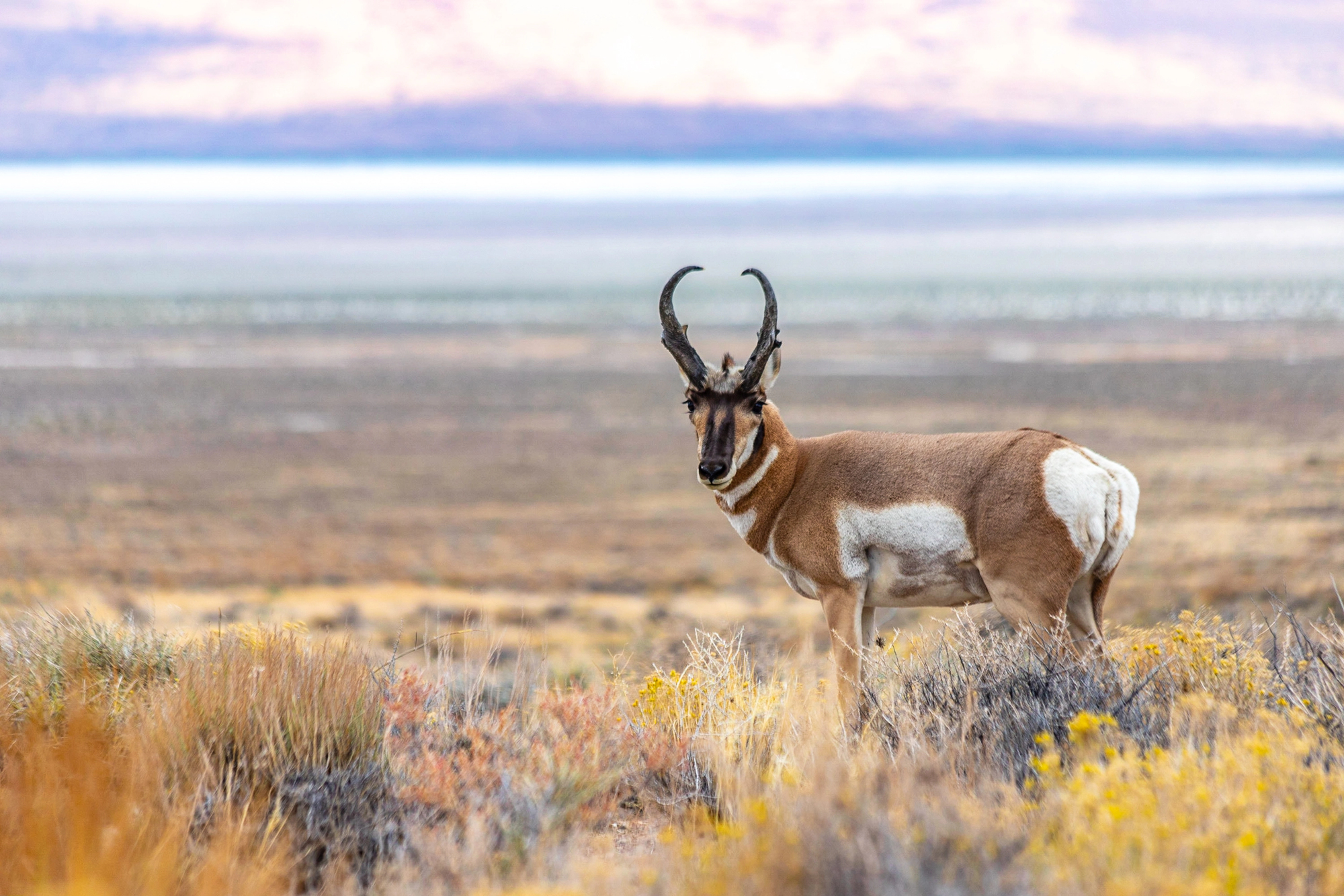
Here’s what’s mildly ridiculous about the pronghorn: it can sustain 55 mph for miles, which means it could keep pace with highway traffic while barely breaking a sweat, and there’s absolutely no reason for this ability to exist (the predators that originally chased pronghorns went extinct 10,000 years ago, but the pronghorns kept the speed anyway, just in case).
Their oversized hearts and lungs suggest they’re still preparing for threats that no longer exist — which is either admirably prepared or completely neurotic, depending on how you look at it.
Golden Eagle
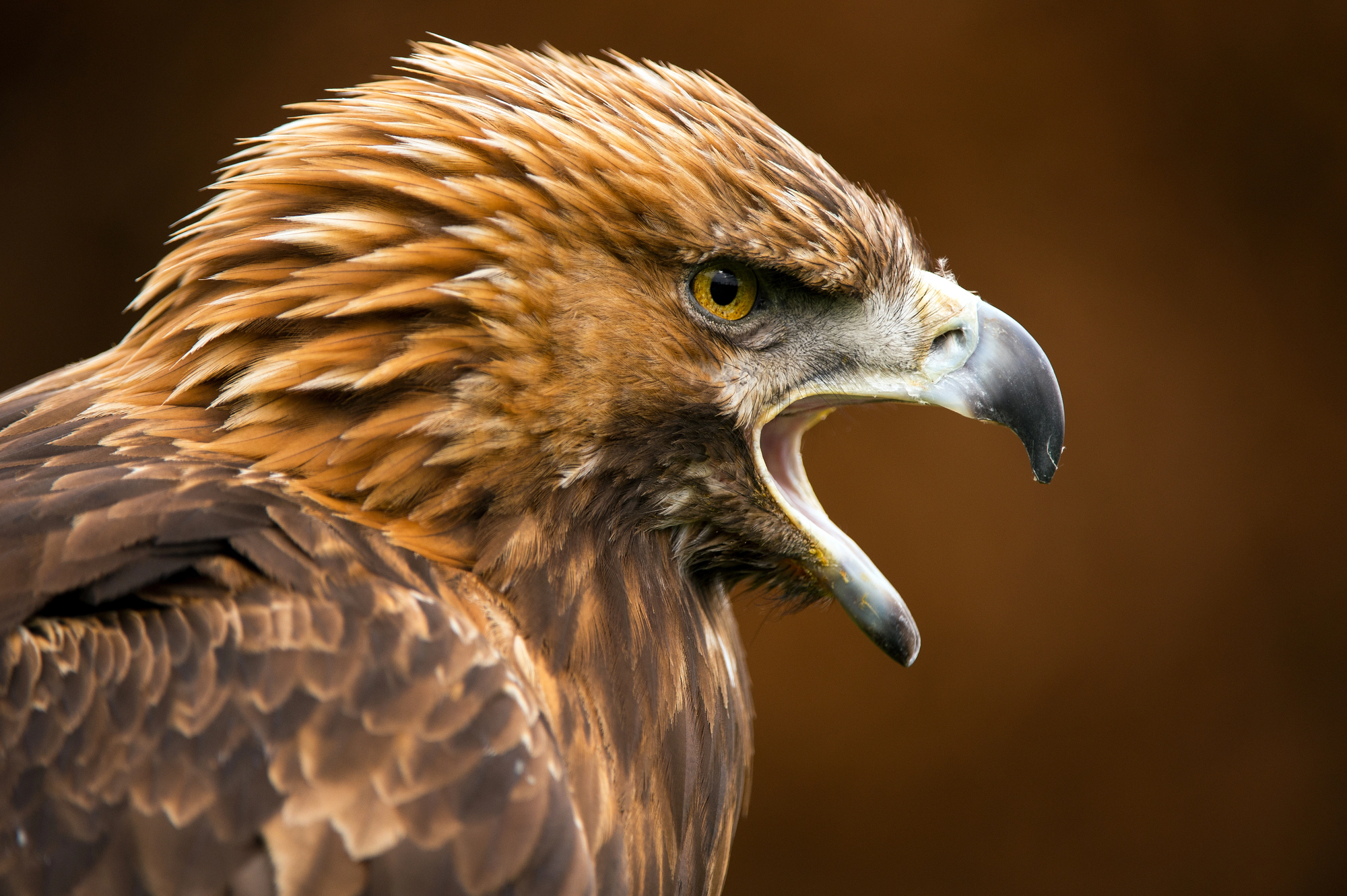
The golden eagle approaches speed the way a fighter pilot approaches a dogfight — with calculated precision and just enough recklessness to make it interesting. When it spots prey from two miles up, it doesn’t just dive; it adjusts wing angle, compensates for wind shear, and plots an intercept course that would impress a mathematician, all while accelerating to 200 mph in a controlled fall that most creatures would find fatal.
And here’s the thing about golden eagles that separates them from other fast birds: they can pull out of that dive and immediately transition into level flight without losing more than a fraction of their speed, which means they’re not just falling fast — they’re flying fast, with enough control to snatch a rabbit mid-sprint and carry it away without ever touching the ground.
That kind of precision at that velocity requires a combination of nerve and skill that borders on supernatural.
Sailfish
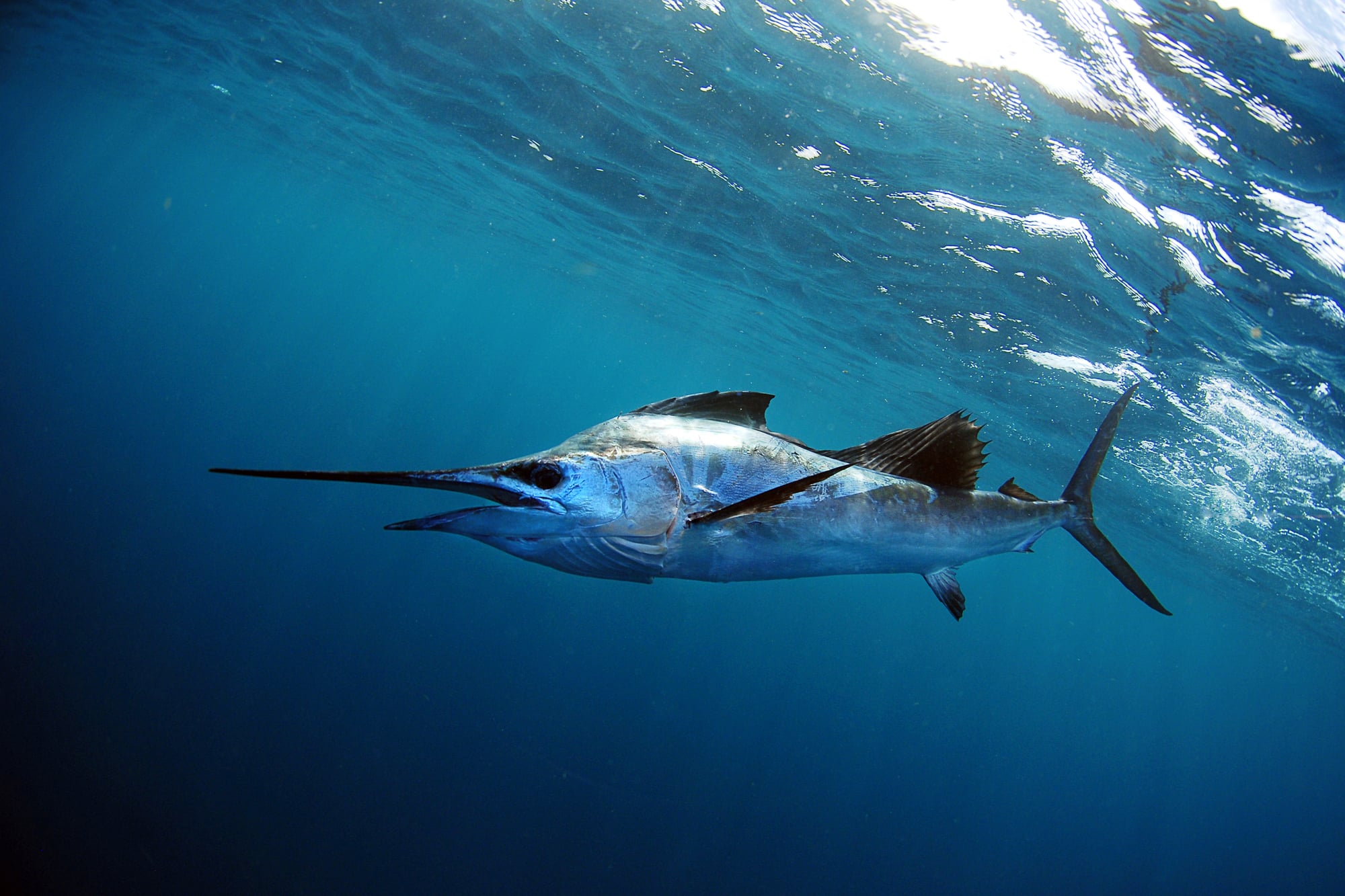
Sailfish move through water like rumors spread through small towns — impossibly fast and with a kind of fluid grace that makes you question what you just witnessed. That massive dorsal fin, which looks purely decorative when they’re cruising, becomes a precision instrument during high-speed pursuits, adjusting angle and tension to provide exactly the right amount of stability as they knife through waves at 68 mph.
The bill isn’t just for show either; it’s a carefully engineered tool that slices through water resistance while stunning prey with surgical strikes that happen too quickly for the human eye to follow.
Springbok
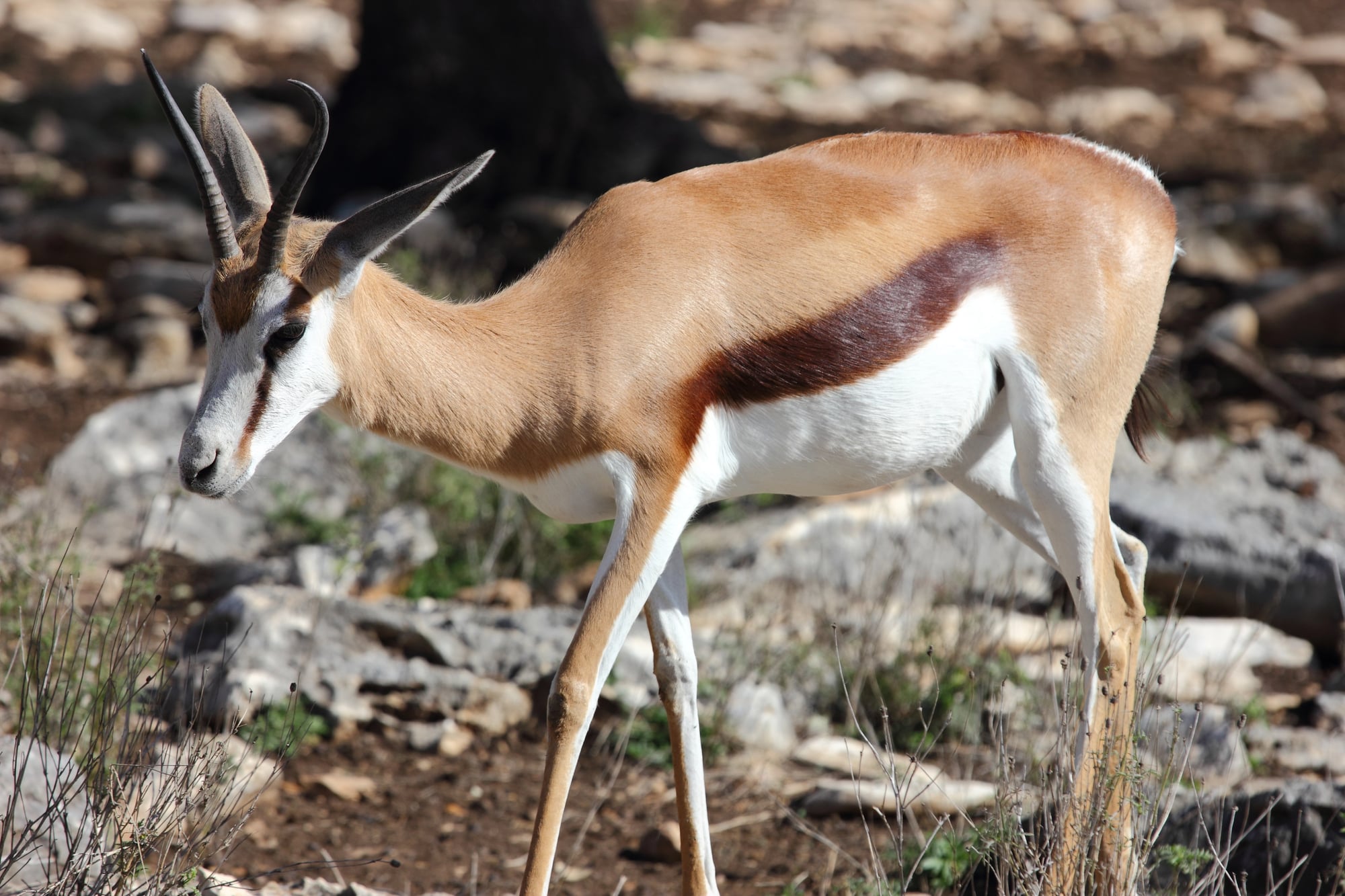
Springboks have mastered the art of showing off while running for their lives. At 55 mph, they don’t just sprint — they bounce, launching themselves 10 feet into the air in a bizarre display called “pronking” that serves no obvious purpose except to announce their presence to every predator within miles.
Turns out this isn’t poor survival strategy. It’s psychological warfare.
Those ridiculous leaps tell lions and cheetahs exactly what they’re dealing with: a healthy, confident antelope that won’t go down easily.
Shortfin Mako Shark
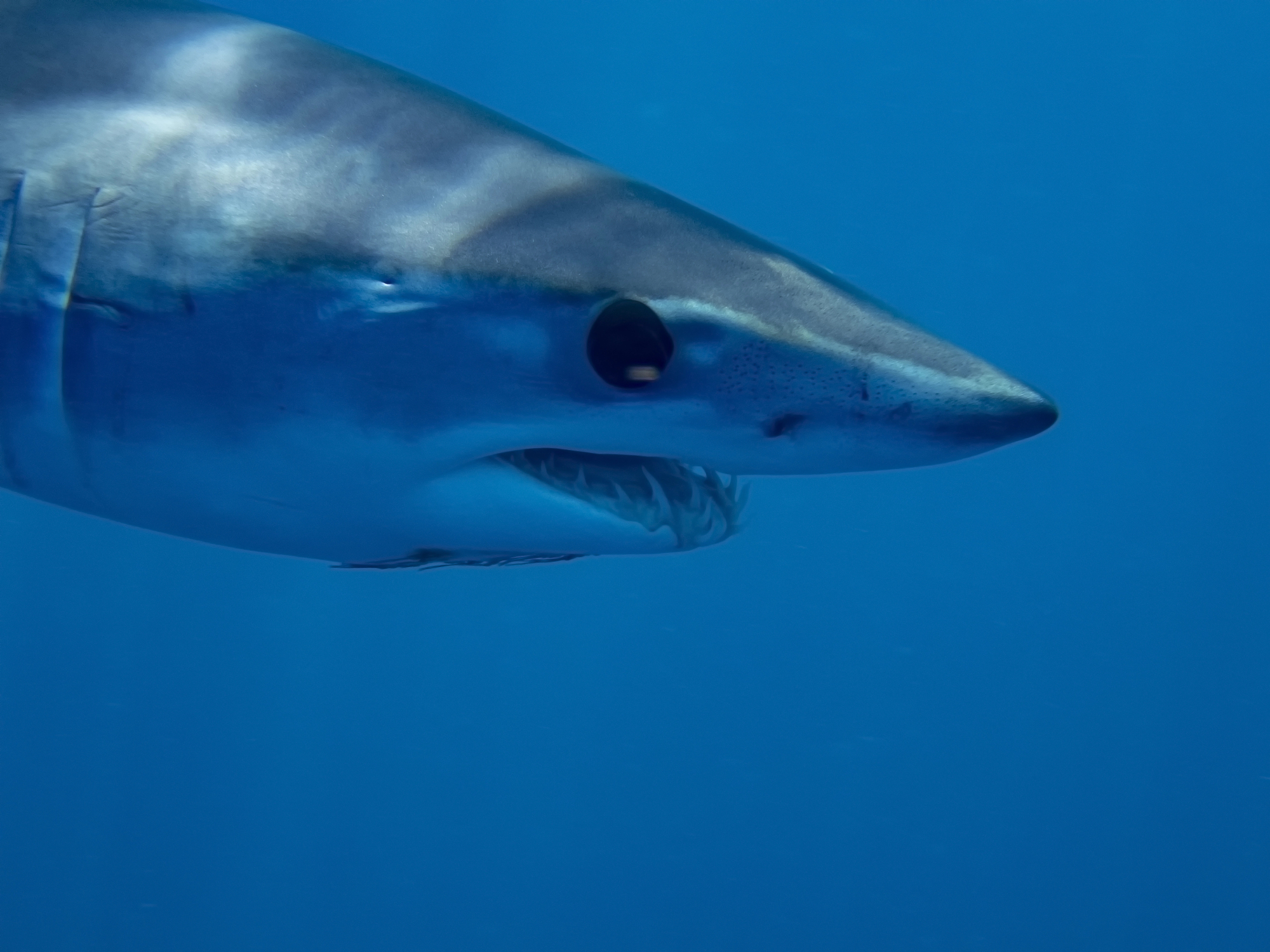
The shortfin mako treats the ocean like its personal highway, and everything else in the water is just slow traffic to be passed without ceremony. When it decides to move — really move — it becomes something closer to a biological torpedo, hitting 45 mph with a casual efficiency that makes other marine predators look clumsy by comparison.
What’s unsettling about watching a mako accelerate isn’t just the speed; it’s the complete lack of visible effort, the way it shifts from lazy cruising to devastating velocity with barely a twitch of that crescent tail, as if the laws of physics are more like gentle suggestions when you’re built with that much hydrodynamic perfection.
The water doesn’t fight them so much as get out of the way, and for good reason — when a mako decides it wants to be somewhere else, arguing with it seems like poor judgment.
Brown Hare
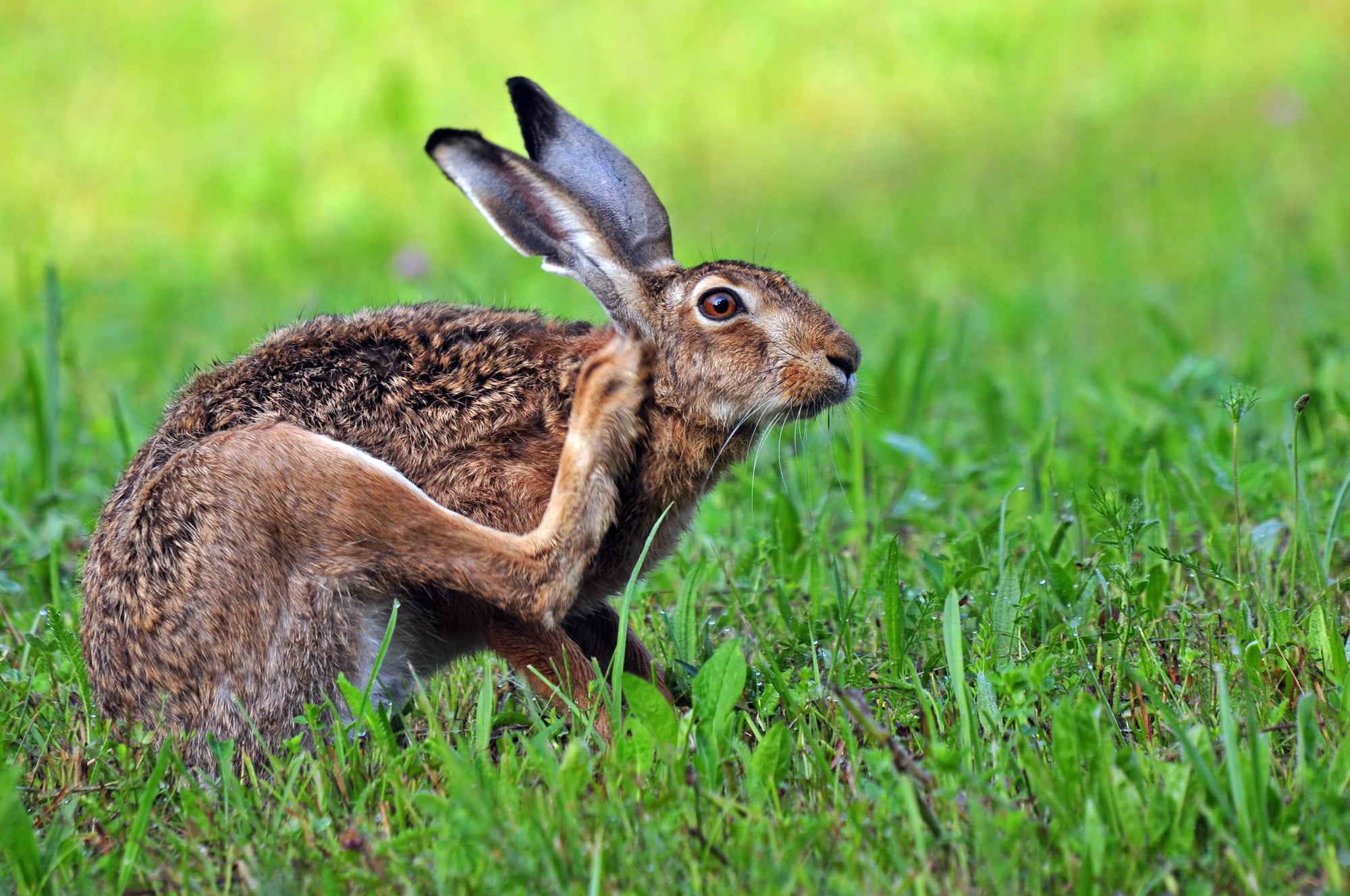
Brown hares don’t run so much as they improvise a high-speed ballet across whatever terrain happens to be available. At 45 mph, they turn sudden direction changes into an art form — zigging left around a boulder, zagging right through a gap in the fence, then launching into a series of unpredictable bounds that would leave most predators dizzy and confused.
Their hind legs are essentially organic springs, capable of launching them 12 feet in a single bound or stopping them dead from full sprint in less than two feet.
It’s the kind of agility that makes foxes reconsider their dinner plans.
Ostrich
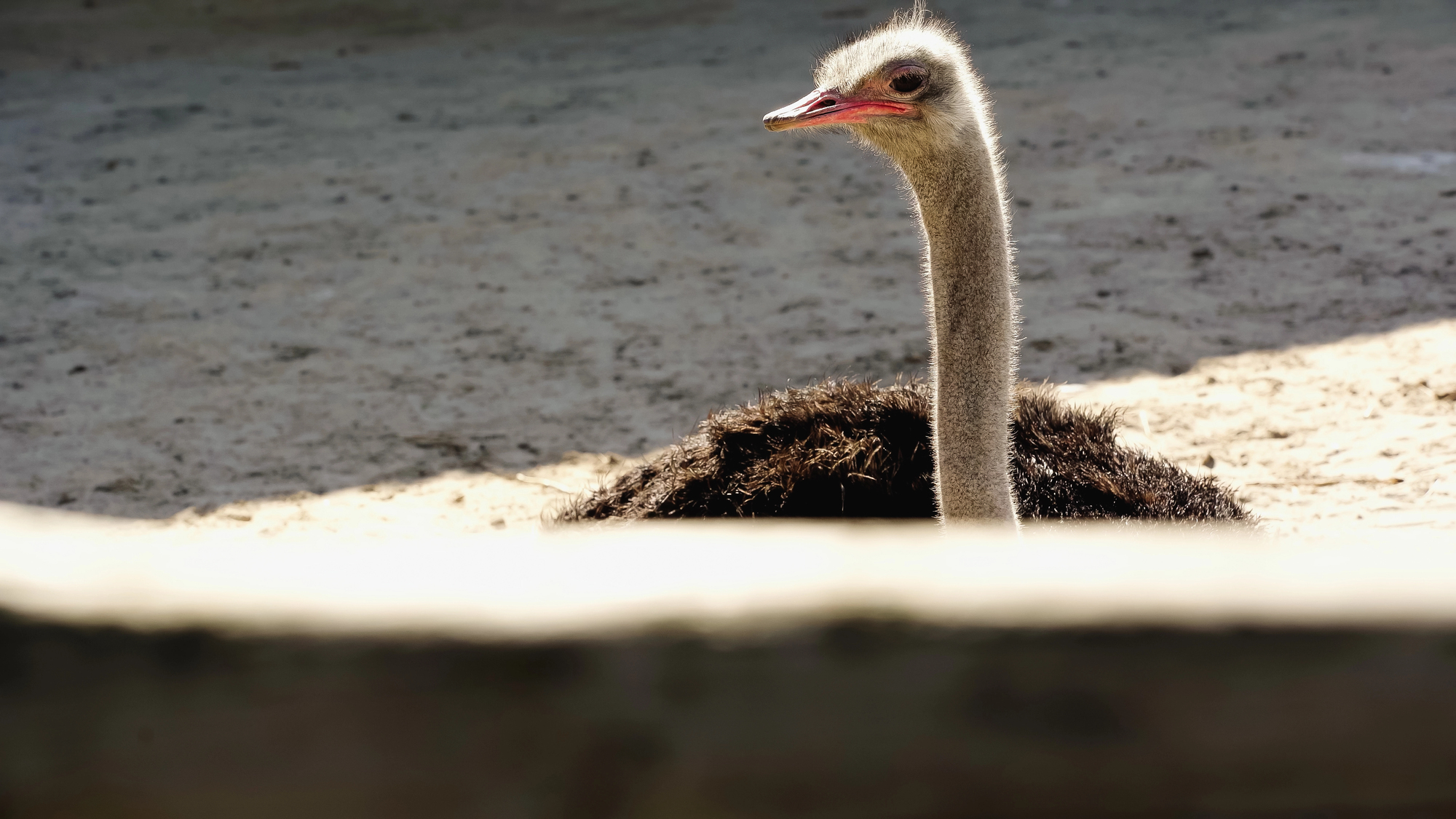
Here’s the thing about ostriches that catches people off guard: they look like evolutionary mistakes — too big, too awkward, wings that forgot their purpose — until they start running, and then suddenly you’re watching a 350-pound bird hit 43 mph with a stride length that covers 16 feet at a time, and the whole “flightless” designation starts to feel like a technicality.
Those massive legs aren’t just powerful; they’re strategically brilliant, each foot equipped with a single, razor-sharp toe that can disembowel a lion or grip the ground with enough traction to make sharp turns at speeds that would send most animals tumbling.
So while other birds waste energy staying airborne, ostriches claim the ground as their domain and dare anything to catch them there — which, as it turns out, almost nothing can.
Bluefin Tuna
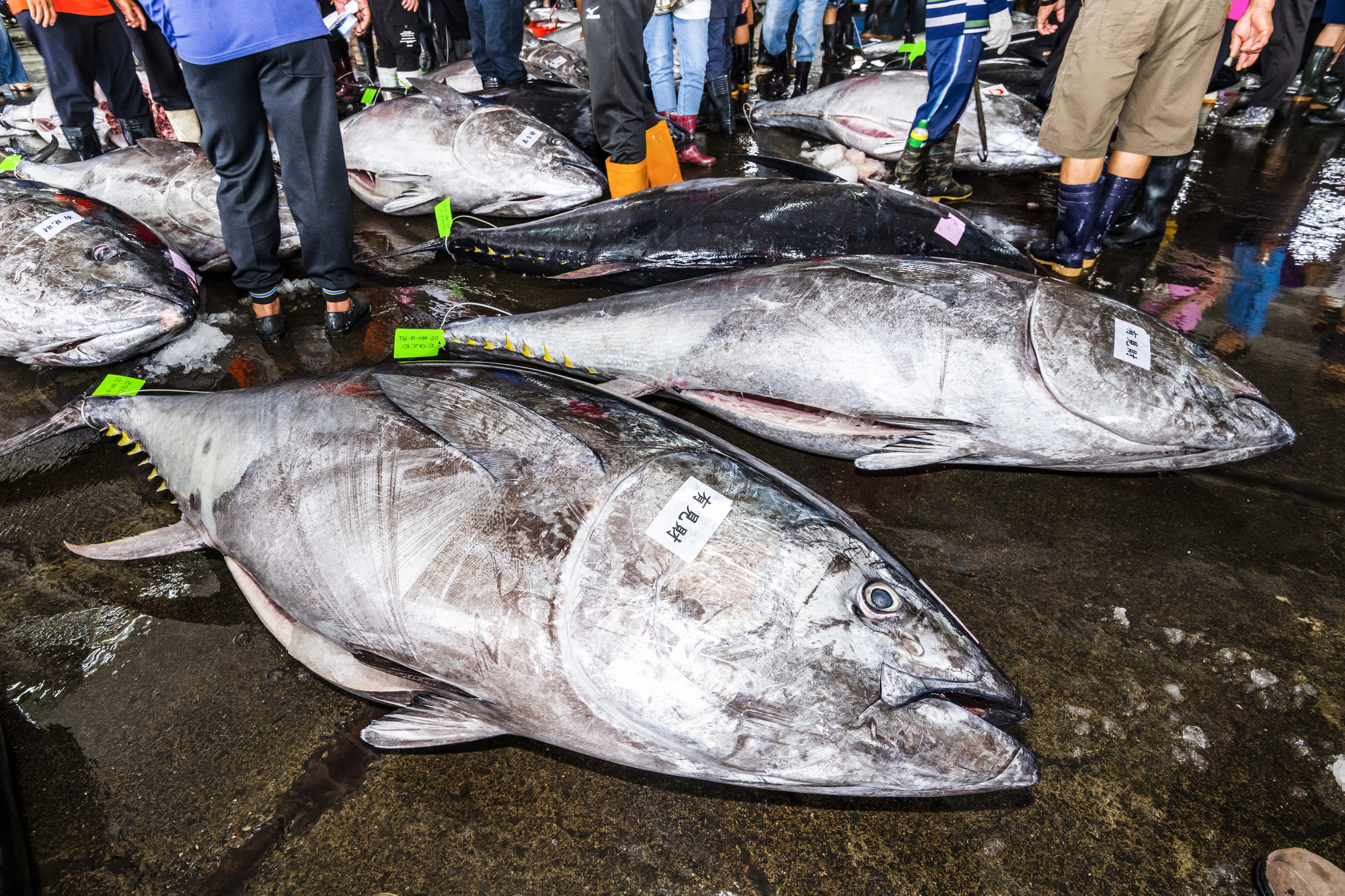
Bluefin tunas are the marathon runners who accidentally became sprinters and decided to excel at both. These fish maintain 25 mph for hours — not minutes, hours — while crossing entire ocean basins, then casually shift into another gear and hit 43 mph when the situation calls for it.
The secret lies in their body temperature. Unlike other fish, bluefins run hot, keeping their core muscles 15 degrees warmer than the surrounding water.
This gives them the metabolic edge to sustain speeds that would exhaust cold-blooded fish in minutes.
Wildebeest
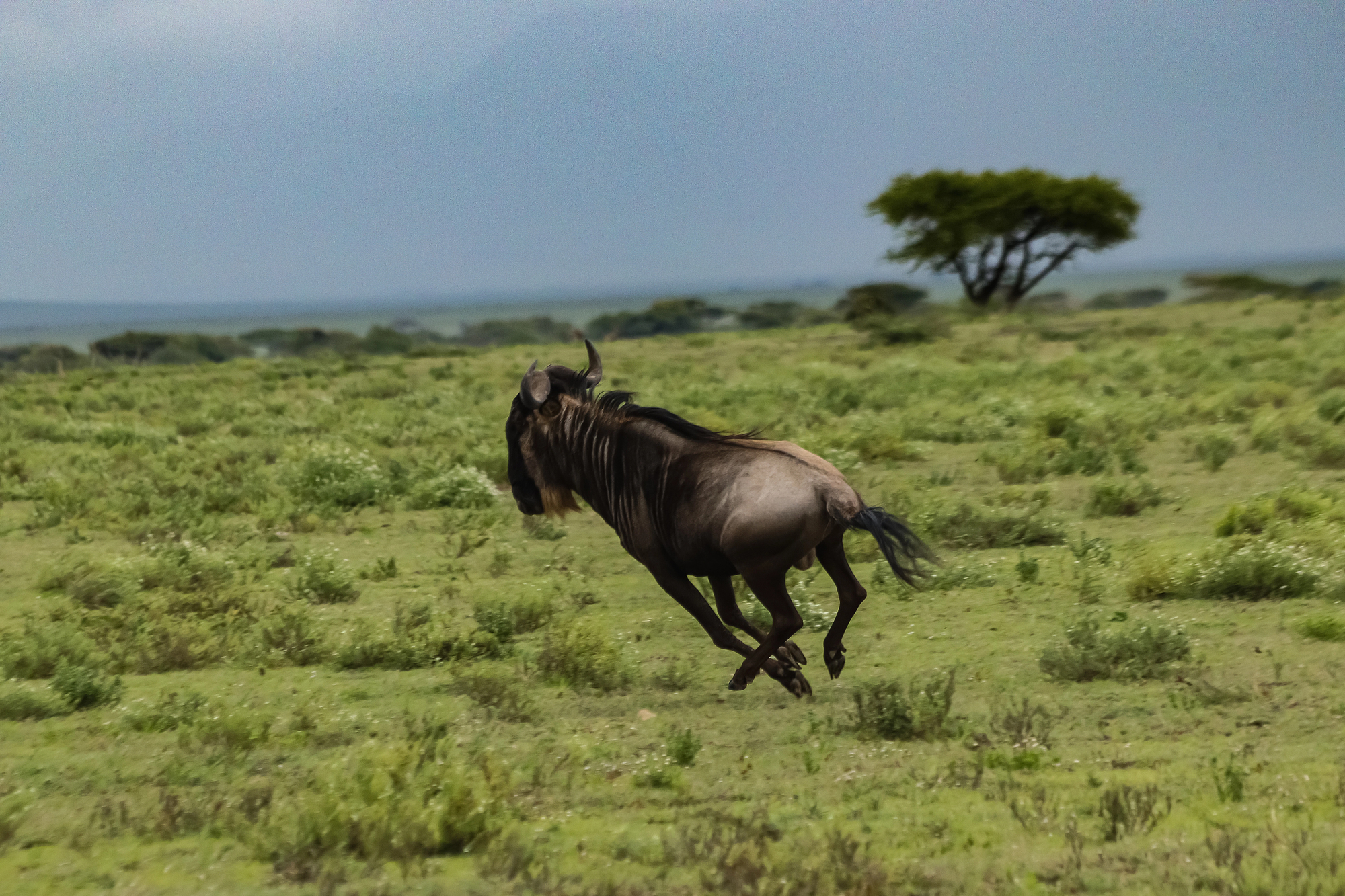
When wildebeest move, they don’t just run — they become part of something larger than themselves, a living river of hooves and dust that transforms individual animals into a single, unstoppable force flowing across the landscape at 35 mph. Each wildebeest carries the momentum of thousands, and the sight of them in full migration is less like watching animals and more like witnessing geography rearrange itself in real time.
But strip away the spectacle of the herd, and you’re left with an individual animal that’s been sculpted by evolution into a perfect running machine: legs built for endurance, lungs designed for efficiency, and a stubborn determination to keep moving that borders on the obsessive.
They run because standing still means death, and they’ve been running the same routes for millennia, wearing paths into the earth that satellites can see from space.
Dolphin
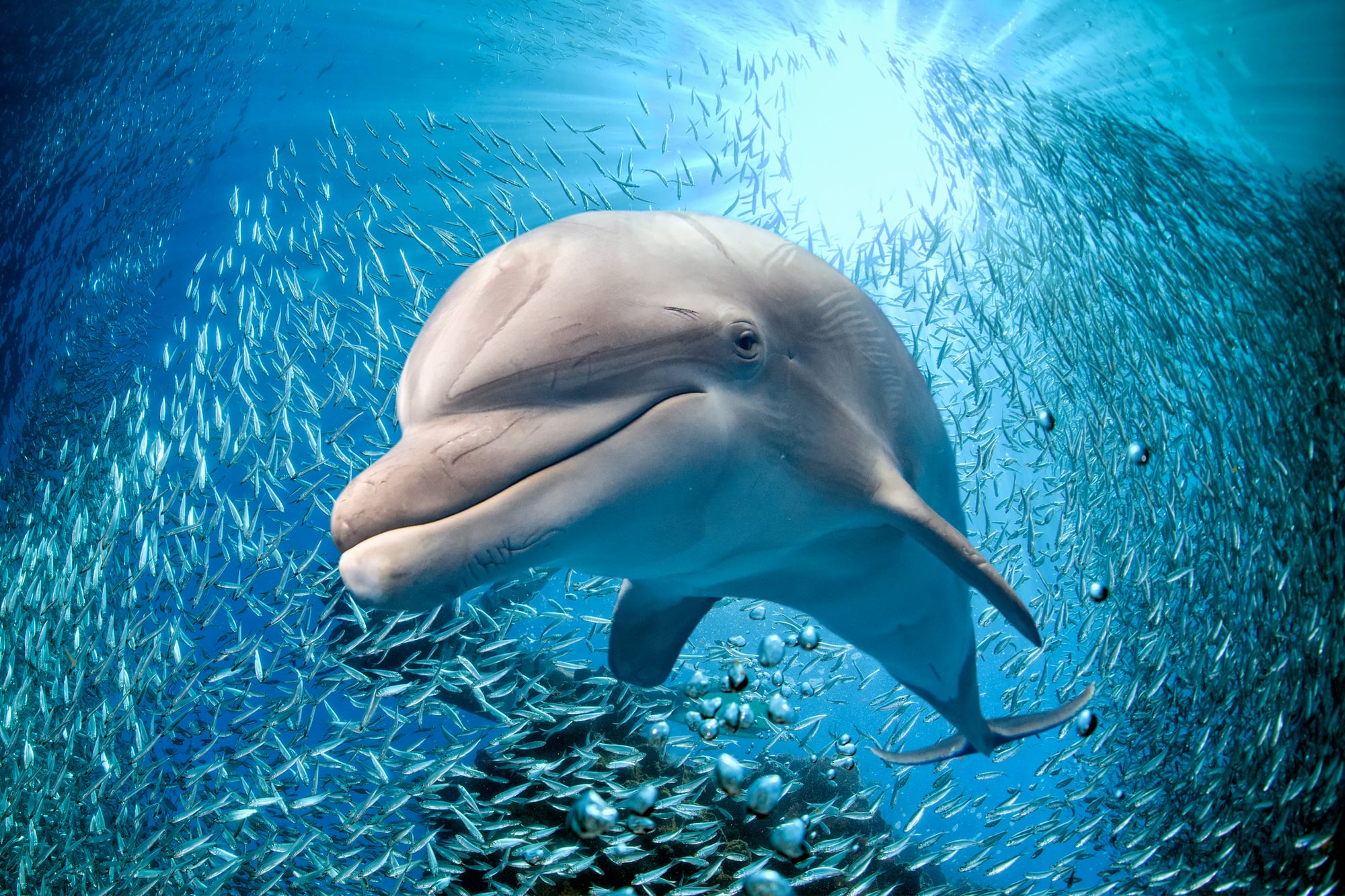
Dolphins approach speed with the kind of playful efficiency that makes other marine animals look like they’re trying too hard. At 35 mph, they don’t just swim — they surf their own bow waves, draft behind boats, and turn the water’s resistance into momentum through techniques that marine engineers are still trying to understand.
Their skin is the real secret: a constantly shedding surface that reduces drag by eliminating the microscopic turbulence that slows everything else down.
Plus they’re smart enough to realize that swimming in a straight line is for amateurs.
Grizzly Bear
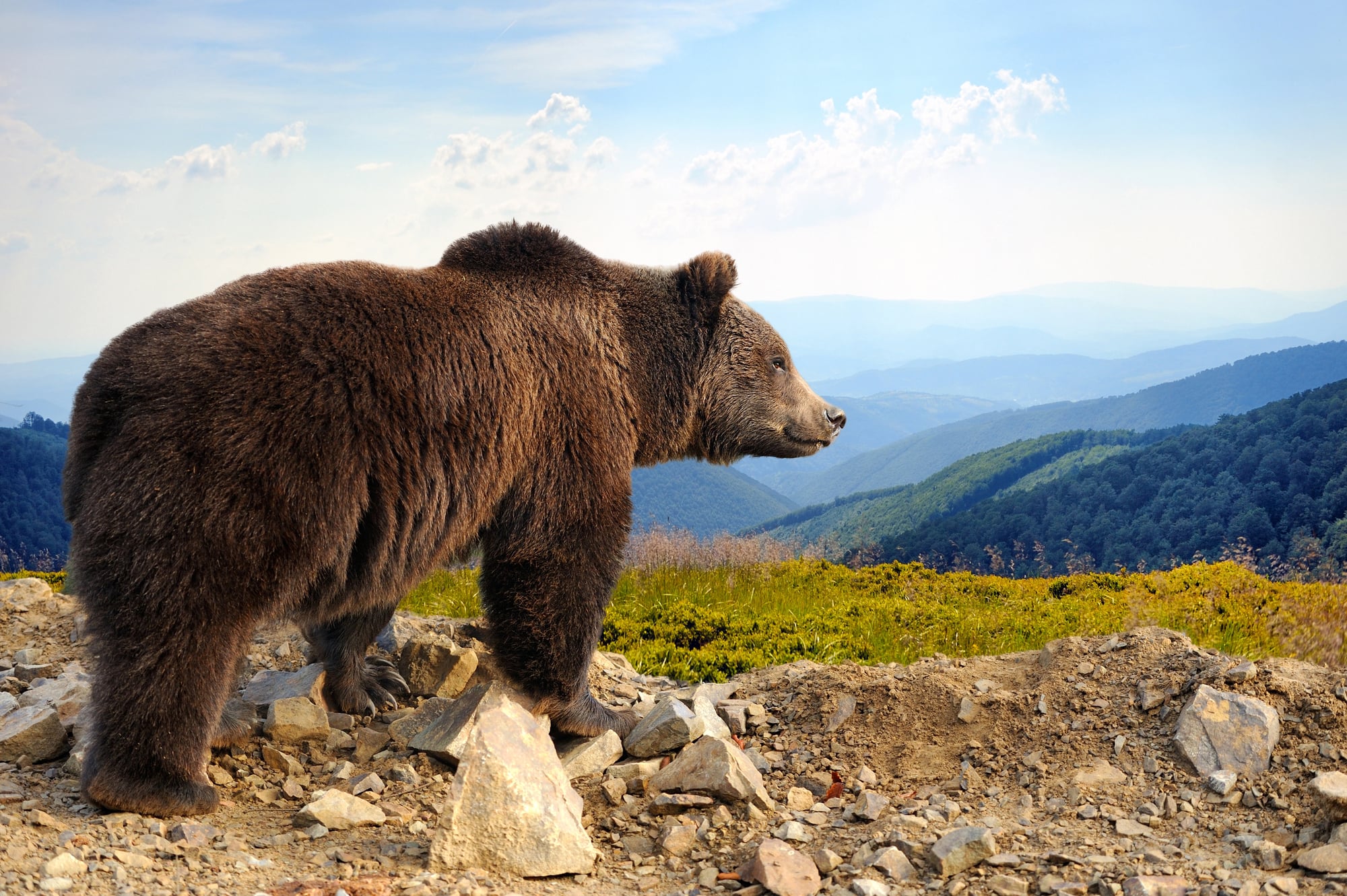
The most unsettling thing about grizzly bear speed isn’t the 30 mph itself — it’s how that much mass can move that quickly without any apparent warm-up period or visible strain, like watching a small truck suddenly decide it’s a motorcycle. When a grizzly shifts from ambling to sprinting, physics seems to take a coffee break and let momentum handle the details.
Most people assume something that weighs 800 pounds and looks that relaxed couldn’t possibly outrun a human, which is exactly the kind of assumption that gets people into trouble in bear country.
Those massive paws hit the ground with enough force to leave prints in solid dirt, and the stride covers more ground than seems mathematically possible, turning what looks like a lumbering lumber into a pursuit that ends quickly and badly for anything running in the wrong direction.
Flying Fish
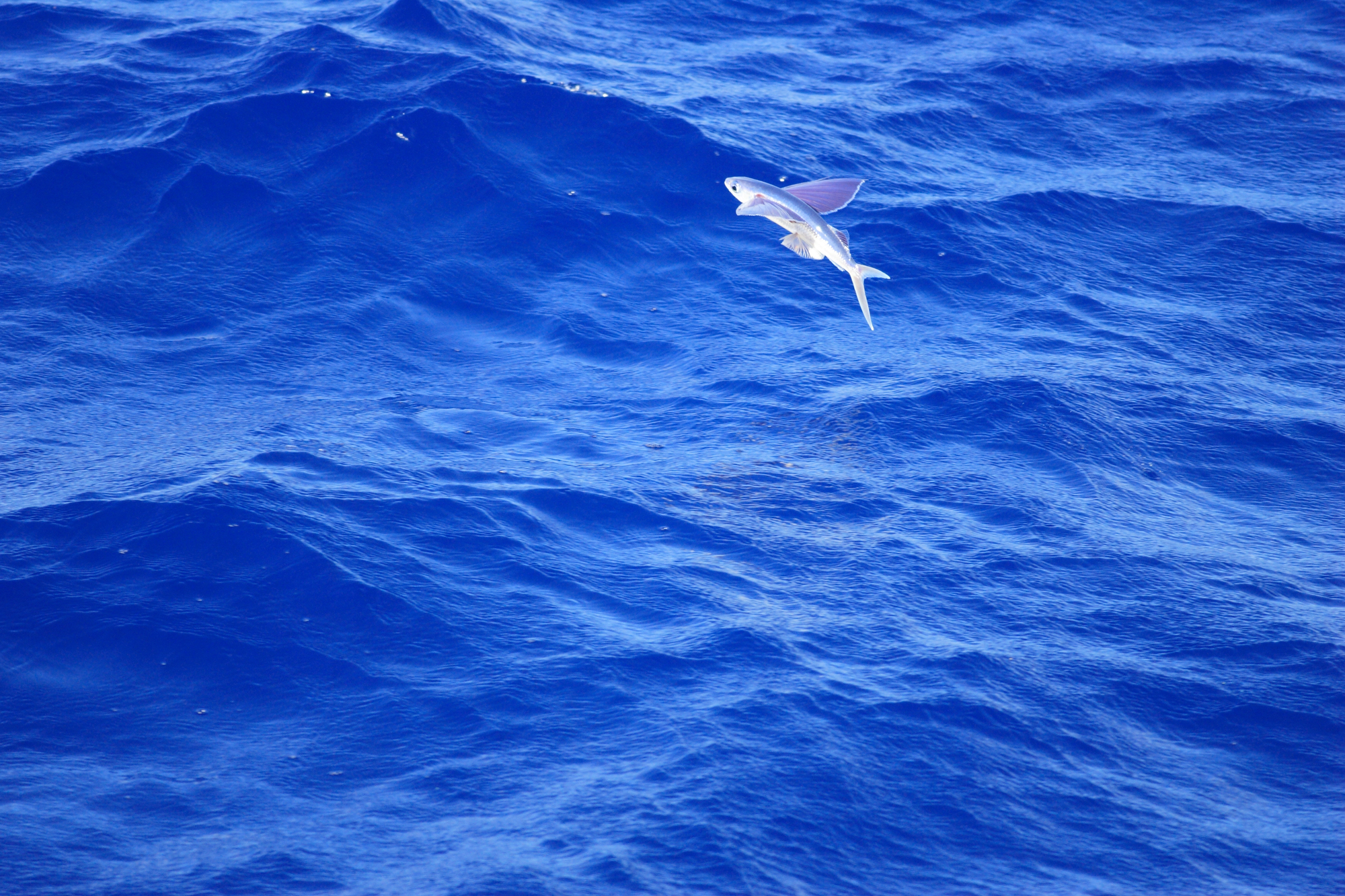
Flying fish have figured out how to cheat at being fish. When the water gets too dangerous or too slow, they just leave — launching themselves into the air at 35 mph and gliding for distances that can stretch several hundred feet before casually dropping back into the ocean like it’s the most natural thing in the world.
Those oversized pectoral fins aren’t wings exactly, but they work well enough to keep a fish airborne for 45 seconds at a time.
Which means they’ve essentially evolved the ability to switch elements when the first one stops working in their favor.
Kangaroo
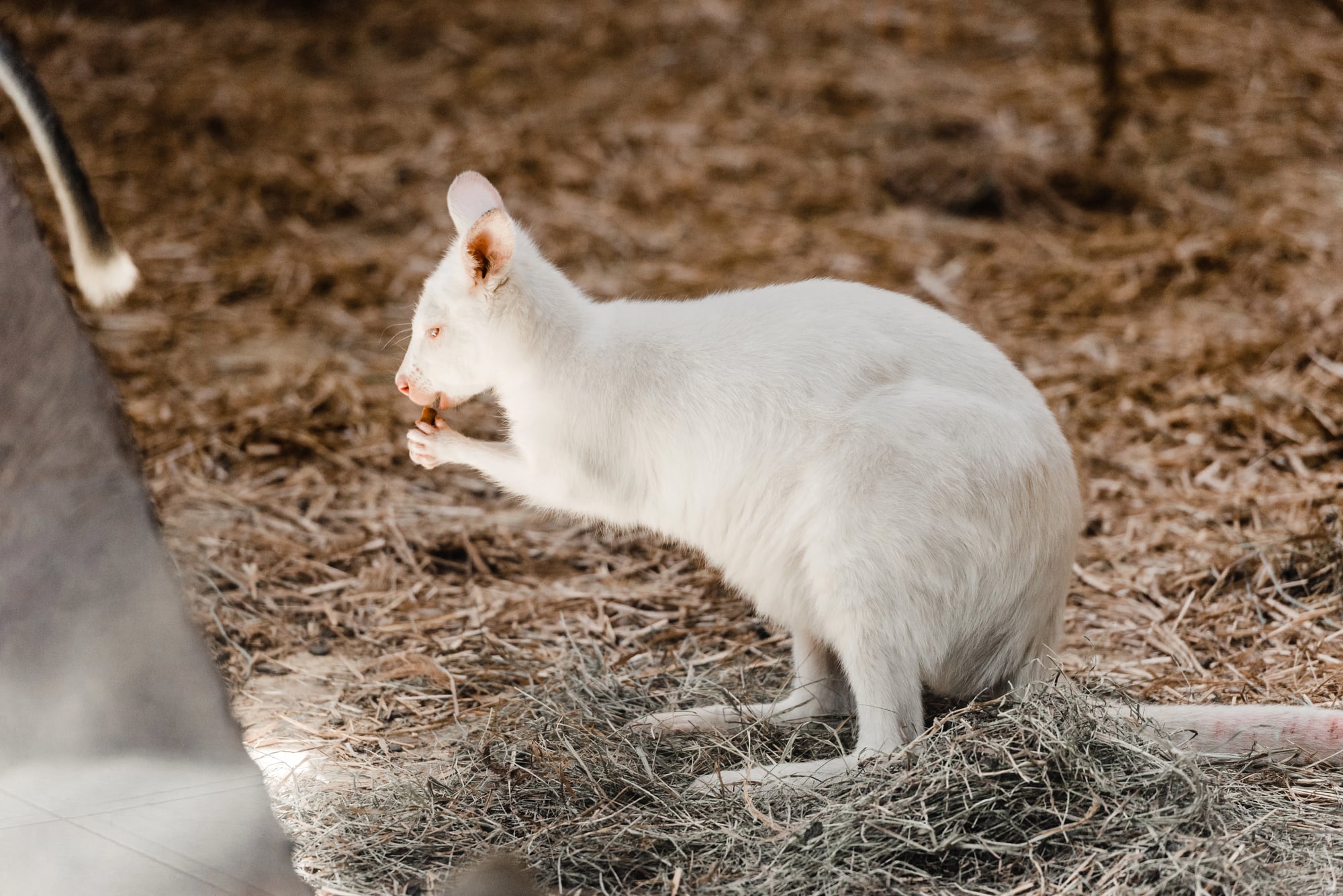
Kangaroos move like they’re bouncing on invisible trampolines, and the faster they go, the more efficient they become — which is exactly backwards from how most animals work, but kangaroos have never been particularly concerned with following conventional rules. At 35 mph, they’re not just hopping; they’re storing and releasing energy with each bound in a way that actually saves effort the longer they keep going.
Those tail isn’t just for balance; it’s a counterweight, a steering mechanism, and an extra leg all rolled into one muscular appendage that makes sharp turns possible at speeds that would send other animals sprawling.
The whole system is so perfectly calibrated that kangaroos can leap over obstacles, change direction mid-bound, and land ready for the next jump without breaking rhythm — turning what looks like an inefficient way to get around into one of the most energy-efficient forms of high-speed travel evolution has produced.
The Speed Paradox

Speed in nature isn’t really about being fast — it’s about being fast enough when it matters most. The cheetah burns out after 20 seconds, the peregrine falcon can’t sustain its dive speed, and even the tireless pronghorn has to stop eventually.
What separates the truly successful speedsters from the merely quick is knowing when to use that speed and when to save it. The animals that have survived millions of years aren’t necessarily the fastest ones; they’re the ones that figured out how to be exactly as fast as they needed to be, exactly when they needed to be it.
More from Go2Tutors!

- The Romanov Crown Jewels and Their Tragic Fate
- 13 Historical Mysteries That Science Still Can’t Solve
- Famous Hoaxes That Fooled the World for Years
- 15 Child Stars with Tragic Adult Lives
- 16 Famous Jewelry Pieces in History
Like Go2Tutors’s content? Follow us on MSN.