Oldest Cartoons Kids Still Recognize Today
Something extraordinary has occurred in the era of streaming and computer-generated imagery. Children’s imaginations are still captivated by characters that were developed almost a century ago.
Despite format changes, studio closures, and changing entertainment trends, these animated icons have endured across generations and continue to be ingrained in children’s culture. Why are these classic characters so timeless? Many have that unique blend of timeless appeal, universal humor, and straightforward design that appeals to children of all ages.
From iconic catchphrases to vintage slapstick, these animated icons never fail to attract new viewers. These 11 classic cartoons are still well-known and beloved by children today.
Felix the Cat

Created in 1919, Felix the Cat holds the distinction of being the first fully realized recurring animal character in American film animation. This black cat with his trademark grin, and in later TV cartoons, his magic bag of tricks that could transform into anything he needs, pioneered many animation techniques still used today.
Kids recognize Felix from his distinctive silhouette and that famous magic bag that can transform into anything he needs. Modern children encounter Felix through reboots, merchandise, and classic cartoon compilations that parents share with them.
Mickey Mouse
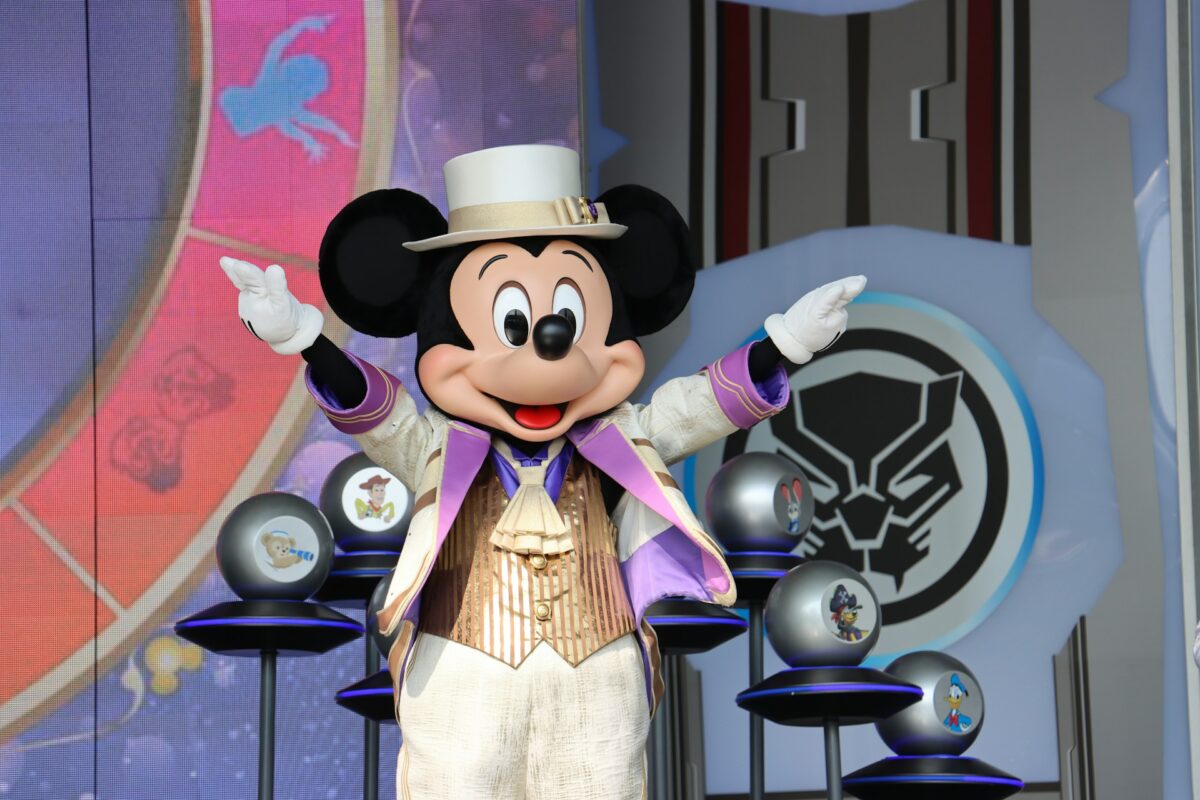
Walt Disney’s most famous creation debuted in 1928 with ‘Steamboat Willie’ and remains one of the most recognizable characters on Earth. Mickey’s appeal to modern kids comes through Disney’s continued investment in the character across multiple platforms.
From ‘Mickey Mouse Clubhouse’ to video games like Kingdom Hearts, new generations discover Mickey through fresh content while his classic shorts play on Disney+ and other streaming services.
Like Go2Tutors’s content? Follow us on MSN.
Popeye the Sailor
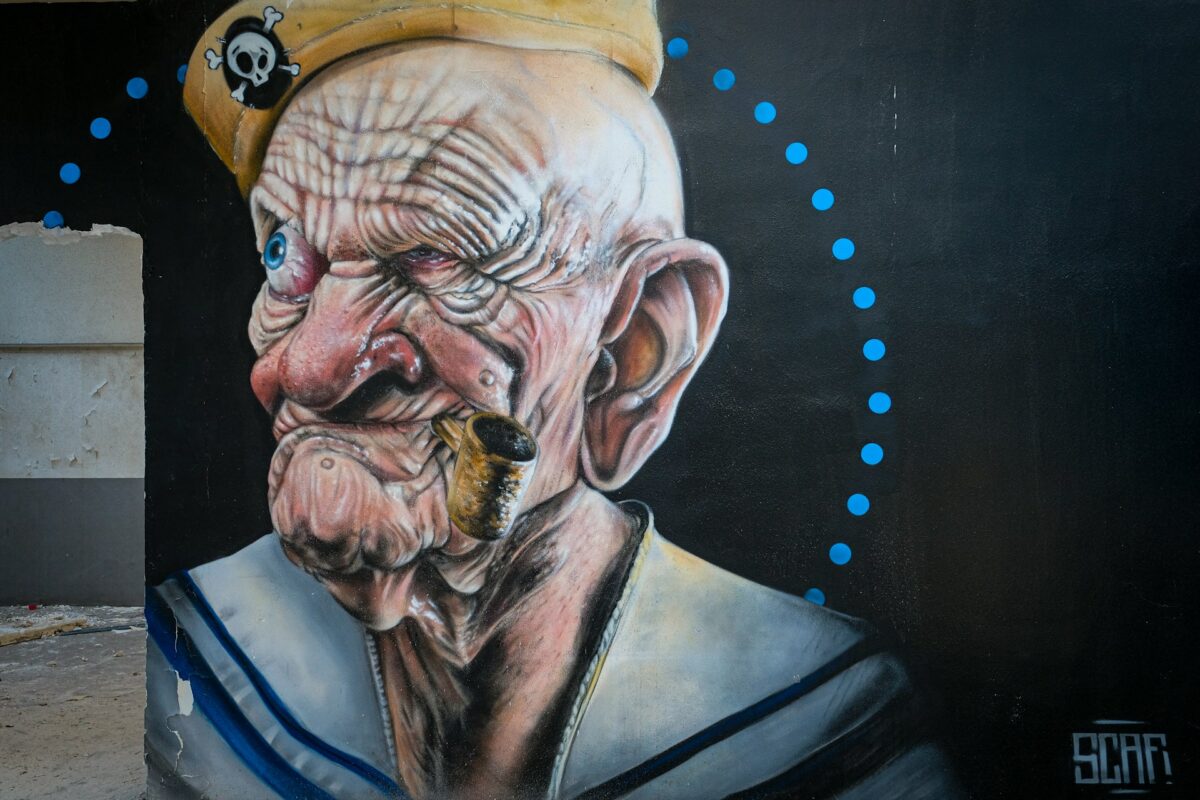
This spinach-loving sailor man first appeared in the 1929 comic strip Thimble Theatre and made his animated debut in 1933. Popeye became famous for his incredible strength and distinctive voice.
Kids today still recognize Popeye’s squinting eye, anchor tattoos, and that famous pipe. His ‘I yam what I yam’ philosophy resonates across generations, and parents often reference Popeye when encouraging children to eat their vegetables.
The character’s straightforward honesty and underdog spirit continue to appeal to young audiences.
Betty Boop
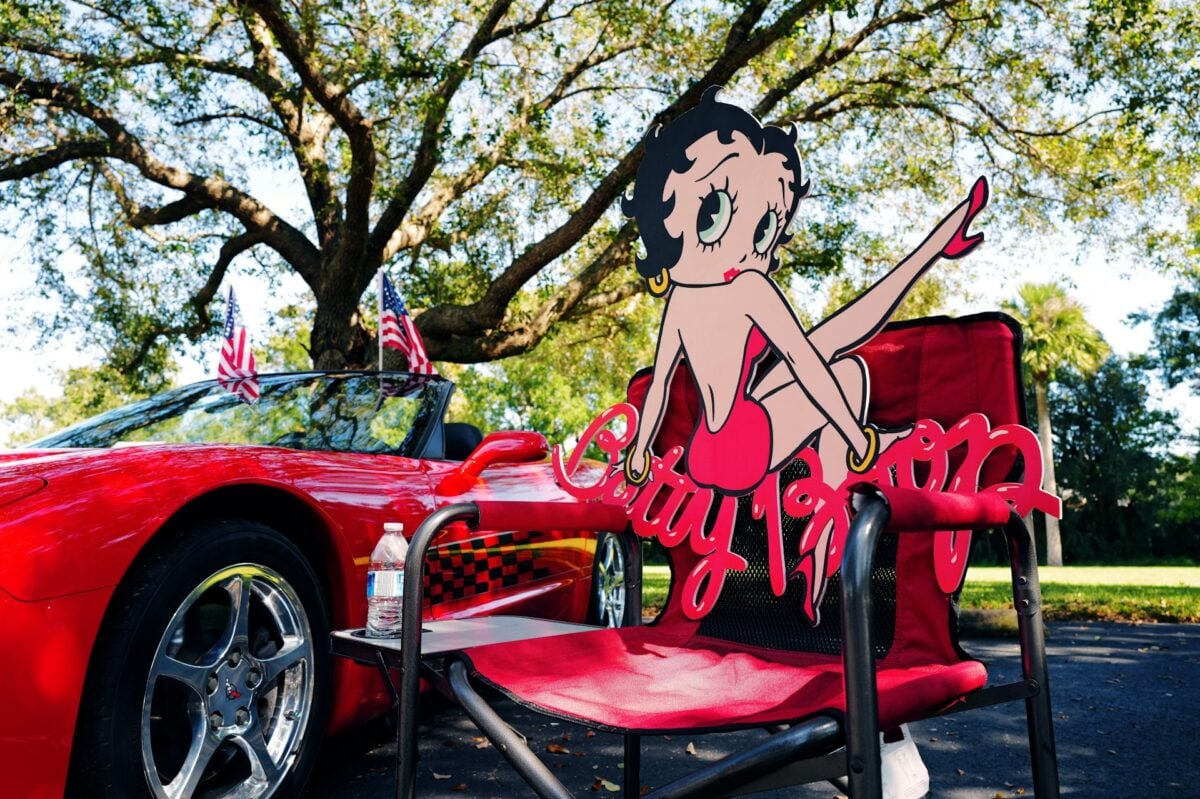
Betty Boop first appeared in 1930, evolving into her iconic human form by 1932 with her flirtatious charm and jazz-age flair. While her original cartoons were designed for adult audiences, her distinctive appearance and ‘boop-oop-a-doop’ catchphrase have made her instantly recognizable to kids today.
Children encounter Betty through vintage cartoon collections, merchandise, and cultural references in modern media, though her appeal now lies more in her iconic design than her original adult-oriented content.
Donald Duck
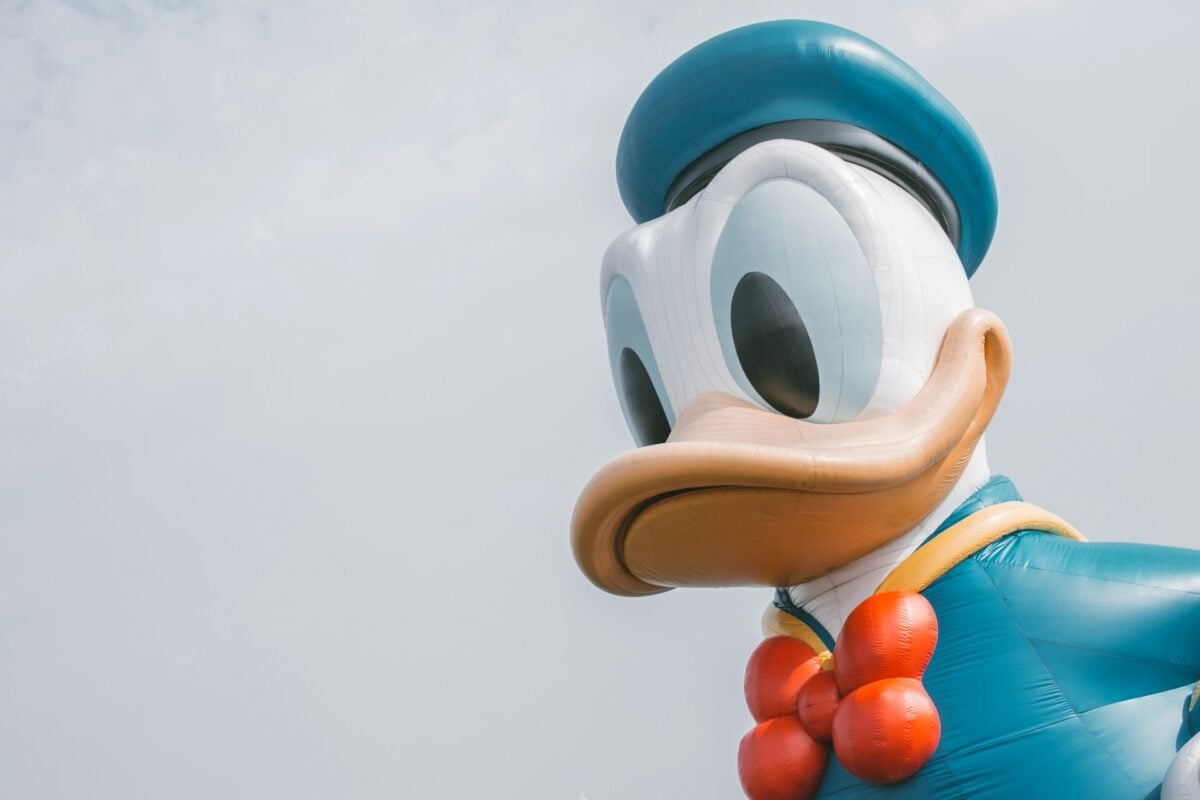
Donald Fauntleroy Duck made his debut in 1934 and quickly became one of Disney’s most beloved characters. His short temper, sailor outfit, and distinctive voice make him immediately recognizable to children worldwide.
Modern kids know Donald through continued Disney productions, theme park appearances, and the DuckTales franchise. His relatable frustrations and comedic outbursts still generate laughs from young audiences who understand the universal experience of things not going according to plan.
Like Go2Tutors’s content? Follow us on MSN.
Daffy Duck

First appearing in 1937, Daffy Duck became one of the first ‘screwball’ cartoon characters and remains a cornerstone of the Looney Tunes franchise. His jealous rivalry with Bugs Bunny and self-centered personality create comedy that kids still find hilarious.
Daffy appears regularly on Boomerang and other cartoon networks, ensuring new generations discover his zany antics. His catchphrases and over-the-top reactions to being upstaged continue to entertain children who appreciate his dramatic flair.
Bugs Bunny

The wise-cracking rabbit first appeared in 1940 and became the face of Warner Bros. animation.
His quick wit, ‘What’s up, Doc?’ catchphrase, and ability to outsmart any opponent make him endlessly appealing to kids.
Bugs Bunny cartoons still air regularly on television, and the character appears in modern movies and shows. Children love his cleverness and the way he always manages to turn the tables on his adversaries, making him a timeless trickster hero.
The Flintstones

Debuting in 1960 as the first prime-time animated series, The Flintstones transported modern family situations to the Stone Age. Fred, Wilma, Pebbles, and their neighbors the Rubbles remain recognizable to kids through reruns, merchandise, and cultural references.
Children enjoy the prehistoric setting with dinosaurs as pets and cars powered by foot, while the family dynamics feel familiar and relatable despite the ancient backdrop.
Like Go2Tutors’s content? Follow us on MSN.
Scooby-Doo
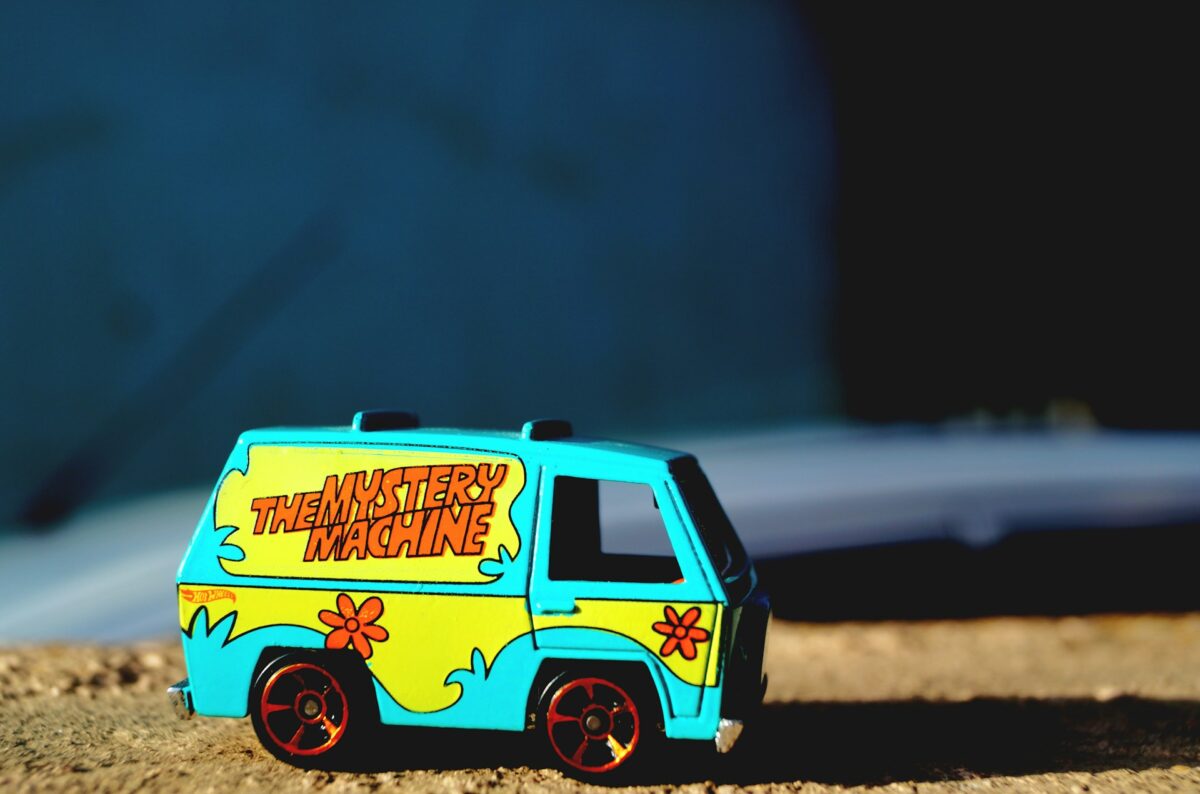
Although created in 1969, Scooby-Doo feels like he’s been around forever. The mystery-solving Great Dane and his human companions have spawned dozens of series, movies, and reboots that keep the franchise fresh for new audiences.
Kids love the combination of spooky mysteries and comedic characters, especially the food-loving duo of Scooby and Shaggy. The formula of unmasking fake monsters appeals to children’s sense of justice and problem-solving.
The Jetsons

George Jetson and his space-age family premiered in 1962, offering a futuristic counterpart to The Flintstones. Kids today find The Jetsons fascinating as a window into how people of the 1960s imagined the future.
Flying cars, robot maids, and houses in the sky capture young imaginations, while the family dynamics remain timeless. The show’s prediction of video calling and other technologies makes it feel surprisingly relevant to modern children.
Yogi Bear

Hanna-Barbera’s pic-a-nic basket-stealing bear first appeared in 1958 as a supporting character before starring in his own show in 1961. Yogi became one of television’s most beloved characters with his schemes to outsmart Ranger Smith at Jellystone Park.
His catchphrases and partnership with the loyal Boo-Boo create comedy that feels fresh to each new generation discovering these classic cartoons. Kids continue to appreciate Yogi’s clever plans and good-natured mischief.
Like Go2Tutors’s content? Follow us on MSN.
Road Runner and Wile E. Coyote

First appearing in 1949, this speed-versus-cunning rivalry has entertained children for decades. The Road Runner’s simple ‘Beep! Beep!’ and Wile E.
Coyote’s elaborate but doomed contraptions create perfect visual comedy. Kids love the predictable yet surprising outcomes of each chase, and the desert setting provides endless possibilities for creative mayhem.
The characters prove that sometimes the simplest concepts create the most enduring entertainment.
Casper the Friendly Ghost
This gentle spirit was created in 1939 for a storybook and made his animated debut in 1945. Casper became famous for wanting friendship instead of frightening people.
He appeals to kids because he represents the idea that being different doesn’t mean being scary. Children appreciate his kind nature and his struggles to make friends despite his supernatural status.
The character continues to appear in modern adaptations and merchandise, maintaining his place in popular culture.
Woody Woodpecker

First portrayed in 1940, Walter Lantz’s manic woodpecker gained notoriety for his unique laugh and frantic energy. Children are drawn to Woody’s irreverent humor and his capacity to wreak havoc wherever he goes.
Even though his original cartoons are becoming more difficult to locate on contemporary platforms, his vibrant style and endearing personality continue to make him recognizable to younger audiences.
Like Go2Tutors’s content? Follow us on MSN.
Timeless Appeal in a Digital Age
Because they represent universal themes that cut across both technology and cultural shifts, these vintage characters continue to be popular. These cartoons appeal to our fundamental human experiences of conflict, friendship, and humor, whether it’s Bugs outwitting Elmer Fudd, or Scooby cracking cases.
Children can read them right away thanks to their straightforward illustrations and distinct characters, and parents continue to share them with younger generations due to their demonstrated entertainment value. These classics serve as a reminder that great characters only need charm, personality, and heart to captivate audiences across decades, even in an era of intricate animation and sophisticated storytelling.
More from Go2Tutors!

- 16 Historical Figures Who Were Nothing Like You Think
- 12 Things Sold in the 80s That Are Now Illegal
- 15 VHS Tapes That Could Be Worth Thousands
- 17 Historical “What Ifs” That Would Have Changed Everything
- 18 TV Shows That Vanished Without a Finale
Like Go2Tutors’s content? Follow us on MSN.