17 unusual art forms from around the world
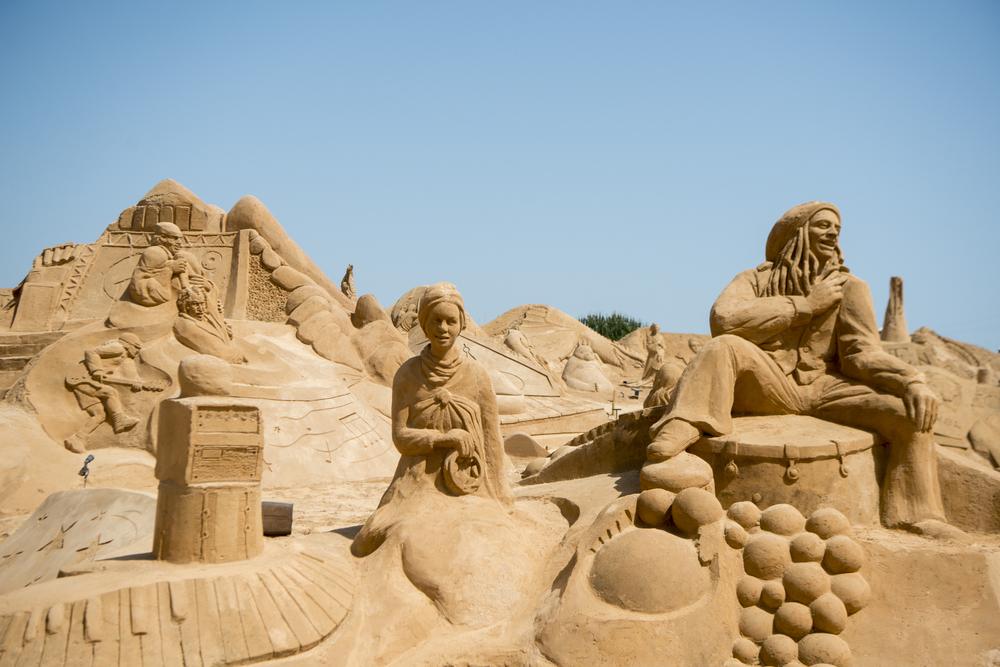
Art is not just about paintings on walls or sculptures in museums. Around the world, people create amazing things using unusual materials and methods. These art forms might surprise you because they use everyday objects or take a lot of time and skill. Each one is special and tells a story about the people and places behind it.
Let’s take a closer look at some of the most unusual art forms that show just how creative humans can be. You might discover something new and interesting in each one.
Sandpainting (Navajo, USA)

Sandpainting is a traditional art of the Navajo people. They use colored sand to create detailed, temporary designs on the ground. These paintings are part of healing ceremonies, so they are made with care and respect. After the ritual, the sandpainting is usually destroyed, showing the art’s deep connection to life and nature. The colors and patterns are full of meaning and stories passed down for generations.
Body painting (various cultures)

Body painting involves using the human body as a canvas. Many cultures use this art form for celebrations, rituals, or storytelling. From the bright patterns of the indigenous people in Australia to the intricate designs of Indian festivals, body painting can express identity and tradition. This living art changes with the person’s movements and lasts only a short time, making it special and unique each time.
Ice carving (Arctic regions)

In cold parts of the world, ice becomes the material for amazing sculptures. Ice carving artists shape blocks of ice into animals, buildings, or even furniture. The sculptures look stunning in the sunlight and glow with a clear, frosty shine. This art lasts only as long as the ice holds its form, so it’s a reminder of beauty that fades quickly. Ice carving requires speed and skill because the sculptures can melt or break easily.
Rice art (Asia)

Rice art uses grains of rice as tiny canvases for painting or engraving. Artists carefully paint tiny images or messages on rice grains, often using a magnifying glass. This delicate work takes patience and steady hands. In some cases, entire portraits or scenes fit on a single grain. Rice art shows how even the smallest things can hold big meaning.
Driftwood sculpture (coastal regions)

Driftwood sculptures use wood pieces found along beaches and rivers. Artists collect weathered, worn wood and turn it into animals, people, or abstract shapes. The natural look of driftwood gives these sculptures a rough, earthy feel. Each piece of wood has its own history, shaped by water and time. This art connects the artist with nature’s movements and forces.
Thread painting (India)

Thread painting is a textile art where threads create pictures instead of traditional paint. Using colorful threads and fabric, artists stitch detailed images that look like paintings. This technique takes hours of work and sharp attention to detail. The finished piece has texture and depth that regular paint cannot match. Thread painting blends art with craft in a beautiful way.
Leaf carving (China)
Leaf carving turns ordinary leaves into delicate art. Artists cut tiny, intricate shapes out of dried leaves to create images or patterns. The process requires extreme care because leaves are fragile. The final pieces look like fine lace or paper cutouts. Leaf carving highlights the beauty found in everyday natural materials.
Tibetan sand mandalas

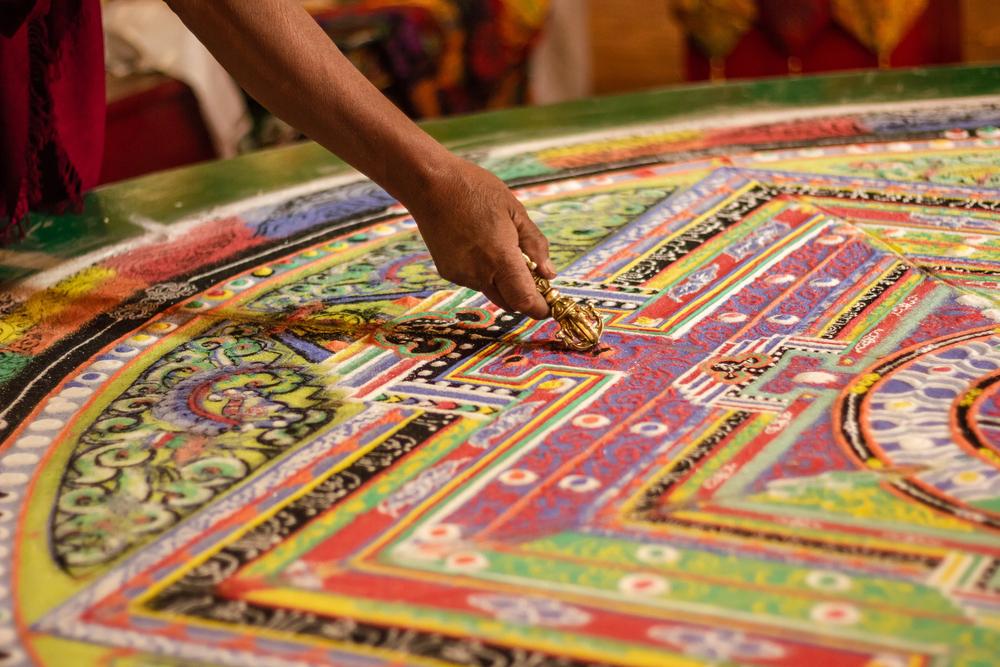
Tibetan monks create sand mandalas as part of spiritual practice. They carefully place colored sand in patterns that take hours or days to complete. The mandalas symbolize the universe and are used for meditation and healing. Once finished, monks sweep the sand away to remind viewers about the temporary nature of life. The process is as important as the final artwork.
Pebble mosaics (various cultures)
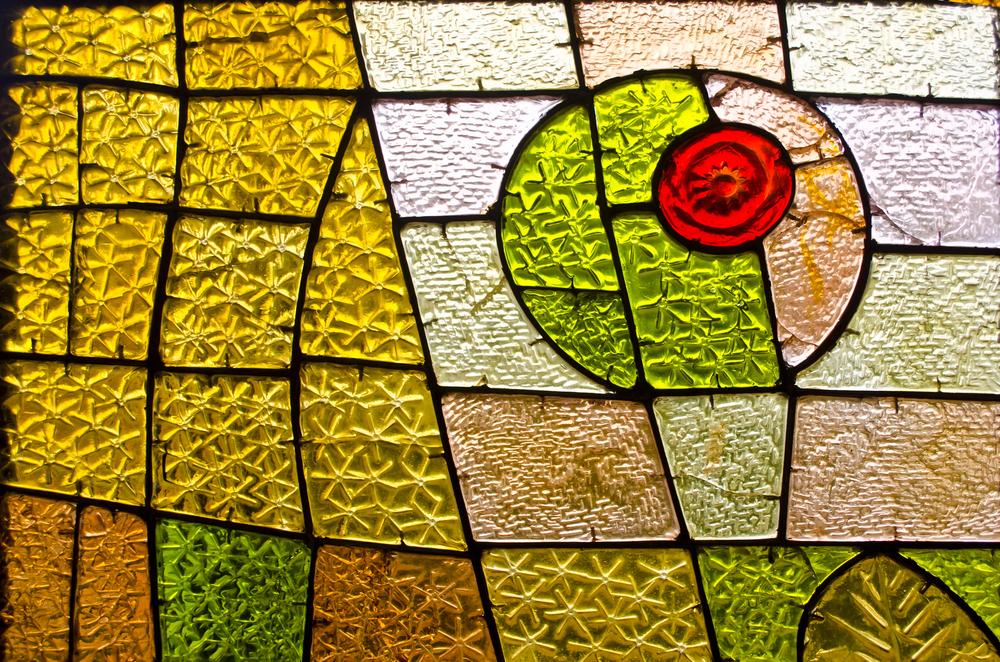
Pebble mosaics arrange small stones into pictures or patterns. These mosaics often decorate floors, walls, or outdoor spaces. The stones’ colors and shapes combine to create designs that are both natural and artistic. Pebble mosaics require patience to fit each piece just right. Many ancient cultures used this art form to tell stories or decorate important places.
Glass blowing (Venice, Italy)

Glass blowing is an art where molten glass is shaped by blowing air through a tube. Venetian artists have mastered this craft for centuries, creating delicate vases, sculptures, and jewelry. The process takes skill to control heat and shape the glass. Each piece is unique because glass can stretch, twist, or bubble in different ways. This art captures light and color in a way few materials can.
Sand animation (global)
Sand animation is a form of storytelling where artists move sand on a lit surface to create images. The pictures shift and change as the artist works, forming new scenes and shapes. This art is often performed live, adding excitement for viewers. Sand animation shows how simple materials can tell powerful stories with movement and light.
Tatreez embroidery (Palestine)

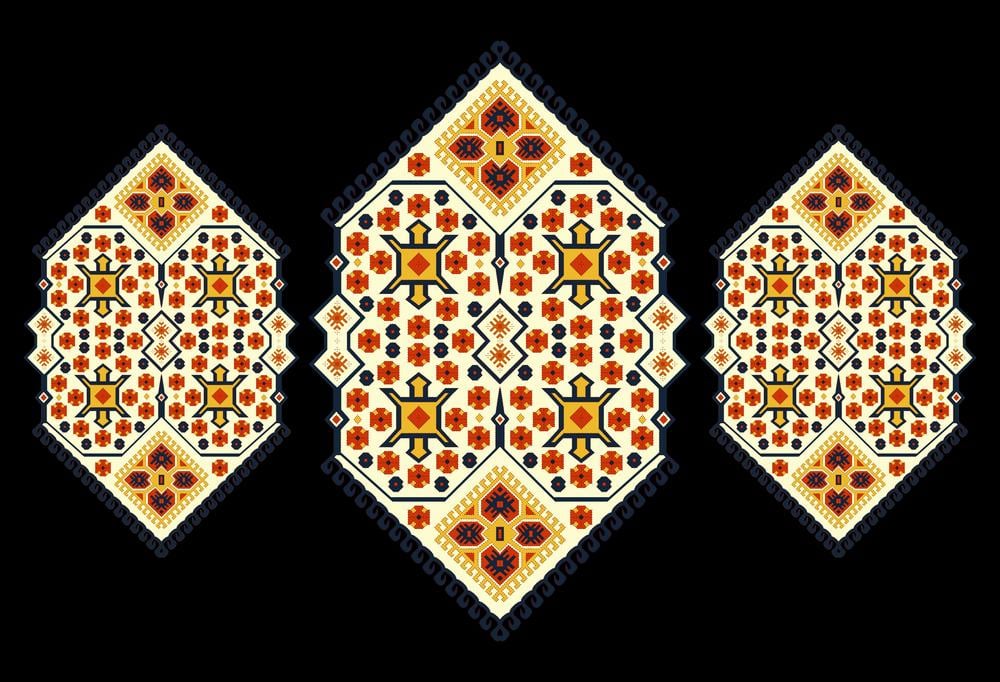
Tatreez is traditional Palestinian embroidery with geometric patterns and bright colors. The stitches tell stories of heritage, daily life, and hope. This art is often passed down through families, with each generation adding its own style. Tatreez designs appear on clothing, bags, and home items, keeping history alive in fabric. It’s a symbol of identity and resilience.
Pyrography (worldwide)

Pyrography means “writing with fire.” Artists burn designs onto wood or leather using heated tools. The result looks like a drawing made with dark lines and shading. This art can create portraits, landscapes, or decorative patterns. Pyrography requires control to avoid burning too deep or unevenly. The warm tones and textures make the artwork feel natural and inviting.
Nail art (modern global)

Nail art decorates fingernails with tiny paintings, gems, or patterns. It has grown into a popular form of personal expression worldwide. Artists use fine brushes and small tools to create detailed designs on a very small surface. Nail art changes quickly, reflecting trends and moods. Despite its size, it shows how creativity can fit anywhere.
Henna art (Middle East and South Asia)

Henna art uses a natural paste to draw temporary designs on skin, often on hands and feet. These designs are part of celebrations like weddings and festivals. The patterns range from simple to very complex, filled with shapes and symbols. Henna art fades over days, making it a temporary but beautiful way to express culture and joy.
Kinetic sculpture (various countries)

Kinetic sculptures move, powered by wind, motors, or touch. These artworks combine art and engineering to create changing shapes and patterns. The motion adds a new layer of experience, surprising and delighting viewers. Kinetic sculptures can be small mobiles or large outdoor installations. They show how art can come alive through movement.
Quilling (ancient and modern)

Quilling rolls and shapes thin strips of paper to form detailed designs. This paper craft dates back centuries but remains popular today. Artists create flowers, animals, and intricate patterns using this simple material. Quilling requires patience and a steady hand. The finished pieces have a delicate, lace-like quality that draws the eye.
The connection between culture and creativity

These unusual art forms show how creativity takes many shapes around the world. They reflect the values, history, and environment of the places they come from. Many of these arts use everyday materials in surprising ways. They remind us that art is everywhere, not just in galleries or museums. Exploring these forms opens a window to different cultures and the ways people express themselves.
More from Go2Tutors!

- The Romanov Crown Jewels and Their Tragic Fate
- 13 Historical Mysteries That Science Still Can’t Solve
- Famous Hoaxes That Fooled the World for Years
- 15 Child Stars with Tragic Adult Lives
- 16 Famous Jewelry Pieces in History
Like Go2Tutors’s content? Follow us on MSN.



