15 Dangerous Culinary Techniques Banned Globally
The kitchen has always been a place where curiosity meets tradition, where chefs push boundaries and diners trust the hands that prepare their meals. But not every culinary technique survives the test of time or regulatory scrutiny.
Some methods that once delighted adventurous eaters have been deemed too risky for public consumption, banned by health authorities across the globe. These aren’t just outdated practices — they’re techniques so hazardous that governments stepped in to protect both chefs and diners from serious harm.
Fugu Preparation by Unlicensed Chefs
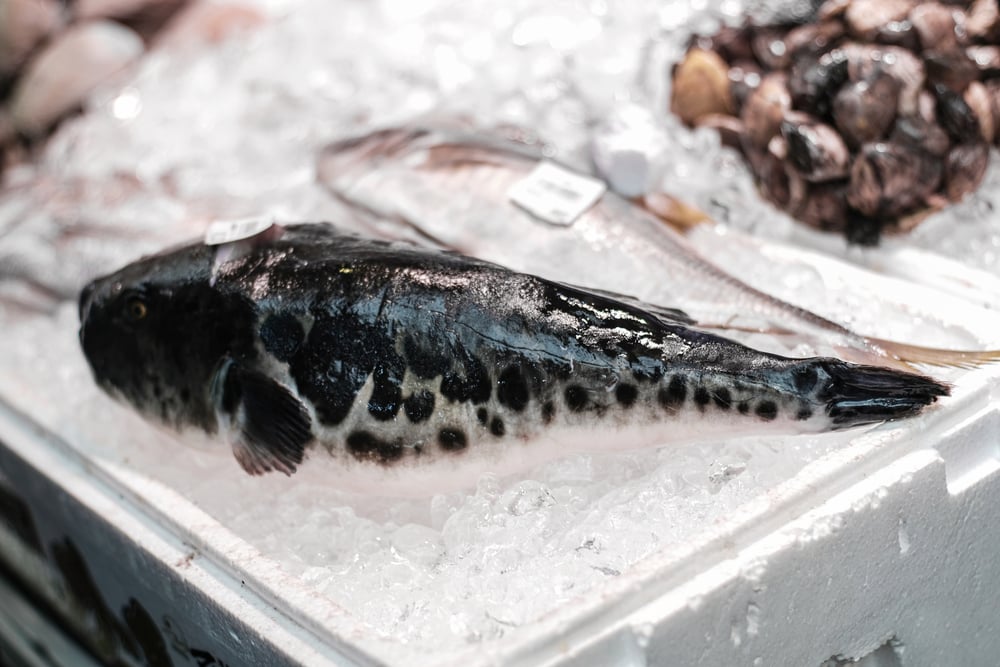
Licensed fugu preparation takes three years to master. The pufferfish contains enough tetrodotoxin to kill thirty adults.
One wrong cut and the chef becomes a killer. Most countries simply ban fugu entirely rather than risk improper preparation.
Japan allows it, but only after rigorous certification that resembles medical training more than culinary school.
Absinthe Production with Wormwood

The green fairy earned its reputation through thujone, a compound in wormwood that causes seizures and hallucinations when consumed in large quantities. Traditional absinthe production concentrated these toxins to dangerous levels, leading to widespread bans across Europe and North America in the early 1900s.
Modern absinthe must contain less than 10 parts per million of thujone (compared to historical levels that reached 260 ppm), and many countries still prohibit the traditional distillation methods that made the original versions so potent. The romance of 19th-century Parisian cafes couldn’t overcome the reality of neurological damage.
Casu Marzu Cheese Aging
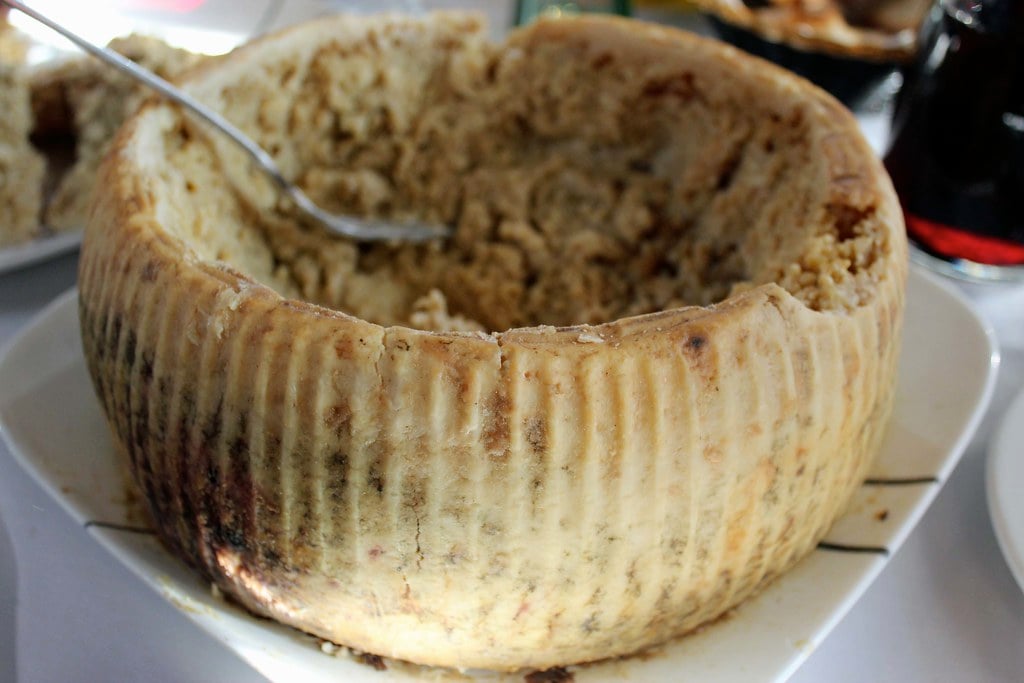
Picture this: you’ve spent months perfecting a wheel of Pecorino, only to deliberately introduce flies to lay eggs in the paste, then wait for their larvae to literally eat the cheese from the inside out. The maggots aren’t just an unfortunate side effect — they’re the entire point, transforming the texture and flavor through their digestive process.
Some traditionalists insist the maggots should still be wriggling when you eat the cheese (a sign of freshness, they argue, since dead larvae indicate the cheese has gone bad). The European Union banned commercial sale of casu marzu because — and this shouldn’t surprise anyone — consuming live insect larvae poses serious health risks.
The maggots can survive stomach acid and potentially cause intestinal damage. So while Sardinian families still make it at home, you won’t find it in any legitimate restaurant outside certain protected traditional contexts.
Flambe Techniques in Confined Spaces

Lighting alcohol on fire near paying customers is fundamentally dangerous. Fire codes exist because dining rooms burn down.
Insurance companies learned this lesson before restaurant owners did, which explains why most policies explicitly exclude flambe-related incidents unless specific safety protocols are followed.
Blood Sausage from Unregulated Sources

There’s something primal about eating blood — it connects modern diners to ancestral practices that stretch back millennia, when nothing edible was wasted and every part of an animal served a purpose. Traditional blood sausages (morcilla, boudin noir, black pudding) represent this philosophy at its most honest: fresh blood mixed with fat, grain, and spices, then stuffed into casings and cooked until the proteins set into something surprisingly delicate.
But blood spoils faster than almost any other animal product, and when it goes bad, it becomes a breeding ground for pathogens that can cause severe illness or death. The window between fresh and dangerous is measured in hours, not days.
Commercial blood sausage production requires strict temperature controls, certified sources, and rapid processing that most small-scale producers simply cannot maintain. Many countries now prohibit blood sausage made from unregulated or home-slaughtered animals, recognizing that romantic notions about traditional food preparation don’t override basic food safety requirements.
Hot Oil Deep Frying Above 375°F

Professional kitchens that push oil temperatures beyond 375°F are essentially operating small refineries without proper safety equipment. The oil breaks down into toxic compounds while simultaneously becoming more likely to ignite spontaneously.
Restaurant fires caused by overheated oil occur weekly across major cities, which explains why commercial insurance often mandates automatic temperature controls on deep fryers. Home cooks who attempt these temperatures fare even worse — burns from superheated oil require skin grafts, assuming the house doesn’t burn down first.
Raw Milk Cheese Aging Under 60 Days
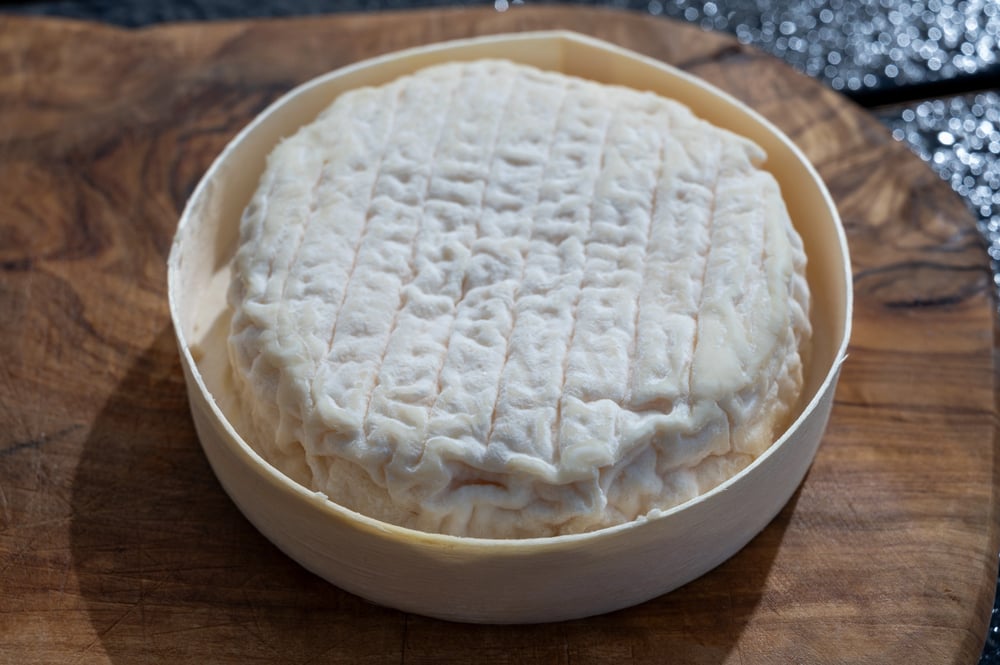
Fresh cheese made from unpasteurized milk walks a tightrope between incredible flavor and serious illness (the kind that lands people in hospitals with kidney failure and neurological damage). Traditional cheesemakers argue that pasteurization destroys the complex bacterial cultures that create truly exceptional cheese, and they’re not wrong — raw milk cheeses do taste different, often better, than their pasteurized counterparts.
But raw milk harbors pathogens like Listeria, E. coli, and Salmonella that only time and careful aging can neutralize. The 60-day aging requirement exists because research shows that properly aged raw milk cheeses develop enough acidity and beneficial bacteria to kill most dangerous microorganisms.
Anything younger than 60 days remains a gamble. The FDA maintains this rule strictly, while European regulators allow some flexibility for traditional varieties with proven safety records.
Either way, the days when any farmer could sell fresh raw milk cheese at local markets are over.
Lungs in Sausage Making
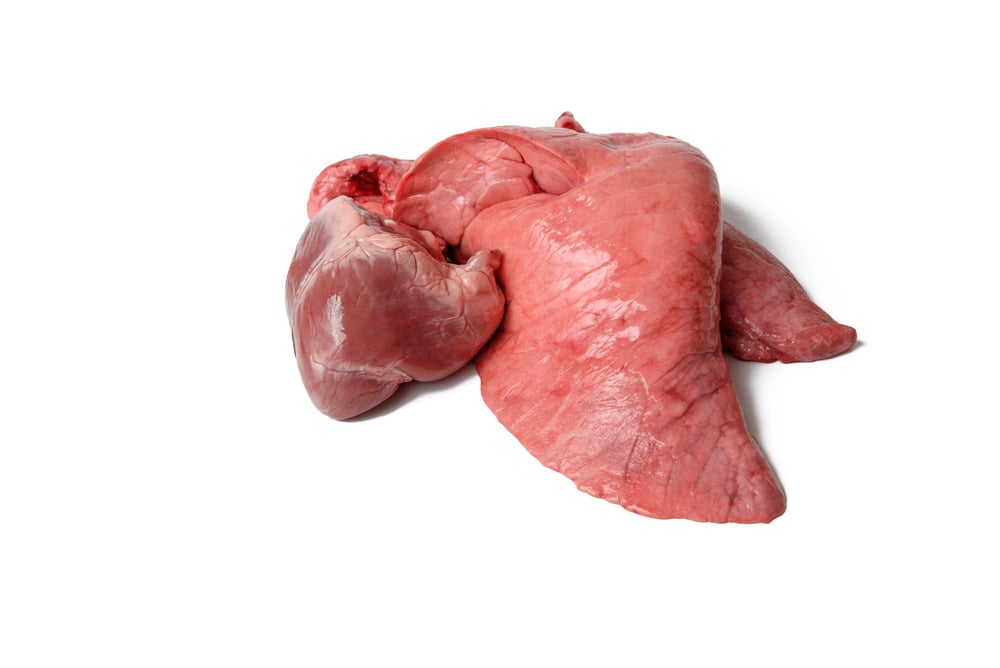
Lungs soak up everything the animal breathed. Every pollutant, every particle, every airborne contaminant gets filtered through lung tissue and stays there.
The USDA restricts but does not prohibit lungs in processed meat products; limitations exist on quantity and application, but lungs remain legal for use in certain contexts. Traditional haggis recipes had to be reformulated for American markets, though Scottish producers still include them where legally permitted.
Sassafras Root Beer Production

The root beer of childhood memory contained actual sassafras root, which gave it a distinct flavor that artificial substitutes never quite replicate. Traditional sassafras brewing involved boiling the roots into a concentrated syrup, then mixing it with carbonated water and other botanicals to create something that tasted like a cross between wintergreen and vanilla, with earthy undertones that commercial root beers lack entirely.
Turns out sassafras contains safrole, a compound that causes liver cancer in laboratory animals when consumed regularly. The FDA banned safrole-containing sassafras from food production in 1960, forcing root beer manufacturers to switch to artificial flavoring or safrole-free sassafras extracts.
Traditional brewers who ignored the ban faced serious legal consequences. Modern craft brewers occasionally attempt to recreate historical sassafras root beer using legal alternatives, but none capture the original flavor profile that made sassafras-based sodas popular in the first place.
Sometimes chemistry simply cannot be cheated.
Miracle Berry Flavor Modification

Miracle berries contain miraculin, a protein that binds to taste buds and makes everything sour taste sweet for up to two hours. Lemons taste like candy.
Vinegar becomes fruit juice. The effect is so dramatic that some restaurants experimented with miracle berry tastings where diners would eat the berries, then sample foods that would normally be inedible.
The problem isn’t the berries themselves — they’re perfectly safe. The danger comes from what happens when people can’t taste sourness properly.
Citric acid still damages tooth enamel even when it tastes sweet, and people under the influence of miracle berries tend to consume dangerous amounts of acidic foods and drinks. Several countries now regulate miracle berries as a controlled substance rather than a food item, recognizing that anything that fundamentally alters perception poses inherent risks regardless of its natural origin.
Traditional Moonshine Distillation
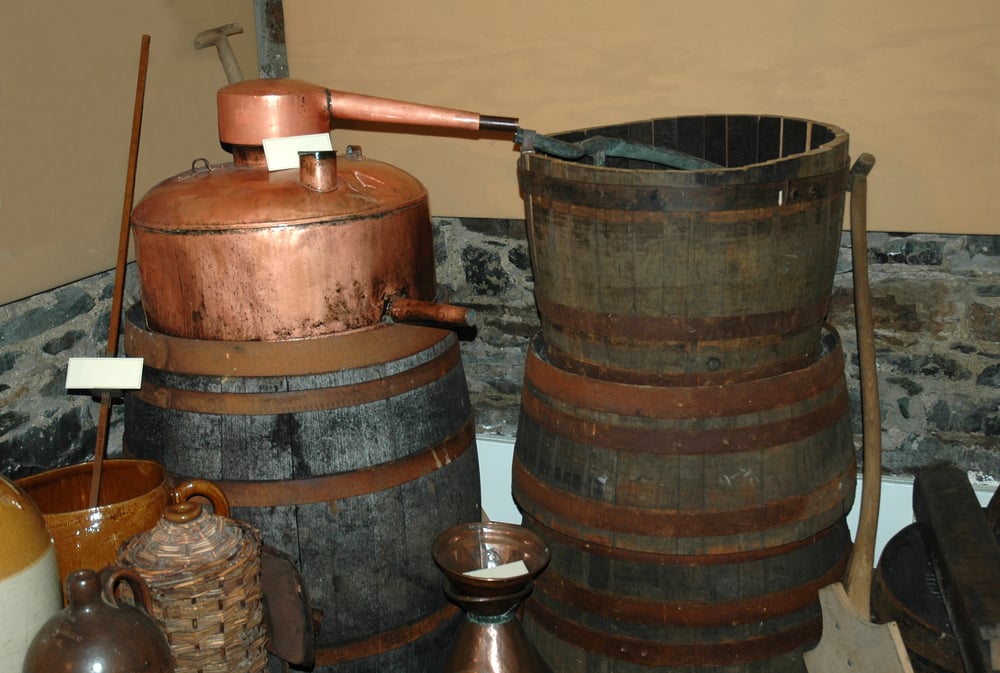
Prohibition ended, but the safety concerns that made moonshine dangerous never disappeared. Home distillation produces methanol alongside ethanol, and separating them requires knowledge that most amateur distillers lack.
Methanol causes blindness and death in surprisingly small quantities. Commercial distilleries use precise temperature controls and multiple distillation runs to eliminate methanol, while backyard operations rely on guesswork and hope.
Kava Root Traditional Preparation
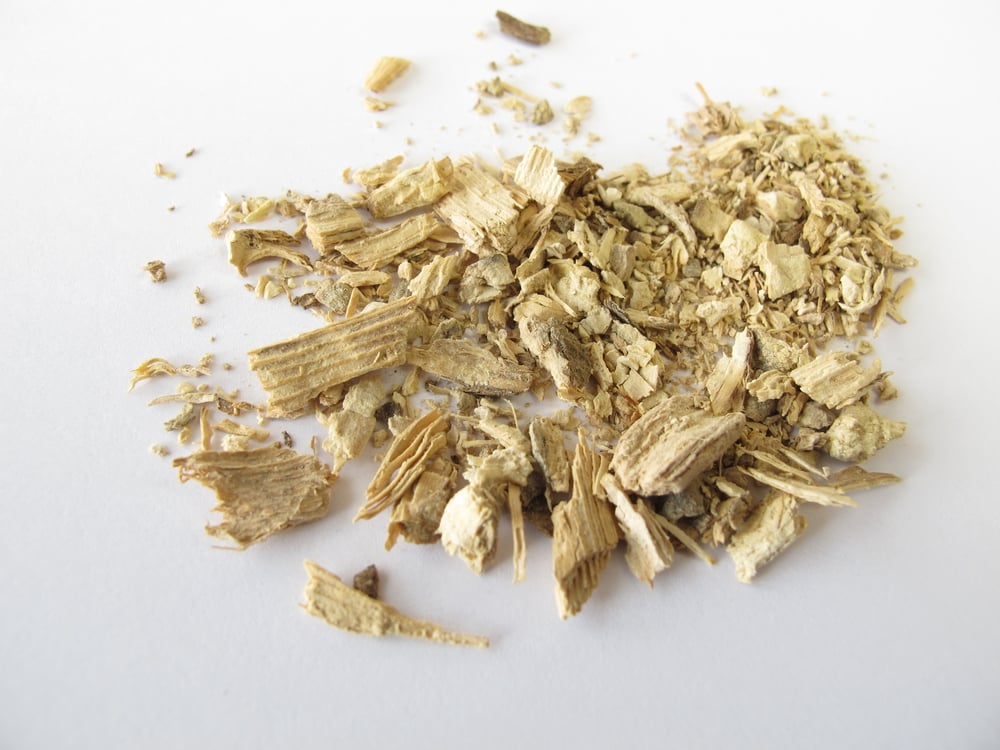
Traditional kava preparation involves young people chewing the root and spitting it into a communal bowl, where enzymes in human saliva break down the plant matter to release psychoactive compounds. The mixture is then strained and consumed by the entire group as part of ceremonial or social gatherings.
While kava itself poses minimal health risks when prepared properly, the traditional chewing method creates obvious problems with disease transmission. Hepatitis, herpes, and other communicable diseases spread easily through shared saliva, making traditional kava preparation a public health concern in communities where multiple infectious diseases circulate.
Most countries that allow kava consumption now require mechanical preparation methods rather than traditional chewing. The ceremonial aspect may be diminished, but participants no longer risk serious illness from contaminated saliva.
Century Egg Production in Uncontrolled Environments

Century eggs (or thousand-year-old eggs, though they age for weeks rather than centuries) involve preserving chicken, duck, or quail eggs in an alkaline mixture of clay, ash, salt, quicklime, and rice hulls until the yolk becomes cheese-like and the white turns brown and jelly-like. When done properly, they’re perfectly safe and considered a delicacy across much of Asia.
The problem arises with uncontrolled production environments where temperature, pH levels, and contamination cannot be properly managed. Traditional century egg making relied on consistent cool temperatures and specific alkalinity levels that amateur producers often cannot maintain.
When the process goes wrong, the eggs become breeding grounds for dangerous bacteria rather than preserved delicacies. Most countries now require century eggs to be produced in licensed facilities with proper environmental controls, effectively banning the traditional home production methods that sustained the practice for centuries.
Snake Wine Fermentation
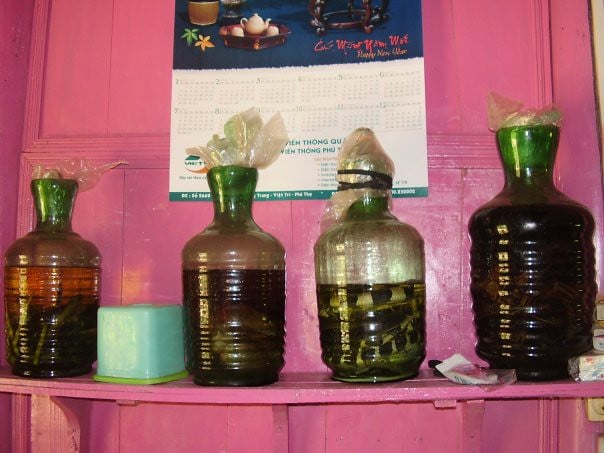
Snake wine production involves placing whole venomous snakes in rice wine and letting them ferment for months or years. The alcohol supposedly neutralizes the venom while extracting medicinal properties from the snake.
Traditional producers claim the resulting wine treats everything from hair loss to impotence, though scientific evidence supporting these claims remains scarce. The obvious problem is venom stability — some snake venoms remain active even after prolonged alcohol exposure, and amateur producers rarely understand which species pose ongoing risks or how to properly neutralize toxins.
Additionally, many snake wines contain endangered species, making their production illegal under wildlife protection laws regardless of safety concerns. Most countries classify snake wine as both a dangerous substance and a wildlife trafficking violation, effectively ending traditional production methods that relied on locally caught venomous species.
Bitter Almond Oil Extraction
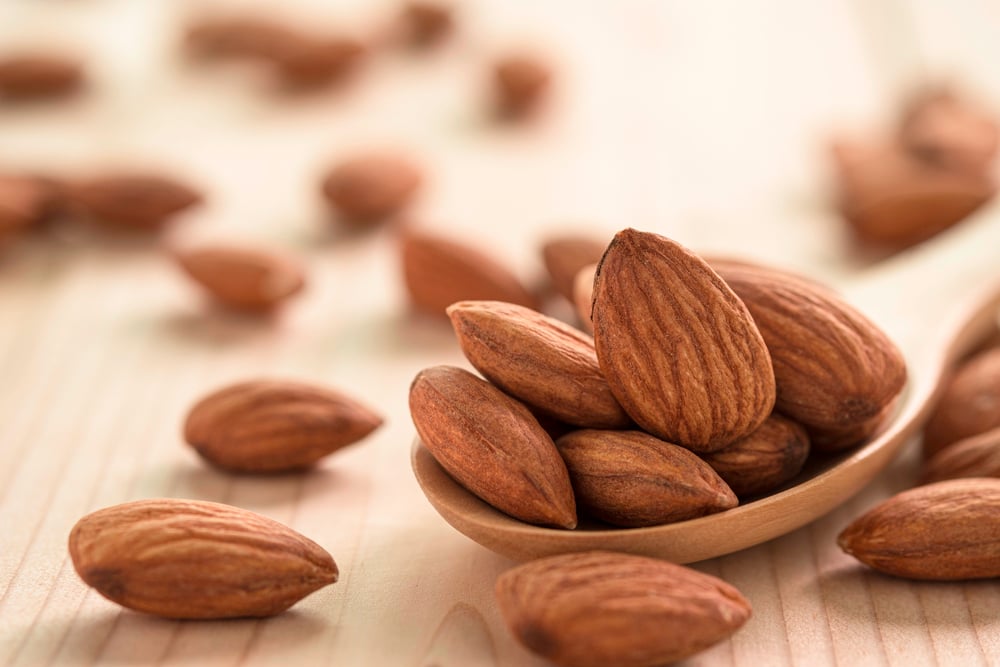
True bitter almond oil contains hydrogen cyanide, the same compound used in gas chambers. Traditional extraction methods concentrated these toxins to levels that could kill with just a few drops.
Commercial almond flavoring uses synthetic compounds or steam distillation that removes the cyanide. Home extraction of bitter almonds remains illegal in most countries because the margin between flavoring and poison is too narrow for amateur producers to navigate safely.
The Price of Culinary Adventure
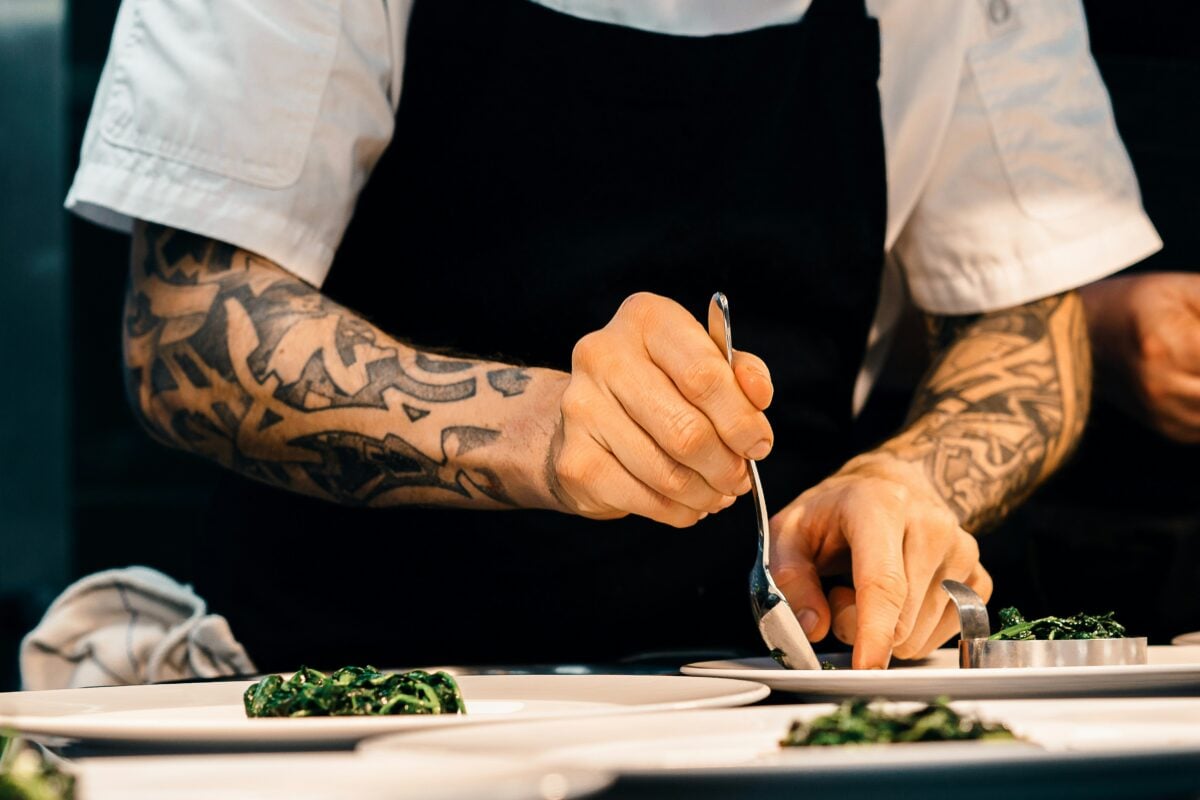
Food connects us to culture, tradition, and each other in ways that extend far beyond simple nutrition. Each banned technique represents not just a safety concern, but a lost connection to ancestral knowledge and traditional practices that sustained communities for generations.
The regulations exist for good reasons — too many people suffered serious harm or death from techniques that seemed harmless until they weren’t. Yet something valuable disappears when regulatory necessity overrides cultural tradition.
These banned techniques remind us that cooking has always been an act of faith between those who prepare food and those who consume it. Perhaps the real lesson isn’t that we should avoid all culinary risks, but that we should understand them well enough to make informed decisions about which traditions deserve preservation and which ones belong safely in the past.
More from Go2Tutors!

- The Romanov Crown Jewels and Their Tragic Fate
- 13 Historical Mysteries That Science Still Can’t Solve
- Famous Hoaxes That Fooled the World for Years
- 15 Child Stars with Tragic Adult Lives
- 16 Famous Jewelry Pieces in History
Like Go2Tutors’s content? Follow us on MSN.



