14 Holiday Traditions We’ve Abandoned
Holiday celebrations have evolved dramatically over the decades, though some traditions simply vanished without anyone really noticing. These customs once anchored family life around elaborate rituals that now seem impossibly time-consuming. The shift from handcrafted celebrations to convenient alternatives tells a broader story about American culture — from formal parlor gatherings to casual living room hangouts, from weeks of preparation to same-day execution.
Most of these disappeared practices demanded skills, patience, and social structures that don’t align with contemporary life. Here is a list of 14 holiday traditions that have largely faded from modern American celebrations.
Making Homemade Christmas Cards

Entire families would dedicate November evenings to crafting personalized Christmas cards — construction paper spread across kitchen tables, glitter everywhere, family photos carefully glued in place. Kids practiced their best handwriting for inside messages while parents addressed envelopes, creating one-of-a-kind greetings that recipients actually treasured.
Digital communication changed everything, though. Modern families fire off quick holiday texts or post festive photos on social media rather than investing hours in physical card creation.
Caroling Door-to-Door

Bundled-up groups of neighbors and church members used to wander through residential areas, offering impromptu Christmas concerts at any door that opened. Homeowners would frequently invite these musical visitors inside for hot cocoa — creating genuine community moments during the coldest nights of the year.
Safety worries plus packed schedules have essentially killed this tradition. The few caroling groups that remain stick to nursing homes or organized events instead of surprising random households.
Like Go2Tutors’s content? Follow us on MSN.
Elaborate New Year’s Calling

Victorian Americans treated New Year’s Day like a social marathon — men would dress formally and spend the entire day making rounds to friends’ and neighbors’ homes in order of social importance. Women stayed put to receive these visitors, preparing elaborate refreshments and maintaining perfect hospitality throughout the day.
This exhausting custom required intricate knowledge of social etiquette yet consumed January 1st completely. Contemporary New Year’s celebrations focus on the previous night’s party rather than daylong visiting obligations.
Christmas Pickle Ornament Hiding
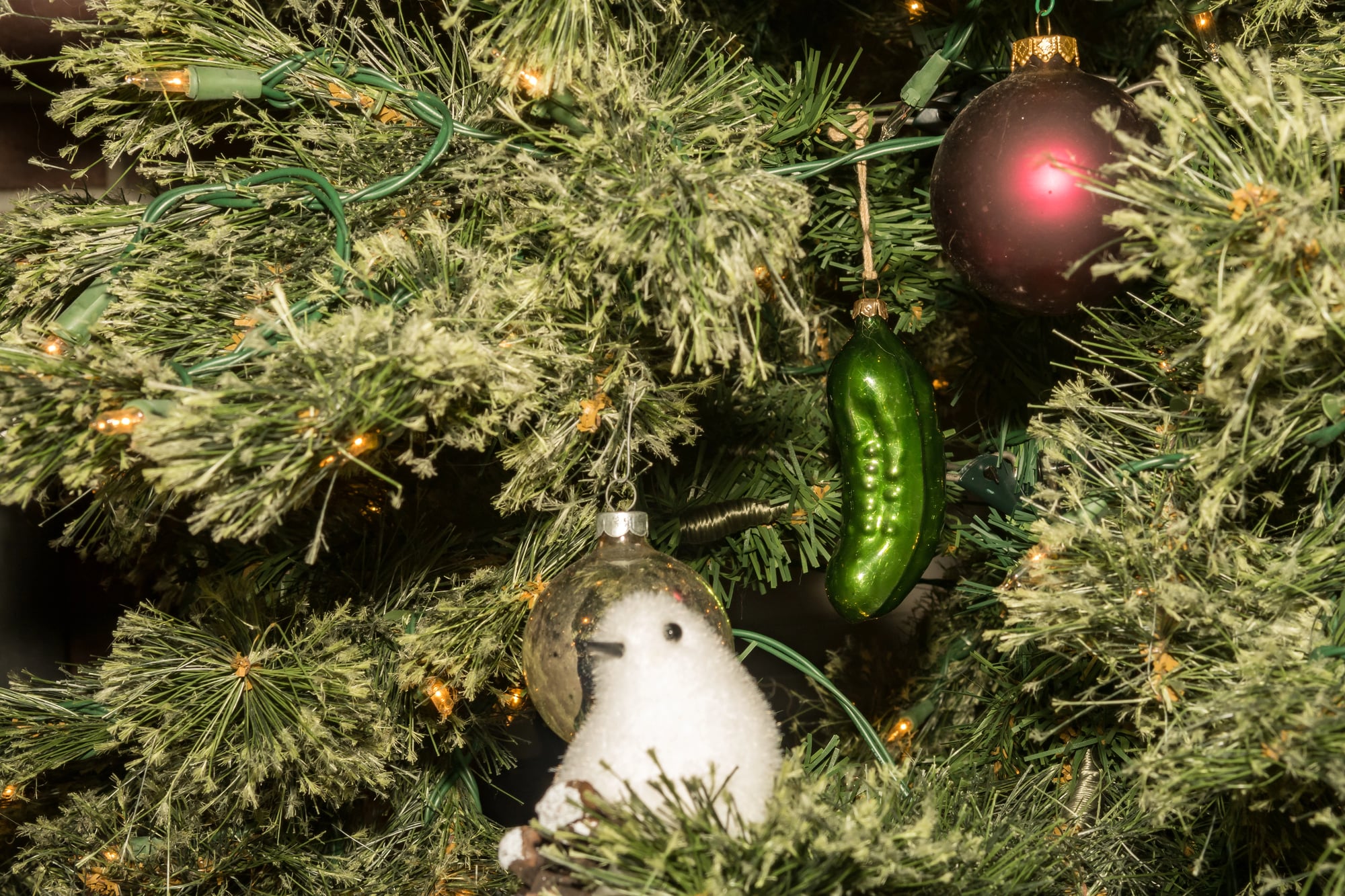
German-American households traditionally concealed a pickle-shaped ornament somewhere deep within their Christmas tree — the child who spotted it first would receive an extra present or good fortune for the upcoming year. Parents would sneak the green ornament into hidden branches after kids went to bed Christmas Eve.
Sharp eyes and patience were essential for this game-like tradition. Most modern families haven’t heard of this custom, though, concentrating instead on more obvious ornament arrangements.
Wassailing Apple Trees
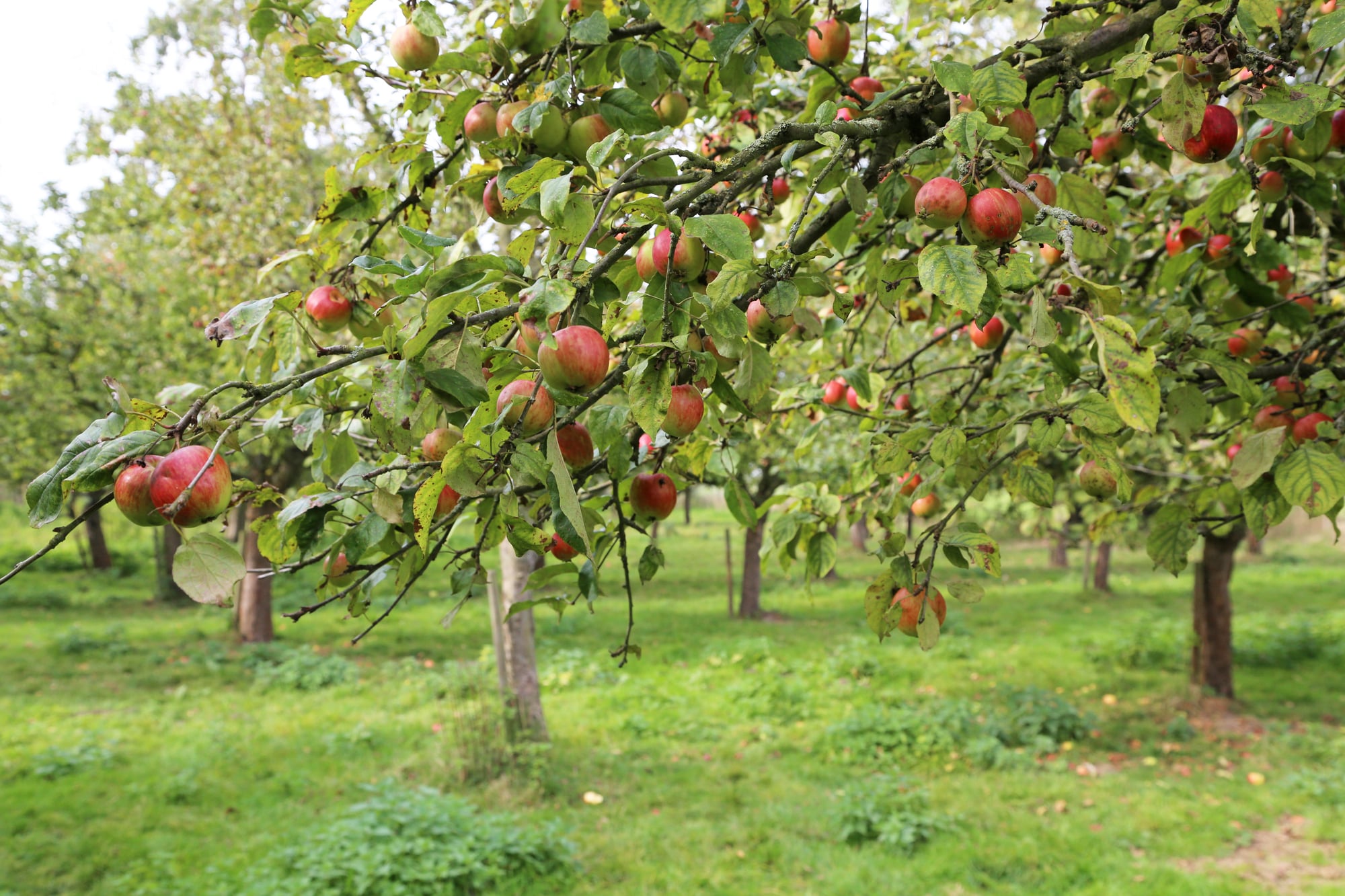
English colonists brought wassailing rituals to America — communities would gather in orchards on Twelfth Night to sing directly to apple trees while pouring cider on their roots. The ceremony was supposed to guarantee good harvests by waking up tree spirits and frightening away evil ones through loud singing and chanting.
Rural areas maintained this practice well into the 1900s, blending superstition with neighborhood socializing. Today’s apple growers depend on scientific cultivation methods rather than ceremonial tree concerts.
Like Go2Tutors’s content? Follow us on MSN.
Boxing Day Servant Appreciation

Wealthy American households once observed Boxing Day by presenting gifts and time off to their domestic staff — acknowledging their service during the hectic holiday period. This tradition established formal protocols for showing gratitude to those who enabled elaborate seasonal celebrations.
Household workers received boxes containing money, leftover holiday food, and modest presents before visiting their own families. The decline of live-in domestic help rendered this custom irrelevant for most American households.
Twelfth Night Celebrations
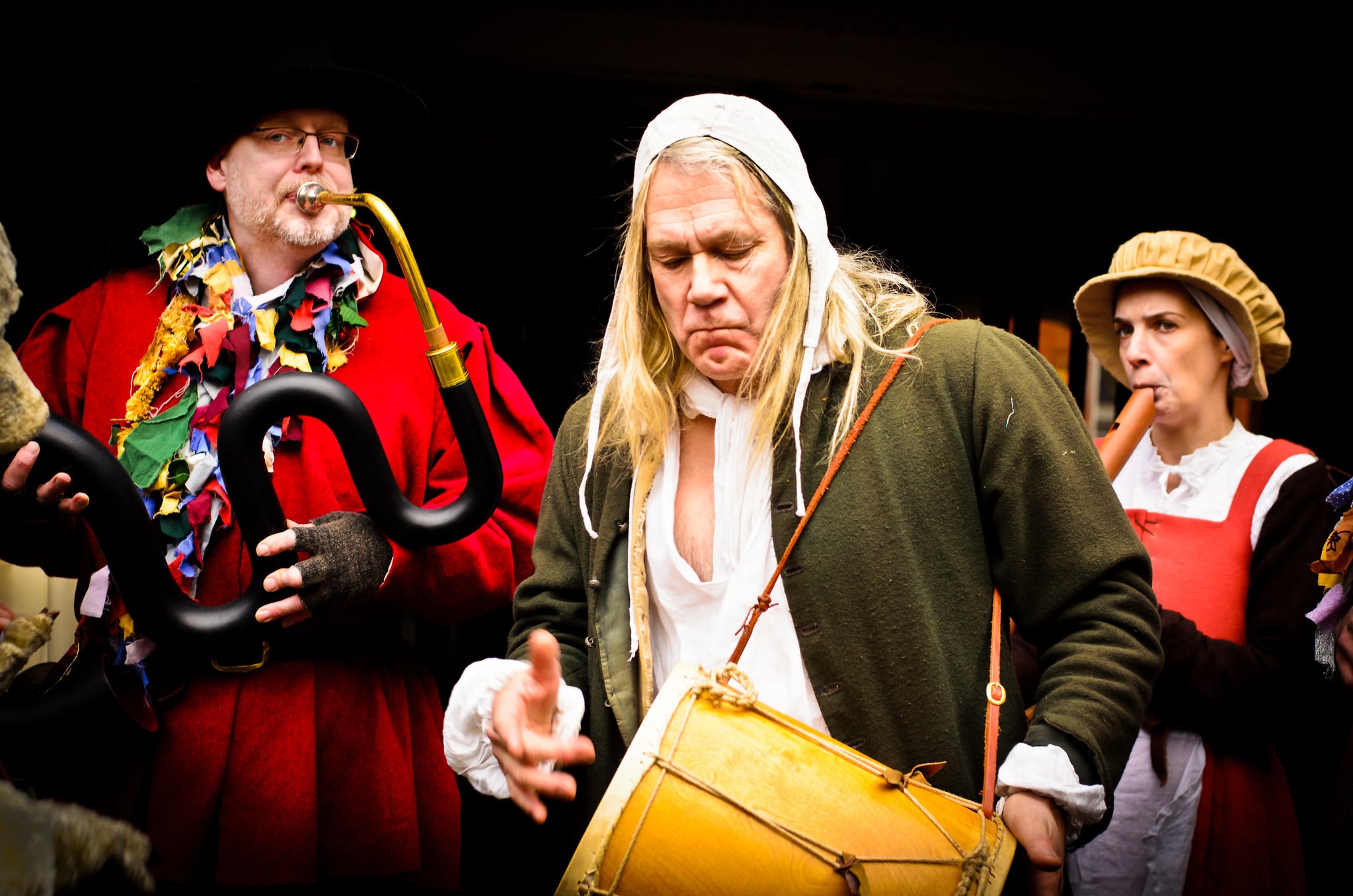
Early Americans threw elaborate Twelfth Night parties featuring king cakes, masquerade outfits, and role-reversal games where servants temporarily became masters. The final night of Christmas season included dancing, storytelling, and crowning a temporary ‘ruler’ who directed the evening’s entertainment.
Communities organized public festivities lasting well past midnight — marking the official end of holiday revelry. Modern Americans barely acknowledge Twelfth Night, since most holiday decorations get packed away by January 6th.
Yule Log Ceremonies
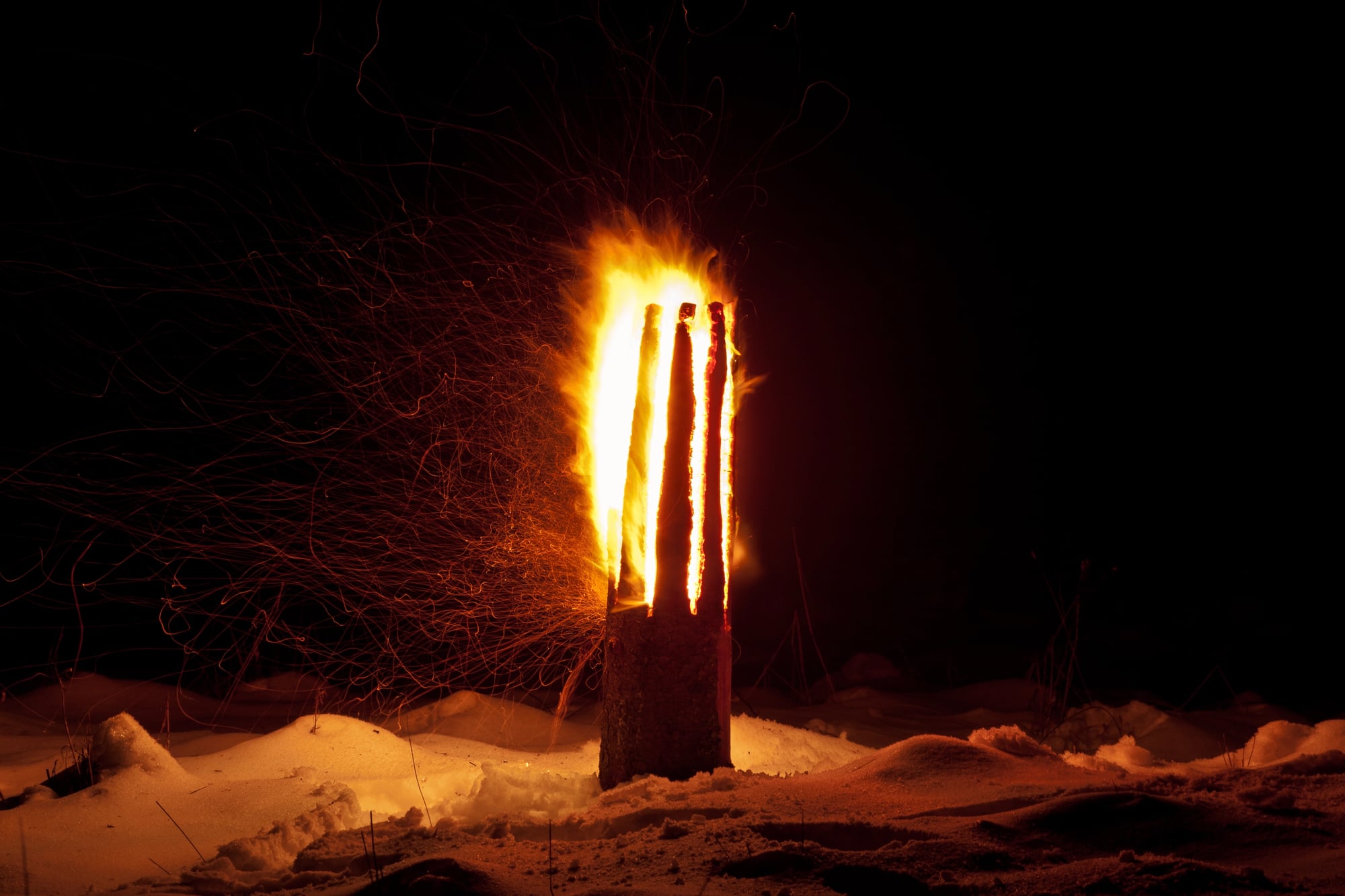
Families once selected and burned massive logs throughout the twelve days of Christmas — specific rituals governed which wood to choose plus how to light it correctly. The Yule log ceremony required saving a piece from the previous year’s log to ignite the new fire, establishing continuity across generations.
Large fireplaces accommodated logs that burned for days, demanding constant attention and careful ash management. Modern homes with small fireplaces or no fireplaces whatsoever cannot support traditional Yule log burning.
Like Go2Tutors’s content? Follow us on MSN.
Epiphany Gift Giving

Many American families with European heritage celebrated Epiphany on January 6th with gift exchanges rivaling Christmas morning — especially for children receiving visits from the Three Kings. This tradition extended the holiday season while providing another opportunity for family gatherings plus special meals.
Immigrant communities preserved this practice to maintain cultural heritage while adapting to American Christmas customs. Christmas commercialization pushed most gift-giving to December 25th, making Epiphany celebrations feel redundant.
New Year’s Resolution Ceremonies

Victorian families conducted formal New Year’s resolution ceremonies where each member would stand and publicly announce their self-improvement intentions for the coming year. These gatherings included written contracts that family members signed and displayed in common areas as daily reminders throughout January.
Children promised to improve behavior or academic performance while adults committed to moral or professional goals. Modern resolution-making has become private and casual, often abandoned by February without ceremony or accountability.
Thanksgiving Wishbone Breaking Rituals

Extended families once saved turkey wishbones throughout the year to accumulate enough for elaborate Thanksgiving breaking ceremonies involving multiple generations. The tradition required specific drying techniques and storage methods to preserve wishbones properly for the annual event.
Family members paired off for wishbone breaking contests, with winners advancing through tournament-style brackets until a family champion emerged. Modern families typically break one wishbone casually, if they remember to save it at all.
Like Go2Tutors’s content? Follow us on MSN.
Christmas Eve Orange Distribution

Many families traditionally placed oranges in Christmas stockings as symbols of Saint Nicholas’s generosity, representing gold coins left for poor children in the original legend. Citrus fruit was often the only fresh produce available during winter months, making oranges precious and practical gifts.
Children eagerly checked their stockings first for the bright orange nestled in the toe, knowing it guaranteed Christmas morning success. Modern year-round fruit availability has made oranges seem ordinary rather than special, losing their symbolic significance.
Saint Nicholas Day Shoe Filling

German and Dutch American families celebrated Saint Nicholas Day on December 6th by leaving shoes outside bedroom doors for the saint to fill with treats and small gifts. Children polished their shoes carefully before placing them in hallways overnight, hoping their good behavior had earned Saint Nicholas’s favor.
The tradition provided an early Christmas season celebration while teaching children about the historical Saint Nicholas rather than the modern Santa Claus. Most American families now focus exclusively on Christmas morning gift exchanges, skipping earlier December celebrations.
Plum Pudding Ceremonies
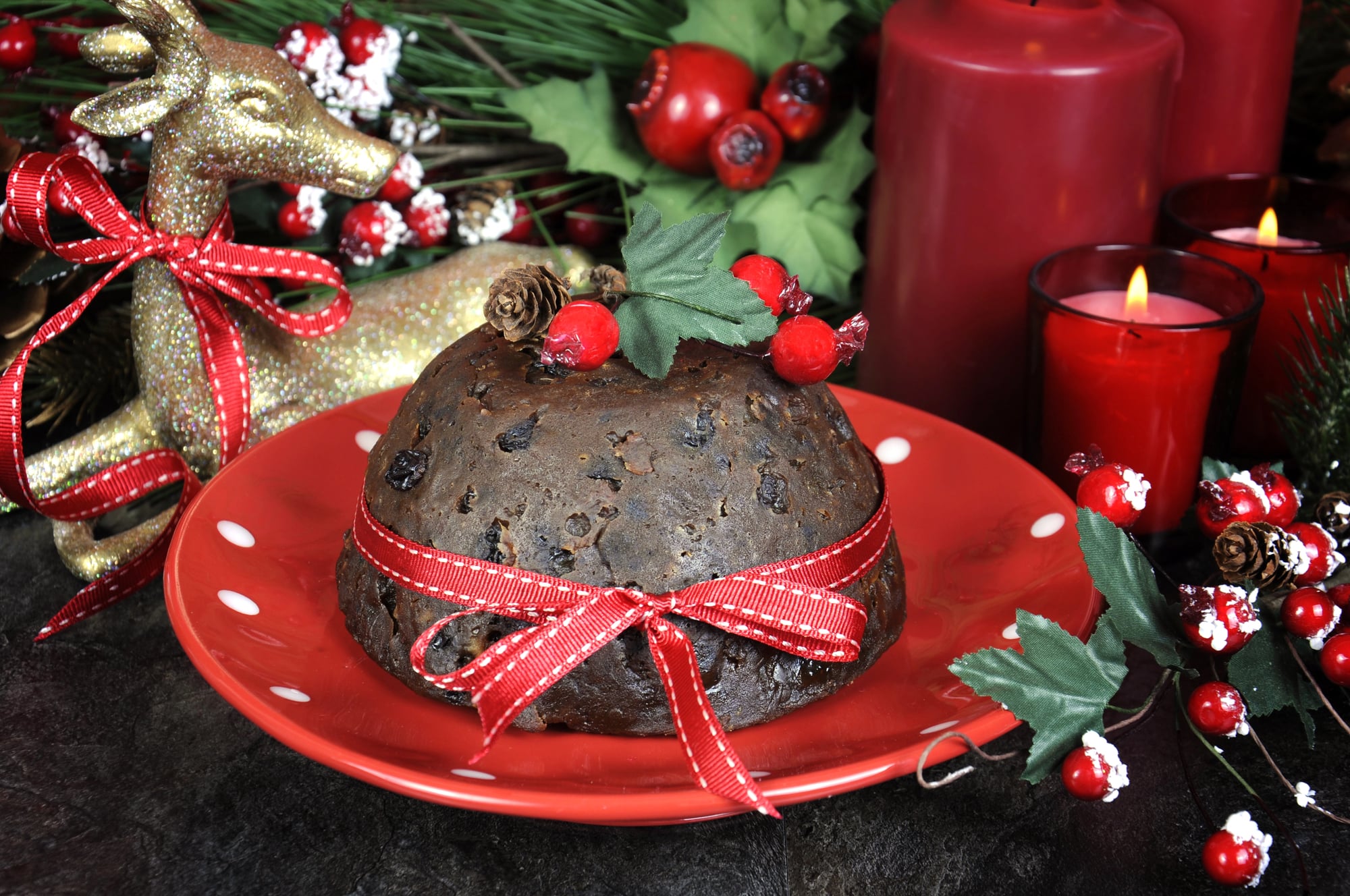
British-influenced American families once gathered on ‘Stir-up Sunday’ in late November to collectively prepare Christmas plum pudding, with each family member stirring the mixture while making a wish. The pudding required weeks of aging and careful storage, with silver coins hidden inside for lucky diners to discover.
Christmas dinner concluded with the dramatic presentation of flaming plum pudding, carried into darkened dining rooms while everyone sang. Modern dessert preferences and food safety concerns have made this time-intensive tradition seem impractical and potentially dangerous.
Like Go2Tutors’s content? Follow us on MSN.
When Convenience Replaced Ceremony

These vanished traditions remind us that holidays once demanded months of preparation and community cooperation rather than last-minute shopping expeditions. What we gained in convenience and efficiency, we may have sacrificed in anticipation and shared experiences that made celebrations feel genuinely special.
Many of these customs strengthened neighborhood connections and family relationships through collaborative effort and patient ritual. While we can’t recreate the social conditions that supported these elaborate traditions, understanding what we’ve abandoned helps explain why modern holidays sometimes feel rushed and disconnected from deeper meaning.More from Go2Tutors!

- 16 Historical Figures Who Were Nothing Like You Think
- 12 Things Sold in the 80s That Are Now Illegal
- 15 VHS Tapes That Could Be Worth Thousands
- 17 Historical “What Ifs” That Would Have Changed Everything
- 18 TV Shows That Vanished Without a Finale
Like Go2Tutors’s content? Follow us on MSN.