17 Historical Events Every Textbook Still Teaches
Some stories refuse to leave the classroom. They’ve survived decades of educational reform, new research, and shifting perspectives, remaining fixtures in American textbooks year after year.
These aren’t necessarily the most important events in human history, but they’re the ones that educators keep coming back to — the reliable narratives that help students understand how we got from there to here. History textbooks change constantly, but certain events seem immune to revision.
They anchor the story of civilization, providing reference points that teachers assume students will know. Whether these events deserve their permanent status is another question entirely.
The Fall of Rome
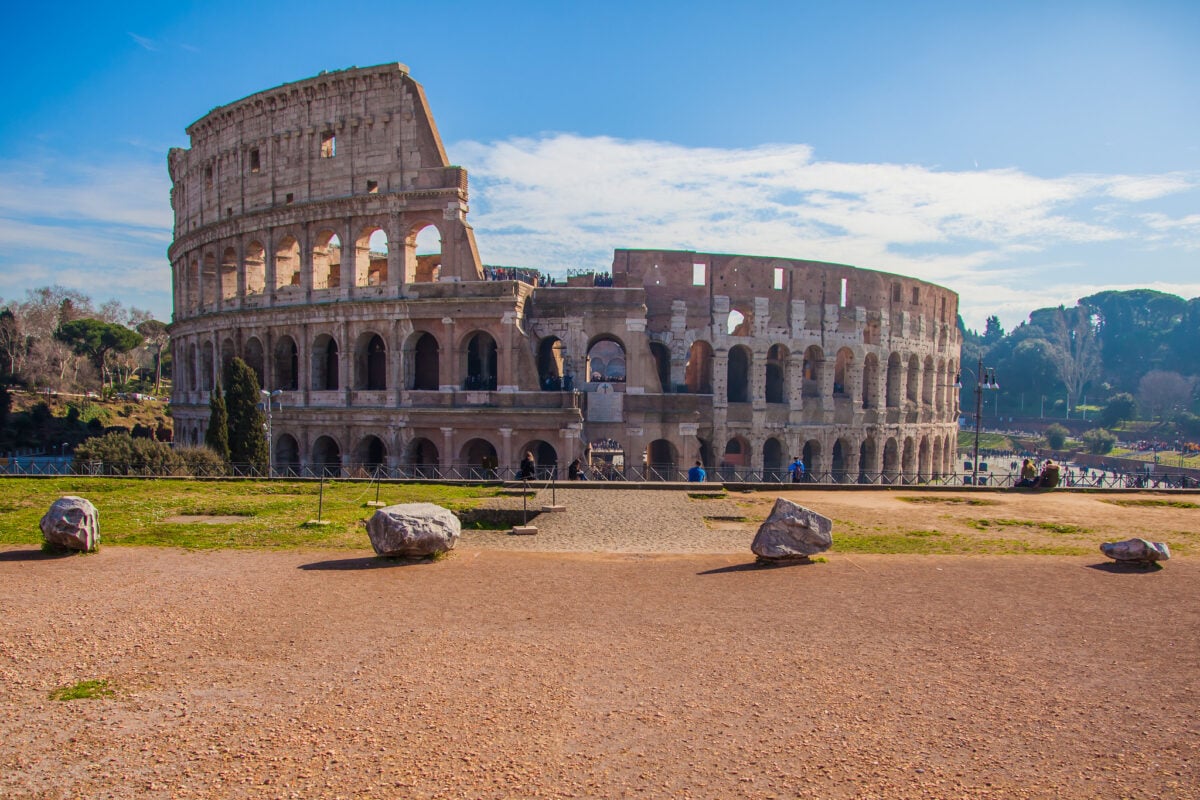
Rome didn’t fall in a day, despite what the saying suggests. The Western Roman Empire crumbled over centuries (though historians do point to 476 CE as the official end date, when the last emperor got booted from power).
Barbarian invasions, economic collapse, political corruption — the empire had problems stacking up like unpaid bills. Textbooks love this one because it’s dramatic and it teaches a lesson.
Even the mightiest civilizations can collapse if they get too comfortable.
The Black Death
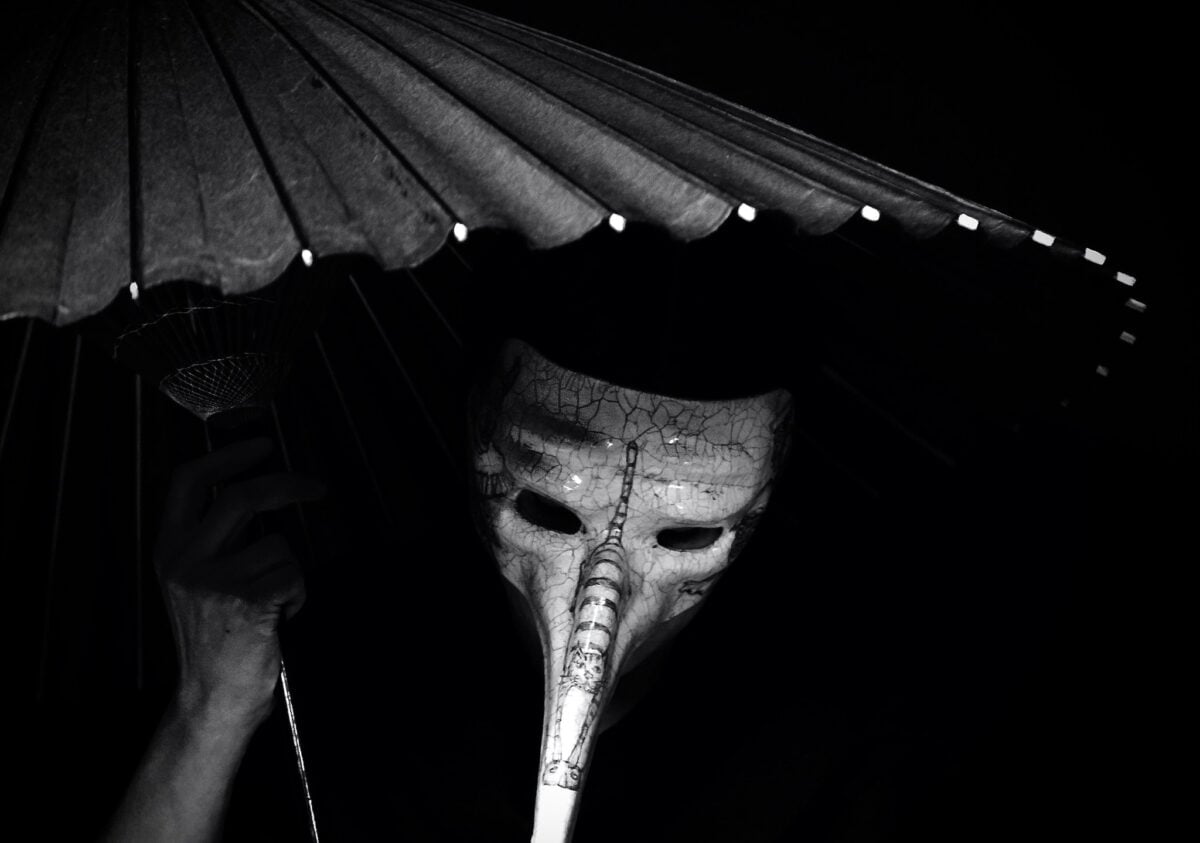
The plague that swept through Europe in the 14th century wasn’t just a disease — it was a reset button for medieval society (and not one anyone wanted to press, given that it killed roughly one-third of Europe’s population). What started as a medical catastrophe ended up reshaping everything from labor relations to religious beliefs, because when that many people die, the survivors inherit a fundamentally different world.
And yet, the plague’s aftermath wasn’t entirely grim; it broke the back of feudalism in many places, as suddenly scarce workers found themselves with bargaining power they’d never possessed before — serfs could demand wages, move freely, choose their employers. Strange how catastrophe sometimes clears the path for progress, though no one at the time would have called the experience worth it.
So the Black Death persists in textbooks not just because of its devastating scope, but because it demonstrates how crisis can accelerate social change. Students learn that history doesn’t move in straight lines.
The Printing Press
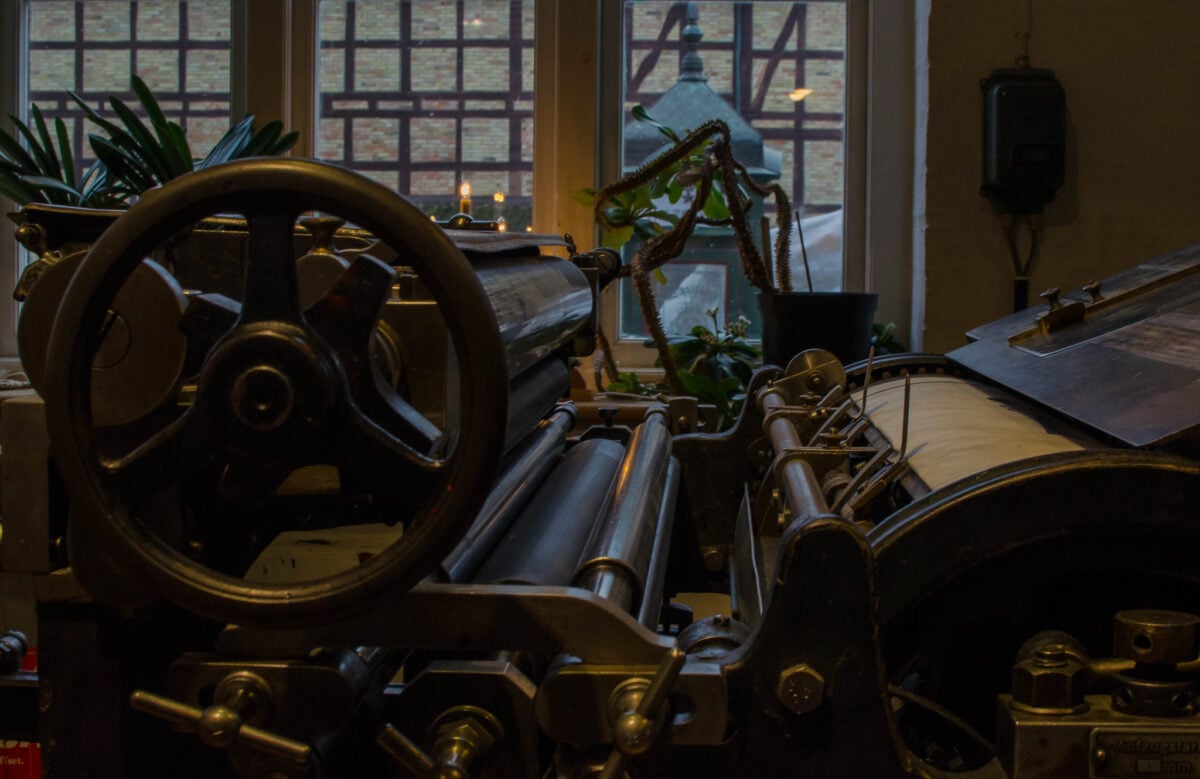
Gutenberg’s printing press gets treated like the internet of the 15th century, which isn’t entirely wrong. Books went from rare, hand-copied treasures to mass-produced commodities.
Knowledge became democratized, at least for people who could read. This invention sits in every textbook because it’s a clear before-and-after moment.
Information spread faster, literacy rates climbed, and ideas became harder for authorities to control.
Christopher Columbus’s Voyage
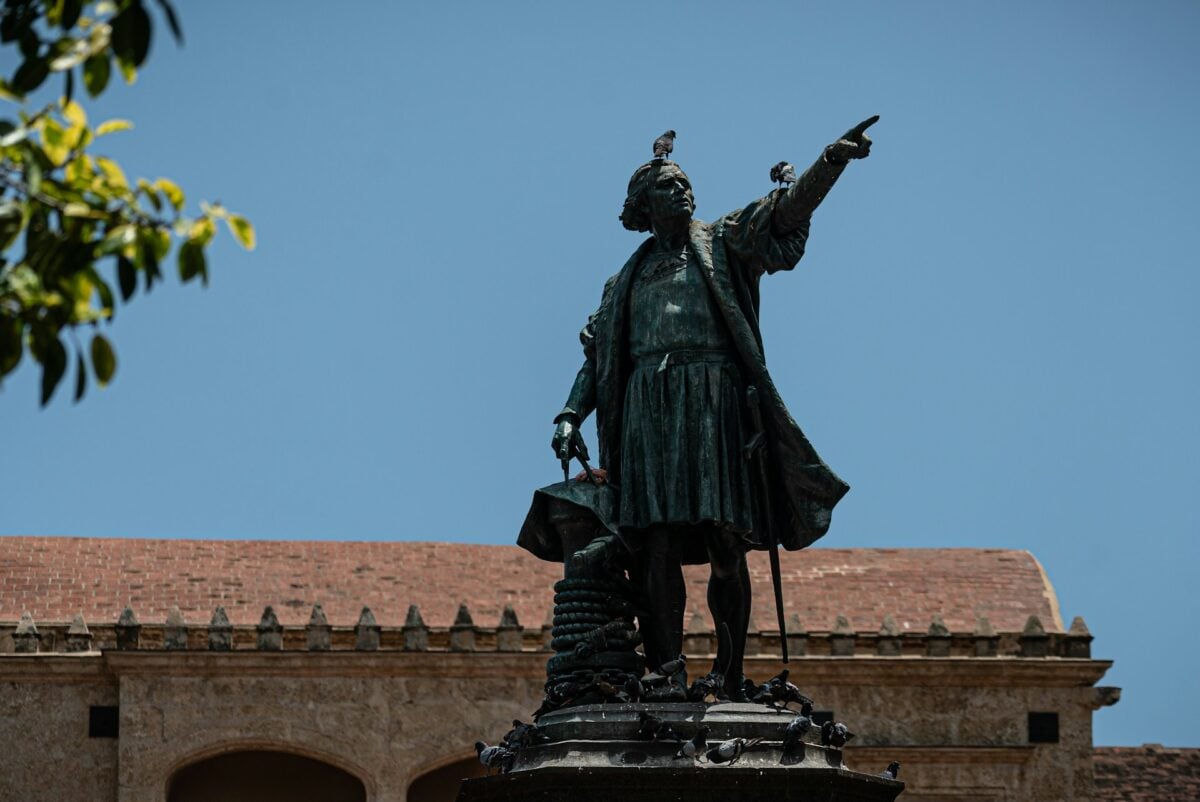
Here’s where things get complicated, like trying to tell the story of a house fire from the perspective of both the Match and the curtains it ignited. Columbus gets credit for “discovering” the Americas in 1492, though millions of people were already living there and had been for thousands of years — a fact that textbooks now acknowledge, even if they struggle with how to balance the European narrative of exploration with the Indigenous reality of invasion.
The encounter between worlds was genuine and historically pivotal; the framing of it as discovery rather than collision reveals more about who wrote the textbooks than about what actually happened. And yet, removing Columbus entirely would leave a gap in explaining how Europe stumbled into the Americas, so he remains, footnoted now with complexity that earlier generations of students never encountered.
The story endures because it marks the beginning of sustained contact between hemispheres. Even if the hero narrative has gotten more nuanced, the event itself remains unavoidable.
The Renaissance
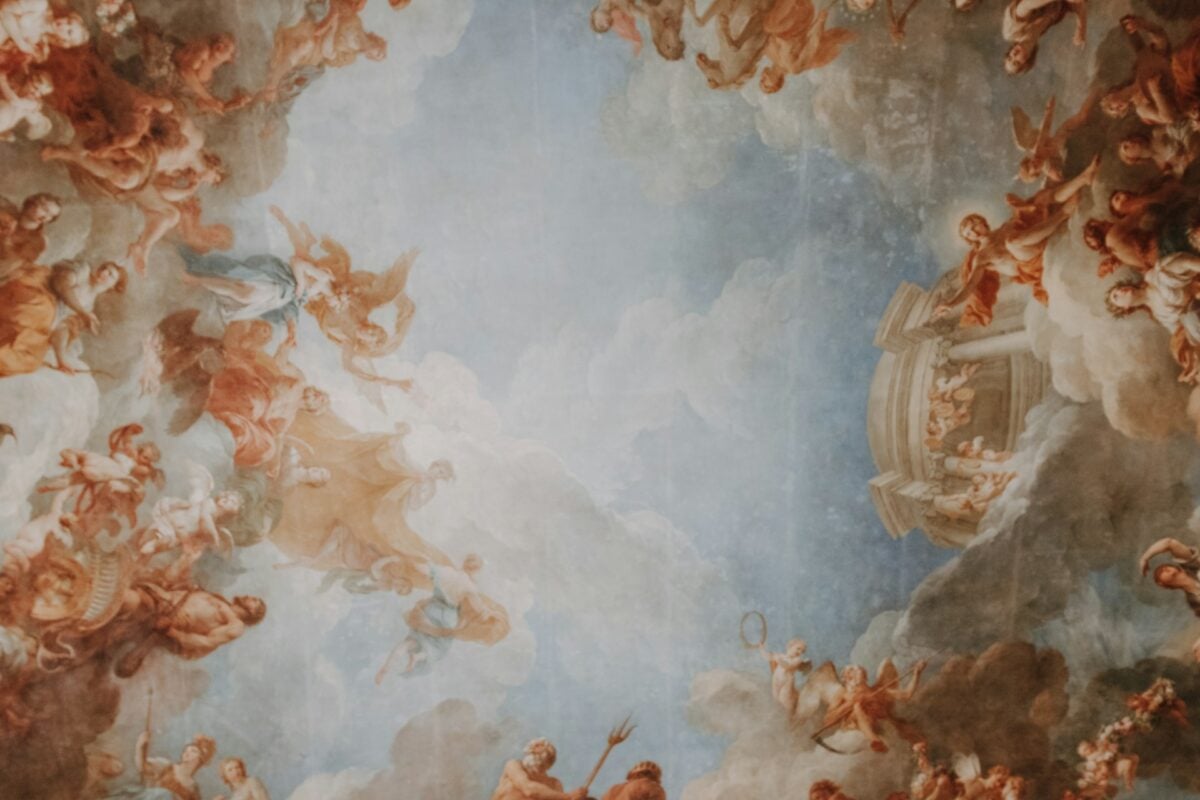
The Renaissance gets the textbook treatment because it’s a feel-good chapter between medieval darkness and modern enlightenment. Art flourished, science advanced, and humans rediscovered classical learning.
Leonardo da Vinci painted and invented. Michelangelo sculpted.
Shakespeare wrote. This period offers students a break from plagues and wars.
It’s about human achievement rather than human suffering, which is why educators keep it around.
The Protestant Reformation
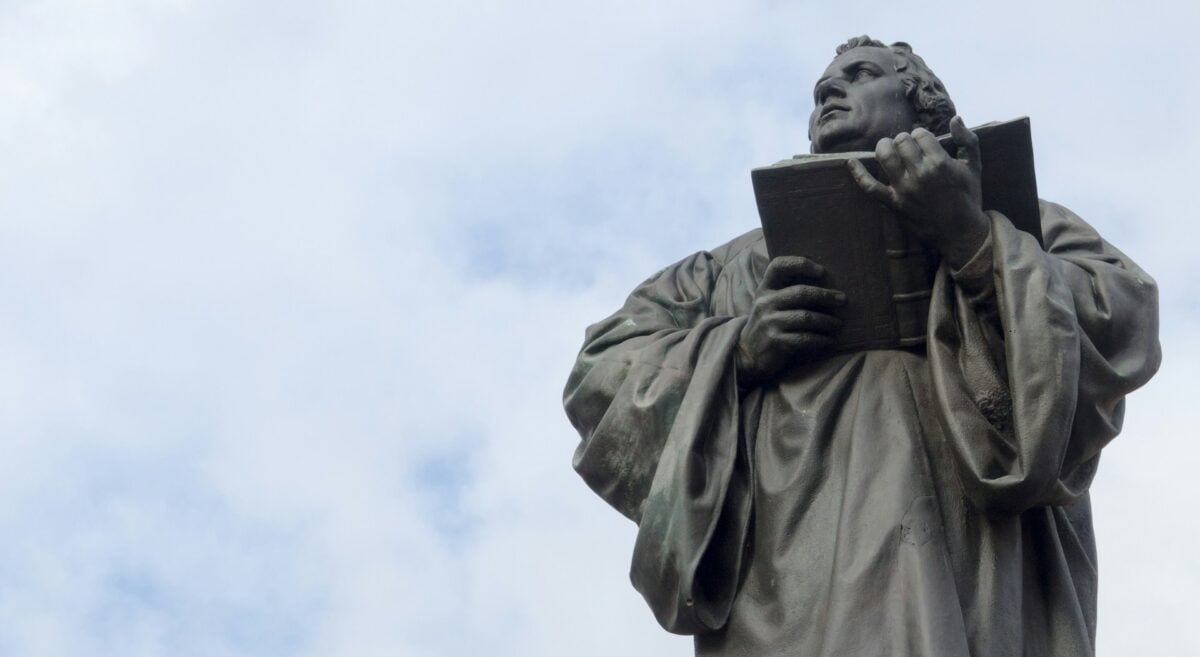
Martin Luther nailed his complaints to a church door in 1517, and European Christianity split apart. The Catholic Church’s monopoly on Western religious life ended, wars erupted, and the political map got redrawn along religious lines.
Textbooks can’t ignore this one. It explains why there are different types of Christians, why some countries are Catholic and others Protestant, and how religious disagreements shaped politics for centuries.
The Scientific Revolution
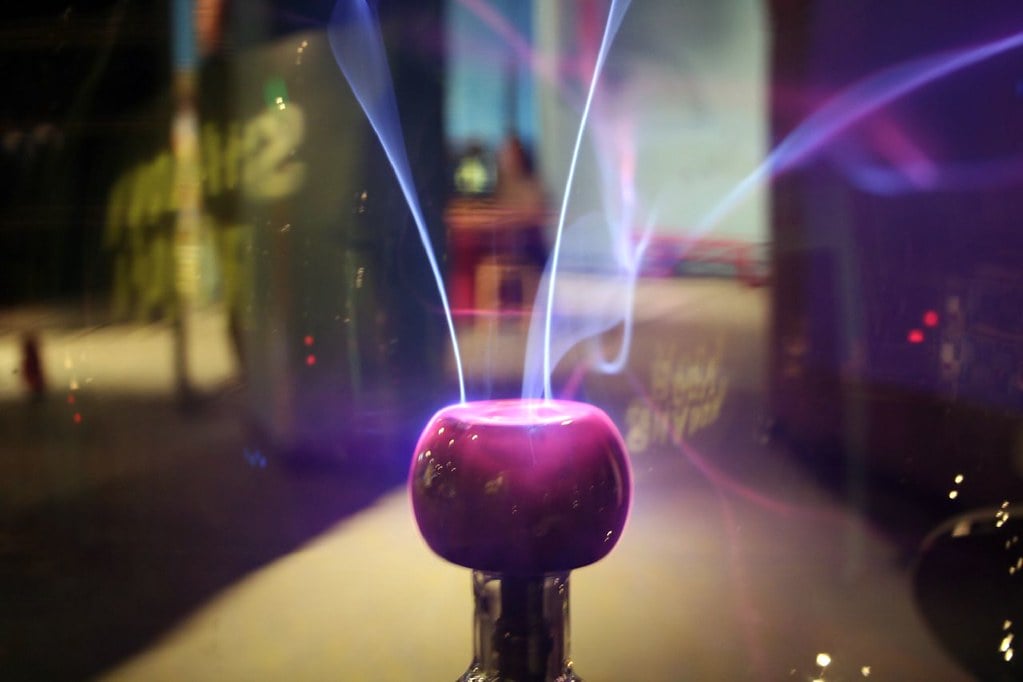
Copernicus moved Earth from the center of the universe. Galileo pointed telescopes at the sky and got in trouble for what he saw.
Newton figured out gravity and motion. The scientific method emerged as a way of understanding the natural world that didn’t rely on ancient authorities or religious doctrine.
This period stays in textbooks because it represents a fundamental shift in how humans approach knowledge. Students need to understand when and why empirical observation became more trusted than inherited wisdom.
The French Revolution
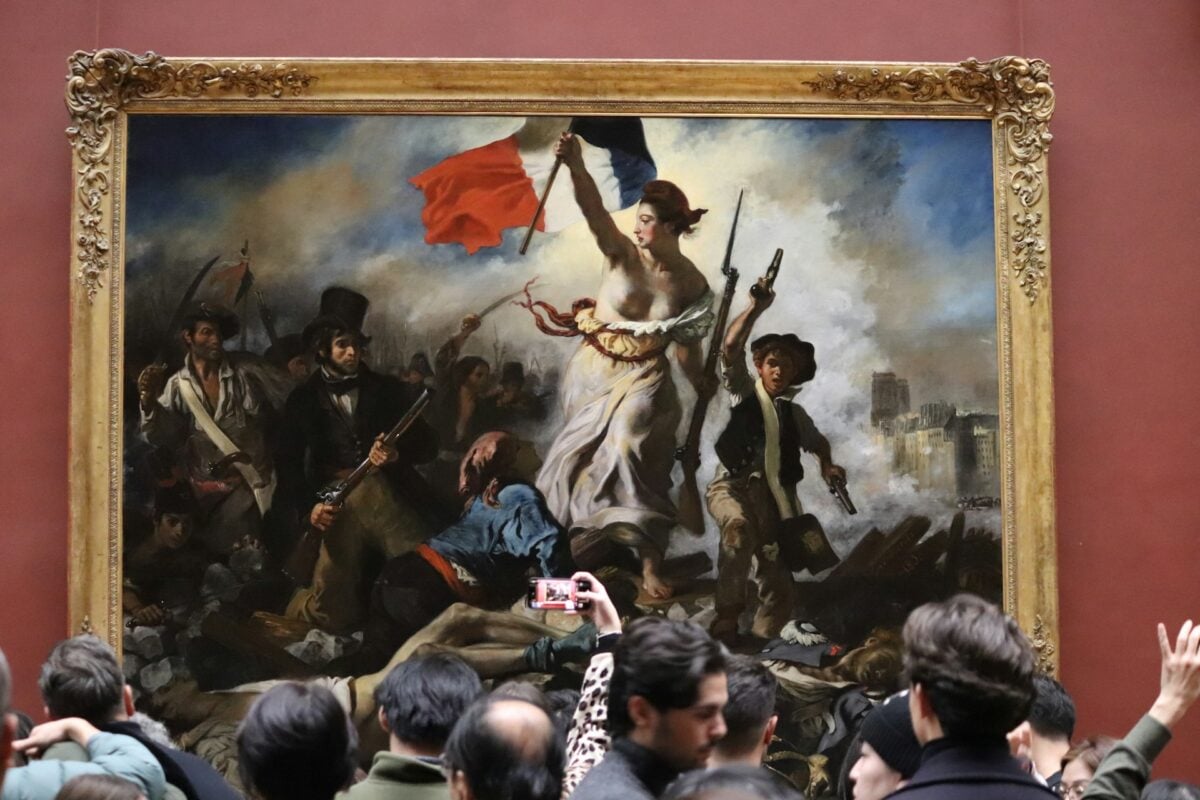
The French Revolution reads like a political thriller (if thrillers included guillotines and the occasional massacre of aristocrats), which explains why textbooks can’t resist it — monarchy falls, republic rises, terror ensues, Napoleon emerges from the chaos to crown himself emperor. The whole sequence unfolds with the kind of dramatic momentum that makes for memorable lessons: economic crisis leads to political upheaval, which leads to social transformation, which leads to violence, which eventually leads to dictatorship.
Students get to witness democracy’s messier side, the part where noble ideals about liberty and equality collide with the practical difficulties of governing an angry population. And the revolution’s influence didn’t stop at France’s borders; it sent shockwaves through every monarchy in Europe and provided a template for future upheavals.
The French Revolution demonstrates that political change can be sudden, violent, and far-reaching. It’s a case study in how quickly the old order can collapse when enough people decide they’ve had enough.
The Industrial Revolution

Machines changed everything. Factories replaced workshops.
People moved from farms to cities. Work became mechanized, production increased, and society reorganized itself around industrial capitalism.
Every textbook includes this because it explains the modern world. Students living in industrial societies need to understand when and how that transformation happened.
The American Civil War
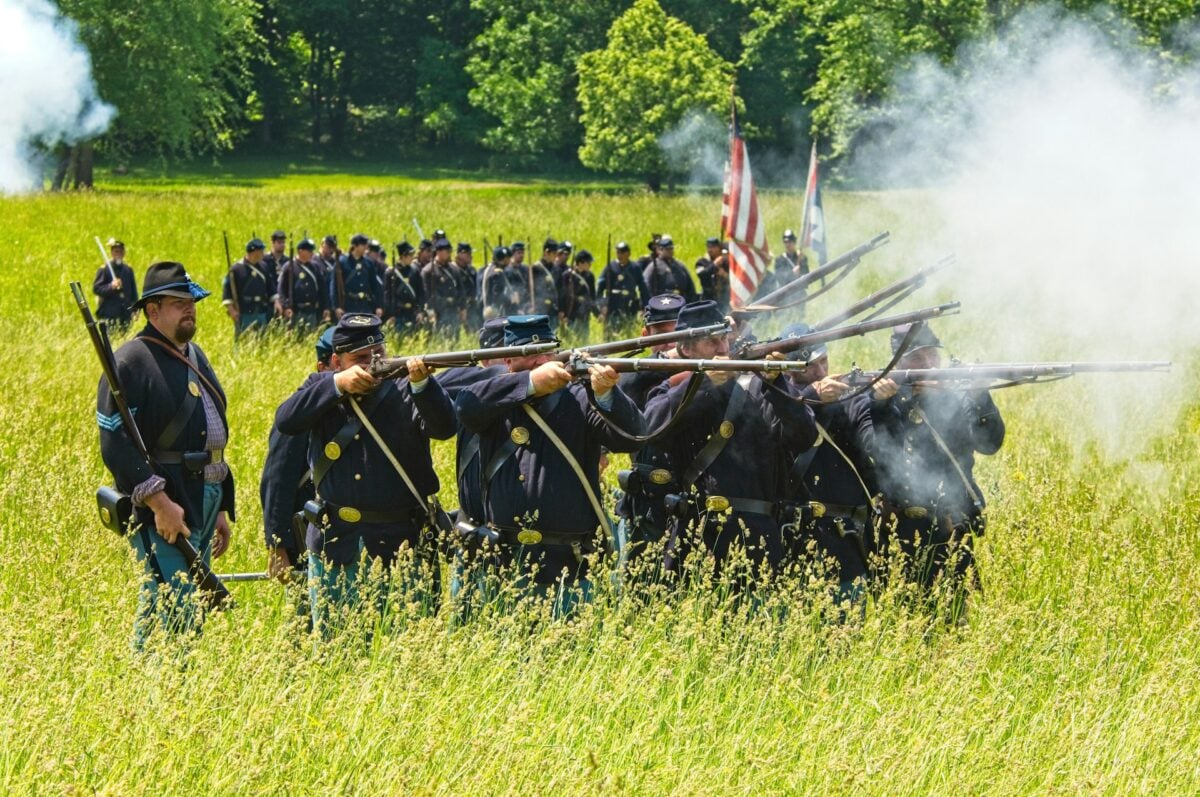
The American Civil War earns its textbook space by being simultaneously straightforward and impossibly complex. The Union fought the Confederacy from 1861 to 1865, and slavery was central to the conflict, despite decades of historical revisionism that tried to make it about states’ rights or economic differences.
Over 600,000 Americans died, Lincoln got assassinated, and Reconstruction failed to deliver the equality that emancipation had promised. This war sits at the center of American identity in ways that make it unavoidable in classrooms.
Students need to understand how the country nearly split apart and what that means for contemporary politics.
World War I
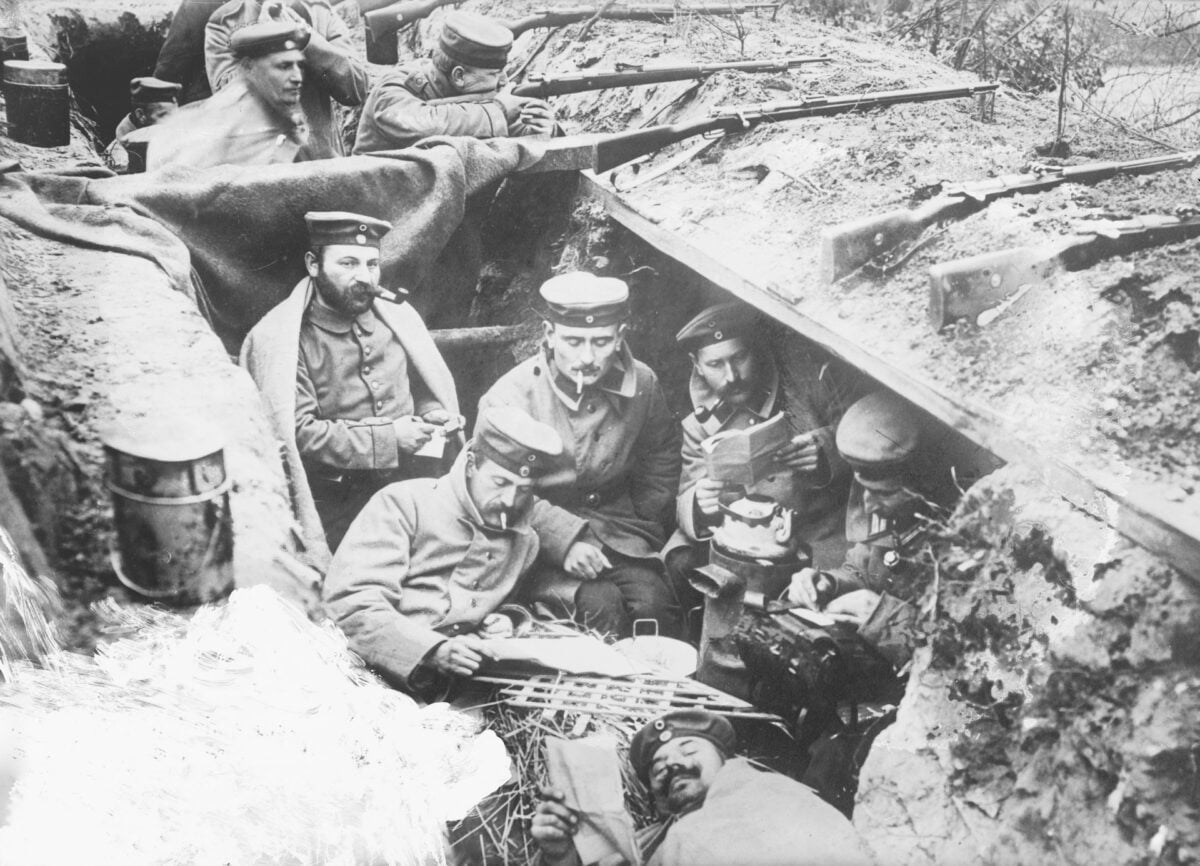
The Great War started over an assassination in Sarajevo and ended with empires collapsed and maps redrawn. Trench warfare, poison gas, and machine guns turned battlefields into slaughterhouses.
The war introduced industrial-scale killing to human conflict. Textbooks keep World War I because it marks the end of the old European order and sets up everything that follows, including World War II.
Students can’t understand the 20th century without grasping how this war changed everything.
The Russian Revolution
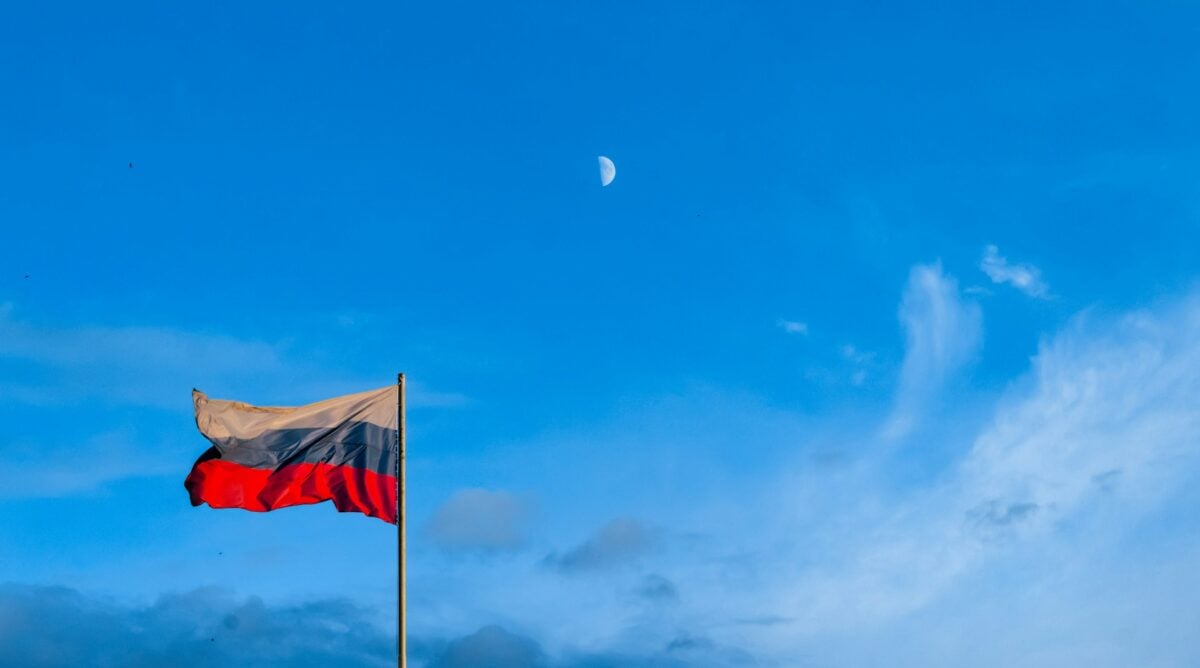
The Bolsheviks overthrew the Tsar in 1917, Lenin seized power, and Russia became the Soviet Union. Communism got its first real-world test, and the results would shape global politics for the next seven decades.
This revolution stays in textbooks because it created the ideological divide that defined the modern era. Students need to understand how and why the communist alternative to capitalism emerged.
World War II
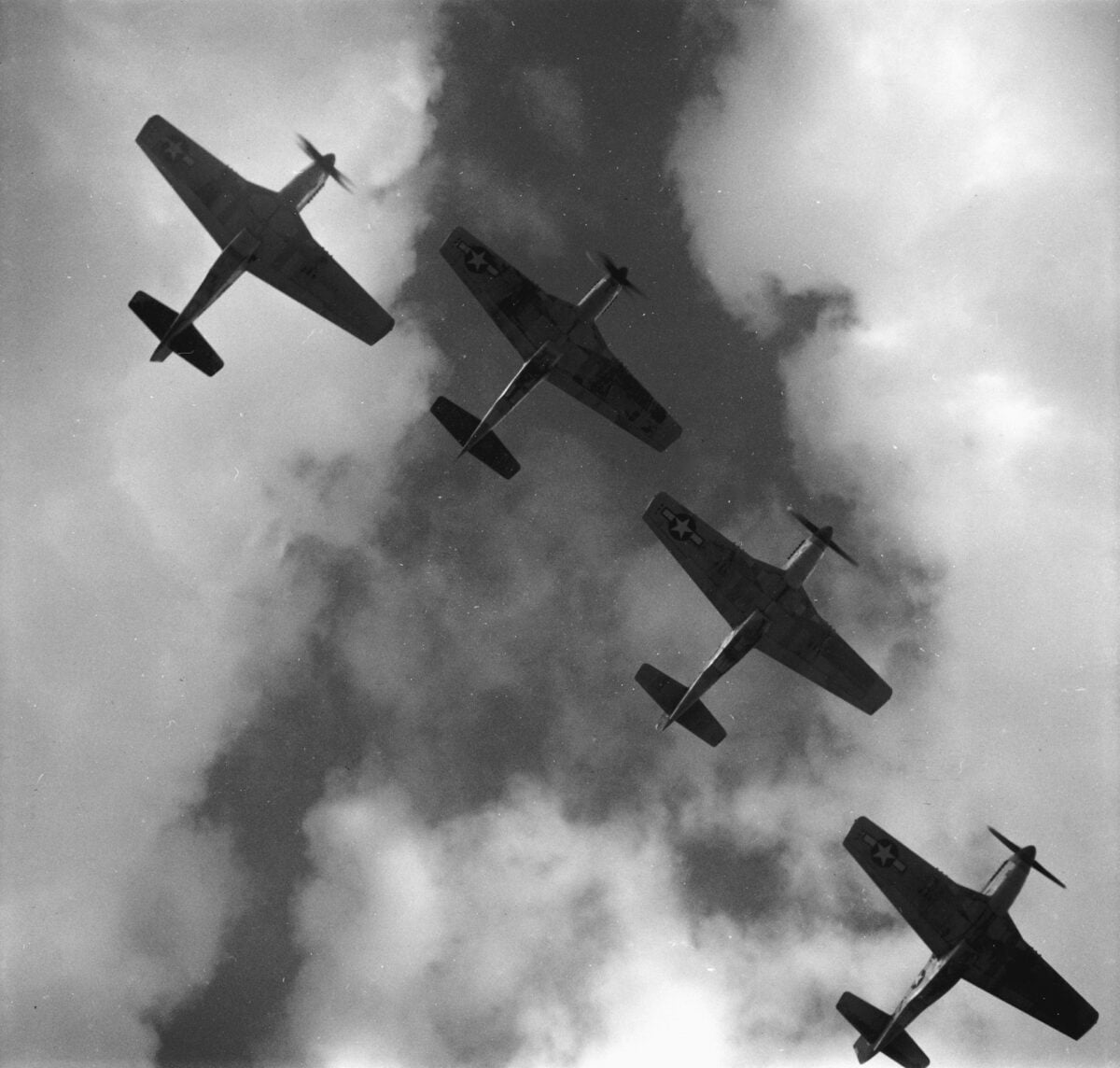
World War II carries the weight of moral clarity that most historical events lack — fascism threatened civilization, democracies eventually responded, and good triumphed over evil after six years of global carnage that killed somewhere between 70 and 85 million people. The Holocaust revealed the depths of human cruelty (and the dangers of unchecked government power), while the Allied victory demonstrated what international cooperation could accomplish when the stakes were high enough.
And yet, the war’s aftermath wasn’t the peaceful world that victory promised; instead, it gave birth to the Cold War, nuclear weapons, and a new set of global tensions that would define the next half-century. So World War II remains in textbooks not just because of its scale and moral dimensions, but because it established the framework within which modern international relations still operate.
This war provides students with a clear example of how ideological differences can lead to global conflict. The lessons feel relevant in ways that older wars don’t.
The Cold War
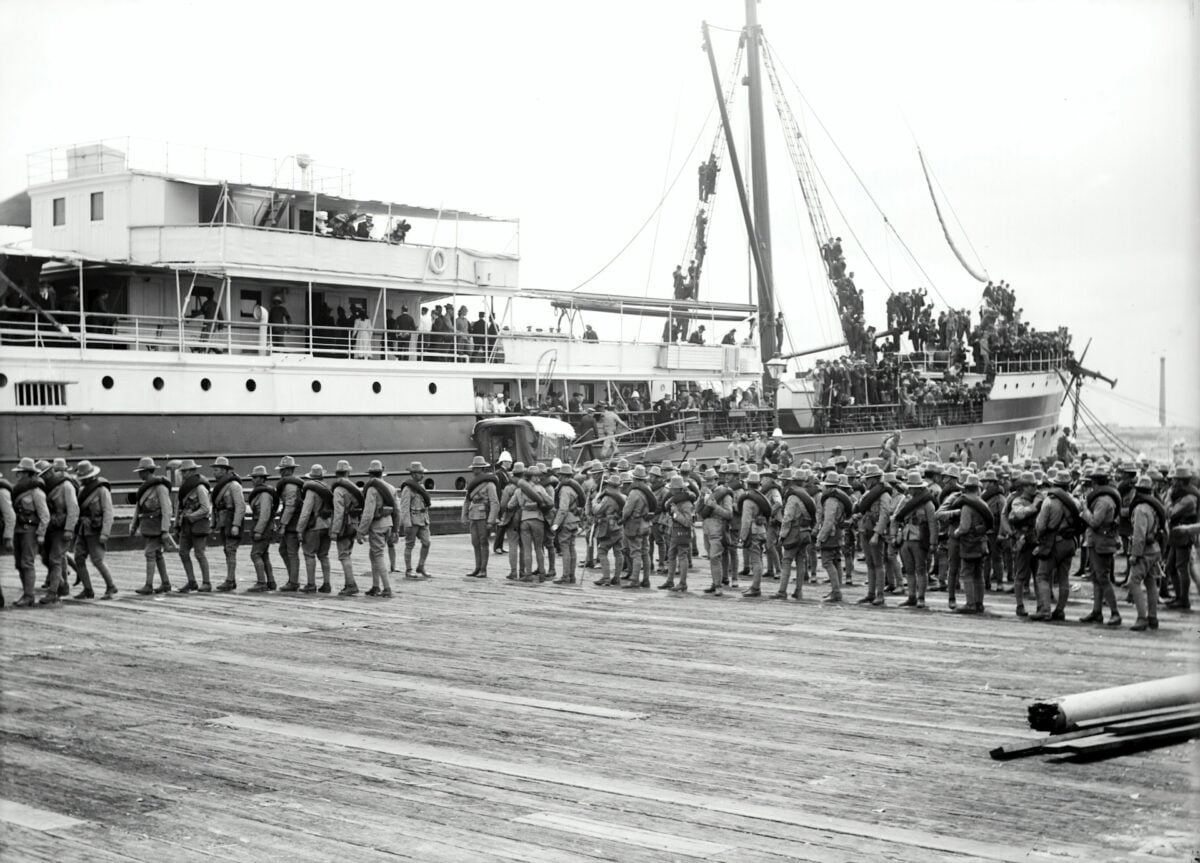
The Cold War wasn’t really cold — it just avoided direct confrontation between superpowers while proxy wars raged across the globe. The United States and Soviet Union spent four decades competing for influence, building nuclear arsenals, and fighting ideological battles through client states.
Textbooks include the Cold War because it shaped the second half of the 20th century. Students need to understand how fear of nuclear war and ideological competition influenced everything from space exploration to foreign policy.
The Civil Rights Movement
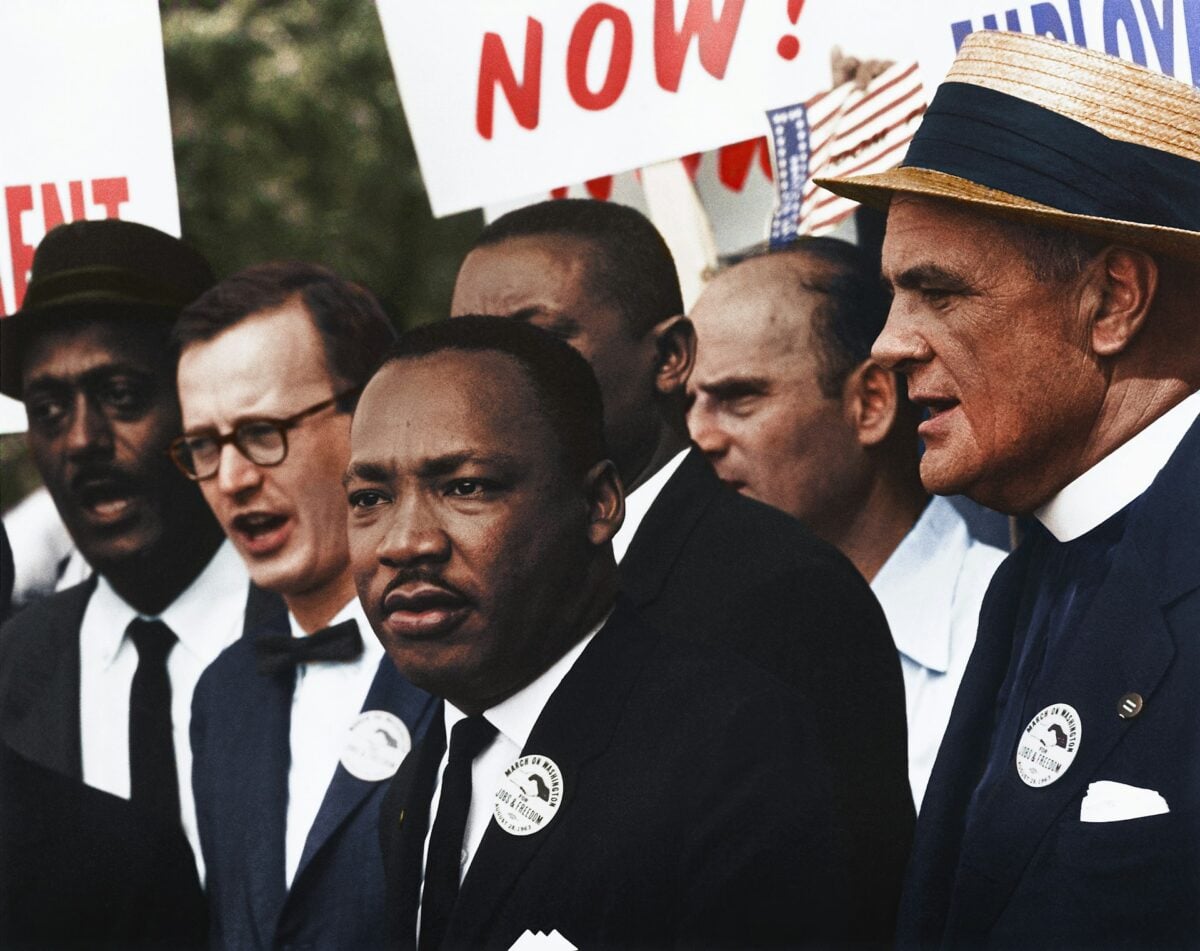
The Civil Rights Movement challenged America to live up to its founding ideals, though it took mass protests, federal intervention, and considerable violence before the country made meaningful progress toward racial equality. Rosa Parks refused to give up her bus seat, Martin Luther King Jr. led marches and delivered speeches, and activists across the South risked their lives to register voters and integrate public facilities.
This movement earned permanent textbook status because it demonstrates how ordinary people can create extraordinary change through organized resistance to injustice.
The Moon Landing
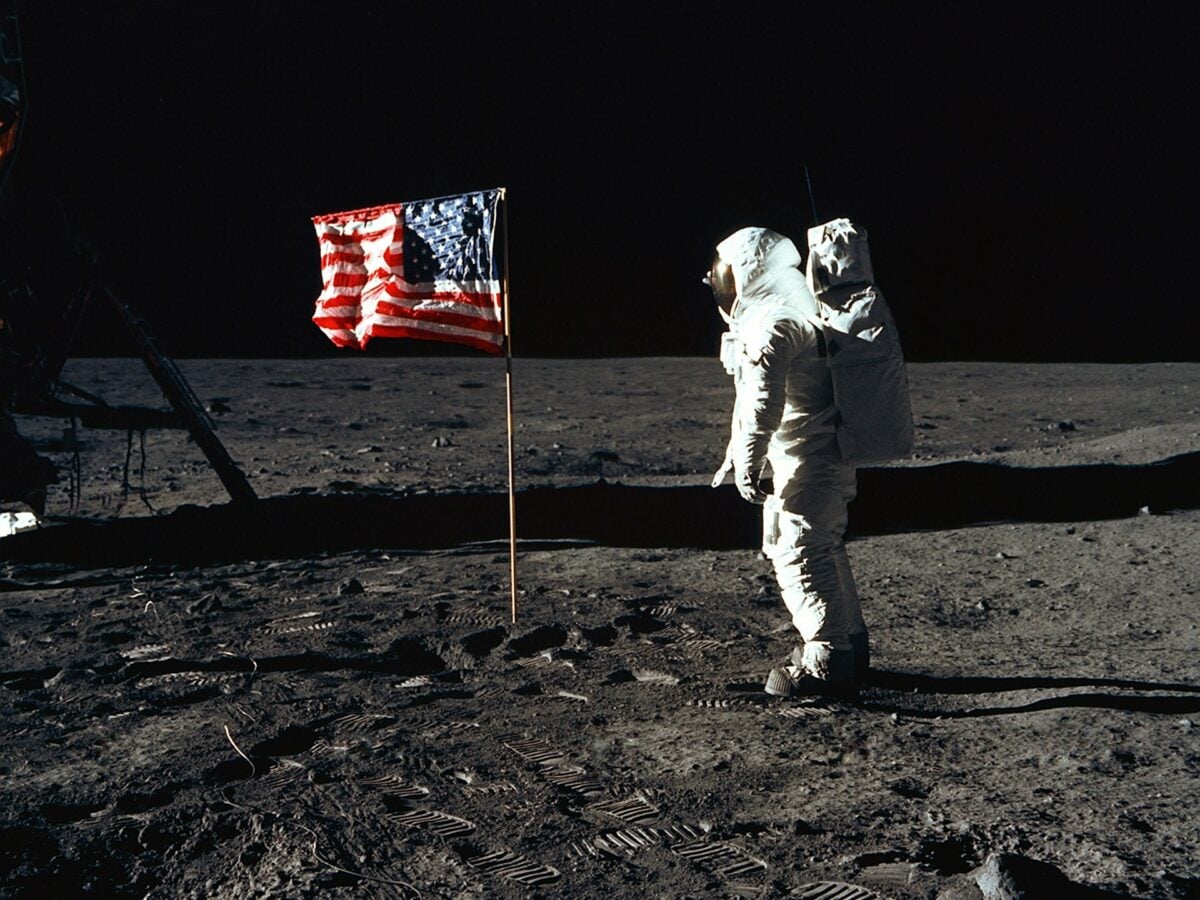
Apollo 11 landed on the moon in July 1969, and Neil Armstrong became the first human to walk on another celestial body. The achievement represented the culmination of the space race and proof that seemingly impossible technological challenges could be overcome with sufficient resources and determination.
The moon landing stays in textbooks because it represents human achievement at its most ambitious. Students get to study a moment when scientific exploration captured the world’s imagination.
The Fall of the Berlin Wall
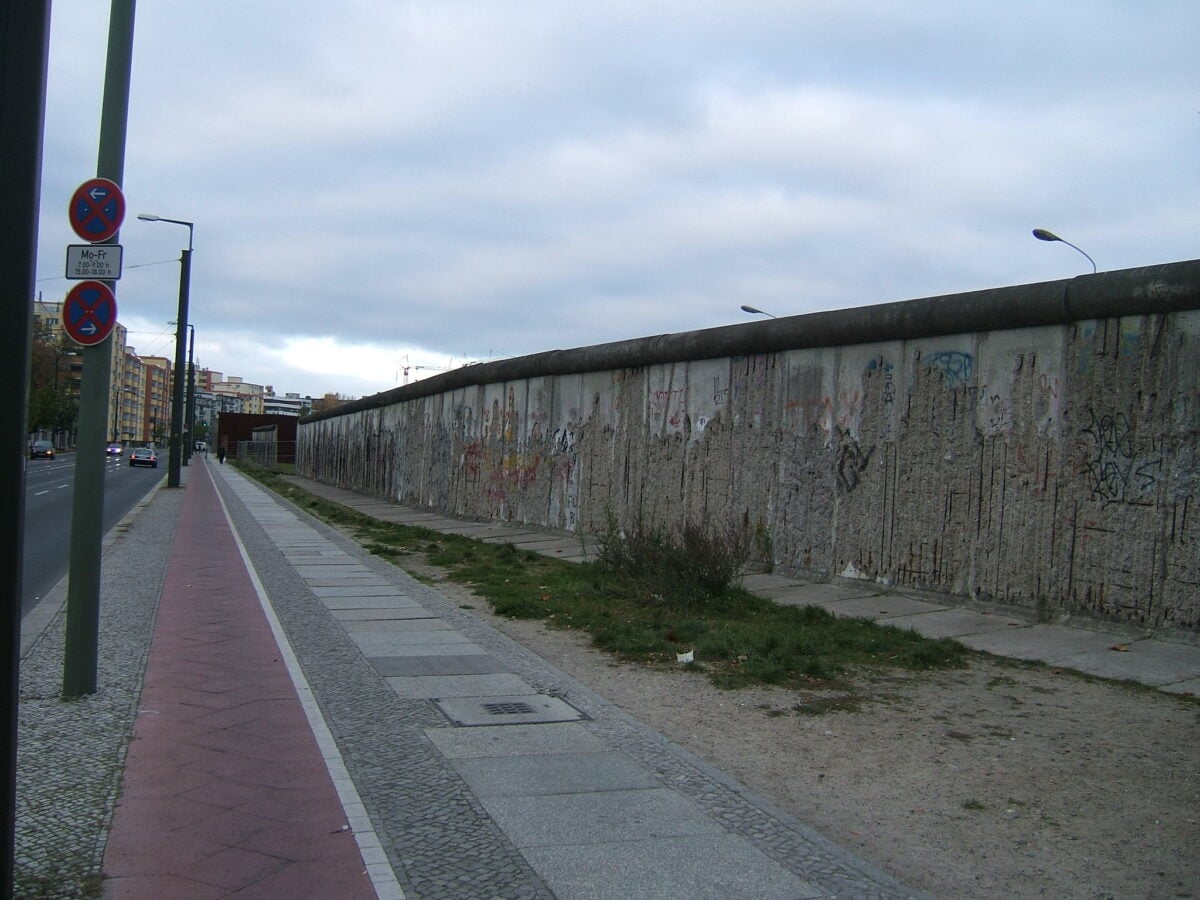
The Berlin Wall came down in 1989, not through military action but because East German authorities lost the will to defend it. Citizens with hammers and pickaxes demolished the concrete barrier that had divided the city for 28 years, and within months, the Cold War was effectively over.
This event anchors textbook discussions of the late 20th century because it represents the peaceful end of an era that many thought would last forever. Students learn that even the most entrenched political systems can collapse when they lose popular support.
Why These Stories Endure

These seventeen events persist in textbooks because they work as teaching tools, not necessarily because they represent the most important moments in human history. They offer clear narratives, dramatic turning points, and lessons that educators believe students should learn.
Whether future generations will study the same events remains to be seen — but for now, these are the stories that every American student encounters, the shared historical knowledge that schools assume graduates will carry into adulthood.
More from Go2Tutors!

- The Romanov Crown Jewels and Their Tragic Fate
- 13 Historical Mysteries That Science Still Can’t Solve
- Famous Hoaxes That Fooled the World for Years
- 15 Child Stars with Tragic Adult Lives
- 16 Famous Jewelry Pieces in History
Like Go2Tutors’s content? Follow us on MSN.