Richest US ZIP Codes You May Not Know
Most people can name the usual suspects when it comes to wealthy American enclaves. Beverly Hills, the Hamptons, Manhattan’s Upper East Side — these places wear their wealth like designer labels.
But scattered across the country are ZIP codes with equally impressive median incomes that fly completely under the radar. Some hide behind modest small-town names, others sit in the shadows of more famous neighbors, and a few exist in places you’d never think to look.
Atherton, California
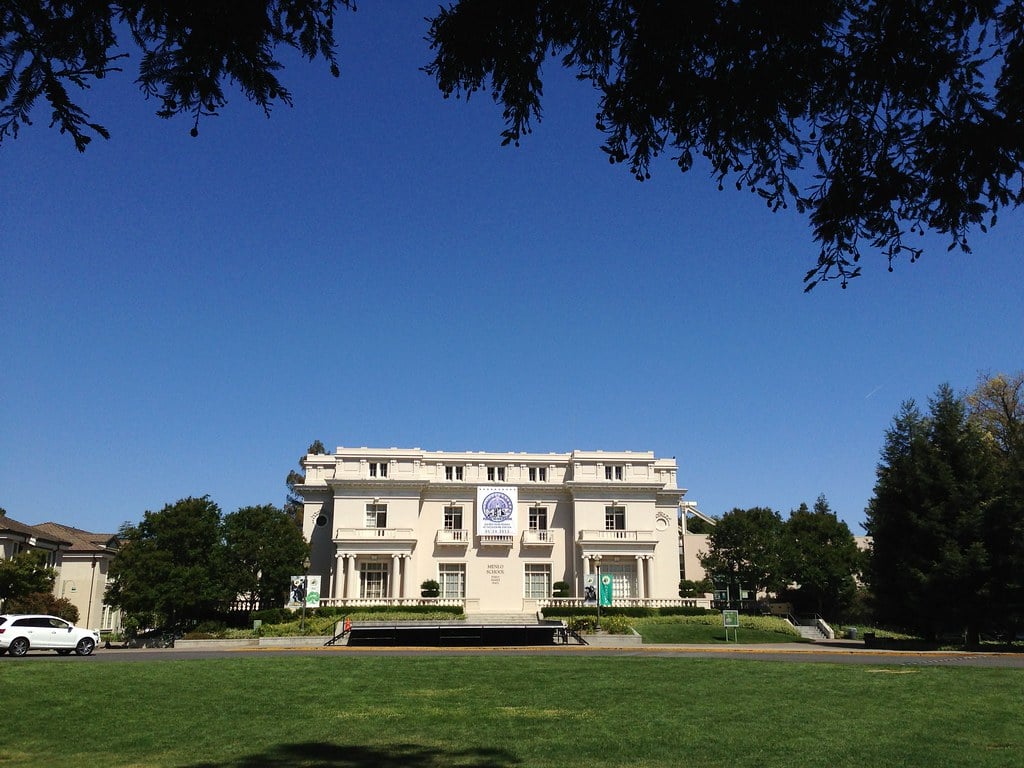
Tech money built this place. Silicon Valley executives needed somewhere to park their fortunes, and Atherton delivered exactly what they wanted: privacy, prestige, and proximity to their empires.
The median household income here regularly tops $450,000.
Scarsdale, New York
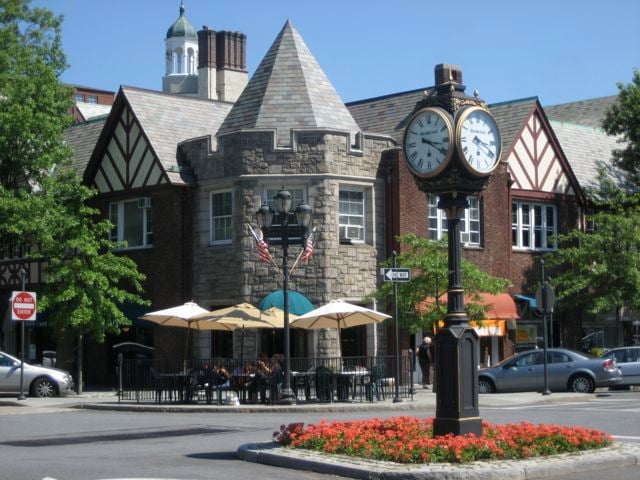
You’d expect wealth in Westchester County, but Scarsdale takes it to extremes most people never hear about (which is exactly how residents prefer it). The train to Manhattan runs reliably, the schools rank among the nation’s best, and the property values reflect both advantages — this ZIP code consistently ranks among America’s wealthiest with median incomes exceeding $350,000, yet somehow manages to avoid the spotlight that follows its flashier neighbors in the Hamptons.
And the thing about Scarsdale is that it’s not trying to impress anyone: the wealth here is so established, so woven into the fabric of daily life, that it doesn’t need to announce itself. So the mansions sit quietly behind old trees, the country club membership lists read like a Fortune 500 directory, and the whole place operates with the kind of understated confidence that only comes from never having to prove anything to anyone.
Fisher Island, Florida
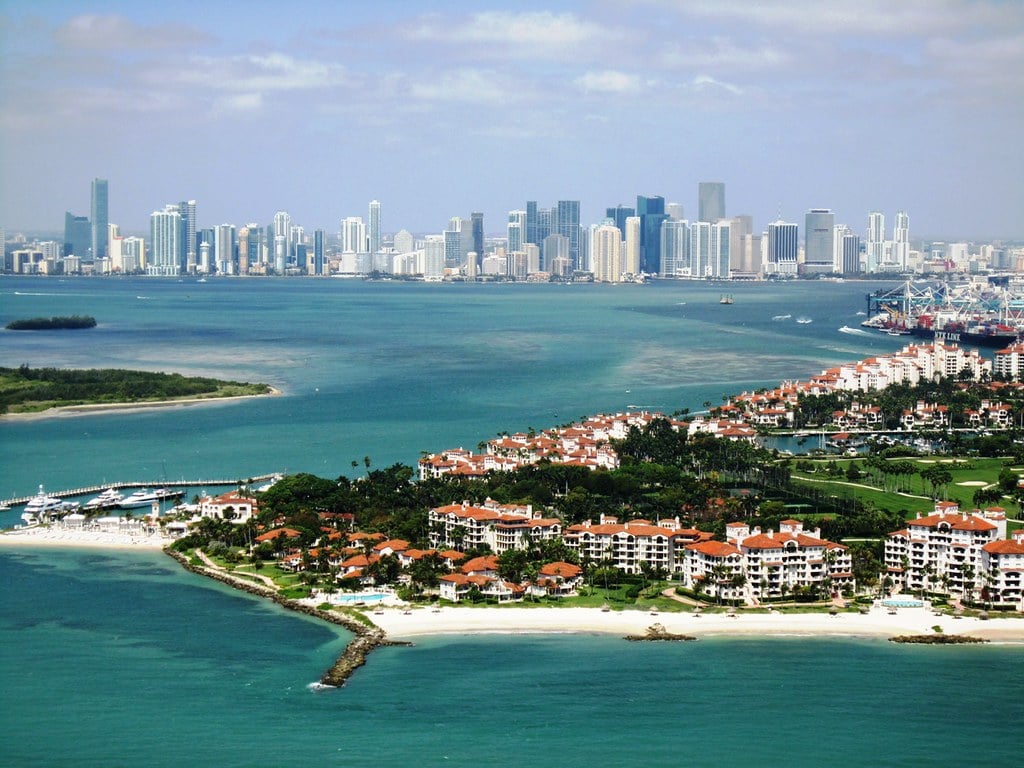
Picture a private island where cars barely exist and the average net worth makes lottery winners look modest. Fisher Island operates like a floating fortress of wealth just off Miami Beach.
You can’t drive here — residents and guests arrive by ferry, yacht, or helicopter.
The median income approaches $200,000, but that figure misses the point entirely. This is where billionaires keep vacation homes they visit twice a year.
Darien, Connecticut
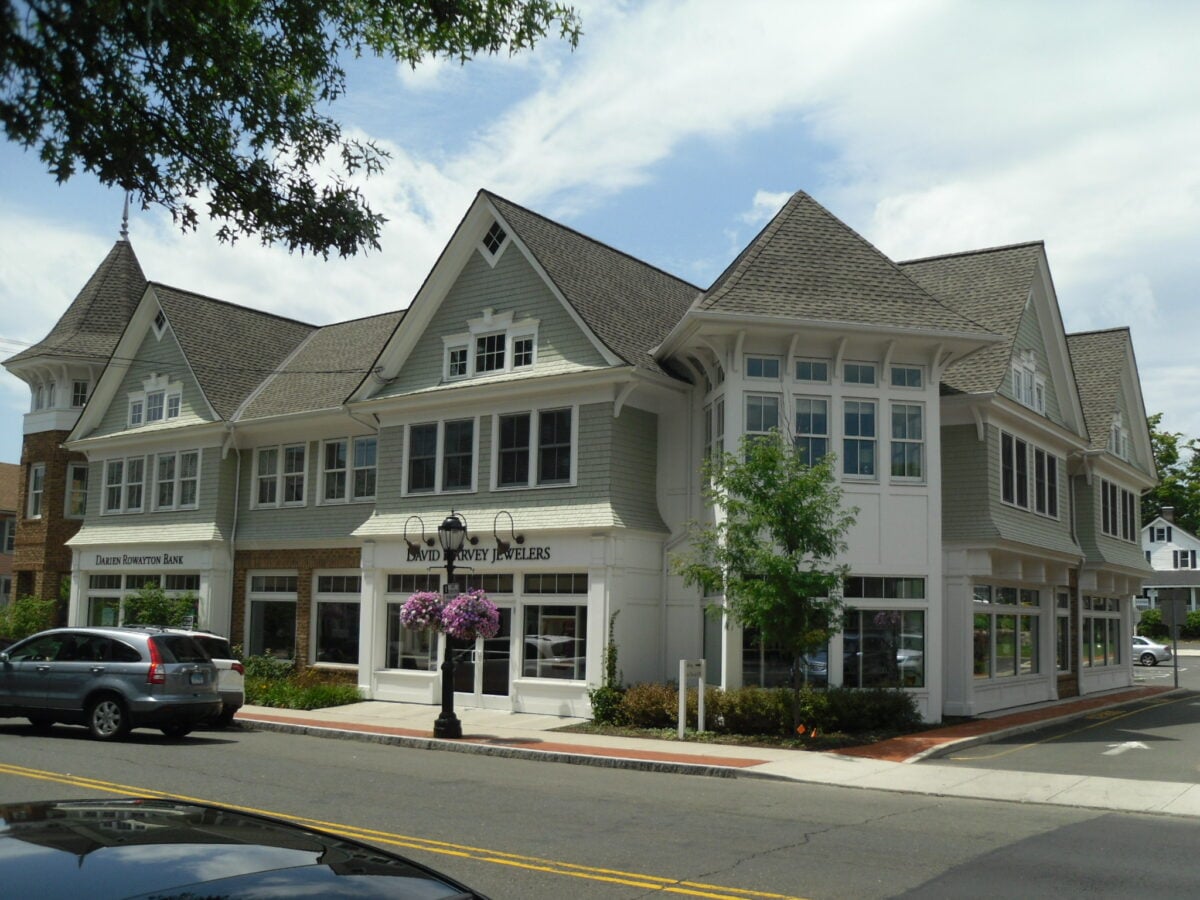
Connecticut’s Gold Coast stretches along Long Island Sound like a string of pearls, and Darien represents one of the most lustrous gems that somehow avoids the name recognition of Greenwich or New Canaan (though it certainly doesn’t avoid their tax brackets). The commuter trains carry hedge fund managers and investment bankers to Manhattan each morning, while their spouses manage charitable foundations and plan fundraising galas that routinely raise millions for causes most people have never heard of.
But here’s what makes Darien particularly fascinating: it’s managed to cultivate an almost aggressive modesty about its wealth — the kind of place where a $5 million colonial is considered a “starter home” and the high school parking lot looks like a luxury car dealership, yet everyone speaks in careful understatements about “doing well enough.” The median household income hovers around $250,000, but the real wealth runs much deeper than salary figures suggest.
Belvedere, California
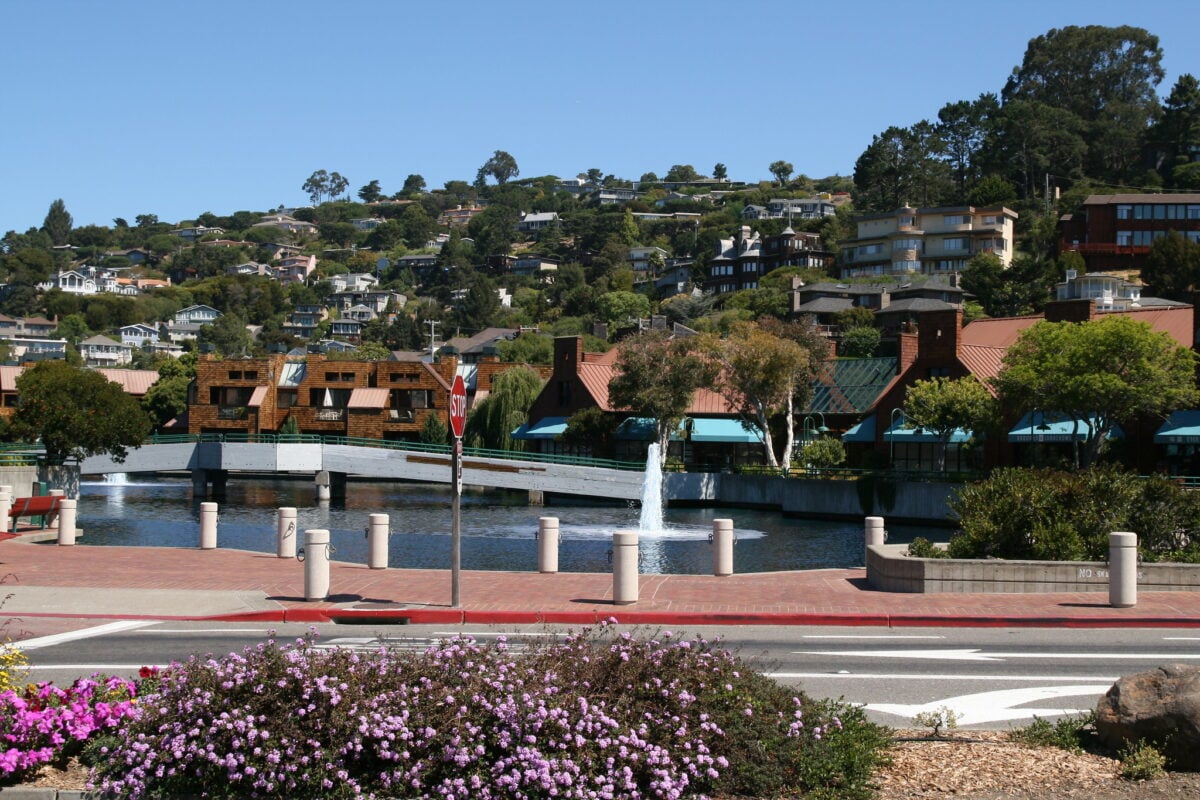
Belvedere exists on a small island in the San Francisco Bay, connected to the mainland by a single causeway. The geography creates natural exclusivity — there’s only so much land, and all of it commands views of either the bay or Mount Tamalpais.
Real estate prices here reflect what happens when you combine natural beauty with artificial scarcity. The median income exceeds $200,000, but the real story lies in property values that make Manhattan seem affordable.
Winnetka, Illinois
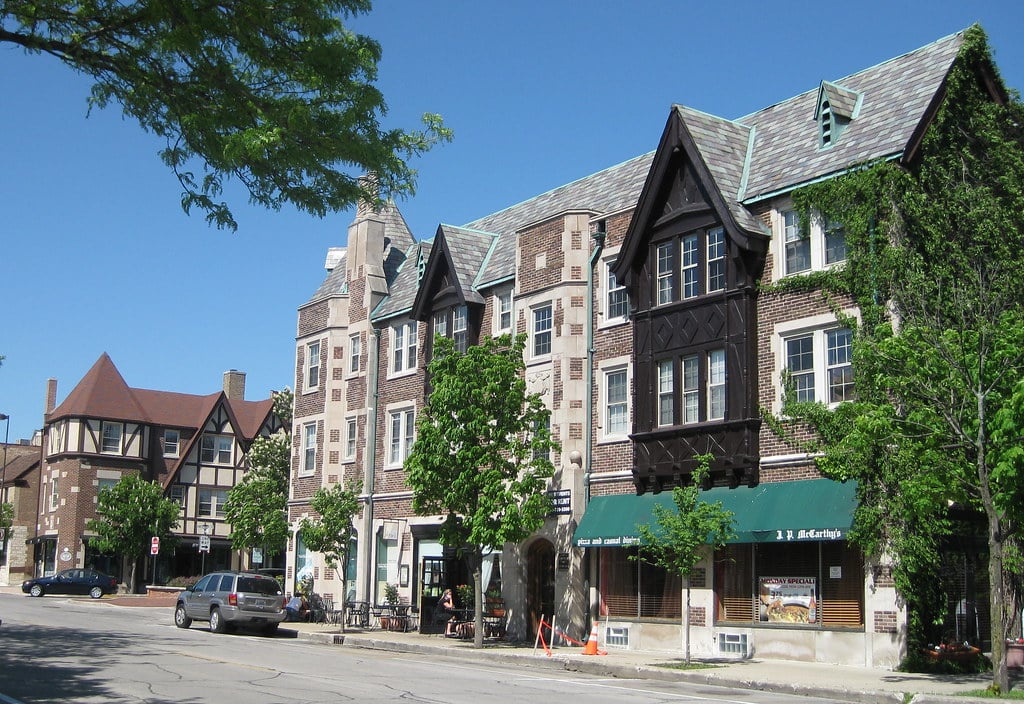
The North Shore of Chicago has always attracted wealth, but Winnetka perfected the art of understated affluence better than most people realize. This isn’t new money showing off or tech fortunes looking for validation — this is old Midwest money that’s been quietly accumulating for generations, building itself into institutions and endowments and trust funds that will outlast whatever economic turbulence comes next.
The median household income sits comfortably above $200,000, and the public schools here perform so well that private school becomes almost redundant (which is saying something in a ZIP code where private school tuition represents pocket change rather than financial sacrifice). And the thing about Winnetka is that it’s figured out how to be extraordinarily wealthy without being obnoxious about it, which might be the most Midwestern approach to money imaginable.
Sagaponack, New York
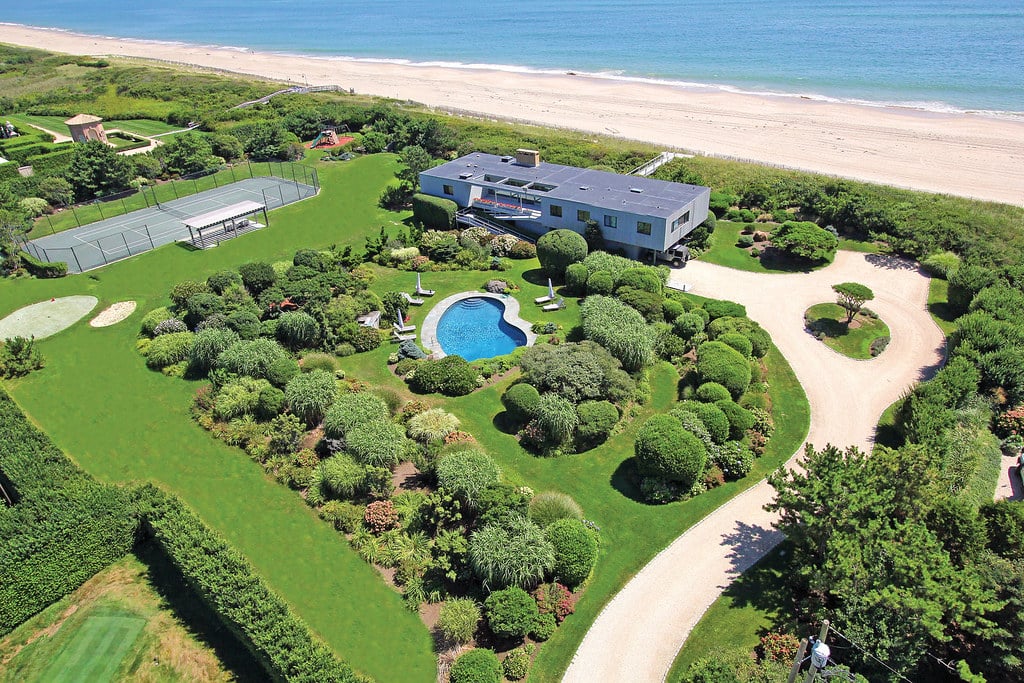
The Hamptons get all the attention, but Sagaponack quietly claims the distinction of America’s most expensive ZIP code by median income. This tiny hamlet on Long Island’s South Fork doesn’t have the name recognition of East Hampton or Southampton, but it has something better: the highest concentration of extreme wealth in the country.
The median household income regularly exceeds $700,000. Most ZIP codes would celebrate that as their peak achievement.
In Sagaponack, it’s just the starting point.
Los Altos Hills, California
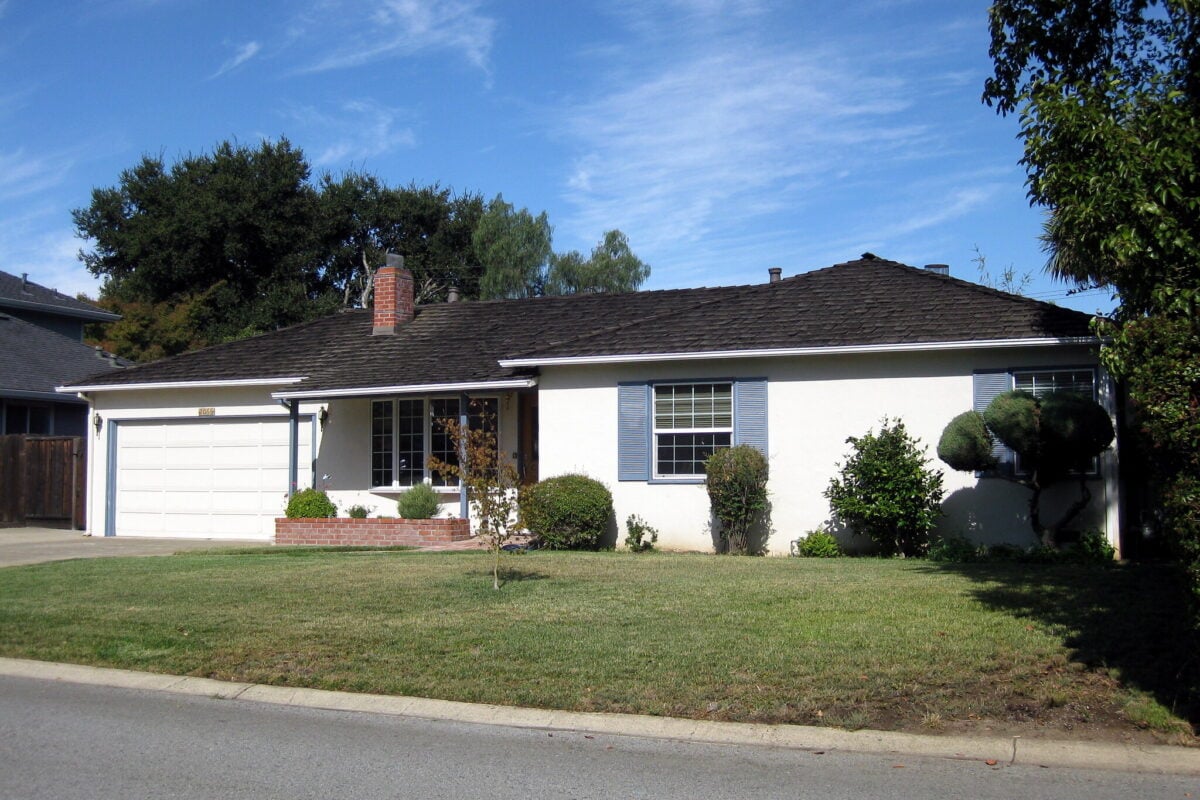
Silicon Valley money flows uphill, and Los Altos Hills sits at the perfect elevation to catch it all (both literally, given its perch in the Santa Cruz Mountains, and figuratively, considering its median household income that consistently ranks among the nation’s highest at over $400,000). The tech executives who built fortunes in semiconductors and software needed somewhere to retreat from the industry they created, and they found it in these rolling hills where estate-sized lots provide buffer zones between neighbors and the closest thing to privacy that exists in the Bay Area.
But what makes Los Altos Hills particularly interesting is how it’s managed to remain relatively anonymous despite harboring some of the most recognizable names in technology — this is where venture capitalists and startup founders go to disappear behind gates and oak trees, where the houses are architectural marvels that no one will ever photograph for magazines because the owners value discretion above recognition.
Bronxville, New York
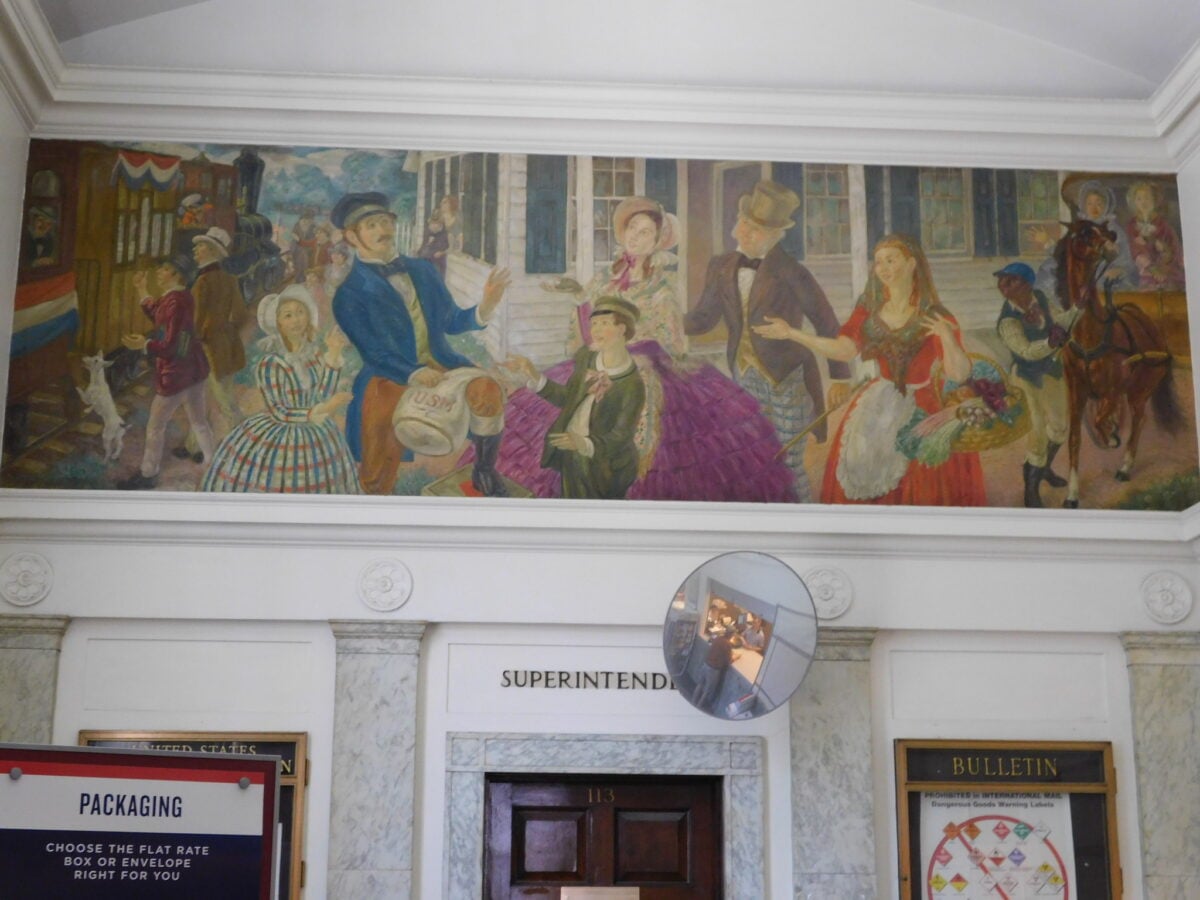
Bronxville operates as a village within the larger town of Eastchester, but don’t let the municipal technicalities fool you — this is one of the wealthiest square miles in America. The commuter rail to Manhattan runs efficiently, the schools rank among New York’s finest, and the real estate prices reflect both advantages with surgical precision.
The median income tops $200,000, but the real wealth shows up in property values that make Manhattan penthouses seem reasonable. Bronxville perfected the art of small-town charm with big-city bank accounts.
Short Hills, New Jersey
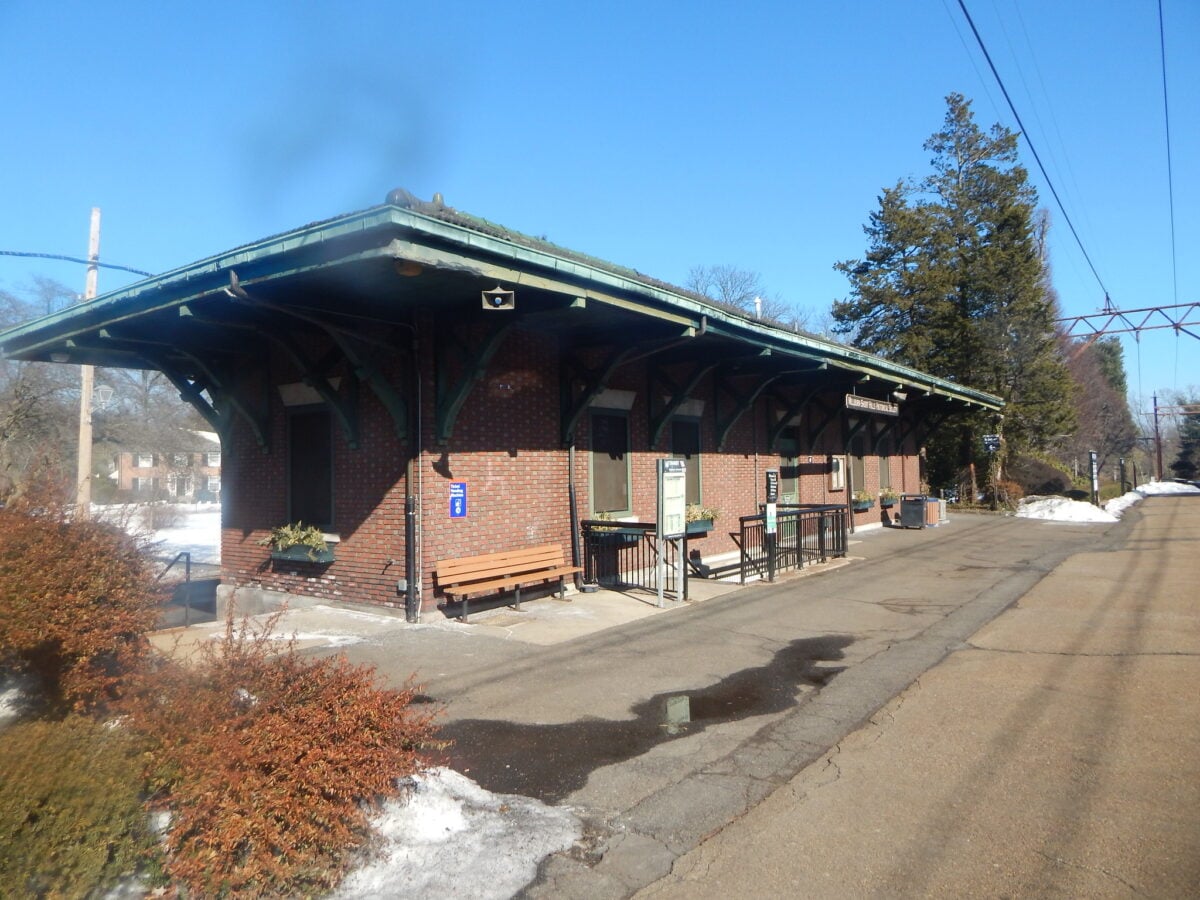
New Jersey gets dismissed as a suburban afterthought, but Short Hills proves that geography isn’t destiny when you have enough money to rewrite the rules. This unincorporated community in Millburn Township has quietly assembled one of the highest median incomes in the country — regularly exceeding $250,000 — while maintaining the kind of low profile that lets residents enjoy their wealth without dealing with the attention that comes with living in more famous enclaves.
The proximity to Manhattan makes it perfect for financial industry executives who want suburban space without suburban commute times, and the absence of any real downtown or commercial district means that Short Hills exists purely as a residential refuge for people who’ve already made their fortunes elsewhere. And somehow, despite harboring some of the most expensive real estate in America, it’s managed to avoid becoming a household name, which is exactly how residents prefer it.
Paradise Valley, Arizona
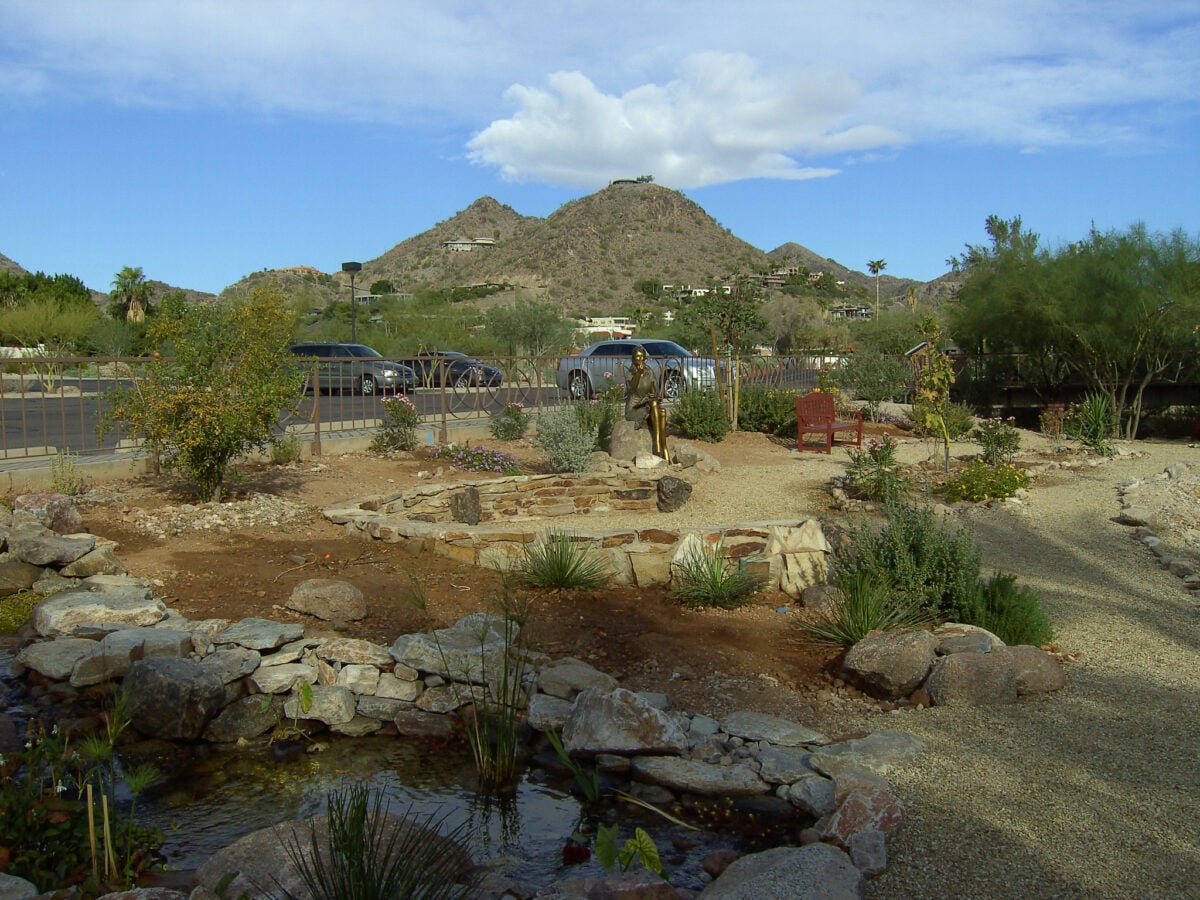
Desert wealth takes a different form than coastal money, and Paradise Valley demonstrates exactly what that looks like when it’s done right. Tucked between Phoenix and Scottsdale, this town exists almost exclusively to house the kind of winter estates that wealthy retirees build when they decide Arizona’s tax climate suits them better than whatever state originally made them rich.
The median household income approaches $200,000, but the real story lies in the property sizes and architectural freedom that desert living provides. This is where pharmaceutical executives and defense contractors go to build compounds that would be impossible anywhere with actual zoning restrictions.
Hinsdale, Illinois
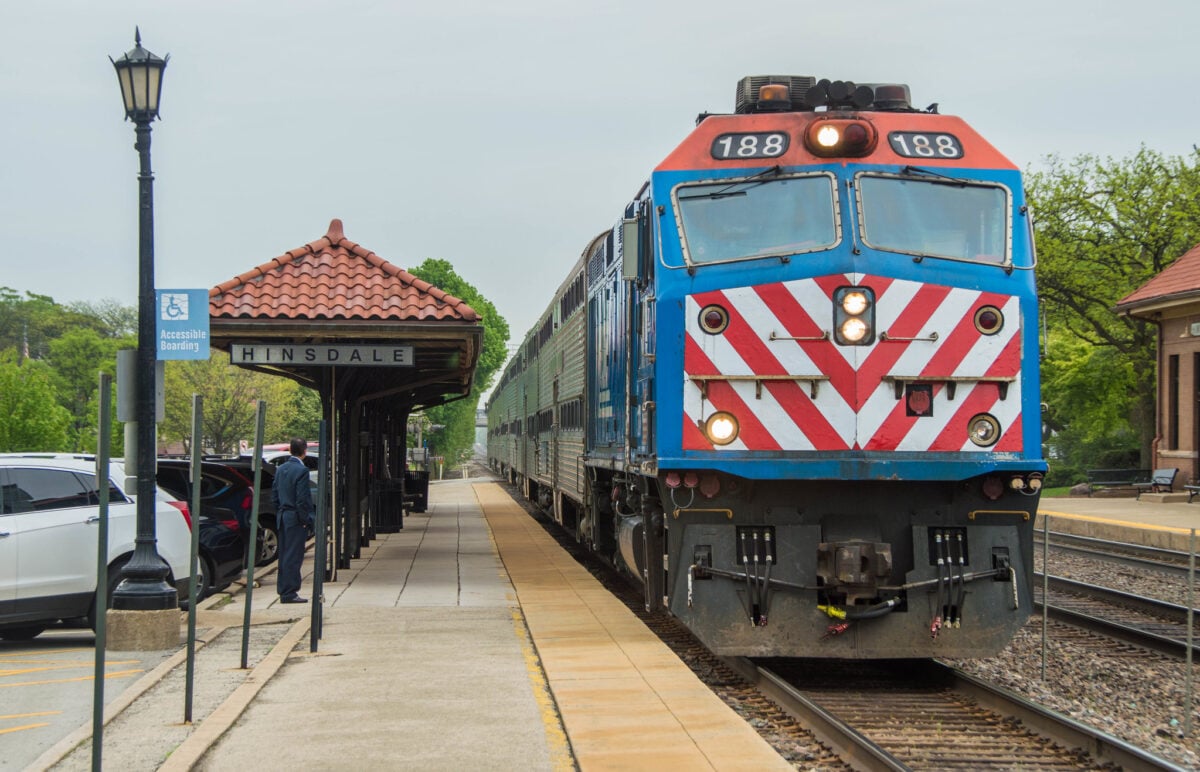
Chicago’s western suburbs hide pockets of wealth that would surprise people who think all the money flows north to Lake Forest and Winnetka. Hinsdale built itself into a haven for executives who prefer prairie architecture to lakefront estates, and the median household income of over $150,000 reflects the success of that strategy.
The commuter rail connections to downtown Chicago run smoothly, the public schools perform at private school levels, and the whole town operates with the quiet efficiency of people who’ve figured out how to live well without making a spectacle of it.
Mountain Brook, Alabama
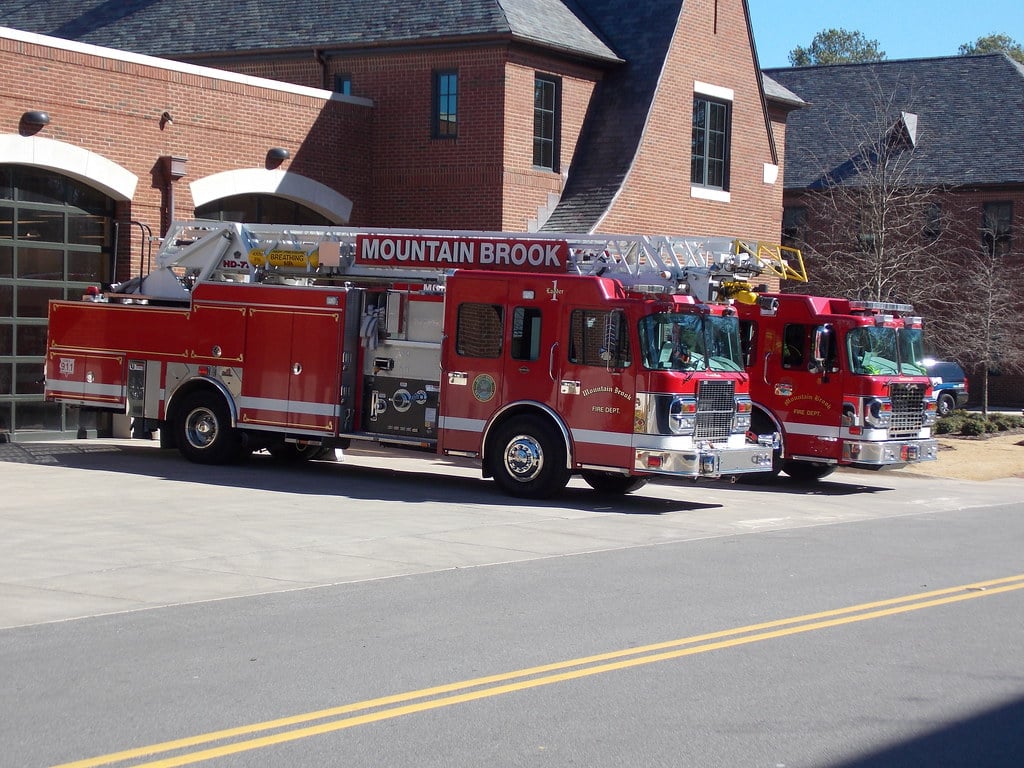
Southern wealth doesn’t always announce itself with the same volume as coastal money, and Mountain Brook represents the perfected version of that tradition — a Birmingham suburb where old money has been quietly accumulating for generations, building itself into country club memberships and charitable foundation boards that wield influence far beyond what their relatively modest public profile would suggest.
The median household income exceeds $100,000, which might not sound impressive compared to Silicon Valley figures, but it goes considerably further in Alabama, where the cost of living allows wealth to stretch in ways that would be impossible in more expensive markets. And the thing about Mountain Brook is that it’s never needed to compete with flashier destinations for attention — the families who’ve lived here for generations already know exactly what they have, and they’re perfectly content to keep it to themselves.
Beyond the obvious choices

Wealth in America has learned to hide in plain sight. These ZIP codes prove that the biggest fortunes don’t always live in the most famous addresses.
They’ve figured out something that flashier destinations missed: true luxury lies in not having to prove anything to anyone. The real money, as it turns out, prefers to stay quiet.
More from Go2Tutors!

- The Romanov Crown Jewels and Their Tragic Fate
- 13 Historical Mysteries That Science Still Can’t Solve
- Famous Hoaxes That Fooled the World for Years
- 15 Child Stars with Tragic Adult Lives
- 16 Famous Jewelry Pieces in History
Like Go2Tutors’s content? Follow us on MSN.