15 Creatures That Are Better at Their Job Than Any Human Ever Will Be
Nature has been refining its creations for millions of years through evolution. While humans have developed impressive technologies, certain creatures possess natural abilities that surpass our most advanced innovations.
These specialized adaptations make them masters of their particular niches in ways human ingenuity simply cannot match. Here is a list of 15 creatures whose natural abilities outshine any human capability in their specialized domains.
Mantis Shrimp
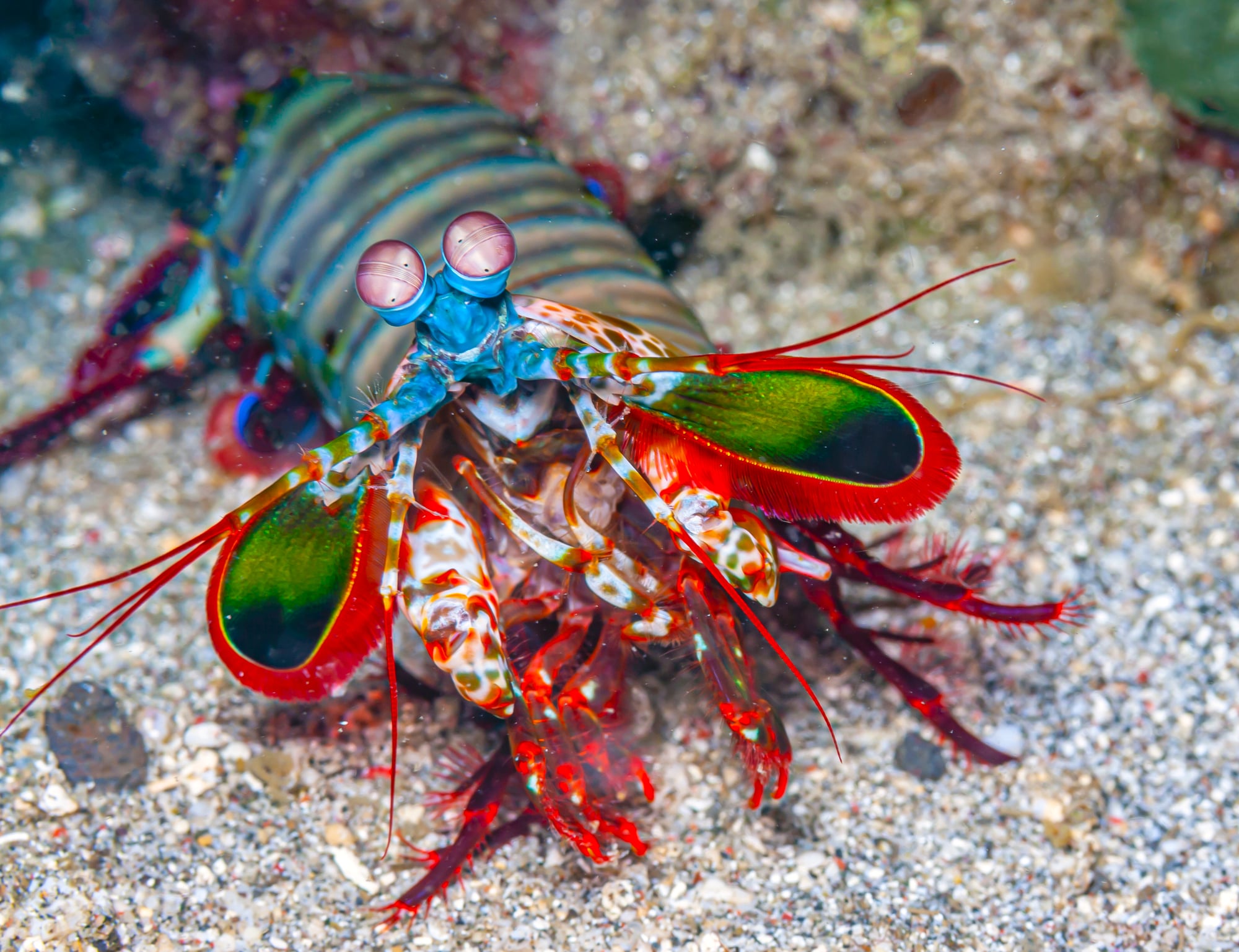
The mantis shrimp packs the most powerful punch in the animal kingdom. These colorful marine crustaceans can strike with their club-like appendages at speeds of mph, generating forces equivalent to a caliber bullet.
The strike is so powerful that it creates cavitation bubbles that produce heat nearly as hot as the sun’s surface when they collapse. Engineers have studied their club structure to develop better body armor and sports equipment.
Tardigrades
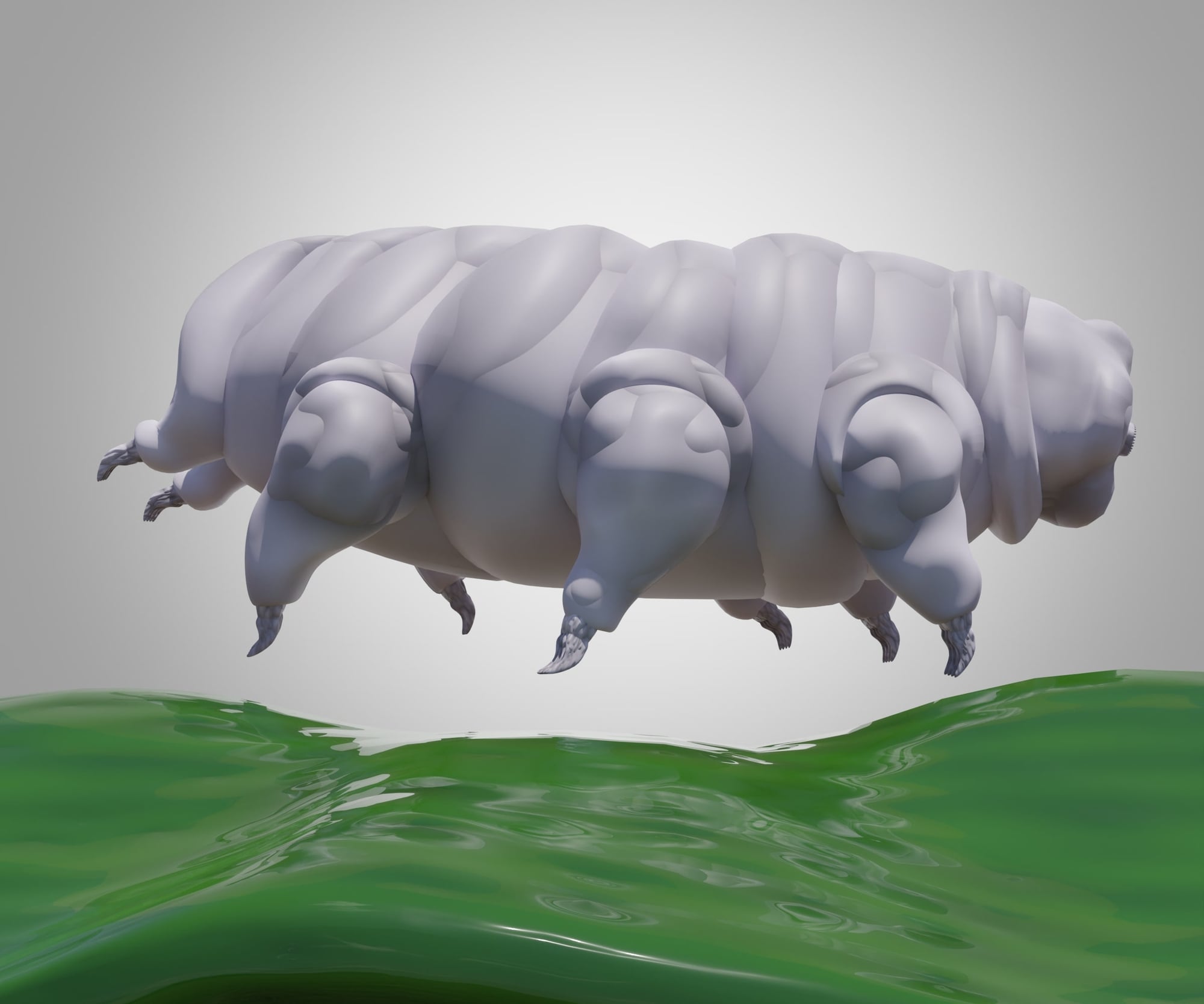
These microscopic ‘water bears’ are practically indestructible survival machines. Tardigrades can withstand environments that would instantly kill humans – from the vacuum of space to crushing ocean depths, radiation levels thousands of times higher than what’s lethal to humans, and temperatures from near absolute zero to well above boiling.
They accomplish this by entering a dehydrated state called cryptobiosis where they replace water in their cells with special proteins, essentially becoming dormant until conditions improve.
Bombardier Beetle
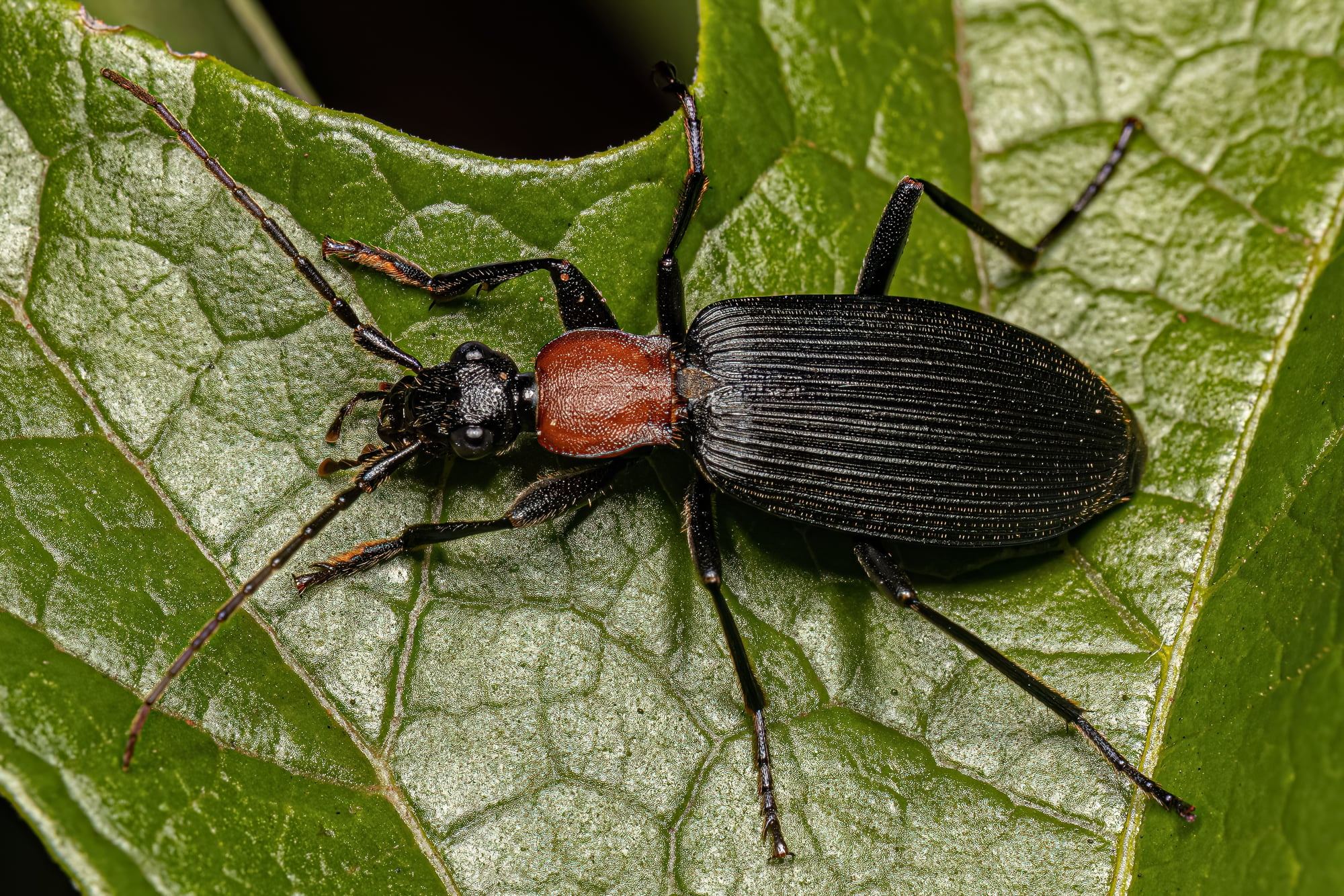
The bombardier beetle is nature’s master chemist, creating a scalding defensive spray through an extraordinary chemical reaction. When threatened, it mixes hydrogen peroxide and hydroquinones from separate chambers with catalytic enzymes, causing an explosive reaction reaching nearly °F.
The beetle can aim this chemical spray with remarkable precision at predators. No human could internally produce such a precise chemical weapon without severely harming themselves.
Peacock Mantis Shrimp
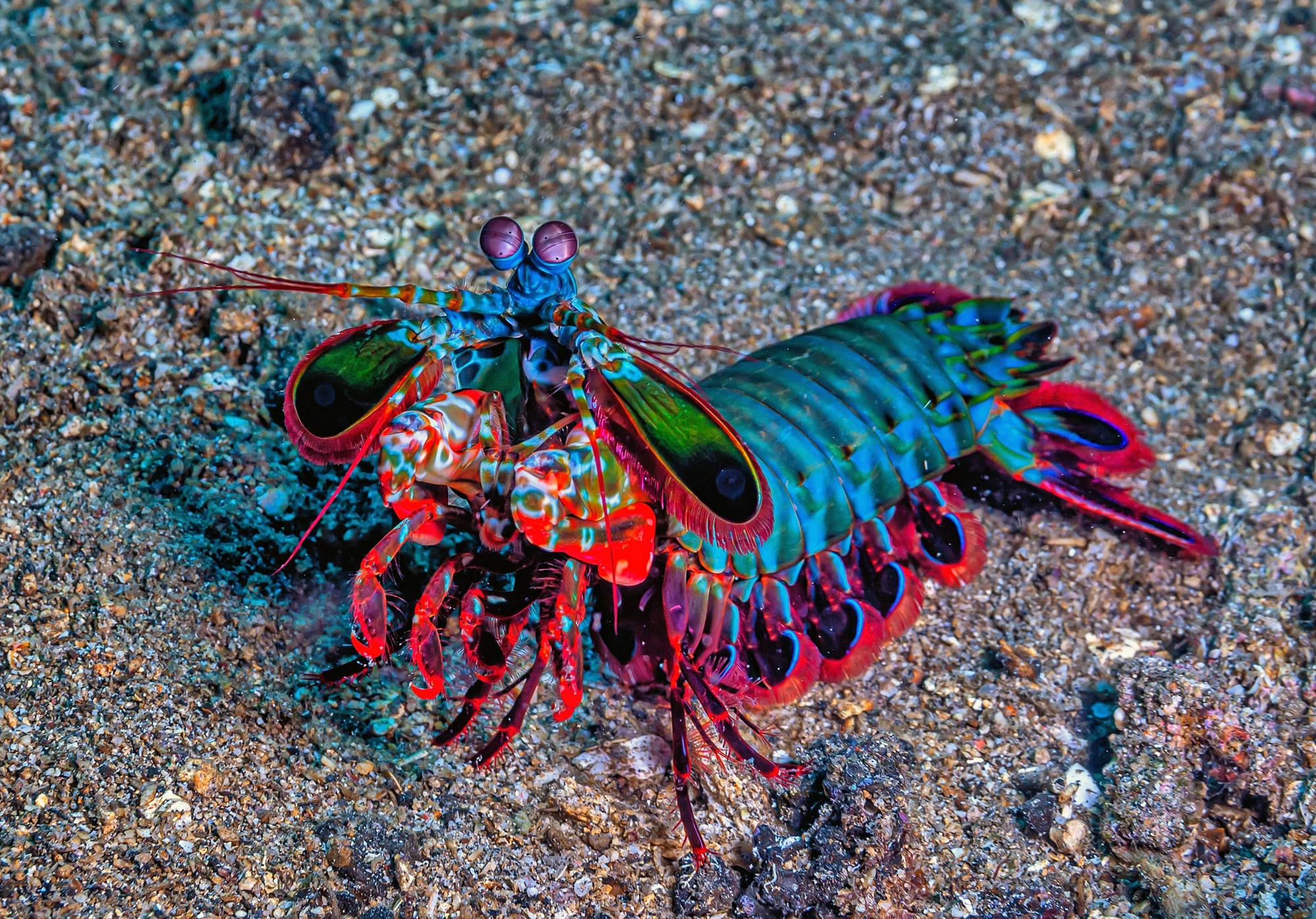
Beyond its striking abilities, the peacock mantis shrimp possesses the most sophisticated eyes on the planet. While humans have three color receptors, these creatures have between twelve and sixteen different photoreceptor types, allowing them to see ultraviolet, infrared, and polarized light.
They perceive a spectrum of colors we cannot even imagine. Medical researchers study their visual systems to develop better cameras for detecting cancer and other advanced imaging technologies.
Barn Owl
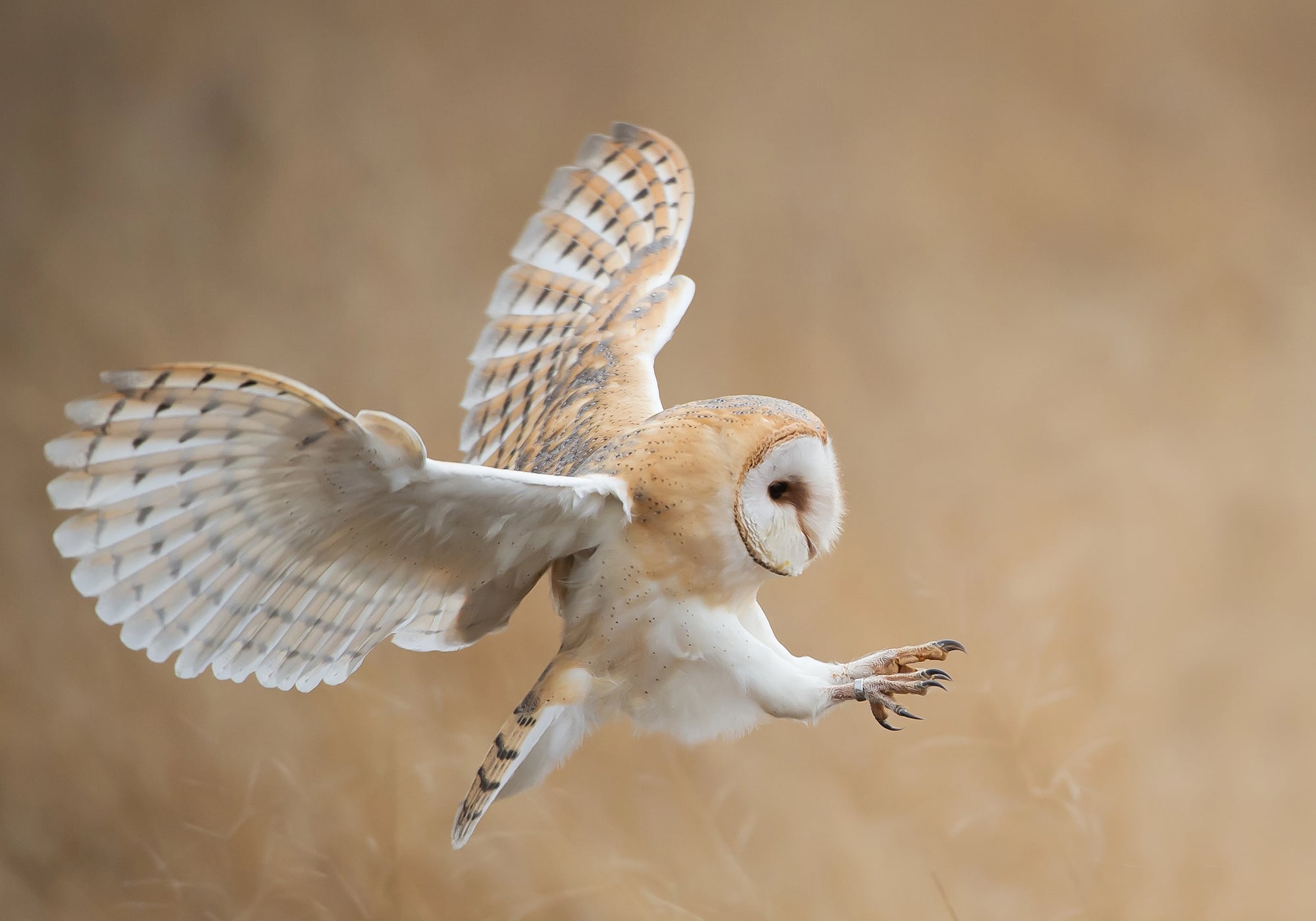
The barn owl’s hearing is so precise that it can locate prey in complete darkness under snow or leaf litter. Their facial discs work like satellite dishes, channeling sound to asymmetrically positioned ears that can detect a one-millisecond difference in sound arrival time.
This gives them three-dimensional hearing accuracy unmatched by any human or human-made device. A barn owl can hear a mouse’s footsteps from seventy-five feet away or the heartbeat of prey hiding under leaves.
Electric Eel
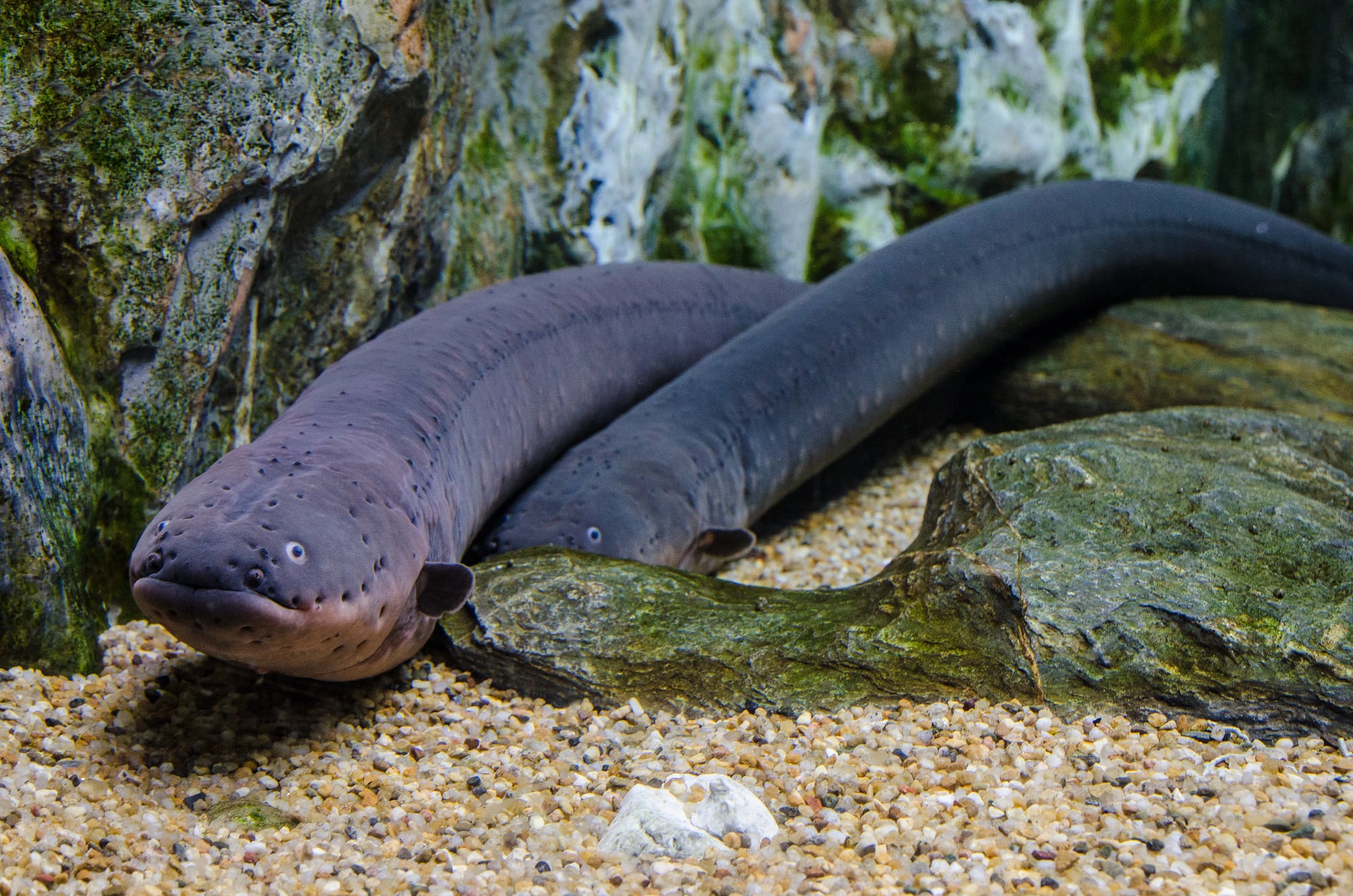
Electric eels are living batteries that generate electric fields more efficiently than any human-made electrical device. They possess specialized cells called electrocytes that can produce electric discharges up to volts – enough to stun a horse.
These creatures can precisely control their electrical output, using low-voltage pulses for navigation and high-voltage discharges for hunting and self-defense. Scientists study their electricity-generating mechanisms to create better batteries and bio-inspired power sources.
Spider Silk Production
Spiders produce silk that outperforms virtually all synthetic materials in an environmentally friendly way. Spider silk has the tensile strength of steel but with significantly less weight, is more elastic than nylon, and is produced at body temperature without harsh chemicals.
Proportionally, certain spider silks could stop a passenger jet in flight. Despite decades of research, humans haven’t been able to replicate the perfect combination of strength, elasticity, and production efficiency that spiders achieve naturally.
Arctic Tern Migration
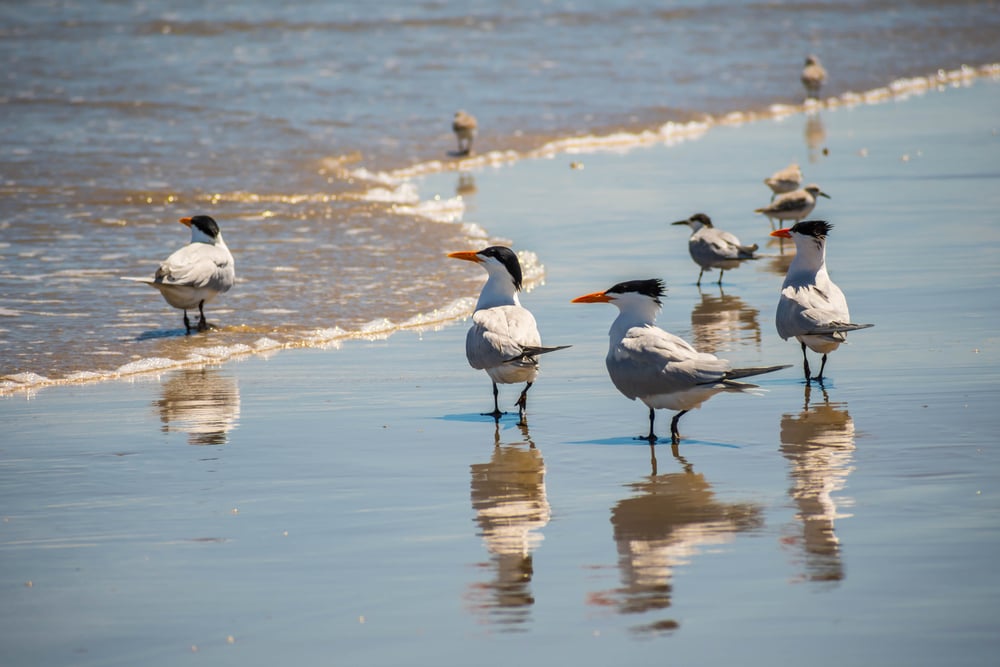
Arctic terns hold the record for the longest migration of any animal, traveling from the Arctic to the Antarctic and back annually – a round trip of about forty-four thousand miles. These birds navigate with incredible precision across vast oceans, returning to the exact same nesting grounds year after year.
They achieve this navigational feat using a combination of celestial cues, Earth’s magnetic field, and visual landmarks. Some arctic terns live for over thirty years, meaning they travel a distance equivalent to going to the moon and back three times during their lifetime.
Bloodhound Scent Detection
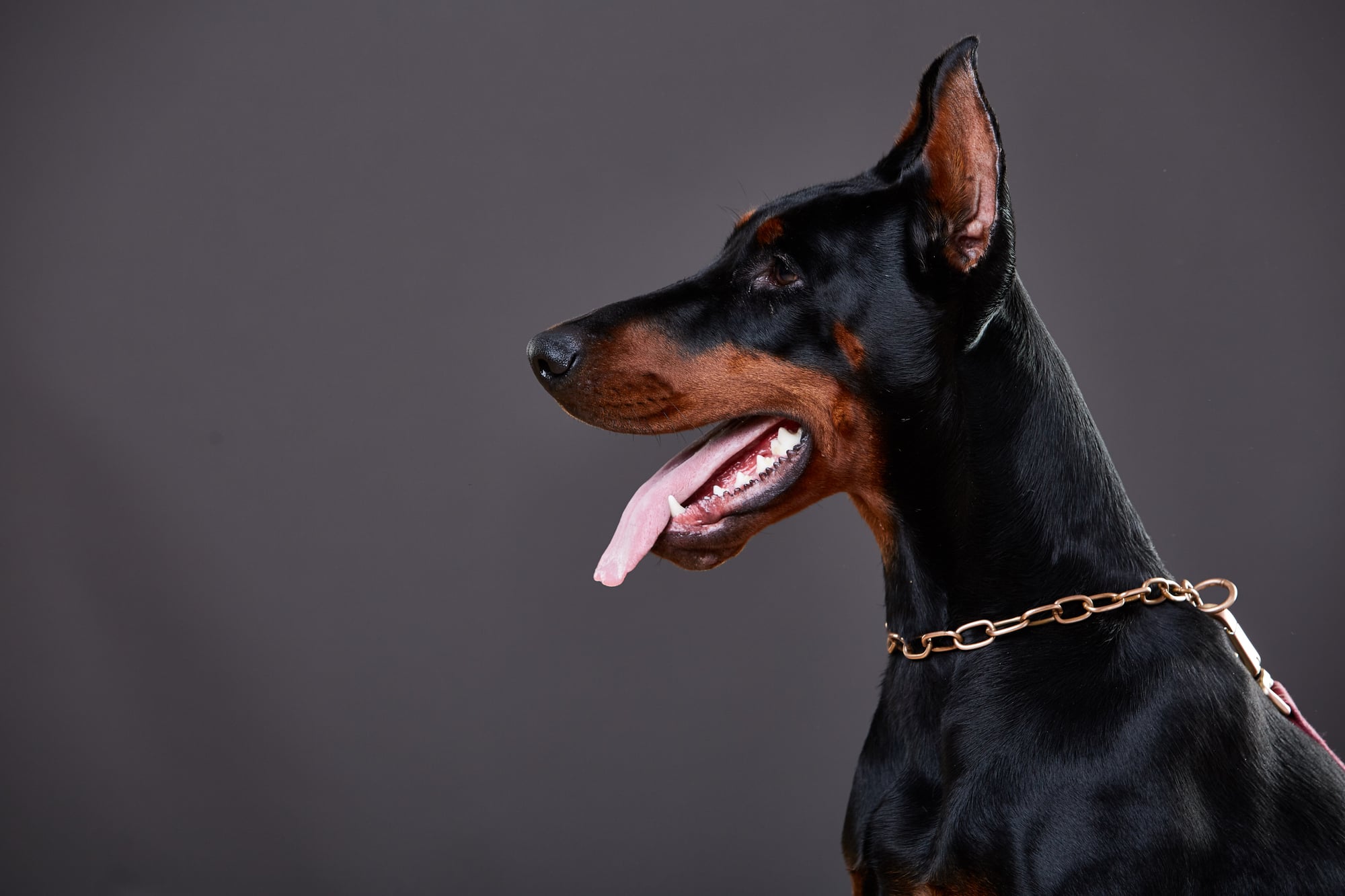
The bloodhound’s sense of smell makes the best human technology look primitive by comparison. With hundreds of millions of scent receptors (compared to our five million), these canines can follow trails over hundreds of hours old and distinguish between identical twins.
A bloodhound’s olfactory evidence is admissible in court in many jurisdictions – the only animal whose sensory detection meets this legal standard. Their three-dimensional “scent picture” is so detailed they can track a specific person through a crowded stadium days after they’ve left.
Migratory Monarch Butterflies
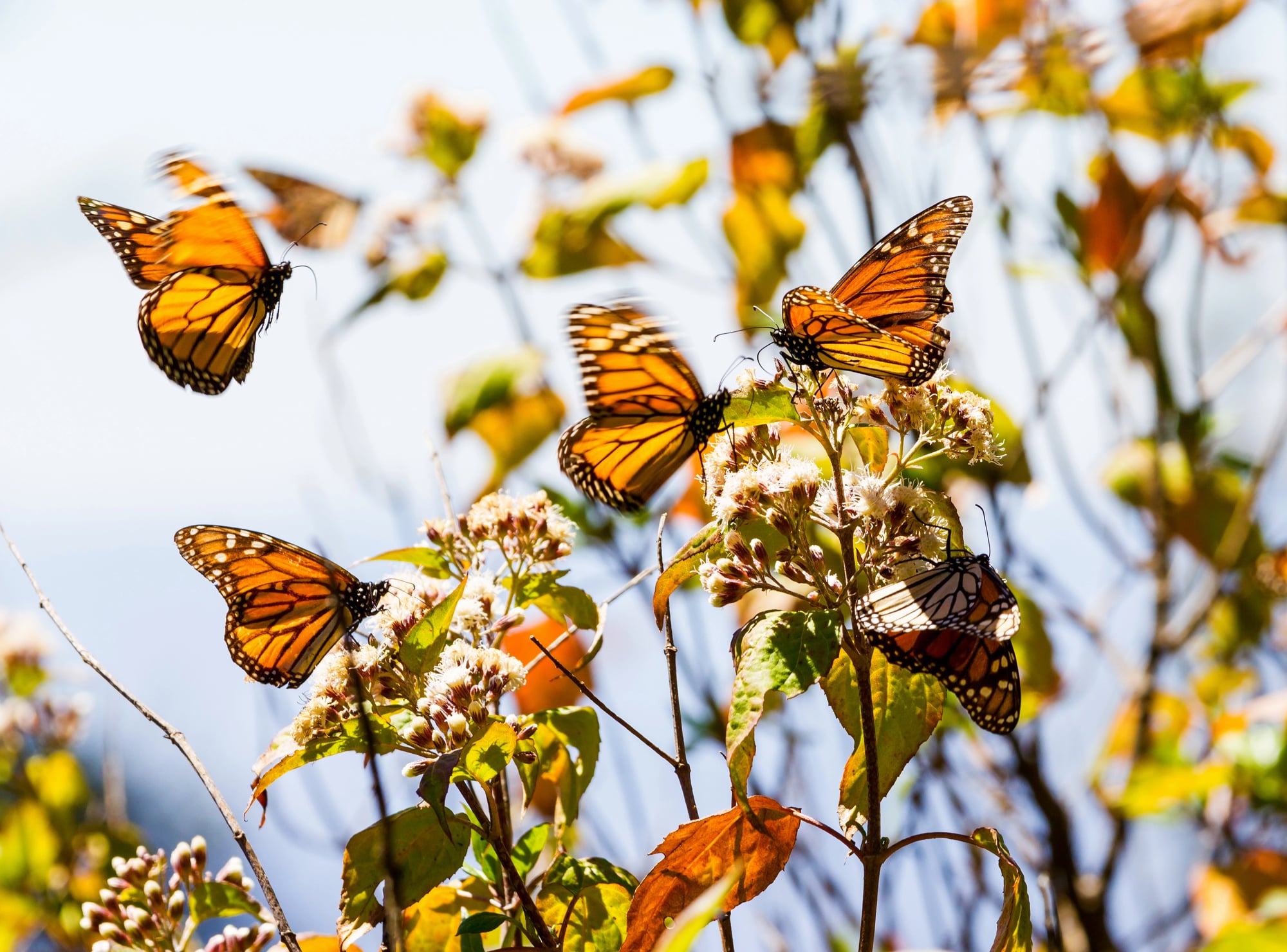
Monarch butterflies achieve an incredible navigational feat that spans generations. These insects migrate up to thousands of miles from Canada to Mexico, yet no single butterfly completes the entire round trip.
It takes three to four generations to complete the full migration cycle, meaning the butterflies finding their way to specific overwintering grounds in Mexico are the great-grandchildren of those who left the previous year. They navigate using a combination of sun position, internal circadian clocks, and magnetic sensitivity – all packed into a brain smaller than a pinhead.
Peregrine Falcon Speed
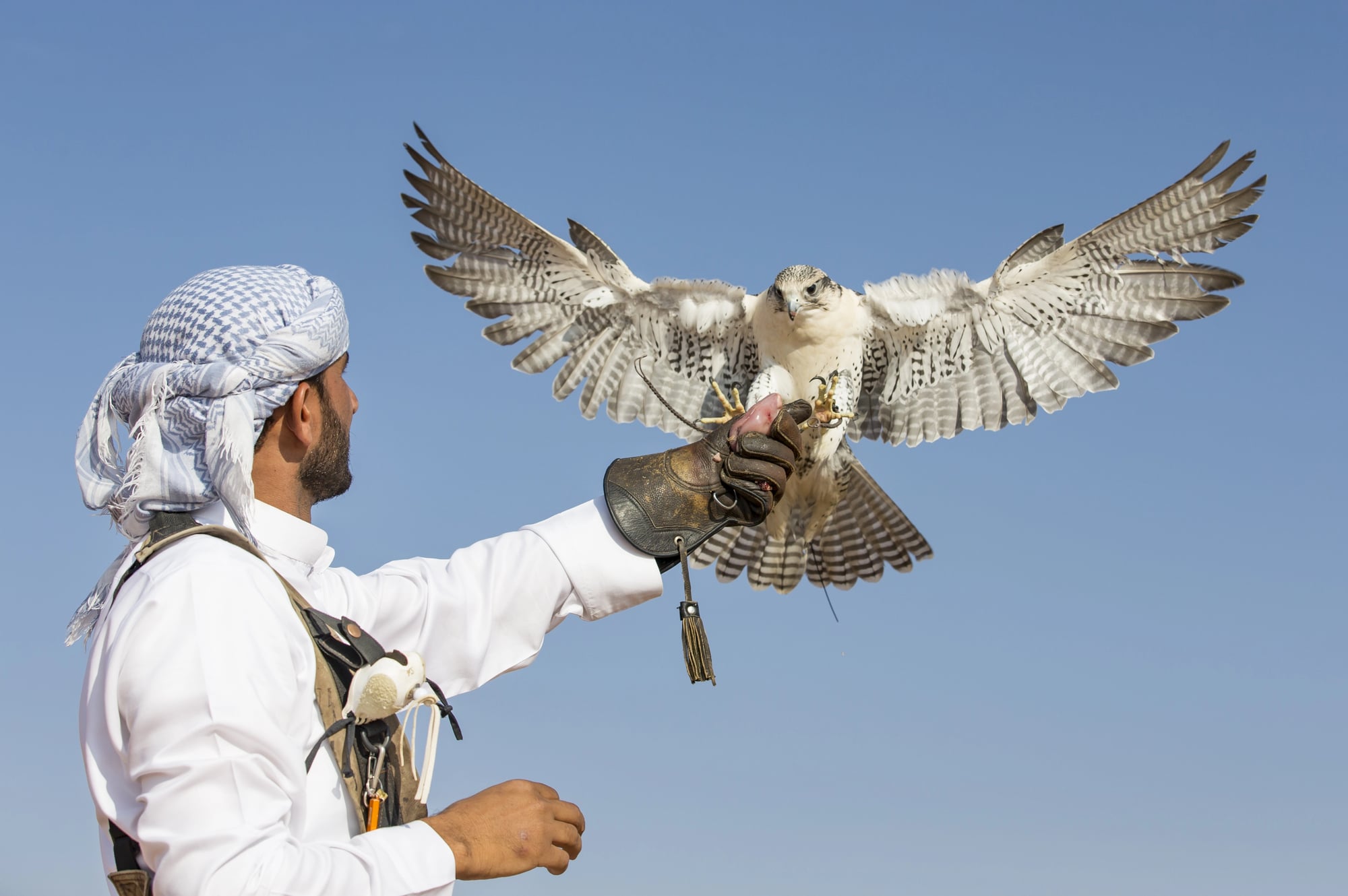
The peregrine falcon achieves speeds no human could ever match without technology. During hunting dives called stoops, these birds reach speeds over hundreds of miles per hour, making them the fastest animals on the planet.
Their specialized respiratory system, streamlined body, and protective third eyelid allow them to maintain precision vision while experiencing g-forces that would cause a human to lose consciousness. Engineers study peregrine aerodynamics to improve aircraft design and high-speed stability.
Termite Temperature Regulation
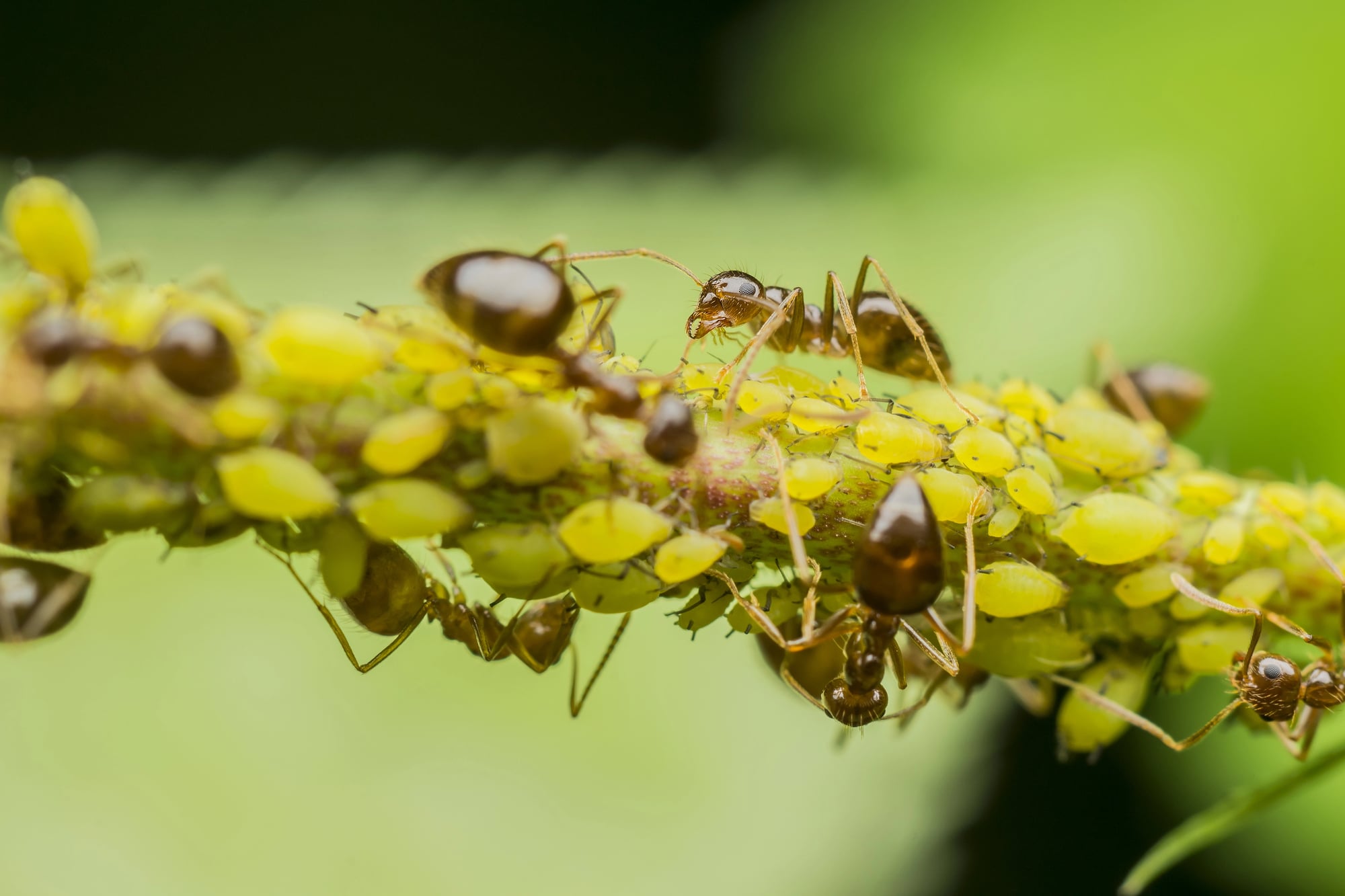
African termites construct massive mounds that maintain internal temperatures within one to two degrees year-round without any mechanical system. These structures feature sophisticated passive ventilation that creates convection currents, cooling chambers, and humidity regulation – all achieved through intricate architecture.
Termites accomplish this remarkable feat of climate control using only natural materials and principles of physics, outperforming many human-designed buildings despite having brains smaller than a grain of sand.
Deep Sea Anglerfish Bioluminescence
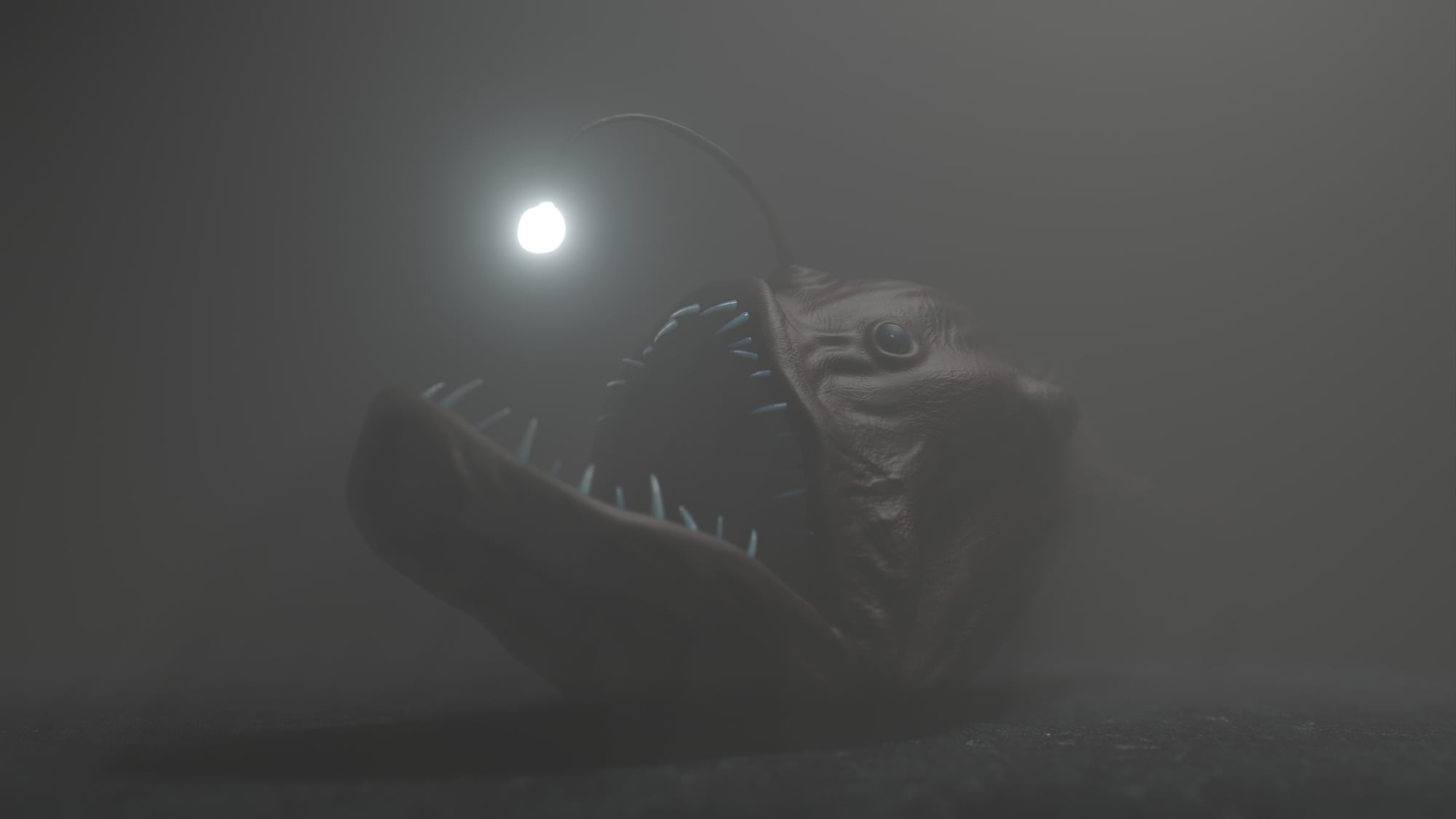
The female anglerfish produces one of nature’s most efficient lights. The bioluminescent lure on its head creates light through a chemical reaction that converts nearly all energy into light with virtually no heat loss.
By comparison, standard incandescent bulbs waste the majority of energy as heat. This cold light production occurs in the crushing pressures of the deep ocean, where no human-made lighting system could function as efficiently or reliably without significant protective engineering.
Hummingbird Flight
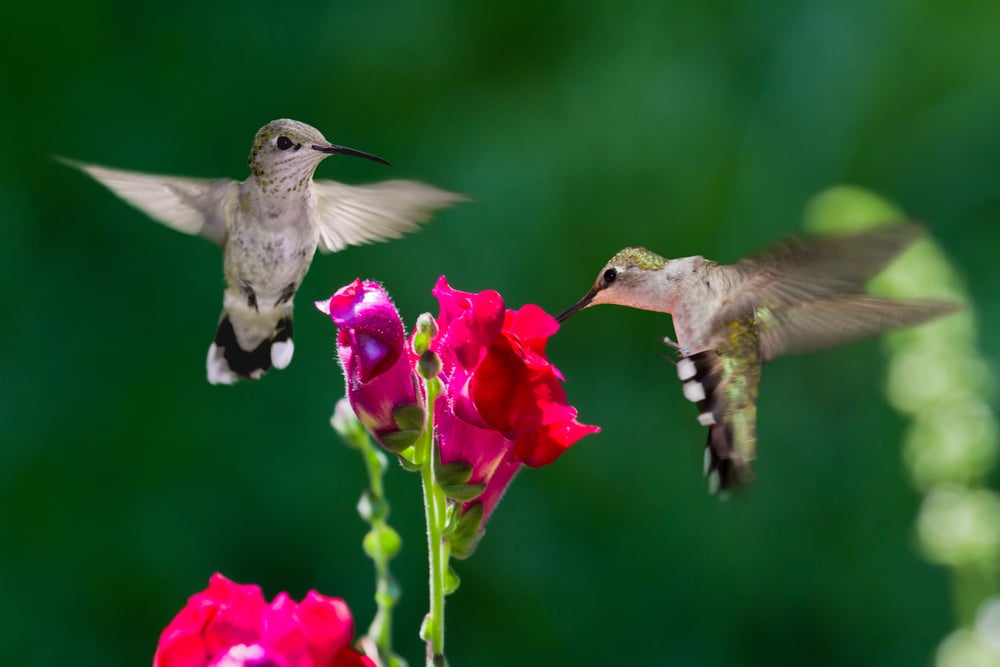
Hummingbirds achieve aerial maneuvers that would make fighter pilots envious. They can fly forward, backward, upside down, and hover with precision while maintaining perfect stability.
Their wings beat up to dozens of times per second, controlled by specialized muscles that move directly rather than through levers like other birds. Their remarkable flight capabilities allow them to extract nectar from flowers while hovering and to perform courtship displays involving dives at high speeds with last-second pull-ups, experiencing g-forces that would cause humans to black out.
Pistol Shrimp Sonic Attack
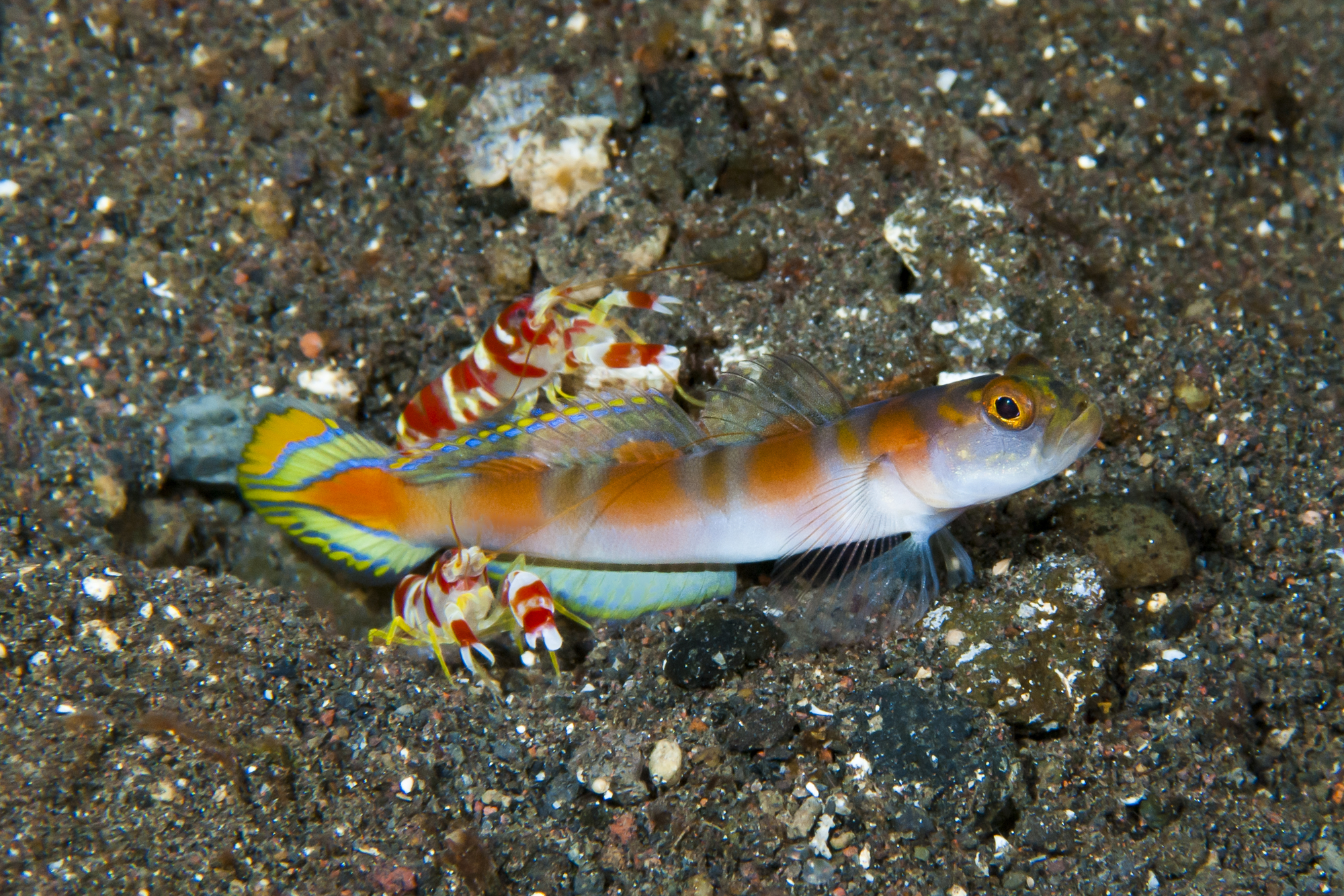
The pistol shrimp creates the loudest sound in the animal kingdom through a specialized claw that snaps shut so quickly it forms a cavitation bubble reaching temperatures nearly as hot as the sun’s surface. When this bubble collapses, it produces a sound wave of over two hundred decibels – louder than a gunshot – capable of stunning or killing small prey.
The shock wave also produces a brief flash of light through sonoluminescence. This natural weapon operates with efficiency no human sonic technology can match, especially considering the tiny size of the creature generating it.
Nature’s Engineering Excellence

The remarkable specializations these creatures possess demonstrate how evolution has produced biological solutions far more elegant than human technology in specific niches. These natural adaptations have been refined over millions of years, resulting in capabilities that operate with minimal energy input and remarkable precision.
While humans create impressive technologies through conscious design, we’re still learning from nature’s playbook, where countless trial-and-error experiments have yielded extraordinary biological machinery. Each of these creatures reminds us that despite our technological achievements, we remain students of nature’s engineering expertise, continually discovering new biological systems that inspire innovation and remind us of the extraordinary diversity of life on Earth.
More from Go2Tutors!

- The Romanov Crown Jewels and Their Tragic Fate
- 13 Historical Mysteries That Science Still Can’t Solve
- Famous Hoaxes That Fooled the World for Years
- 15 Child Stars with Tragic Adult Lives
- 16 Famous Jewelry Pieces in History
Like Go2Tutors’s content? Follow us on



