Incorrect Historical Timelines Taught in Grade School
Learning history in elementary school felt like memorizing a neat sequence of dates and events. First this happened, then that, everything flowing in perfect order from one milestone to the next. The problem is that much of what gets taught as historical fact turns out to be oversimplified, rearranged, or occasionally just wrong.
Teachers working with limited time and young attention spans naturally gravitate toward stories that make sense in a linear way, even when the actual history was messier, more complicated, or happened in a completely different order than the textbooks suggest.
The Age of Exploration Timeline
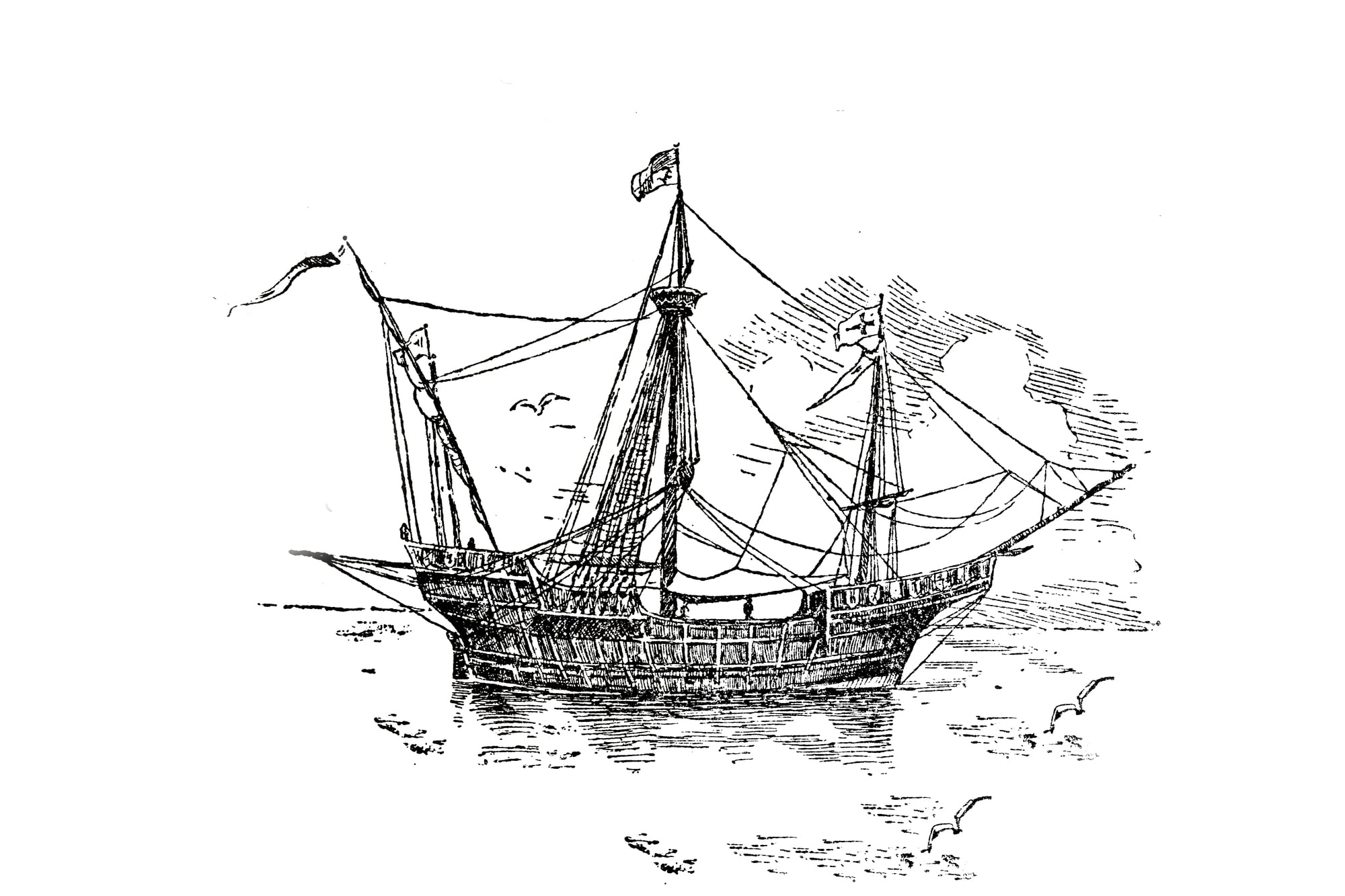
Columbus discovered America in 1492. Vikings got there centuries earlier. The textbook version makes it sound like Europeans suddenly decided to explore the world, when actually they’d been poking around for ages.
Most elementary curricula skip right past Leif Erikson and the Norse settlements in Newfoundland around 1000 AD. That’s nearly 500 years before Columbus ever set sail.
Medieval Times as the Dark Ages
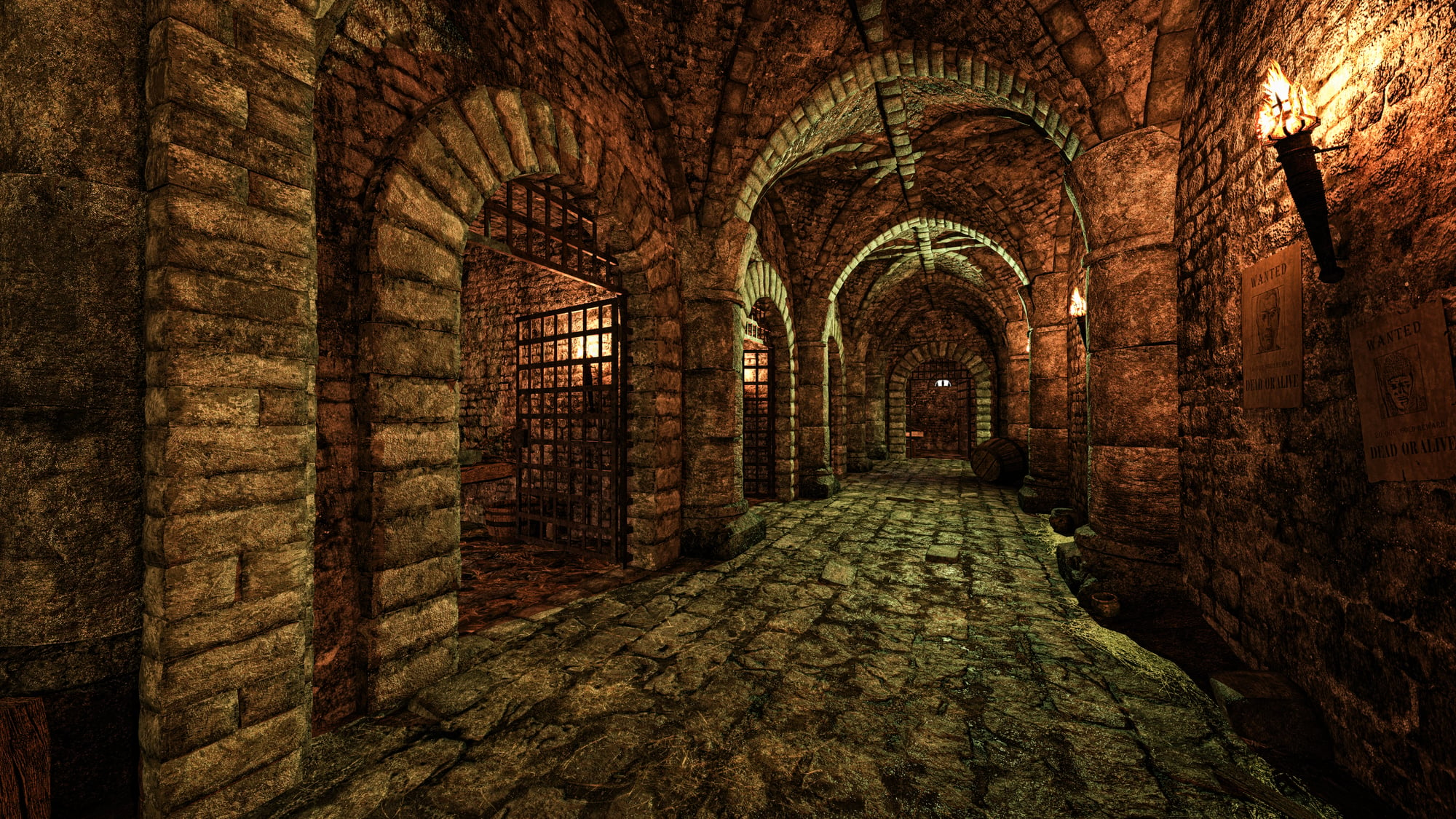
What gets presented as centuries of ignorance and stagnation was actually a period of remarkable innovation, scholarship, and cultural development — just not necessarily happening in the places later European historians emphasized.
Kids learn that the Middle Ages were dark and dreary, but they miss the Islamic Golden Age, Byzantine scholarship, and major agricultural and architectural advances across Europe. The timeline also compresses roughly a thousand years into a single uniform “dark” period, despite enormous variation across that time.
The Industrial Revolution’s Neat Beginning

The Industrial Revolution didn’t start with James Watt perfecting the steam engine in 1769. It had been building for decades before that.
Grade school timelines love clean start dates. The actual revolution was more like water slowly coming to a boil — innovations piling up and social changes accumulating until everything suddenly looked different.
Ancient Egypt’s Pyramid Construction
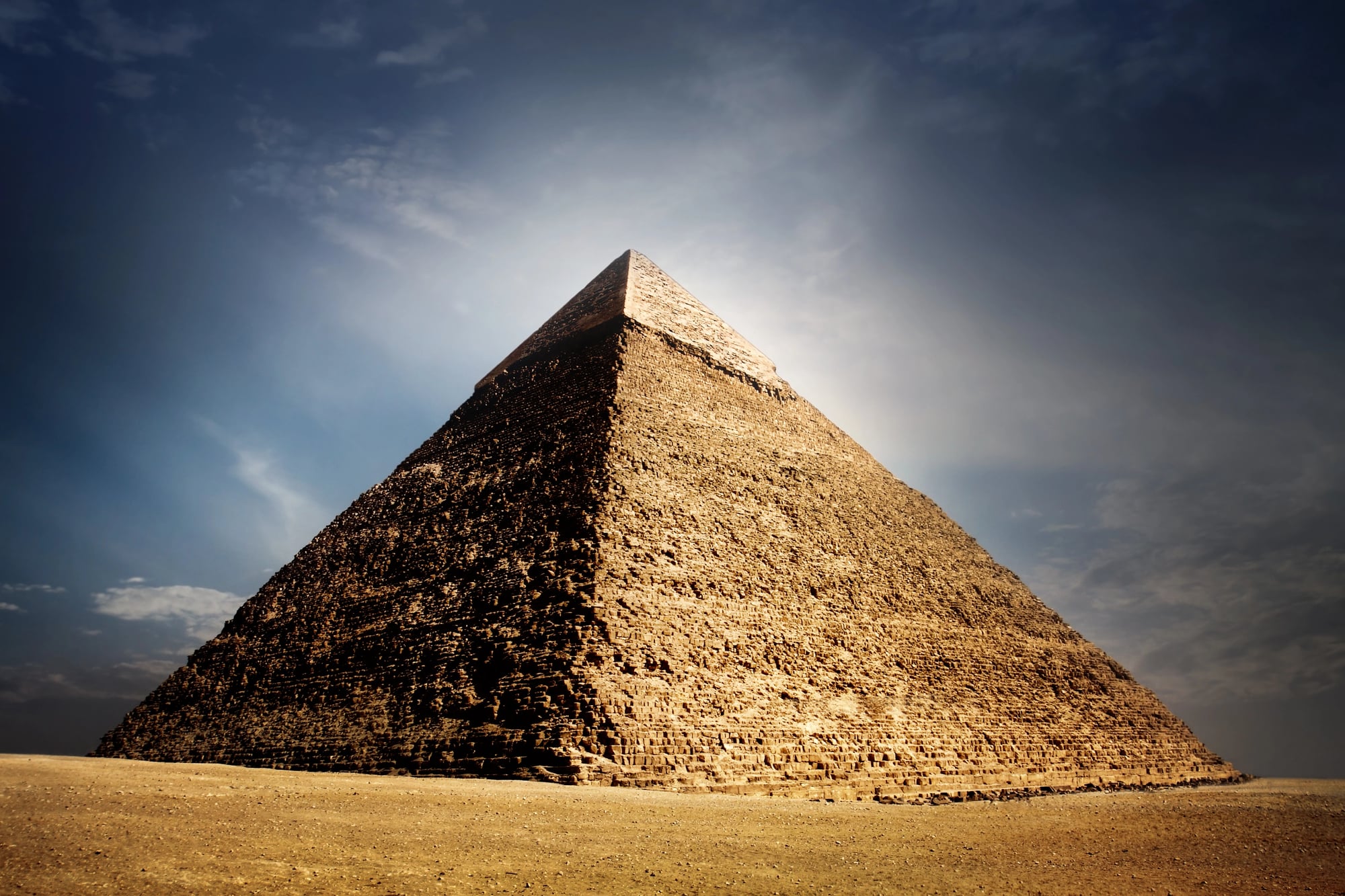
Ancient Egypt is often taught as a single, unchanging civilization where pyramids, pharaohs, and hieroglyphics all existed in one timeless era.
In reality, Egyptian history spans thousands of years of dynastic change, cultural evolution, and linguistic shifts. The Great Pyramid of Giza was already ancient by the time Cleopatra lived, closer in time to us than to its own builders.
The Wild West Era
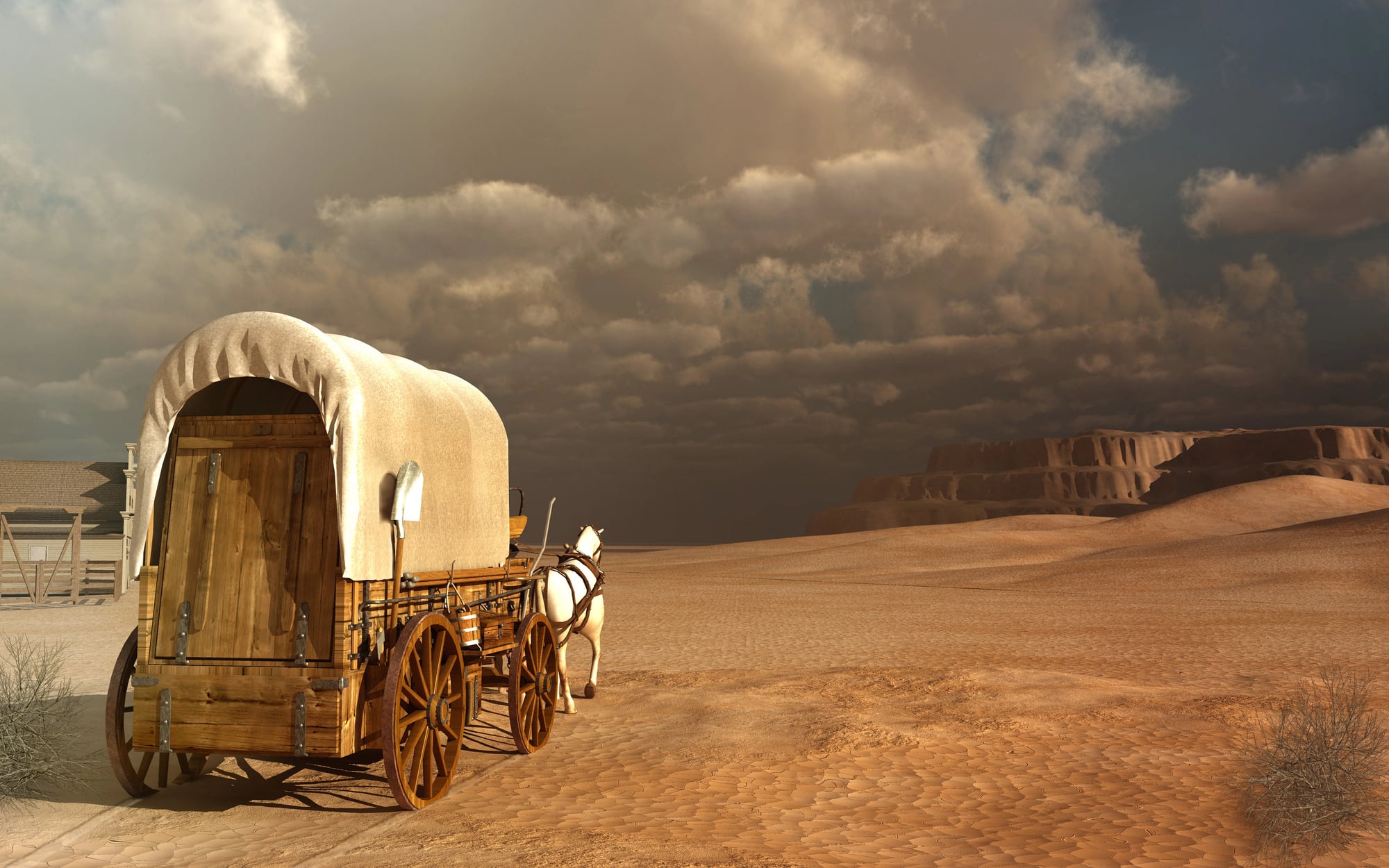
The Wild West lasted about twenty years, not the half-century most people imagine. The cowboy period ran roughly from 1865 to 1885.
Elementary school history stretches this brief moment into an entire era. Students often leave thinking cowboys dominated the frontier for generations when the reality was much shorter and more concentrated.
The American Revolution’s Duration
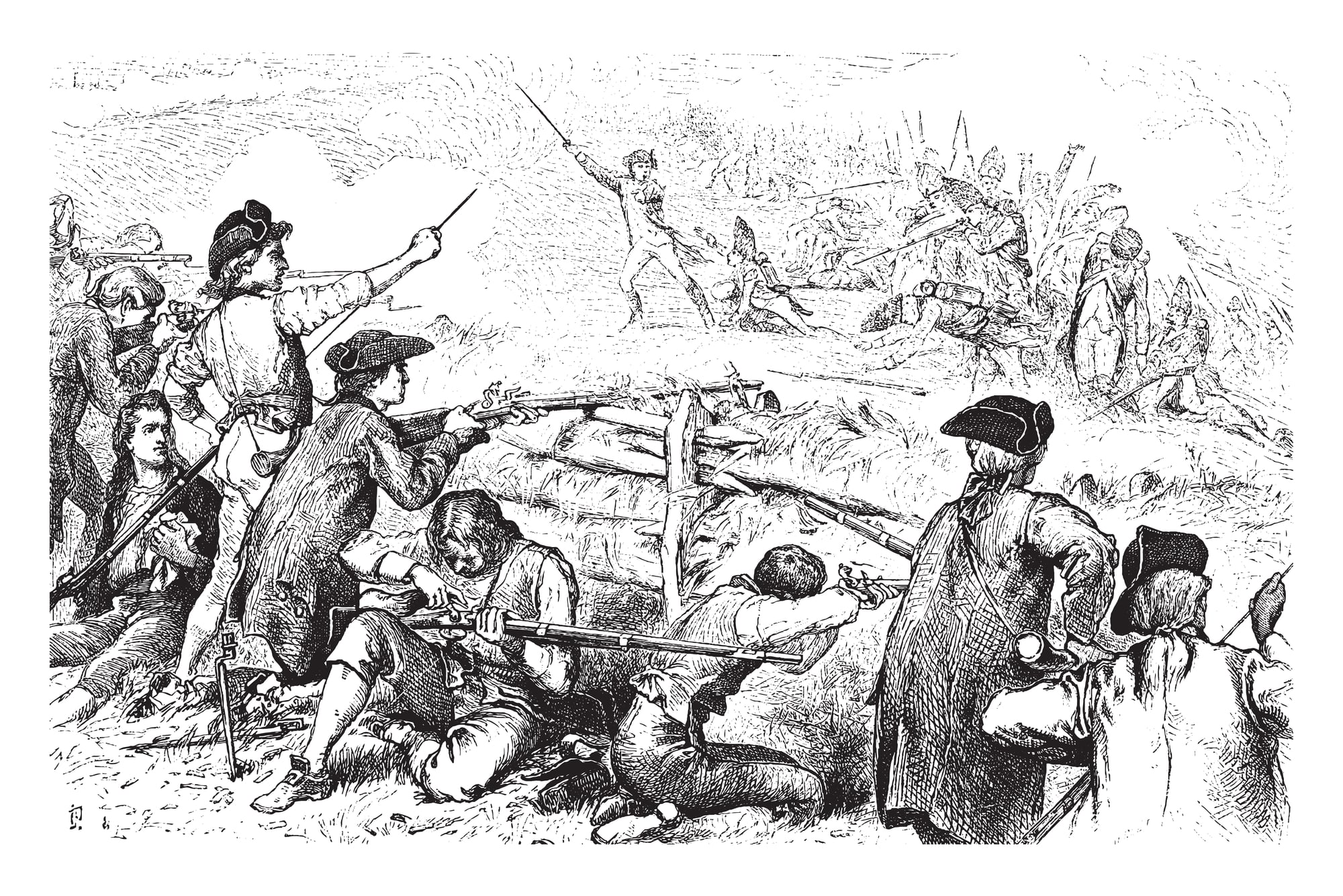
The Revolutionary War is often taught as a long, continuous struggle from 1775 to 1781, but that only covers major military action.
The broader revolution began years earlier and continued years afterward, with the Treaty of Paris in 1783, the Constitution in 1788, and the Bill of Rights in 1791. The process was far more gradual than the battlefield timeline suggests.
The Renaissance’s Geographic Spread
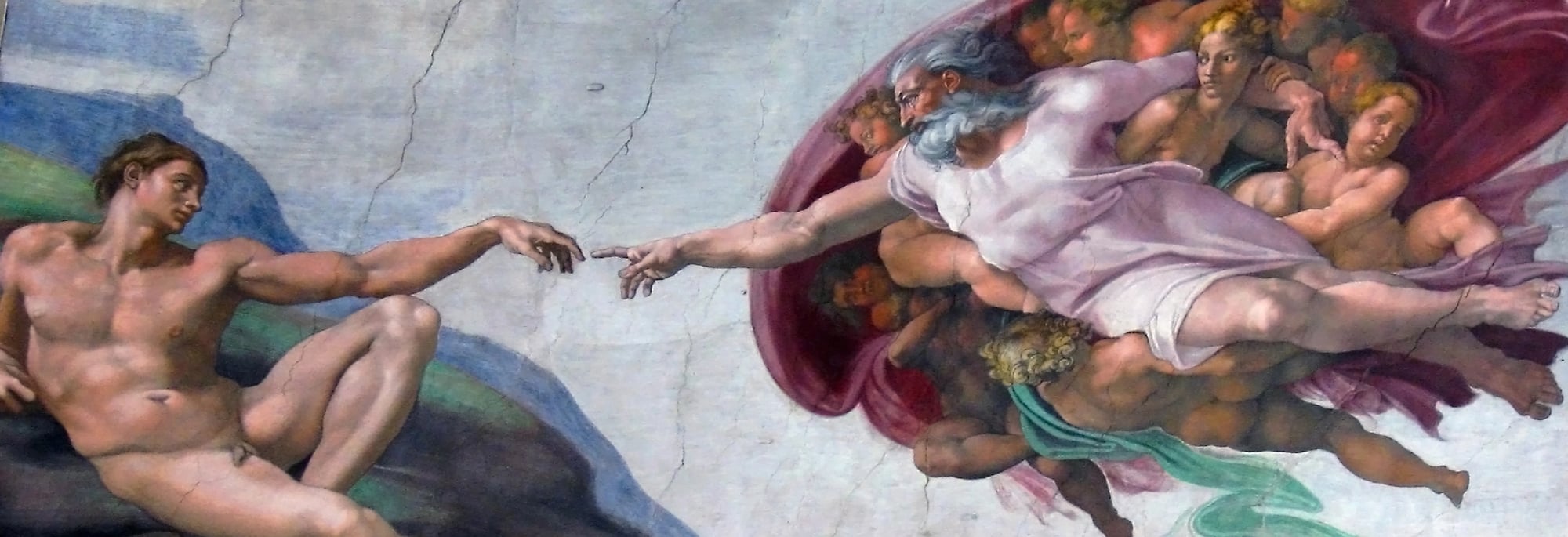
The Renaissance didn’t happen everywhere at once. It began in Italy in the 14th century and took nearly 300 years to spread across Europe.
Northern Europe remained largely medieval while Florence was already in cultural transformation. School timelines erase this uneven geographic development in favor of a simplified continental “awakening.”
The Great Depression’s Start and End
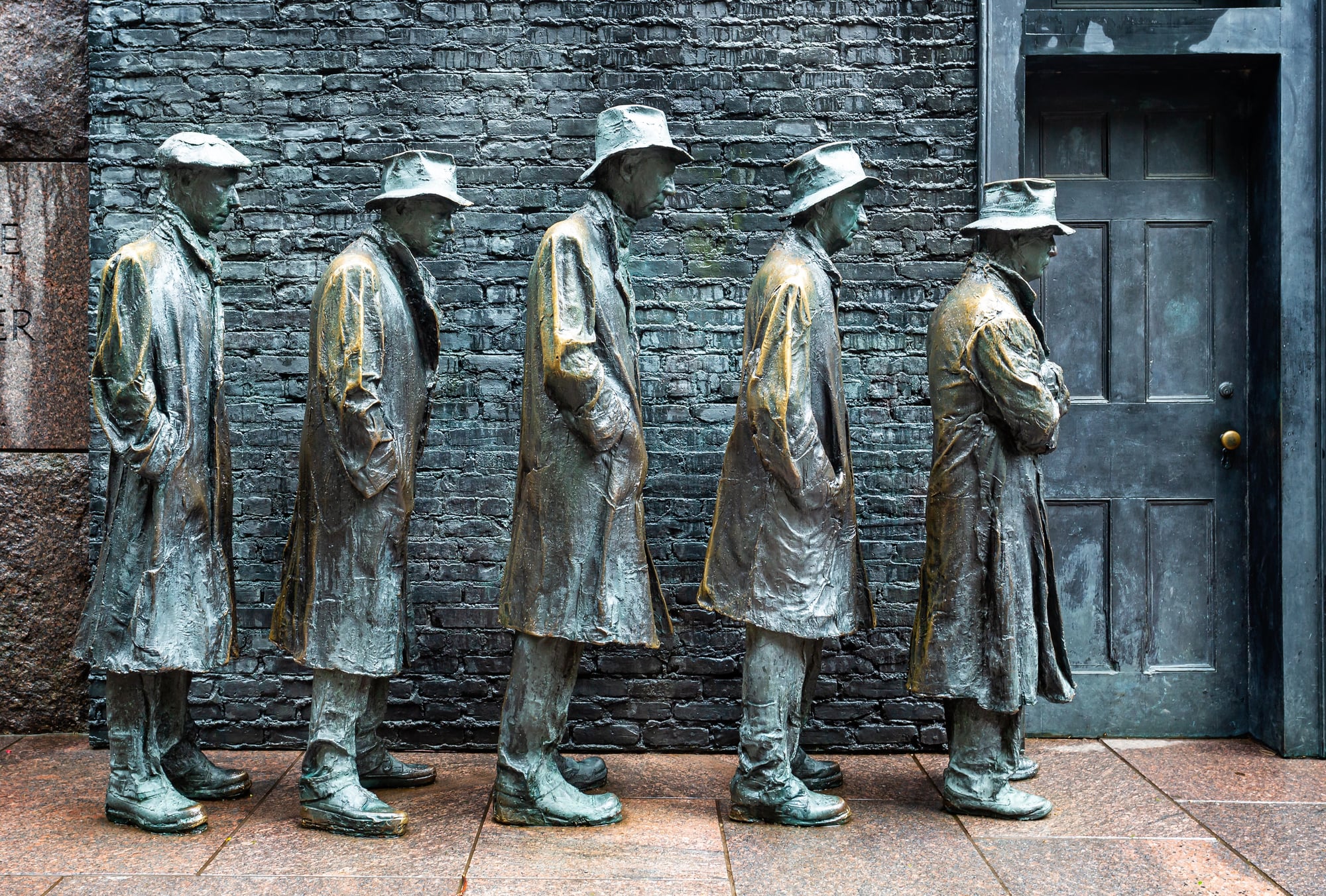
The 1929 stock market crash didn’t cause the Great Depression by itself — it exposed deeper structural weaknesses already present in the economy.
Farmers were struggling throughout the 1920s, income inequality was rising, and speculation was already widespread. The crash was dramatic, but not the true beginning of the crisis.
World War II’s Clean Dates
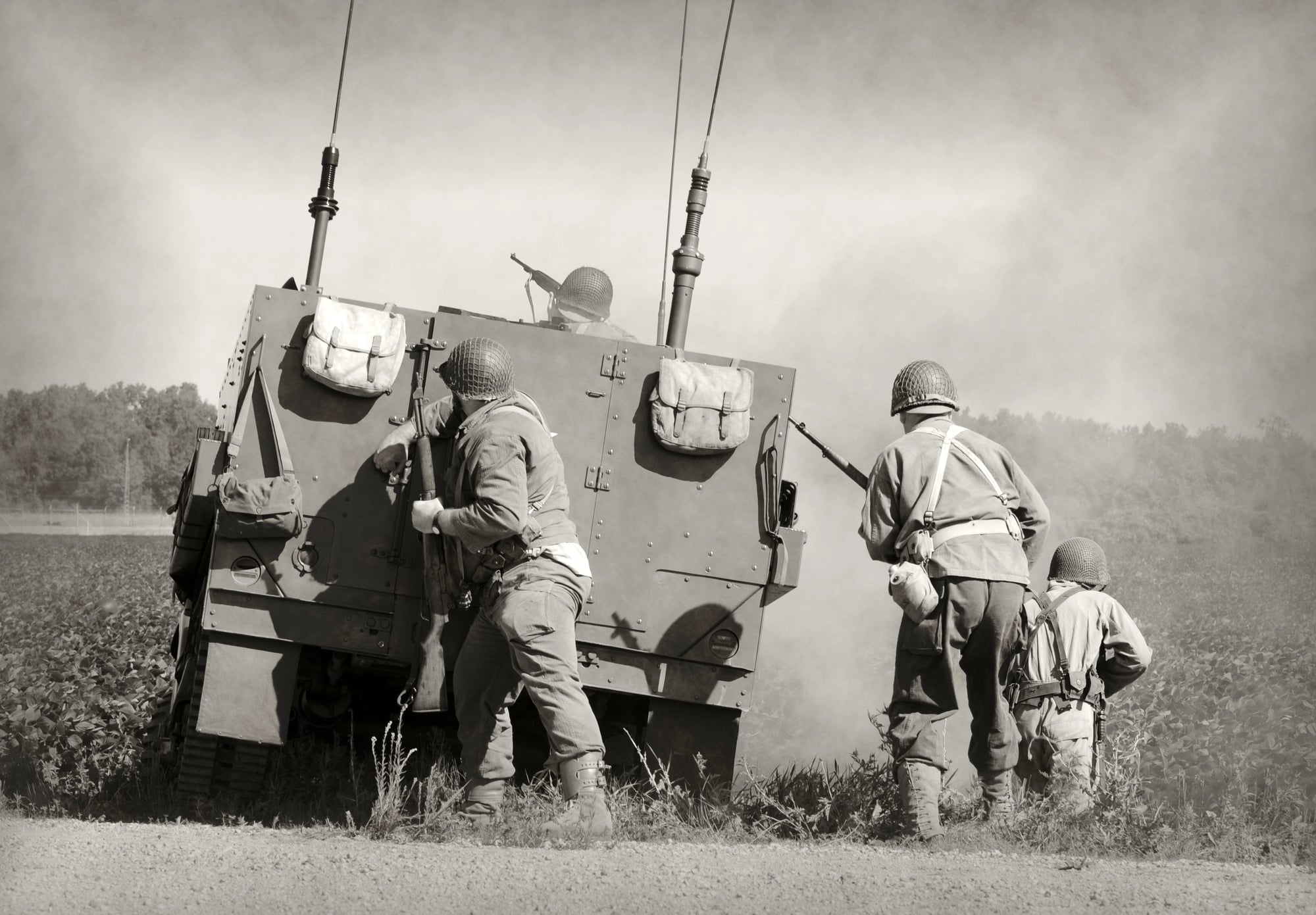
World War II is often dated from September 1, 1939, but global conflict was already underway elsewhere.
Japan had been fighting in China since 1937, and Italy had begun campaigns in Africa in 1935. The war’s timeline depends heavily on regional perspectives rather than a single global starting point.
The Space Race Timeline
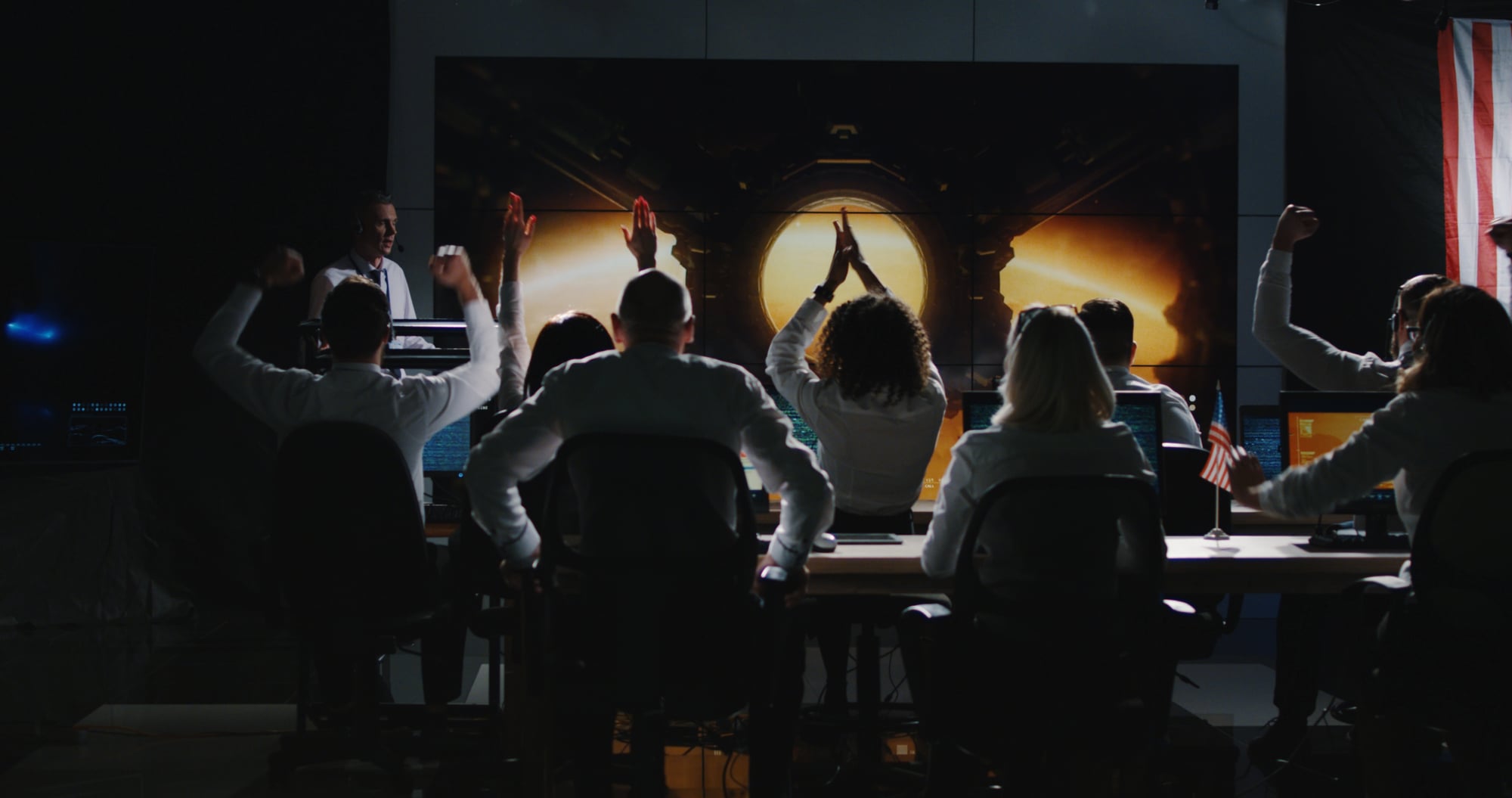
The Space Race is usually taught as a simple arc: Sputnik shocked the U.S., then America caught up and landed on the moon.
In reality, the Soviet Union led most early milestones — including the first satellite, first human, first spacewalk, and first woman in space. The U.S. achievement was specifically the moon landing, not overall dominance in space exploration.
The Civil Rights Movement’s Peak

The Civil Rights Movement is often framed as peaking in the 1960s and resolving afterward, but that compresses a much longer struggle.
Major victories like the Civil Rights Act and Voting Rights Act were milestones in an ongoing process that began decades earlier and continued long after, evolving into new movements and challenges.
The Dust Bowl’s Relationship to the Depression

The Dust Bowl and the Great Depression are often taught as a single crisis, but they were distinct events that overlapped in time.
The Dust Bowl was an ecological disaster caused by drought and poor farming practices, while the Depression was an economic collapse. They interacted, but did not originate from the same cause.
Westward Expansion’s Timeline
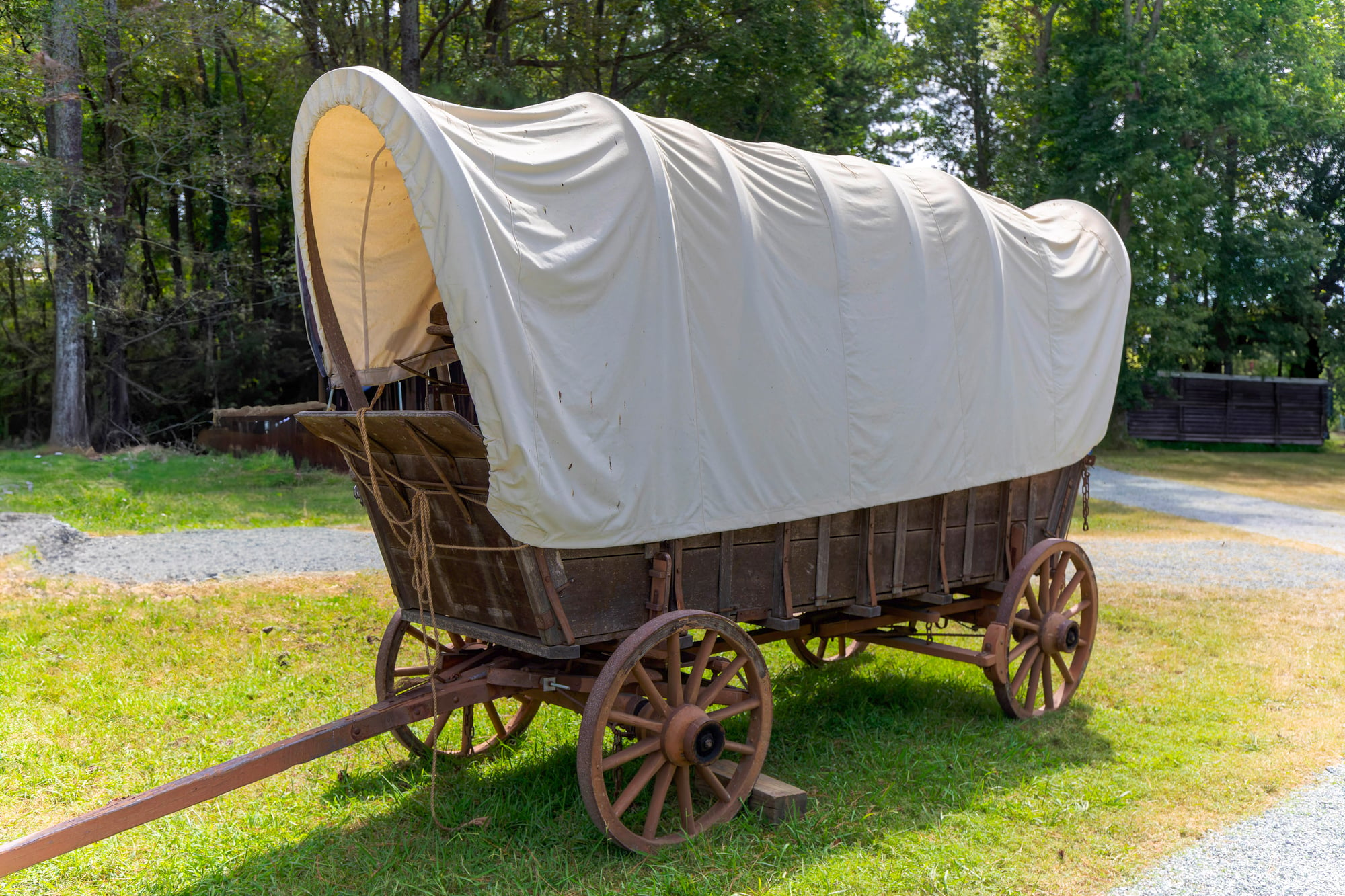
Westward expansion is often presented as a smooth east-to-west migration across the United States.
In reality, settlement patterns were uneven. California boomed during the Gold Rush while large parts of the Great Plains remained sparsely populated. Expansion was scattered rather than linear.
Historical Cause and Effect Chains

Elementary history often reduces events into clean chains: A causes B, which leads to C, and so on.
Real history is far messier, with overlapping causes, unintended consequences, and parallel developments that resist simple linear storytelling.
Learning History as Adults

The strange thing about discovering these timeline errors later in life is realizing how much more interesting the messy version of history actually is.
Those simplified sequences were designed for memorization, but they flatten the complexity that makes history meaningful. The real timelines are harder to learn, but far more revealing once you see how they actually fit together.
More from Go2Tutors!

- The Romanov Crown Jewels and Their Tragic Fate
- 13 Historical Mysteries That Science Still Can’t Solve
- Famous Hoaxes That Fooled the World for Years
- 15 Child Stars with Tragic Adult Lives
- 16 Famous Jewelry Pieces in History
Like Go2Tutors’s content? Follow us on MSN.



