Incorrect Assumptions About Early Human Evolution
For over a century, scientists have pieced together the story of human evolution like detectives working a cold case. Each fossil discovery, genetic analysis, and archaeological find adds another clue to our understanding of where we came from. Yet despite remarkable advances in technology and methodology, many popular beliefs about early human evolution remain stubbornly incorrect. These misconceptions persist not just among the general public, but sometimes even within scientific circles, passed down through outdated textbooks and oversimplified explanations.
The reality is that human evolution is far messier, more complex, and more fascinating than the neat linear progression often portrayed. Our ancestors didn’t follow a predetermined path from ape to human, and the story involves multiple species, dead ends, and surprising discoveries that continue to reshape our understanding of what it means to be human.
Humans Evolved From Chimpanzees

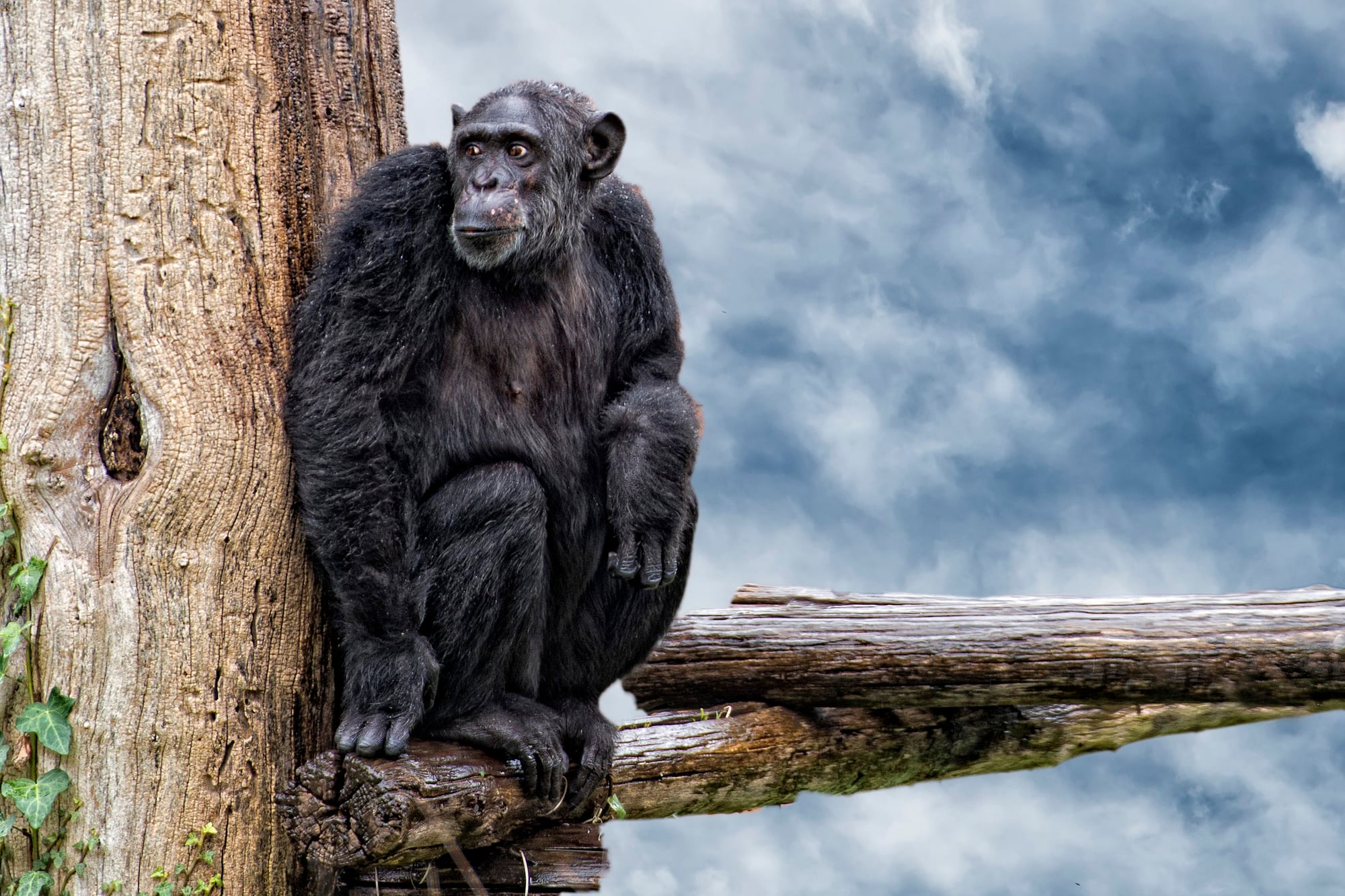
Humans didn’t evolve from chimpanzees. We share a common ancestor with them, but that’s entirely different.
Think of it like a family tree. You and your cousin didn’t evolve from each other — you both descended from the same grandparents. That’s exactly how human and chimpanzee evolution works, except the “grandparents” lived roughly 6-7 million years ago.
Evolution Is a Linear Progression
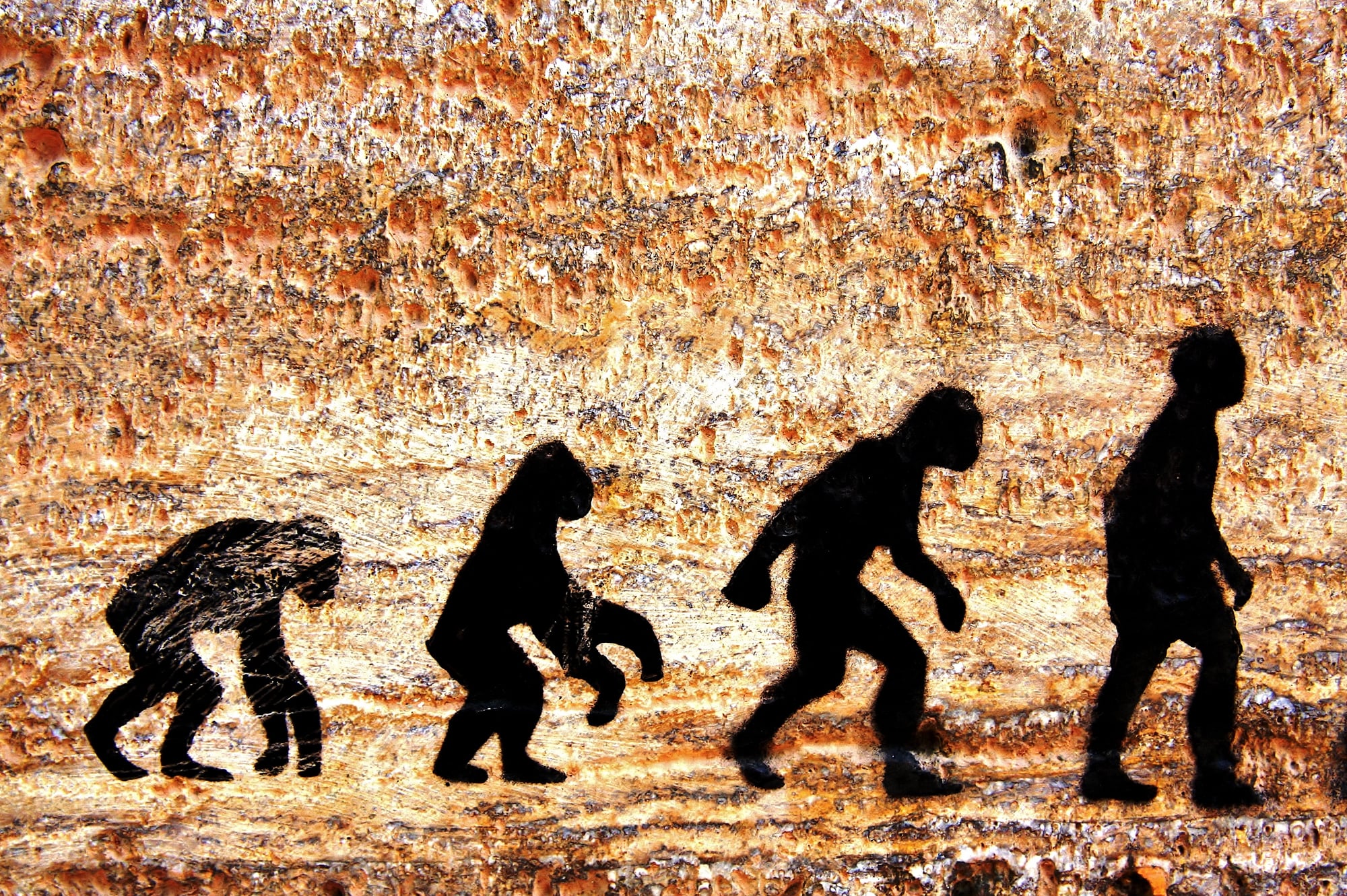
The classic image of evolution shows a neat line: hunched ape gradually becoming upright human. Reality doesn’t care about clean narratives.
Multiple human species lived simultaneously for millions of years (and this gets complicated quickly, because recent discoveries keep adding new players to an already crowded field, with species like Homo erectus, Homo neanderthalensis, and Homo sapiens overlapping in time and space, sometimes even interbreeding — which means the family tree looks less like a straight line and more like a tangled web). Some evolved larger brains. Others remained small-brained but developed sophisticated tool use.
But here’s what’s interesting: many of these evolutionary experiments failed completely. The path to modern humans involved countless dead ends, species that thrived for hundreds of thousands of years before vanishing entirely. And yet we keep drawing evolution as a purposeful march toward us, as if every step was inevitable.
Bigger Brains Always Mean Smarter Humans

Picture a mechanic who insists that bigger engines always mean faster cars. The mechanic would be wrong, and so is anyone who assumes brain size directly correlates with intelligence.
Neanderthals had larger brains than modern humans, yet they went extinct while we survived. Brain organization, neural connections, and specific regional development matter far more than total volume. A violin’s beauty doesn’t come from its size but from the precise arrangement of its parts.
The assumption reveals something deeper about how humans think about intelligence — we want simple measurements for complex phenomena, neat numbers that explain messy realities.
Lucy Represents the Missing Link
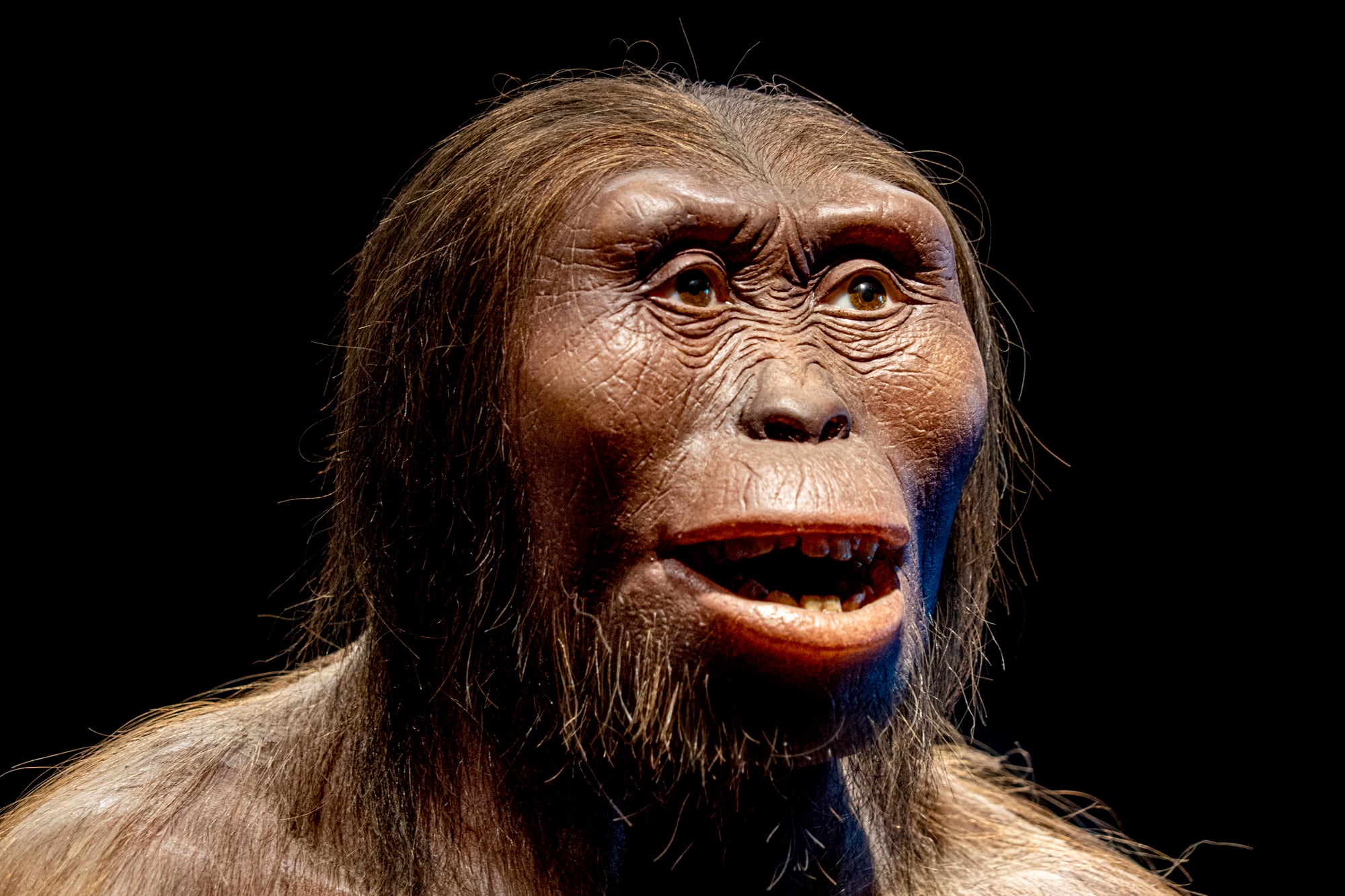
There’s no such thing as “the missing link.” Lucy is important, but she’s one fossil among thousands, not some magical bridge between apes and humans.
The missing link concept assumes evolution works like a broken chain that needs one crucial piece to make sense. Evolution doesn’t work that way. Every species is transitional between what came before and what comes after.
Lucy walked upright 3.2 million years ago, which tells us something significant about when bipedalism evolved. But calling her the missing link is like calling one photograph the missing picture that explains your entire childhood.
Tool Use Defines Humanity
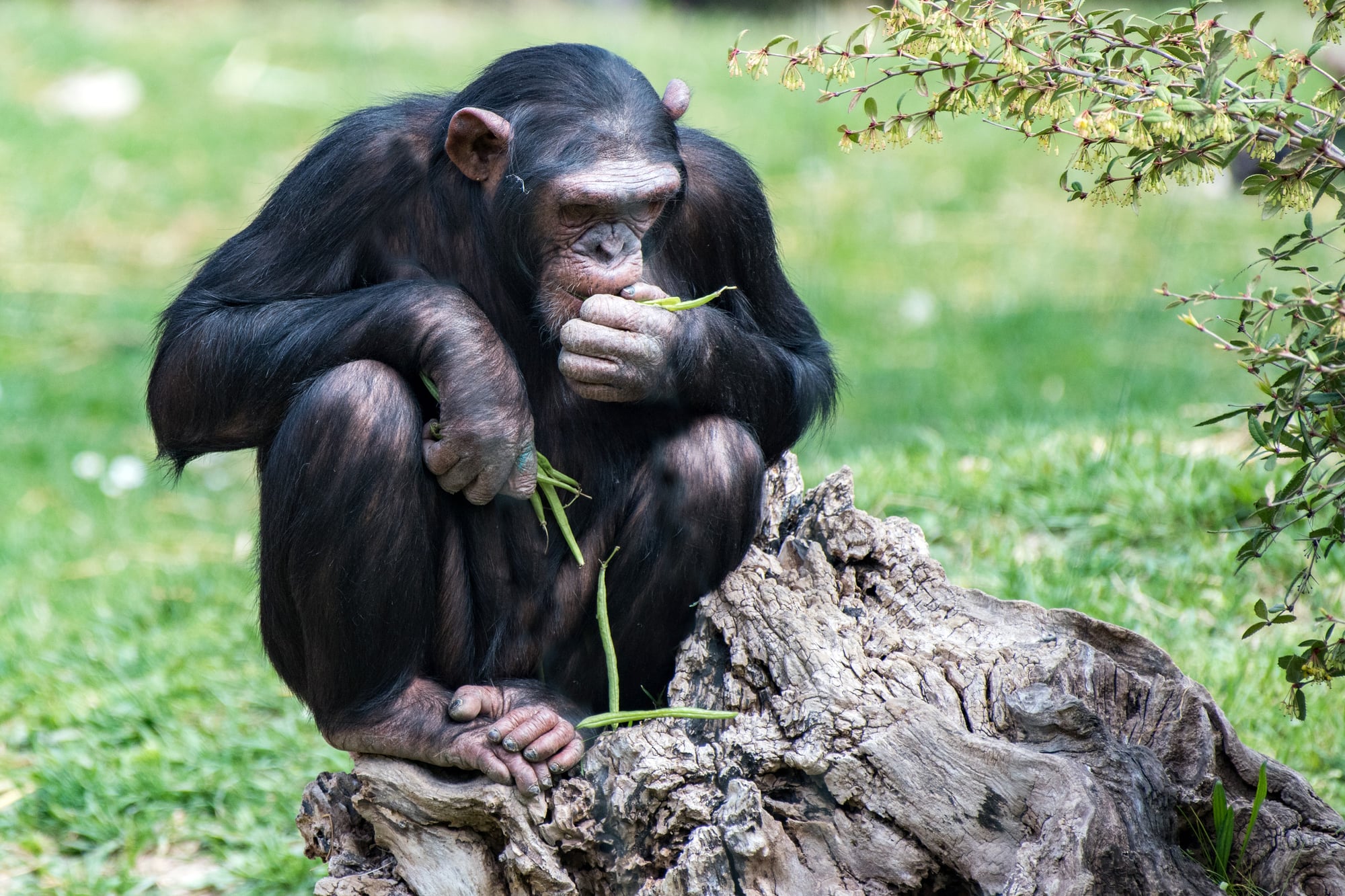
So here’s the thing about tools: they don’t make us human, and the obsession with them says more about modern values than ancient realities. Chimpanzees use sticks to fish termites from mounds, crows bend wire into hooks, and sea otters crack shells with rocks (and they’ve been doing this for far longer than humans have been making smartphones, which puts our tool-making pride into perspective, especially considering that some animal tool use is more sophisticated than early human technology).
Even early human ancestors used tools millions of years before developing the large brains we associate with intelligence. Tool use came first. Big brains came later.
And yet textbooks still present tool-making as the moment our ancestors became truly human. It’s a convenient story that ignores the messy reality: intelligence, culture, and technology evolved together in fits and starts over millions of years, with no clear moment when apes became human.
Early Humans Were Primitive and Brutish
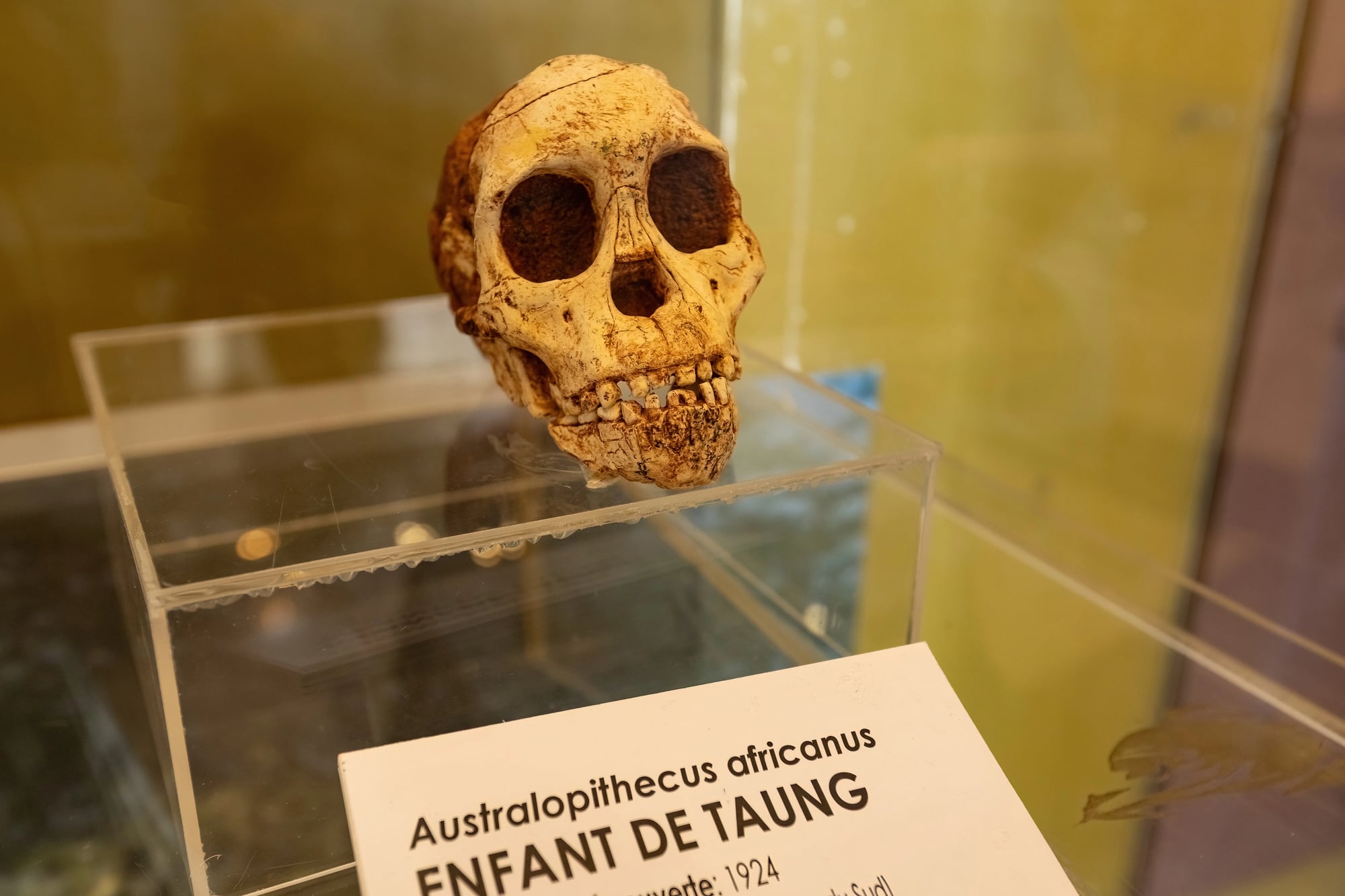
There’s something almost tender about watching someone discover that Neanderthals buried their dead with flowers, created art, and cared for disabled community members for decades. The surprise on their face reveals how deeply we’ve absorbed the myth that ancient humans lived like wild animals.
Archaeological evidence paints a different picture entirely. Early humans developed complex social structures, sophisticated hunting strategies, and rich cultural traditions tens of thousands of years ago. They navigated by stars, created elaborate cave paintings, and passed down knowledge through generations.
The “primitive” label says more about modern arrogance than ancient reality. These people survived ice ages, populated entire continents, and developed the foundations of everything we consider civilization today.
Out of Africa Happened Only Once

Multiple waves of human migration left Africa over hundreds of thousands of years. The “Out of Africa” model gets taught as a single event, but migration happened repeatedly.
Homo erectus left Africa nearly 2 million years ago. Later groups followed different routes at different times. Some succeeded, others failed, and some interbred with populations that had migrated earlier.
Think of it less like a single exodus and more like a slow leak — humans kept trickling out of Africa whenever conditions allowed, creating a complex web of populations across the globe.
Neanderthals Were Evolutionary Failures
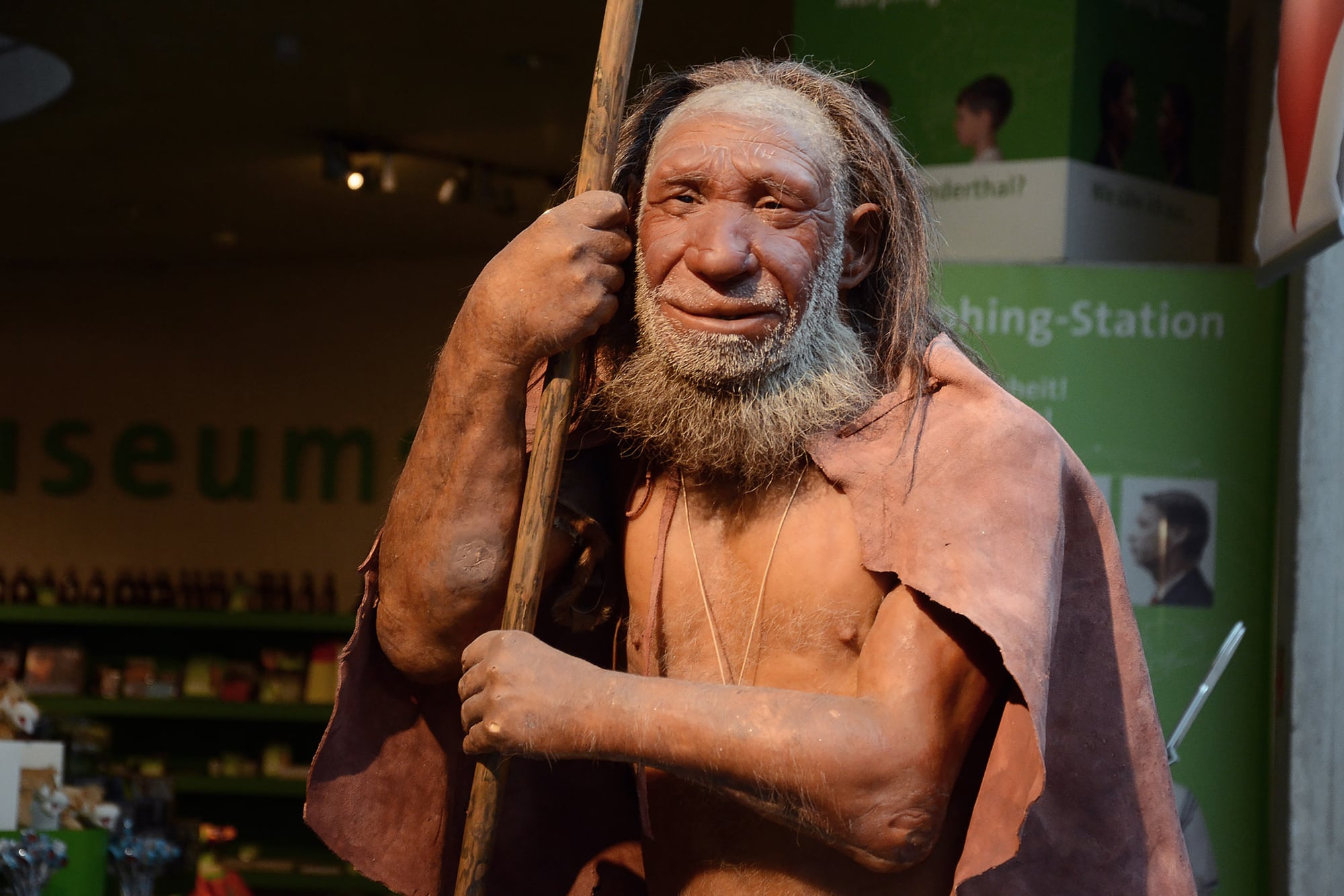
Here’s the uncomfortable truth: if Neanderthals were failures, then so were we, because we carry their DNA and survived partly because of traits we inherited from them. They lived successfully in Europe and Asia for over 300,000 years (which is roughly five times longer than modern humans have existed as a distinct species, and they thrived in environments that would have killed early Homo sapiens quickly — ice age Europe required adaptations that took us millennia to develop through technology rather than biology).
Neanderthals had larger brains, stronger bodies, and sophisticated tool technologies. They created art, buried their dead, and may have developed early forms of language.
So why did they disappear? Climate change, competition with modern humans, and possibly just bad luck. Success in evolution isn’t about being “better” — it’s about being in the right place when conditions change. And those conditions change quickly and without warning.
Fire Discovery Was a Single Breakthrough Moment

Picture early humans huddled around a lightning-struck tree, suddenly understanding fire’s potential. It makes for a compelling scene, but fire mastery developed gradually over hundreds of thousands of years.
Early humans likely encountered fire regularly through natural wildfires and lightning strikes. Learning to maintain existing fires came before learning to create them. Controlling fire for cooking, warmth, and protection evolved slowly through trial, error, and accumulated knowledge passed between generations.
The “eureka moment” version of fire discovery reflects our modern bias toward sudden innovation rather than the patient accumulation of knowledge that characterizes most human achievements.
Agriculture Represented Clear Progress

Agriculture wasn’t obviously better than hunting and gathering when it first developed. Early farmers worked harder, ate less varied diets, and suffered from more diseases than their hunter-gatherer contemporaries.
Archaeological evidence shows that early agricultural populations had worse nutrition, shorter lifespans, and more evidence of violence than neighboring hunter-gatherer groups. So why did agriculture spread?
Population density. Farmers could support more people per square mile, which eventually gave them numerical advantages in competition for resources. Agriculture succeeded not because it was better for individuals, but because it was better for growing populations.
Language Evolved to Improve Communication

Language didn’t evolve primarily for communication. Plenty of animals communicate effectively without anything resembling human language.
Current theories suggest language evolved for social bonding, coordinating complex group activities, and sharing detailed knowledge across generations. The ability to tell stories, create shared myths, and maintain relationships with large numbers of people gave language-using groups significant advantages.
Communication was a byproduct, not the goal. Language succeeded because it helped humans cooperate in ways that other species couldn’t match.
Genetic Evidence Always Supports Fossil Evidence

Genes and fossils tell different stories, and sometimes those stories contradict each other dramatically. Genetic analysis suggests modern humans interbred extensively with Neanderthals, but fossil evidence for this mixing remained sparse for decades.
Recent discoveries have started resolving some contradictions, but others persist. Genetic evidence suggests population bottlenecks and migration patterns that don’t always align with archaeological findings.
The disconnect happens because genes capture different information than bones. Genetics shows successful reproduction across generations, while fossils show what lived in specific places at specific times.
Humans Are the Pinnacle of Evolution

Evolution has no direction, no goal, and no pinnacle. Humans aren’t the point of evolution any more than bacteria, oak trees, or dolphins are.
We’re successful at being human, just like bacteria are successful at being bacteria. Our particular combination of traits — large brains, bipedalism, complex language — worked well in the environments where we evolved.
But cockroaches have survived longer than humans, bacteria thrive in environments that would kill us instantly, and many species reproduce more successfully than we do.
The Story Is Nearly Complete
And here’s the thing that keeps paleontologists awake at night: every major discovery of the past decade has complicated the story rather than clarified it. New species appear in the fossil record regularly, genetic analysis reveals unexpected relationships between populations, and archaeological evidence keeps pushing back the dates for sophisticated human behaviors.
The discovery of Homo naledi in South Africa, the Denisovans in Asia, and evidence of much earlier human presence in the Americas has rewritten textbooks repeatedly. Each find raises more questions than it answers.
So the story isn’t nearly complete — it’s barely begun, and the most surprising chapters probably haven’t been written yet.
Looking Forward, Not Back

The most liberating realization about human evolution might be that there was nothing inevitable about our existence. We’re not the predetermined outcome of millions of years of evolutionary pressure, but rather the unlikely result of countless accidents, adaptations, and fortunate circumstances.
This randomness doesn’t diminish human achievement — it makes our presence here more remarkable. Every technological breakthrough, artistic creation, and act of compassion represents something genuinely new in the universe, not the fulfillment of some cosmic plan.
Understanding our evolutionary history accurately matters not because it tells us what we’re supposed to be, but because it reveals what we’re capable of becoming. The same adaptability that carried our ancestors through ice ages and across continents continues to shape our species today.
More from Go2Tutors!

- The Romanov Crown Jewels and Their Tragic Fate
- 13 Historical Mysteries That Science Still Can’t Solve
- Famous Hoaxes That Fooled the World for Years
- 15 Child Stars with Tragic Adult Lives
- 16 Famous Jewelry Pieces in History
Like Go2Tutors’s content? Follow us on MSN.