Common Medieval Torture Devices That Never Existed
The medieval period has captured our imagination for centuries, but much of what people believe about this era comes from Victorian-era gothic novels, horror films, and sensationalized museum displays rather than historical reality. Medieval torture devices, in particular, have been the subject of countless myths and fabrications that persist to this day.
Many of the most notorious “medieval” torture instruments were actually invented hundreds of years later, often during the 18th and 19th centuries when entrepreneurs discovered that tourists would pay good money to be frightened by gruesome contraptions. Others were pure fiction from the start, created by writers and filmmakers who needed dramatic props for their stories.
The Iron Maiden
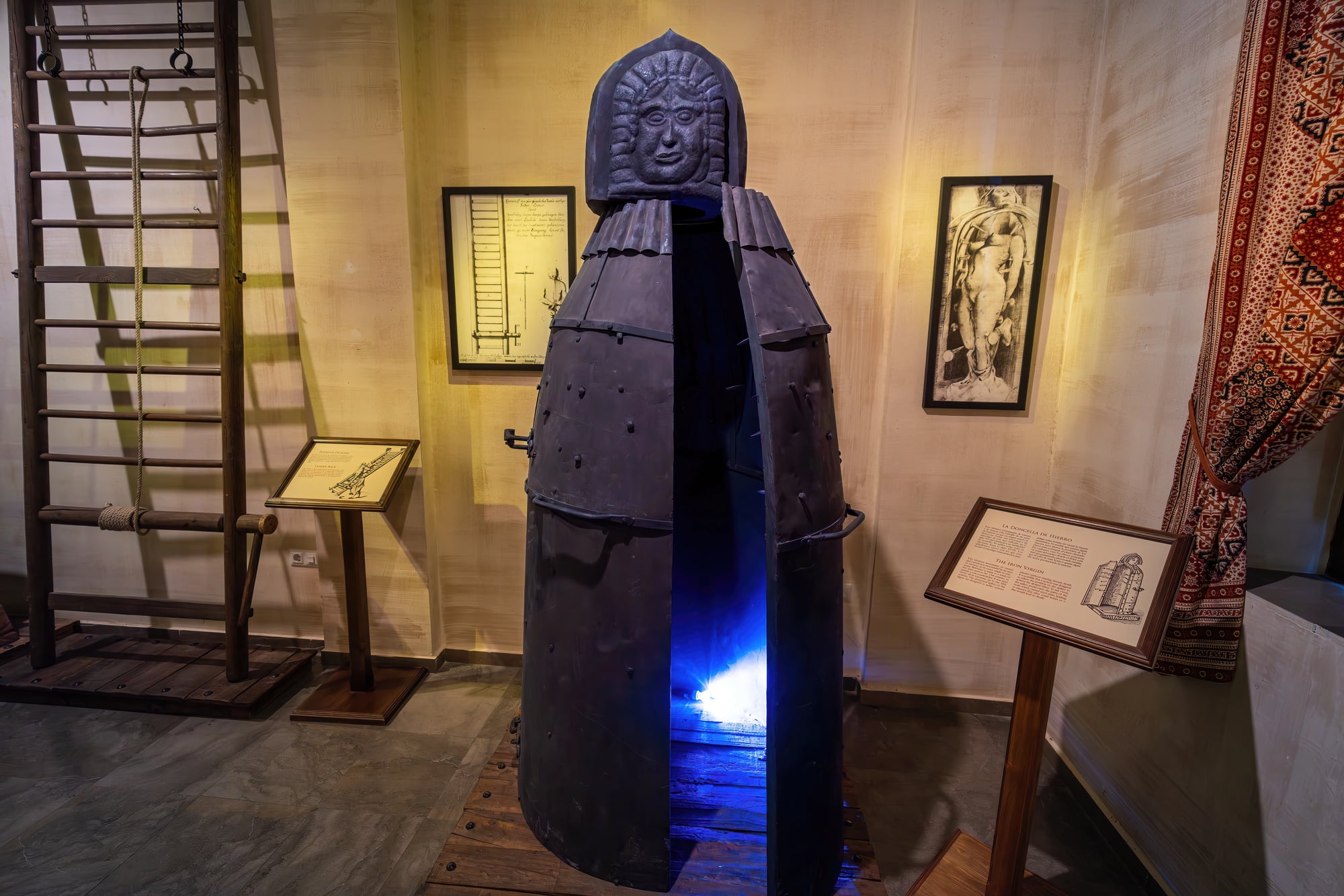
The iron maiden never tortured a single person during medieval times. This spiked sarcophagus was invented in the late 18th century by museum operators looking to draw crowds. They needed something that looked authentically medieval and sufficiently terrifying.
The few “ancient” iron maidens displayed in museums today were all constructed in the 1800s. Medieval people had plenty of effective methods for execution and torture – they didn’t need to build elaborate coffin-like contraptions with strategically placed spikes. The iron maiden exists purely in the realm of gothic imagination.
The Pear of Anguish
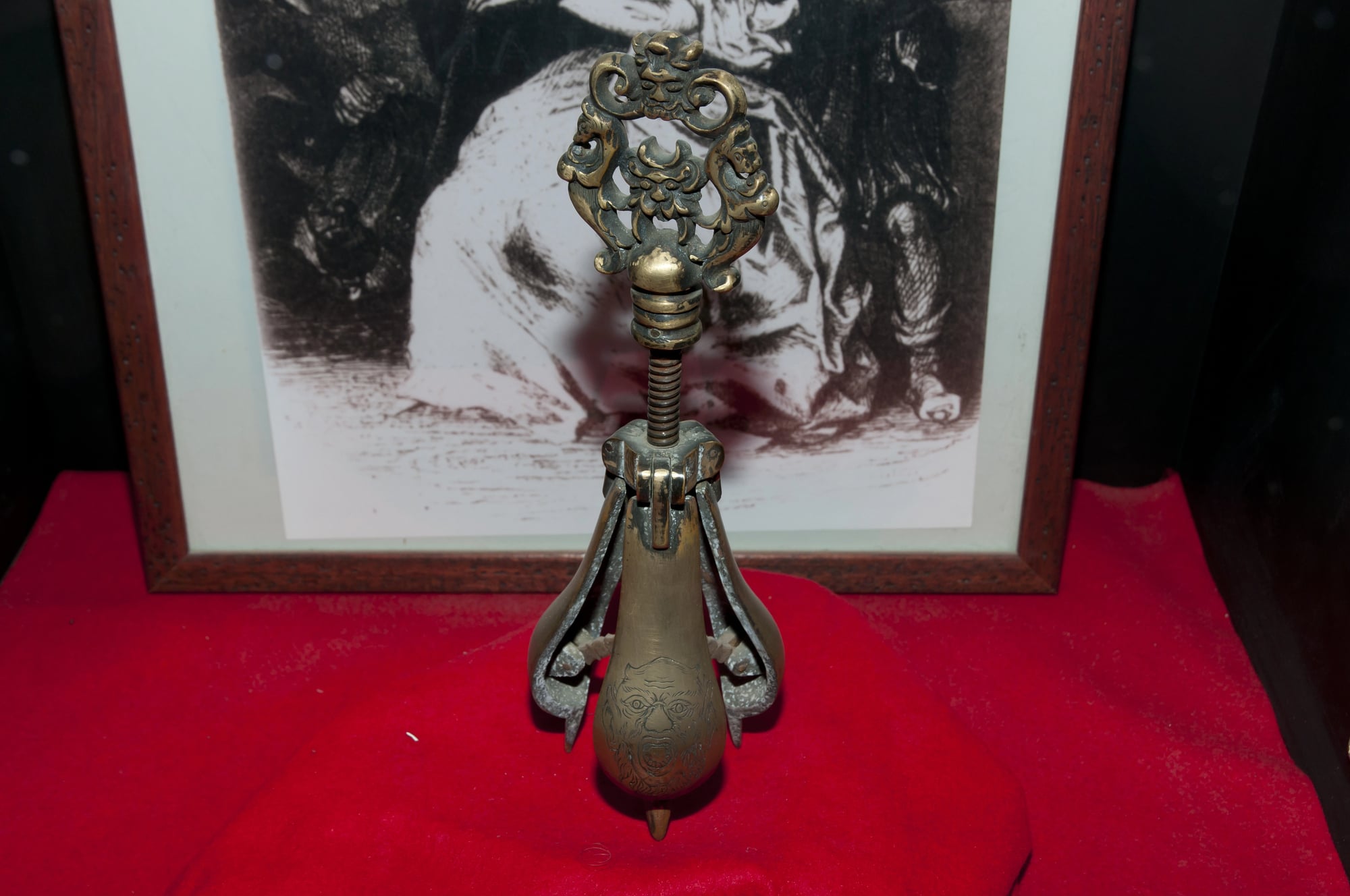
This small metal device, supposedly inserted into body cavities and then expanded by turning a screw, appears in torture museums worldwide with dramatic descriptions of its medieval origins. The truth is considerably more mundane: the pear of anguish was invented by 20th-century curators who needed to fill display cases and capture visitor attention.
No medieval document mentions anything resembling this device (and medieval scribes were remarkably thorough when it came to recording methods of punishment and execution). The pear of anguish represents everything wrong with popular medieval historiography – it sounds plausible enough that people accept it without question, yet has absolutely no basis in historical fact.
The Breaking Wheel
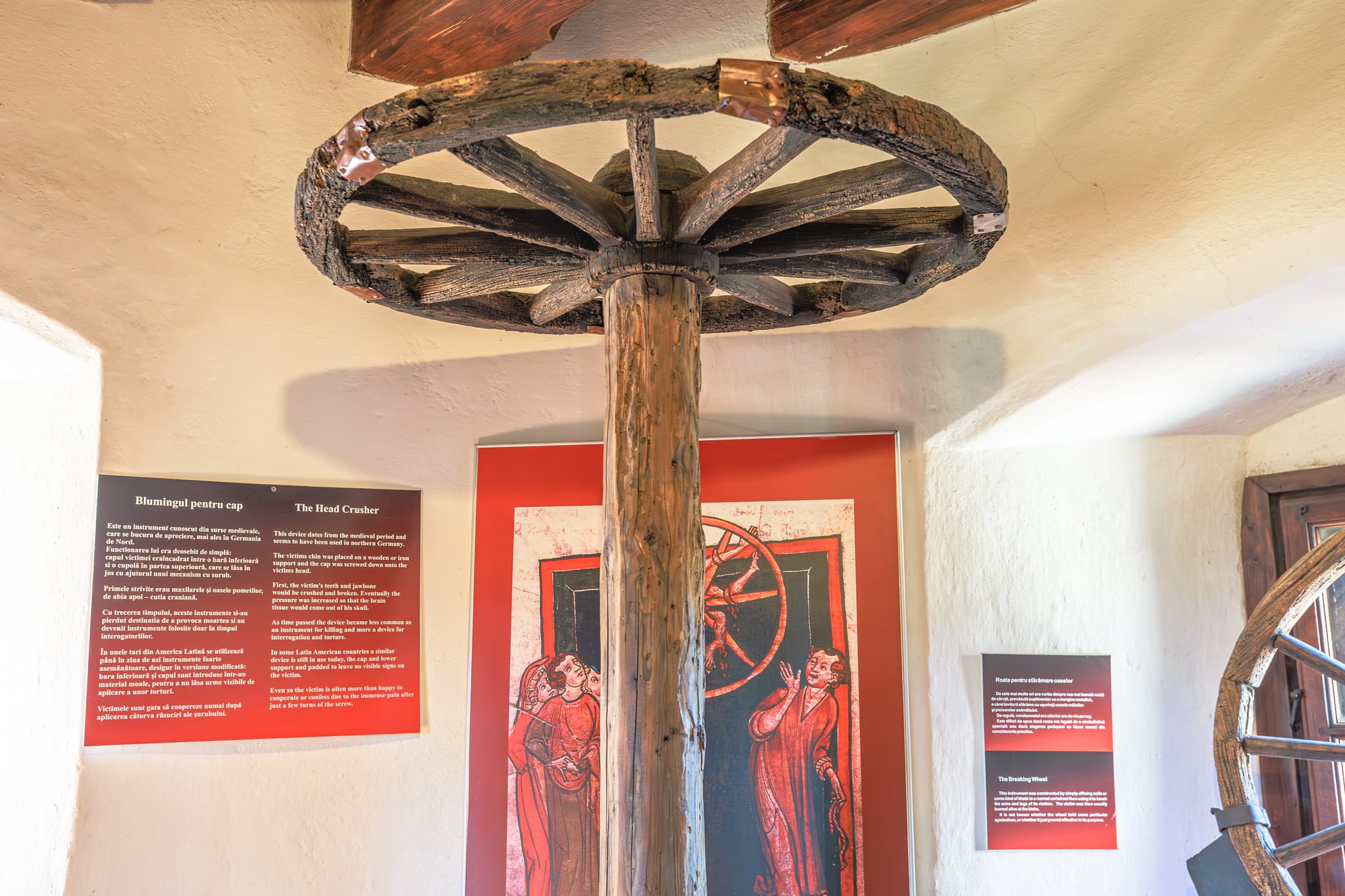
While wheels were indeed used for execution in medieval times, the elaborate “breaking wheels” displayed in modern torture exhibitions bear little resemblance to the historical reality. The actual medieval practice was swift and direct – nothing like the prolonged torture sessions depicted in popular culture.
Medieval executioners were professionals who took pride in their efficiency, not sadistic showmen interested in maximizing suffering. The ornate, spoke-filled wheels covered in restraining mechanisms that appear in movies and museums are largely Victorian inventions, designed to make the medieval period seem more barbaric than it actually was. And yet these fabricated versions have become so embedded in popular consciousness that they’ve replaced the actual historical practice in most people’s minds.
The Judas Cradle

The Judas cradle supposedly forced victims to sit on a pyramid-shaped seat, slowly impaling them as gravity did its work. This device appears in countless books about medieval torture, complete with detailed descriptions of how it operated and why medieval authorities favored it.
None of this happened. The Judas cradle is another modern invention, created by people who confused Gothic horror fiction with historical documentation. Medieval torture was typically quick and practical – designed to extract confessions rapidly, not to provide entertainment for sadistic observers.
The Breast Ripper
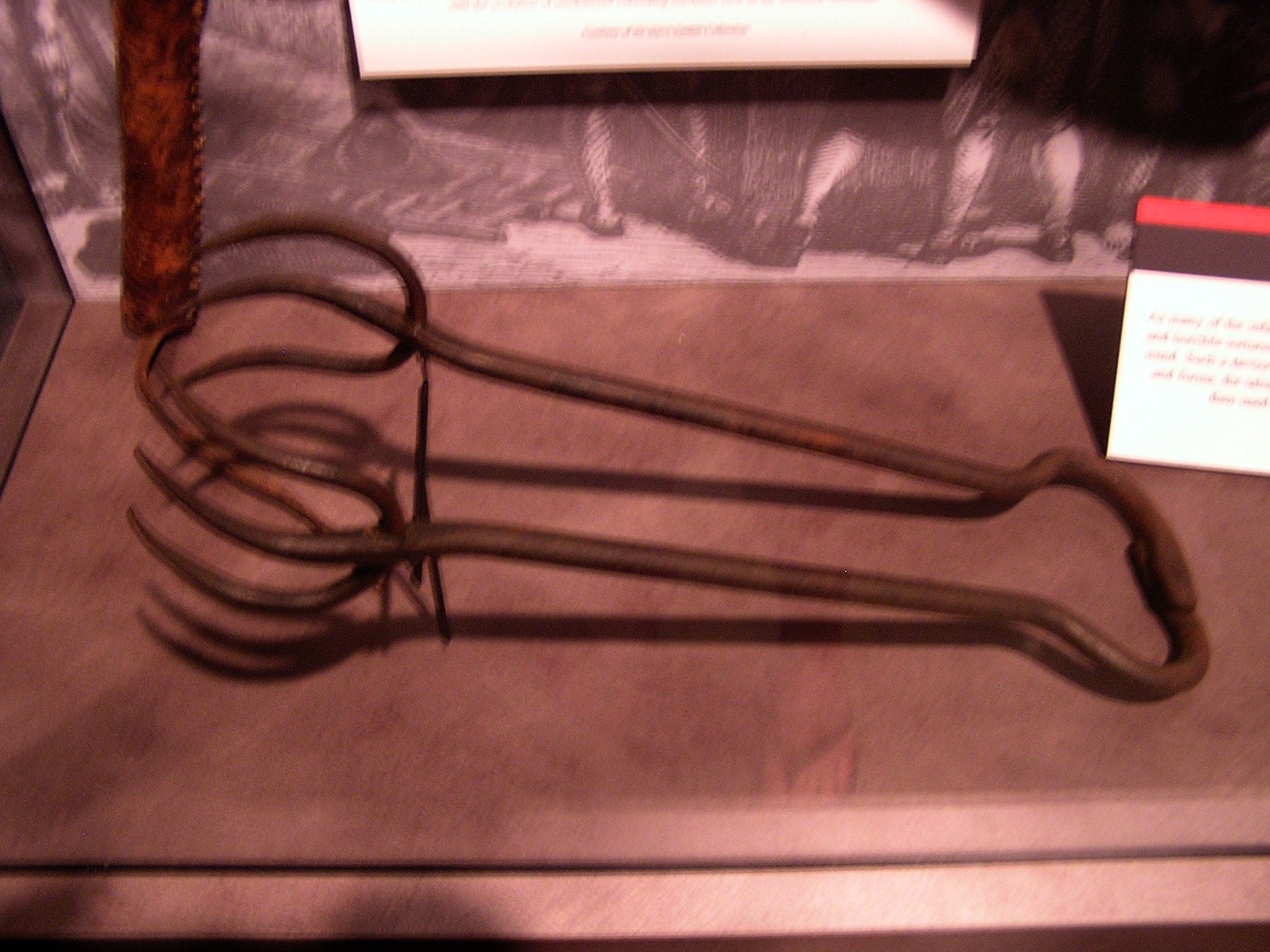
Museum placards describe this claw-like device as a common tool for punishing women in medieval times, used to mutilate those accused of adultery, abortion, or other crimes against moral order. The descriptions are vivid, the historical context sounds plausible, and the device itself looks genuinely medieval.
It’s complete fiction. The breast ripper was created in the 19th century by the same entrepreneurs who invented the iron maiden. They understood that gendered violence would add an extra layer of horror to their displays, making the medieval period seem even more brutal and backwards than people already believed it to be.
The Spanish Donkey

The Spanish donkey – a sharp wooden beam that victims were forced to straddle – sounds medieval enough to be authentic. The name evokes the Spanish Inquisition, the construction seems appropriately crude, and the method of torture requires no sophisticated engineering.
This device was actually invented during the American Civil War, used by military commanders to punish soldiers. It has nothing to do with medieval Europe or Spain, despite the name that suggests otherwise.
The Heretic’s Fork
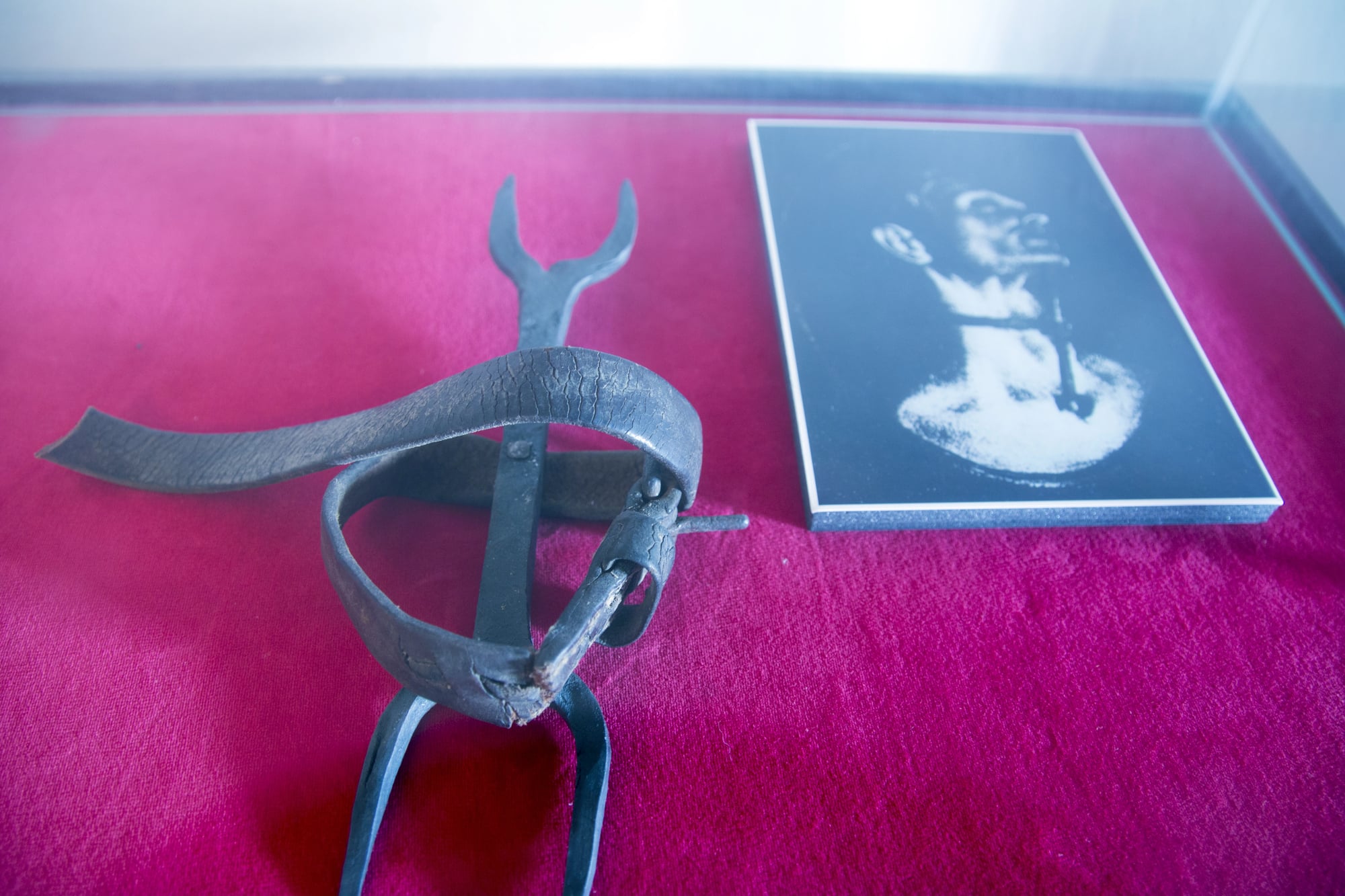
A small forked device supposedly strapped under the chin and chest, preventing speech and movement while causing constant pain. Medieval authorities allegedly used it to punish religious dissidents, forcing them to choose between remaining silent or piercing themselves further by attempting to speak.
The heretic’s fork appeared in the 20th century, invented by someone with a better understanding of psychological torture than historical research. Medieval heresy trials were bureaucratic affairs, focused on extracting confessions and recantations through established interrogation procedures.
The Scold’s Bridle
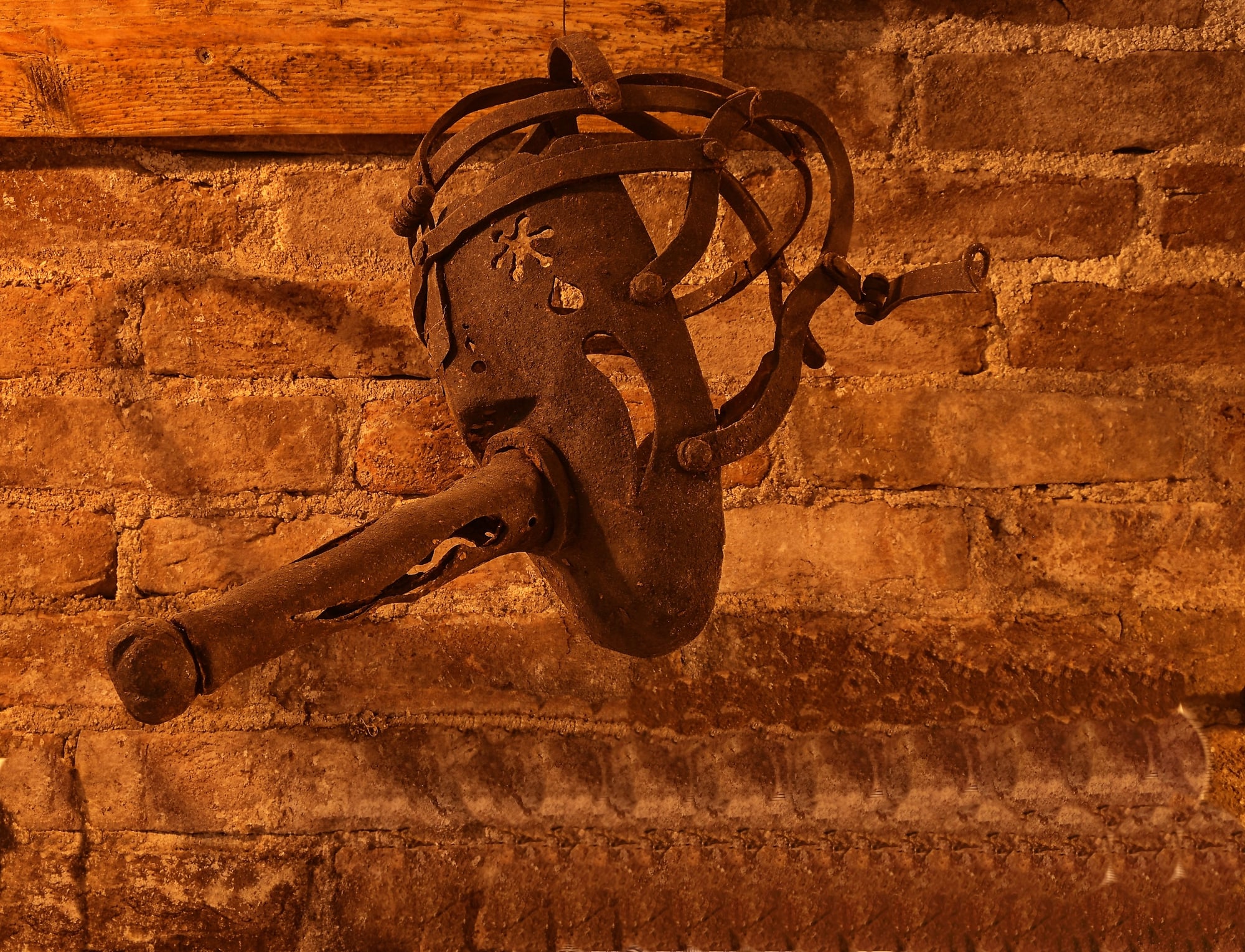
The scold’s bridle – an iron mask designed to silence women who talked too much – appears in virtually every collection of medieval punishment devices. It embodies modern assumptions about medieval attitudes toward women while looking primitive enough to be authentic.
Most surviving scold’s bridles date from the 17th century or later, well beyond the medieval period. The few that might be older were likely used for humiliation rather than physical torture. Medieval communities had simpler ways of dealing with social disruption than commissioning custom metalwork.
The Thumbscrew
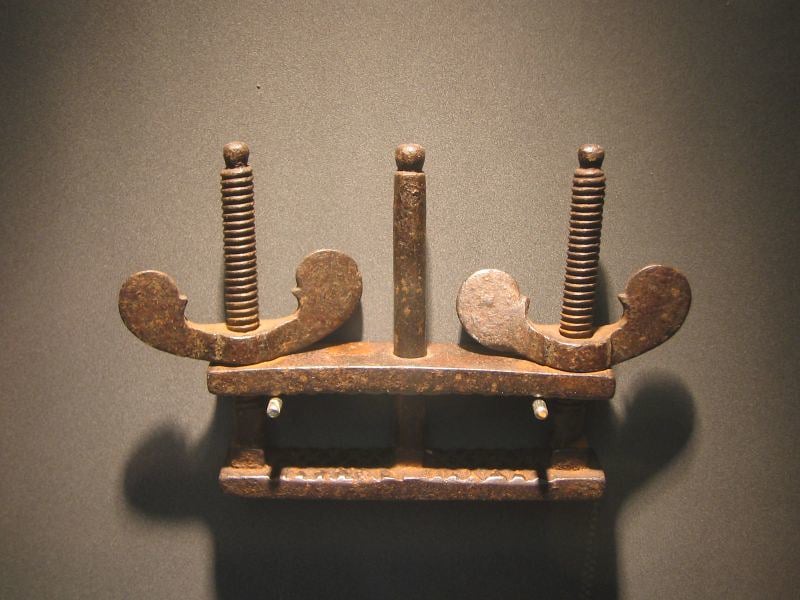
While simple devices for applying pressure to fingers and thumbs did exist in various time periods, the elaborate thumbscrews displayed in torture museums are mostly Victorian inventions. These ornate devices, complete with adjustable screws and metal plates, were designed to look more sophisticated than actual historical equivalents.
Medieval interrogators used basic tools when they needed to apply physical pressure – they didn’t commission specialized equipment from metalworkers. The thumbscrews in modern collections represent 19th-century ideas about what medieval torture devices should look like rather than what they actually did look like.
The Rack
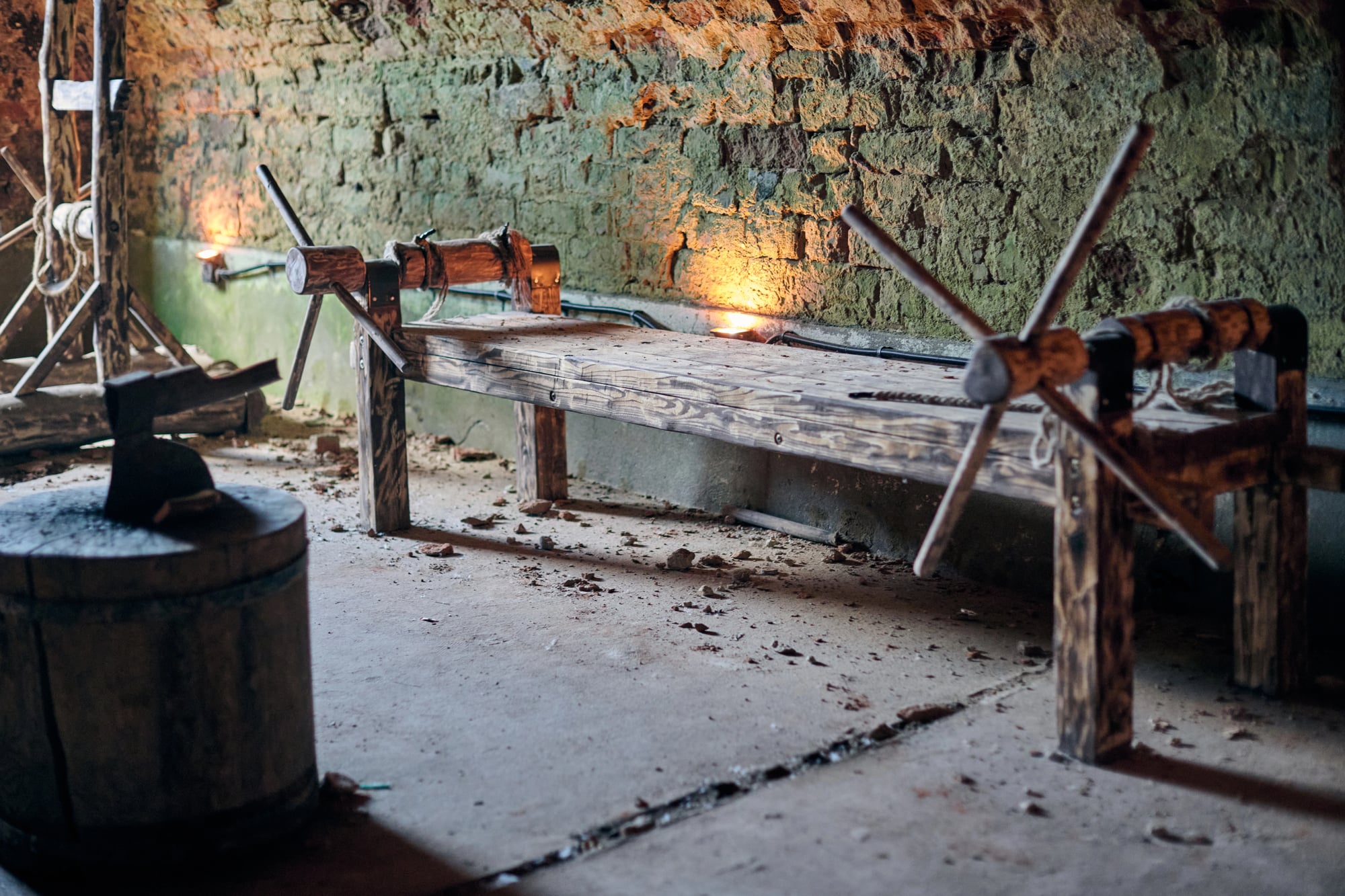
The rack actually existed, but not in the elaborate form displayed in modern museums and depicted in films. The real medieval rack was a simple wooden frame used to stretch victims – effective but basic in construction.
The complex mechanical racks with gears, cranks, and adjustable restraints are later additions, created by people who thought the original design wasn’t dramatic enough. Medieval torture chambers weren’t engineering workshops filled with precision instruments.
The Catherine Wheel
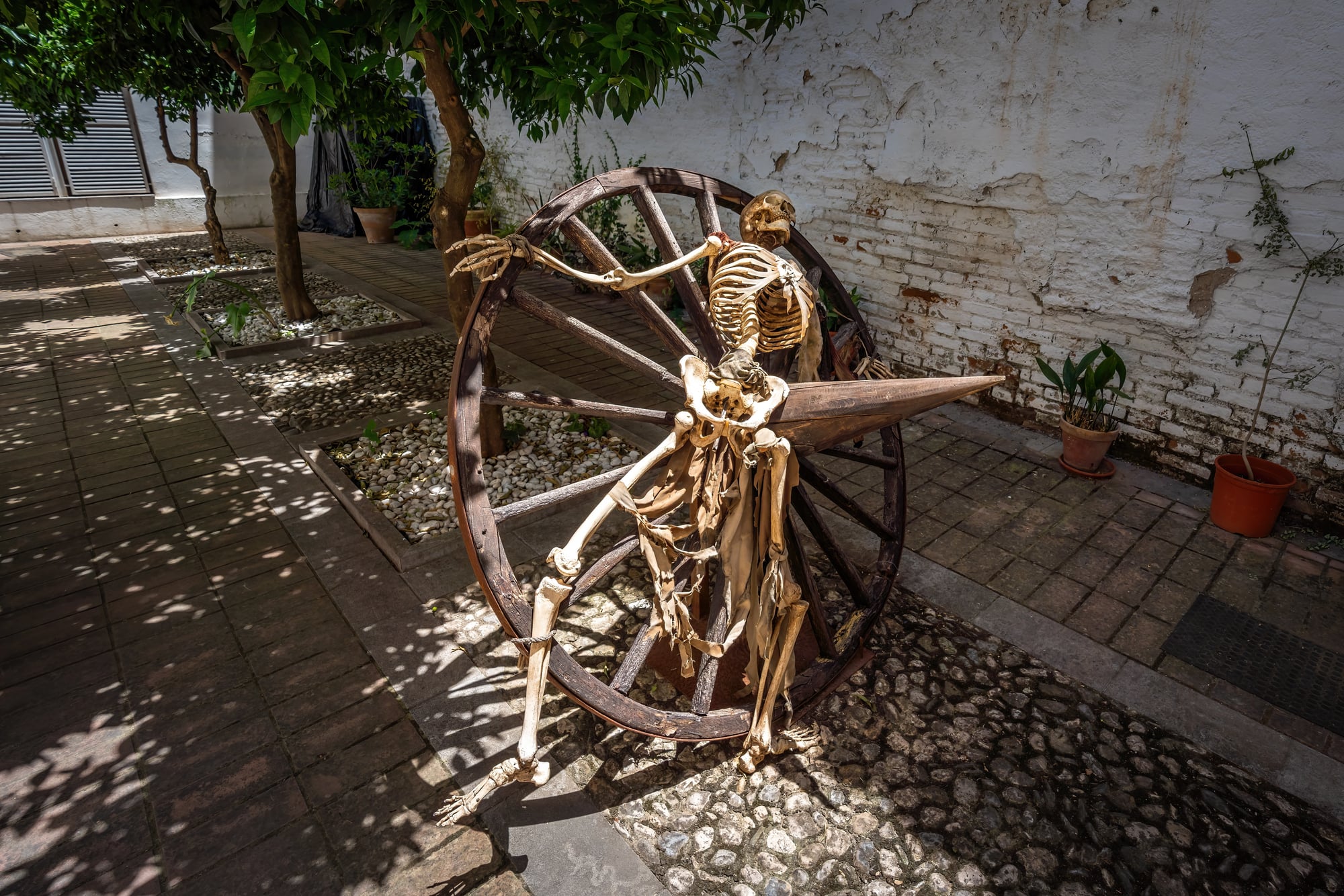
Also known as the breaking wheel, this device supposedly rolled over victims to crush their bones slowly and methodically. The Catherine wheel appears in countless artistic depictions of medieval martyrdom.
The historical Catherine wheel was primarily a symbol rather than a torture device. Saint Catherine of Alexandria was allegedly martyred on a spiked wheel, but the elaborate contraptions displayed in modern museums are artistic interpretations rather than historical reconstructions.
The Spanish Spider
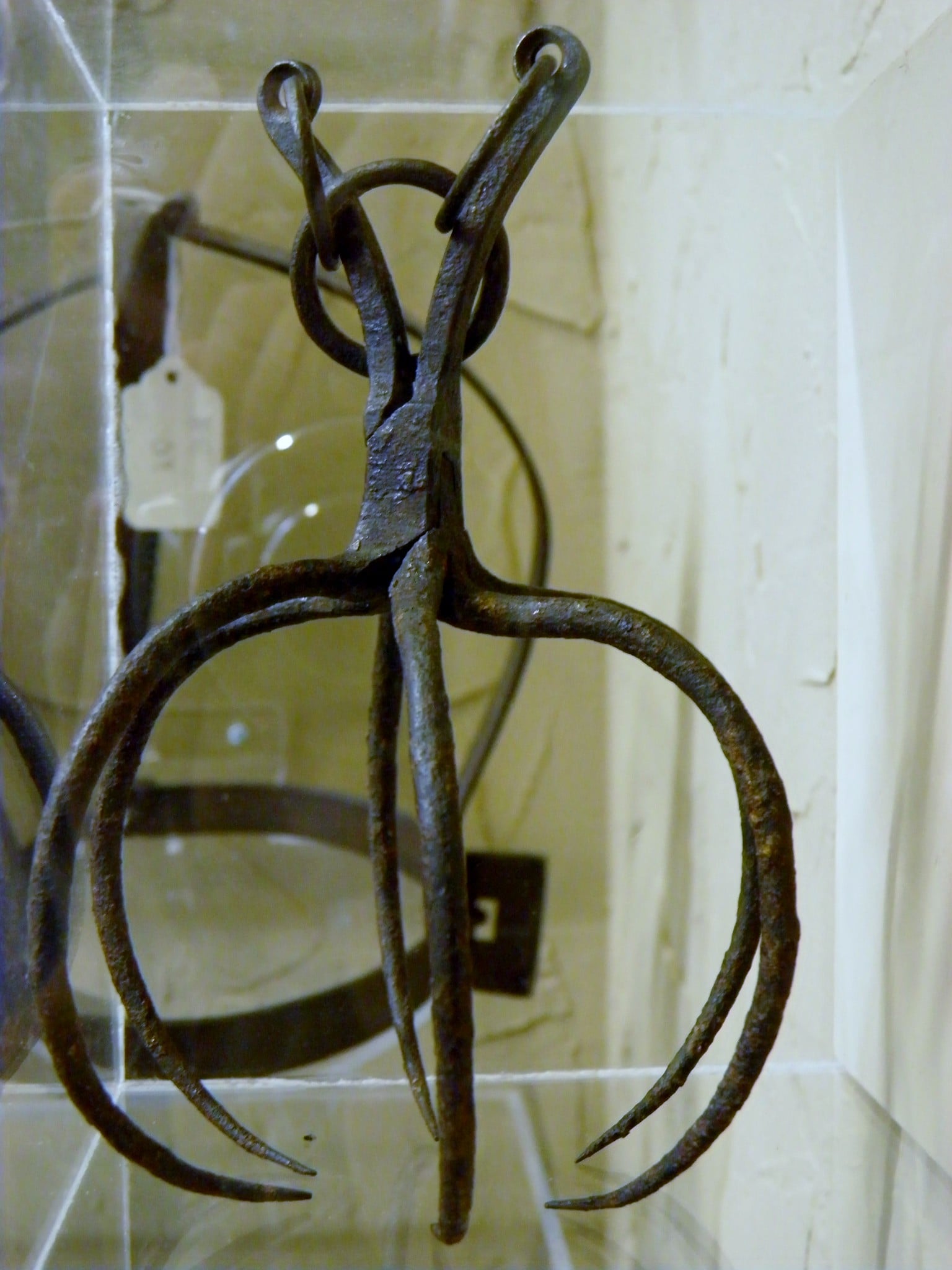
This claw-like device allegedly heated red-hot and used to tear flesh from victims’ bodies appears in multiple collections of medieval torture implements. The name suggests Spanish Inquisition origins, while the design looks appropriately primitive and brutal.
The Spanish spider was invented by 19th-century manufacturers who discovered they could sell more torture devices by giving them exotic names and fabricated histories. Real medieval torture was rarely as elaborate or theatrical as these devices suggest.
The Coffin Torture
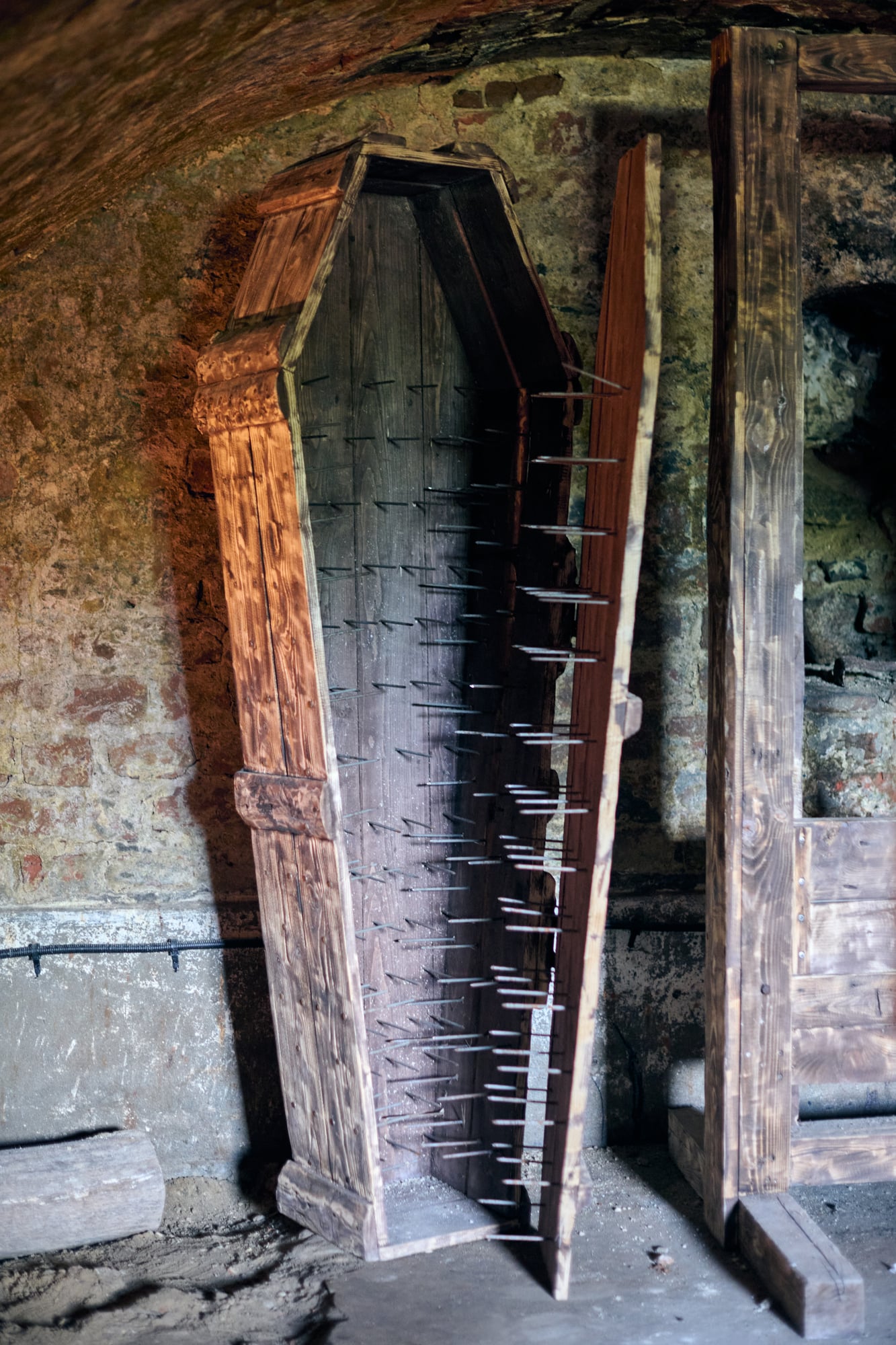
Medieval authorities supposedly locked victims in coffin-shaped cages, leaving them exposed to the elements until they died of starvation or exposure. These cages appear in multiple museum collections.
The coffin torture devices displayed in modern museums are 18th and 19th-century creations. Medieval imprisonment was typically brief – communities couldn’t afford to feed prisoners indefinitely, and prolonged captivity served no practical purpose.
Separating Myth from Medieval Reality
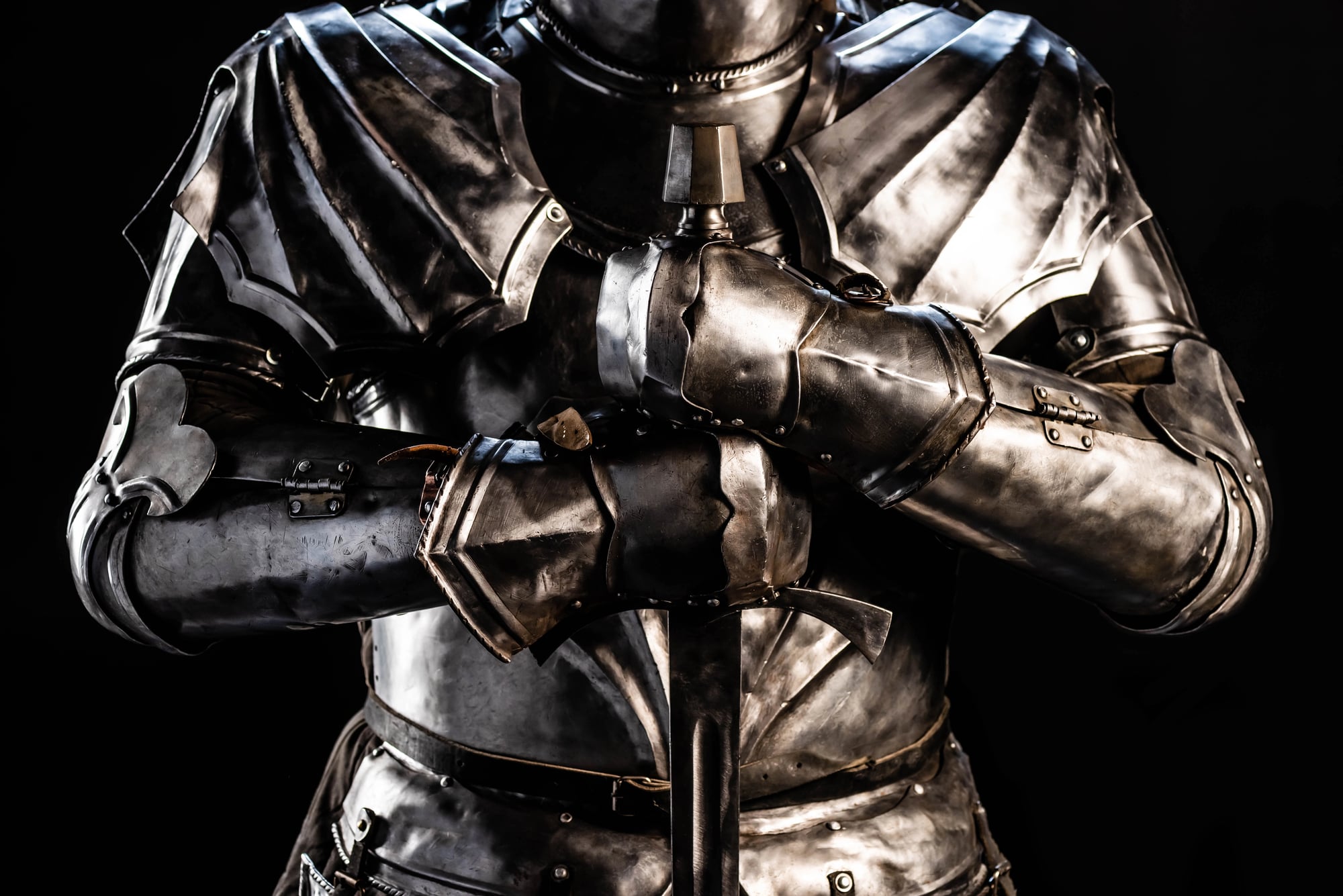
The persistence of these fictional torture devices reveals something important about how modern people understand the medieval period. These fabricated contraptions have become more famous than actual medieval practices, shaping popular understanding of an entire historical era.
Medieval people were neither more nor less cruel than people in other time periods, but they approached punishment and justice differently than modern societies do. The elaborate devices that populate museums and horror films would have been impractical, expensive, and counterproductive in actual medieval contexts.
More from Go2Tutors!

- The Romanov Crown Jewels and Their Tragic Fate
- 13 Historical Mysteries That Science Still Can’t Solve
- Famous Hoaxes That Fooled the World for Years
- 15 Child Stars with Tragic Adult Lives
- 16 Famous Jewelry Pieces in History
Like Go2Tutors’s content? Follow us on MSN.