17 Rare Things You’ll Almost Never See
The world contains multitudes of experiences that most people will simply never encounter. Not because these things don’t exist, but because they occupy such specific corners of reality — fleeting moments, remote locations, or circumstances that require extraordinary timing.
Some happen every day somewhere on Earth, just never where you happen to be looking.
Lightning striking the same place twice
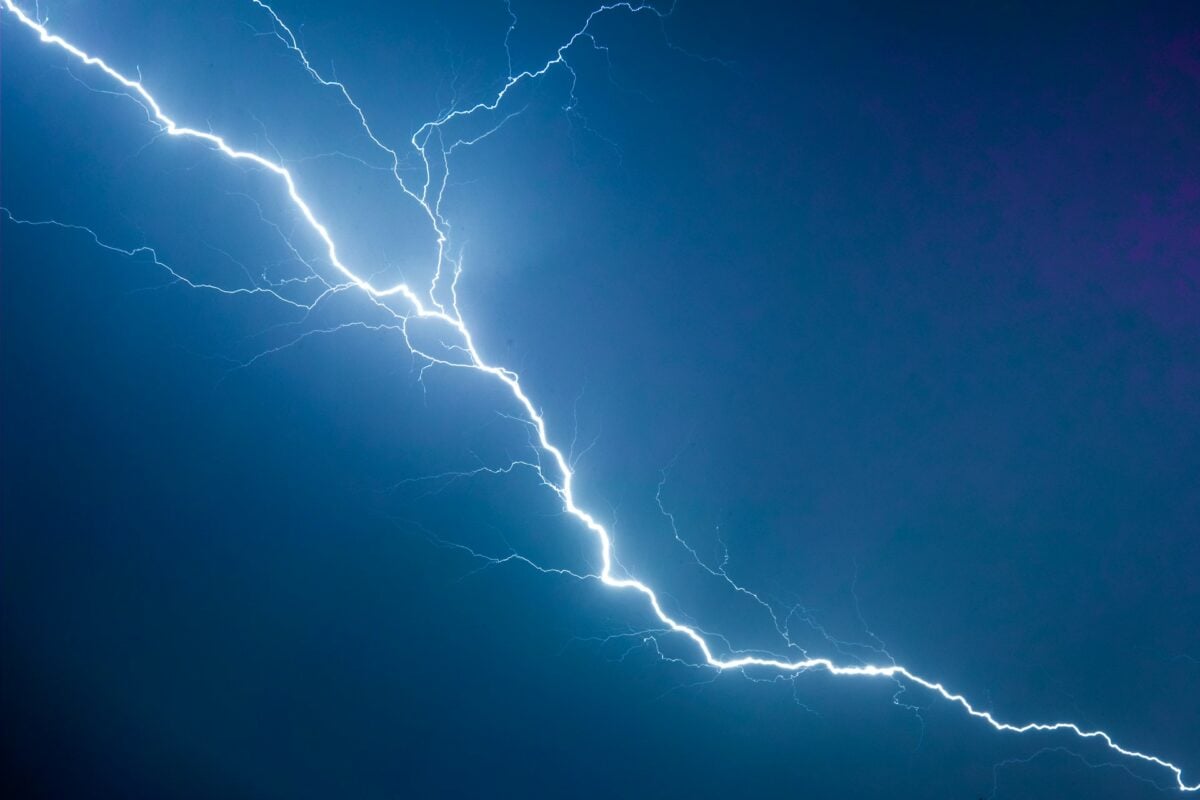
Lightning absolutely strikes the same place twice. Tall buildings, towers, and elevated structures get hit repeatedly because they’re convenient targets.
The Empire State Building takes about 25 strikes per year. Lightning rods exist for exactly this reason.
The myth persists because witnessing it happen twice in the same spot requires you to be in the right place during multiple storms. Most people aren’t camping out with their eyes fixed on one location through several thunderstorms.
A meteorite hitting someone
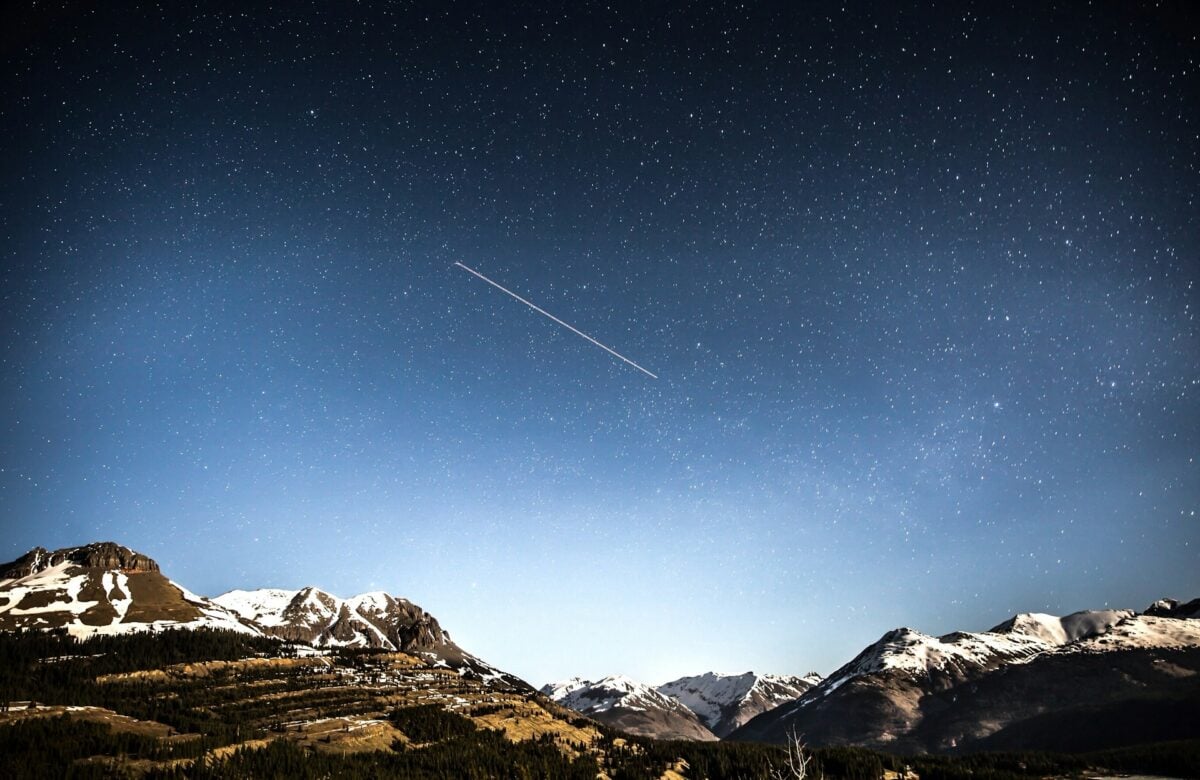
Getting struck by a meteorite is theoretically possible but practically absurd. Only one confirmed case exists in recorded history: Ann Hodges of Alabama got hit by an 8.5-pound meteorite that crashed through her roof in 1954.
She was napping on the couch when it bounced off her radio and into her hip. The odds of this happening to anyone are estimated at one in several billion per year.
You’re more likely to win the lottery while being struck by regular lightning. Space debris burns up in the atmosphere constantly, but actual meteorites making it to the ground and finding a human target? Ann Hodges remains unique.
Snow in the Sahara Desert

The Sahara isn’t exclusively hot sand dunes — its geography is more complex than most people realize, with mountainous regions that can trap cold air systems under the right atmospheric conditions. When a particularly strong winter storm moves south from Europe and collides with the desert’s varied topography, snow can actually accumulate in higher elevations, creating this surreal landscape of white powder against red sand and rocky outcroppings.
It happened notably in 1979, 2016, 2018, and 2021, but each time the snow lasted only hours before melting, and the coverage was limited to specific areas rather than the vast emptiness most people picture when they think “Sahara.” But even knowing it’s meteorologically possible doesn’t prepare you for how wrong those images look — like someone accidentally switched the background in a photograph, or like the planet briefly forgot what it was supposed to be doing.
A perfect double rainbow
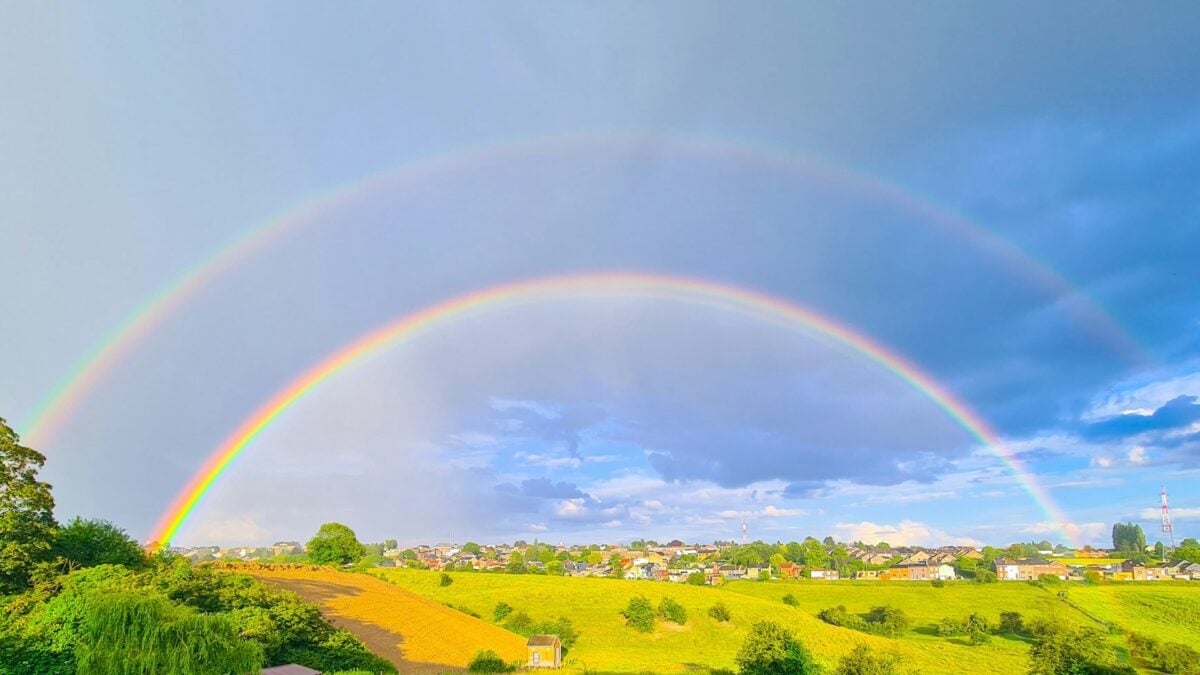
Double rainbows are common enough that everyone knows they exist. Perfect double rainbows are not.
The secondary arc has to be complete, the colors properly inverted, and the dark area between the two bands — called Alexander’s dark band — clearly visible. Weather conditions need to align precisely: rain, sunlight, and your viewing angle all cooperating at once.
Most double rainbows appear partial or faded. The full, vivid version requires exceptional atmospheric clarity and timing that makes photographing one feel like capturing lightning in a bottle.
Green flash at sunset
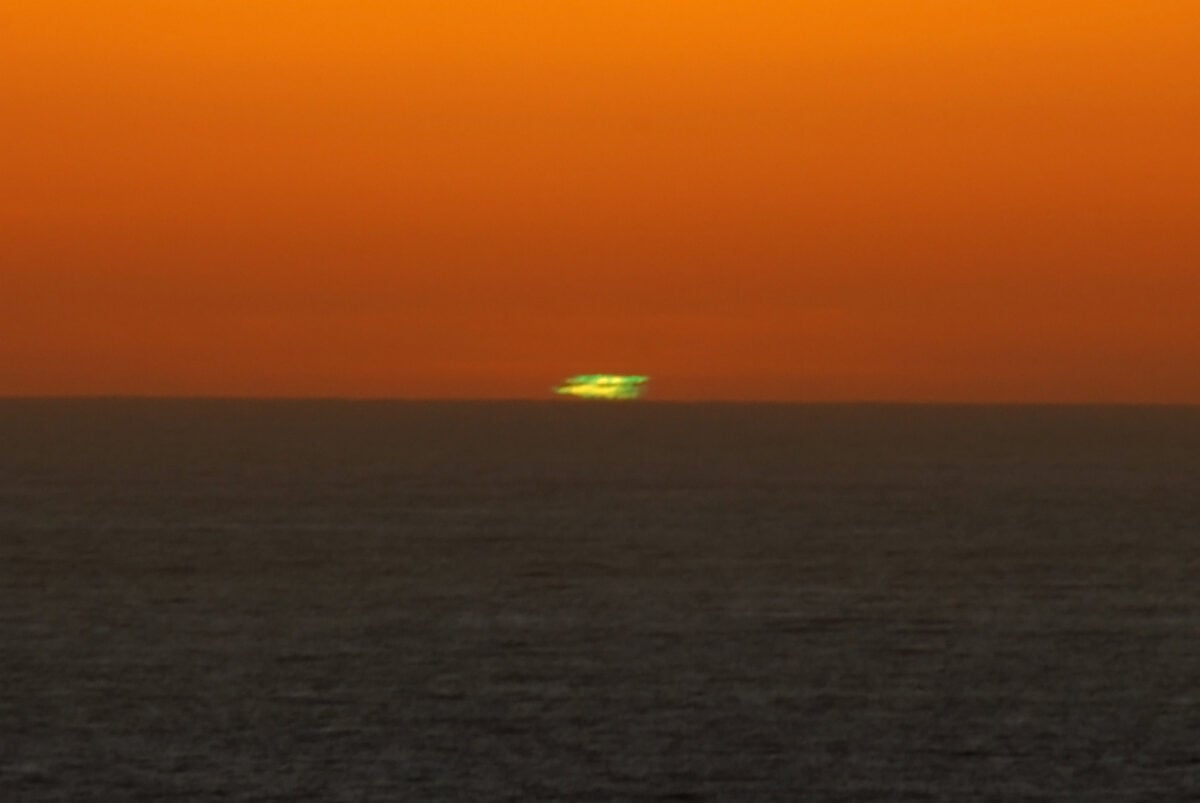
This isn’t a camera trick or optical illusion — it’s a genuine atmospheric phenomenon where the sun’s final visible light appears emerald green for roughly two seconds before disappearing completely. The effect happens because Earth’s atmosphere acts like a prism, bending different wavelengths of light at slightly different angles, and under very specific conditions (clear horizon, no atmospheric disturbance, perfect viewing angle), the green wavelength becomes the last visible color as the sun drops below the horizon line.
Sailors have known about this for centuries, but actually witnessing it requires an unobstructed view to the horizon, perfectly clear atmospheric conditions, and the patience to watch dozens of sunsets because most of them won’t produce the effect. Even when conditions seem ideal, humidity, dust, or the slightest atmospheric disturbance will prevent it from occurring.
And then, when it does happen, it’s over so quickly that you question whether you actually saw it — which is probably why some people dismiss it as maritime mythology despite the fact that it’s perfectly explainable physics.
Volcanic lightning
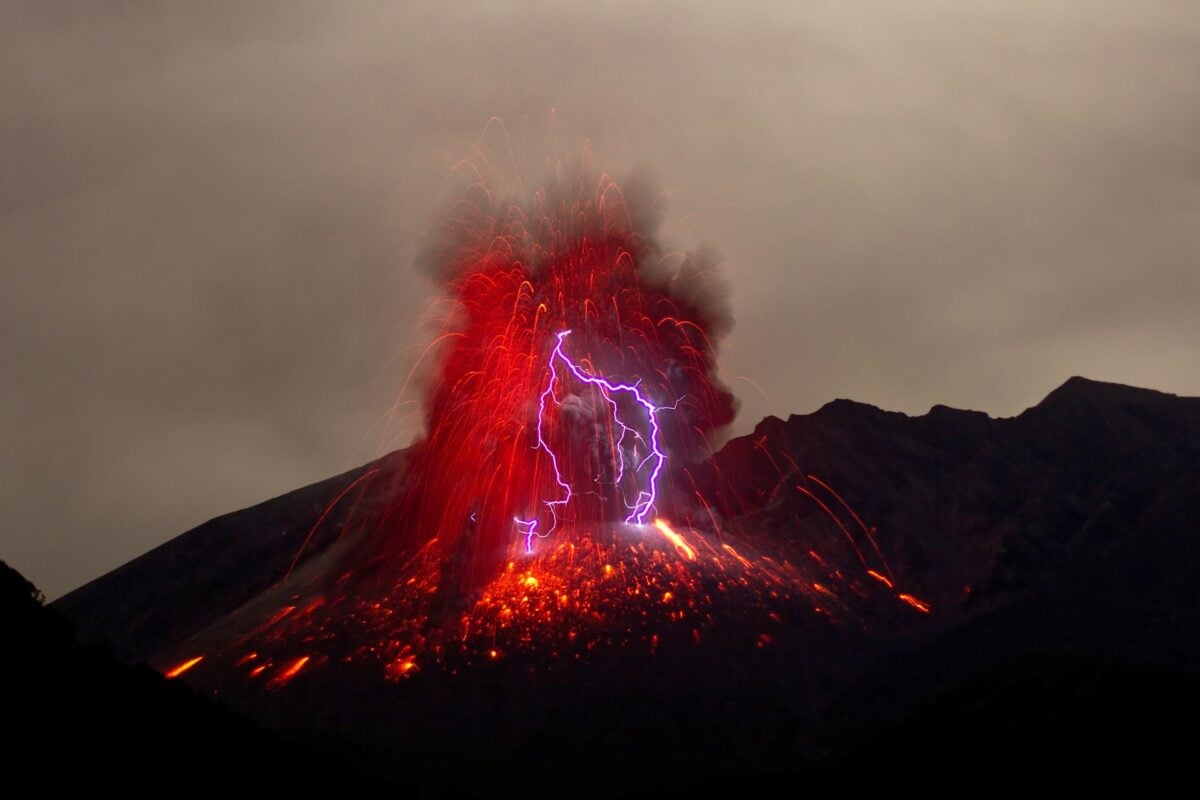
Volcanic eruptions create their own weather systems. When massive amounts of ash, rock, and gases blast into the atmosphere, they generate electrical charges through friction and particle collision.
This creates lightning that strikes within the volcanic plume itself — brilliant electrical displays against a backdrop of molten rock and ash clouds. It looks supernatural.
Lightning bolts crackling through billowing volcanic ash against a sky turned orange from lava. The phenomenon occurs during major eruptions, which are already rare events that most people will never witness firsthand.
A waterspout
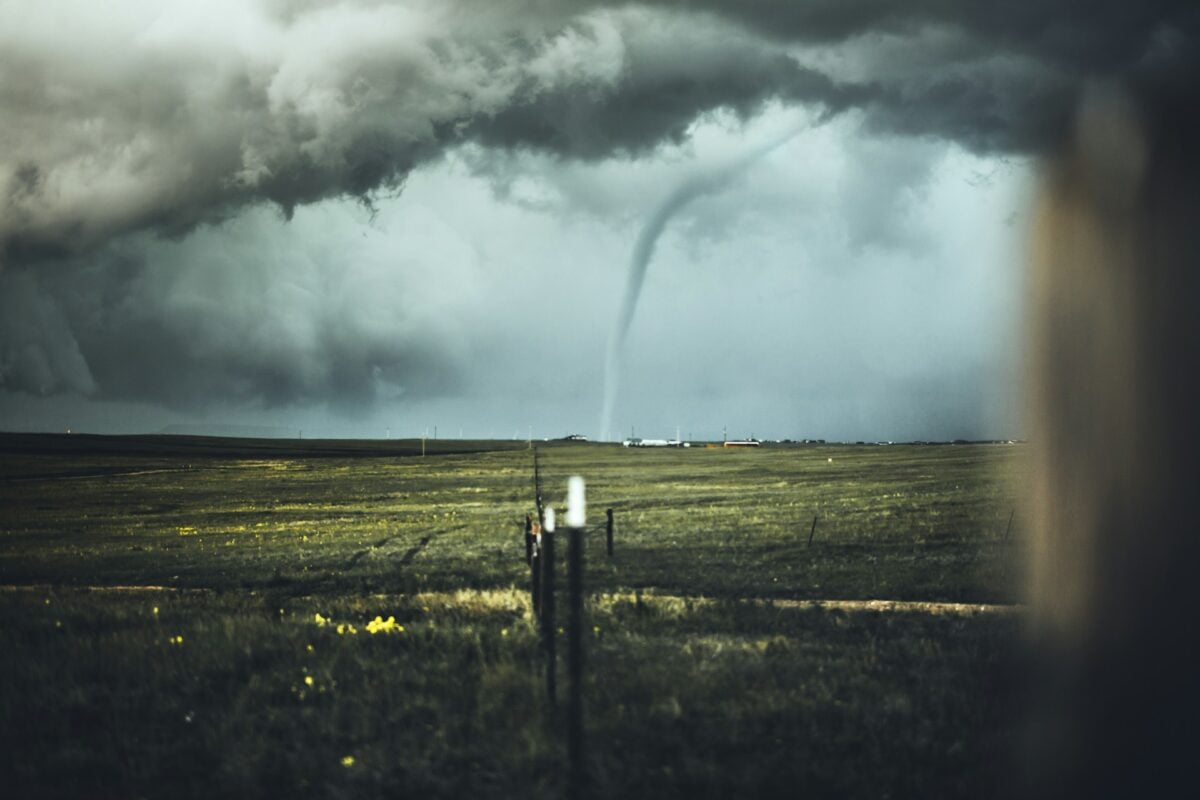
Waterspouts are essentially tornadoes over water, but seeing one requires you to be near a large body of water during very specific weather conditions when atmospheric instability, wind shear, and temperature differentials align to create a rotating column of air that extends from a cloud down to the water’s surface. They typically form during late summer and early fall when water temperatures are warmest and atmospheric conditions most unstable, lasting anywhere from a few minutes to half an hour before dissipating, but their formation is unpredictable enough that you can’t simply plan to witness one.
Most occur over open ocean or large lakes, far from populated areas, so the majority happen without any human observers at all (which seems somehow appropriate — nature putting on a show for an audience of waves and seabirds). Even when they form near coastlines, they move unpredictably and dissolve quickly, meaning that catching sight of one is largely a matter of being in the right place when the atmosphere decides to twist itself into something spectacular.
Bioluminescent waves
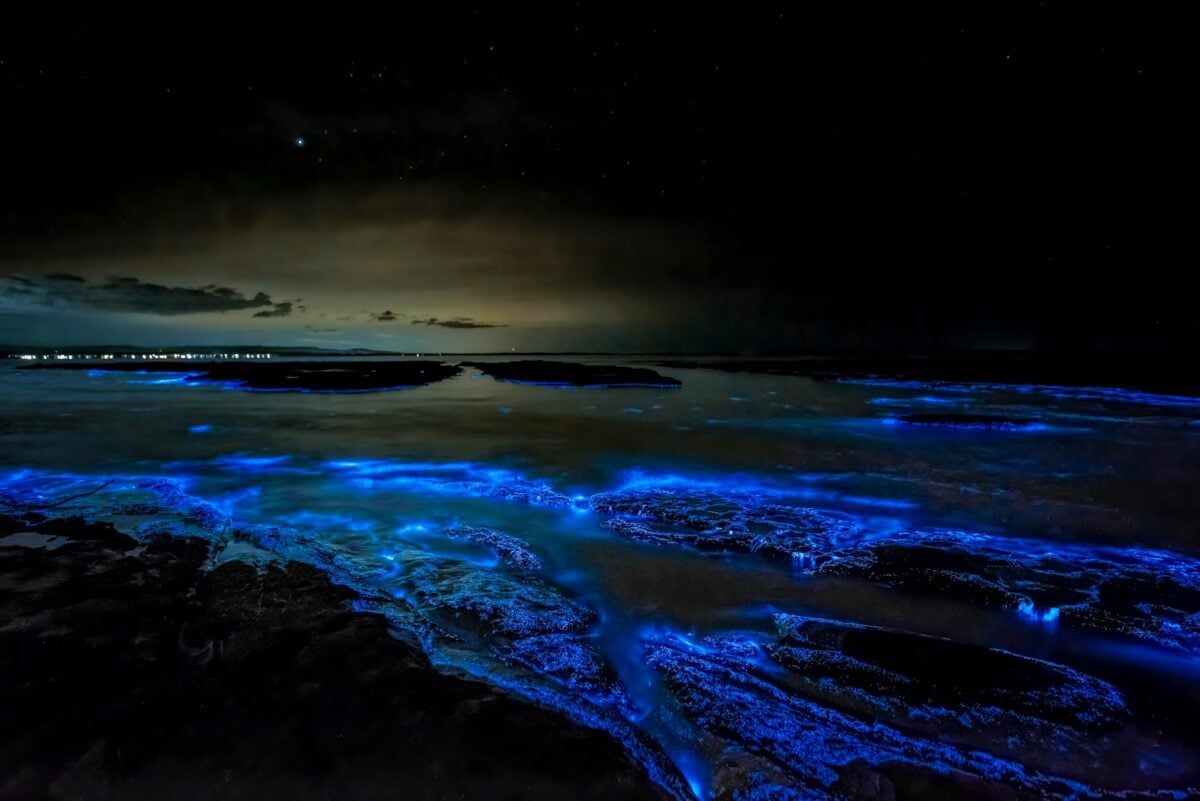
Ocean water that glows blue when disturbed sounds like fantasy, but it’s real. Microscopic organisms called dinoflagellates emit light when agitated — a defense mechanism that creates luminescent waves, footprints in sand, and glowing wakes behind boats.
The phenomenon requires massive concentrations of these organisms, which happens unpredictably. Beaches in California, the Maldives, and parts of Australia experience bioluminescent blooms, but timing your visit to coincide with peak luminescence is mostly luck.
The glow is also subtle — more magical in person than dramatic.
A fire rainbow
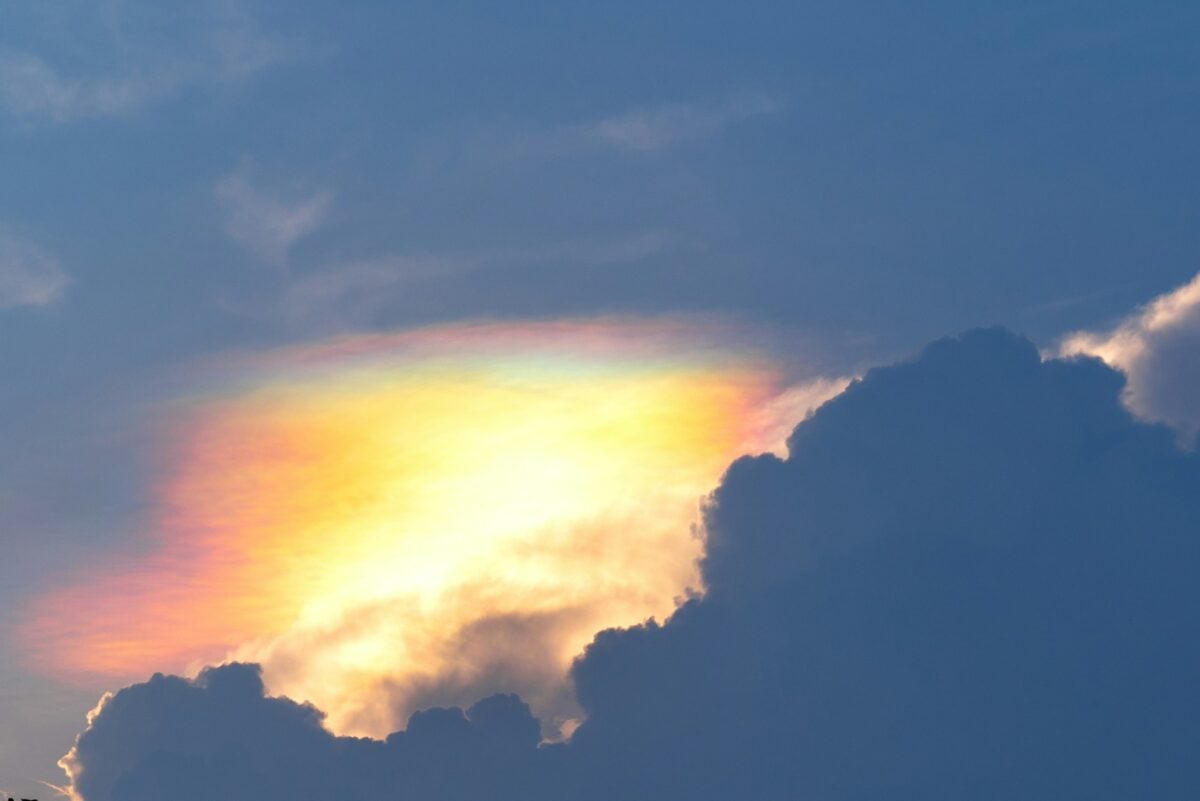
Despite the name, fire rainbows have nothing to do with fire or rain — they’re halos that form when sunlight passes through ice crystals in high-altitude cirrus clouds at exactly 58 degrees above the horizon, creating this impossible-looking arc of spectral colors that appears to float in perfectly clear sky. The sun has to be positioned precisely (which only happens during summer months in mid-latitudes), the ice crystals need to be plate-shaped and horizontally aligned, and the cirrus clouds must be present at exactly the right altitude — around 20,000 feet — for the optical geometry to work.
But even when all these conditions align, the display typically lasts only minutes before the sun’s angle shifts or the cloud formation changes, and because it appears so high in the sky, many people never look up at the right moment to notice it happening. The colors are more saturated than regular rainbows, appearing almost painted against the blue sky, which is why the few photographs that exist of fire rainbows often get dismissed as digitally altered — they look too vivid to be real atmospheric optics.
Mammatus clouds
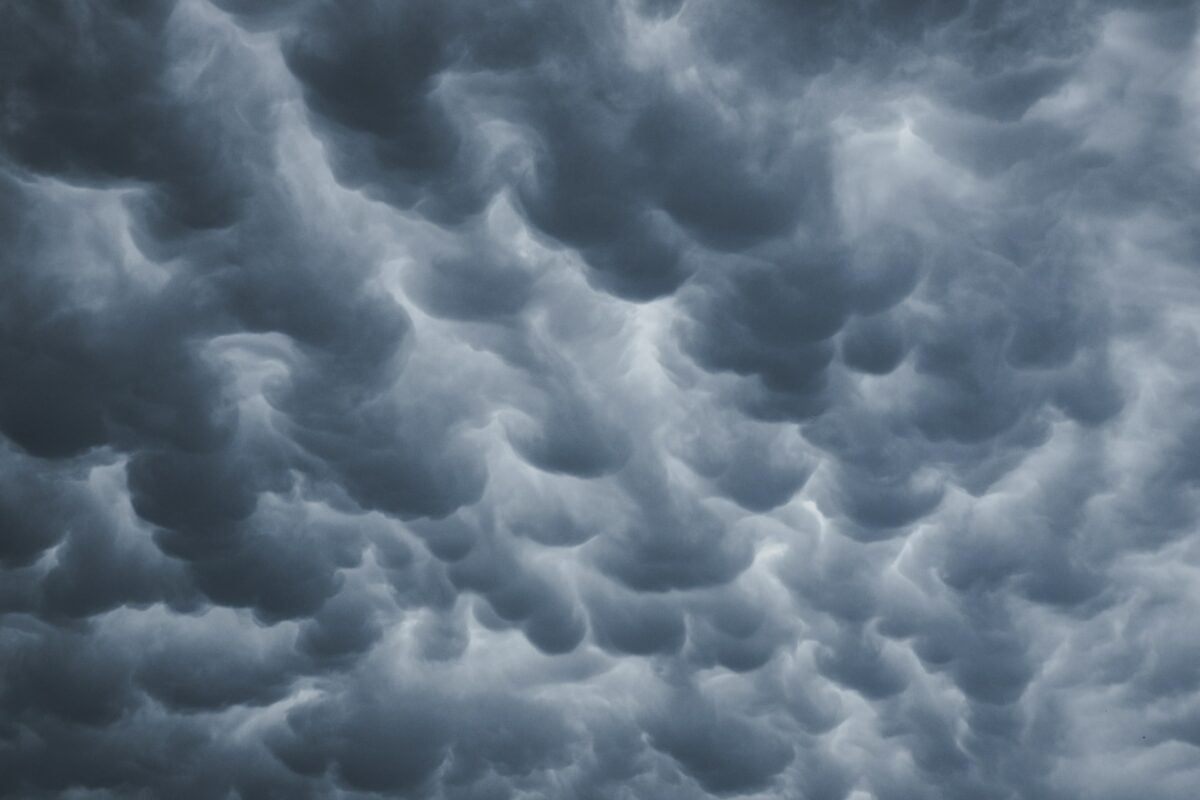
Mammatus clouds hang from the sky like nature’s stalactites. Instead of billowing upward like normal clouds, they form downward-pointing pouches that dangle from the cloud base.
They look ominous and unnatural — like the sky is melting or developing tumors. These formations require very specific atmospheric conditions where dense, cold air sinks through lighter, warmer air below.
They typically appear after severe thunderstorms and last only minutes to hours. The visual effect is so unusual that seeing them feels like witnessing a glitch in how weather is supposed to work.
Morning glory clouds
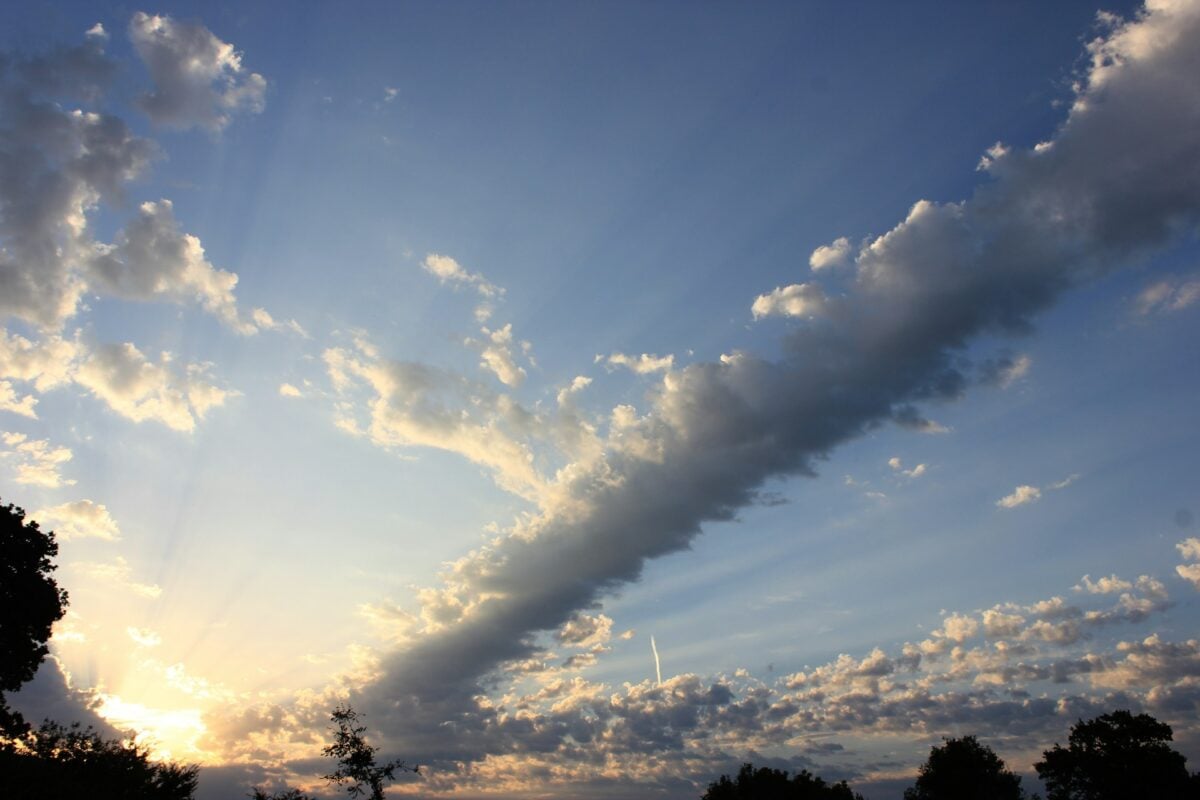
Australia’s Gulf of Carpentaria produces one of the world’s most predictable rare weather phenomena: morning glory clouds, these perfectly cylindrical formations that can stretch over 600 miles and roll across the landscape like enormous invisible logs, creating updrafts strong enough to lift gliders and small aircraft. They form when cool, moist air from the ocean collides with warm, dry air from the interior, but only under very specific topographical and seasonal conditions that occur almost exclusively in this one region of northern Australia, typically between September and November.
The clouds appear to roll forward at about 35 miles per hour, maintaining their tubular shape for hours as they move inland, and experienced pilots actually chase them for the rare opportunity to soar along their length using the updrafts they generate. But even in their primary habitat, morning glory clouds are temperamental — some years they appear regularly, other years hardly at all, and their formation depends on weather patterns, tides, and atmospheric pressure in ways that meteorologists still don’t fully understand, making each sighting feel like catching lightning in a bottle.
St. Elmo’s fire
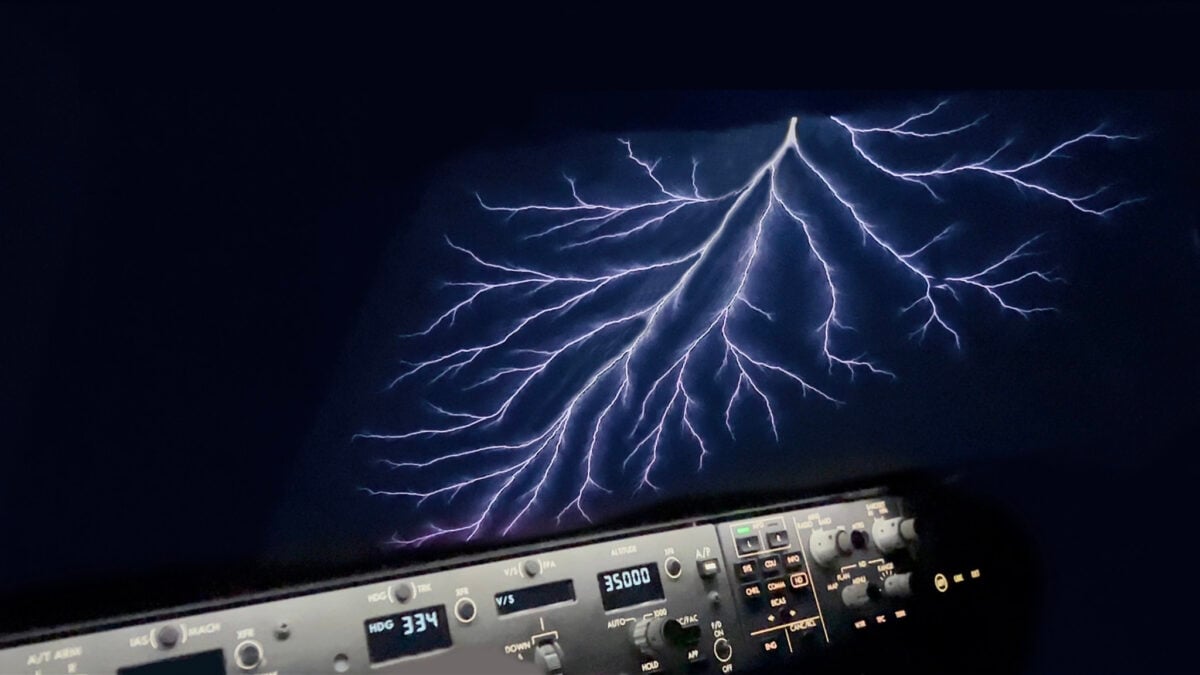
St. Elmo’s fire appears as blue flames dancing on pointed objects during thunderstorms — ship masts, aircraft wings, church spires. It’s not actual fire but electrical discharge, a visible manifestation of atmospheric electricity seeking a path to ground.
Sailors considered it a good omen, though it signals dangerous electrical conditions. The phenomenon requires strong electrical fields, pointed surfaces, and the right atmospheric pressure.
Modern aircraft occasionally experience it, but for most people, seeing those ghostly blue flames remains theoretical.
Asperitas clouds
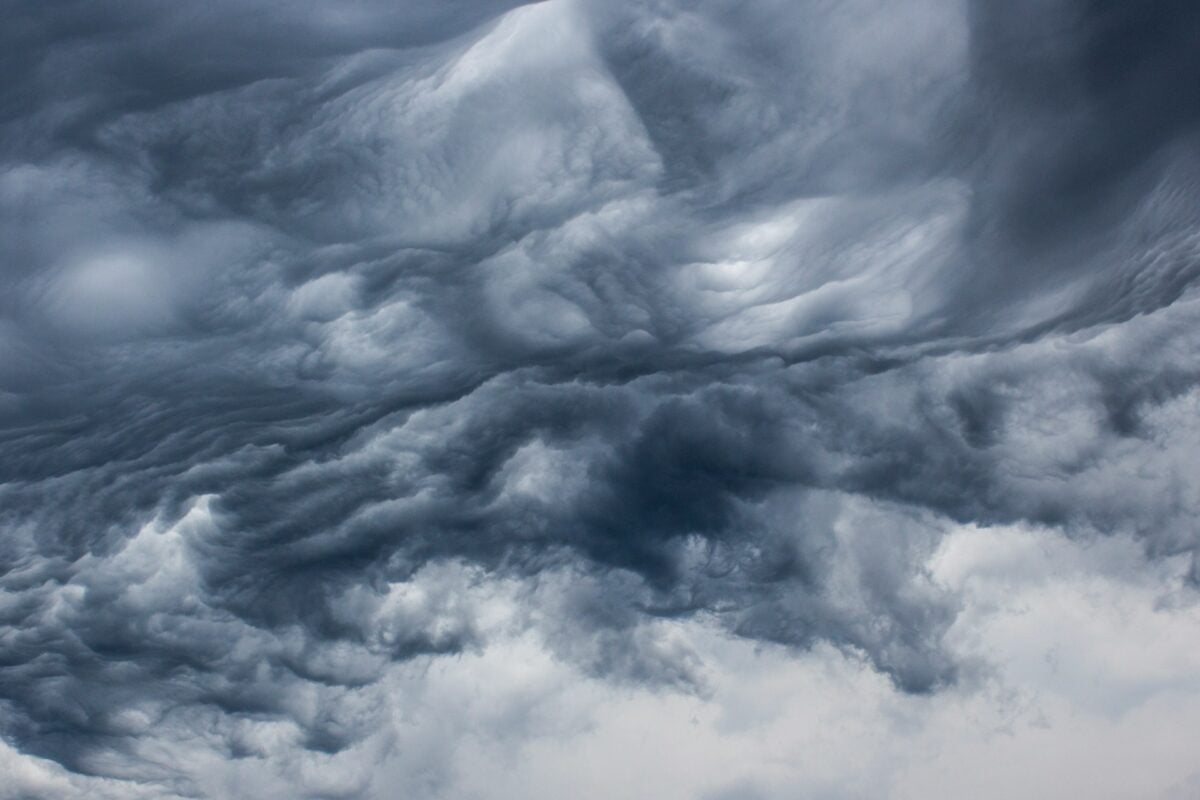
The newest cloud type officially recognized by meteorology looks like ocean waves viewed from underwater — undulating, dramatic formations that appear to flow across the sky in gray and white patterns. First documented by amateur meteorologists through photograph submissions to cloud appreciation societies (which is exactly as charming as it sounds), asperitas clouds weren’t officially classified until 2017, making them the first new cloud type added to the International Cloud Atlas in over 60 years.
They form under very specific conditions when different air masses create unusual wave-like turbulence in the atmosphere, but their rarity means most meteorologists had never seen them in person despite decades of studying weather patterns. The formations can cover hundreds of square miles but typically last only minutes, and they tend to appear in regions where most people aren’t looking up at the right moment — vast plains, remote ocean areas, places where the horizon stretches uninterrupted and the sky has room to perform.
Sprites, elves, and blue jets
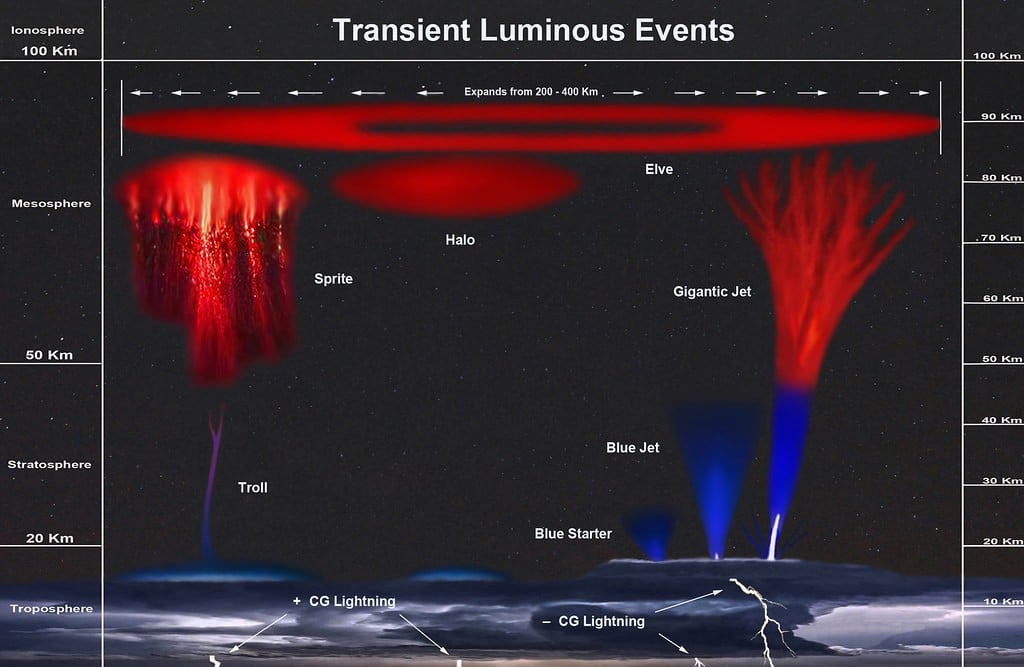
Above thunderstorms, the atmosphere puts on light shows that weren’t even discovered until the 1990s. Sprites appear as red jellyfish-shaped flashes 50 miles above lightning.
Elves are ring-shaped glows that expand outward like ripples. Blue jets shoot upward from storm clouds toward space.
These phenomena last milliseconds and occur at altitudes where no humans can witness them directly. Pilots occasionally spot them, and specialized cameras capture them from aircraft, but seeing upper-atmospheric lightning with your own eyes requires being at exactly the right altitude during active storms.
Sundogs with halos
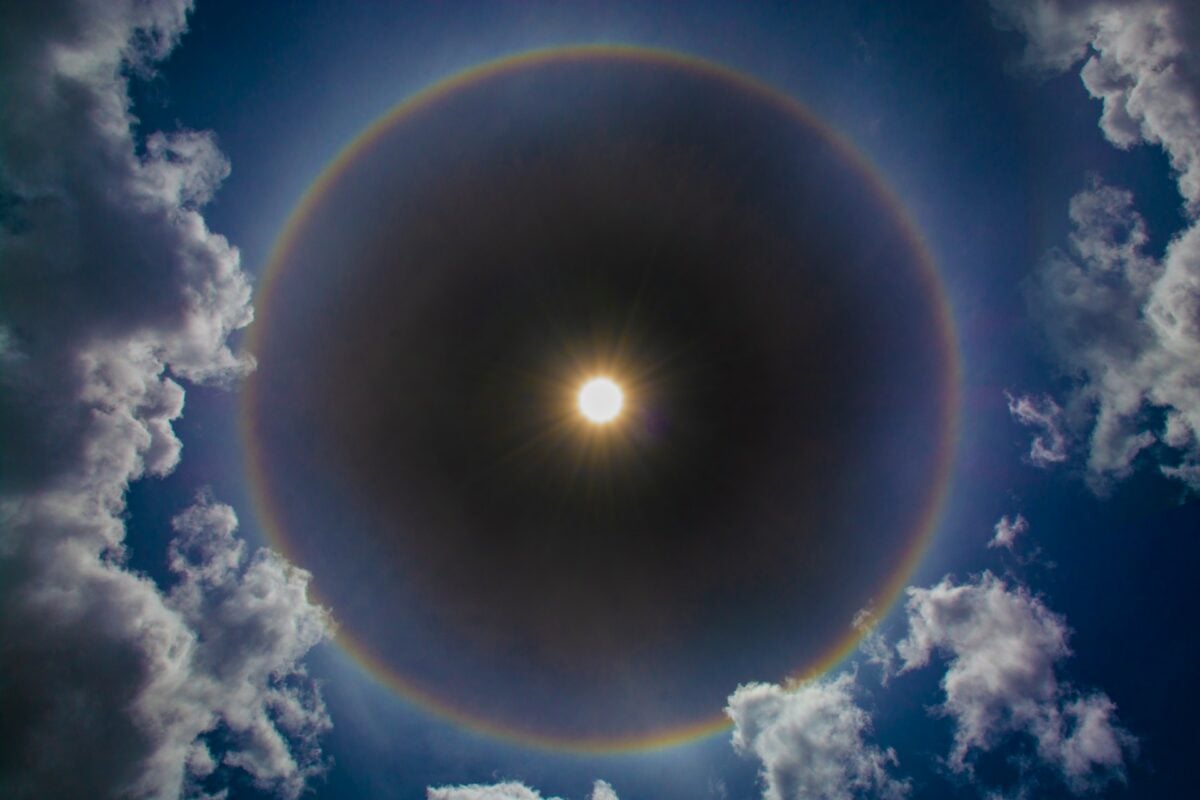
Sundogs are bright spots that appear on either side of the sun, created by ice crystals in the atmosphere. But the full display — sundogs with complete halos, light pillars, and tangent arcs — requires perfect atmospheric conditions and ice crystals aligned just right.
The complete phenomenon creates what looks like a cosmic mandala around the sun. Multiple arcs, circles, and bright points of light arrange themselves in geometric patterns across the sky.
It’s so visually complex that witnessing the full display feels like seeing the atmosphere’s hidden architecture revealed.
Blue lava
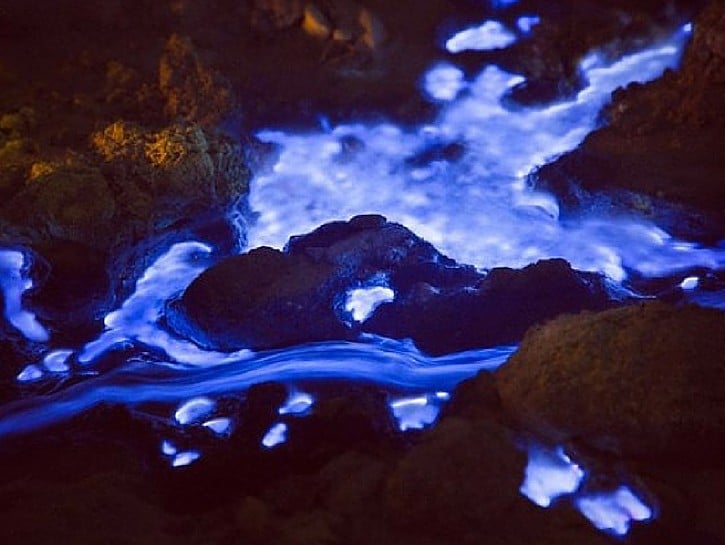
Indonesia’s Kawah Ijen volcano produces flames that burn electric blue — not the lava itself, but sulfuric gases that ignite as they emerge from the volcano. The blue fire is most visible at night, creating an otherworldly landscape of azure flames against volcanic rock.
The phenomenon requires specific volcanic chemistry and sulfur concentrations that exist in only a few places worldwide. Kawah Ijen is the most accessible, but reaching it involves hiking to an active volcanic crater and tolerating toxic sulfur gases.
The blue flames photograph beautifully but witnessing them firsthand means accepting considerable risk.
The rarest weather event
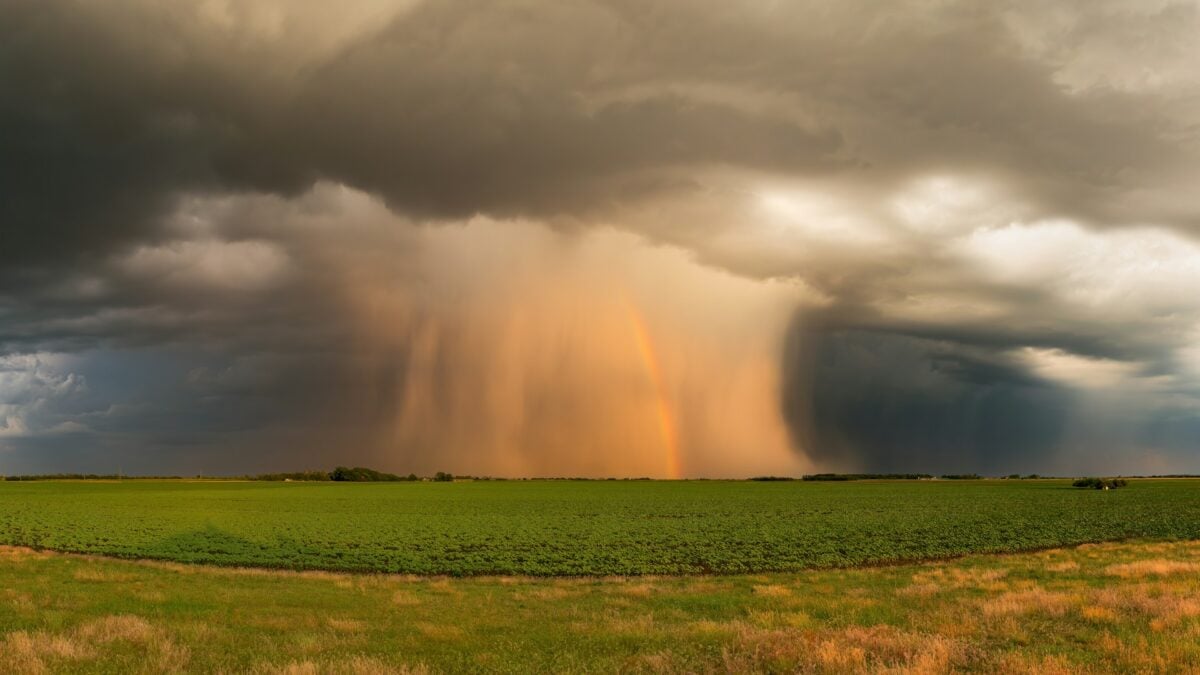
Multiple weather phenomena occurring simultaneously creates displays that have no official names because they happen so infrequently. Lightning striking during a solar eclipse.
Aurora appearing during a meteor shower. Volcanic lightning coinciding with earthquake lights.
These combinations exist in the overlap between already rare events. Witnessing them requires not just being in the right place at the right time, but being there when multiple improbable things decide to happen at once.
They occur perhaps once per generation in any given location, creating stories that sound too extraordinary to believe.
When rarity becomes magic
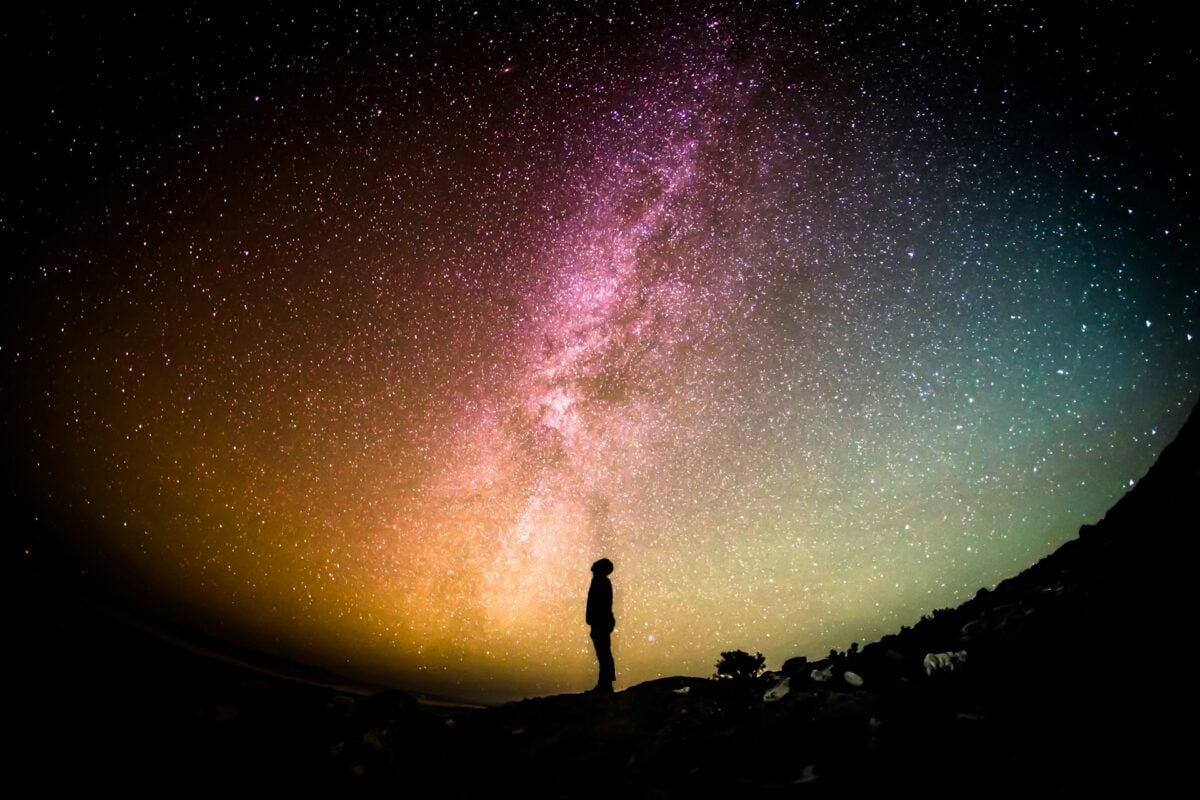
The things on this list share something beyond their scarcity — they remind us that the world operates according to physical laws complex enough to produce results that look supernatural. Perhaps the real rarity isn’t the phenomena themselves but the willingness to look up from daily routines long enough to notice when the ordinary world briefly transforms into something extraordinary.
The universe performs constantly, indifferent to whether anyone happens to be watching.
More from Go2Tutors!

- The Romanov Crown Jewels and Their Tragic Fate
- 13 Historical Mysteries That Science Still Can’t Solve
- Famous Hoaxes That Fooled the World for Years
- 15 Child Stars with Tragic Adult Lives
- 16 Famous Jewelry Pieces in History
Like Go2Tutors’s content? Follow us on MSN.