Most Valuable Rare Coffees Officially Ranked Today
The coffee world operates on its own peculiar economy. While most people debate whether to spend five dollars on a latte, a small circle of collectors and connoisseurs quietly trade beans that cost more per pound than gold.
These aren’t your grocery store varieties — they’re agricultural anomalies, processing experiments, and geographic rarities that exist in quantities so limited they feel more like trading cards than beverages.What makes a coffee truly valuable goes beyond rarity alone.
Processing methods, terroir, elevation, and sometimes sheer marketing genius all play their part. Some of these coffees earned their reputation through centuries of cultivation in impossible conditions.
Others became legends through accidents of fermentation or the whims of particular animals. The prices reflect not just scarcity, but the stories people tell themselves about what they’re drinking.
Kopi Luwak
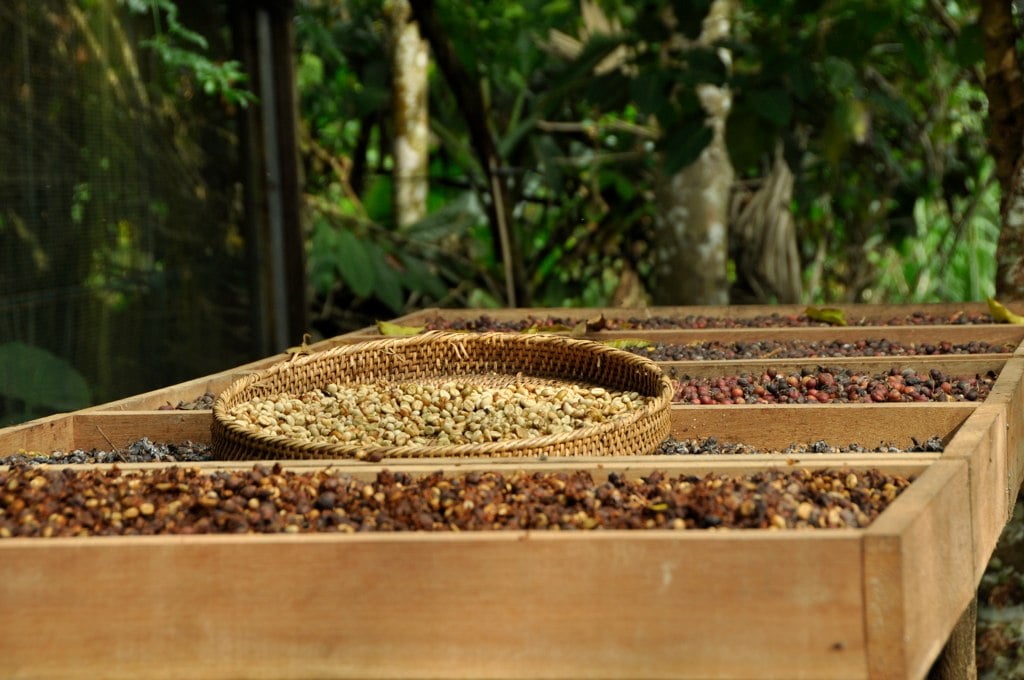
The most famous expensive coffee is also the most controversial. Asian palm civets eat coffee cherries, partially digest them, and excrete the beans.
Farmers collect these droppings, clean the beans, and sell them for astronomical prices. The theory sounds almost reasonable — the civet’s digestive process supposedly breaks down proteins that cause bitterness, creating a smoother cup.
The reality is murkier. Wild civets are increasingly rare, so most commercial Kopi Luwak comes from caged animals force-fed coffee cherries.
The ethical problems are obvious, but even setting those aside, blind taste tests rarely justify the price tag.
Black Ivory Coffee
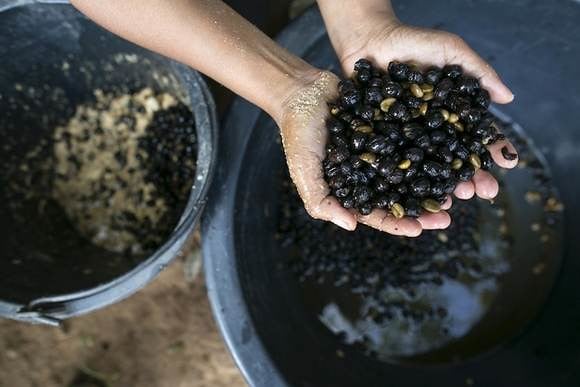
Elephants have replaced civets as the digestive processors of choice for the most expensive coffee on Earth. At a resort in Thailand, elephants eat coffee cherries along with their regular diet of fruits and rice.
The beans spend 15 to 30 hours in the elephant’s digestive system before emerging in their dung. The price reaches $500 per pound, making it more expensive than most people’s monthly coffee budget.
The process yields very few usable beans — it takes about 33 pounds of coffee cherries to produce one pound of finished coffee. The taste is reportedly mild and smooth, though whether it’s $500-per-pound smooth remains a matter of personal conviction.
Jamaica Blue Mountain
Blue Mountain coffee grows in a small region of Jamaica’s Blue Mountain range, between 3,000 and 5,500 feet elevation. The Japanese market discovered it decades ago and still imports about 80% of the total production, which keeps prices consistently high.
The beans develop slowly in the cool, misty conditions of the mountains. The volcanic soil and frequent rainfall create ideal growing conditions, but the steep terrain makes harvesting difficult and expensive.
Most of the coffee is hand-picked and processed using traditional wet methods. The result is a mild, well-balanced cup with very little bitterness — though whether it justifies prices that can exceed $50 per pound depends partly on how much you value coffee’s geographic pedigree.
Hawaiian Kona

Kona coffee comes from the volcanic slopes of Hawaii’s Big Island, where the combination of altitude, climate, and soil creates conditions that can’t be replicated anywhere else in the United States. The narrow belt where authentic Kona grows is only about 30 miles long and two miles wide.
Labor costs in Hawaii are high, and the hand-picking requirements make Kona expensive to produce even before considering its reputation. Real Kona sells for $30 to $60 per pound, which has created a thriving market in “Kona blends” that contain as little as 10% actual Kona beans.
The genuine article has a smooth, rich flavor with low acidity, but part of what you’re paying for is simply the novelty of American-grown coffee.
Finca El Injerto
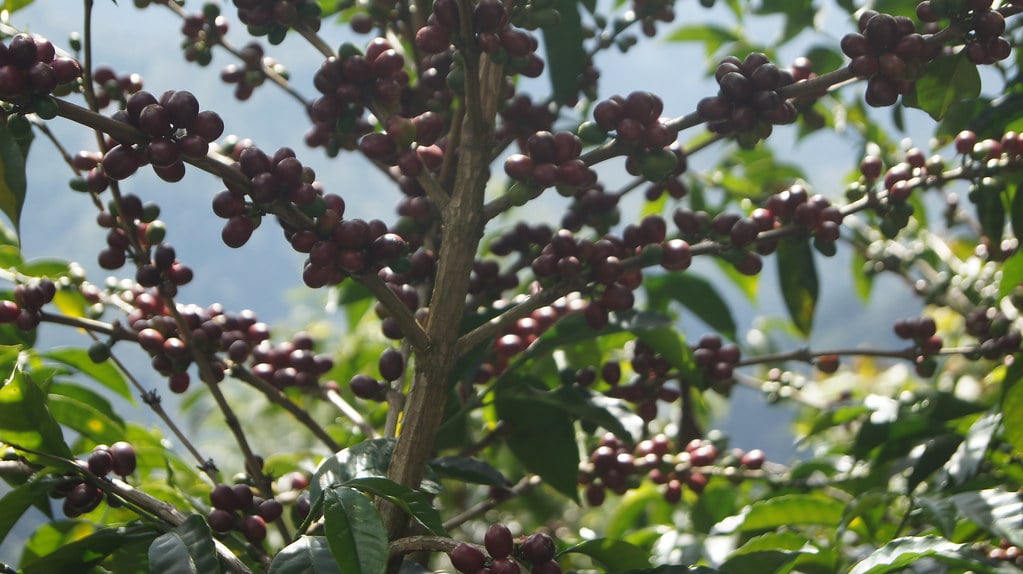
This Guatemalan farm gained international attention when one of its lots sold at auction for over $500 per pound. The farm sits at high altitude in Huehuetenango province, where the combination of volcanic soil, mountain climate, and meticulous processing creates exceptional beans.
El Injerto’s success comes from obsessive attention to detail — they track individual trees, experiment with fermentation times, and process different lots separately to maximize each one’s potential. The farm has won numerous international competitions, which drives demand among coffee professionals and serious enthusiasts.
But the astronomical auction prices reflect the competitive bidding of specialty roasters more than what most consumers would reasonably pay for a daily cup.
Panama Geisha
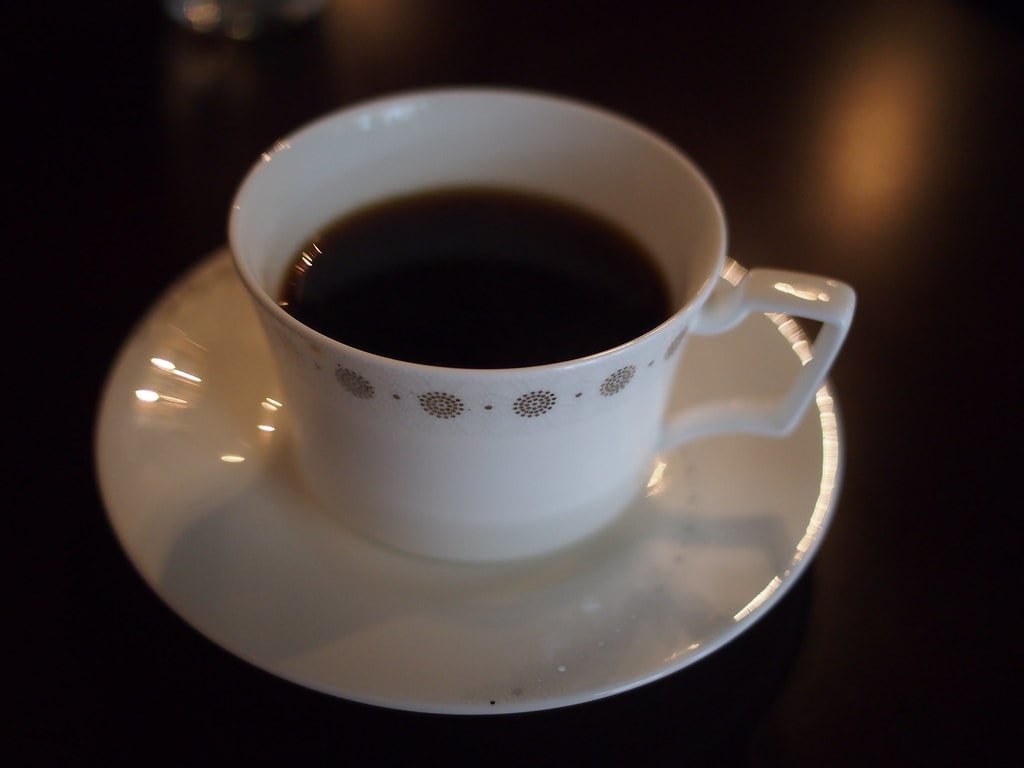
Geisha (sometimes called Gesha) is a coffee variety that originated in Ethiopia but found its true fame in Panama. The varietal produces distinctive floral and tea-like flavors that coffee professionals describe in almost wine-like terms — jasmine, bergamot, tropical fruit notes that seem impossible for coffee to contain.
And yet the flavor profile is so distinctive that even casual drinkers can usually identify Geisha in blind tastings (which is saying something in a world where coffee descriptions often veer toward the mystical). Geisha plants are difficult to grow, produce low yields, and thrive only in very specific conditions, mostly at high altitudes in Panama and a few other Central American locations.
Auction lots regularly sell for hundreds of dollars per pound, though more accessible versions can be found for merely expensive prices rather than astronomical ones.
Saint Helena Coffee

Coffee grows on Saint Helena Island, a British territory in the South Atlantic that’s probably better known for being Napoleon’s final place of exile. The island’s remote location — it’s one of the most isolated inhabited islands in the world — means everything about coffee production happens in slow motion.
So the beans develop unique characteristics that reflect both the island’s volcanic soil and its peculiar climate, which features constant trade winds and very little temperature variation throughout the year. But getting coffee off the island requires either infrequent cargo ships or chartered flights, which explains why Saint Helena coffee can cost $80 per pound or more by the time it reaches consumers.
The flavor is reportedly complex and wine-like, though part of what you’re purchasing is simply the story of coffee grown at the edge of the world.
Esmeralda Geisha
Hacienda La Esmeralda in Panama produces what many consider the pinnacle of Geisha coffee. Their auction lots have broken price records repeatedly, with some selling for over $1,000 per pound at specialty coffee auctions.
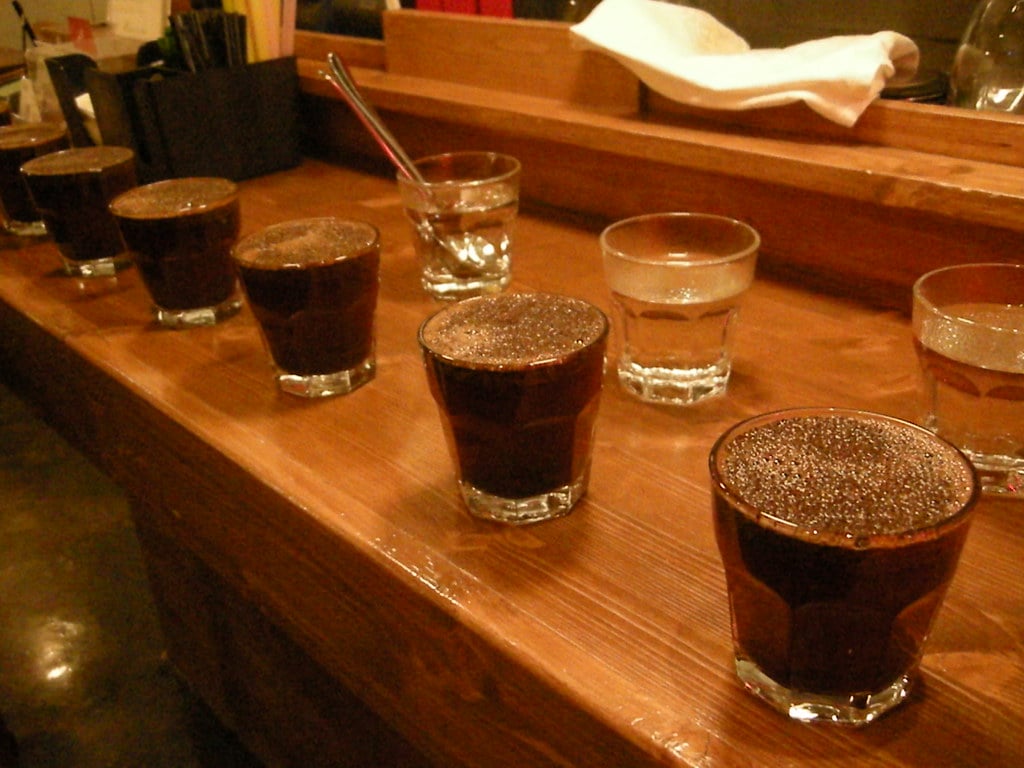
The farm sits on the slopes of Volcan Baru at elevations between 4,500 and 5,000 feet, where the combination of altitude, climate, and careful cultivation produces Geisha beans with extraordinary complexity. The Peterson family, who owns the farm, processes different lots separately and auctions them individually, which allows coffee professionals to bid on specific micro-lots based on cupping scores and flavor profiles.
These aren’t prices that reflect normal consumer demand — they represent the competitive market among specialty roasters who need trophy coffees for their most discerning customers.
Cup of Excellence Winners
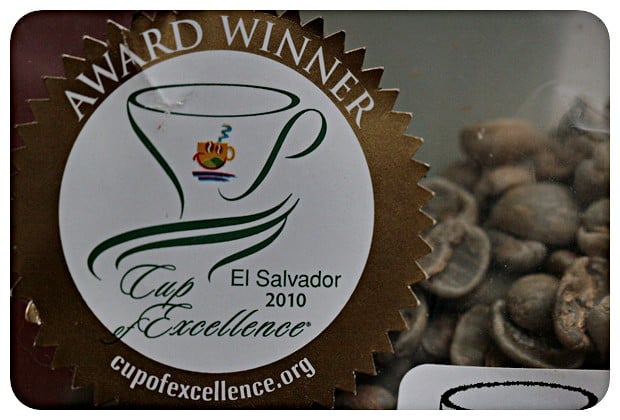
The Cup of Excellence program holds annual competitions in coffee-producing countries, and winning lots are auctioned to international buyers. Prices vary wildly depending on the year, country, and quality scores, but top lots regularly sell for several hundred dollars per pound.
These auctions represent coffee at its most meritocratic — beans are judged blind by international panels of coffee professionals, and prices reflect pure quality scores rather than marketing or reputation. The winning farms often become overnight sensations in the specialty coffee world, though the quantities are usually so small that most consumers will never have a chance to try them. Fair enough.
The system works because it gives coffee farmers an incentive to focus on quality over quantity, even if the economic benefits only reach a tiny fraction of producers.
Fazenda Santa Ines
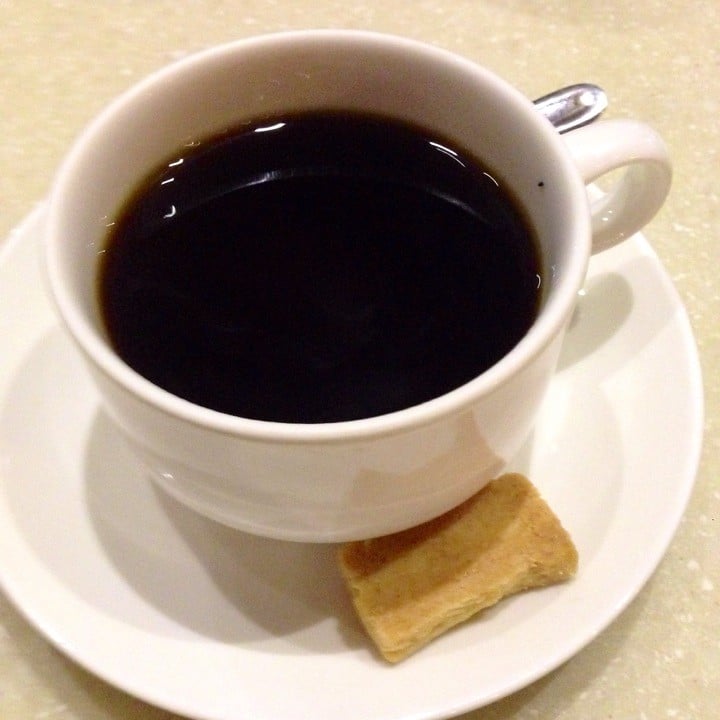
This Brazilian farm produces Yellow Bourbon coffee that has won numerous international awards and sells for premium prices. The farm uses natural processing methods, where coffee cherries are dried in the sun with the fruit still attached to the bean.
The natural process creates fruity, wine-like flavors that are unusual for Brazilian coffee, which is typically known for nutty, chocolatey profiles. Fazenda Santa Ines has perfected the technique over generations, carefully controlling fermentation and drying times to develop complex flavors without the off-tastes that can ruin naturally processed coffee.
The results justify the premium pricing among coffee professionals, though the flavors can be polarizing — people either love the fruit-forward profile or find it too unconventional for daily drinking.
Los Planes Honey Process
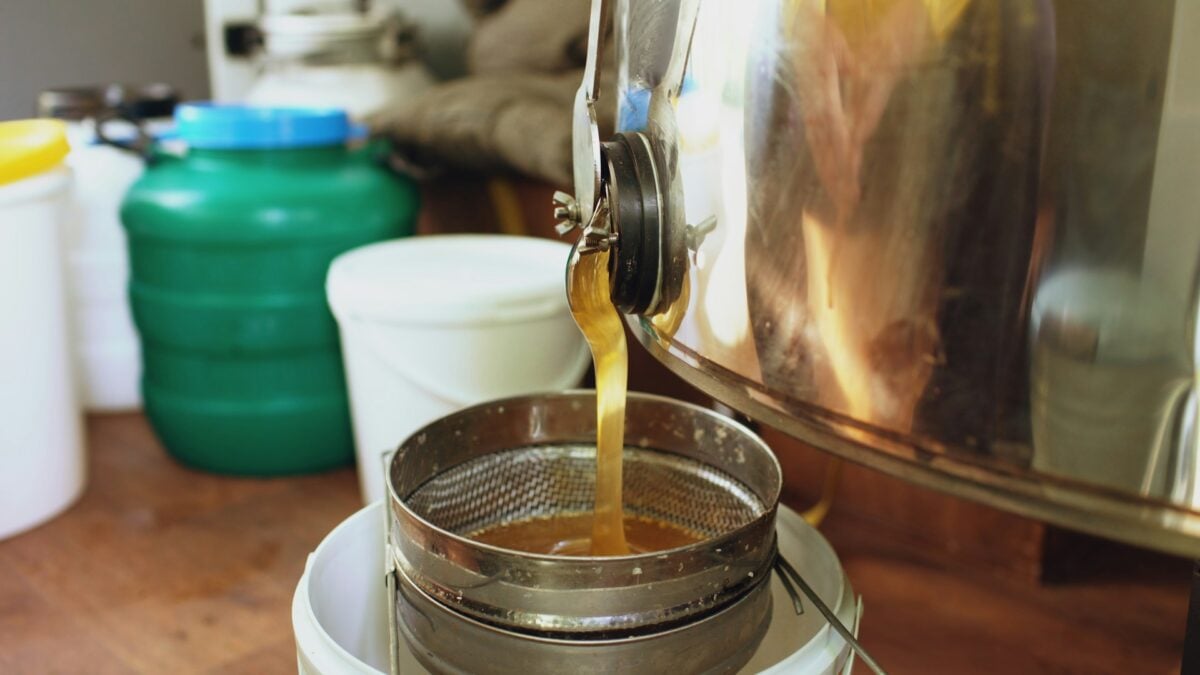
El Salvador’s Los Planes farm produces honey-processed coffee that showcases how processing methods can create value as much as geography or genetics. Honey processing removes the outer skin of the coffee cherry but leaves some of the sticky mucilage attached during drying, which creates unique flavor development.
The technique requires precise timing and constant attention — too much moisture and the coffee develops off-flavors, too little and the honey process doesn’t work properly. Los Planes has mastered the method, producing coffee with bright acidity and complex sweetness that can sell for $40 to $60 per pound.
The process is labor-intensive and risky, which explains the premium pricing, but it also demonstrates how innovative farmers can create value through technique rather than just relying on ideal growing conditions.
Ninety Plus Geisha Estates
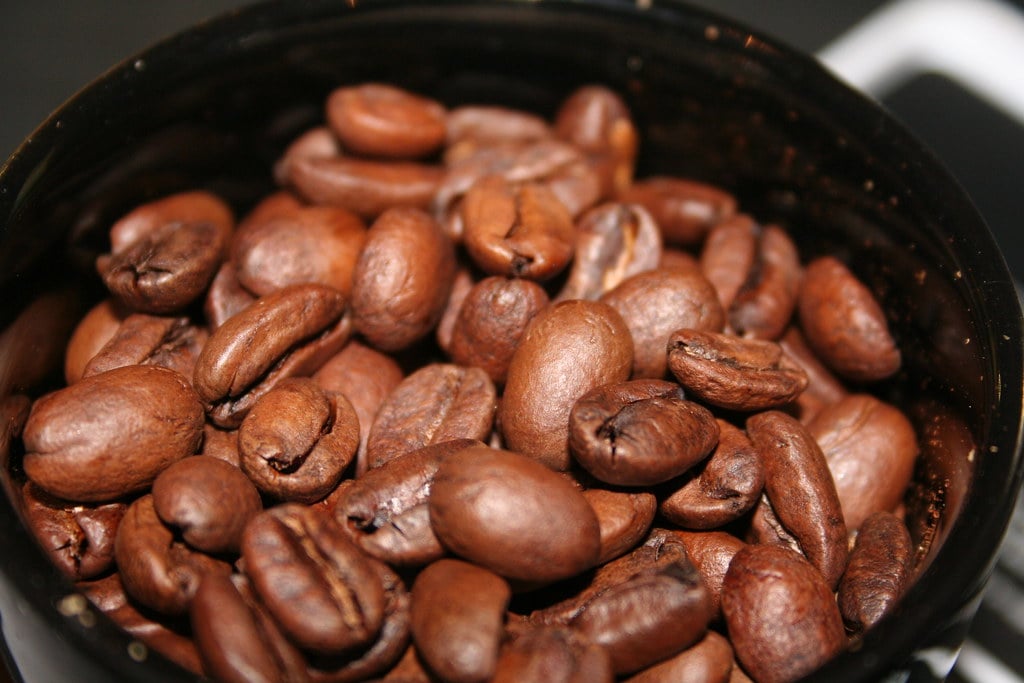
Ninety Plus Coffee operates several farms in Panama and Ethiopia that focus exclusively on rare coffee varieties and experimental processing methods. Their Geisha Estate coffees regularly sell for hundreds of dollars per pound, targeting the ultra-premium segment of the specialty coffee market.
The company approaches coffee more like wine production, with detailed attention to terroir, processing variables, and flavor development. They track individual trees, experiment with fermentation techniques, and process small lots separately to maximize quality scores.
The prices reflect both the rarity of the beans and the intensive labor required to produce them, though the market is limited to serious collectors and high-end cafes that can justify the costs to their customers.
Peaberry Kona
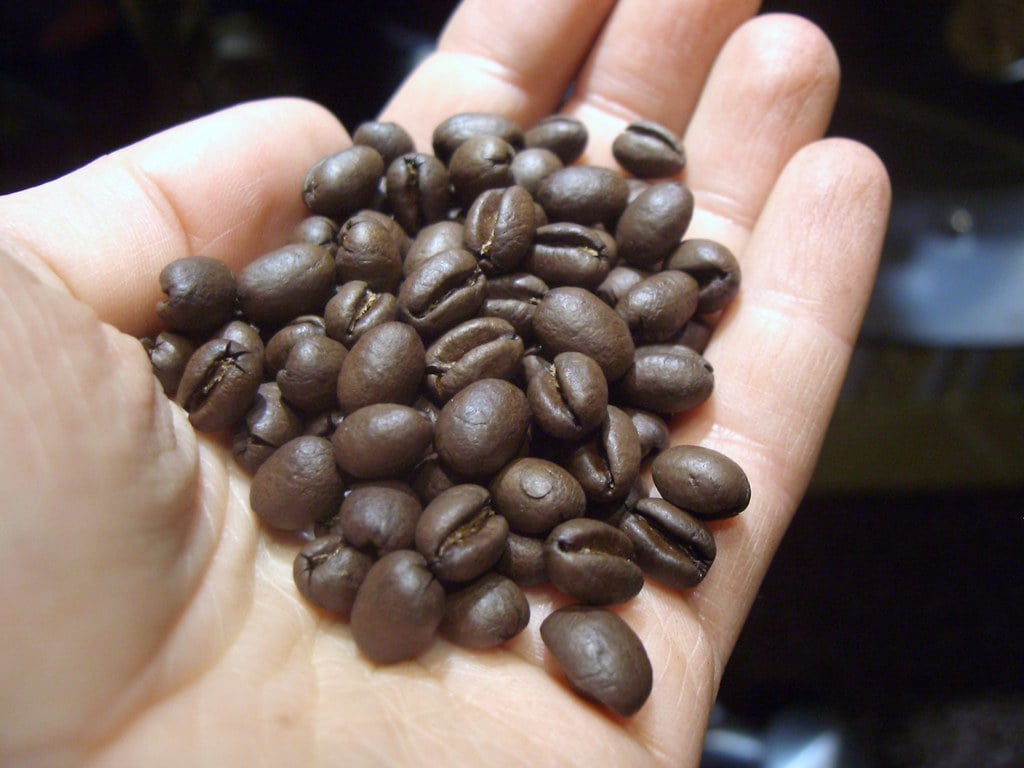
Peaberries are coffee beans that develop alone inside the coffee cherry instead of the usual two beans per cherry. This happens in about 5% of all coffee cherries, but peaberries are often separated and sold at premium prices because they’re believed to have more concentrated flavors.
Hawaiian Kona peaberries combine the rarity of the peaberry formation with the already expensive Kona growing region, creating double scarcity that drives prices even higher. The beans are smaller and rounder than normal coffee beans, and many people claim they produce a more intense cup, though blind taste tests don’t always support the premium pricing.
Kona peaberries can sell for $60 to $80 per pound, which makes them expensive even by specialty coffee standards.
Looking Beyond the Price Tag

The market for expensive coffee operates on its own logic, where scarcity, story, and status matter as much as flavor. These prices reflect not just the cost of production, but the human tendency to assign value based on rarity and exclusivity.
A $500-per-pound coffee isn’t necessarily 100 times better than a $5-per-pound coffee — it’s 100 times rarer, or more difficult to produce, or more successful at marketing its own mystique. For most coffee drinkers, the law of diminishing returns kicks in well before these premium prices.
But the expensive coffee market serves a purpose beyond satisfying collectors — it gives farmers an incentive to focus on quality, experiment with processing methods, and preserve rare varieties that might otherwise disappear. The prices may seem absurd, but they support a level of agricultural craftsmanship that benefits the entire coffee industry, even if most of us never taste the results.
More from Go2Tutors!

- The Romanov Crown Jewels and Their Tragic Fate
- 13 Historical Mysteries That Science Still Can’t Solve
- Famous Hoaxes That Fooled the World for Years
- 15 Child Stars with Tragic Adult Lives
- 16 Famous Jewelry Pieces in History
Like Go2Tutors’s content? Follow us on MSN.