15 Growth Patterns That Repeat Across All Life Forms
Life has a funny way of following the same playbook, whether we’re talking about a towering redwood, a bustling city, or even your own personal development. From the tiniest bacteria to the largest corporations, certain growth patterns show up again and again, like nature’s greatest hits on repeat.
Here’s a list of 15 fundamental growth patterns that appear consistently across all forms of life, revealing the hidden blueprints that govern how everything expands and evolves.
Exponential Start

Almost every living thing begins its growth journey with an explosive burst of expansion. Think about how a seedling shoots up rapidly in its first weeks, or how a startup can double its user base month after month in the early days.
This exponential phase happens because resources are abundant and competition is minimal. A single bacterial cell can become millions within hours under the right conditions, following the same mathematical curve that describes viral social media posts or economic bubbles.
Resource Limitation Slowdown

No exponential growth lasts forever, and this is where reality sets in. Whether it’s a tree running out of nutrients in poor soil or a business hitting market saturation, growth inevitably slows when resources become scarce.
The classic example is a petri dish full of bacteria that multiply rapidly until they consume all available food, then growth flatlines. This pattern shows up everywhere from population dynamics to personal skill development, where initial rapid progress gives way to more gradual improvement.
Like Go2Tutors’s content? Follow us on MSN.
S-Curve Development
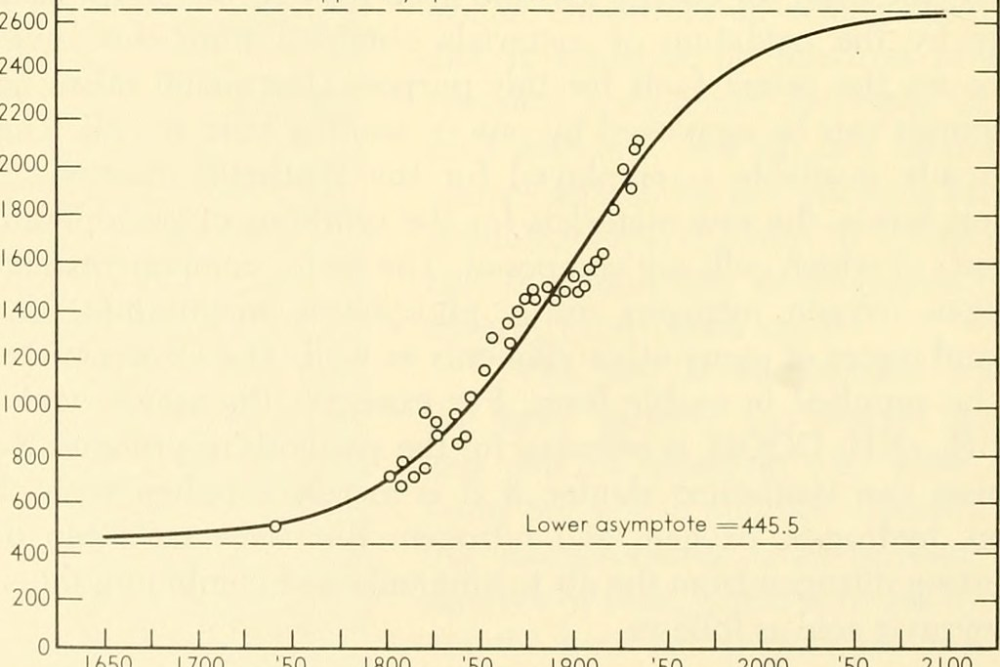
The combination of exponential start and resource limitation creates what scientists call the S-curve, one of nature’s most common growth signatures. Picture a snake lying on its side, and you’ve got the shape.
Early growth is slow as systems establish themselves, then comes rapid expansion, followed by a plateau as limits are reached. Human learning follows this pattern perfectly—think about how you struggled with basics when learning to drive, then improved quickly, then reached a competent but stable level.
Branching Expansion
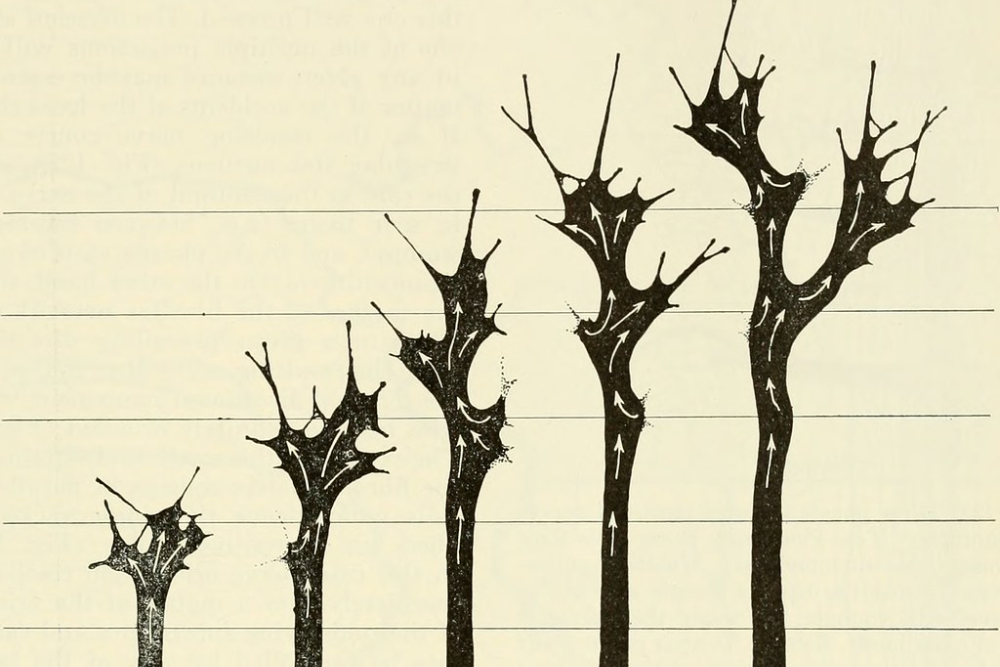
From river deltas to blood vessels to organizational charts, successful growth systems almost always branch outward. This pattern maximizes reach while maintaining efficiency, like how your lungs branch into increasingly smaller passages to extract oxygen from every breath.
Companies that scale successfully tend to develop departmental branches, each serving specific functions while staying connected to the main trunk. Even your own neural networks grew this way, with individual neurons sprouting countless branches to connect with their neighbors.
Periodic Pruning
Growth isn’t just about adding—it’s also about strategic removal. Trees shed leaves, our bodies replace old cells, and successful businesses regularly eliminate underperforming products or processes.
This pruning pattern keeps systems healthy by redirecting energy from weak areas to strong ones. Your brain actually eliminated millions of neural connections during childhood, keeping only the most useful pathways.
Without this natural editing process, growth becomes bloated and inefficient.
Like Go2Tutors’s content? Follow us on MSN.
Size-Speed Tradeoffs
There’s a universal relationship between size and speed that shows up across all living systems. Larger organisms typically have slower metabolisms, longer lifespans, and more gradual responses to change.
A shrew’s heart beats over 1,000 times per minute, while an elephant’s pulses around 30 times. Similarly, small startups can pivot quickly while large corporations move more deliberately.
This isn’t a design flaw—it’s a fundamental principle that bigger systems naturally become more stable but less agile.
Network Effects

Growth often accelerates when individual components start connecting and benefiting each other. Social networks become more valuable as more people join, just like how ecosystems become more stable and productive as biodiversity increases.
Your own immune system demonstrates this perfectly—different cell types communicate and coordinate their responses, making the whole system more effective than any single component could be alone. Cities follow the same pattern, becoming more innovative and economically productive as they grow and create more connections between people and ideas.
Fractal Scaling

Many growth patterns repeat themselves at different scales, creating what mathematicians call fractals. The branching pattern of a tree appears in its trunk, branches, twigs, and even the veins of its leaves.
Your circulatory system shows the same self-similar structure from major arteries down to tiny capillaries. This fractal approach maximizes surface area and efficiency, which is why it appears in everything from coastlines to market fluctuations to urban development patterns.
Like Go2Tutors’s content? Follow us on MSN.
Cyclical Renewal

Sustainable growth requires regular cycles of renewal and regeneration. Forest fires clear old growth to make room for new trees, your skin constantly replaces itself, and successful companies regularly reinvent their products and strategies.
This cyclical pattern prevents stagnation and maintains long-term viability. Even your sleep cycle represents this principle—your brain literally cleans house each night, clearing metabolic waste and consolidating memories to prepare for the next day’s growth.
Energy Cascade

Growing systems develop hierarchical energy flows where waste from one level becomes fuel for another. In forests, fallen leaves feed soil microorganisms, which support plant roots, which feed herbivores, which feed predators.
Your own body mirrors this with cellular respiration, where glucose gets broken down in multiple steps, capturing energy at each stage. Successful economies show the same pattern, with waste heat from power plants warming buildings, and byproducts from one industry becoming raw materials for another.
Competitive Specialization

As systems mature, competition drives specialization into distinct niches. Darwin’s finches developed different beak shapes for different food sources, and modern cities develop specialized districts for finance, entertainment, and manufacturing.
This pattern reduces direct competition while maximizing overall system efficiency. Your own career likely followed this path, starting with general skills and then specializing in particular areas where you could add unique value.
Like Go2Tutors’s content? Follow us on MSN.
Symbiotic Integration
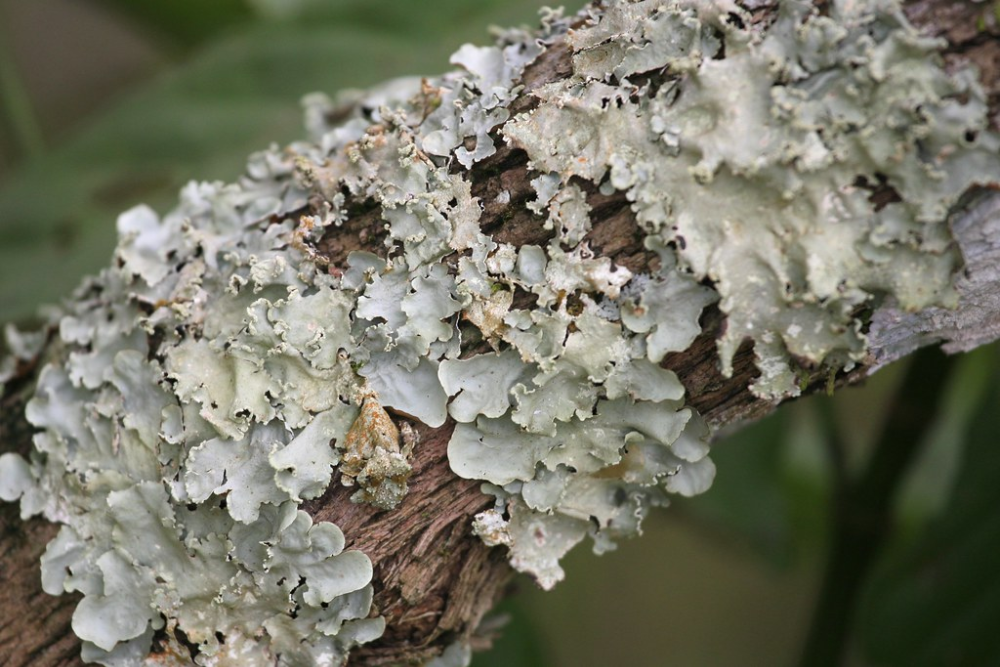
Advanced growth often involves previously separate systems learning to work together for mutual benefit. Your digestive system couldn’t function without the trillions of bacteria that help break down food, and many plants depend entirely on fungi to absorb nutrients from the soil.
Successful business partnerships follow the same principle, combining complementary strengths rather than competing head-to-head. This pattern creates resilience because the integrated system can handle challenges that would overwhelm individual components.
Adaptive Flexibility

Growing systems develop the ability to adjust their strategies based on changing conditions. Immune systems learn to recognize new threats, plants bend toward light sources, and successful organizations pivot when markets shift.
This adaptive capacity often determines long-term survival more than initial size or strength. The pattern shows up in personal development too—people who can adapt their skills and mindsets to new situations tend to thrive throughout their careers.
Threshold Transitions
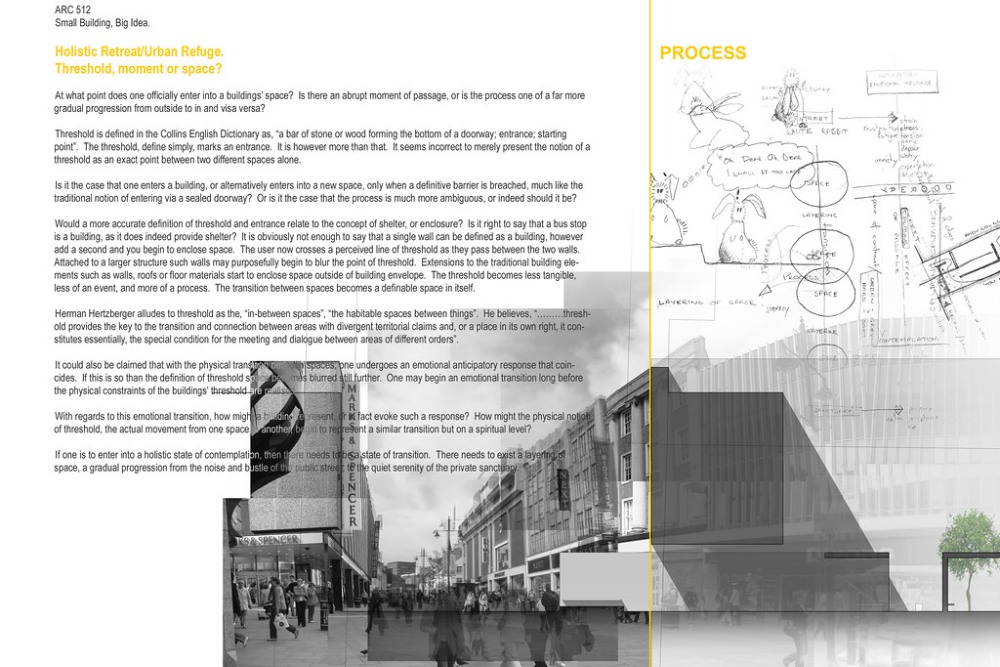
Growth often happens in distinct phases separated by critical thresholds or tipping points. Caterpillars completely reorganize into butterflies, water suddenly becomes steam at 212 degrees, and companies experience breakthrough moments when they reach certain sizes or capabilities.
These transitions can appear sudden from the outside, but they’re usually the result of gradual changes building up until a critical point is reached. Recognizing these threshold patterns helps predict when systems are ready for their next phase of development.
Like Go2Tutors’s content? Follow us on MSN.
Legacy Propagation
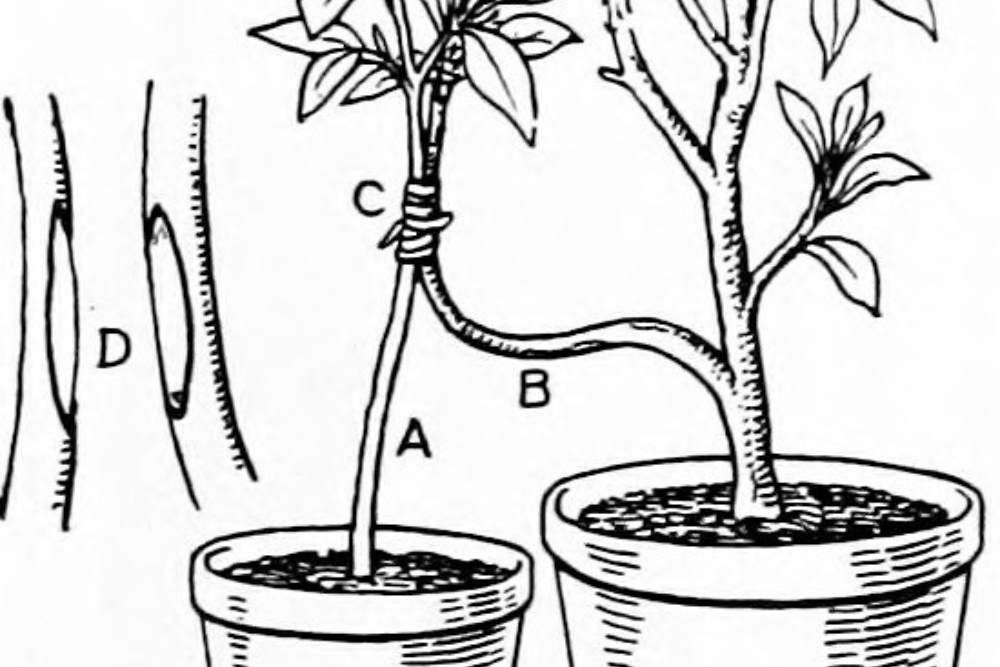
Mature systems eventually focus on reproducing and passing on their patterns to new generations. Trees invest energy in seeds, experienced employees mentor newcomers, and successful companies spin off new ventures.
This propagation phase ensures that effective growth patterns survive beyond any individual system. Your own influence likely follows this pattern—early in life you focus on personal growth, but over time you increasingly help others develop using the patterns you’ve learned.
The Eternal Blueprint

These fifteen patterns reveal something profound about the nature of existence itself. Whether we’re examining microscopic organisms or massive corporations, the same fundamental rules seem to govern how complex systems develop and thrive.
Understanding these patterns doesn’t just satisfy curiosity—it provides a roadmap for recognizing where any growing system currently stands and what challenges or opportunities lie ahead. The next time you’re watching a plant grow, building a business, or working on personal development, you’ll recognize these ancient blueprints playing out in real time.
More from Go2Tutors!

- 16 Restaurant Chains That Went Too Fast
- 12 Things Sold in the 80s That Are Now Illegal
- 15 Strange Things People Have Tried to Ban (And Failed)
- 16 Collectibles People Tossed Out Too Soon
- 17 Myths from Your Childhood That Were Actually Based on Real Things
Like Go2Tutors’s content? Follow us on MSN.