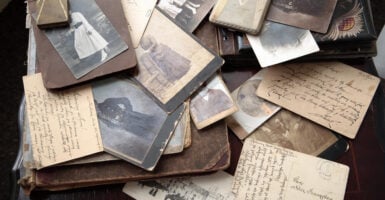
What the World Looked Like Before the Internet Existed
The world moved differently before the internet arrived. Mornings began with the rustle of newspapers instead of notification pings.
Questions lingered unanswered until someone found the right book or asked the right person. Distance felt heavier, time stretched longer, and the unknown stayed unknown until chance or effort revealed it.
That world wasn’t better or worse — it was simply built on different rhythms, different expectations, different ways of connecting the dots between what people wanted and what they could actually have.
The Library Was Your Search Engine

Libraries ruled the information kingdom. No question, no alternatives.
You either walked to the library or the answer stayed buried. Card catalogs — those wooden filing cabinets with thousands of tiny drawers — held the keys to everything humanity had written down and organized.
Phone Calls Required Timing and Commitment
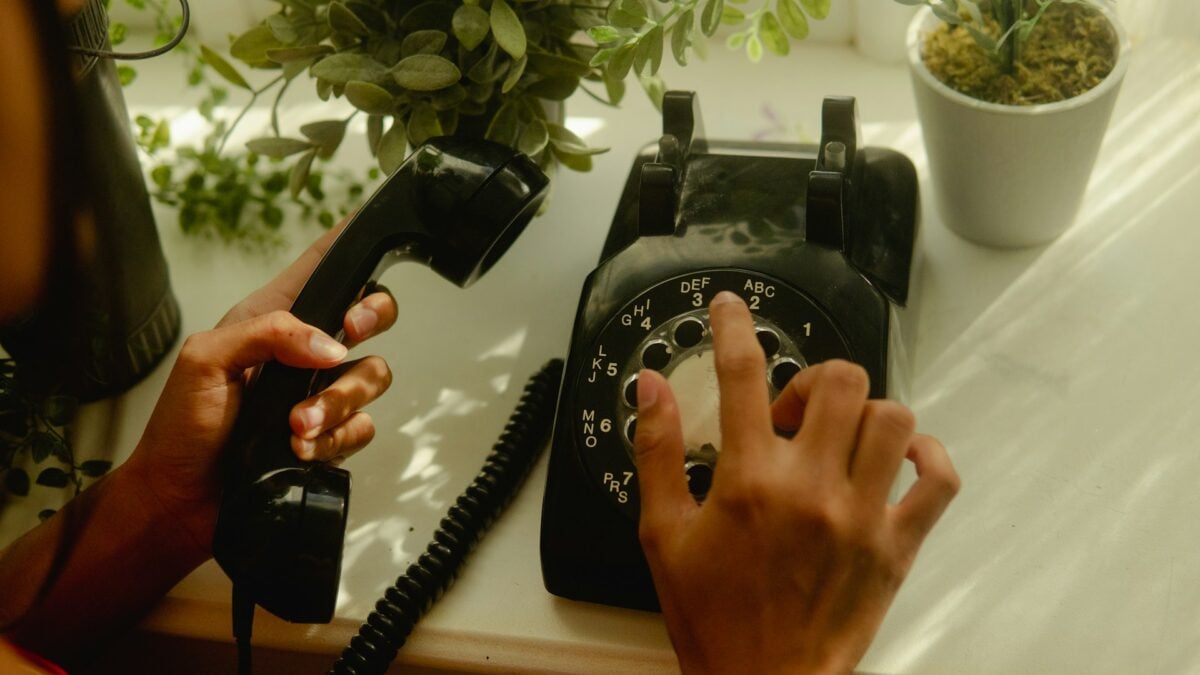
Making a phone call meant committing to the moment and hoping the other person happened to be home. No texting to check availability first.
No leaving voicemails on cell phones (because cell phones weren’t a thing for most people). And if someone wasn’t home when you called — well, that conversation simply didn’t happen that day, which is saying something when you consider how casually we abandon phone calls now if someone doesn’t pick up after three rings.
People actually scheduled phone calls like appointments. “I’ll call you Tuesday around 8” wasn’t just a suggestion — it was a contract, because missing that call meant waiting until both people happened to be free and near a phone at the same time again.
Maps Were Physical Objects You Had to Fold
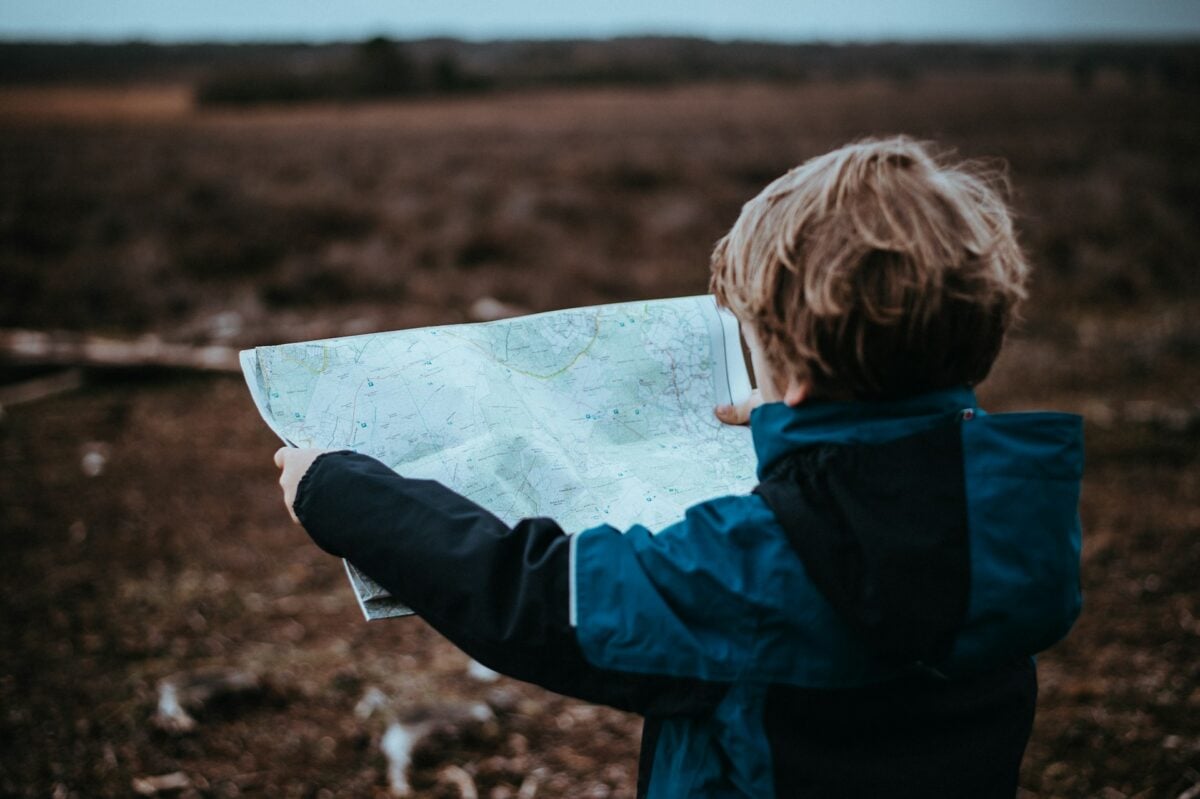
Getting lost wasn’t a minor inconvenience you could fix by pulling out your phone. Getting lost was genuinely problematic.
You’d pull over at gas stations to ask for directions from strangers, who would gesture vaguely and say things like “turn left at the big oak tree” or “go straight until you see the red barn.”
Road atlases lived in glove compartments. Those thick books with spiral binding that showed every highway and back road in your state.
People became surprisingly good at reading them while driving, which probably wasn’t the safest skill to develop but felt necessary at the time.
Music Discovery Happened by Accident

There’s something stubborn about the way music used to find you — not the other way around. You’d catch thirty seconds of a song on the radio (while driving through a tunnel or with static cutting in and out), then spend weeks hoping to hear it again so you could finally learn what it was called and who sang it.
Sometimes you never found it again. Sometimes that partial song just became a ghost melody that lived in your memory.
Record stores served as accidental discovery machines. You’d flip through vinyl records or CDs based on cover art alone, taking genuine risks with your money.
And those risks mattered more because fifteen dollars was fifteen dollars, and buying an album meant living with that album for a while — long enough to find songs you initially skipped over but eventually grew to love. The commitment changed how you listened.
TV Shows Disappeared Forever If You Missed Them
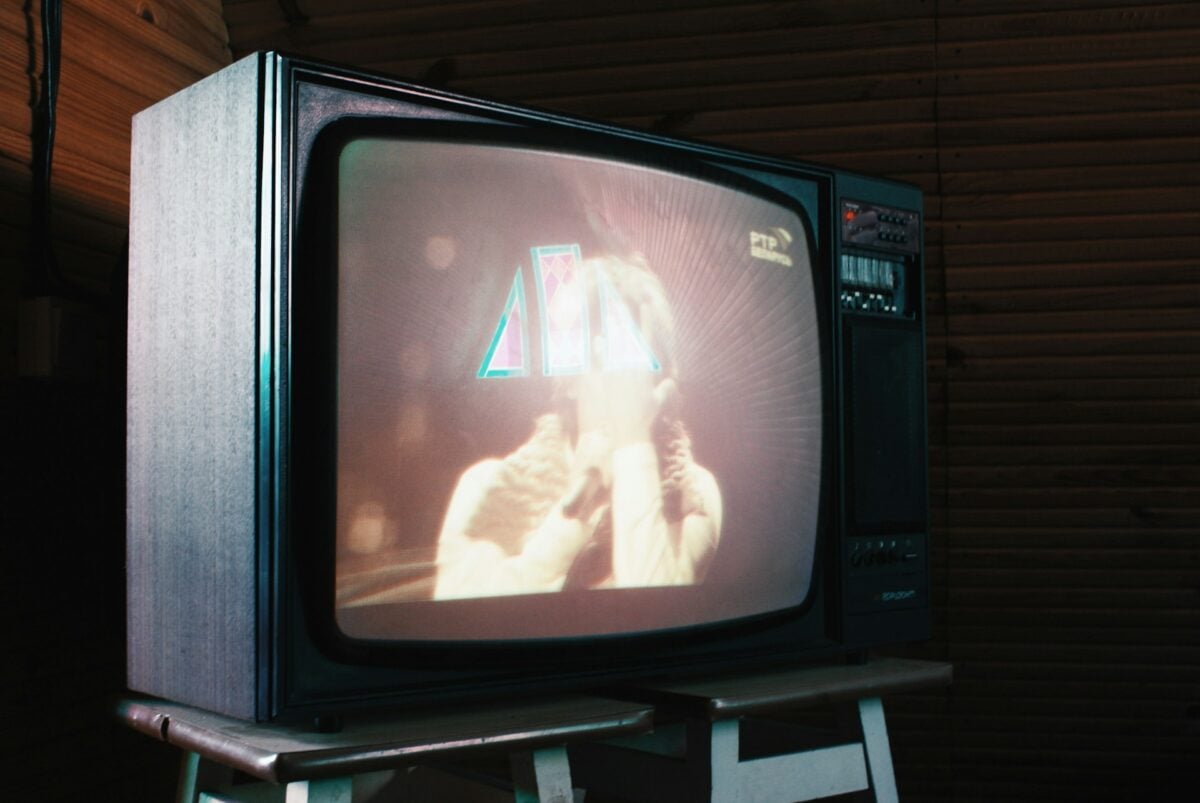
Television operated on a cruel schedule that didn’t care about your life. Your favorite show aired Thursday at 8 PM, and if you weren’t sitting in front of your TV at exactly that time, you simply missed it.
No streaming, no on-demand, no recording (unless you programmed your VCR correctly, which was its own technical challenge).
Shows that got cancelled stayed cancelled. No fan campaigns could resurrect them because there was nowhere else for them to go.
Networks made final decisions, and those decisions stuck.
Research Meant Committing to the Hunt

When you needed to know something specific — really needed to know it — the search became an actual project that could take days or weeks. So you’d start at the library (because where else would you start), work your way through the card catalog system, hope the books you needed weren’t already checked out, and then hope those books actually contained the information you were looking for rather than just mentioning your topic in passing.
But here’s the thing: that slow hunt often led you down unexpected paths, and sometimes the detours taught you more than the original question would have.
The Encyclopedia Britannica sat on bookshelves like a household shrine to human knowledge — thirty-two volumes that families bought and kept for decades. Kids actually read those books for fun. Go figure.
Shopping Required Physical Commitment

Buying something meant driving somewhere specific that sold that specific thing, during the hours when that place happened to be open. Department stores, electronics stores, bookstores, music stores — each item lived in its designated retail habitat, and you had to visit that habitat in person.
Comparison shopping was genuinely laborious. You’d drive to three different stores to check prices on the same item, keeping notes on a piece of paper.
Sales were events you had to physically attend, and “door buster” deals meant actually standing outside a store before it opened.
Letters Carried Weight That Emails Never Could
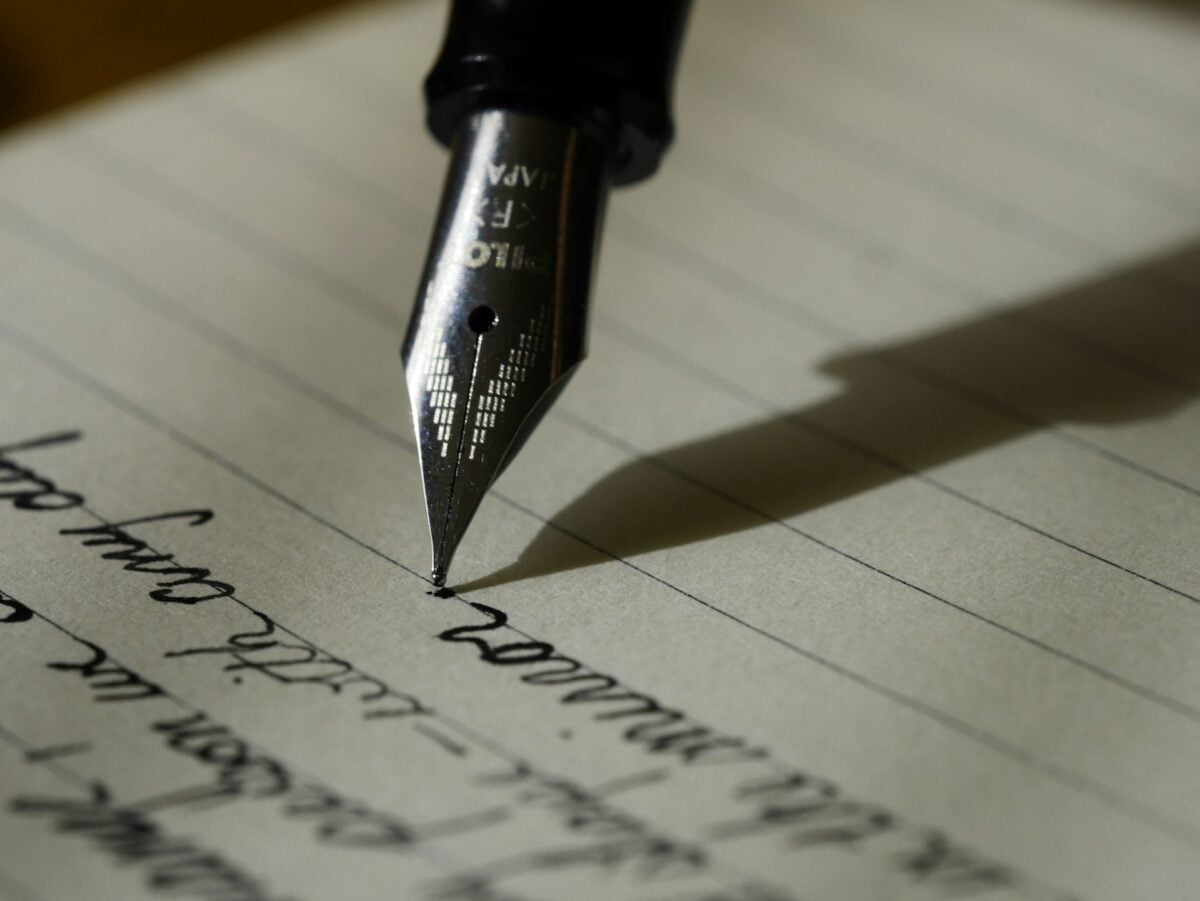
Writing a letter was a deliberate act that required planning, patience, and postage stamps. You couldn’t fire off thoughts the moment they occurred to you — letters demanded consideration because once you sealed that envelope and dropped it in the mailbox, those words were committed to the world in a way that felt permanent.
And the recipient would hold that piece of paper in their hands, something you had actually touched, with your handwriting showing the mood you were in when you wrote it.
The mail carrier became a figure of genuine anticipation. People would actually listen for the mail truck and feel a small surge of possibility — maybe today brought something interesting.
Personal letters arrived mixed in with bills and advertisements, but finding an envelope addressed in familiar handwriting felt like discovering treasure in an otherwise mundane pile of obligations.
News Arrived on a Schedule

The world updated itself twice a day: morning newspaper and evening news at 6 PM. That was it.
Breaking news was genuinely breaking because it interrupted regular programming, and when Walter Cronkite or Tom Brokaw appeared outside their normal time slot, you knew something significant had happened.
People developed genuine relationships with newspaper delivery routes. The paper arrived at roughly the same time each morning, tossed onto the same general area of your driveway by someone who knew your address by muscle memory.
Photography Required Restraint and Faith

Taking a picture meant using up one frame of a finite roll of film that cost money and would eventually need to be developed by someone else, in a process you couldn’t control, producing results you wouldn’t see for days or weeks. So every shot mattered in a way that made people more selective, more patient, more willing to wait for the right moment instead of firing off dozens of variations and hoping one worked out.
Camera shops were small temples to delayed gratification. You’d drop off your film and receive a numbered slip of paper, then return a week later to discover which moments had actually been captured successfully and which ones were blurry disappointments you’d have to live with forever.
The Unknown Stayed Unknown Longer
Perhaps the most profound difference was how much of life remained genuinely mysterious for longer periods. That actor whose name you couldn’t remember, the correct spelling of an unusual word, the actual distance between two cities, whether a restaurant was still in business — these questions would sit unanswered in your mind for days, weeks, sometimes months until the right resource or conversation provided the answer.
And sometimes, the questions just faded away without ever being resolved. There’s a certain peace in accepting that some things might remain unknown, at least for now.
The internet solved that problem so completely that it’s hard to remember how normal uncertainty used to feel, how much of daily life involved shrugging and moving on when information wasn’t immediately available.
When Patience Wasn’t a Choice
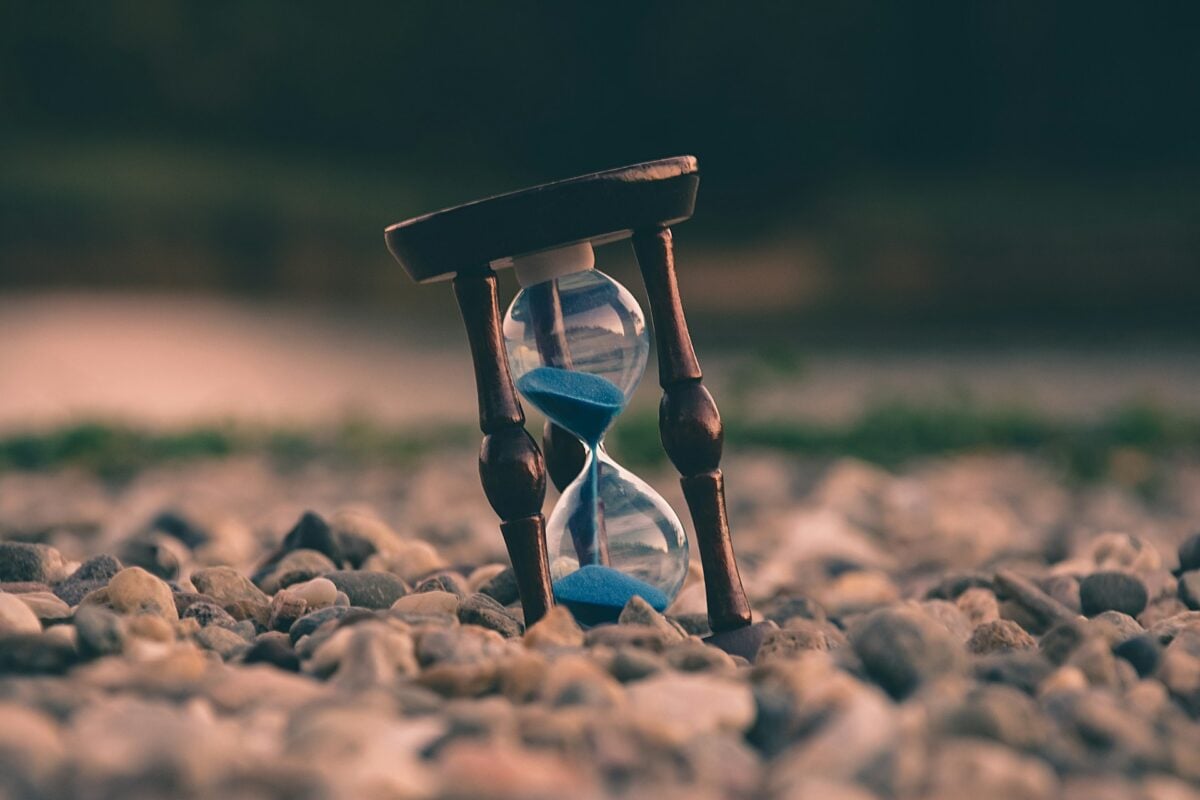
That slower world operated on rhythms that seem almost impossible to imagine now. Everything took longer, required more planning, demanded more patience — but patience wasn’t a virtue people consciously practiced.
Patience was simply the basic operating system of daily life. You waited because waiting was the only option, and somehow, life moved forward just fine on that schedule.
More from Go2Tutors!

- The Romanov Crown Jewels and Their Tragic Fate
- 13 Historical Mysteries That Science Still Can’t Solve
- Famous Hoaxes That Fooled the World for Years
- 15 Child Stars with Tragic Adult Lives
- 16 Famous Jewelry Pieces in History
Like Go2Tutors’s content? Follow us on MSN.