Ancient Ruins to Visit Online
The world’s most famous ancient sites have stood for thousands of years, drawing millions of visitors who want to walk where history happened. But plane tickets cost money, time off work isn’t always possible, and some of these places sit in remote locations that take serious effort to reach.
Technology has changed all that in ways people couldn’t have imagined even a decade ago. Museums and preservation groups now offer detailed virtual tours that let anyone explore these incredible places from home.
Here’s where to start your digital journey through time.
Machu Picchu

Peru’s mountaintop city remains one of the most recognizable ancient sites on Earth, and the digital tour captures why the Inca chose this specific location. The virtual experience shows the terraced slopes that cascade down the mountainside and the precisely cut stones that fit together without mortar.
Visitors can zoom in on the Temple of the Sun and understand how the Inca used astronomy in their daily lives. The 360-degree views reveal how clouds often sweep through the ruins, creating an atmosphere that photographs can’t quite capture.
Petra

Jordan’s rose-red city was carved directly into sandstone cliffs over 2,000 years ago, and the online tour starts exactly where most visitors would begin in person. The narrow canyon called the Siq leads to the Treasury, which appears suddenly as the path opens up.
Digital exploration lets people examine the intricate facades without crowds blocking the view. The tour includes lesser-known tombs and structures that many physical visitors miss because of time constraints or difficulty accessing certain areas.
The Colosseum

Rome’s massive amphitheater once held 50,000 spectators, and virtual tours now reveal parts of the structure that regular visitors can’t access. The underground chambers where gladiators and animals waited show a complex system of tunnels and elevators.
Online visitors can stand at different levels and understand how ancient Romans engineered sight lines so everyone could see the action. The digital format also reconstructs what the arena looked like when it was new, before centuries of weather and stone theft changed its appearance.
Angkor Wat

Cambodia’s temple complex covers over 400 acres, making it nearly impossible to see everything in one physical visit. The virtual tour connects the main temple with dozens of other structures scattered through the jungle.
Digital exploration shows the detailed bas-reliefs that cover the walls, depicting Hindu mythology and historical events. The format lets viewers appreciate the symmetry and planning that went into the entire complex, which is harder to grasp when walking through the humid jungle between buildings.
Chichen Itza
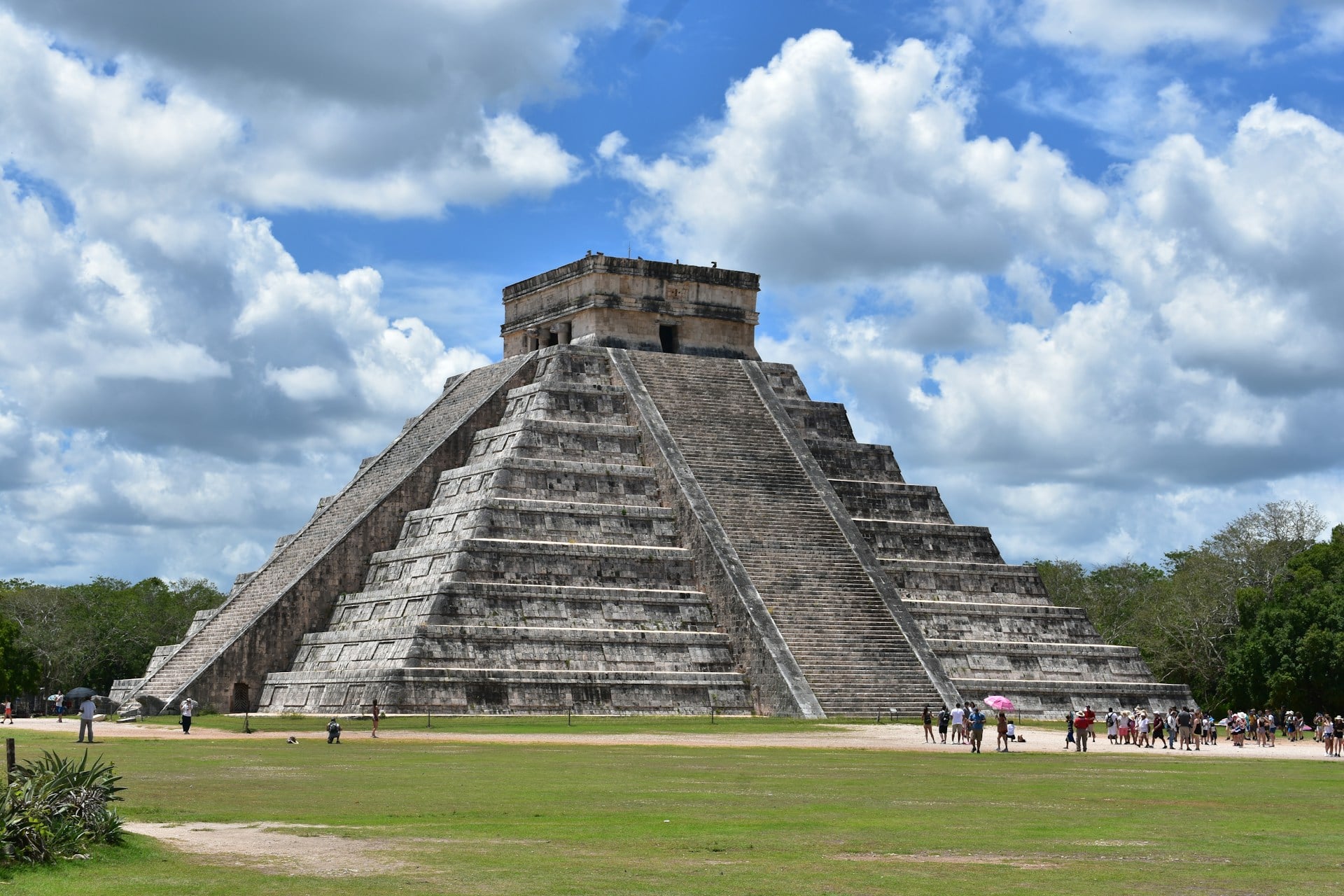
The Maya pyramid in Mexico stands as a testament to advanced astronomical knowledge, and online tours explain details that tour guides might skip. The virtual experience shows how shadows create a serpent shape during equinoxes, demonstrating the precise calculations Maya architects used.
Visitors can examine the court where players competed in games that held religious significance. The platform of skulls and other structures reveal aspects of Maya culture that require context to understand properly.
The Great Wall of China

This defensive structure stretches over 13,000 miles, and no single person could walk its entire length in a lifetime. Virtual tours take visitors to both restored sections near Beijing and crumbling portions in remote areas.
The online format shows how the wall changes as it crosses different terrain, from mountains to deserts. Digital exploration also reveals watchtowers and garrison stations that tell the story of the soldiers who maintained this massive barrier for centuries.
Pompeii

The Roman city frozen by volcanic ash in 79 AD offers a snapshot of daily life that few other sites can match. Virtual tours walk through homes that still have their original frescoes and mosaics intact.
The forum, bakeries, and even ancient fast-food restaurants show how Romans actually lived rather than just the grand monuments they built. Digital visitors can explore without worrying about the fragile nature of these 2,000-year-old structures that continue to deteriorate despite preservation efforts.
Stonehenge

England’s mysterious circle of standing stones attracts endless theories about its purpose, and virtual tours let people examine it from angles that modern visitors can’t access. The online experience shows the arrangement of the stones and how they align with celestial events.
Digital exploration reveals the massive effort required to transport and erect stones that weigh up to 25 tons. The format also includes the surrounding landscape, which contains other ancient features that provide context for this famous monument.
The Acropolis
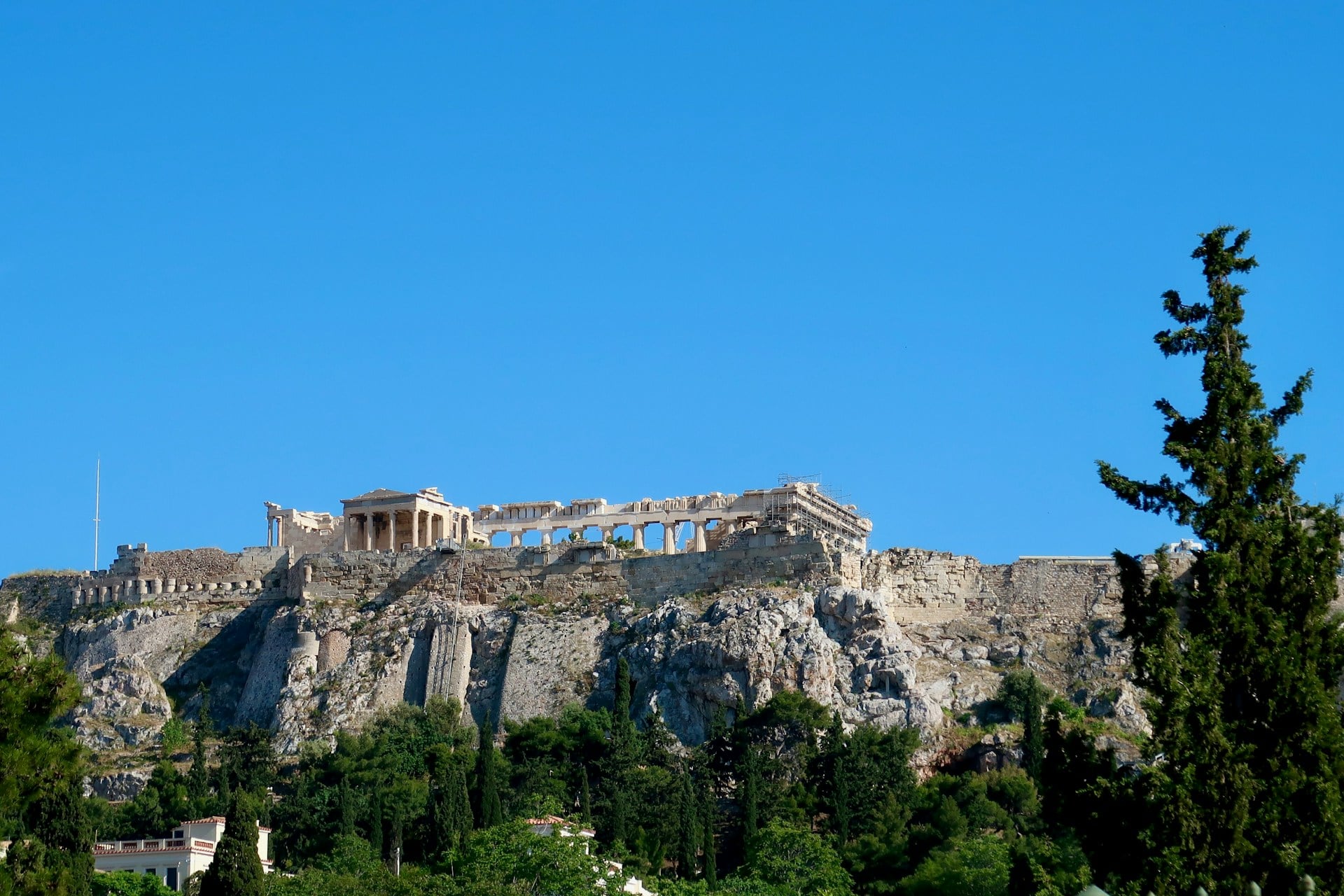
Athens’ hilltop complex dominates the city’s skyline, and virtual tours show the Parthenon and surrounding temples in detail. The online format reveals the precise mathematical ratios Greek architects used to create the illusion of perfect straight lines.
Visitors can examine the remaining sculptures and understand how the entire complex looked when painted in bright colors. Digital tours also explain the ongoing restoration work that aims to preserve these structures for future generations.
Easter Island

Chile’s remote island in the Pacific Ocean holds nearly 900 stone statues called moai, and virtual tours show examples across the entire island. The online experience includes the quarry where workers carved these massive figures directly from volcanic rock.
Digital visitors can see moai in various stages of completion, revealing the techniques used to create and transport them. The format explains theories about how this small population accomplished such monumental work and why they eventually stopped.
Tikal
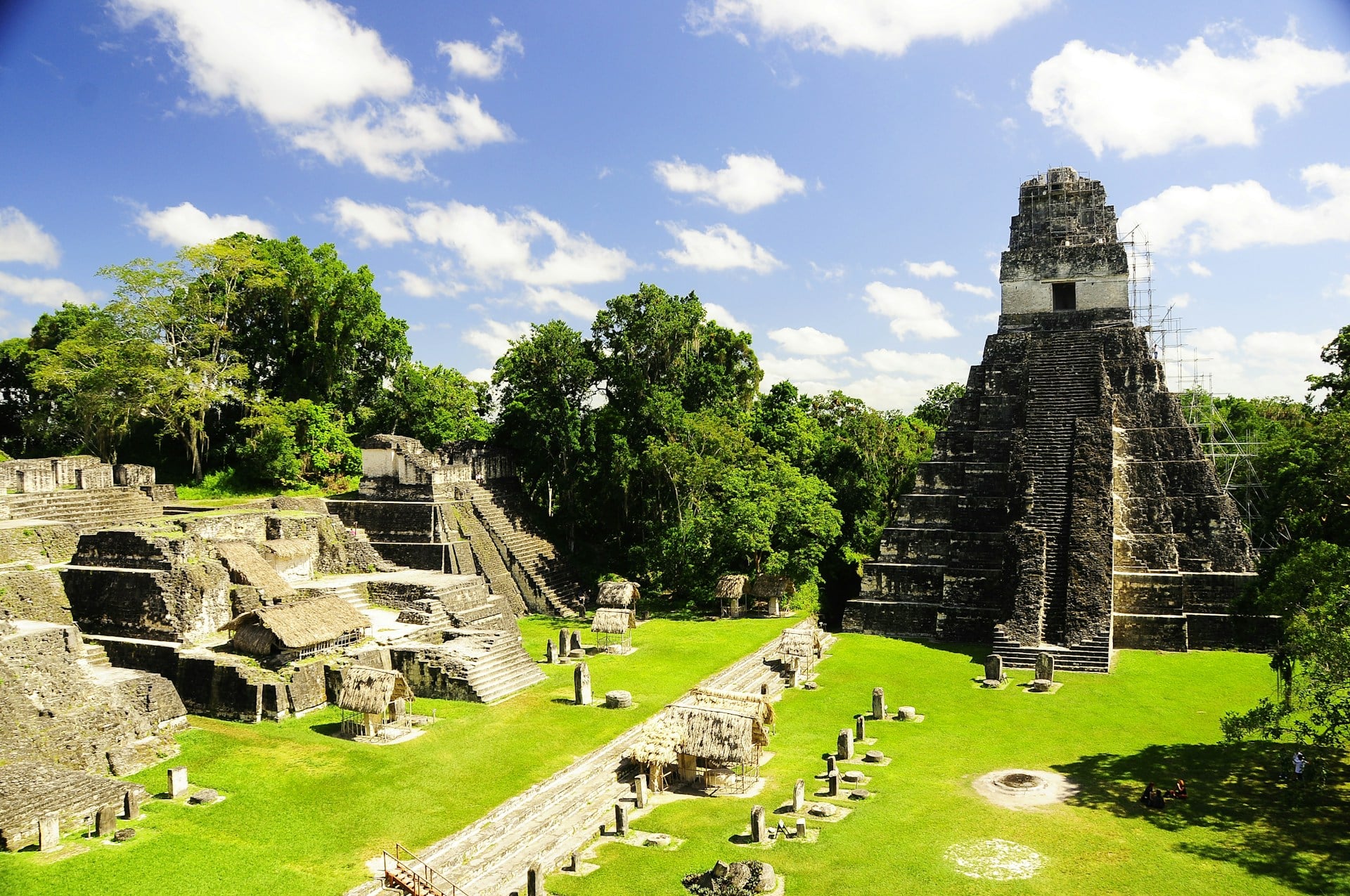
Guatemala’s jungle-covered Maya city contains pyramids that rise above the rainforest canopy, and virtual tours capture both the structures and their natural setting. The online format shows how temples face each other across plazas, creating a planned urban center.
Digital exploration reveals hieroglyphic inscriptions that tell the history of the rulers who built these monuments. The experience includes sounds of the jungle that surrounds the ruins, adding atmosphere that photographs alone can’t provide.
The Parthenon

Turkey’s ancient city on the Aegean coast combined Greek and Roman influences in ways that made it one of the most beautiful cities of the ancient world. Virtual tours walk through the Library of Celsus, which once held thousands of scrolls in its grand reading rooms.
The Great Theater could seat 25,000 people and still has remarkable acoustics that online tours demonstrate. Digital visitors can explore the terraced houses where wealthy residents lived, complete with mosaics and frescoes that rival those in Pompeii.
Mesa Verde

Colorado’s cliff dwellings show how Ancestral Puebloans built entire communities into canyon walls starting around 1190 AD. Virtual tours reveal the engineering required to construct multi-story buildings in these protected alcoves.
The online format shows how these ancient people used every bit of space efficiently while maintaining defensive advantages. Digital exploration includes petroglyphs and pictographs that provide clues about the beliefs and daily lives of the people who lived here.
Luxor Temple

Egypt’s huge temple site along the Nile grew over many dynasties, while virtual visits reveal additions made by various kings. Moving through the digital space guides you past rows of columns into central areas and rooms.
With this access, people see carved symbols clearly – something real-world limits often block at actual sites. Instead of guessing, viewers get a sense of how it appeared back when sculptures and tall stone pillars still held their first spots, prior to being shipped abroad or relocated within Egypt.
The Forum

Rome’s old heart – where power and trade once thrived – is today just broken stones spread out, tough to make sense of. Yet computer recreations bring back the Forum piece by piece, revealing changes across hundreds of years.
Through web-based views, you see exactly where temples, offices, or memorials used to stand. With this tool, anyone can explore what each spot was for, changing a jumble of rubble into something like a real downtown from long ago.
Borobudur

Indonesia’s old temple holds some 2,600 carved scenes showing legends while sharing wisdom – so it’s way beyond fancy design. With virtual visits, you can check out the intricate artwork slowly, no rush.
Online views highlight how travelers moved up stone levels on a path meant for inner growth. Exploring digitally uncovers tons of Buddha figures tucked inside rooms across the site, most surviving strong despite centuries passing.
Newgrange

Ireland’s ancient tomb is older than Stonehenge or the pyramids – but doesn’t get as much attention. A virtual visit reveals the 60-foot corridor stretching into a core room.
During winter solstice, light slips through a rooftop opening, lighting up the space just like it did centuries ago – proof of sharp planning by early architects. Online explorers can check out swirling patterns carved on rocks near the site; experts still aren’t sure what they mean.
Where old times touch today’s display
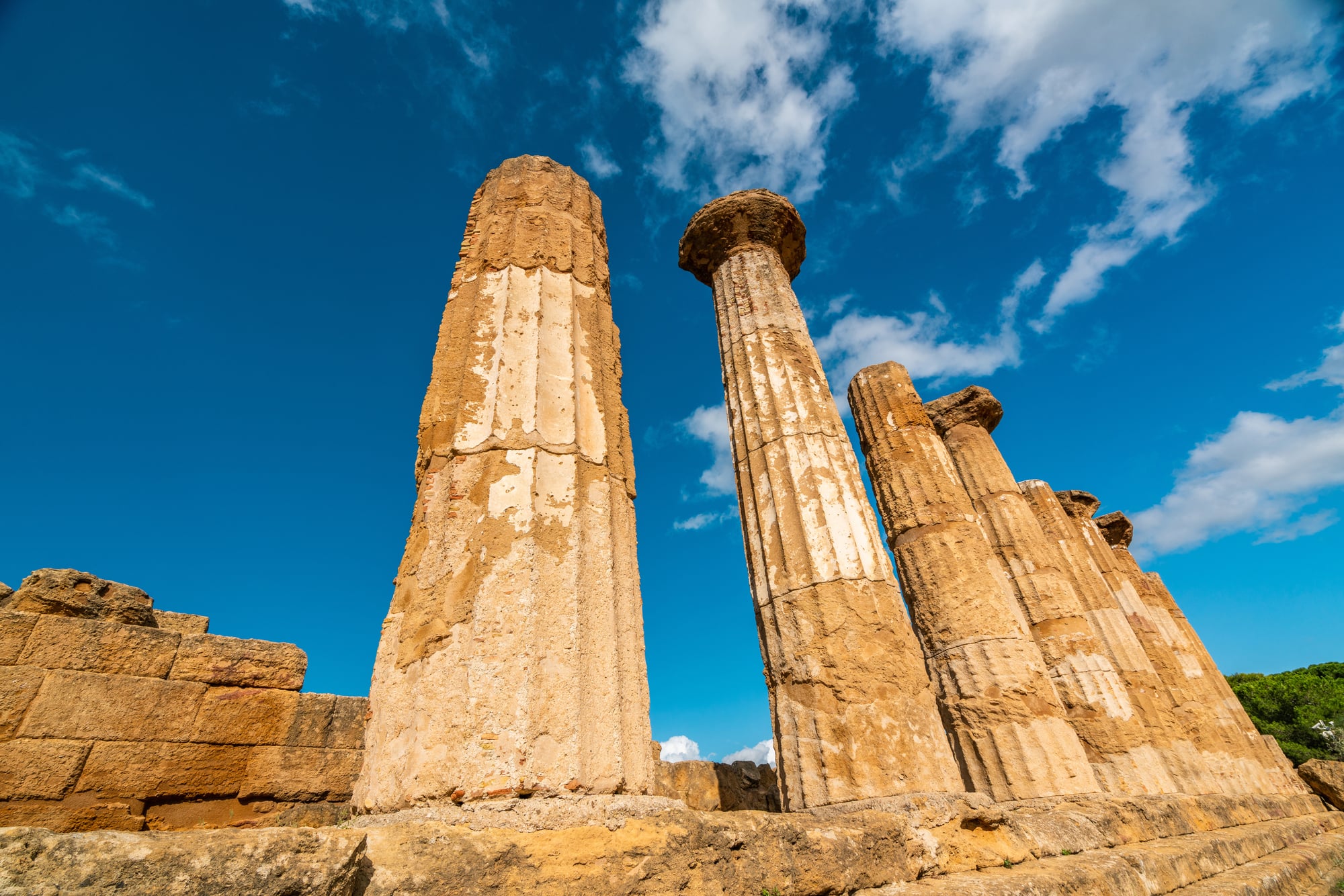
These online journeys let you dive into old times like never before. Now folks from anywhere can check out spots that used to take ages – and cash – to visit.
As tech gets sharper, the experiences will grow richer – pulling in sounds, motion, even daily life scenes from lost cultures. You’ll feel closer to how they built things we still stare at in amazement.
More from Go2Tutors!

- The Romanov Crown Jewels and Their Tragic Fate
- 13 Historical Mysteries That Science Still Can’t Solve
- Famous Hoaxes That Fooled the World for Years
- 15 Child Stars with Tragic Adult Lives
- 16 Famous Jewelry Pieces in History
Like Go2Tutors’s content? Follow us on MSN.



