Scariest Deep Sea Creatures Ever Caught On Film
The ocean’s depths hold secrets that most of us will never see with our own eyes. Down where sunlight fails and pressure could crush a human in an instant, cameras have captured creatures so bizarre they seem pulled from nightmares.
These aren’t computer-generated monsters or special effects — they’re real animals living in a world so alien it might as well be another planet. When deep-sea submersibles bring back footage of these creatures, the reactions are always the same: disbelief, fascination, and a healthy dose of fear.
Giant Isopod
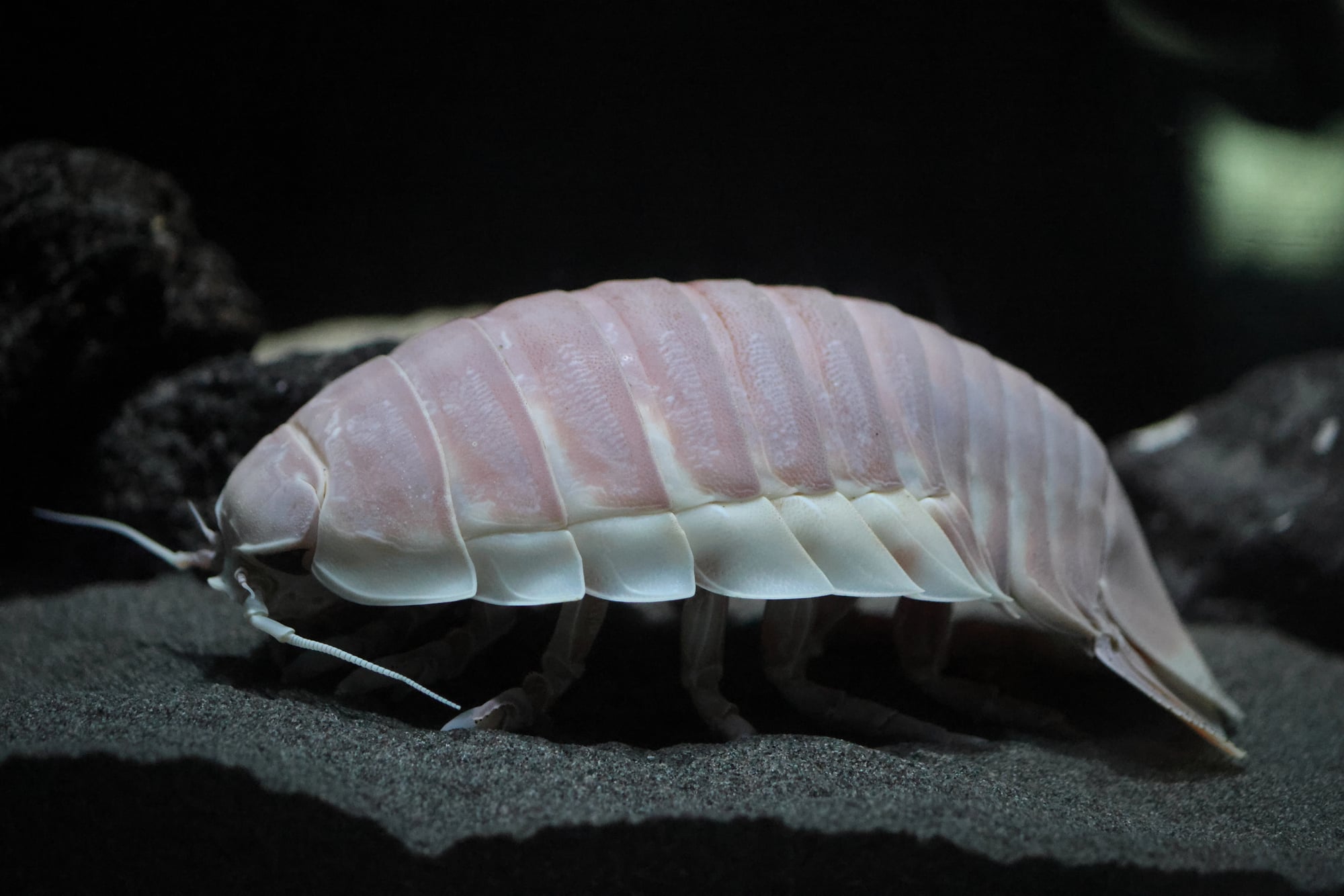
Giant isopods look wrong. Picture a pill bug the size of a football with dead black eyes and you’re halfway there.
These armored scavengers crawl along the ocean floor at depths of up to 7,000 feet, feeding on whatever corpses drift down from above.
Goblin Shark
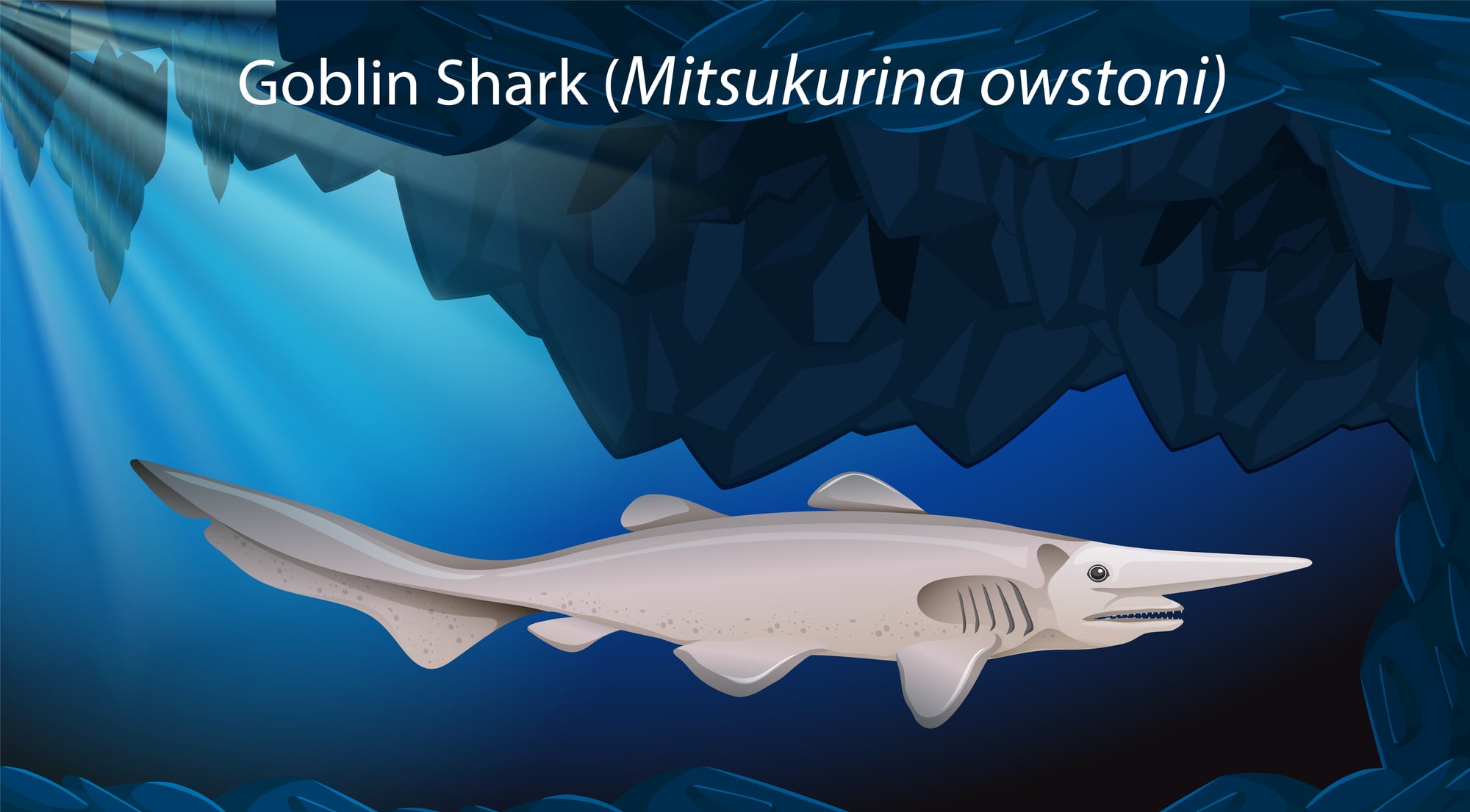
The goblin shark’s hunting mechanism is pure nightmare fuel (though it works perfectly for catching prey in the eternal darkness of the deep sea) — its jaw shoots forward like something out of a horror movie, extending almost half the length of its head to snatch unsuspecting fish. But here’s what makes footage of this “living fossil” so unsettling: it moves with a deliberate, ancient grace that suggests it’s been perfecting this technique for millions of years before humans ever existed.
So when researchers first captured video of a goblin shark feeding, they weren’t just watching a predator hunt. They were witnessing evolution’s answer to survival in a world without light.
Vampire Squid
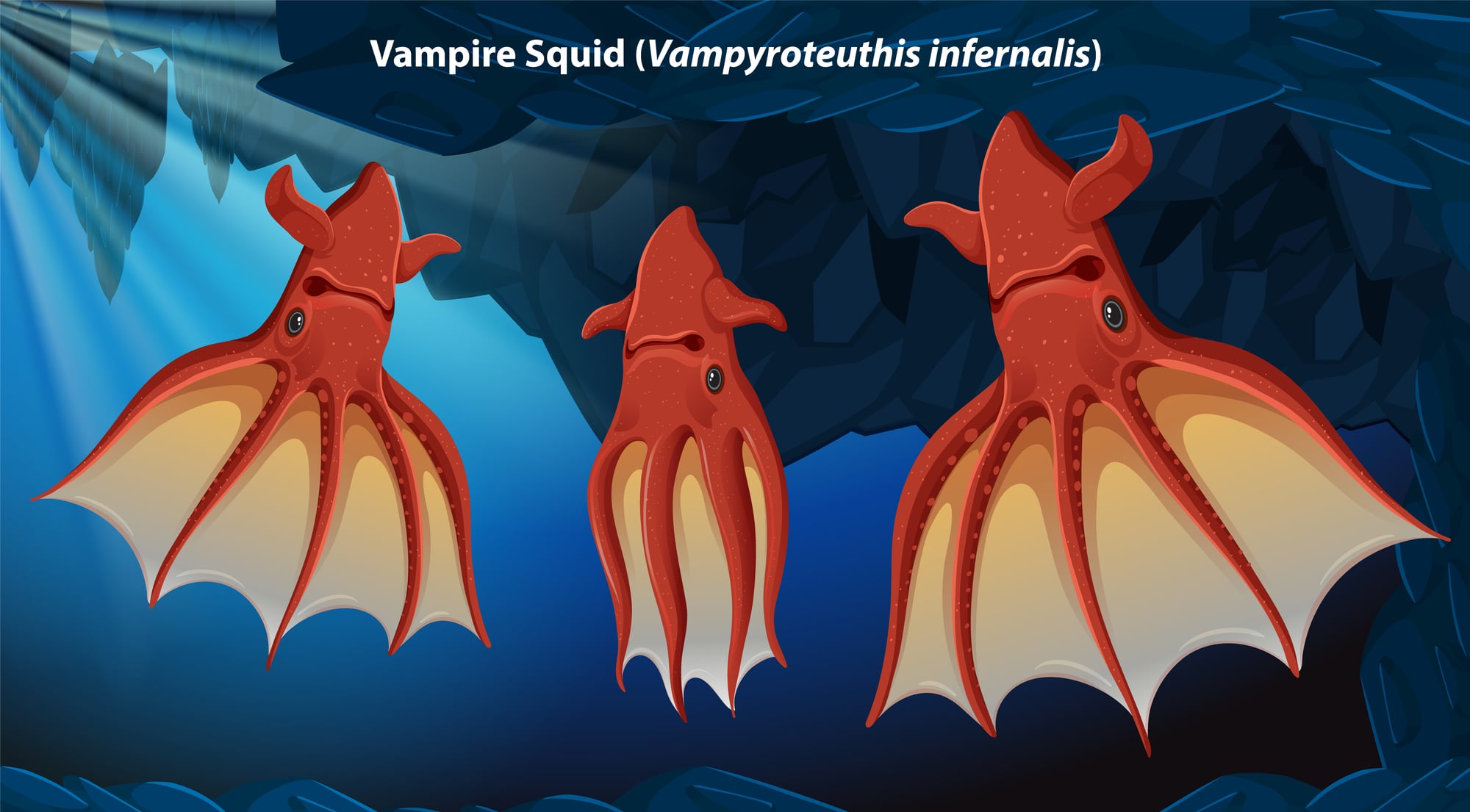
The name vampire squid captures something essential about encountering the truly alien — sometimes the only way to process what you’re seeing is to reach for the language of monsters. This deep-sea cephalopod doesn’t actually drink blood, but when threatened, it turns itself inside out like a living umbrella covered in spines, revealing bioluminescent photophores that pulse like angry stars.
The effect is hypnotic and deeply unsettling, as if you’re watching something that shouldn’t exist rearrange the rules of biology right before your eyes.
Anglerfish
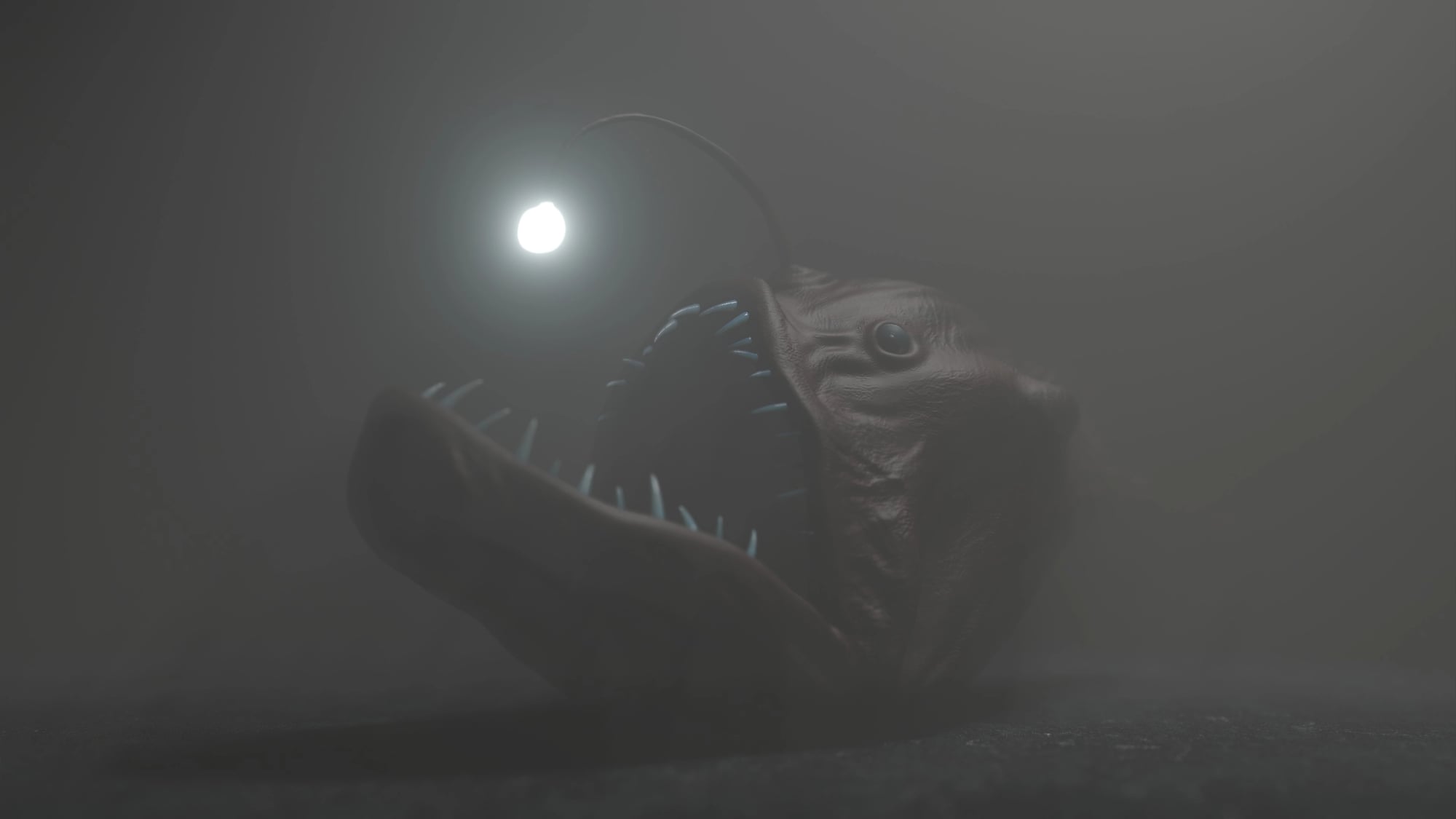
Anglerfish are proof that nature doesn’t care about your comfort level. The female carries a bioluminescent lure dangling from her forehead like a cursed fishing line, attracting prey in the pitch-black depths.
The male lives as a tiny parasite fused permanently to her body.
When cameras first captured anglerfish in their natural habitat, the footage revealed creatures that seemed almost mythological in their strangeness.
Barreleye Fish
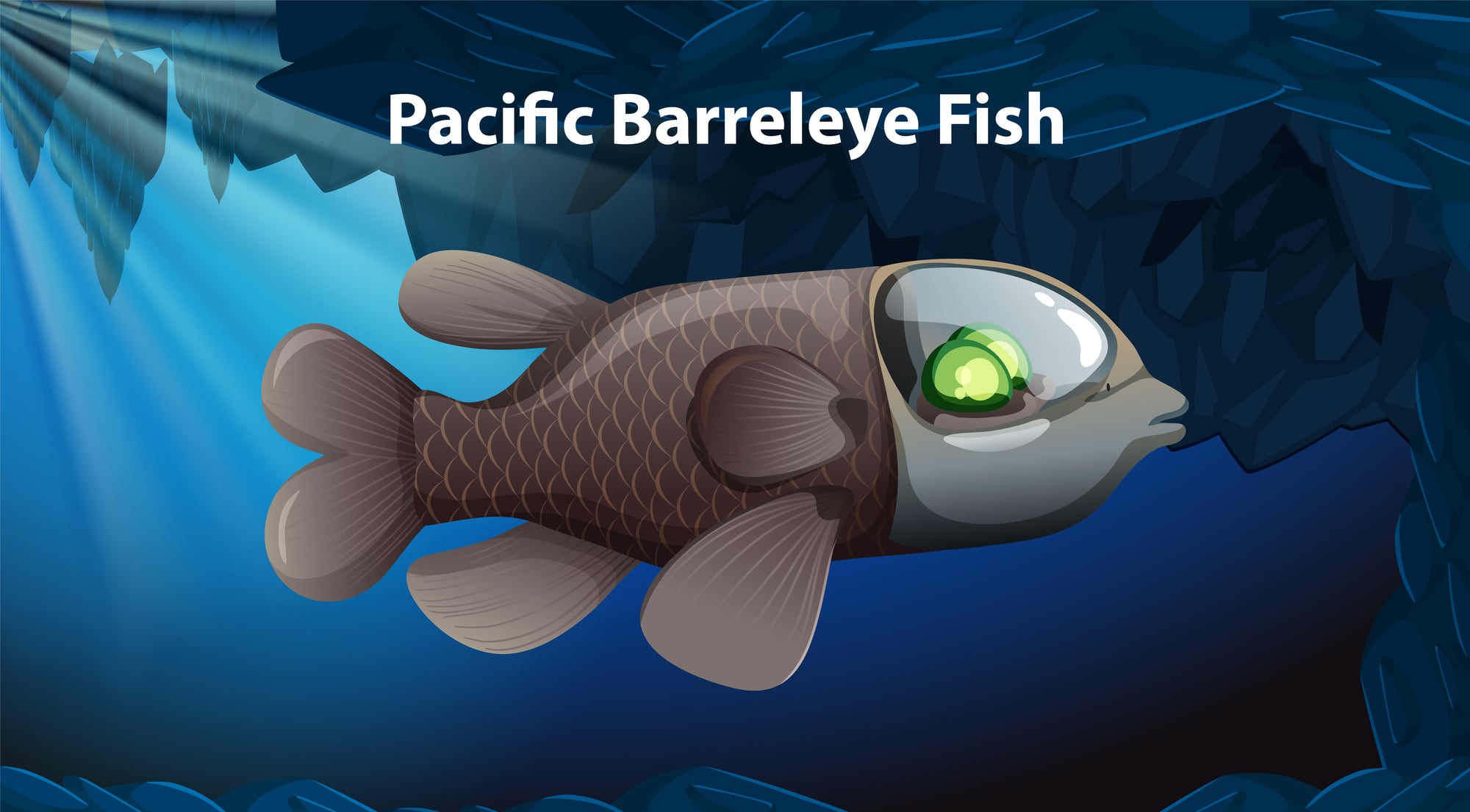
The barreleye fish forces you to reconsider what a face can be — its head is completely transparent, revealing tubular eyes that rotate inside its skull like biological periscopes, always looking upward for the silhouettes of prey against the faint light filtering down from thousands of feet above. And those dark spots you might mistake for eyes?
Just nostrils. The real eyes are the green orbs floating inside that glass dome of a head, which makes every piece of footage feel like watching a living x-ray that decided to swim around the deep ocean.
Frilled Shark
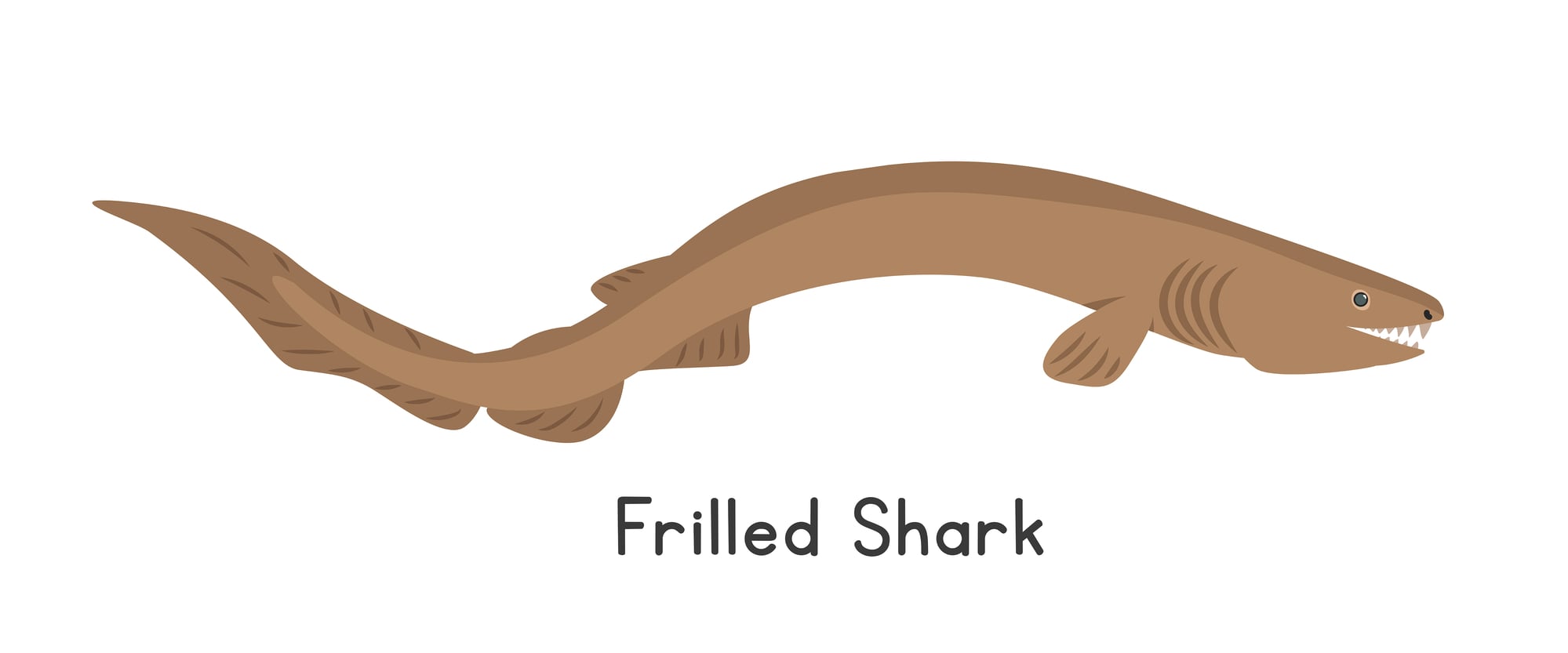
Frilled sharks don’t just look prehistoric — they are prehistoric. This “living fossil” has remained virtually unchanged for 80 million years.
Its eel-like body and rows of needle-sharp teeth create an unsettling profile that seems borrowed from the age of dinosaurs.
Video footage of frilled sharks is rare and deeply unnerving. They move with an undulating motion that’s both hypnotic and threatening.
Dumbo Octopus
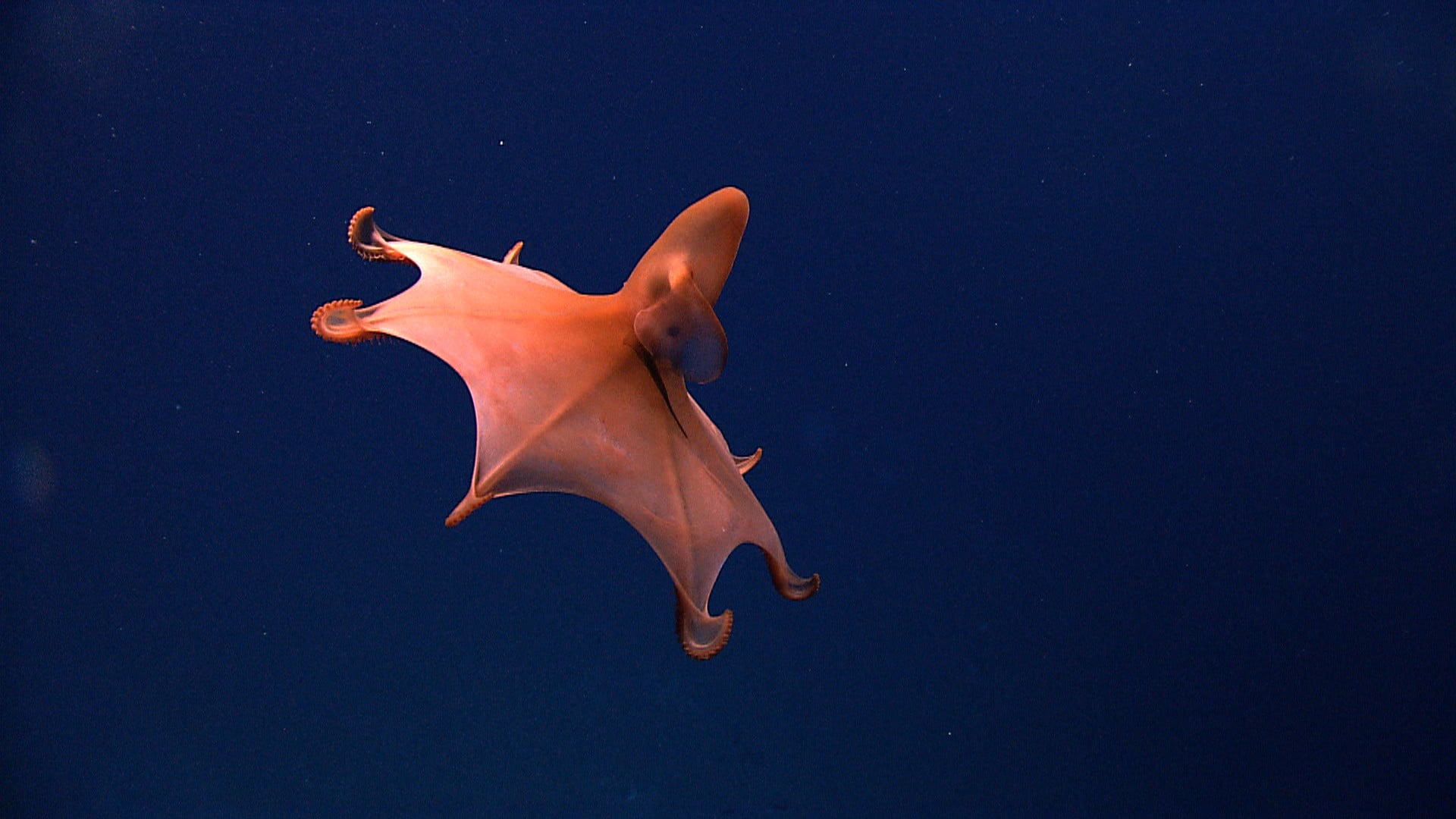
The Dumbo octopus lives at crushing depths where most life cannot survive, yet it moves through the water with an almost childlike grace, its ear-like fins flapping slowly as it drifts along the seafloor like some lost deep-sea angel.
But there’s something profoundly lonely about watching these creatures on camera — they exist in a world so remote and harsh that each individual might go its entire life without encountering another of its kind.
Gulper Eel
Gulper eels have solved the fundamental problem of deep-sea living in the most disturbing way possible. Food is scarce at crushing depths, so they’ve evolved the ability to unhinge their massive jaws and swallow prey larger than themselves, their throat expanding like a nightmarish balloon.
Footage of gulper eels feeding is genuinely hard to watch. The transformation from normal-looking fish to gaping maw happens so quickly that your brain struggles to process what just occurred.
Giant Siphonophore
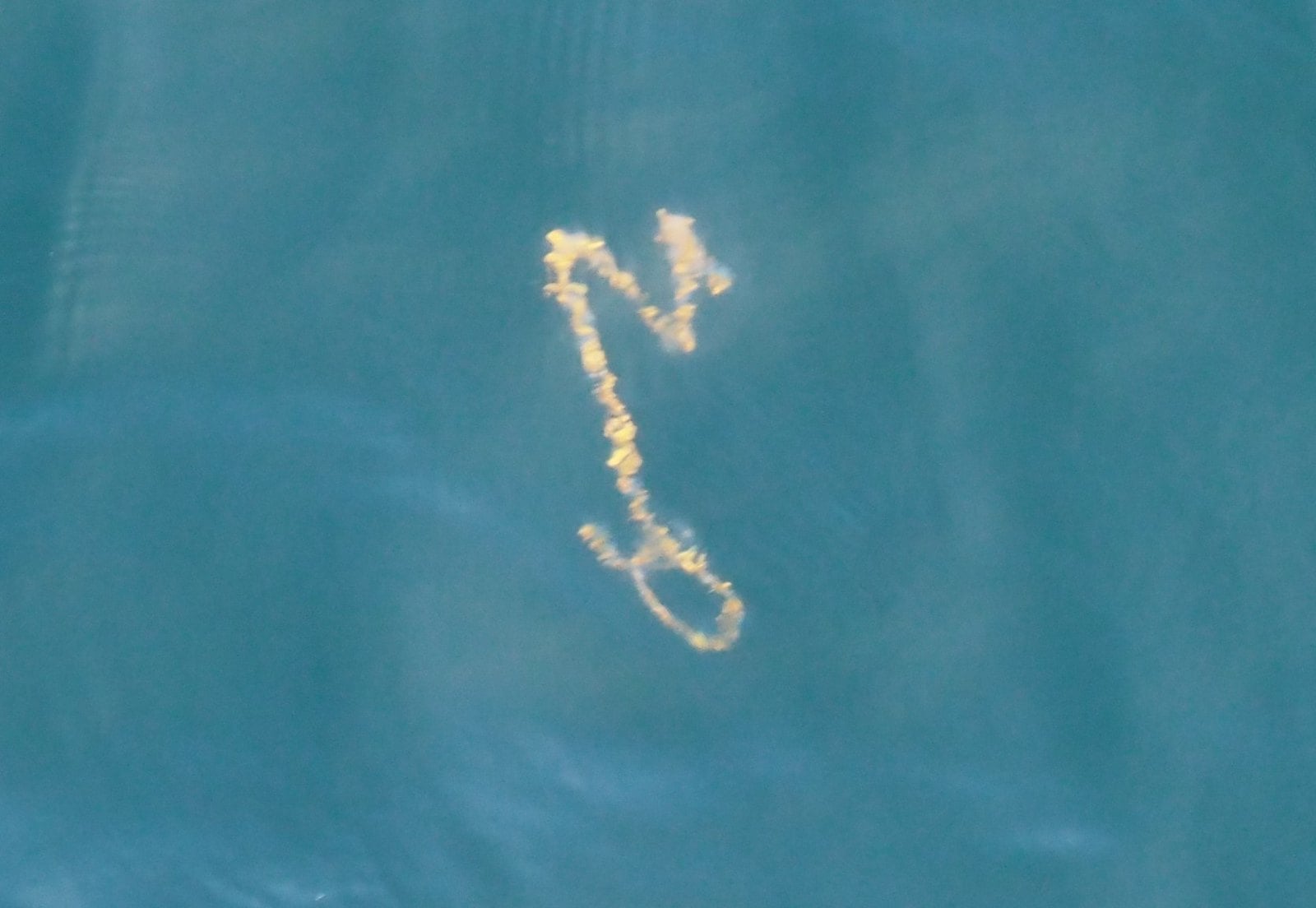
Think of the giant siphonophore as the ocean’s most beautiful nightmare — a colonial organism that can stretch longer than a blue whale, its translucent body pulsing with bioluminescent patterns that look like Christmas lights strung along an invisible highway through the deep sea (except those lights are actually specialized hunting polyps, each one a tiny predator working in perfect coordination with thousands of others).
When deep-sea cameras capture these creatures in their full glory, the footage often resembles something closer to abstract art than biology: endless ribbons of living light drifting through the darkness, beautiful and alien in equal measure.
But understanding what you’re actually looking at — not one animal but a floating city of interconnected predators — transforms that beauty into something far more unsettling.
Chimaera
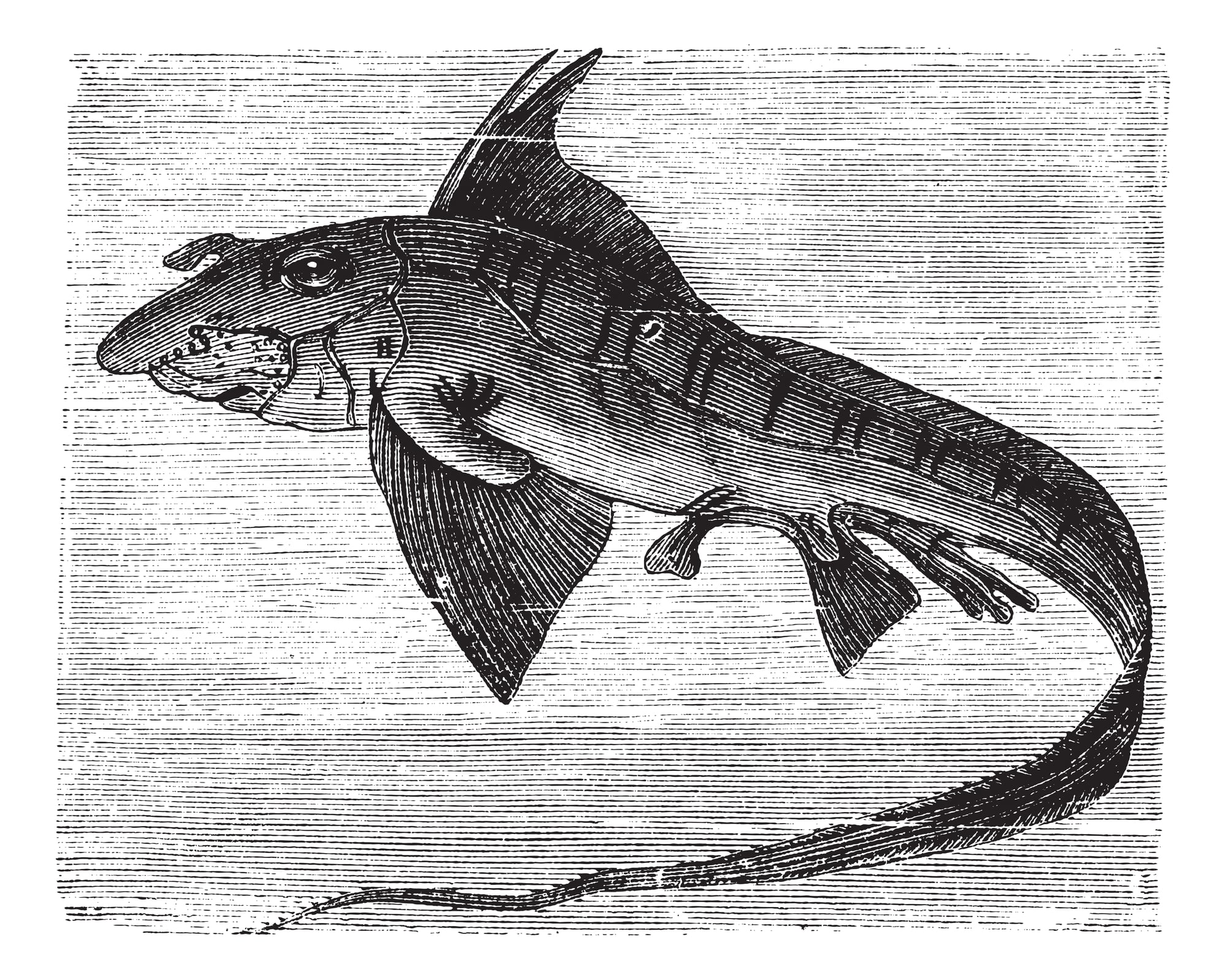
Chimaeras earn their ghostly nickname through sheer otherworldliness. These cartilaginous fish have haunted the deep ocean for over 400 million years, sporting a venomous spine, rabbit-like teeth, and skin that appears to glow with an internal light.
Camera footage reveals chimaeras gliding through the depths with an ethereal quality that’s both beautiful and deeply unsettling.
Giant Tube Worms
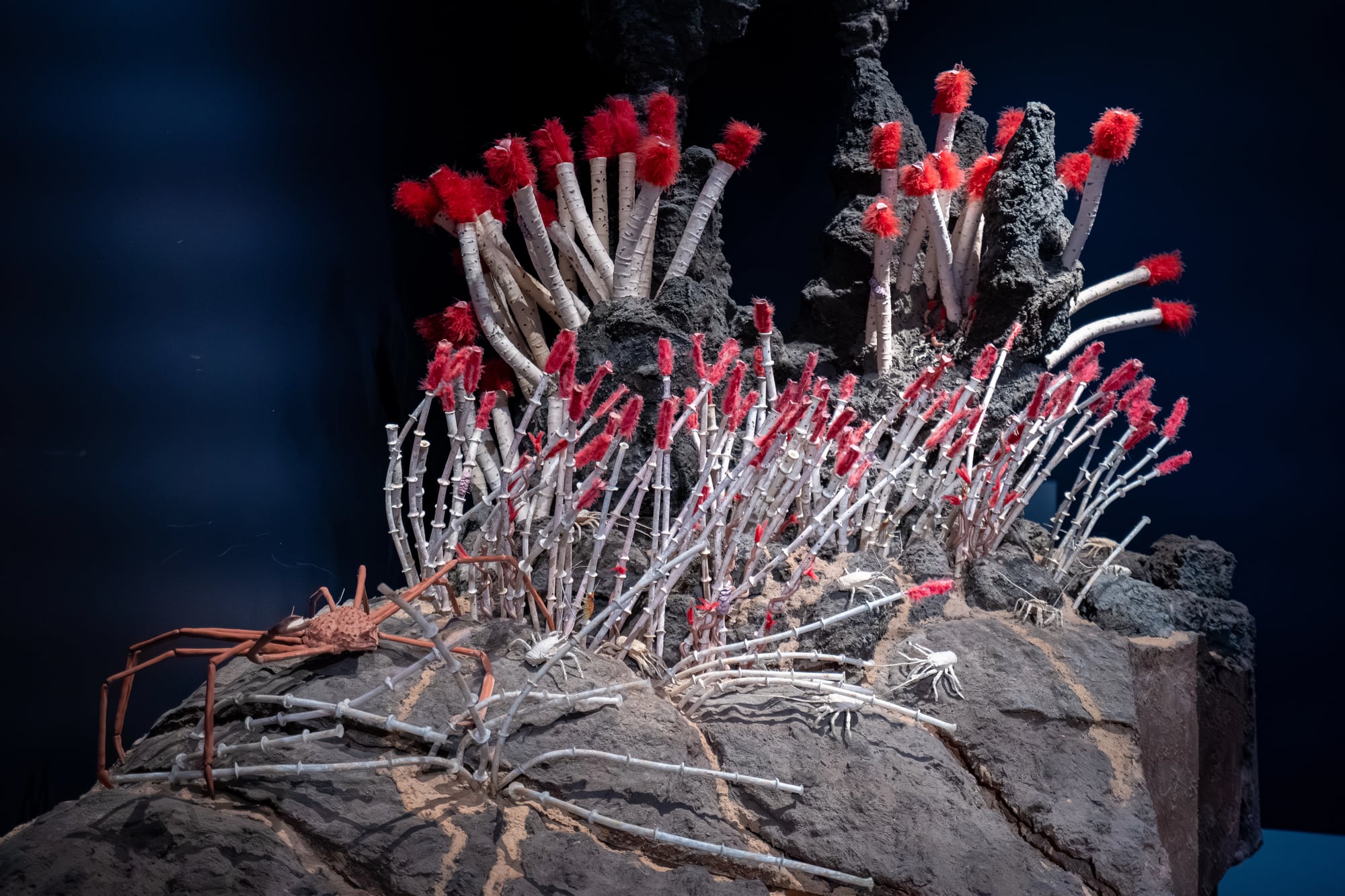
Giant tube worms cluster around hydrothermal vents like some kind of underwater forest designed by someone who’d never seen a tree — bright red plumes emerging from white tubes that can grow eight feet tall, swaying in the superheated water that would kill most life instantly.
These creatures have no mouth, no stomach, no digestive system as we understand it, instead hosting bacteria that convert chemicals from the vents into food through a process so alien it might as well be alchemy.
When cameras first discovered these vent communities in the 1970s, scientists realized they were looking at an entirely different basis for life on Earth.
Sea Pig
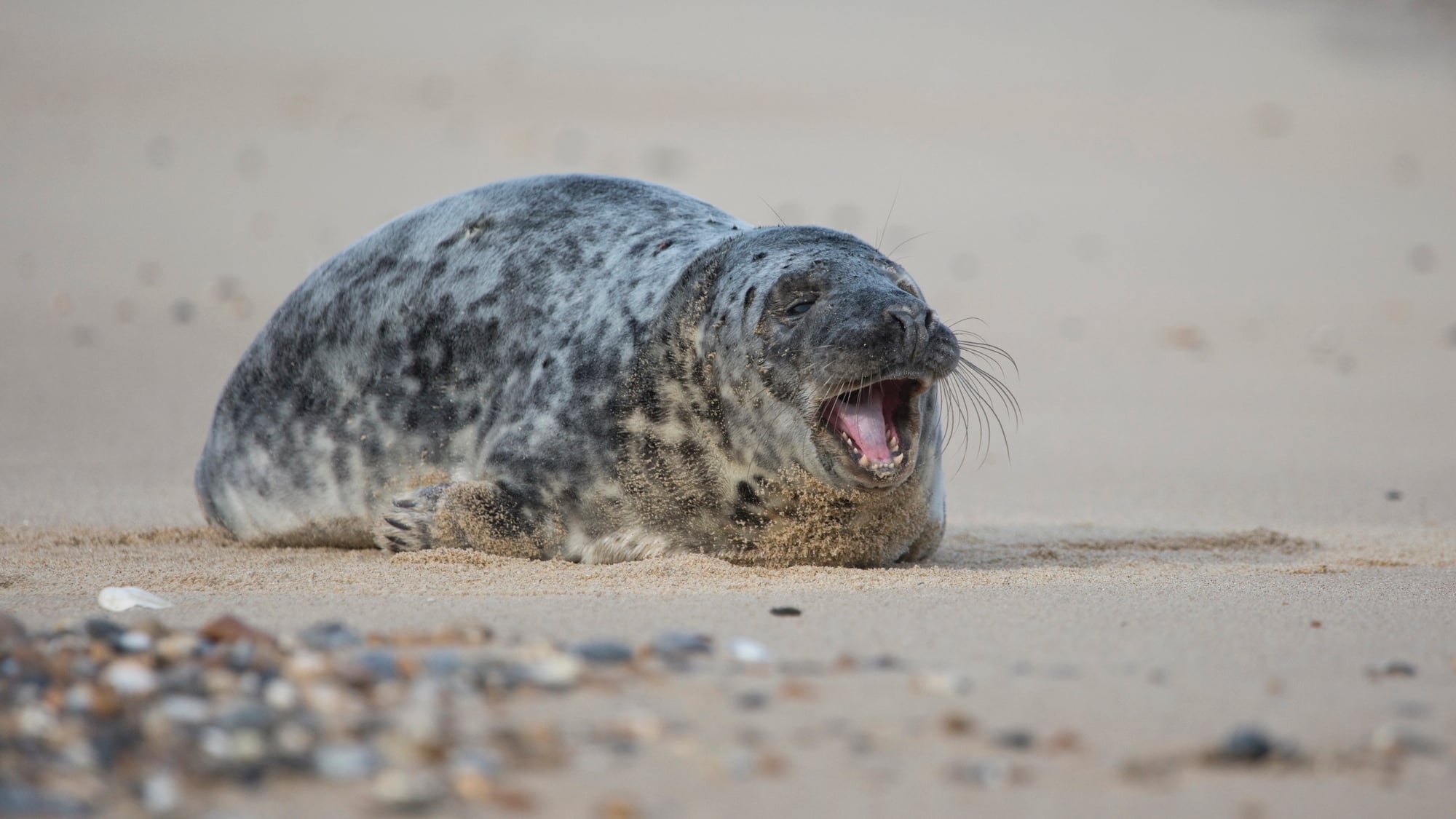
Sea pigs prove that the deep ocean operates by completely different aesthetic principles than the surface world. These deep-sea sea cucumbers congregate in herds — sometimes thousands strong — marching across the abyssal plains like tiny elephants made of translucent jelly.
Watching footage of sea pig herds is surreal. They move with purpose across the seafloor, but that purpose remains entirely mysterious to surface dwellers like us.
Bloodybelly Comb Jelly
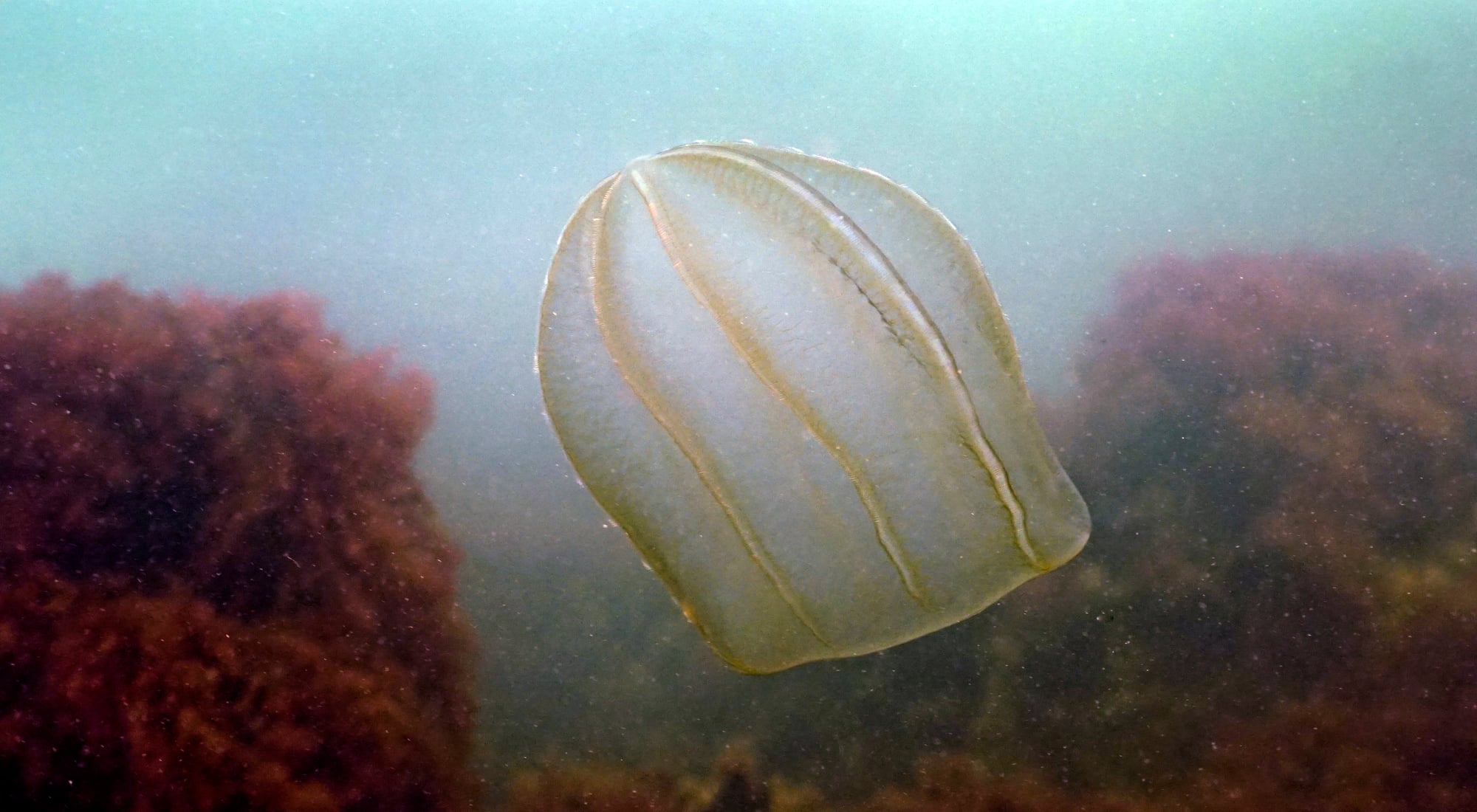
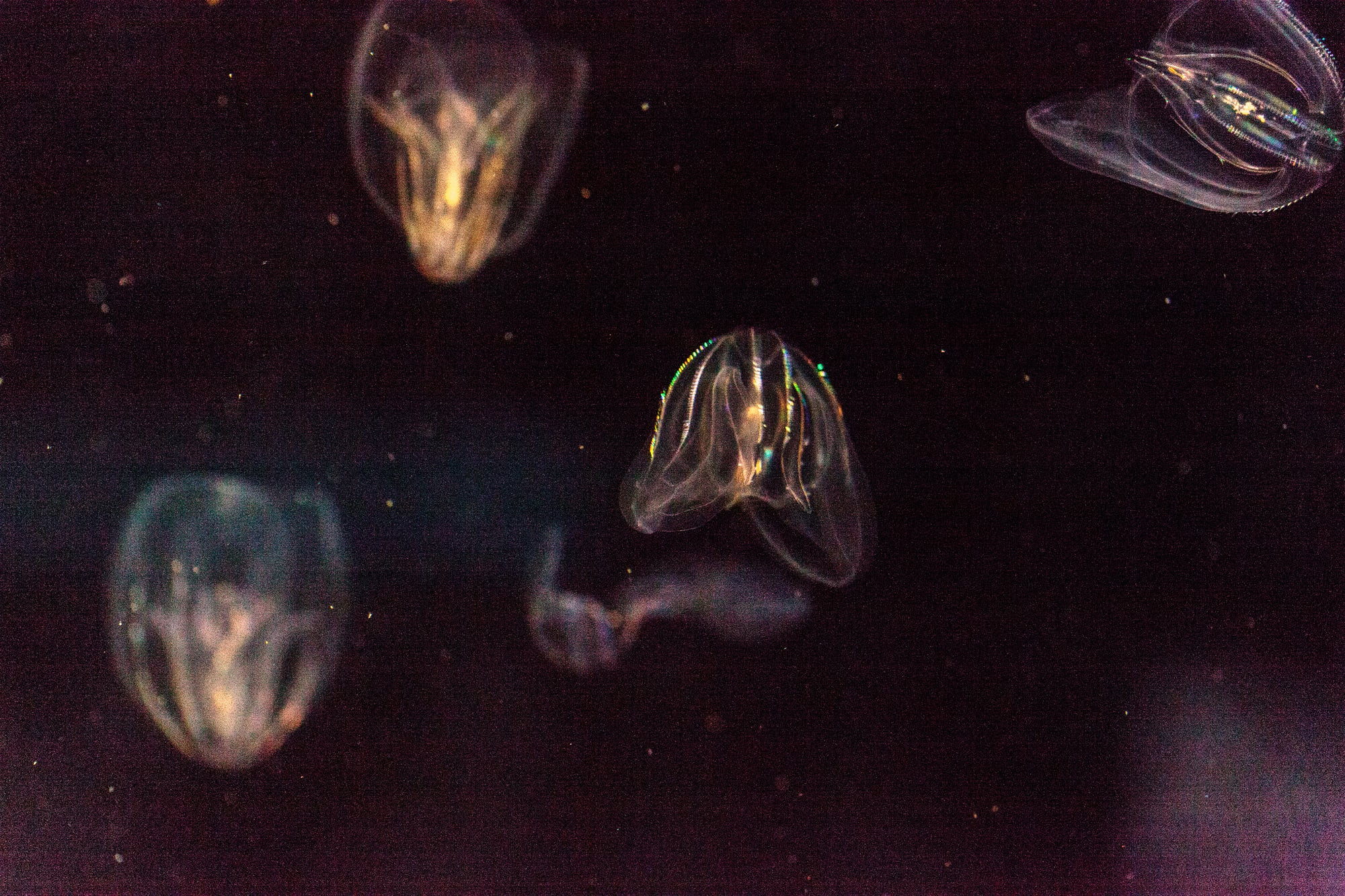
The bloodybelly comb jelly turns transparency into a weapon, its clear body nearly invisible except for the deep red stomach that gives it its name and the rainbow light show created by its comb rows — specialized cilia that refract light into prismatic displays as the creature pulses through the water column.
But here’s what makes this jelly particularly unsettling on camera: it appears and disappears like a ghost ship, visible only when the light hits it just right, creating footage where predators seem to materialize out of nothing, hunt, and then fade back into the darkness as if they were never there at all.
Into The Abyss
These creatures remind us that our planet still holds mysteries that can fundamentally change how we think about life itself. Every deep-sea expedition brings back footage that challenges our assumptions about what’s possible in the natural world.
The scariest part isn’t that these animals exist — it’s realizing how much of our own planet remains completely unknown to us.
More from Go2Tutors!

- The Romanov Crown Jewels and Their Tragic Fate
- 13 Historical Mysteries That Science Still Can’t Solve
- Famous Hoaxes That Fooled the World for Years
- 15 Child Stars with Tragic Adult Lives
- 16 Famous Jewelry Pieces in History
Like Go2Tutors’s content? Follow us on MSN.



