Conspiracies About Popular Social Media Algorithms
Social media feeds have become the wallpaper of modern life. They’re always there, quietly deciding what you see, what you don’t, and somehow knowing exactly when to show you that one thing that keeps you scrolling for another twenty minutes.
It’s no wonder people have started whispering about what’s really happening behind those endless streams of content. The algorithms that power these platforms remain largely mysterious, wrapped in corporate secrecy and technical complexity that most users never get to peek behind.
This opacity has created fertile ground for theories about hidden agendas, manipulation tactics, and digital puppet strings being pulled by unseen hands. Some of these theories hold fragments of truth, while others venture into territory that would make even the most paranoid programmer raise an eyebrow.
Shadow Banning Conservative Voices
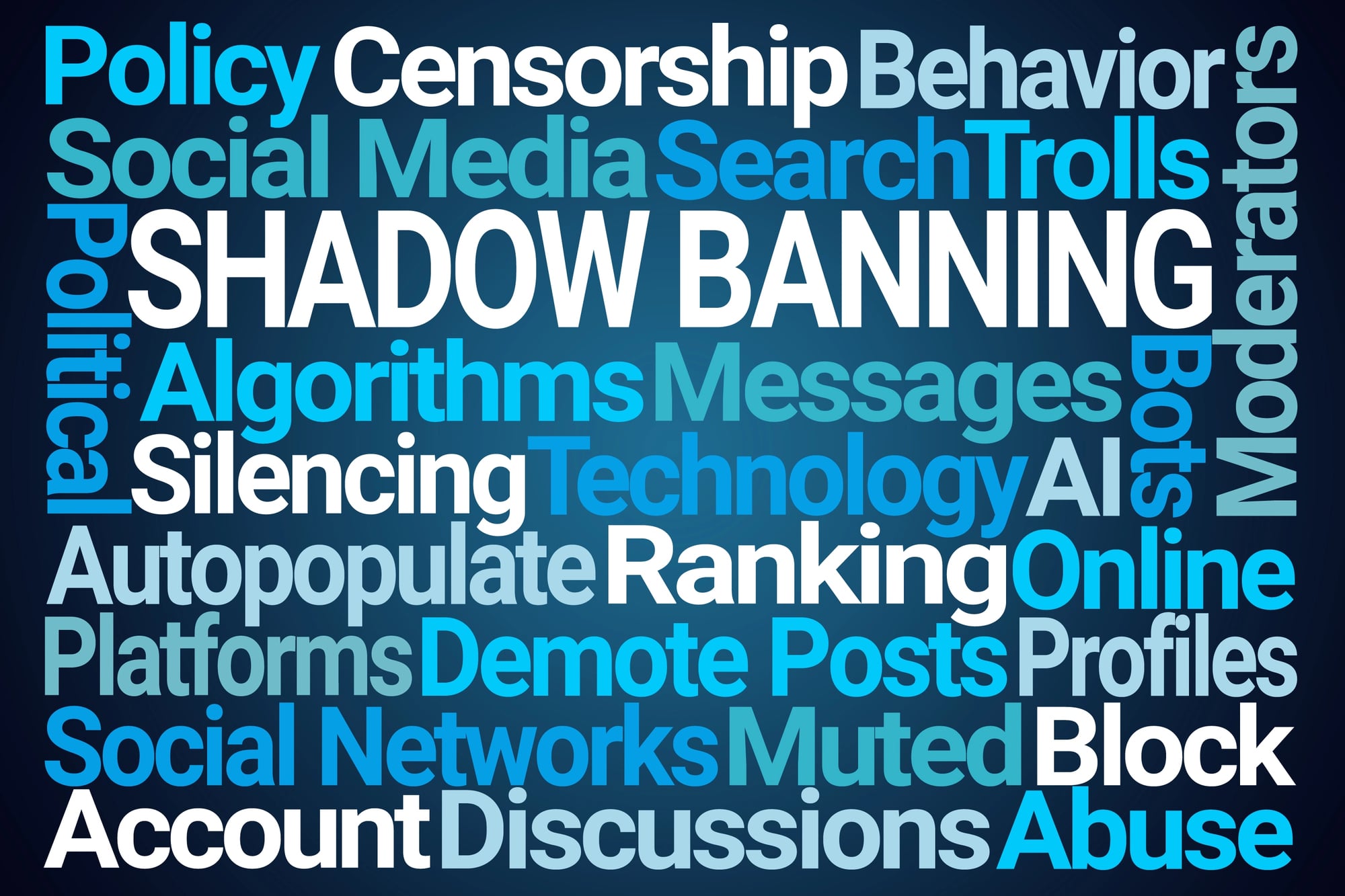
Conservative users across platforms claim their content gets mysteriously buried. Engagement drops overnight. Comments vanish. Reach plummets for no apparent reason.
The evidence feels real to those experiencing it. Post something about traditional values, and suddenly your usual audience seems to disappear. Meanwhile, opposing viewpoints appear to flourish with algorithmic blessing.
The Depression Algorithm

There’s something unsettling about how social media platforms seem to know exactly when you’re feeling low — and then, almost as if they’re testing the boundaries of your emotional resilience, they begin serving up content that doesn’t lift you up but instead pulls you deeper into whatever dark corner of the internet matches your current state of mind (which, let’s be honest, probably wasn’t that great to begin with).
So you’re scrolling through what should be a mix of friends’ updates and random entertainment. But somehow the algorithm has detected something. Maybe it’s the amount of time you spent on that breakup article, or the way you paused just a fraction too long on posts about loneliness — whatever digital breadcrumbs you’ve left behind, the platform has noticed.
And suddenly your feed becomes this weird echo chamber of sadness: relationship advice for the heartbroken, posts about anxiety, stories about people struggling with similar problems you thought were private.
The algorithm isn’t trying to help you feel better; it’s trying to keep you engaged, and it turns out that misery, despite what they say about company, is incredibly sticky when it comes to screen time.
Political Echo Chambers By Design

The algorithm doesn’t accidentally create political bubbles. It builds them with the precision of an architect designing a house, knowing exactly which walls to put up and where to place the windows so you only see the view it wants you to see.
Every platform claims neutrality while their recommendation engines work overtime to serve content that confirms what you already believe. Click on one political video, and the algorithm decides your entire worldview for you.
The rabbit pit isn’t a bug — it’s the feature working exactly as intended. You end up in these perfectly crafted chambers where everyone thinks exactly like you do, which feels validating right up until you realize you haven’t heard a challenging thought in months.
Big Pharma Promotion Schemes

Pharmaceutical companies pay for algorithmic promotion disguised as organic content. Mental health awareness posts conveniently appear alongside ads for antidepressants. Fitness content gets mixed with supplement promotions.
The theory suggests that platforms have created sophisticated systems for weaving commercial healthcare messages into seemingly natural content flows. Users think they’re discovering helpful information when they’re actually being guided toward specific medical products.
The Addiction Maximization Protocol

Social media platforms have allegedly developed what insiders call “addiction protocols” — sophisticated systems designed not just to capture attention, but to rewire the brain’s reward pathways in ways that make leaving the platform feel genuinely uncomfortable, like trying to quit a substance that’s become woven into the fabric of your daily routine (which, when you think about it, isn’t that far from what’s actually happening).
The algorithm supposedly tracks not just what you click on, but how long you hover before clicking, how quickly you scroll, the times of day when your willpower is weakest, and even subtle changes in your usage patterns that might indicate you’re trying to reduce your time on the platform.
At which point it allegedly deploys “recovery prevention” tactics designed to pull you back in.
Location-Based Mood Manipulation

The platforms know where you are. They know the weather. They know local events, traffic patterns, and even crime statistics for your neighborhood.
According to this theory, algorithms use location data to predict and influence emotional states. Stuck in traffic? Here’s some rage-inducing political content to match your mood. Beautiful sunny day? Time for aspirational lifestyle posts.
The algorithm becomes this creepy emotional weatherman, adjusting your digital forecast based on your physical circumstances.
The Memory Gap Effect

Like something out of a dystopian novel where inconvenient truths simply vanish from the historical record, social media algorithms allegedly engage in “retroactive content suppression” — making certain posts or conversations disappear from feeds and search results as if they never existed.
Users report searching for posts they know they saw, comments they remember making, or videos they shared with friends, only to find they are gone.
The most disturbing aspect isn’t just suppression itself, but the way it happens so gradually that users begin to question their own memories rather than suspect systematic manipulation.
Relationship Sabotage Features

Dating apps and social platforms profit from single users. Happy couples don’t generate as much engagement or spend as much time scrolling.
This theory suggests algorithms may subtly discourage lasting relationships by promoting emotionally unavailable profiles or highlighting content that increases relationship anxiety.
Your relationship status isn’t just demographic data — it’s a business model.
The Youth Harvesting System

Platforms allegedly target users during their most impressionable years with content designed to create lifelong dependencies and shape worldview formation.
The theory suggests algorithms identify developmental patterns in young users and deliver content that influences identity, beliefs, and consumption habits during critical stages of growth.
Government Surveillance Integration

Social media algorithms don’t just collect data for advertising. They feed information directly to intelligence agencies.
Every interaction contributes to a psychological profile so detailed that agencies can predict behavior, political leanings, and potential dissent. The feed becomes both entertainment and surveillance infrastructure.
The Creativity Suppression Engine

Algorithms favor predictable, formulaic content because it is easier to categorize and monetize.
Creators often report that experimental or unconventional work gets less visibility than recycled trends. This leads to a digital environment where originality is quietly discouraged in favor of algorithm-friendly repetition.
Religious And Spiritual Targeting

Algorithms identify users going through spiritual or existential transitions and serve targeted religious or philosophical content.
These systems allegedly convert moments of uncertainty into monetization opportunities by steering users toward specific ideological or spiritual products.
The Manufactured Outrage Economy

Anger generates engagement. Platforms know this.
So algorithms prioritize content that provokes outrage because it keeps users clicking, commenting, and sharing. The result is a feedback loop where emotional intensity becomes the primary driver of visibility.
The Authenticity Paradox

The strangest part about algorithm conspiracy theories is how they reflect something real: these systems do shape what we see, but they also respond to what we choose to engage with.
The conspiracy isn’t necessarily that users are being controlled from above — it’s that participation itself is part of the system. One scroll at a time, the feed becomes both mirror and influence, and separating the two is harder than it looks.
More from Go2Tutors!

- The Romanov Crown Jewels and Their Tragic Fate
- 13 Historical Mysteries That Science Still Can’t Solve
- Famous Hoaxes That Fooled the World for Years
- 15 Child Stars with Tragic Adult Lives
- 16 Famous Jewelry Pieces in History
Like Go2Tutors’s content? Follow us on MSN.