National Parks With Unexpected Features
Most people think they know what to expect at a national park. Mountains, forests, maybe some wildlife.
But scattered across the country are parks hiding features that catch visitors completely off guard. These aren’t the famous landmarks that end up on postcards.
They’re the weird, surprising elements that make you stop and wonder how they got there.
Death Valley’s Moving Rocks
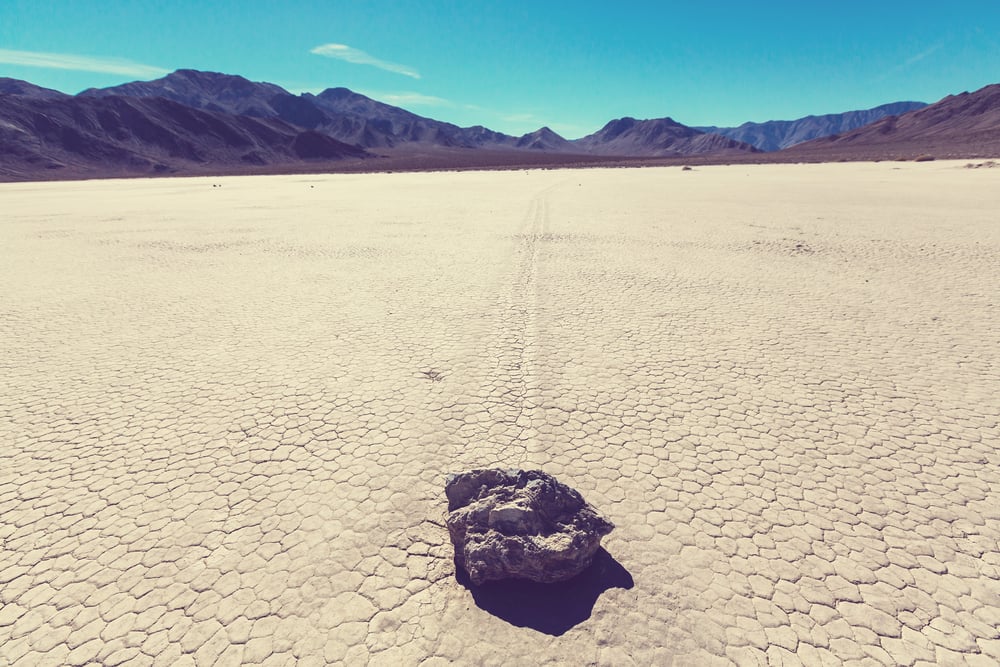
Racetrack Playa in Death Valley looks like a dried lakebed. Because it is.
But rocks weighing up to 700 pounds leave trails across the flat surface, as if they’ve been pushed by invisible hands. For decades, nobody could explain it.
The mystery got solved in 2014. Thin sheets of ice, just a few millimeters thick, form on the playa after rare winter rains.
When the ice breaks up and wind pushes these delicate ice sheets across the slick mud, they shove the rocks along, leaving those famous trails. You need the perfect combination of water, freezing temperatures, and wind.
It happens maybe once every few years.
Mammoth Cave’s Underground Rivers
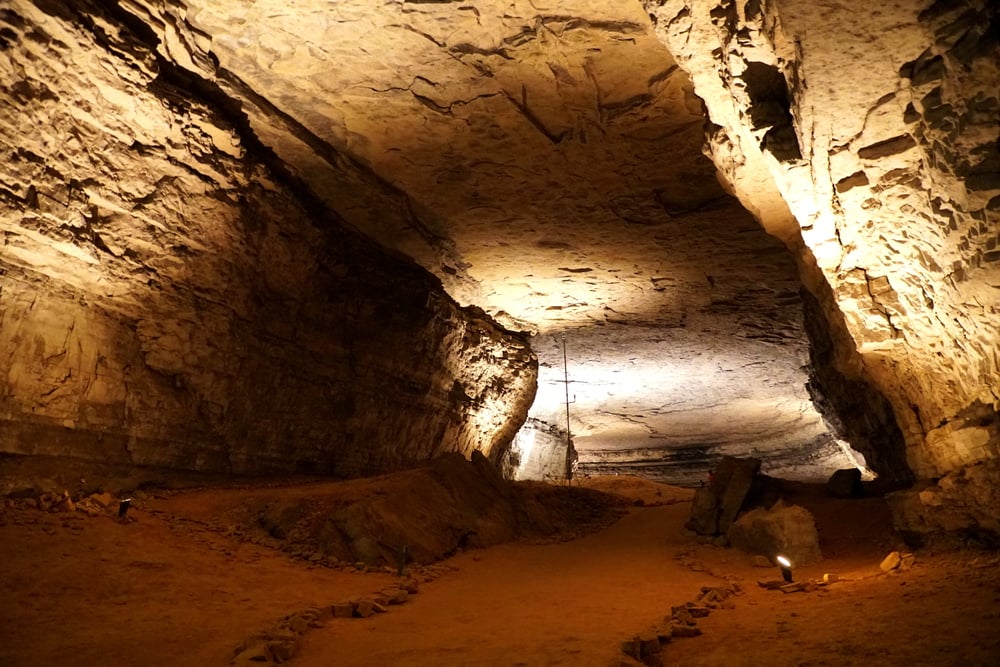
Kentucky’s Mammoth Cave system stretches for over 400 mapped miles, making it the longest known cave system on Earth. Most visitors expect darkness and rock formations.
What they don’t expect is an entire river system flowing beneath their feet. The Green River and its tributaries carved these passages over millions of years.
Underground streams and rivers still flow through sections of the cave system. Blind fish and eyeless crayfish live in these lightless waters, evolved to navigate a world where sight means nothing.
Crater Lake’s Phantom Ship

Oregon’s Crater Lake formed when Mount Mazama collapsed 7,700 years ago. The lake is famous for its deep blue water.
Less famous is the rock formation jutting from the surface that looks exactly like a sailing ship. Phantom Ship is a volcanic dike formation about 170,000 years old.
Early morning fog makes it appear and disappear, hence the name. The formation predates the caldera collapse, standing as a remnant from the volcano’s earlier eruptive history.
Big Bend’s Hot Springs
The Rio Grande runs cold through most of Big Bend National Park in Texas. Then you reach a spot where 105 degree water bubbles up from a fault zone deep underground, creating a natural hot spring right at the river’s edge.
A stone foundation from an old bathhouse still stands at the site. People soak in the spring while their feet dangle in the cold river.
The temperature difference is jarring. The hot water emerges from deep within the earth where the fault zone allows it to surface.
Joshua Tree’s Skull Rock

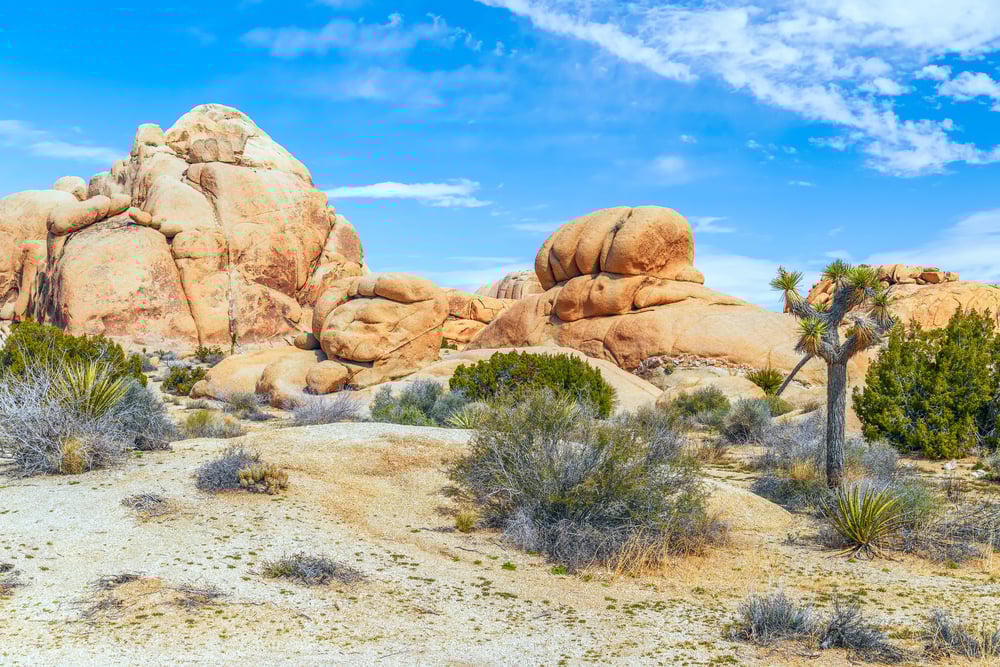
California’s Joshua Tree National Park is known for its twisted desert trees and massive boulder formations. But one particular pile of rocks looks unnervingly like a human skull when viewed from the right angle.
The formation is entirely natural. Wind and water erosion carved the eye sockets and facial features over thousands of years.
The rock sits right along the main park road with a trail looping around it, making it one of the easier weird features to reach. Kids love it.
Some adults find it unsettling.
Voyageurs’ Kettle Falls
Minnesota’s Voyageurs National Park sits on the Canadian border. While some areas are accessible by road, Kettle Falls itself requires a boat to reach.
The park is known for its waterways. What catches people off guard is finding a dam and a historic hotel in the middle of this wilderness.
Kettle Falls Dam was built in 1910 to raise water levels for logging operations. The Kettle Falls Hotel opened in 1913 to serve dam workers and travelers.
Both still stand. The hotel operates during summer months, offering rooms in what feels like the middle of nowhere because it basically is.
Great Sand Dunes’ Alpine Lakes

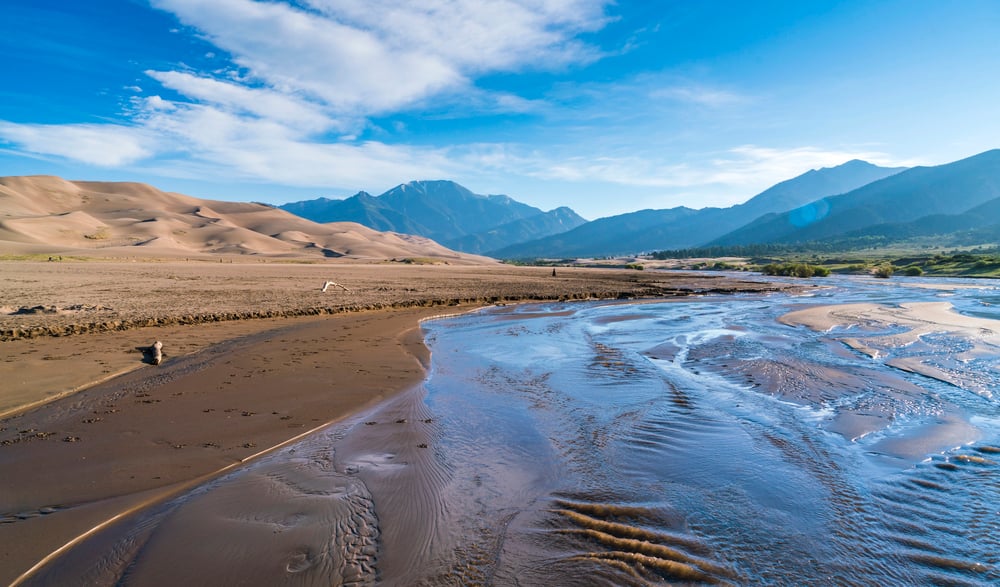
Colorado’s Great Sand Dunes National Park contains the tallest sand dunes in North America, some reaching 750 feet. Sand dunes belong in deserts, right? These sit at the base of the Sangre de Cristo Mountains, backed by snow capped peaks that tower over the landscape.
Medano Creek flows along the dunes each spring, fed by snowmelt. The creek creates standing waves called surge flow, where water builds up then releases in pulses.
Children treat it like a natural waterpark. By late summer, the creek disappears completely.
Congaree’s Champion Trees
South Carolina’s Congaree National Park protects an old growth bottomland hardwood forest. The park holds one of the highest concentrations of champion trees in the national park system.
These are the tallest, widest, or largest specimens of their species anywhere in the country. Walking through Congaree feels like entering a cathedral.
Loblolly pines tower 170 feet overhead. Bald cypress trunks measure 15 feet across.
The forest survived because it flooded too often for loggers to bother with. That flooding created perfect growing conditions for trees that can tolerate wet feet.
Badlands’ Fossil Beds

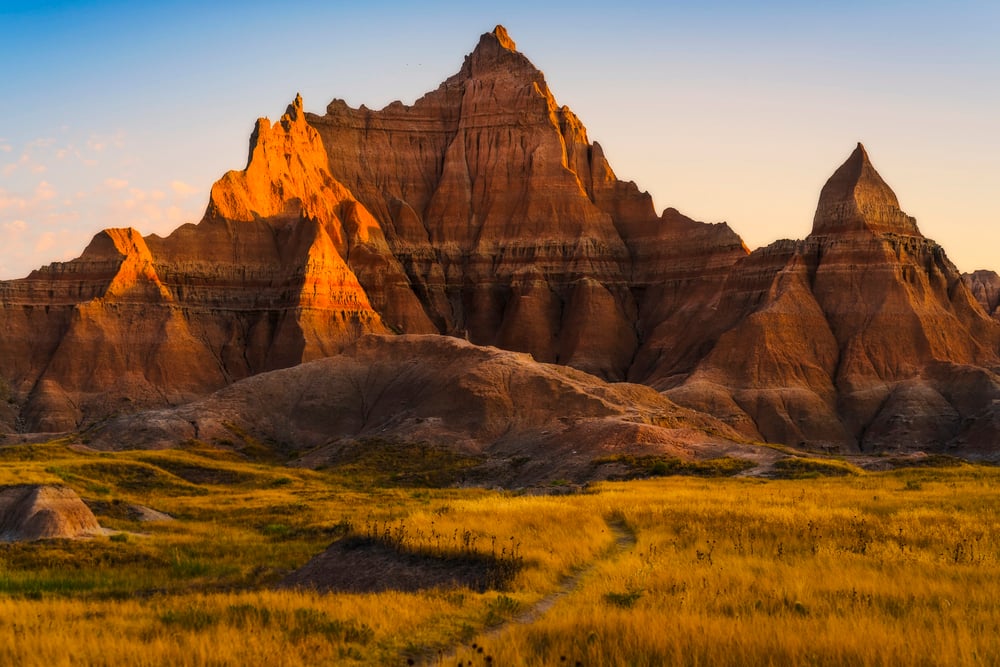
South Dakota’s Badlands look like Mars. Striped rock formations in shades of red, pink, and tan stretch across a landscape devoid of vegetation.
The area is one of the richest fossil beds in the world. Thirty million years ago, this was a subtropical forest filled with ancient mammals.
Erosion constantly exposes new fossils. Paleontologists have found remains of three toed horses, saber toothed cats, and entelodonts, massive pig like mammals more closely related to hippos and whales.
The park asks visitors to report any fossils they spot but not to touch them.
Dry Tortugas’ Coral Reefs

Florida’s Dry Tortugas sits 70 miles west of Key West. The park is famous for Fort Jefferson, a massive brick fortress built in the 1800s.
What surprises people is finding relatively healthy coral reefs surrounding these islands. The remoteness provides more protection than reefs closer to the mainland, though they still face environmental pressures.
Loggerhead sea turtles nest on the beaches. Nurse sharks patrol the shallows.
The snorkeling here rivals anywhere in the Caribbean, but getting there requires a boat ride or seaplane.
Wind Cave’s Boxwork Formations
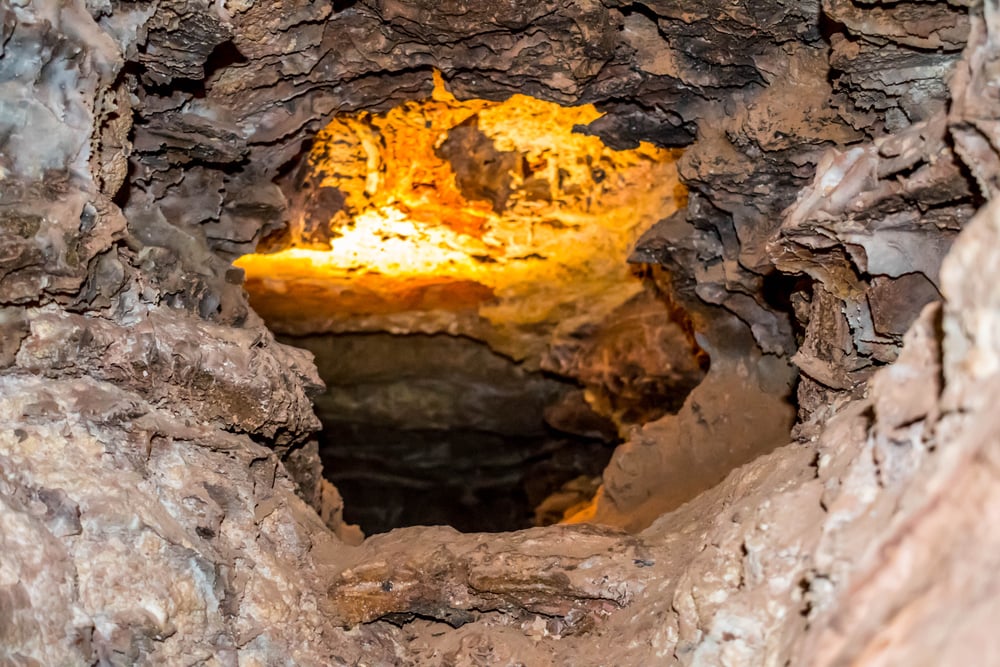
South Dakota’s Wind Cave contains 95 percent of the world’s known boxwork formations. These look like honeycomb patterns made of thin calcite fins that project from cave walls and ceilings.
They’re rare because they form under very specific conditions. The boxwork formed as calcite deposits filled cracks in the limestone.
When groundwater dissolved the surrounding limestone, these calcite veins remained, creating the delicate structures. Some passages in Wind Cave are so covered in boxwork that you can barely see the rock underneath.
Scientists still don’t fully understand how some of the more complex patterns developed.
Acadia’s Thundering Waves

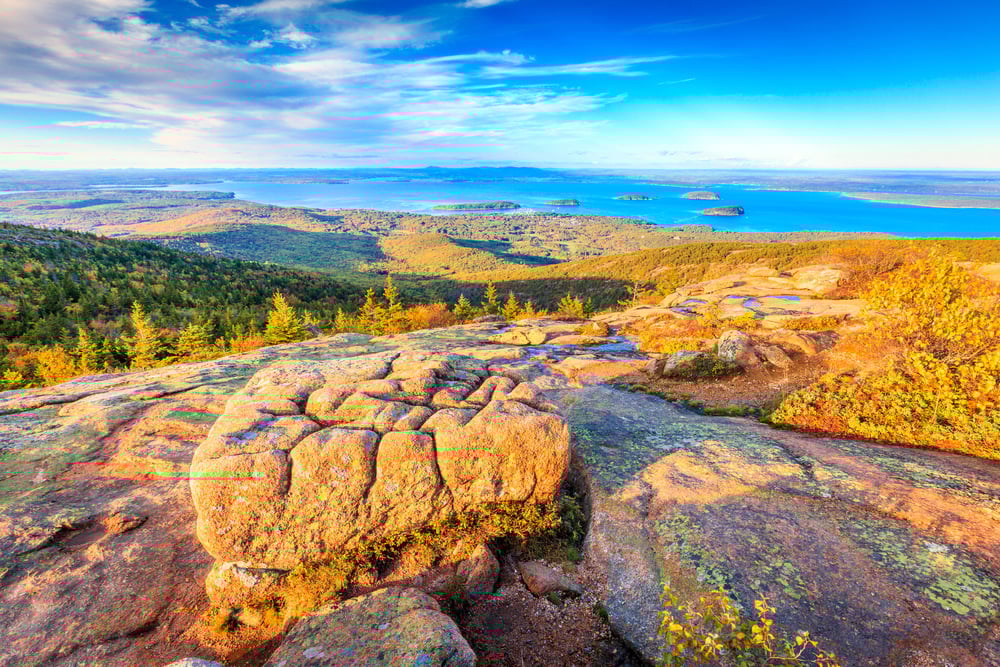
Maine’s Acadia National Park draws people for fall foliage and rocky coastlines. Thunder Pit lives up to its name only under the right conditions.
When waves hit at the proper angle and tide, water rushes into a narrow chasm and compresses air trapped inside. The compressed air explodes outward with a boom loud enough to justify the name.
Under rare storm surge conditions, water can shoot 40 feet into the air. Most times, you get a gurgle and a splash.
Timing matters. The best shows happen about two hours before high tide during stormy weather.
Where Nature Refuses to Follow Rules
These features exist because nature doesn’t care about meeting expectations. A desert gets an alpine creek.
An underground cave hosts a river system. Rocks move across a dry lakebed.
The national parks protect these oddities along with the more famous landmarks. That’s what makes exploring worth the effort.
You plan a trip expecting one thing and discover something completely different. The unexpected features are the ones that stick with you long after the visit ends.
More from Go2Tutors!

- The Romanov Crown Jewels and Their Tragic Fate
- 13 Historical Mysteries That Science Still Can’t Solve
- Famous Hoaxes That Fooled the World for Years
- 15 Child Stars with Tragic Adult Lives
- 16 Famous Jewelry Pieces in History
Like Go2Tutors’s content? Follow us on MSN.