Pearl Harbor Facts That Altered U.S. History
One quiet Sunday dawn in Hawaii, December 7, 1941 began without warning. Soldiers sat at mess halls, sipping coffee, while others scribbled notes to family far away.
Suddenly, engines roared overhead – shattering the calm. In less than one hundred twenty minutes, peace vanished.
Bombs tore through naval vessels, smoke swallowed the harbor, yet the damage went deeper than steel and flame. This strike didn’t only destroy machinery – it shifted history’s course.
Instead of staying distant, the United States stepped straight into World War II. To grasp that moment fully, it helps to move past film clips full of explosions.
Real meaning hides in quieter facts, small oversights, moments before the first bomb fell.
The Attack Came in Two Waves
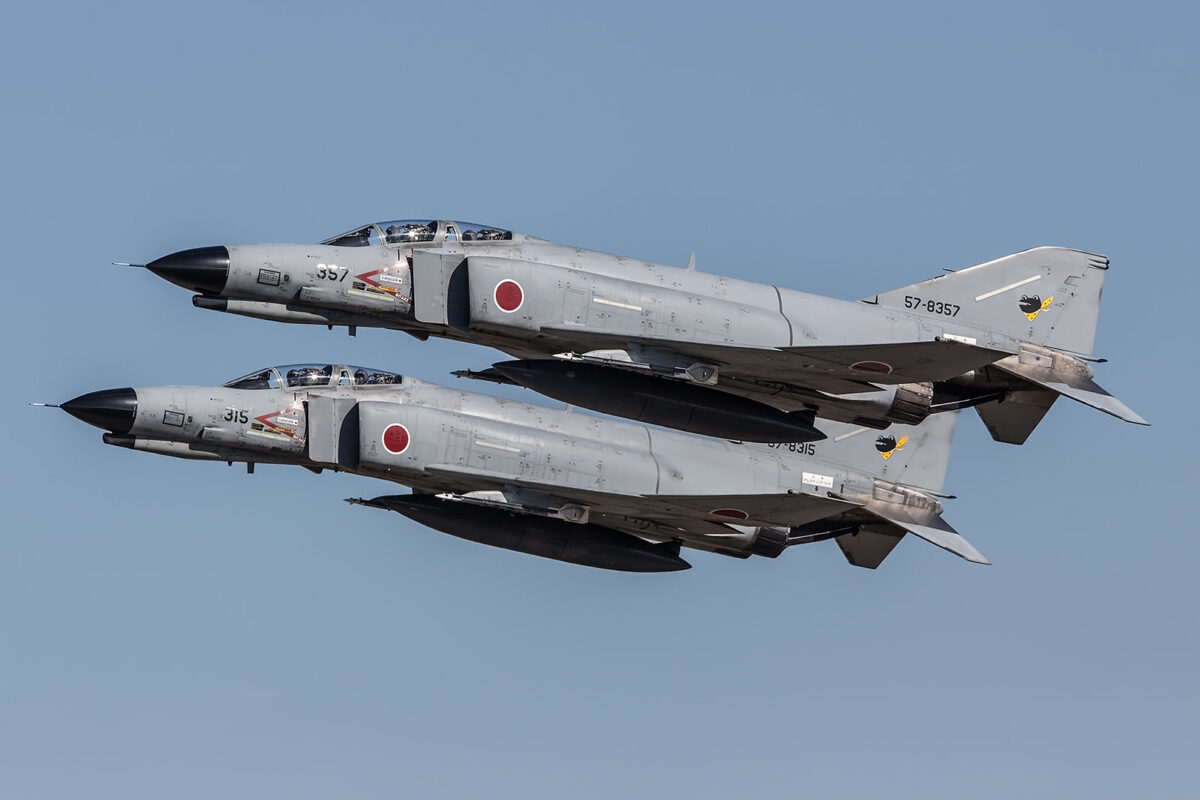
Japanese forces didn’t launch a single overwhelming strike. They organized the assault into two separate waves, timed about an hour apart.
The first wave hit at 7:55 a.m. with 183 aircraft targeting battleships, airfields, and other military installations. Fighters, bombers, and torpedo planes worked in coordinated groups.
The second wave arrived around 8:50 a.m. with 167 more aircraft. This two-part approach maximized damage while American forces scrambled to respond.
Pilots flew from aircraft carriers positioned about 230 miles north of Oahu, a distance carefully calculated to avoid detection while keeping their ships within striking range.
Eight Battleships Took Direct Hits
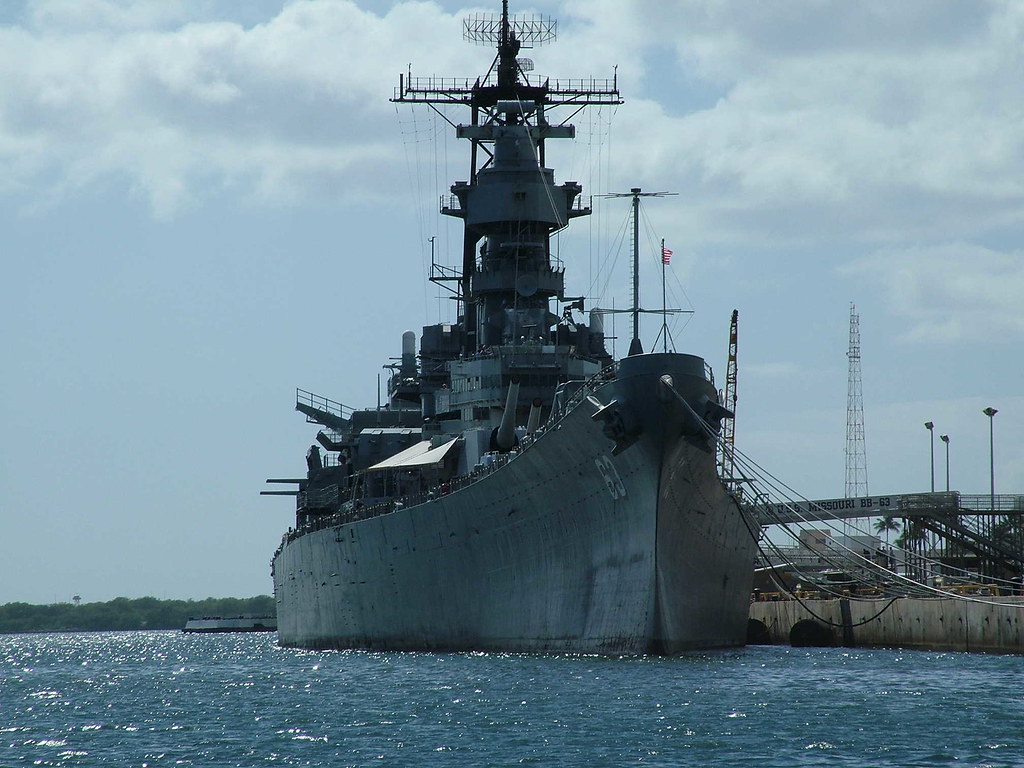
All eight battleships moored at Pearl Harbor that morning suffered damage. The USS Arizona exploded when a bomb penetrated its forward magazine, killing 1,177 crew members in seconds.
The Oklahoma capsized after taking multiple torpedo strikes, trapping hundreds inside. The California and West Virginia sank at their moorings.
The Nevada tried to escape to open water but took heavy fire and had to beach itself to avoid blocking the harbor entrance. The Tennessee, Maryland, and Pennsylvania sustained varying degrees of damage but remained afloat.
Only the Arizona and Oklahoma were total losses—the Navy salvaged and repaired the other six, bringing them back into service during the war.
The Casualties Changed American Families Forever
That day, 2,403 American lives ended. Wounds left 1,178 others broken.
Not statistics printed cold on paper – these were real people. Every name tied to a mother’s grief, a child’s loss, someone missing at dinner.
Among the fallen: 2,008 in Navy uniforms, 218 soldiers from the Army, 109 Marines who served, along with 68 civilians just living their days. Ships tore apart without warning, killing most inside before they knew what hit.
Some managed to escape the blasts but vanished beneath smoke-choked waves, stuck under wreckage deep in flooded holds. Fire raced through wood and fuel, catching those who tried to crawl out with flames licking at clothes and skin.
Clinics on Oahu overflowed fast – hallways packed with broken limbs, torn flesh, things doctors had never seen up close until then. Nurses changed bandages hour after hour while sunlight faded and returned again.
Far away from islands and the ocean, paper notes arrived at homes during breakfast or laundry, words on thin pages turning ordinary mornings into silence.
Japan Wanted to Cripple the Pacific Fleet
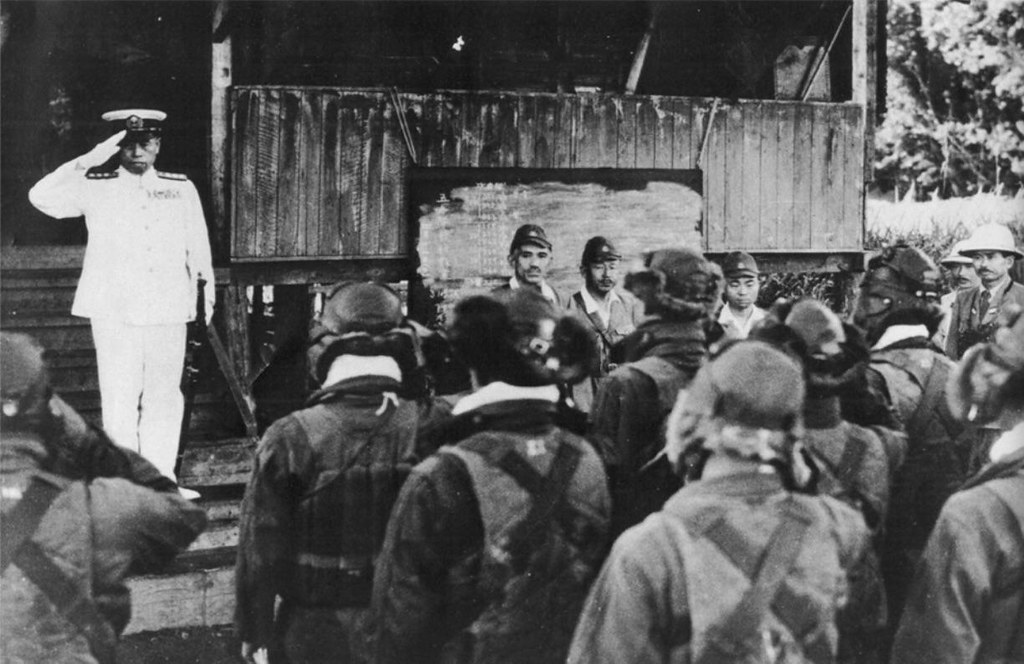
Admiral Isoroku Yamamoto, who planned the attack, understood American industrial capacity. He knew Japan couldn’t win a long war against the United States.
His strategy centered on destroying enough of the Pacific Fleet to force America into negotiations before it could mobilize. Battleships represented the primary target because naval doctrine at the time considered them the backbone of sea power.
Yamamoto hoped to buy Japan six months to a year of freedom to expand throughout the Pacific without American interference. The plan worked perfectly—except for one crucial detail.
The Aircraft Carriers Weren’t There
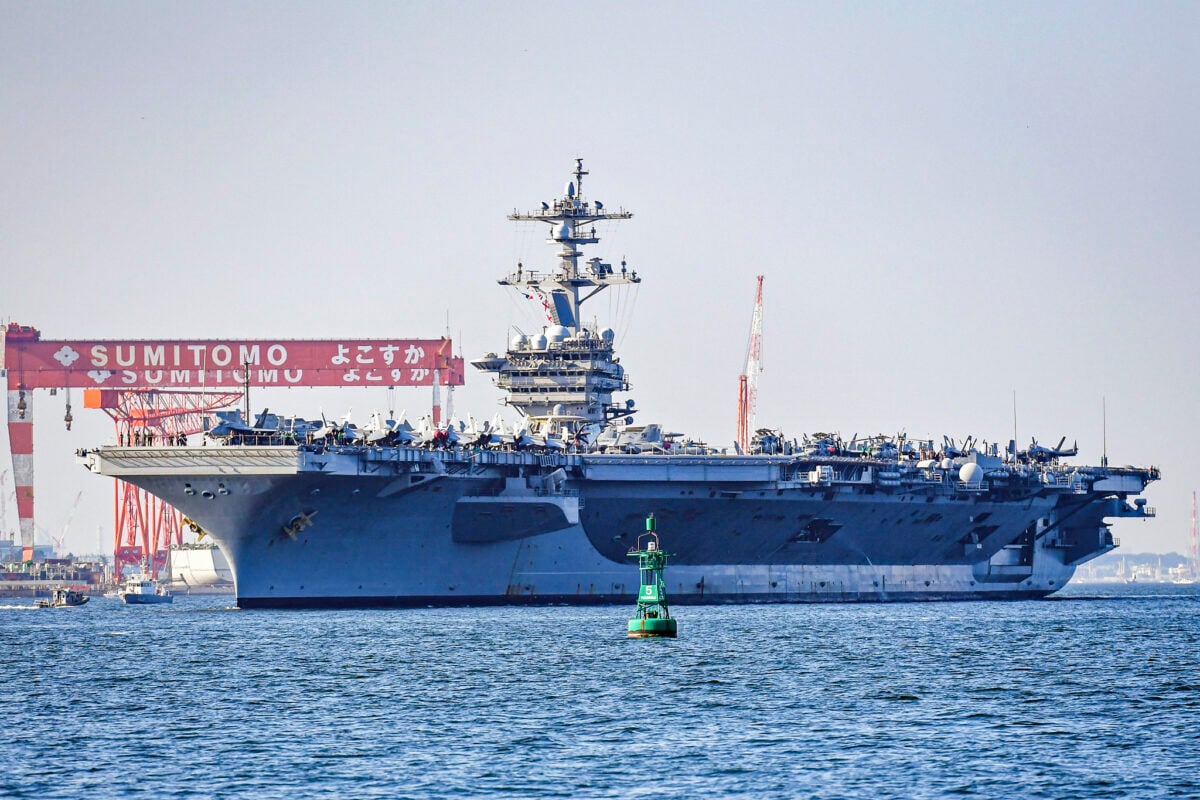
The Enterprise, Lexington, and Saratoga—America’s Pacific Fleet carriers—were all away from Pearl Harbor on December 7. The Enterprise and Lexington were delivering aircraft to Midway and Wake Island. The Saratoga was undergoing maintenance in California.
Japanese planners knew carriers were important, but in 1941, most naval strategists still viewed battleships as the ultimate measure of fleet strength. This miscalculation proved fatal to Japan’s war effort.
Those three carriers, along with others built later, formed the foundation of America’s Pacific offensive. Within six months, carrier-based aircraft would turn the tide at the Battle of Midway.
Intelligence Warnings Went Unheeded
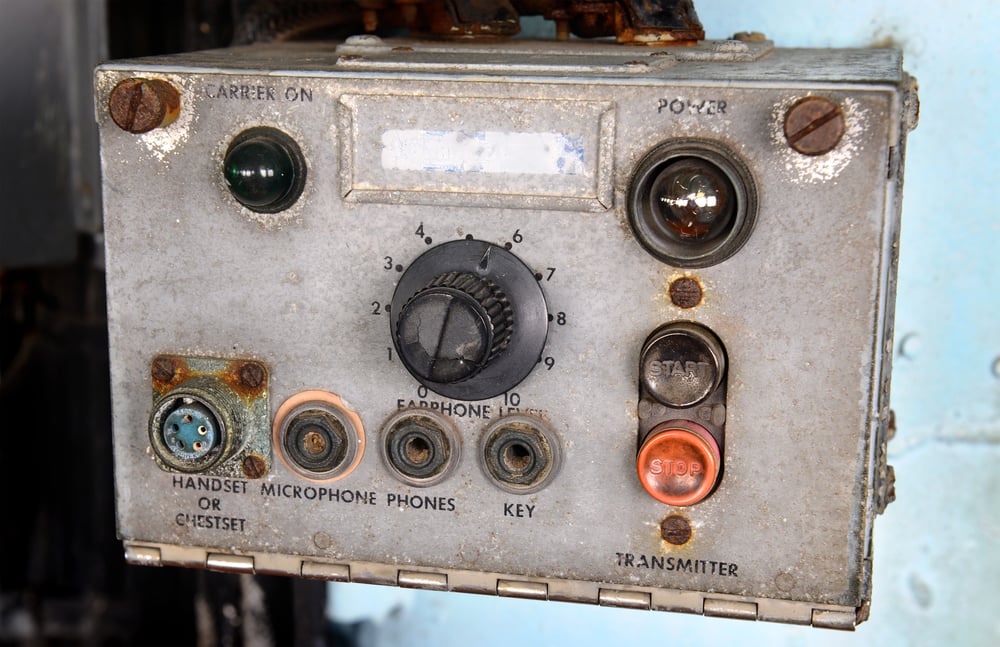
Fragments of radio chatter pointed toward trouble ahead, captured by U.S. signal hunters who couldn’t pin down location or timing. Though clues swirled through intercepts, certainty stayed out of reach.
Late warnings emerged from translated cables – Japan’s stance tightening like a coiled spring. On the island of Oahu, flickers blinked across a radar screen just past seven in the morning.
That blip? Enemy planes closing fast. Yet someone in charge waved it off, mistaking danger for friendly wings returning from the mainland.
A few odd clues hinted something was wrong – like news of a tiny sub shot down beyond the harbor just before planes roared overhead. It wasn’t that nobody had facts.
Bits sat scattered across offices, never stitched together. Red tape slowed things.
Messages slipped through gaps. Plus, many assumed Tokyo would never risk such a strike.
That mix left everyone unready.
The Famous Speech Galvanized the Nation
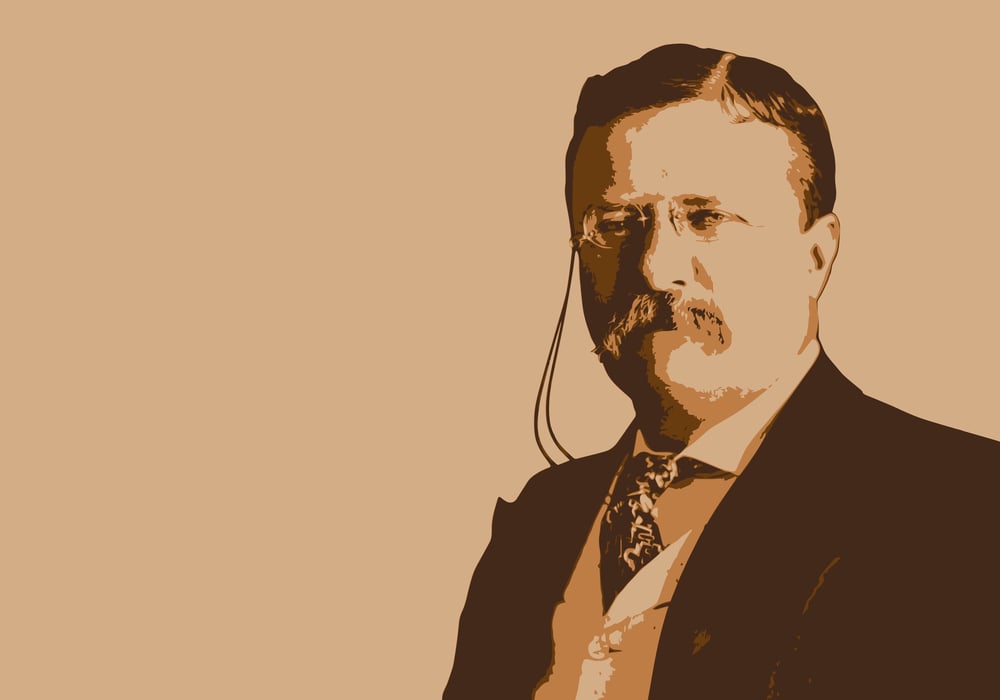
President Franklin D. Roosevelt addressed Congress on December 8, calling December 7 “a date which will live in infamy.” The speech lasted only six minutes.
Roosevelt had spent the previous day getting updates, meeting with advisors, and crafting his words carefully. He framed the attack as an act of treachery, emphasizing that negotiations were ongoing when Japanese planes struck.
The speech wasn’t just about rallying Congress—it spoke directly to American citizens listening on radios across the country. Within an hour, Congress declared war on Japan with only one dissenting vote.
Three days later, Germany and Italy declared war on the United States, and America responded in kind.
Rescue Efforts Began Immediately
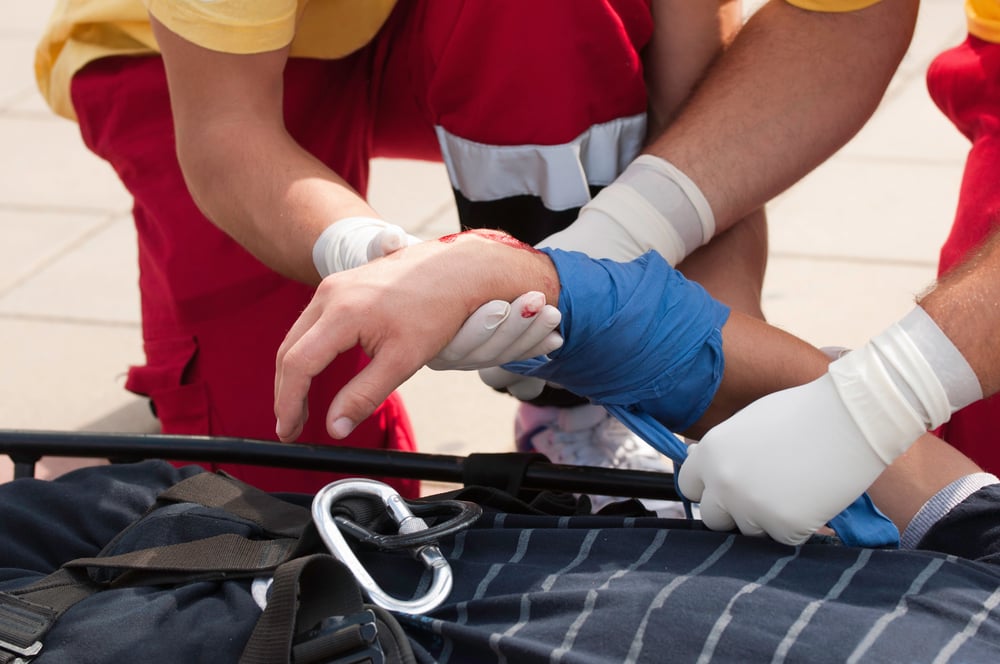
Beneath the waterline, sailors tapped desperately against metal walls while teams above sliced into twisted decks with cutting gear. Overturned like a bathtub toy, the Oklahoma held crew members in its belly without escape at first.
Through narrow openings made by flame tools, rescuers reached pockets of life where breath remained. Survival hung on small bubbles of air, some lasting beyond a full day’s turn.
Men emerged one by one, pulled from silence into light. Down below, divers moved through flooded ship cabins just as flames lit up the docks nearby.
Across the bay, fuel spilled fast – then caught fire, blocking escape routes with heat so fierce it stopped breathing. Volunteers showed up without being asked, dragging soaked bodies onto piers and loading hurt people into cars.
Lines formed outside clinics giving blood, stretching down streets, full of quiet faces waiting their turn. Before ten minutes passed, every radio on the island carried warnings – the moment had changed everything.
Racism Against Japanese Americans Intensified
Fear took hold, then anger followed hard on its heels when Pearl Harbor happened. People started pointing fingers at Japanese Americans even though nearly all had no ties to Japan’s armed forces.
Along the West Coast, where most of them made their lives, distrust grew like mold in damp corners. Whispers flew about spying and secret damage, facts didn’t back any of it up.
By early 1942, without proof or trial, FDR approved Executive Order 9066. That order cleared the way to haul families from their houses, block by block.
Roughly 120,000 were packed into guarded camps until the war finally sputtered out. Home and work life vanished overnight.
Only after years did officials admit the truth – fear mixed with prejudice, not real danger, had fueled their choices.
American Industry Shifted Overnight
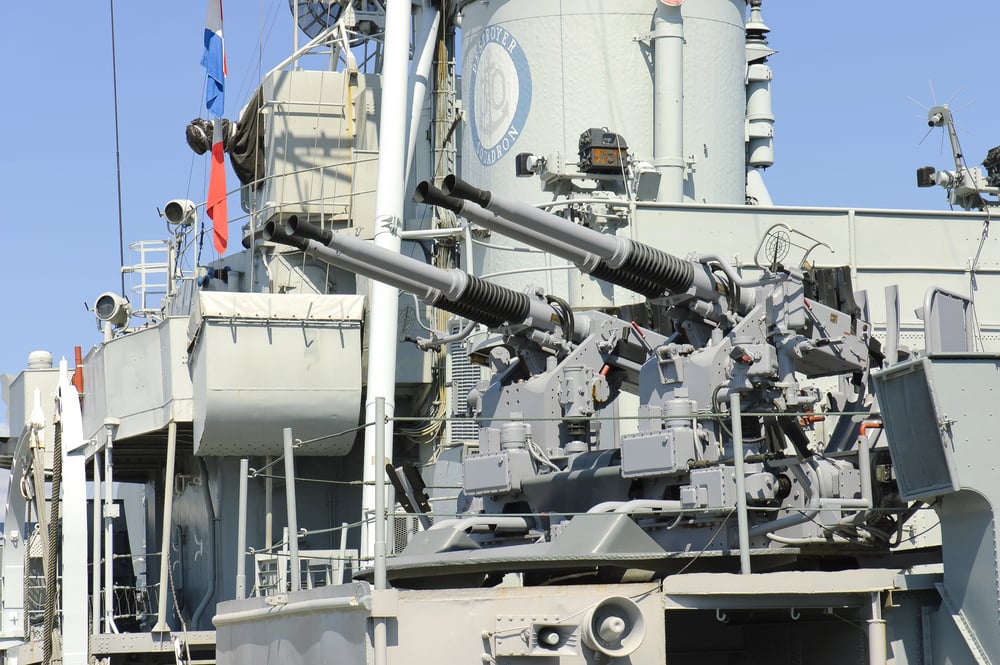
Folks who once built automobiles shifted to churning out tanks and planes. Down at the docks, yards that barely survived hard times now raced to launch ships.
More women than ever before stepped into factories, working on airplanes and boats. Instead of making goods for daily life, the nation’s machines turned toward wartime needs.
Shortages hit rubber, then gas, followed by meat and sugar – military demands took priority. Financing flowed through war bonds even as posters pushed thrift and watchfulness.
That strike shattered old hesitations, pulling every factory into wartime work. Come 1943, U.S. production outpaced Axis nations stacked together.
The Third Wave Never Came
Out there near Oahu, some Japanese officers pushed for another strike – not on warships, but on places that kept ships running. Instead of chasing sinking dreadnoughts, they looked toward oil farms holding vast pools of fuel.
Without those liquids, entire fleets sit still. Farther inland, a quiet sub pen was seen later as vital ground – where stealth boats slip out across the ocean.
Repair docks too were spotted, where broken hulls get fixed fast. Long after battleships vanished, such spots would shape how far U.S. forces could reach.
Ships that were broken could be fixed instead of tossed aside, thanks to repair bases. Yet the officer in charge of the bombing run, Commander Mitsuo Fuchida, failed to sway higher-ups into staying longer.
Fear of U.S. retaliation weighed on their minds; saving their fleet mattered more. Because of that choice, America managed to regrow its naval power in the Pacific at a pace Japan did not expect.
Submarine Warfare Became America’s Hidden Weapon
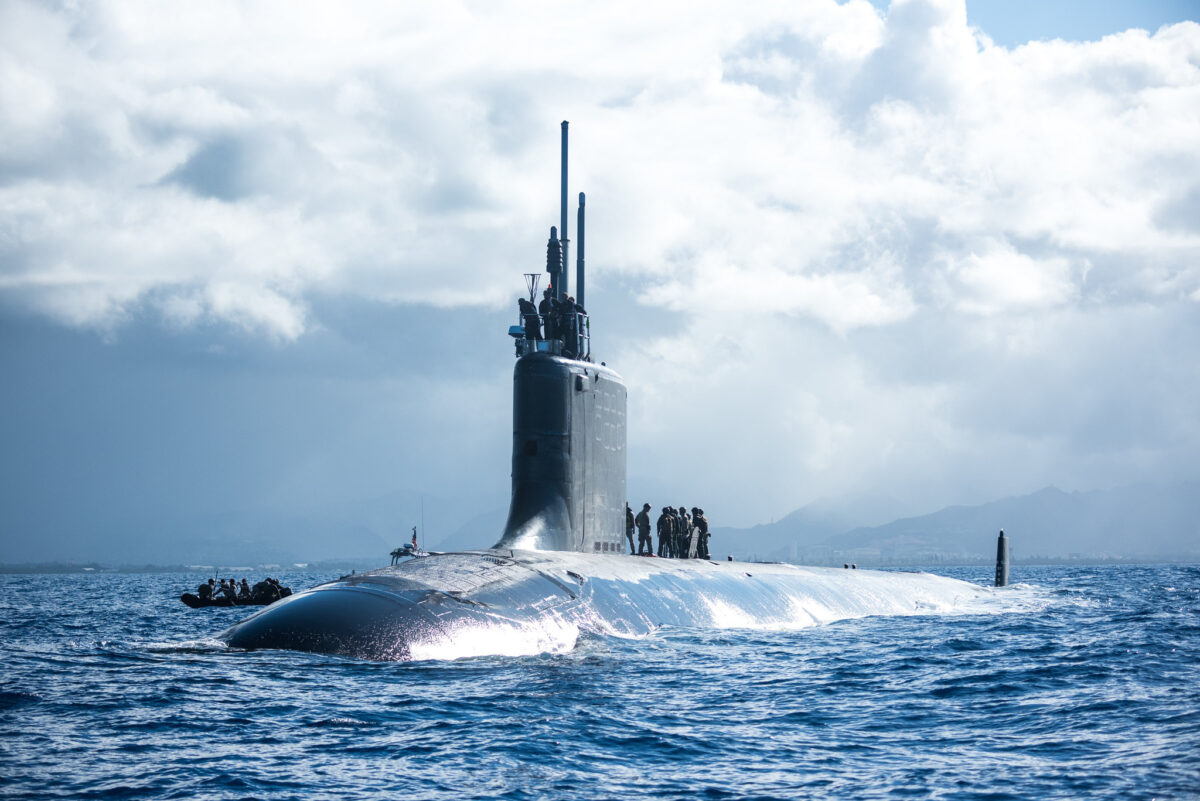
While battleships grabbed headlines, submarines quietly devastated Japan’s merchant fleet. American subs sank over 1,000 Japanese ships during the war, strangling the island nation’s access to oil, raw materials, and food.
The submarine base at Pearl Harbor, which survived the attack intact, served as headquarters for this campaign. Crews launched from Oahu to patrol waters around Japan, the Philippines, and Southeast Asia.
These undersea operations never generated the same public attention as carrier battles or Marine invasions, but they crippled Japan’s ability to sustain its war effort.
Survivors Carried the Memory for Decades
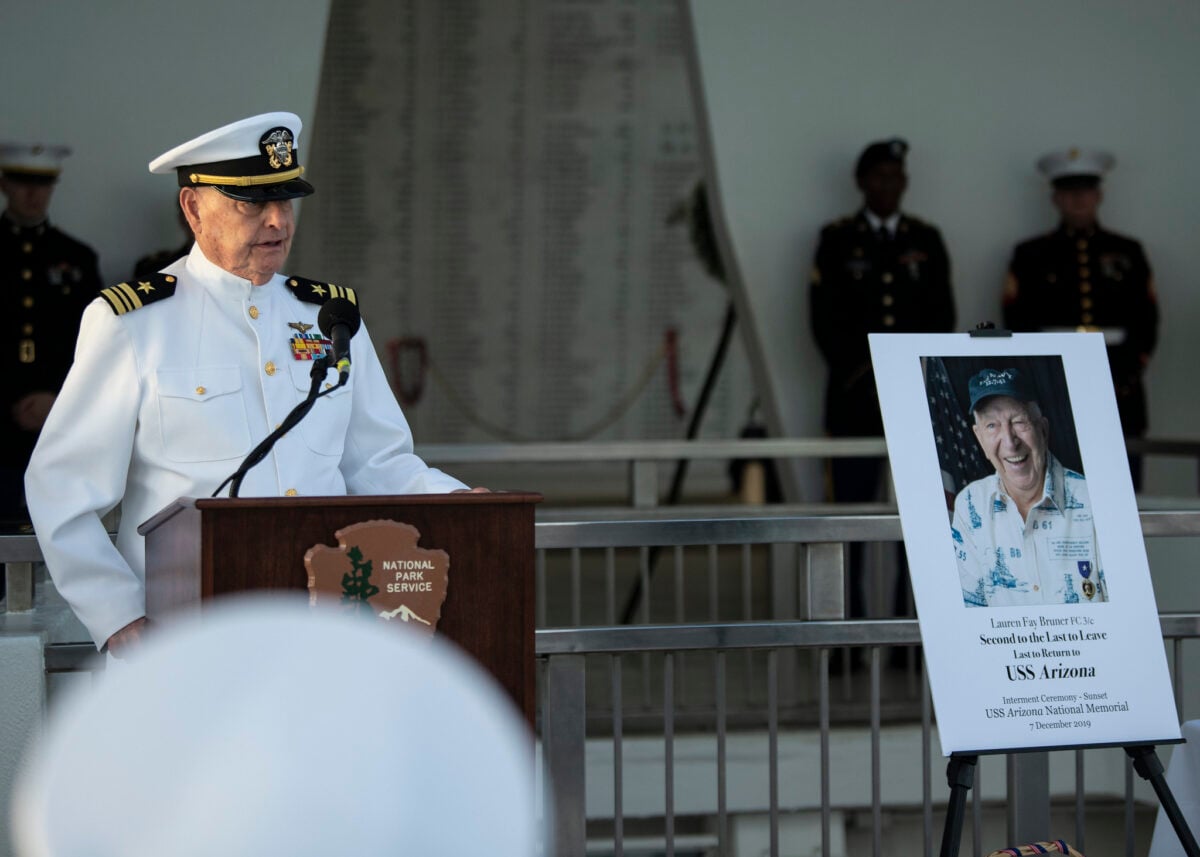
Men who lived through the attack struggled with what they saw. Some couldn’t talk about it for years. Others dedicated their lives to ensuring people remembered.
Lou Conter, one of the last surviving crew members of the Arizona, attended memorial ceremonies well into his nineties. Ray Emory, who survived the sinking of the cruiser Honolulu, spent decades identifying remains recovered from the harbor.
Survivors formed associations, met annually, and worked to preserve historical accuracy against myths and Hollywood dramatizations. As they aged, they worried about who would tell the story after they were gone.
Their firsthand accounts provided details that official records couldn’t capture—the sounds, the smells, the chaos, and the moments of courage they witnessed.
The Arizona Memorial Honors the Dead
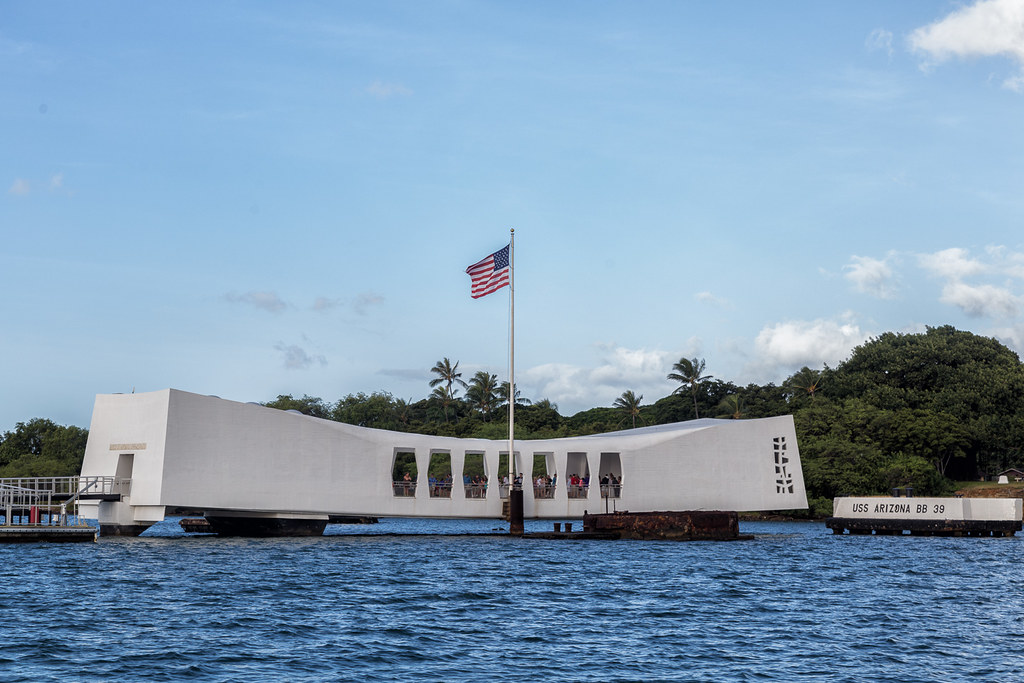
Below the surface, the wreck rests quiet while a narrow walkway floats overhead, not touching, giving sight right through to the broken deck under seawater. Rising slowly from below, drops of oil drift up – a glimmer older men sometimes call “Arizona’s weeping.”
It took years of pushing and planning before construction began, yet visitors finally stepped in by 1962. Each sailor gone that day had their name cut into rock there, all 1,177, fixed permanently after fire split the vessel wide open.
After peace came, when old crew members died far from here, many chose to come back, ashes slipped quietly into the sea near friends who stayed behind. Every twelve months, more than two million people show up, placing flowers on the calm water directly above what remains underneath.
Where History Settled Into the Harbor Bottom
That morning changed everything, even though the bombing was over before lunch. Instead of staying out, the country joined a global conflict – then found itself leading the world order.
Ships once ruled the seas; now planes decided who won wars. Mistakes made that day haunted offices where warnings were ignored or misunderstood.
A single morning shattered everything, back then. Out of confusion rose a generation forged by fire.
That day at Pearl Harbor whispers still – how fast peace vanishes, how readiness counts, what it costs to watch closely… yet more to look away.
More from Go2Tutors!

- The Romanov Crown Jewels and Their Tragic Fate
- 13 Historical Mysteries That Science Still Can’t Solve
- Famous Hoaxes That Fooled the World for Years
- 15 Child Stars with Tragic Adult Lives
- 16 Famous Jewelry Pieces in History
Like Go2Tutors’s content? Follow us on MSN.