Censored Historical Events Schools Refuse To Teach
History textbooks often present sanitized versions of the past, carefully edited to avoid controversy or discomfort. The messy, complicated, and sometimes shocking realities of human experience get filtered out, leaving students with an incomplete picture of how we arrived at the present moment.
What gets left behind are the stories that make people uncomfortable, challenge national myths, or reveal patterns of behavior that society would rather forget.
The Tulsa Race Massacre
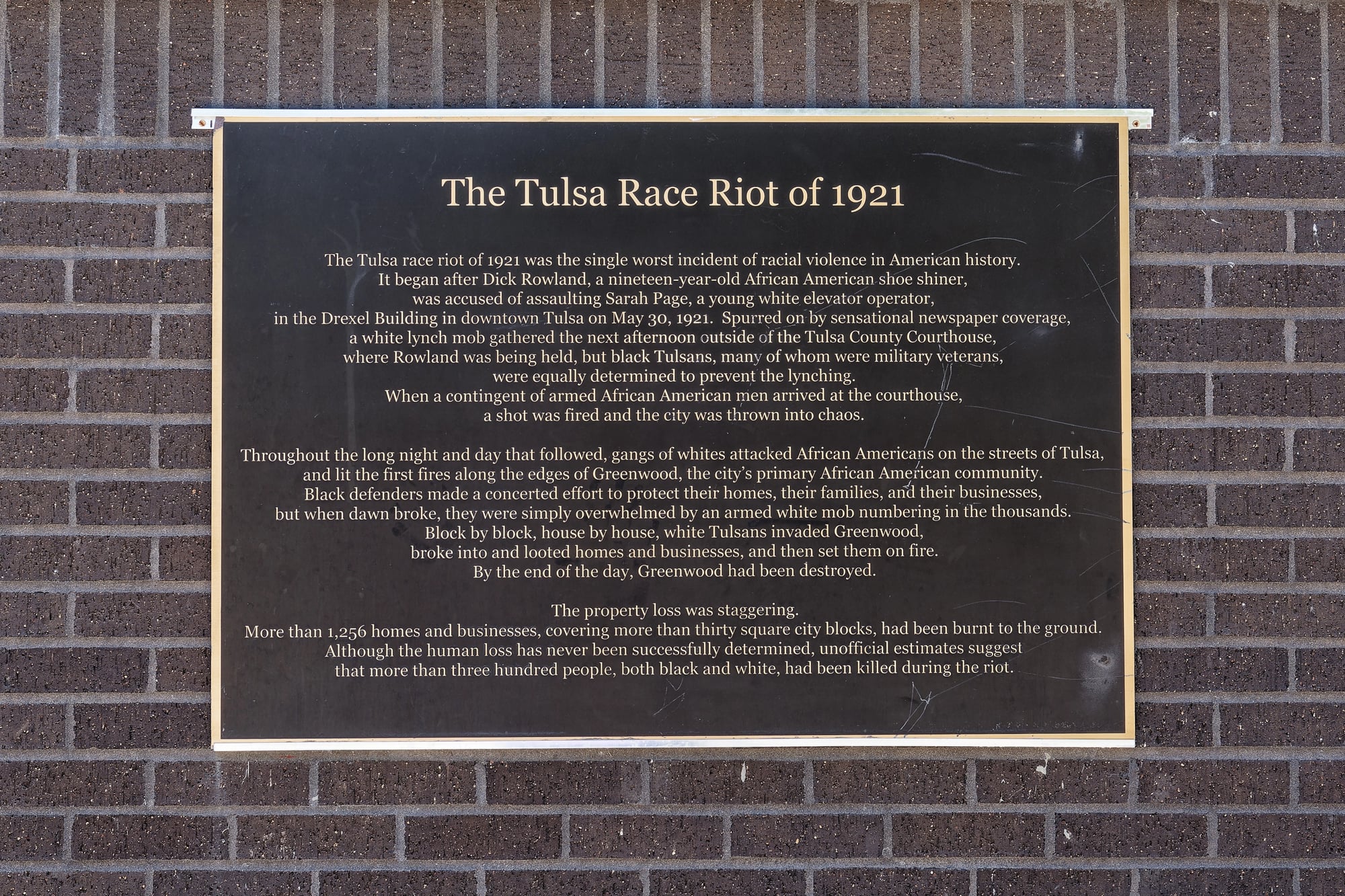
Entire city blocks burned. Planes dropped incendiary bombs on American citizens. The death toll reached into the hundreds, possibly more.
This wasn’t a foreign war zone — it was Tulsa, Oklahoma in 1921. The prosperous Greenwood District, known as Black Wall Street, was systematically destroyed by white mobs over the course of two days.
For decades afterward, the event was scrubbed from history books and public memory, as if collective amnesia could undo what happened.
Japanese American Incarceration Camps
Between 1942 and 1945, the United States government forcibly relocated over 120,000 people of Japanese ancestry — most of them American citizens — to remote detention facilities surrounded by barbed wire and armed guards.
Families lost their homes, businesses, and life savings, yet this massive violation of civil liberties gets reduced to a footnote, if it appears at all.
The camps were scattered across desolate areas of the American West, places deliberately chosen for their isolation and harsh conditions. And the psychological impact lasted generations.
The Philadelphia MOVE Bombing
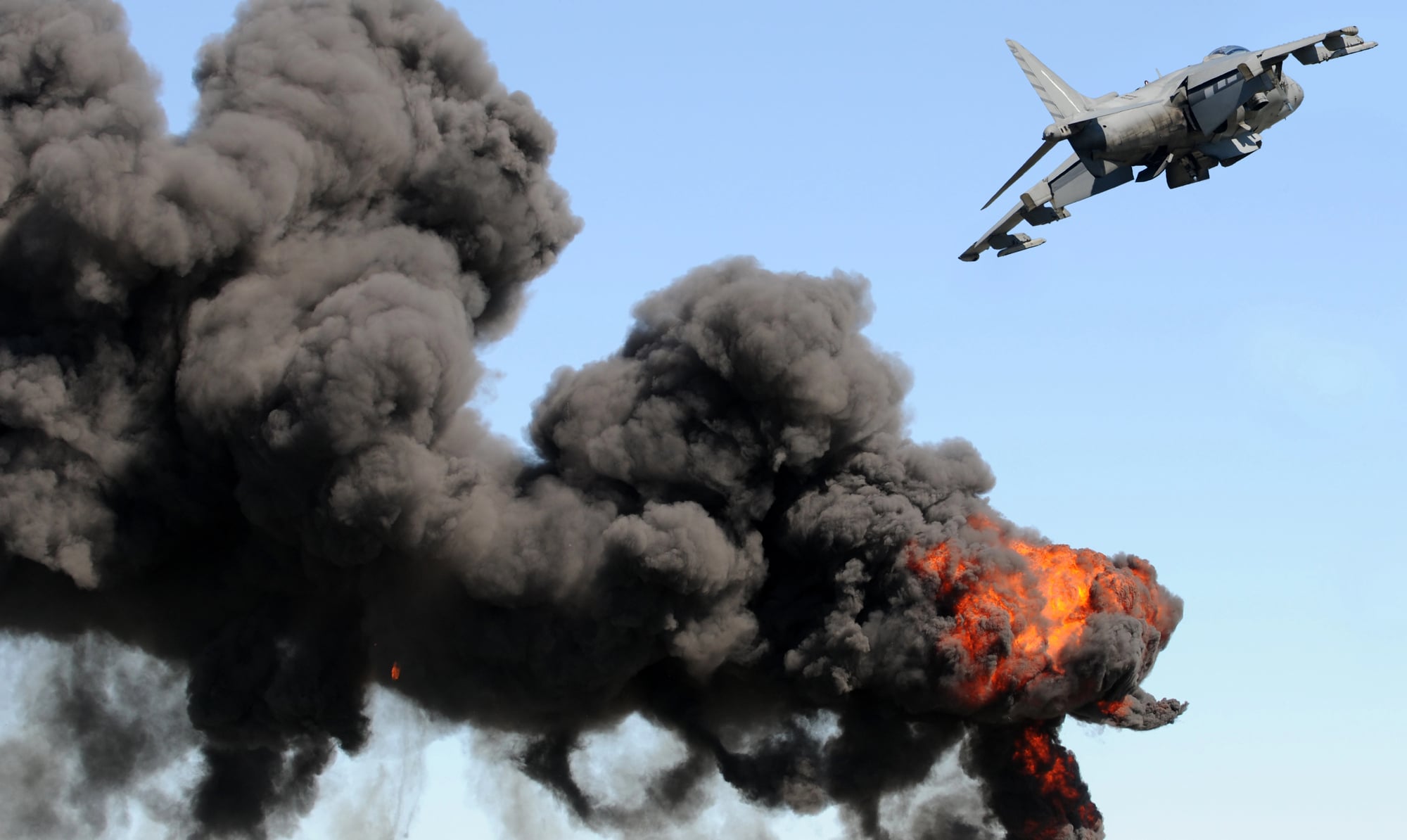
The year was 1985, not some distant historical period, and the target was a row house occupied by members of MOVE, a Black liberation group in Philadelphia.
A city government dropped a bomb from a helicopter onto a residential block. The bomb ignited a fire that destroyed 61 homes and killed 11 people, including five children.
The city let it burn. Entire families lost everything they owned because officials decided that avoiding a prolonged standoff justified turning a residential neighborhood into a war zone.
Medical Experiments On Unwilling Subjects

From 1932 to 1972, the U.S. Public Health Service conducted the Tuskegee Syphilis Study, deliberately withholding treatment from Black men in rural Alabama to observe the progression of untreated disease.
The men were told they were receiving free healthcare for “bad blood,” not that they were test subjects in a study that would watch them suffer and die. Even after penicillin was proven effective, researchers continued without treatment.
Wives contracted the disease, children were born with congenital syphilis, all while doctors took notes.
COINTELPRO And Government Surveillance

Between 1956 and 1971, the FBI ran a covert program designed to disrupt domestic political organizations through infiltration, psychological warfare, harassment, and extralegal violence.
The targets were civil rights leaders, antiwar activists, feminist organizations, and others deemed subversive. The program involved forged letters, infiltration, and reputational destruction.
In some cases, the harassment escalated to assassination, most notably the killing of Black Panther leader Fred Hampton.
The Wilmington Massacre Of 1898
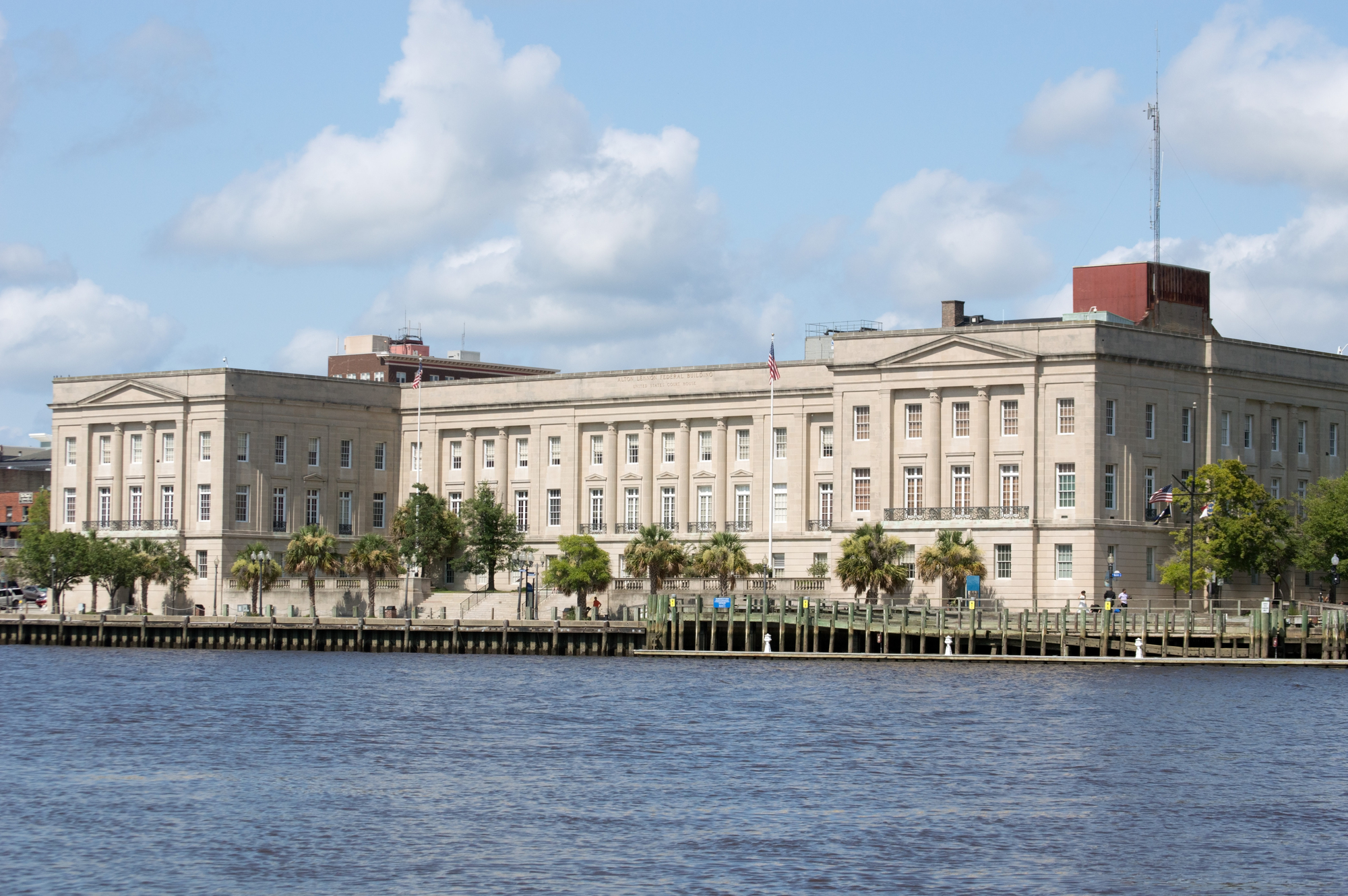
White supremacists launched a coordinated attack on Wilmington, North Carolina, overthrowing the city’s elected government, which included Black officials.
The coup began with the destruction of a Black-owned newspaper and escalated into street violence that left dozens dead. Records were deliberately destroyed, making the exact toll unknown.
The government was forced to resign at gunpoint and replaced with white supremacist leadership, and Black residents fled the city en masse.
Forced Sterilization Programs
The United States sterilized over 60,000 people deemed “unfit” to reproduce, disproportionately targeting poor, disabled, and minority populations.
Virginia’s Racial Integrity Act of 1924 became a model for similar laws and influenced Nazi Germany’s eugenics policies. Many victims were never informed.
The programs were legal, systematic, and supported by mainstream medical and academic institutions at the time.
The Bonus Army Massacre
In 1932, World War I veterans marched on Washington to demand early payment of promised bonuses. They set up camps and waited peacefully.
Instead, federal troops led by General Douglas MacArthur attacked the camps with tanks, tear gas, and bayonets. Shelters were burned and people were driven out.
Some veterans died and hundreds were injured, despite simply demanding compensation for military service.
CIA Drug Experiments On American Citizens

From the 1950s to the 1970s, the CIA ran MKUltra, a program involving LSD and other drugs tested on unwitting subjects.
Patients in psychiatric hospitals, prisoners, and civilians were given substances without consent. Some were exposed to extreme psychological experiments including sensory deprivation and electroshock.
Many suffered permanent psychological damage, and the program involved universities and hospitals across North America.
The Zoot Suit Riots

In 1943, white sailors and civilians in Los Angeles attacked Mexican American youth wearing zoot suits.
The violence lasted several days. Victims were dragged from homes, stripped, and beaten, while police often arrested victims instead of attackers.
The press framed it as a clothing-related disturbance rather than racial violence against American citizens.
Operation Wetback

In 1954, immigration enforcement raids targeted Mexican Americans across the Southwest.
Agents did not consistently distinguish between undocumented immigrants and U.S. citizens, leading to mass detentions and deportations. Families were split apart.
An estimated one million people were removed from the United States under harsh and often undocumented conditions.
The Trail Of Broken Treaties And Wounded Knee

In 1973, members of the American Indian Movement occupied Wounded Knee in South Dakota to protest treaty violations and federal neglect.
The 71-day standoff ended in armed conflict involving federal agents, armored vehicles, and military-style force.
Two Native Americans were killed, and the event highlighted long-standing grievances over broken treaties and civil rights abuses.
Remembering What Was Forgotten
These stories exist in the margins of official history, mentioned briefly if at all in standard educational curricula. They reveal patterns that make people uncomfortable: the use of state power against civilians, systemic discrimination, and long-term institutional harm.
Understanding these events provides context for modern civil rights protections and why trust in institutions varies across communities. The past shaped the present in ways that simplified narratives cannot fully capture.
More from Go2Tutors!

- The Romanov Crown Jewels and Their Tragic Fate
- 13 Historical Mysteries That Science Still Can’t Solve
- Famous Hoaxes That Fooled the World for Years
- 15 Child Stars with Tragic Adult Lives
- 16 Famous Jewelry Pieces in History
Like Go2Tutors’s content? Follow us on MSN.