17 Facts About the Deep Ocean That Will Keep You Awake at Night
The deep ocean covers more than 90% of our planet’s living space, yet it remains more mysterious than the surface of Mars. While astronauts orbit Earth and rovers traverse distant planets, the crushing darkness beneath our own seas holds secrets that challenge everything you think you know about life on this planet.
What lurks in those depths isn’t just unknown — it’s unknowable in ways that make the imagination run wild at 3 AM.
The Mariana Trench Could Swallow Mount Everest
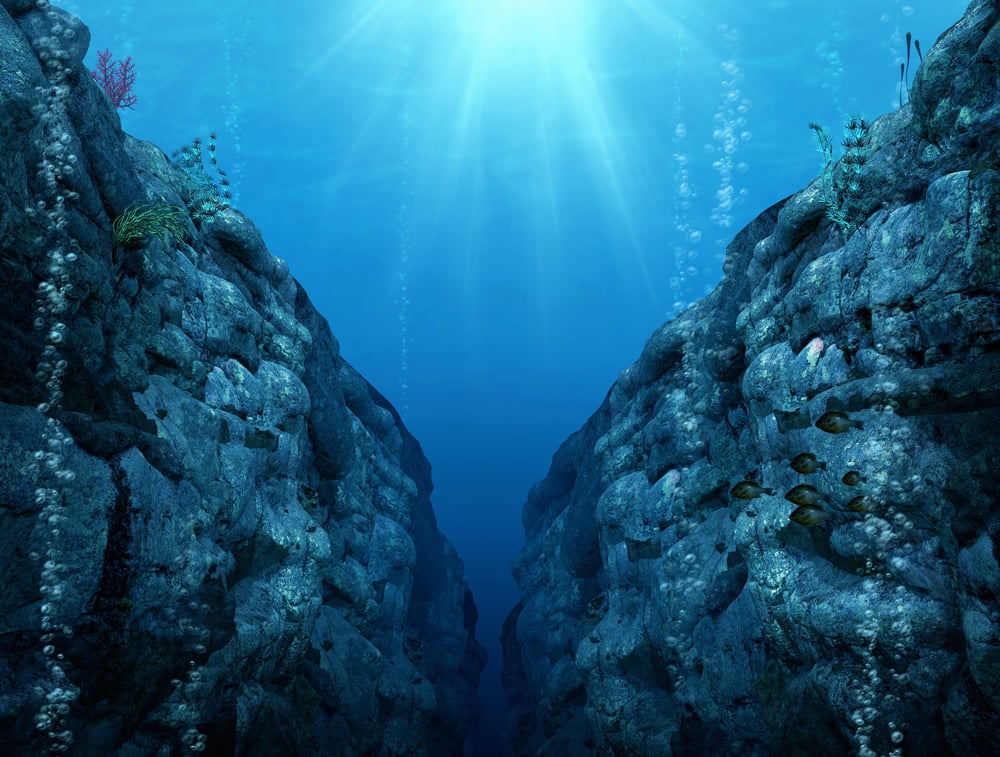
The deepest part of the ocean plunges down 36,200 feet. Drop Mount Everest into the Mariana Trench and its peak would still sit more than a mile underwater.
The pressure down there reaches 1,086 times what you feel at sea level — equivalent to having 50 jumbo jets stacked on top of every square meter of your body.
Most of the Ocean Floor Has Never Been Seen by Human Eyes
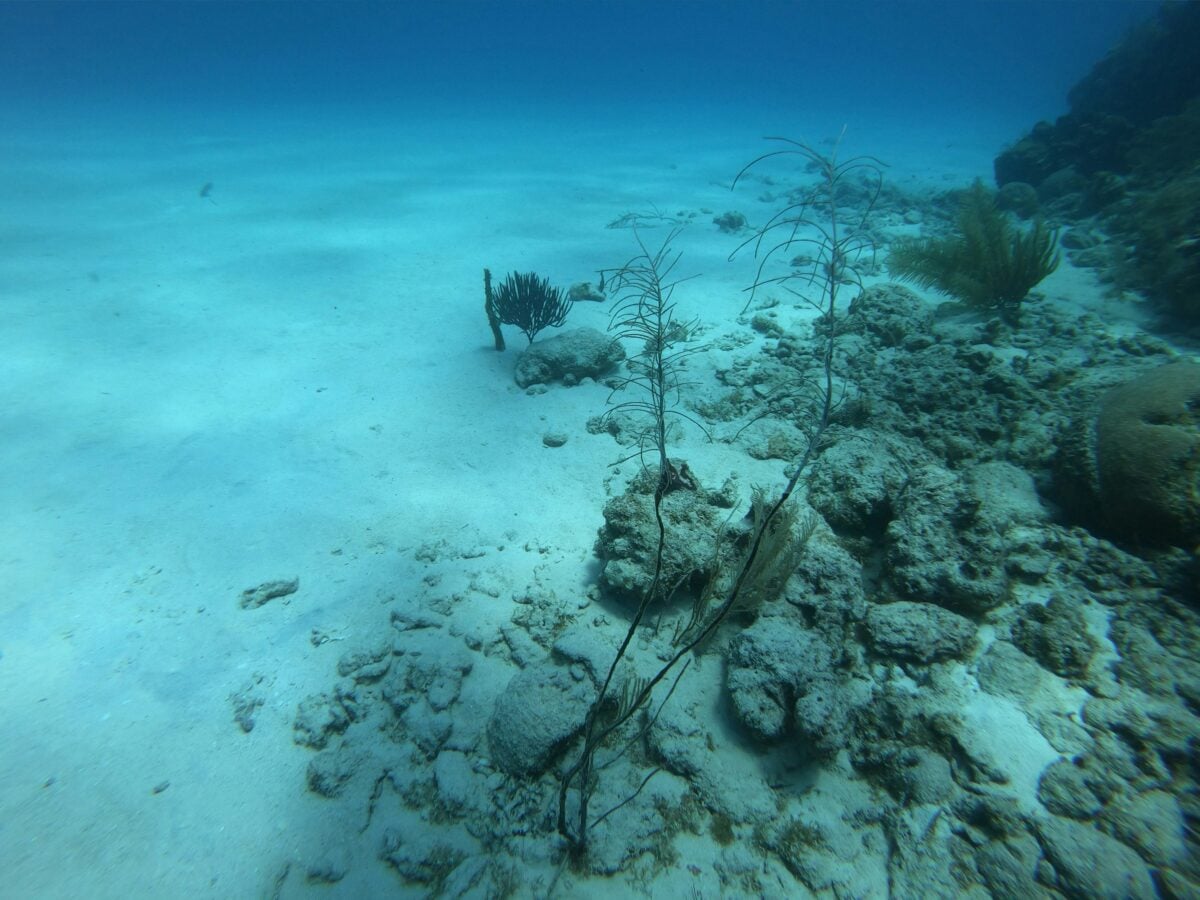
More than 80% of the ocean remains completely unmapped and unexplored. The seafloor could hide mountain ranges, valleys, and entire ecosystems that no human has ever witnessed.
Every deep-sea expedition discovers new species, new geological features, and new mysteries that rewrite what scientists thought they knew about our planet.
Brine Pools Are Underwater Lakes of Death
Picture this: you’re swimming through the ocean depths when you encounter what looks like a perfectly still lake sitting on the seafloor, complete with its own shoreline and surface (which is actually a dense layer of hydrogen sulfide and methane that’s so toxic it kills most marine life that touches it). These underwater lakes exist because the brine is so much denser than regular seawater that it settles into depressions and behaves like a separate body of water — and the boundary between the two is so distinct you can see it clearly, like some fever dream where physics has gone sideways.
The strangest part isn’t that these toxic death pools exist, but that some creatures have evolved to live right at the edges, feeding on whatever stumbles into the lethal brine and dies.
The Deep Ocean Is Full of Sounds No One Can Explain
Hydrophones have picked up sounds from the deep that defy explanation. The Bloop, recorded in 1997, was so loud it was detected by sensors thousands of miles apart.
Scientists eventually attributed it to ice movement, but dozens of other mysterious sounds continue to emerge from the depths. Some repeat in patterns that suggest intelligence, others seem to respond to human activity.
Giant Tube Worms Grow Without Sunlight
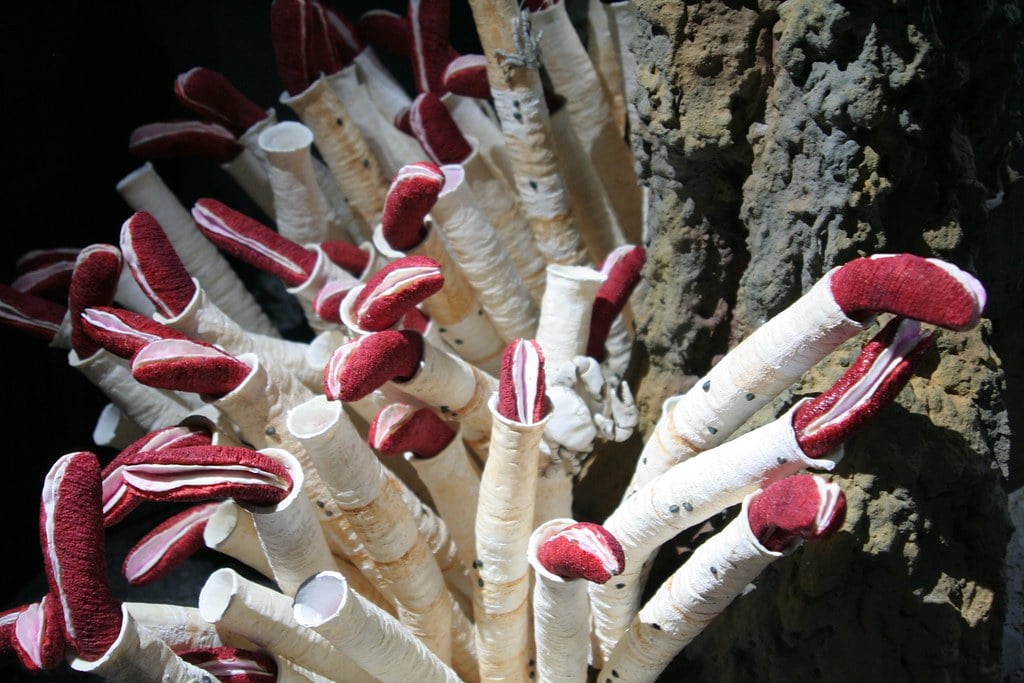
Near hydrothermal vents, tube worms grow up to eight feet long in complete darkness. They have no mouth, no stomach, and no way to process food as you understand it.
Instead, bacteria living inside their bodies convert toxic chemicals from the vents into energy. These creatures prove that life finds ways to exist that shouldn’t be possible according to everything humans thought they knew about biology.
The Ocean Contains Underwater Waterfalls
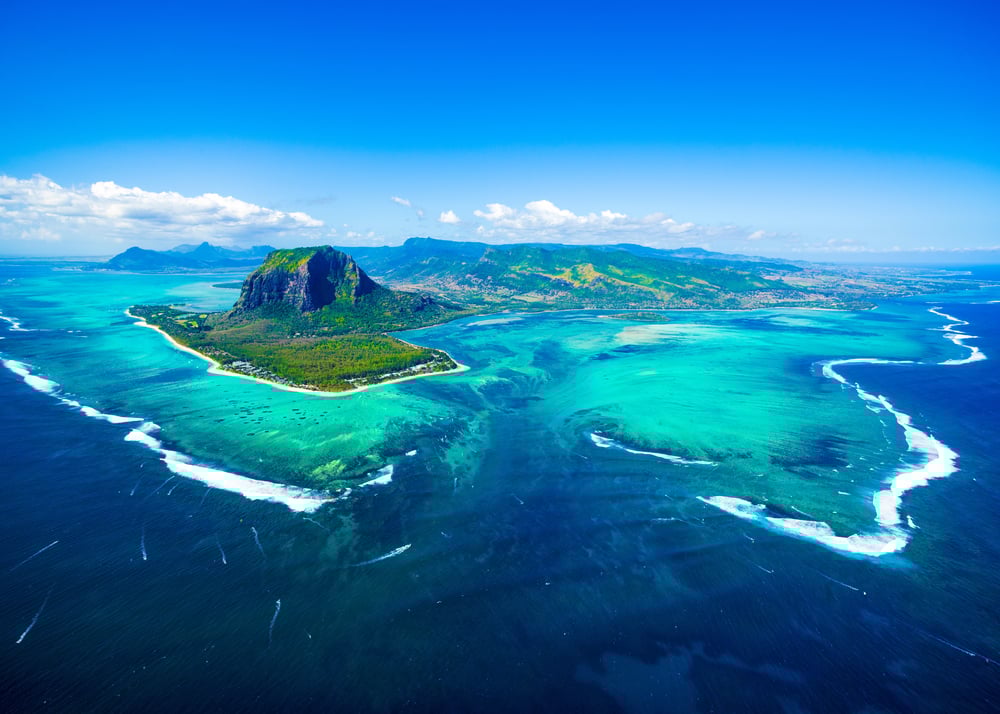
There are waterfalls in the ocean that dwarf anything on land — and you’d never see them coming because they’re made of water falling through water (the Denmark Strait cataract drops cold, dense water 11,500 feet down through warmer water above it, carrying 175 million cubic feet of water per second, which makes Niagara Falls look like a dripping faucet by comparison). These invisible waterfalls occur when water of different temperatures and densities meet, creating underwater rivers and cascades that flow along the ocean floor with enough force to carve canyons and move sediment across continents.
So while you’re floating on the surface, massive waterfalls could be thundering beneath your feet and you’d never know.
Creatures Down There Live for Centuries
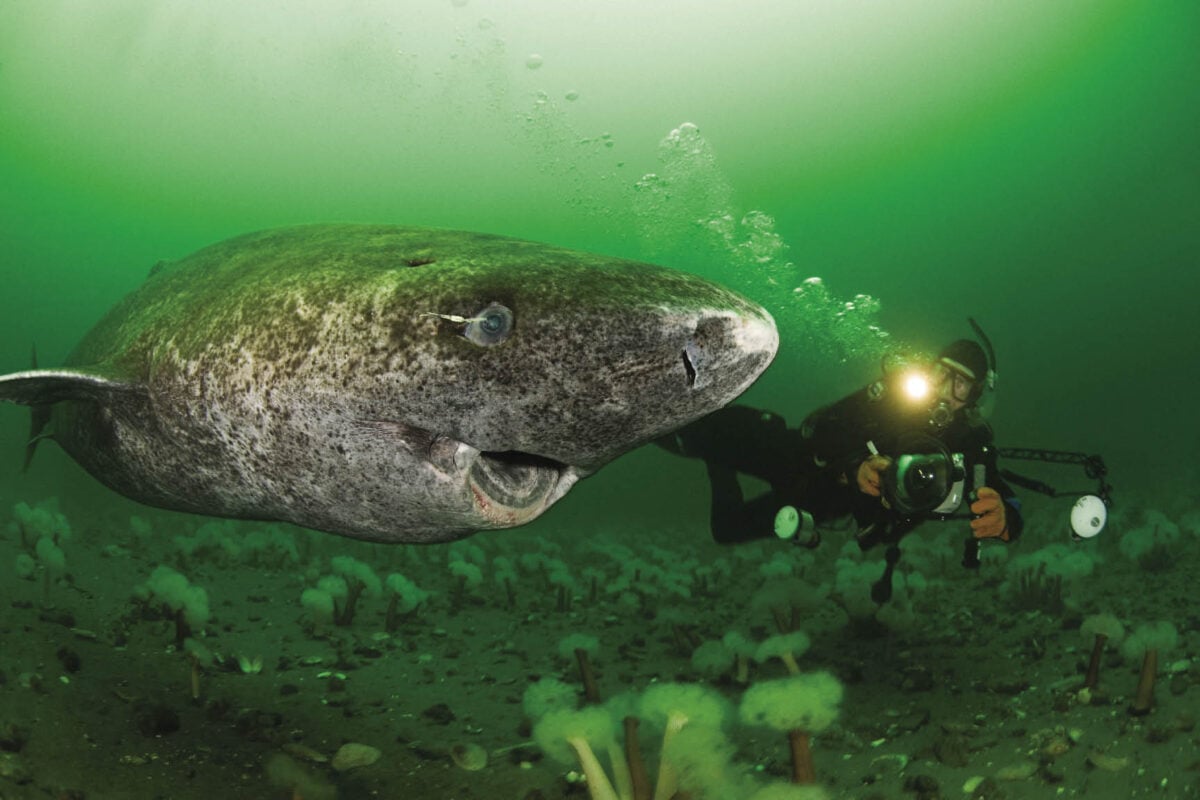
Some deep-sea creatures have lifespans that make human existence look like a brief flicker. Greenland sharks can live over 400 years, meaning some swimming today were alive before the American Revolution.
Deep-sea clams and tube worms can live for centuries, growing slowly in the eternal darkness while entire civilizations rise and fall above them.
The Deep Ocean Has Its Own Weather Systems
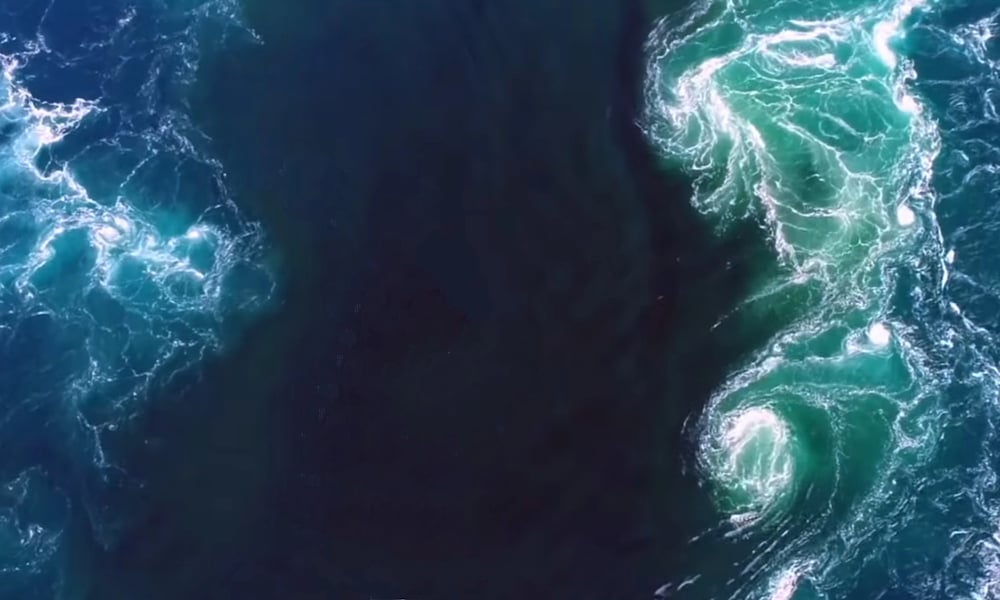
Underwater storms rage through the depths with currents that can reach 25 miles per hour. These “benthic storms” can last for months, stirring up sediment and creating underwater dust clouds that stretch for hundreds of miles.
The deep ocean has seasons, weather patterns, and climate systems completely separate from anything happening at the surface.
Most Deep-Sea Creatures Create Their Own Light
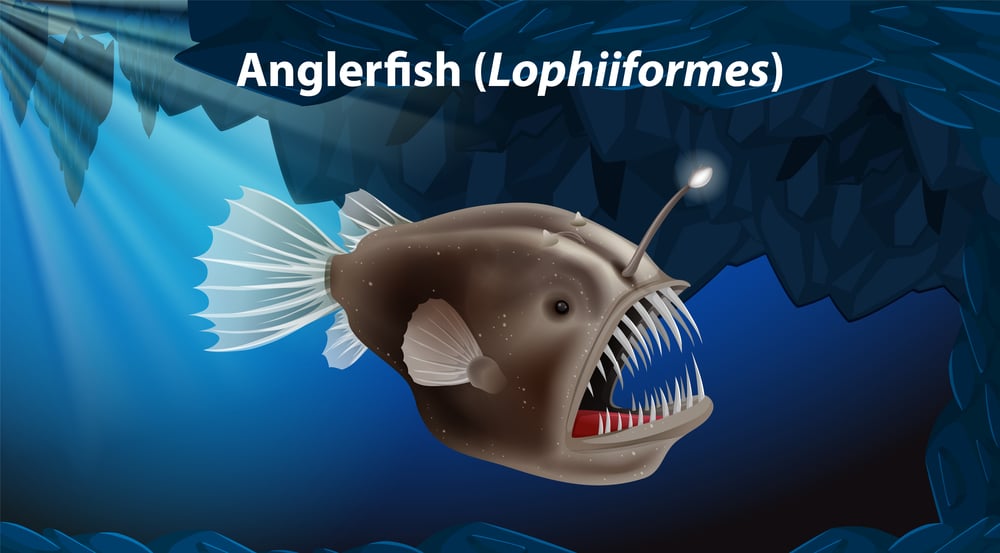
In the permanent darkness below 3,300 feet, bioluminescence becomes the primary form of communication. Creatures flash, pulse, and glow in patterns that serve as mating calls, warnings, and hunting tools.
Some fish use light as a weapon, creating blinding flashes to stun prey. Others disguise themselves with complex light patterns that make them invisible to predators swimming below.
The Ocean Floor Is Covered in Unexplained Pits

Perfectly round pits, arranged in straight lines, appear across the deep ocean floor with no explanation for how they formed (and before anyone suggests it, the spacing and precision rule out most known geological processes, while the patterns are too regular to be random). These pits appear in sediment thousands of feet underwater, sometimes stretching for miles in geometric arrangements that suggest… what, exactly? Marine biologists have documented them, measured them, and photographed them, but cannot explain what creates such precise patterns in the middle of nowhere.
And the pits are always empty — no creatures living inside, no obvious signs of what made them.
Water Down There Hasn’t Seen the Surface in Thousands of Years
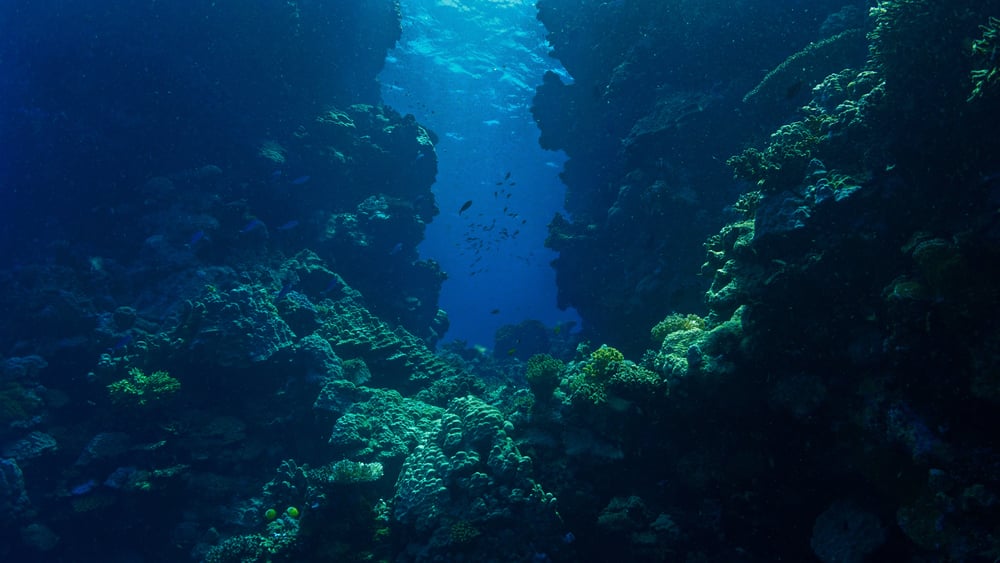
Deep ocean water moves in slow-motion currents that take centuries to complete a single circulation cycle. Some water in the deepest trenches hasn’t been at the surface since before recorded human history began.
This ancient water carries chemical signatures from different eras of Earth’s climate, making the deep ocean a liquid time capsule.
The Pressure Would Kill You Before You Could Drown
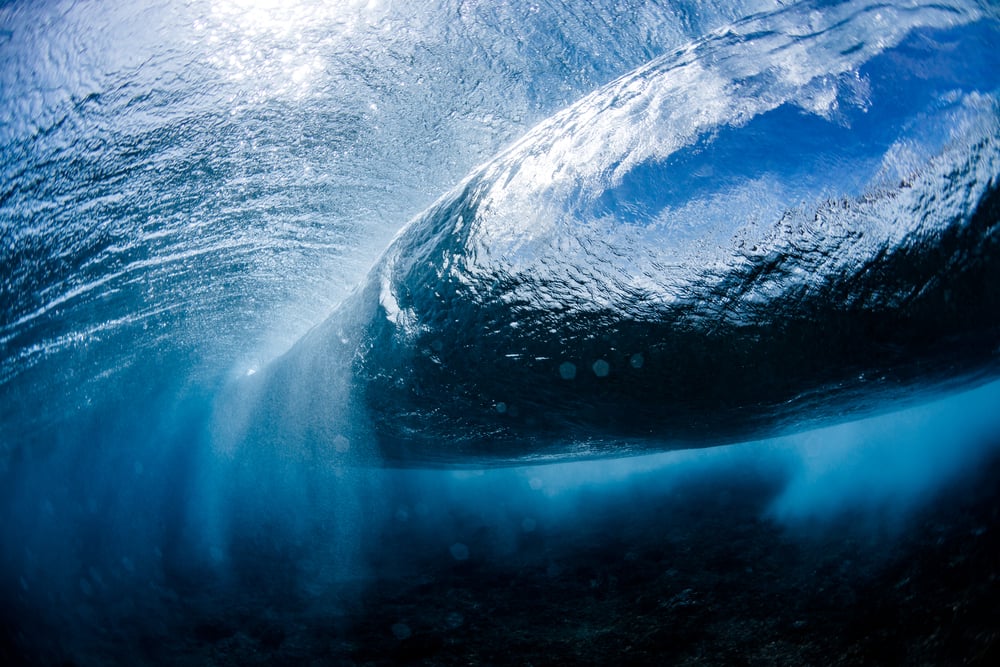
At depths beyond 1,000 feet, the pressure becomes so intense that it would compress your body instantly. Your lungs would collapse, your ribcage would cave in, and nitrogen bubbles would form in your blood.
The human body simply cannot exist at those depths without protection — the ocean depths are as hostile to human life as the vacuum of space.
Some Deep-Sea Creatures Are Immortal
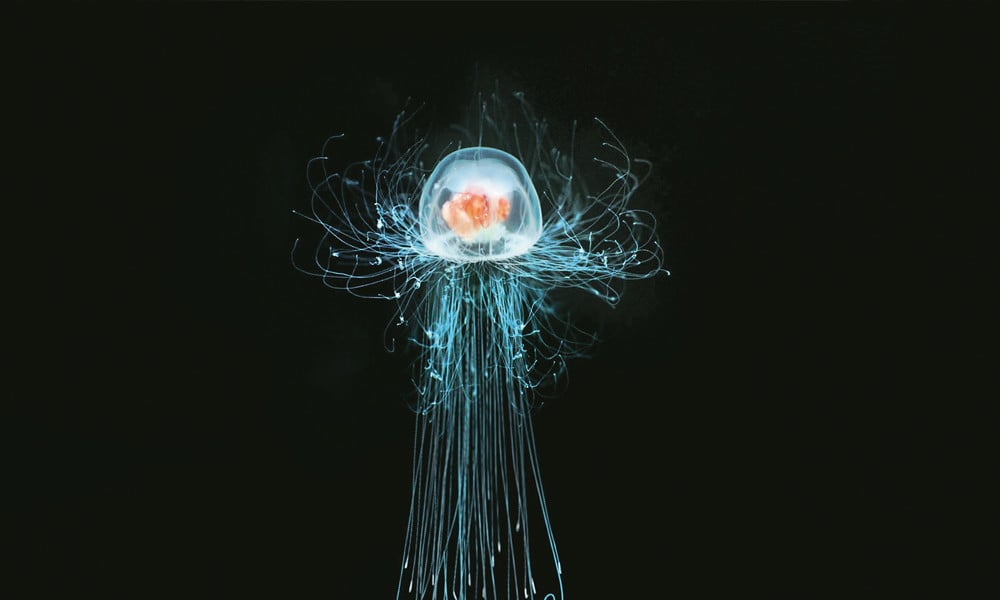
Certain jellyfish species found in the deep ocean can reverse their aging process and return to their juvenile state when threatened or stressed. Turritopsis dohrnii, known as the immortal jellyfish, essentially restarts its life cycle rather than dying.
These creatures could theoretically live forever, cycling between adult and juvenile forms for eternity.
The Deep Ocean Contains Massive Underwater Rivers
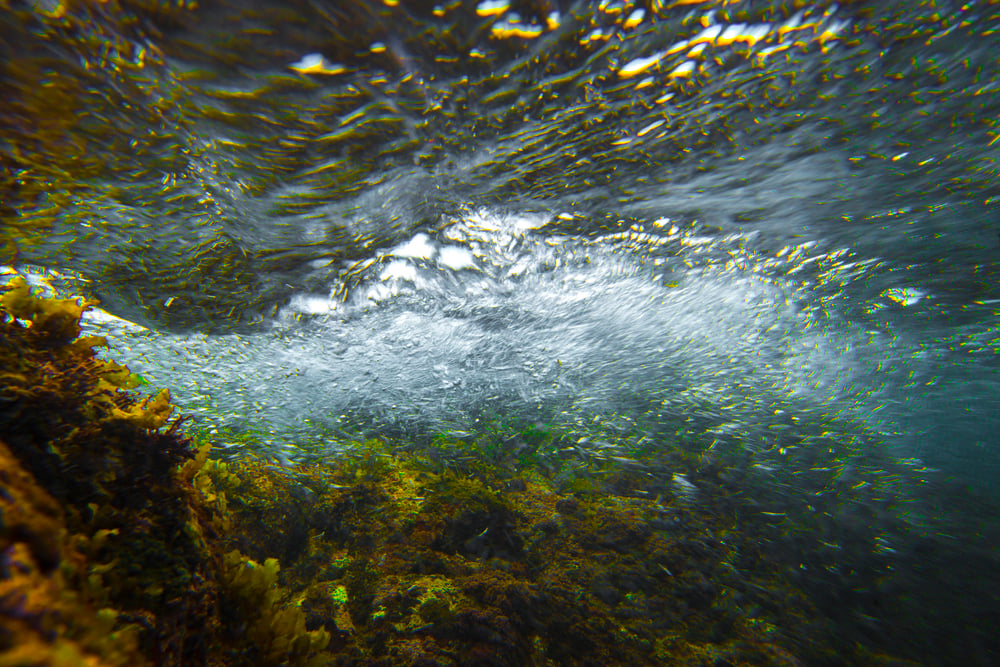
Rivers of dense, cold water flow along the ocean floor like underground streams, complete with banks, channels, and tributaries. The largest of these underwater rivers carries more water than all the rivers on Earth combined.
These currents transport nutrients, sediment, and creatures across ocean basins in patterns that influence global climate.
Sounds Travel Differently in the Deep
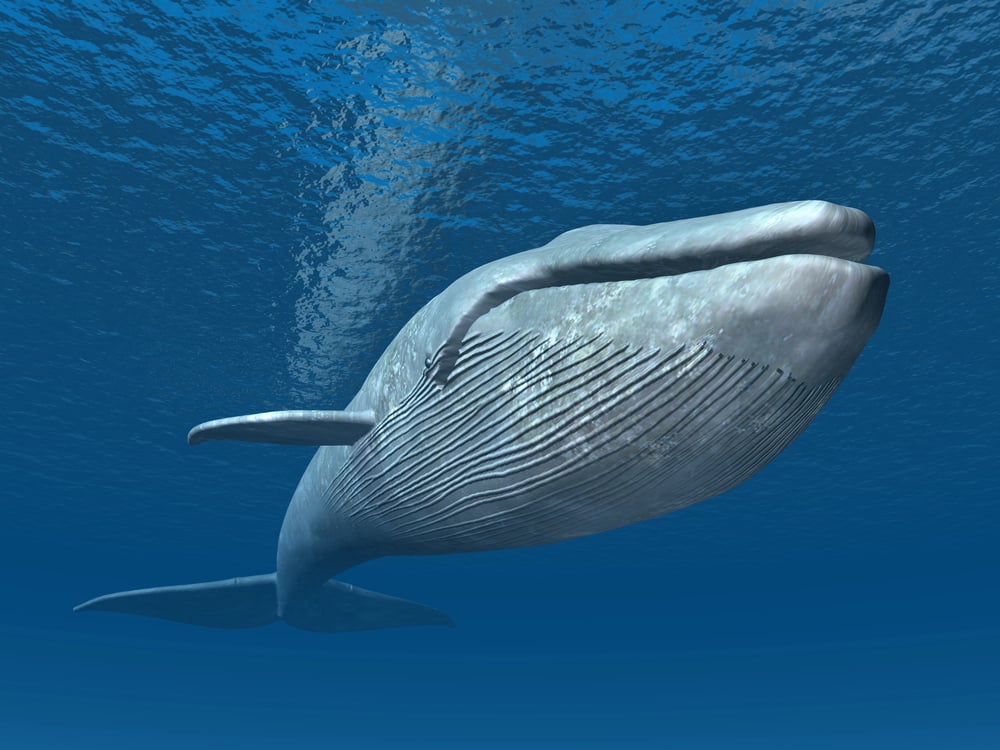
The deep ocean creates acoustic channels where sounds can travel for thousands of miles without losing intensity. Whale songs recorded in the Pacific have been detected across entire ocean basins.
Some scientists believe large marine animals use these natural sound channels to communicate across continents, creating a global underwater communication network.
There Are Underwater Lakes of Liquid Carbon Dioxide

At certain depths and temperatures, carbon dioxide becomes so compressed it forms liquid pools on the seafloor. These CO2 lakes are denser than seawater and create underwater environments unlike anywhere else on Earth.
Fish can swim through the liquid carbon dioxide, and some creatures have adapted to live in these extremely acidic conditions.
Entire Mountain Ranges Remain Undiscovered
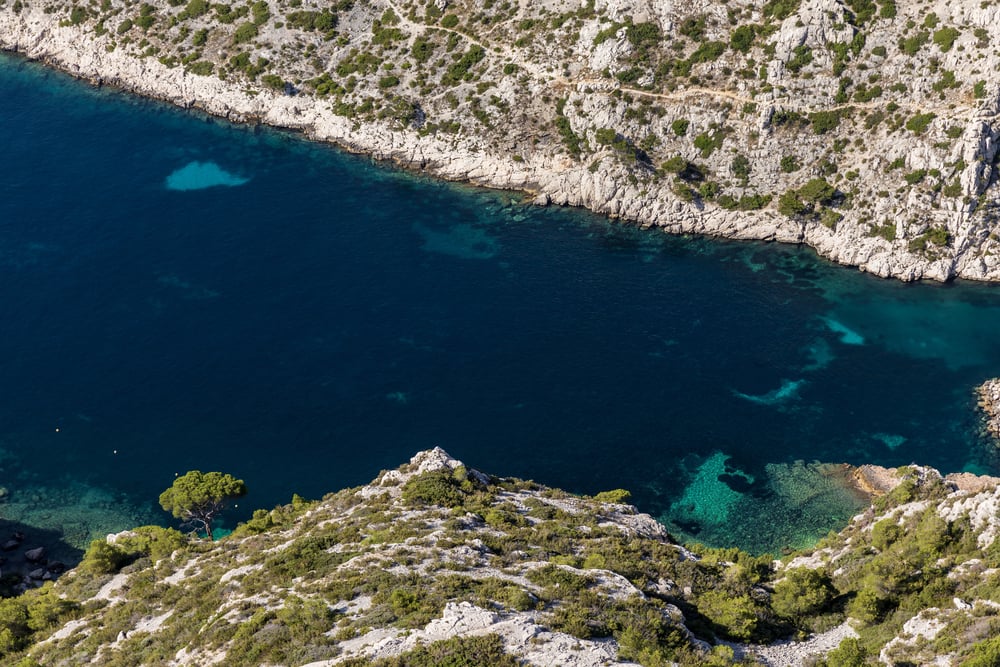
The ocean floor contains mountain ranges larger than the Himalayas that appear on no map. Seamounts — underwater mountains — rise thousands of feet from the ocean floor, creating unique ecosystems around their peaks.
Each seamount hosts its own collection of endemic species found nowhere else on Earth. Scientists estimate there could be 100,000 seamounts worldwide, with fewer than 5,000 explored.
When the Lights Go Out

The deep ocean holds more secrets than discoveries, more questions than answers. Every expedition to the depths reveals that what lies beneath isn’t just unknown — it’s actively unknowable with current technology and understanding.
While you sleep safely on dry land, creatures older than nations glide through underwater storms in the permanent darkness below, following currents that have flowed for millennia, creating sounds that travel across continents, living in ways that shouldn’t be possible. The ocean keeps its secrets well, releasing just enough mysteries to remind us how little we truly know about our own planet.
More from Go2Tutors!

- The Romanov Crown Jewels and Their Tragic Fate
- 13 Historical Mysteries That Science Still Can’t Solve
- Famous Hoaxes That Fooled the World for Years
- 15 Child Stars with Tragic Adult Lives
- 16 Famous Jewelry Pieces in History
Like Go2Tutors’s content? Follow us on MSN.



