Countries That Span the Most Time Zones
Geography lessons taught most of us that time zones follow neat lines across maps. But reality plays out differently.
Some countries stretch across so many zones that coordinating a simple phone call between territories requires serious planning. The distribution of time zones across nations reveals surprising patterns that have little to do with size and everything to do with history.
France: The Unexpected Leader

France tops the list with 12 time zones spanning the globe. This surprises anyone expecting Russia or the United States to hold the record.
Metropolitan France itself occupies just one time zone in Central Europe, but the country’s overseas territories scatter across every ocean on Earth. French Polynesia sits at UTC-10, making it one of the last places to welcome each new year.
Move east and you find French Guiana at UTC-3, then the mainland at UTC+1, continuing to Reunion Island at UTC+4, and reaching New Caledonia at UTC+11. Wallis and Futuna claim UTC+12, positioning them among the first territories to see each new day.
These territories represent remnants of the French Empire that once controlled over 3.9 million square kilometers. While that empire shrank dramatically, France maintained control over islands and departments that keep the tricolor flag flying across multiple time zones.
When daylight saving time kicks in for Saint Pierre and Miquelon, the count reaches 13 zones.
Russia: Continental Champion

Russia spans 11 time zones from Kaliningrad in the west to Kamchatka in the far east. Unlike France, Russia achieves this through sheer continental mass rather than scattered islands.
The country stretches 6.6 million square miles, making it the largest nation on Earth by land area. Ten of Russia’s time zones exist on contiguous territory. Only Kaliningrad, wedged between Lithuania and Poland, breaks the pattern as a separated exclave over 200 miles from the mainland.
This creates the world’s largest continuous time zone span within a single country. Moscow Time governs most of European Russia at UTC+3.
Travel east and you pass through zones covering Siberia’s vast expanses until reaching Kamchatka Time at UTC+12. The sun rises in Russia’s far east while western regions still sleep in darkness.
United States: Island Empire

The United States matches Russia with 11 time zones, though it takes a different approach. The continental United States uses four zones: Eastern, Central, Mountain, and Pacific.
Alaska adds a fifth, and Hawaii contributes a sixth. The remaining five zones come from Pacific island territories.
Baker Island and Howland Island sit at UTC-12, while Wake Island occupies UTC+12. These islands position American territory near both ends of the global time spectrum.
Puerto Rico, Guam, and American Samoa add their own zones to the mix. The US never became known as a colonial empire despite acquiring these territories during the past century.
Hawaii was an independent kingdom before annexation. Guam and Puerto Rico came under US control after the Spanish-American War.
These acquisitions created a time zone network spanning from the Atlantic to deep into the Pacific.
United Kingdom: Colonial Legacy
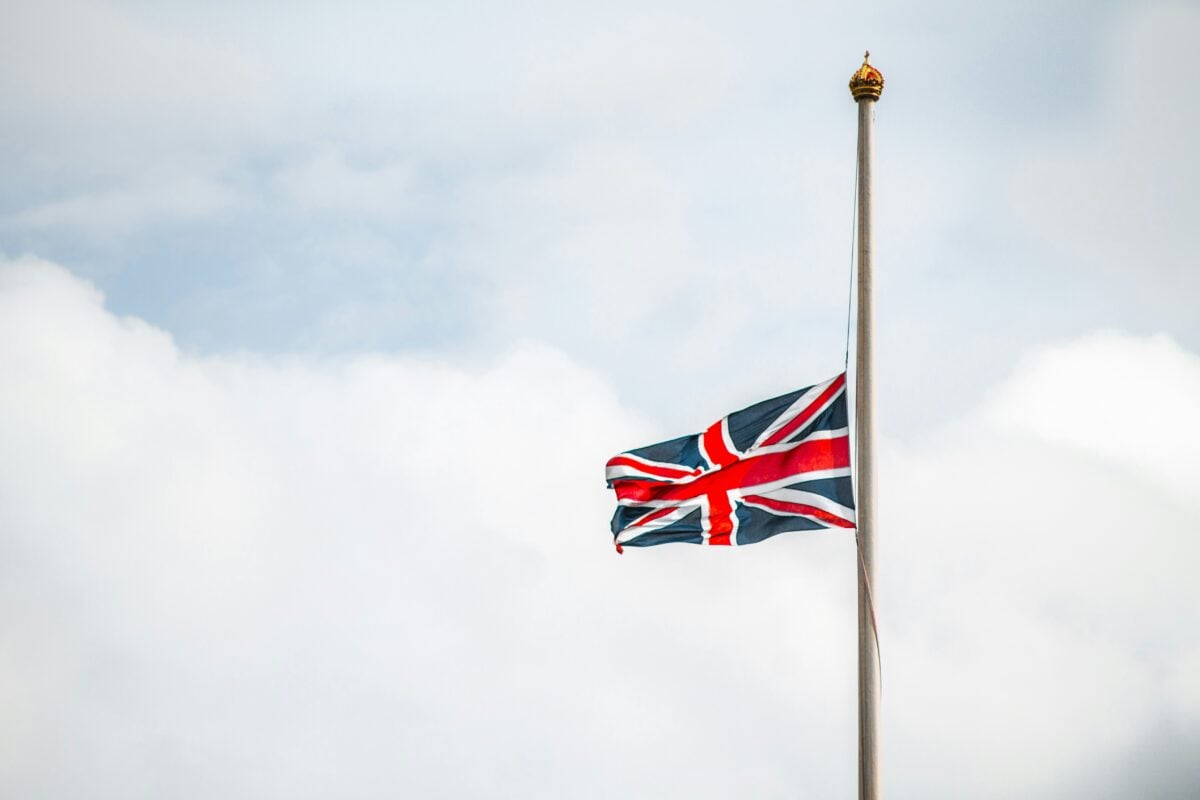
The United Kingdom maintains nine time zones through its overseas territories. Britain itself uses one zone at UTC+0, setting the baseline for global timekeeping through Greenwich Mean Time.
The empire’s former reach ensures British territories still dot the map from the Caribbean to the Pacific. The British Virgin Islands operate at UTC-4, while the Falkland Islands use UTC-3.
Moving east, the British Indian Ocean Territory sits at UTC+6, and the Pitcairn Islands occupy UTC-8. These scattered holdings keep the British administration active across multiple time zones despite the empire’s dissolution.
Britain’s time zone count would be higher if you included territories claimed in Antarctica. The British Antarctic Territory adds another zone, though international treaties complicate sovereignty claims on the frozen continent.
Australia: Island Continent

Australia manages nine time zones when you include its external territories. The mainland uses three zones with half-hour offsets that create additional complexity. Australian Western Standard Time sits at UTC+8, Central Standard Time at UTC+9:30, and Eastern Standard Time at UTC+10.
Christmas Island operates at UTC+7, while the Cocos Islands use UTC+6:30. Norfolk Island follows UTC+11. These territories extend Australian administration beyond the continent into the Indian and Pacific Oceans.
The half-hour offsets make scheduling even more complicated than standard hour differences. Daylight saving time adds another layer of confusion.
Some states observe it while others refuse, creating temporary additional zones during summer months. Queensland rejects daylight saving while New South Wales embraces it, meaning border towns face constant time adjustments.
Canada: Coast to Coast

Canada stretches across six time zones from the Atlantic to the Pacific. The country’s width spans 5,514 kilometers, creating significant time differences between eastern and western provinces.
When people in Newfoundland eat lunch, British Columbians are just starting their workdays. Newfoundland Time uses a unique UTC-3:30 offset, one of the few half-hour zones in the Western Hemisphere.
Atlantic Time covers the Maritime provinces at UTC-4, while Eastern Time governs Ontario and Quebec at UTC-5. Central Time reaches into the prairies at UTC-6, followed by Mountain Time at UTC-7 and Pacific Time at UTC-8.
Unlike many countries on this list, Canada achieves its time zone count entirely through domestic territory. No overseas possessions contribute to the total.
The zones exist purely because of the country’s massive east-west span.
Denmark: Greenland’s Gift

Denmark controls five time zones despite being a relatively small European nation. The secret lies in Greenland, the world’s largest island, which spans from UTC-4 to UTC-1 depending on the region.
The Faroe Islands add UTC+0 to Denmark’s collection. Greenland’s massive size creates three separate zones across the island.
The eastern coast sits three hours ahead of the western settlements. This matters little given Greenland’s tiny population of around 56,000 people, but it technically expands Denmark’s temporal reach significantly.
Denmark proper uses Central European Time at UTC+1, placing it in the same zone as most of Western Europe. The contrast between compact Denmark and sprawling Greenland shows how autonomous territories dramatically affect a country’s time zone count.
New Zealand: Pacific Reach

New Zealand operates five time zones when you include its island dependencies. The main islands use UTC+12 during standard time, shifting to UTC+13 for daylight saving.
This places New Zealand among the first inhabited places to greet each new day. The Cook Islands sit at UTC-10, creating a 22-hour difference from mainland New Zealand during certain times of the year. Niue follows UTC-11, while Tokelau uses UTC+13.
The Chatham Islands maintain UTC+12:45, one of the world’s few 45-minute offset zones. These scattered Pacific territories extend New Zealand’s influence across vast ocean expanses.
The Cook Islands and Niue govern themselves in free association with New Zealand, maintaining their own time zones while benefiting from New Zealand citizenship and defense.
Brazil: Continental Variations
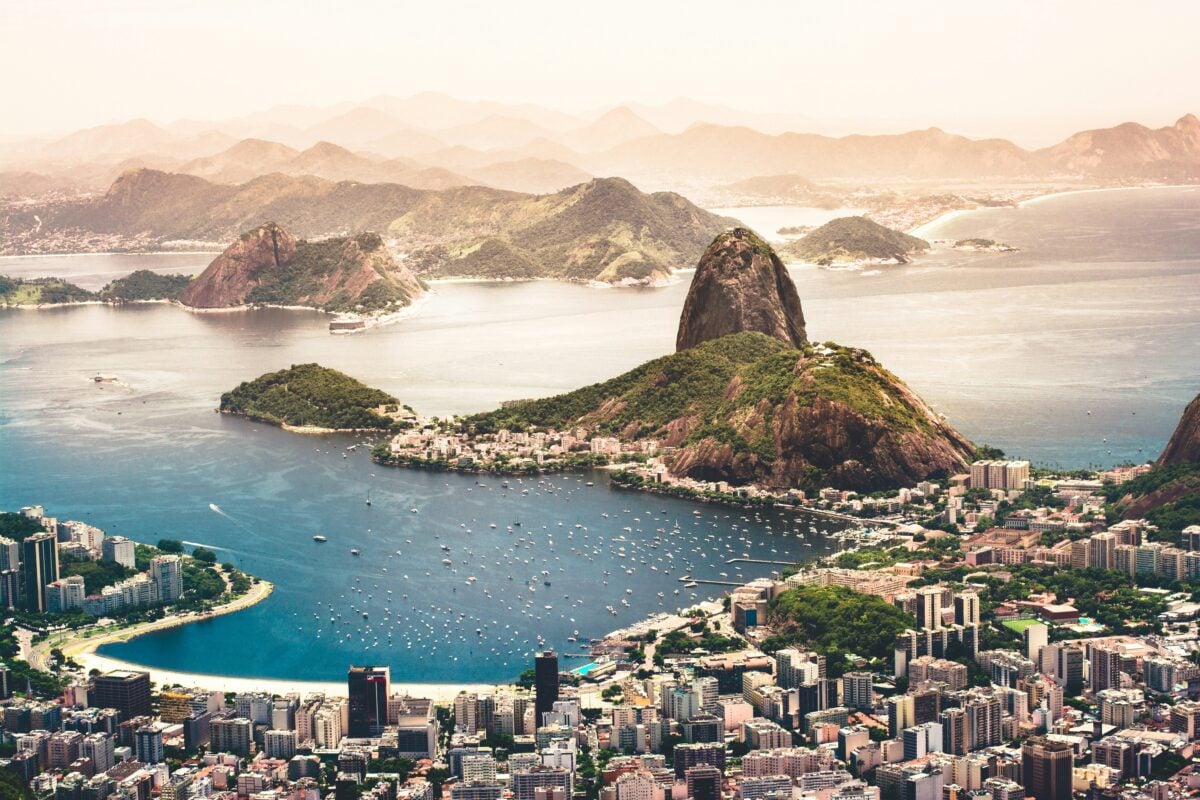
Brazil spans four time zones across its massive South American territory. As the largest country in South America, Brazil stretches from the Atlantic coast deep into the Amazon basin.
Most of the country follows Brasilia Time at UTC-3, but western states and the Fernando de Noronha archipelago use different zones.
Acre and parts of Amazonas operate at UTC-5, creating a two-hour difference from the capital. The Atlantic islands follow UTC-2 during part of the year.
These zones reflect Brazil’s continental scale and the practical need to align local time with solar position. Brazil abolished daylight saving time in 2019 after years of debate about its usefulness.
The decision simplified timekeeping but didn’t change the country’s four base time zones. Amazon communities argued that daylight saving made little sense near the equator where day length varies minimally.
Mexico: North-South Spread
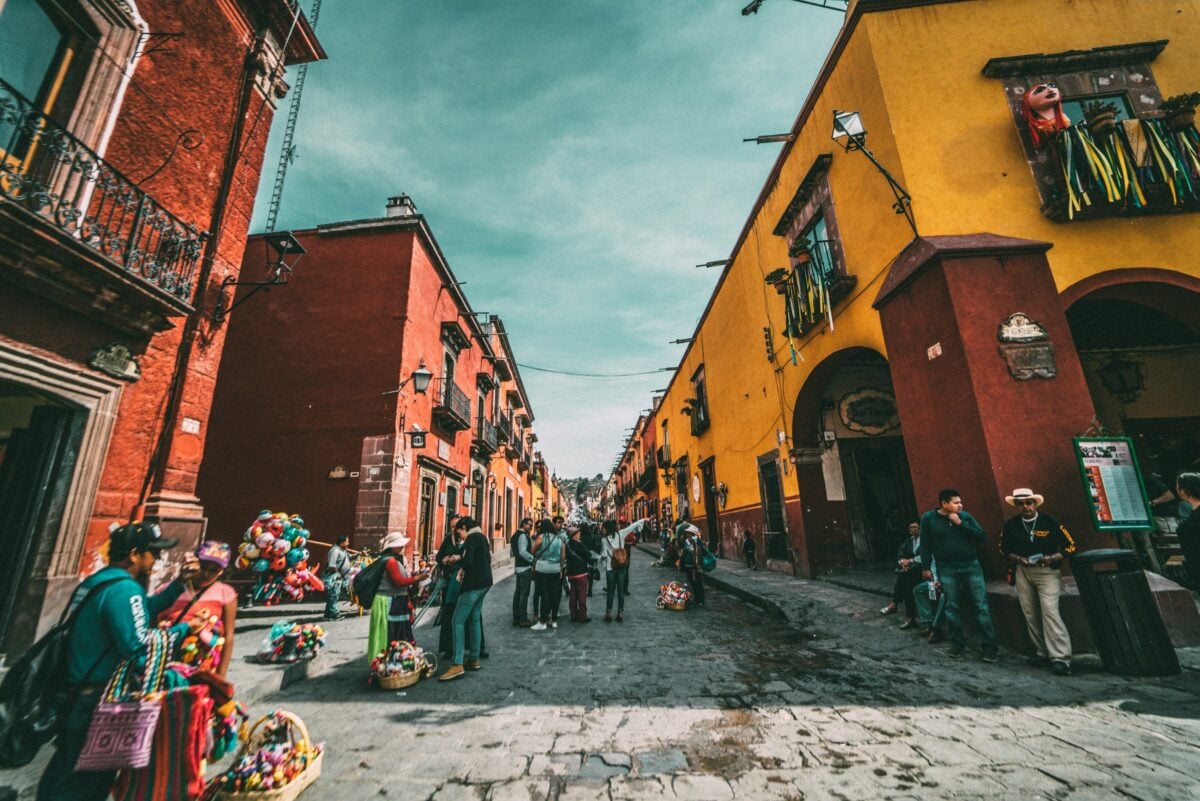
Mexico uses four time zones covering its territory from the US border to Central America. Most of the country operates on Central Standard Time, but border states adopted time zones matching their US neighbors to facilitate cross-border commerce and travel.
Baja California follows Pacific Time to align with California. Sonora refuses daylight saving time, creating temporary mismatches with Arizona, which also skips the clock changes.
The Quintana Roo state on the Yucatan Peninsula switched between time zones multiple times before settling on Eastern Time. These adjustments show how practical concerns override simple geographic divisions.
Mexican states near the US border recognized that matching American time zones benefited their economies more than following strict longitudinal lines.
Indonesia: Island Nation

Indonesia spreads across three time zones covering thousands of islands. Western Indonesia Time at UTC+7 governs Java, Sumatra, and surrounding islands where most Indonesians live. Central Indonesia Time at UTC+8 covers Bali and surrounding regions.
Eastern Indonesia Time at UTC+9 reaches Papua and nearby islands. The three zones reflect Indonesia’s enormous east-west span of over 5,000 kilometers.
Without time zones, sunrise and sunset would occur at wildly different clock times across the archipelago. The divisions help align local time with solar position across this scattered nation.
Indonesia’s population concentrates in western regions, meaning most citizens share the same time zone despite the country’s geographic spread. Papua’s different zone matters less given its smaller population and relative isolation from the main population centers.
Chile: Long and Narrow

Chile operates three time zones along its extreme length. The mainland uses UTC-4, while Easter Island far out in the Pacific follows UTC-6.
The Magallanes region in the far south adopted permanent daylight saving time, creating a third zone. Chile stretches 4,300 kilometers from north to south but remains remarkably narrow.
This creates a unique geographic situation where latitude matters more than longitude for time zones. Easter Island sits 3,700 kilometers from the mainland, necessitating its separate zone.
The country experimented with year-round daylight saving time but returned to seasonal changes for most regions. The southern Magallanes region kept permanent daylight saving, arguing that the high latitude made summer evening light too valuable to sacrifice.
China: The Exception

China deserves mention for doing the opposite of other large countries. Despite spanning five geographical time zones based on longitude, China uses a single zone called China Standard Time at UTC+8.
This decision came in 1949 as a step toward national unity. The policy creates odd situations.
In western Xinjiang, the sun rises and sets much later by the clock than in eastern cities. Some Xinjiang residents informally use local time two hours behind Beijing, though the government discourages this practice.
The Afghanistan-China border creates the world’s biggest official clock change, with a 3.5-hour jump when crossing. China’s single time zone shows that political decisions can override geographic logic.
The government values the symbolism of unified time more than the practical inconvenience of mismatched solar and clock time.
Antarctica: Scientific Stations
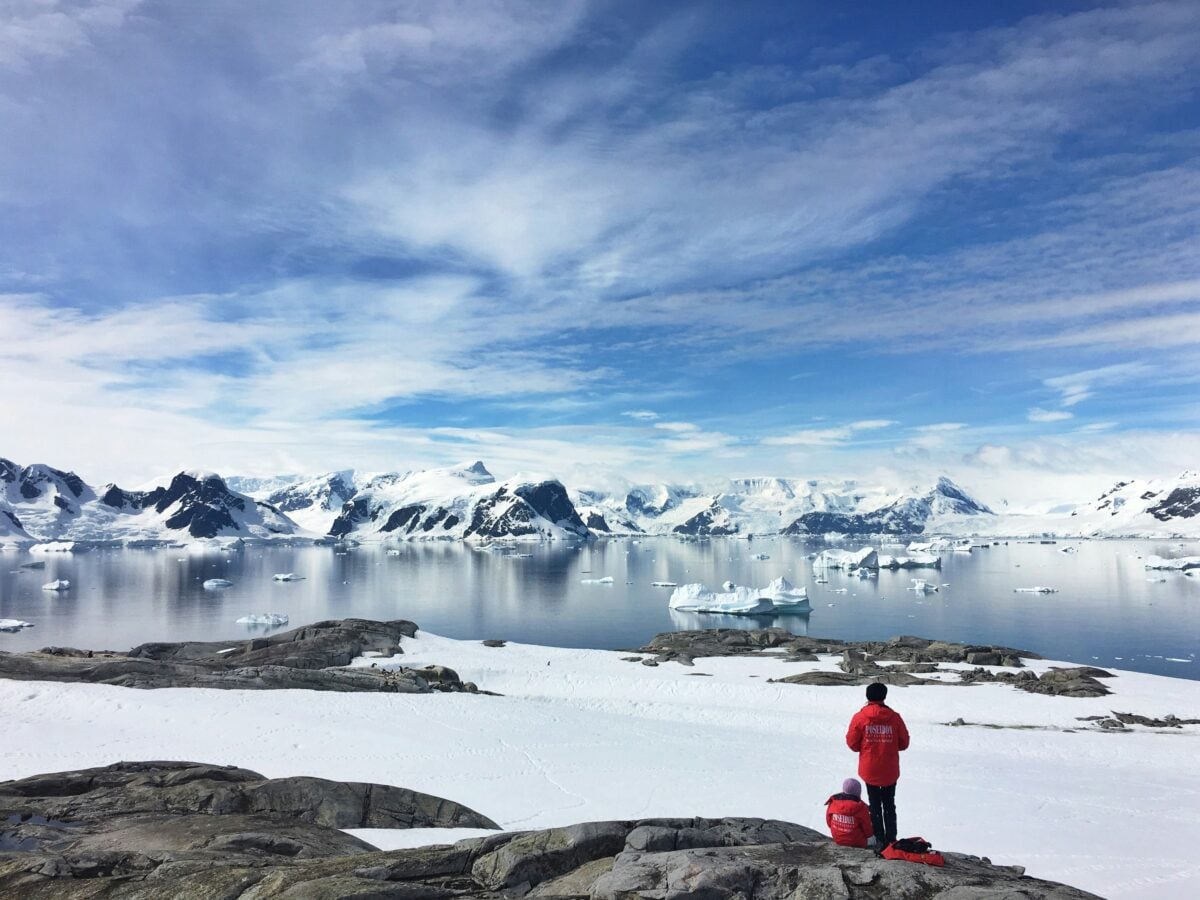
Antarctica hosts nine time zones despite having no permanent population. Research stations scattered across the continent each maintain their own time, often matching their home country or supply base.
This creates a patchwork of zones across the ice. Some stations use the time zone of their nearest supply port.
Others match their home country for communication convenience. The South Pole station uses New Zealand time since Christchurch serves as the main logistics hub.
McMurdo Station follows the same system. The continent’s time zones matter little given the minimal population and the fact that the sun disappears for months during winter.
Scientists working at the pole experience six months of daylight followed by six months of darkness, making clock time somewhat arbitrary.
When History Shapes the Clock

Stories hide in time zones – ones shaped by empires long gone yet still ticking today. Twelve zones wrap around France, remnants of lands taken generations past.
Flags may have fallen, but the UK still holds nine through old imperial reach. Greenland’s frozen stretch drags Denmark across five, despite its size.
Time refuses to forget who claimed what, when. One thing ties together lands spread wide apart – past choices shaped present borders.
Though tiny on maps, France holds pieces scattered worldwide. Vast Russia stretches endlessly eastward.
Control of remote spots defines both. Daily operations face hurdles when clocks differ so much.
Yet each zone marks a footprint where power reaches far beyond capital cities.
One nation picks harmony instead of ease.
Across another land, differences stay because distance matters. A third shifts boundaries when cities grow beyond old maps.
Every choice bends routines for countless lives, tugging at moments shared between distant clocks ticking just out of sync.
More from Go2Tutors!

- The Romanov Crown Jewels and Their Tragic Fate
- 13 Historical Mysteries That Science Still Can’t Solve
- Famous Hoaxes That Fooled the World for Years
- 15 Child Stars with Tragic Adult Lives
- 16 Famous Jewelry Pieces in History
Like Go2Tutors’s content? Follow us on MSN.