Things Americans Think Are Normal But Aren’t To Other Countries
Growing up in America means accepting certain quirks as completely ordinary. The gap between bathroom stall doors that offers zero privacy? Just how it is. Prescription drug commercials suggesting you ask your doctor about medications you can’t pronounce? Tuesday night television. But step outside American borders and these everyday realities start looking strange. What feels like basic common sense here often strikes visitors as baffling, excessive, or downright bizarre.
Ice in everything

Americans put ice in drinks that have no business being cold. Restaurants automatically fill glasses with enough ice to preserve a woolly mammoth, leaving room for maybe three sips of actual beverage.
Water, soda, juice, sometimes even milk—everything gets the ice treatment.
Most of the world finds this habit mystifying. Europeans especially look bewildered when handed a glass that’s 80% frozen water. They want to taste what they ordered, not dilute it into oblivion.
Bathroom stall gaps
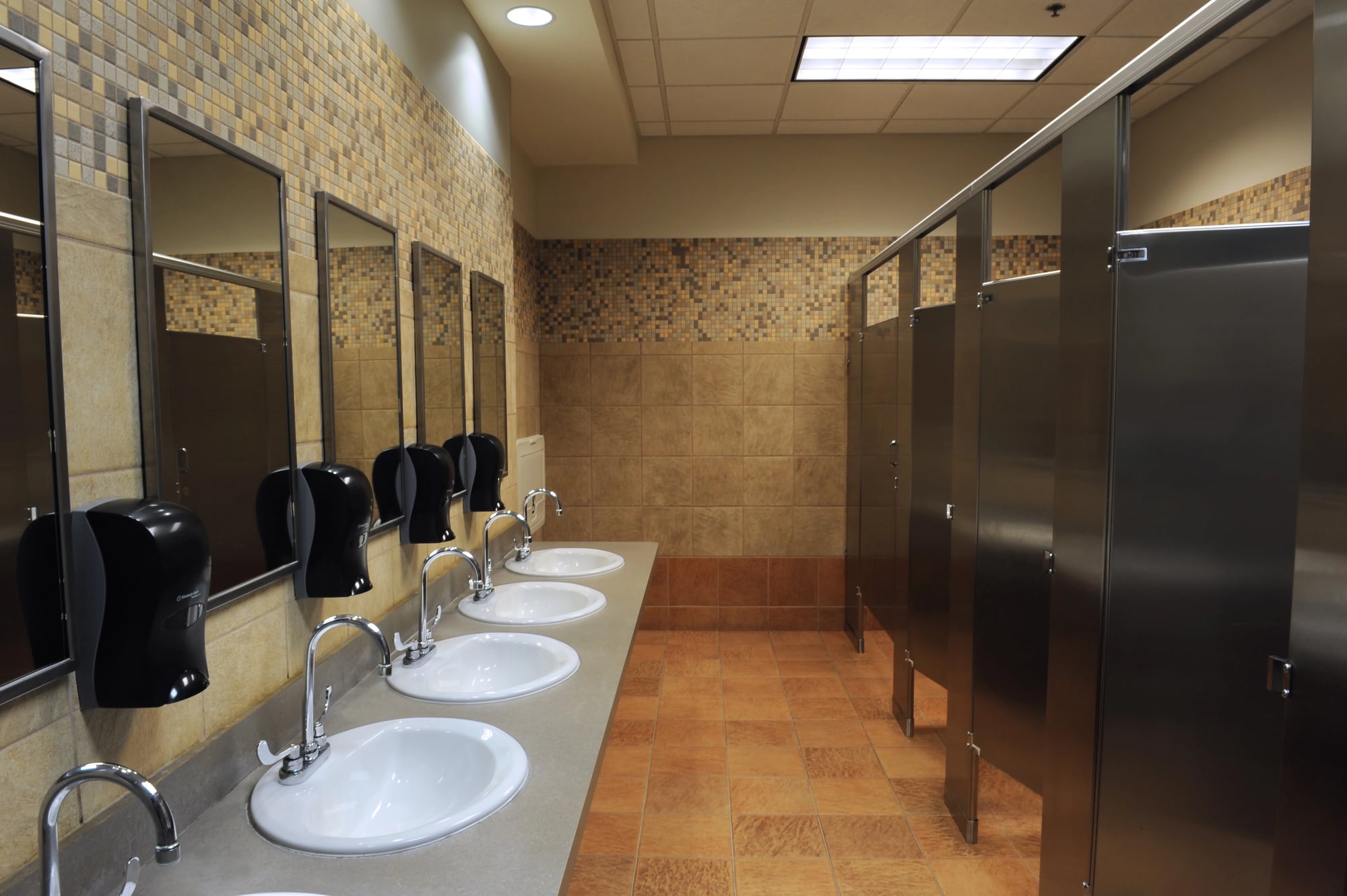
American public restrooms feature gaps so wide you could slide a postcard through them. The doors hang several inches off the ground and leave generous spaces on both sides, creating what can only be described as privacy theater.
The rest of the world builds bathroom stalls that actually enclose people. Floor-to-ceiling doors that latch properly aren’t considered luxury items—they’re basic human decency.
Tipping culture
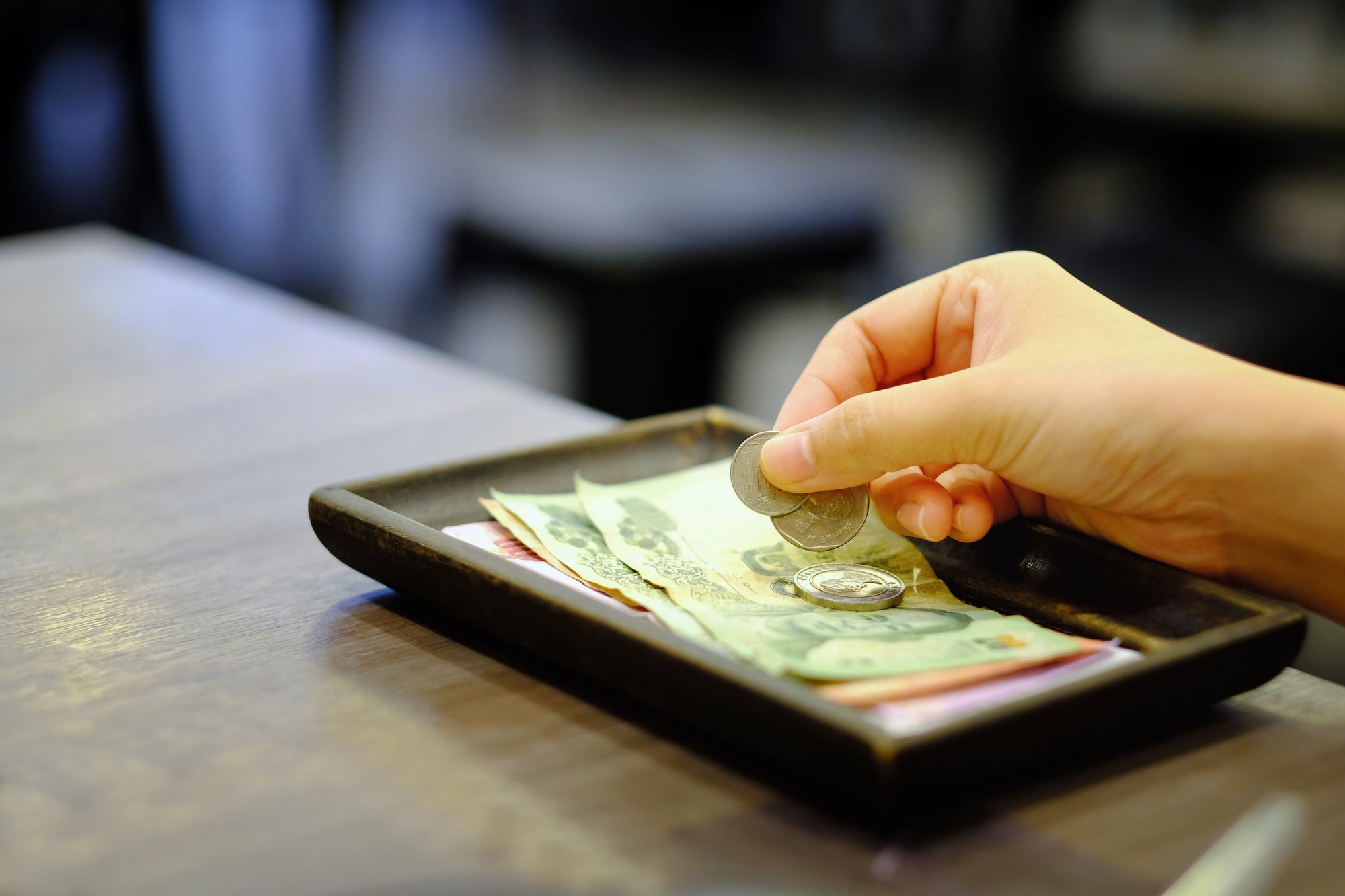
The American tipping system operates on an unspoken code that confuses even Americans sometimes (and when that code gets broken, when someone undertips or overtips, you can feel the social machinery grinding to a halt—because everyone knows the rules even if no one quite remembers learning them). You tip the server, the bartender, the delivery driver, the hairdresser, the taxi driver, and the person who brings your bags to your hotel room.
But not the McDonald’s cashier. Unless it’s a fancy McDonald’s? The boundaries shift like sand.
The boundaries shift like sand.
Prescription drug ads

Turn on American television and pharmaceutical companies will spend millions convincing you that your life lacks the right medication. Happy people run through fields of wildflowers while a gentle voice lists side effects that include “thoughts of ending your life” and “sudden death.”
The contrast creates a surreal viewing experience that Americans have learned to tune out.
Free refills
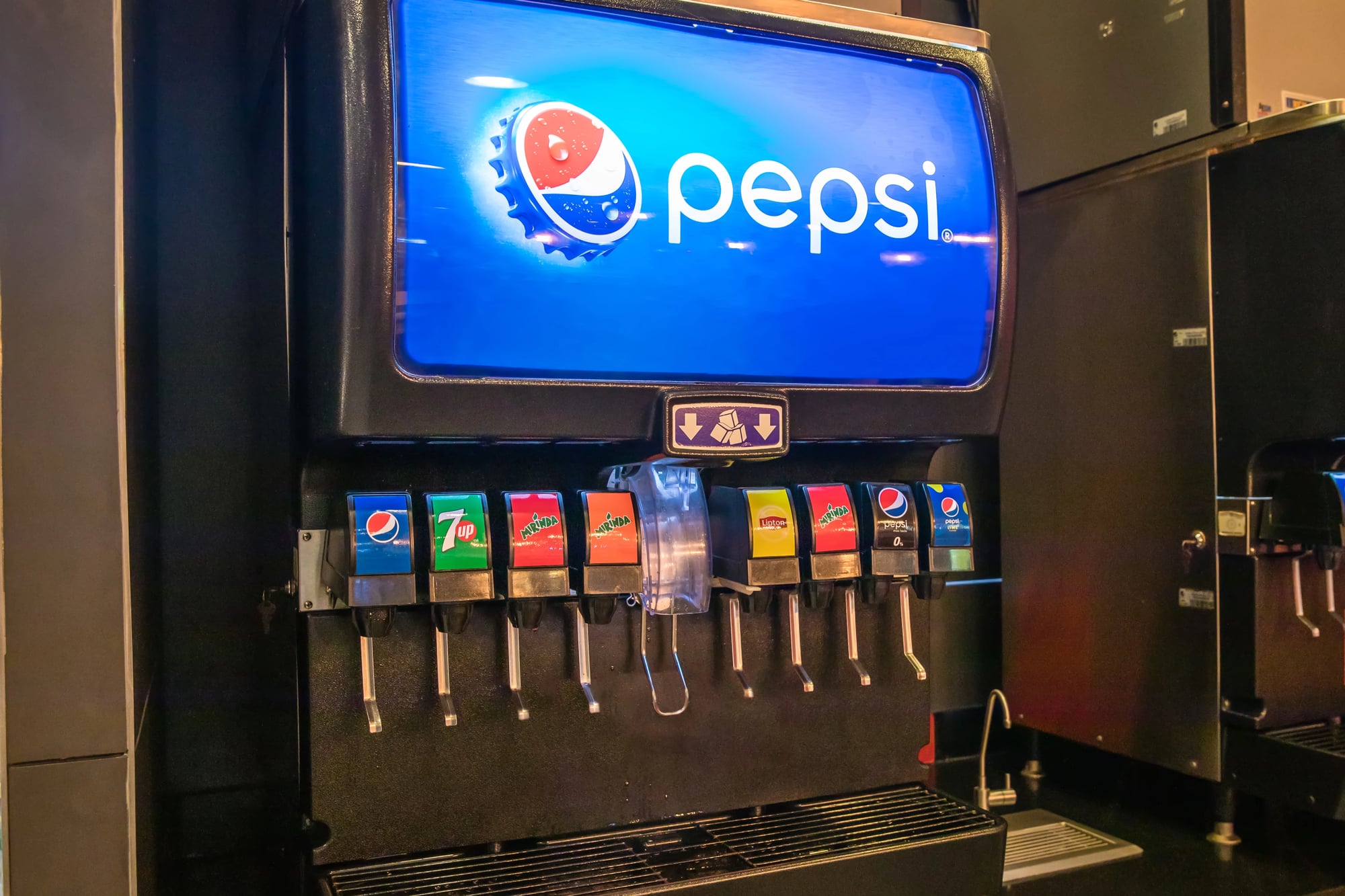
American restaurants treat beverage refills like a constitutional right. Empty your soda and another appears before you’ve finished swallowing.
The refill economy operates on abundance logic that prioritizes customer satisfaction over profit margins.
Shoes indoors

Americans wear outdoor shoes inside their homes (the same shoes that walked through parking lots and public bathrooms and whatever else the day delivered, somehow crossing the threshold without a second thought—as if home and world existed in the same category of cleanliness, which they decidedly do not). The practice baffles much of Asia, Scandinavia, and other regions where removing shoes at the door represents basic respect for living spaces. But Americans treat it as a personal choice rather than an obvious necessity.
The result: American homes accumulate whatever the outside world has stuck to people’s soles. Seems like an oversight that a hygiene-conscious culture would have corrected by now.
Medical bankruptcies

Americans accept that getting sick can financially destroy a family. Medical bankruptcies, insurance denials, and people rationing insulin to afford rent barely register as news anymore.
The system operates on the assumption that healthcare is a commodity rather than a necessity.
The rest of the developed world finds this barbaric. Universal healthcare isn’t considered socialism—it’s Tuesday.
Americans spend twice as much on healthcare for worse outcomes, which is saying something about priorities.
Enormous food portions

American restaurant portions could feed a small village somewhere (or at least a decent-sized family gathering, the kind where everyone goes home with leftovers and complains about being too full while secretly feeling satisfied that abundance still exists in the world). Single meals arrive on platters that require structural engineering to support their weight.
The assumption seems to be that bigger automatically equals better value, regardless of whether anyone could possibly finish what they ordered.
International visitors often stare in genuine confusion at the food landscape in front of them. What they ordered as an individual meal could serve three people comfortably.
But Americans have normalized portion sizes that would have seemed gluttonous just two generations ago.
Sales tax mystery

Every purchase in America involves mental math that locals have learned to ignore. The price tag shows one number, but the register demands more money due to sales taxes that vary by state, county, and sometimes individual municipality.
What costs $4.99 might actually cost $5.47, depending on where you’re standing when you buy it.
Other countries include taxes in the displayed price, which eliminates confusion and allows people to know what things actually cost before reaching the checkout.
Flags everywhere
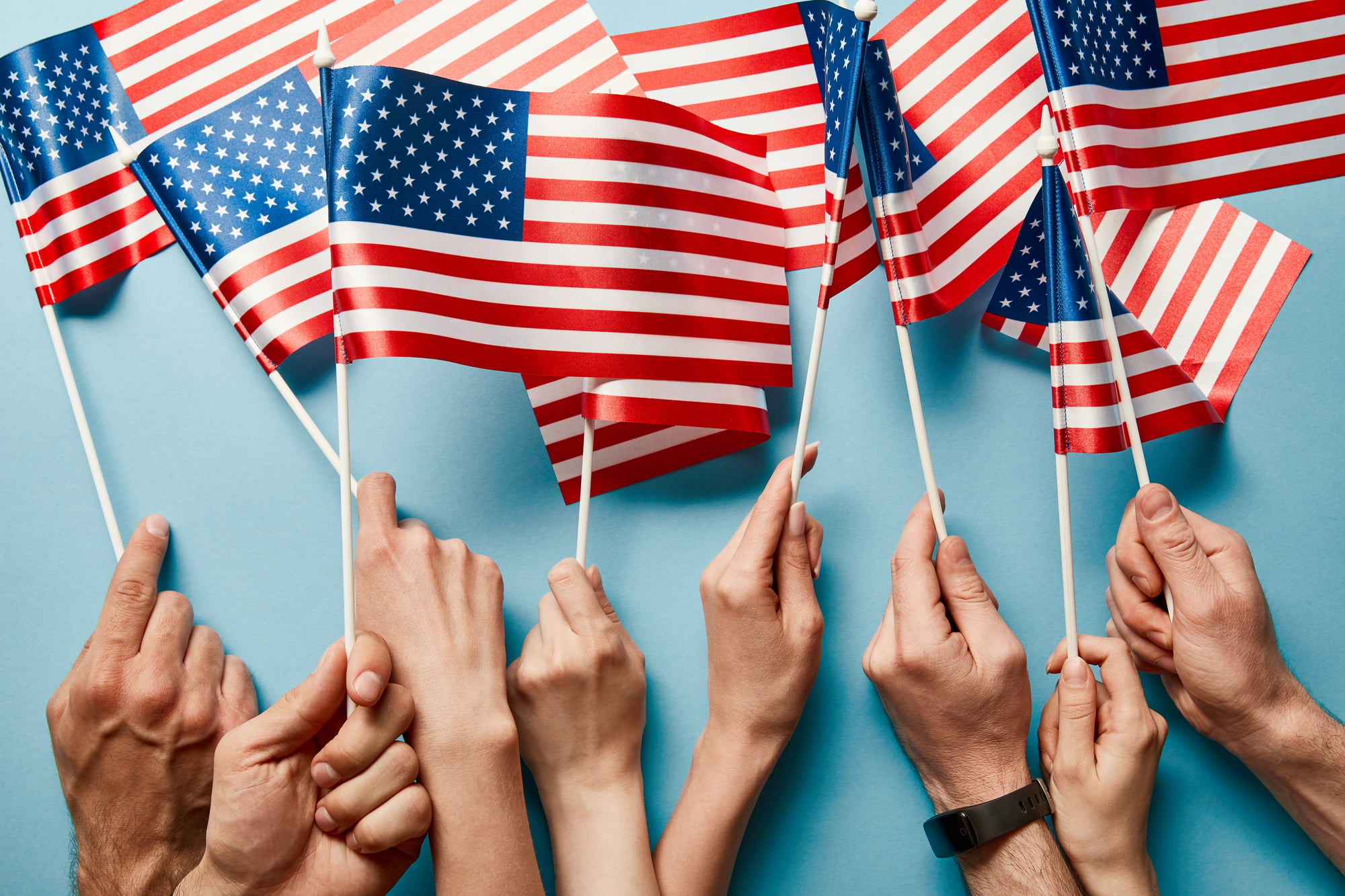
America displays its flag with an enthusiasm that borders on performance art. Flags flutter from houses, businesses, car dealerships, mattress stores, and sometimes individual vehicles.
The stars and stripes appear in contexts that have nothing to do with patriotism and everything to do with visual habit.
Most countries reserve flag display for government buildings and official occasions. They find the American approach unnecessarily theatrical, like living inside a campaign rally that never ends.
Credit scores

Americans accept that a mysterious number determines whether they can rent an apartment, buy a car, or get a phone plan. Credit scores fluctuate based on complex algorithms that reward certain behaviors while punishing others in ways that often seem arbitrary.
The system encourages debt as a path to financial credibility.
Many countries operate without credit scoring systems, or use simpler methods that focus on current income rather than borrowing history.
They find the American obsession with credit ratings unnecessarily complicated and somewhat dystopian.
College debt as normal

American students routinely borrow enough money to buy a house in order to attend college. Graduating with $50,000 or $100,000 in debt is treated as a standard part of early adulthood rather than a financial catastrophe.
The system assumes that education loans are acceptable burdens for 18-year-olds to shoulder.
Countries with affordable or free higher education find this practice cruel and counterproductive.
They invest in education as a public good rather than treating it as a luxury purchase that requires decades to pay off.
Driving everywhere

Americans drive to destinations that exist within comfortable walking distance. The car represents freedom and convenience even when walking would be faster and parking costs more than the destination is worth.
Urban planning assumes that everyone owns a vehicle and wants to use it for every possible trip.
Cities built around human-scale transportation find this habit environmentally and socially destructive.
They design neighborhoods where daily needs exist within walking or cycling distance, making car ownership optional rather than mandatory.
Working while sick

American workplace culture celebrates showing up while contagious. Employees drag themselves to work with fevers, coughs, and other ailments that would keep people home in more sensible systems.
The practice is framed as dedication rather than public health negligence.
Countries with adequate sick leave policies find this habit selfish and counterproductive.
They recognize that one sick person can disable an entire office, making recovery time a collective benefit rather than individual weakness.
The acceptance of the extraordinary

Living in America means treating the unusual as routine until it becomes invisible. The contradictions and extremes that define daily life here—the wealth and poverty existing side by side, the innovation and dysfunction, the generosity and cruelty—create a landscape that residents navigate without much conscious thought.
It takes an outside perspective to reveal how many American “normal” experiences would qualify as remarkable anywhere else. Perhaps that says something about adaptability, or perhaps it says something about what people can learn to overlook when the alternative is constant amazement at the world around them.
More from Go2Tutors!

- The Romanov Crown Jewels and Their Tragic Fate
- 13 Historical Mysteries That Science Still Can’t Solve
- Famous Hoaxes That Fooled the World for Years
- 15 Child Stars with Tragic Adult Lives
- 16 Famous Jewelry Pieces in History
Like Go2Tutors’s content? Follow us on MSN.