Regional Accents That are Slowly Disappearing
Accents are part of who people are.
They carry history, identity, and pride.
From the deep drawls of the American South to the lilting tones of northern England, these unique ways of speaking connect people to their roots.
But with modern life pushing everything toward sameness—social media, television, even job interviews—many regional accents are slowly fading away.
It’s not that people want to lose their accents.
It just happens, often without anyone noticing.
Let’s look at some accents that are starting to slip into the background.
Newfoundland English

In the far east of Canada, Newfoundland English once stood out with its Irish lilt and old-fashioned phrases.
Influenced by settlers from Ireland and the West Country of England, the accent used to be thick and very distinct.
But younger generations, especially in cities like St. John’s, are leaning toward a more neutral Canadian accent.
Many unique local words are also falling out of use.
The shift is quiet but steady.
Cockney

Once the voice of working-class London, Cockney is now heard less and less in the city.
It used to be packed with rhyming slang, fast speech, and a strong East End flavor.
But with London becoming more international and people moving in and out constantly, the traditional Cockney sound is getting mixed and watered down.
Some parts of it survive in pop culture, but real, thick Cockney is rare in younger generations.
You’re more likely to hear it in old movies than on the streets today.
Appalachian English

Tucked in the mountains of the southeastern United States, this accent was shaped by isolation and strong Scottish and Irish roots.
It includes old English words, a slow rhythm, and unique grammar.
However, as young people leave rural areas for cities, they often adapt to more standard American speech.
The rich, musical quality of Appalachian English is now mostly heard in older residents.
It’s slowly vanishing with each generation.
Liverpool Scouse
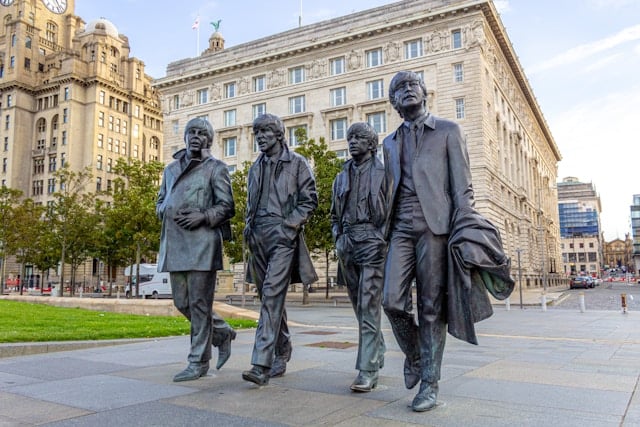
Scouse is fast, nasal, and full of attitude.
It grew out of the docks and shipping routes that brought people from all over to Liverpool.
But as the city changes and mixes with more outside influence, the classic Scouse accent is becoming softer.
In the suburbs and among younger people, it’s being replaced by a more standard northern English sound.
Some features remain, but the pure form is harder to find.
Geordie

Spoken in and around Newcastle, Geordie is one of the most distinctive accents in England.
It’s warm, sing-song, and packed with regional vocabulary.
Yet more and more locals are switching to a softer tone, especially in professional settings or on social media.
The pressure to sound “neutral” in wider UK society is strong.
So while Geordie isn’t gone, it’s definitely changing.
Texas twang

The Texas accent is known for its long vowels and confident drawl.
But in cities like Dallas, Houston, and Austin, it’s becoming less noticeable.
As these cities grow and attract people from across the country, a flatter, more standard accent is taking over.
Kids raised in urban Texas often sound more like they’re from California than the deep South.
The twang still lives in rural areas, but it’s shrinking.
South Boston accent

The Southie accent, famous from movies and sports talk shows, is rich with dropped “r”s and strong vowels.
It’s tied to a strong sense of neighborhood and heritage.
But like many urban accents, it’s fading as Boston becomes more diverse and gentrified.
Younger residents often pick up a more polished tone.
It’s still a point of pride, but harder to find naturally.
New York City accent

The classic New York accent is bold, with sharp “aw” sounds and clipped endings.
It once clearly marked people by borough—Bronx, Brooklyn, Queens.
But those differences are smoothing out.
As new generations grow up in multicultural neighborhoods, the accent is shifting.
While traces remain, the thick, gritty New York sound is becoming less common.
Western Pennsylvania English

Also called “Pittsburghese,” this accent includes phrases like “yinz” and strong vowel shifts.
It’s a blend of Appalachian and midwestern influences.
But with Pittsburgh’s tech boom and population change, the younger crowd doesn’t use it much.
The unique words and sounds are holding on in some families, but most people under 30 don’t speak that way.
It’s fading fast.
Chicago accent

Think of the way people say “Da Bears” or “Chicagah.”
That strong, nasal accent once marked anyone from the city’s neighborhoods.
But it’s getting lighter.
The old-school way of talking is giving way to a more neutral American sound.
Some local slang and rhythm survive, but it’s not as strong as it used to be.
Southern Highland accent (Scotland)

In the rural parts of the Scottish Highlands, the traditional accent was slow, full of Gaelic influences, and very local.
But as communities shrink and media spreads, the younger generation is picking up more general Scottish English.
The deep rural tone is being lost.
It’s mostly preserved in older generations and remote areas now.
Cornish accent

Cornwall’s accent, with its soft vowels and old English sounds, was once common in the southwest of England.
It shares roots with the Cornish language, which nearly died out.
As tourism and second-home ownership grow, the native accent is getting diluted.
It’s now rare to hear young people in Cornwall speak with a thick local sound.
North Carolina coastal accent

Along the Outer Banks and other coastal spots, locals had a sing-song way of speaking that stood out even within North Carolina.
Known as the “Hoi Toider” accent, it came from English settlers hundreds of years ago.
But with tourism and development, the accent is fading quickly.
Locals say it’s hard to find anyone under 40 who speaks that way anymore.
Mancunian

The Manchester accent, while still strong in some areas, is facing pressure.
As more young people consume media with southern or American accents, they sometimes soften their own voice to fit in.
Parts of the city still hold on tightly, but among professionals and students, it’s often less noticeable.
The rhythm and tone are changing.
Philadelphia accent

The Philly accent is known for unique vowel sounds and words like “wooder” for water.
It’s quick and full of character.
But much like New York, the accent is getting flatter.
Younger people often shift toward a more general East Coast sound.
The strong Philly voice may soon become more of a memory.
Yat (New Orleans)

“Where y’at?” is the signature greeting of the old New Orleans Yat accent.
It’s part Brooklyn, part Southern, and all local.
But as the city changes and recovers from major shifts like Hurricane Katrina, the accent is shrinking.
New residents and younger generations don’t always pick it up.
It’s still loved, but less common.
Detroit accent

The Detroit accent is a mix of Midwest and Northern city tones.
It has a fast rhythm and some hard edges.
But as the city’s economy and population shift, the younger crowd often speaks more like the rest of Michigan.
The unique urban sound is fading.
People who grew up with it hear the change clearly.
Holding on through change

Accents don’t disappear overnight.
They change slowly, shaped by schools, work, media, and movement.
While some accents fade, bits of them stick around in words, rhythms, or family sayings.
Each accent in this list holds stories of place, pride, and people.
Even as they grow softer or shift, they remind us of how language and identity are always connected.
More from Go2Tutors!

- The Romanov Crown Jewels and Their Tragic Fate
- 17 Halloween Costumes Once Considered Taboo
- Famous Hoaxes That Fooled the World for Years
- 15 Child Stars with Tragic Adult Lives
- 16 Famous Jewelry Pieces in History
Like Go2Tutors’s content? Follow us on MSN.