15 Things You Had To Bring In The ’90s
Nobody talks about how exhausting it was to be a functional adult in 1995. Every single day required this mental checklist of random objects you might need, and forgetting even one item could completely derail your plans. People developed these obsessive habits around checking pockets and bags before leaving anywhere.
The weird thing is how normal it all seemed at the time. Everyone just accepted that modern life meant carrying around half their belongings wherever they went. Here is a list of 15 things you absolutely had to bring everywhere in the ’90s that would seem completely ridiculous to anyone under 25 today.
Pager or Beeper
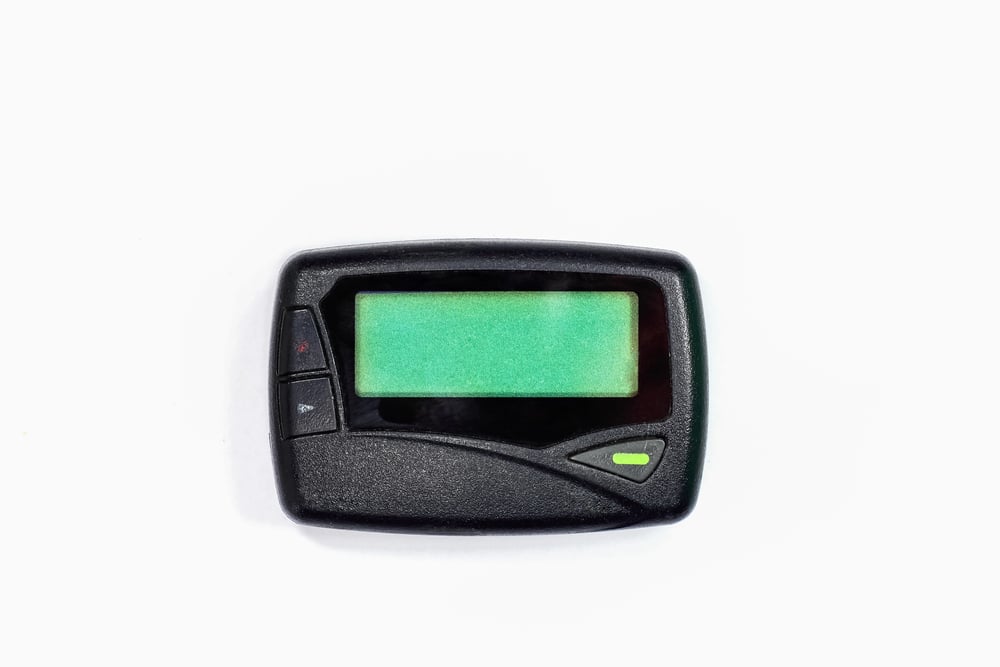
These plastic rectangles turned everyone into Pavlov’s dogs, jumping every time they heard that distinctive beeping sound. Doctors, drug dealers, and middle managers all wore the same basic device clipped to their belts like some kind of modern uniform.
The truly annoying part was never knowing if that beep meant a genuine emergency or just someone being impatient about lunch plans.
Exact Change Arsenal

People became walking coin dispensers out of pure necessity. You needed quarters for parking meters, dimes for shorter phone calls, and exact change for buses that refused to break dollar bills.
Smart folks developed these elaborate coin sorting systems in their cars and kept emergency quarters stashed in jacket pockets for months.
Like Go2Tutors’s content? Follow us on MSN.
Navigation Backup Plans

Getting anywhere new required assembling information from multiple sources like some kind of intelligence operation. You’d call ahead for directions, print computer maps, grab a road atlas, and maybe even draw backup routes on scrap paper.
One wrong turn could add hours to any trip, so people became genuinely paranoid about navigation preparation.
Battery-Powered Entertainment Systems
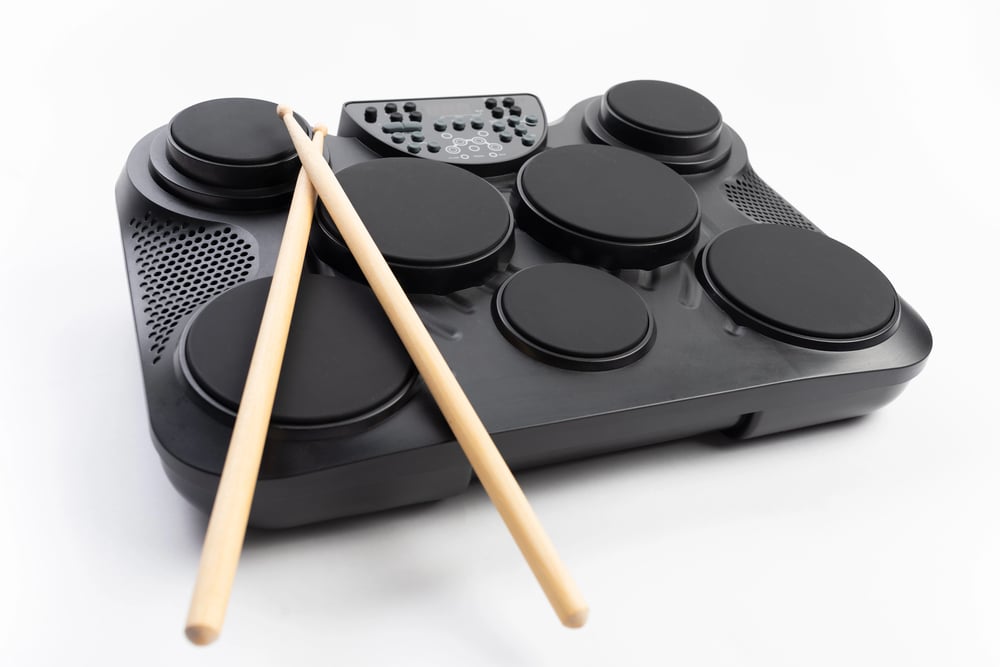
Portable music meant accepting that your entertainment would randomly die at the worst possible moments. Everyone learned to recognize the telltale signs of dying batteries: slower tape playback, dimmer display lights, weaker sound quality.
The really dedicated music fans carried backup devices and multiple tape or CD collections for different moods.
Handwritten Phone Directories

People maintained these personal databases of important numbers like medieval scribes copying manuscripts. Some folks used fancy address books with alphabetical tabs, others just scribbled numbers inside notebook covers or on random business cards.
Everyone had their own organizational system that made perfect sense to them and confused everyone else.
Like Go2Tutors’s content? Follow us on MSN.
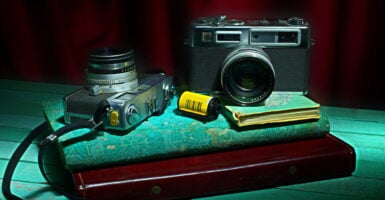
Photographic Gambling Equipment

Every picture was basically a small financial bet on whether you’d captured something worth developing. Film rolls cost money, processing cost more money, and you couldn’t delete the terrible shots.
People developed superstitions around photography: always take three shots of important moments, never trust your camera’s built-in flash, save the good film for special occasions.
Emergency Funding Stockpiles

Cash wasn’t just convenient back then, it was often the only payment option available. ATM networks were spotty, credit card machines frequently broke down, and many businesses simply refused plastic payments.
People regularly walked around with amounts of cash that would make modern folks nervous about getting robbed.
Power Supply Management Systems

Everything electronic required constant feeding with disposable batteries that cost surprisingly much money. Savvy consumers learned which devices drained power fastest and planned their battery purchases around upcoming trips or events.
The worst feeling was hearing your favorite song slow down and distort as your Walkman slowly died.
Like Go2Tutors’s content? Follow us on MSN.
Physical Security Token Collections

Keys multiplied like rabbits because every single thing in your life required its own unique metal piece. Car manufacturers hadn’t figured out remote keyless entry, houses still used traditional locks, and office buildings gave everyone separate keys for different floors or rooms.
People developed muscle memory for which key opened what, though everyone occasionally stood confused in front of their own front door trying different options.
Paper Proof Systems
Access to entertainment, transportation, and services required maintaining collections of easily-lost paper documents. Airlines printed boarding passes on flimsy cardstock, movie theaters used cheap ticket stock that faded quickly, and concert venues often used elaborate anti-counterfeiting measures.
Losing any of these papers meant lengthy arguments with customer service representatives who had no digital backup to reference.
Emergency Communication Networks

Car breakdowns or medical problems required having physical cards with phone numbers and account information for various service providers. Insurance companies mailed out wallet-sized cards every year, auto clubs provided plastic membership cards with important details printed in tiny fonts.
Finding help meant locating working payphones and hoping you could read the card numbers in whatever lighting was available.
Like Go2Tutors’s content? Follow us on MSN.
Wearable Time Computation Devices

Watches served functional purposes that had nothing to do with fashion or status. Meeting times, bus schedules, parking meter limits, work shifts—everything operated on precise timing that required constant monitoring.
People who forgot their watches spent entire days feeling vaguely anxious about time passing without any reference points.
Portable Information Libraries

Boredom was a real threat that required advance planning and physical preparation. Airports, waiting rooms, public transportation, and unexpected delays could trap you for hours with absolutely nothing to do.
People who forgot to bring reading material sometimes resorted to studying advertising posters or eavesdropping on strangers’ conversations for entertainment.
Mechanical Problem-Solving Kits

Small daily problems required actual tools rather than apps or phone calls to fix them. Package tape wouldn’t budge, screws worked loose on eyeglasses, price tags wouldn’t come off cleanly, bottles refused to open.
Multi-tools solved dozens of minor frustrations that people today probably don’t even notice because everything comes pre-opened or with easy-removal features.
Like Go2Tutors’s content? Follow us on MSN.
Identity Verification Archives
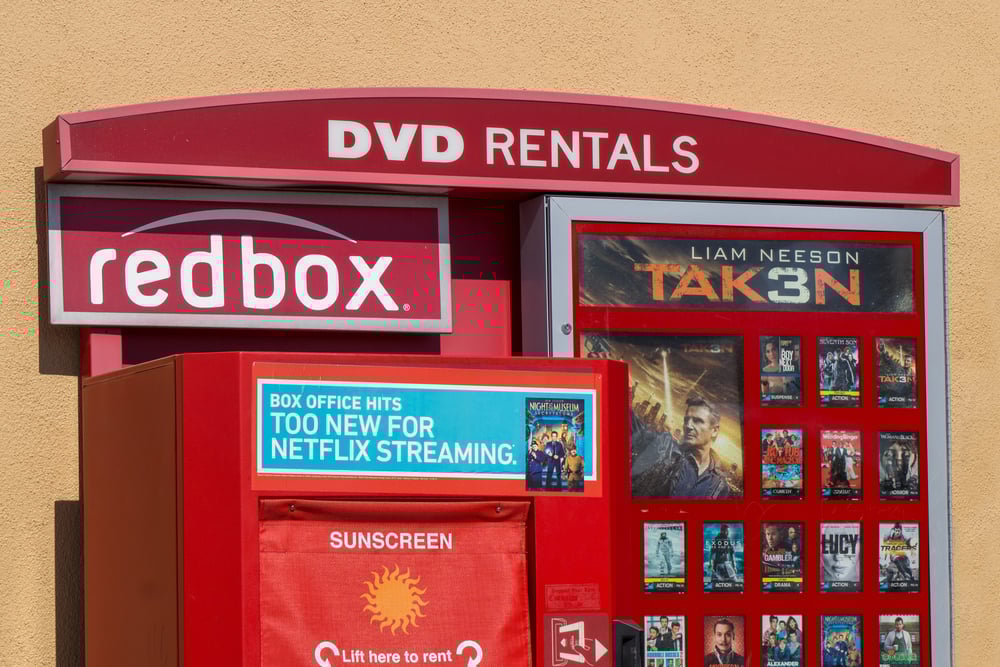
Proving membership or identity required carrying specific plastic cards for every organization, business, or service you might want to access. Libraries, video stores, grocery clubs, gyms, and discount retailers all maintained separate customer databases with no cross-referencing between systems.
Wallet organization became a legitimate life skill that people actually had to think about strategically.
The Burden of Self-Reliance

What strikes me most about this era is how much mental energy people spent on logistics that have completely disappeared from modern life. Everyone became their own personal assistant, IT support, and emergency coordinator just to handle basic daily activities.
The constant preparation and backup planning probably made people more resourceful, though it definitely made simple errands feel like military operations requiring careful advance planning.
More from Go2Tutors!

- 16 Historical Figures Who Were Nothing Like You Think
- 12 Things Sold in the 80s That Are Now Illegal
- 15 VHS Tapes That Could Be Worth Thousands
- 17 Historical “What Ifs” That Would Have Changed Everything
- 18 TV Shows That Vanished Without a Finale
Like Go2Tutors’s content? Follow us on MSN.