17 Weird Science Facts That Will Change How You See the World
Science has this peculiar habit of taking everything you think you understand about reality and quietly turning it upside down. The world operates on principles so strange that if someone pitched them as fiction, editors would reject the manuscript for being too unrealistic.
Yet here we are, living inside the most bizarre experiment imaginable, where trees communicate through underground networks, time literally slows down when you move faster, and your body replaces itself entirely while somehow remaining you.
These aren’t the neat, predictable facts from textbooks. These are the discoveries that make scientists pause mid-explanation, shake their heads, and mutter something about how the universe clearly has a sense of humor.
Octopuses Have Three Hearts and Blue Blood
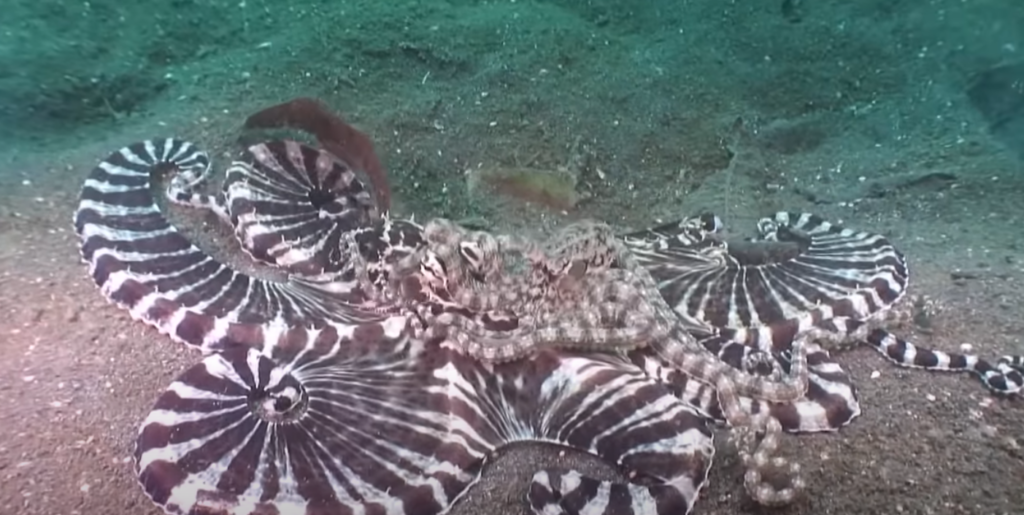
Two hearts pump blood to the gills. One pumps blood to the rest of the body.
The third heart stops beating when they swim, which is why octopuses prefer crawling along the ocean floor — swimming exhausts them quickly.
Their blood is blue because it contains copper-based hemocyanin instead of iron-based hemoglobin. Copper carries oxygen more efficiently in cold, low-oxygen environments.
Evolution rarely does anything without a reason.
Your Stomach Gets an Entirely New Lining Every Few Days
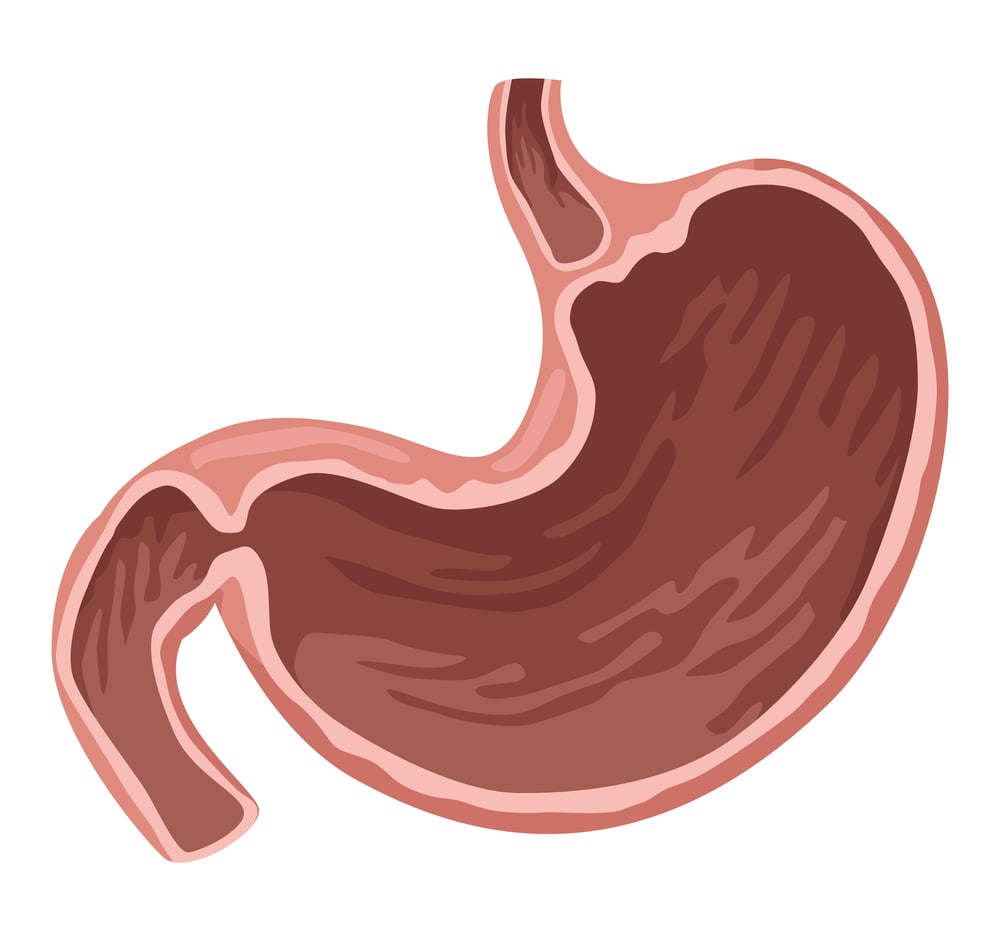
The stomach is essentially a bag of acid strong enough to dissolve metal, and somehow (through mechanisms that took scientists decades to understand, particularly when they discovered that the bacterium H. pylori, not stress or spicy food, causes most ulcers) it manages not to digest itself by constantly regenerating its protective mucus lining — and the cells that produce this barrier are replaced every 3-5 days in a process so continuous that you’re never really using the same stomach twice in a single week. But here’s what gets strange: your stomach actually does digest itself a little bit each day.
The new cells just replace the damaged ones fast enough that you never notice.
Trees Talk to Each Other Through Fungal Networks
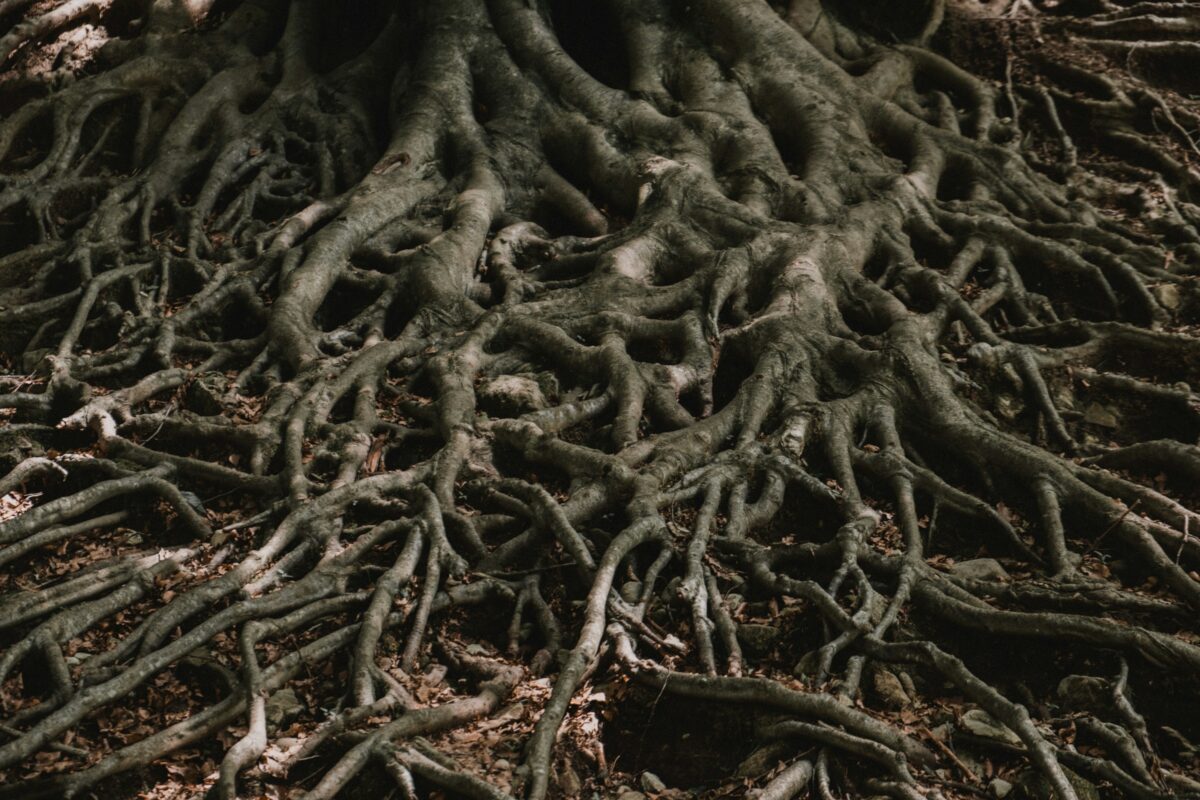
Forest floors hide an internet made of fungi. Mycorrhizal networks connect tree roots across vast distances, allowing them to share nutrients, water, and information about threats.
A Douglas fir under attack by beetles will send chemical warnings through these networks. Neighboring trees receive the message and begin producing defensive compounds before the beetles arrive.
Mother trees nurture their offspring through these connections, sending extra resources to struggling saplings.
The forest isn’t a collection of individual trees competing for resources. It’s a single, interconnected organism.
Bananas Are Radioactive
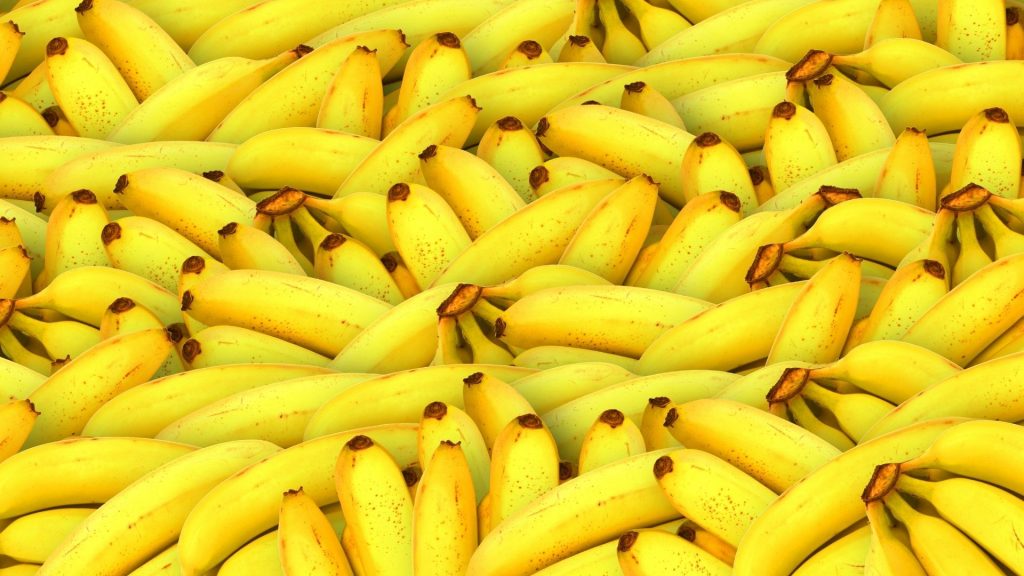
Every banana contains potassium-40, a naturally occurring radioactive isotope. Scientists actually use bananas as an informal unit of radiation measurement — the Banana Equivalent Dose.
One banana exposes you to about 0.1 microsieverts of radiation.
You’d need to eat 10 million bananas at once to die from radiation poisoning, which presents obvious logistical challenges. The radiation from flying cross-country equals about 400 bananas.
A chest X-ray is worth 700 bananas.
Airport radiation detectors are sensitive enough to be triggered by trucks carrying large shipments of bananas.
Time Moves Slower the Faster You Travel
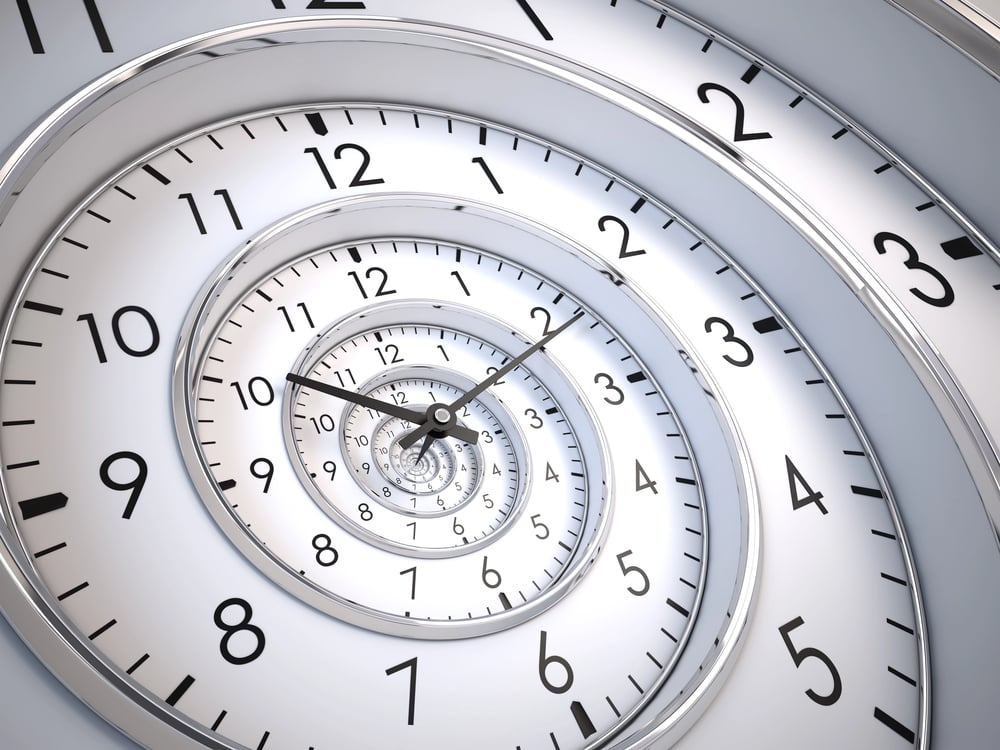
Einstein’s theory of relativity isn’t just abstract physics — it’s measurably real, and GPS satellites have to account for it constantly (their clocks run about 38 microseconds fast per day because they’re moving quickly and experiencing weaker gravity) or your navigation would be off by several miles within hours. At high speeds, time literally dilates: travel at 90% the speed of light for what feels like one year to you, and when you return to Earth, you’ll find that 2.3 years have passed here
And here’s the twist that still makes physicists uncomfortable: there’s no absolute reference frame for “correct” time. Both perspectives are equally valid.
Honey Never Spoils
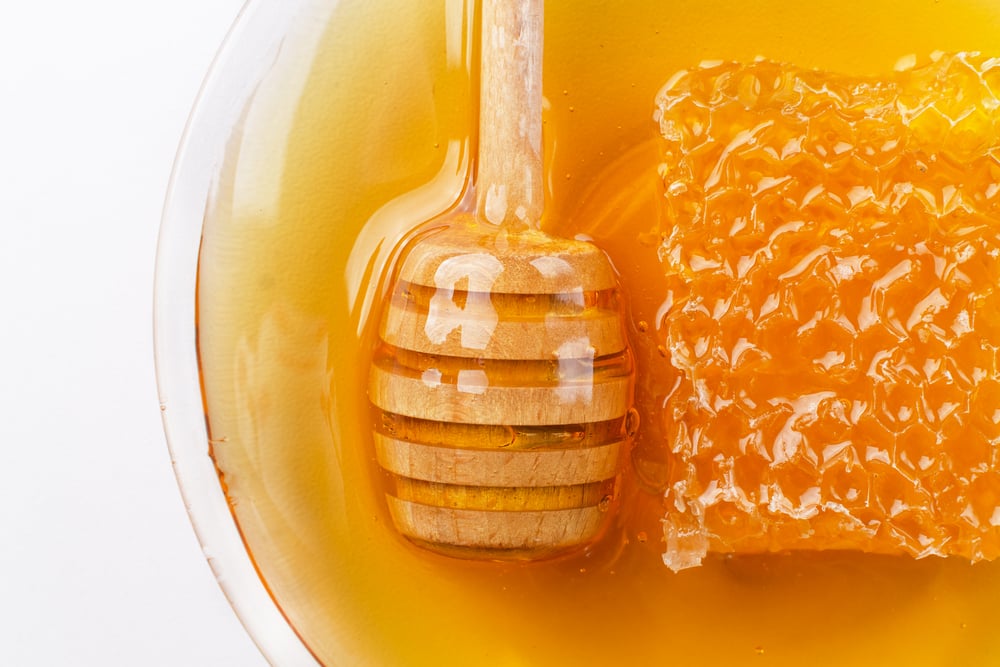
Archaeologists have found 3,000-year-old honey in Egyptian tombs that’s still perfectly edible. Honey’s low moisture content and acidic pH create an environment where bacteria and microorganisms cannot survive.
When honey crystallizes, it’s not spoiling — it’s just changing form. Gentle heat will return it to liquid state with no loss of quality.
The crystallization speed depends on the nectar source and storage temperature.
Honey is essentially immortal food, which explains why ancient civilizations considered it sacred.
You Share 60% of Your DNA with Bananas
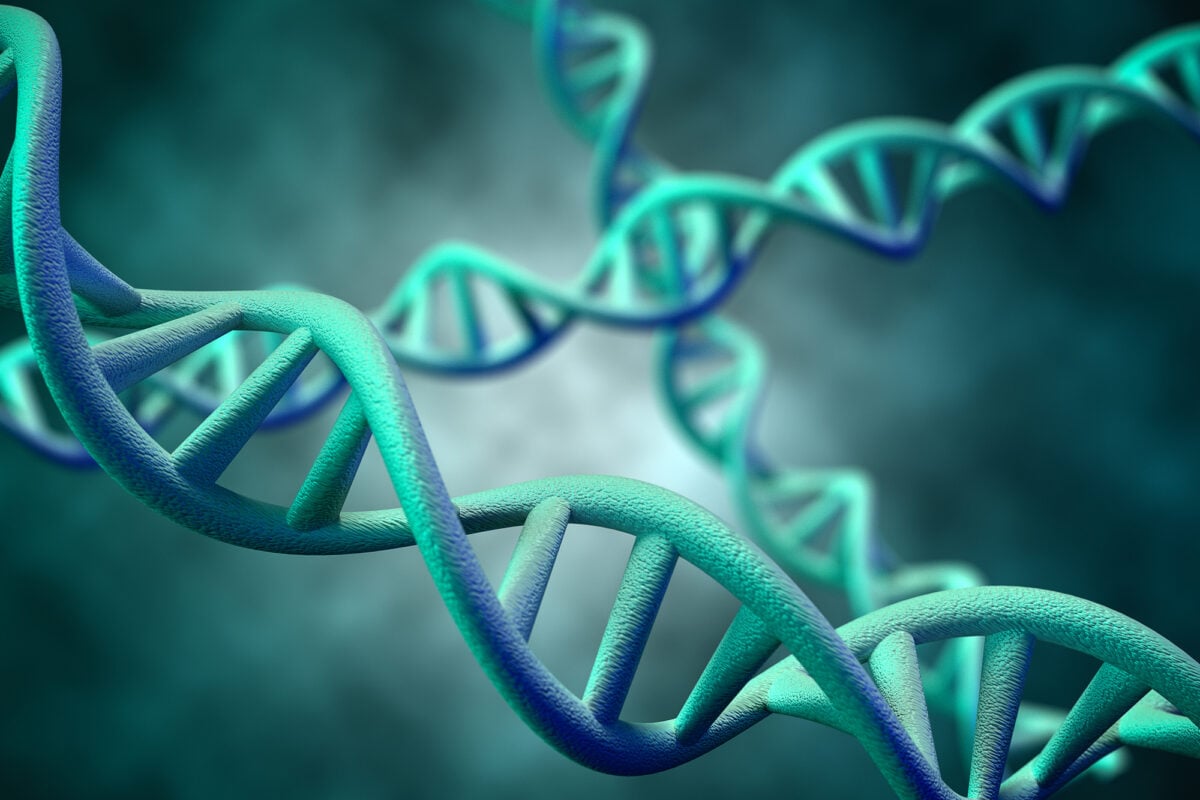
The genetic difference between humans and bananas is smaller than most people imagine. Both evolved from the same ancient ancestor billions of years ago, back when life was figuring out the basic machinery of existence — cellular respiration, protein synthesis, DNA replication. These fundamental processes work essentially the same way in both species.
It’s like discovering that your house and a completely different house across town were built using 60% of the same blueprints. The architecture looks nothing alike, but the wiring and plumbing follow surprisingly similar patterns.
Life, it turns out, is far more conservative with its innovations than appearances suggest.
Sharks Are Older Than Trees
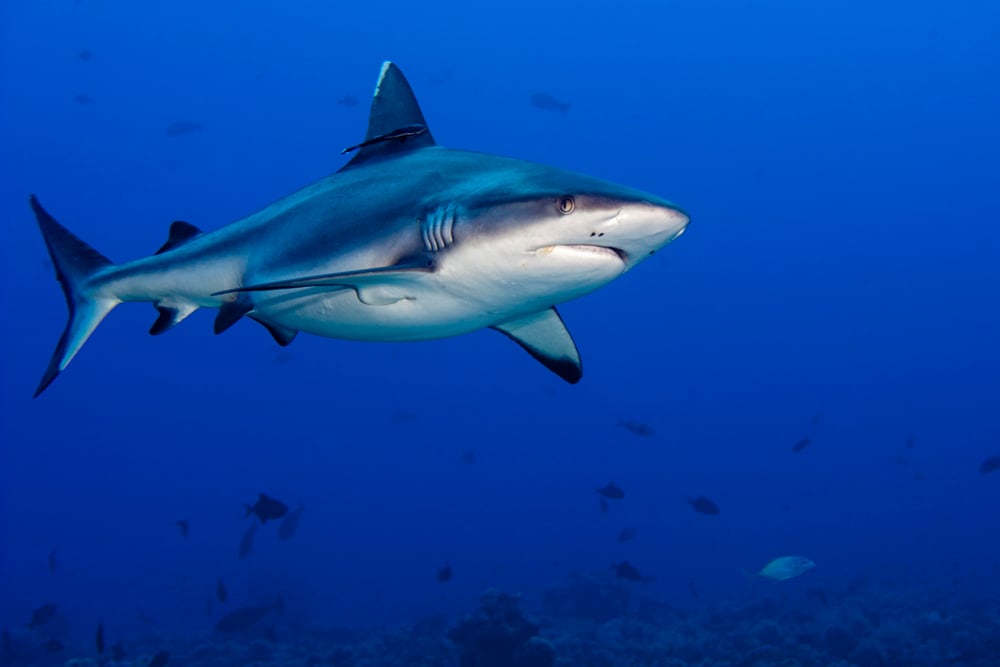
Sharks have been swimming in Earth’s oceans for about 400 million years. The first trees appeared around 350 million years ago.
Sharks witnessed the entire evolution of forests, watched dinosaurs come and go, and survived multiple mass extinction events.
Modern shark species are evolutionary masterpieces — perfectly adapted predators with cartilaginous skeletons that are lighter and more flexible than bone. Their skin contains tiny teeth called denticles that reduce drag and prevent bacterial growth.
Sharks predate Saturn’s rings, which formed only about 100 million years ago. They’re living fossils that have barely needed to change because they got it right the first time.
Neutron Stars Are So Dense That a Teaspoon Would Weigh Six Billion Tons
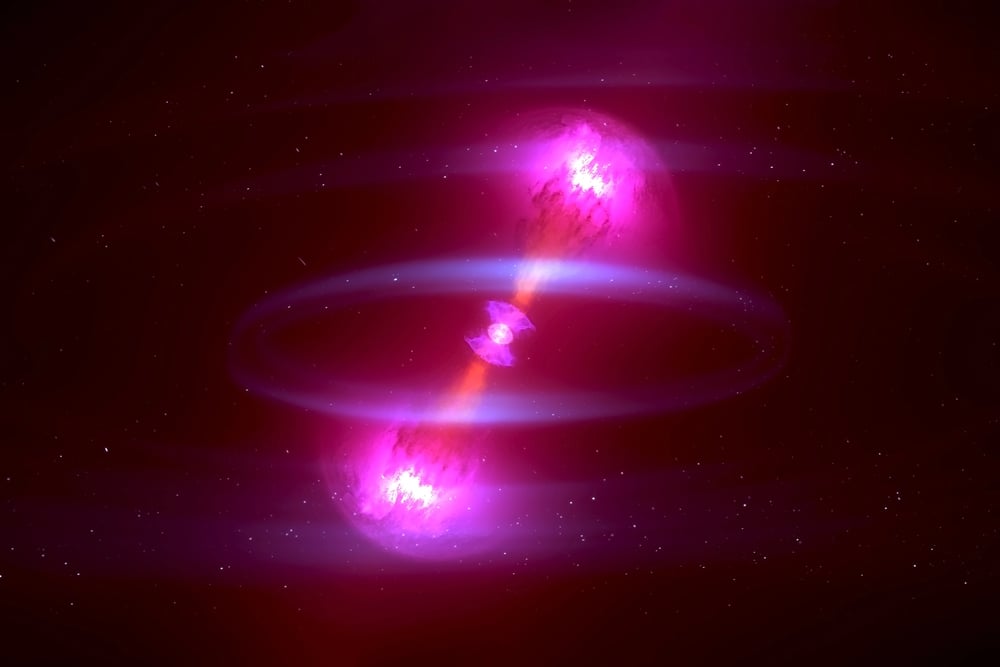
When massive stars collapse, their cores compress into neutron stars — objects so dense that protons and electrons are crushed together into neutrons (hence the name), and the resulting matter becomes denser than an atomic nucleus spread across a sphere about 12 miles in diameter. A sugar-cube-sized piece would weigh as much as Mount Everest, and if you could somehow drop a teaspoon of neutron star material onto Earth — which you can’t, because it would immediately expand and vaporize — it would weigh about six billion tons.
The surface gravity is so intense that if you fell from a height of one millimeter, you’d hit the ground at 1,400 miles per hour.
Wombats Poop in Cubes
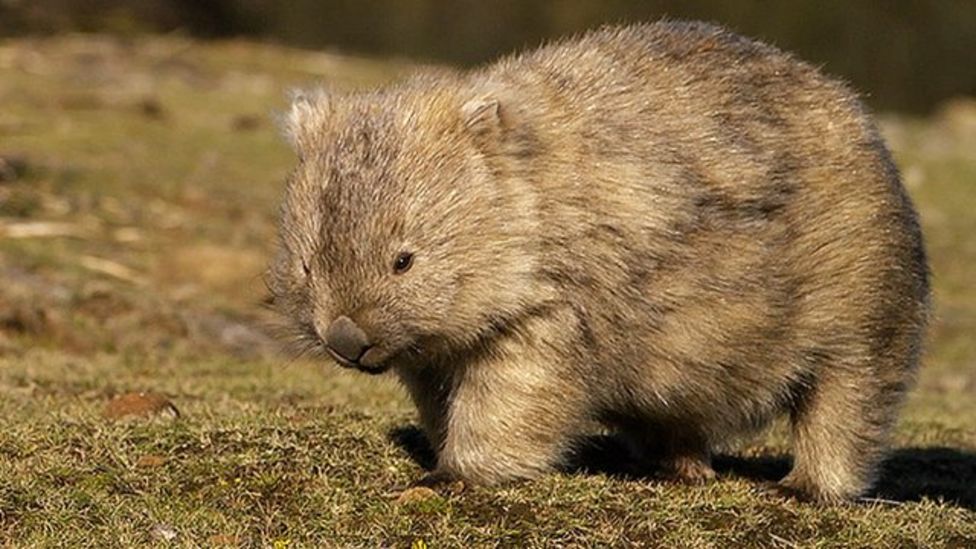
Wombat droppings are distinctly cube-shaped, which seems impossible given that they emerge from a round opening. Scientists recently discovered that wombats have elastic intestinal walls with varying thickness.
The combination of slow digestion and these muscular contractions gradually forms the waste into cubes.
The cubic shape prevents the droppings from rolling away, which helps wombats mark their territory on slopes and uneven ground. Wombats stack their cube-shaped waste to communicate with other wombats about territory boundaries.
This is evolution solving a practical problem with geometry that would make engineers jealous.
Your Brain Uses 20% of Your Body’s Energy While Weighing Only 2% of Your Body Weight

The brain is an energy hog that never sleeps. Even during rest, it consumes about 20% of your daily caloric intake.
This massive energy requirement is why humans need such calorie-dense diets compared to other primates.
Most of this energy goes toward maintaining the electrical gradients across neuron membranes and synthesizing neurotransmitters. The brain can’t store energy like muscles can, so it depends on a constant supply of glucose from the bloodstream.
This energy demand is why prolonged mental effort feels genuinely exhausting — your brain is literally burning through fuel at an extraordinary rate.
There Are More Trees on Earth Than Stars in the Milky Way Galaxy
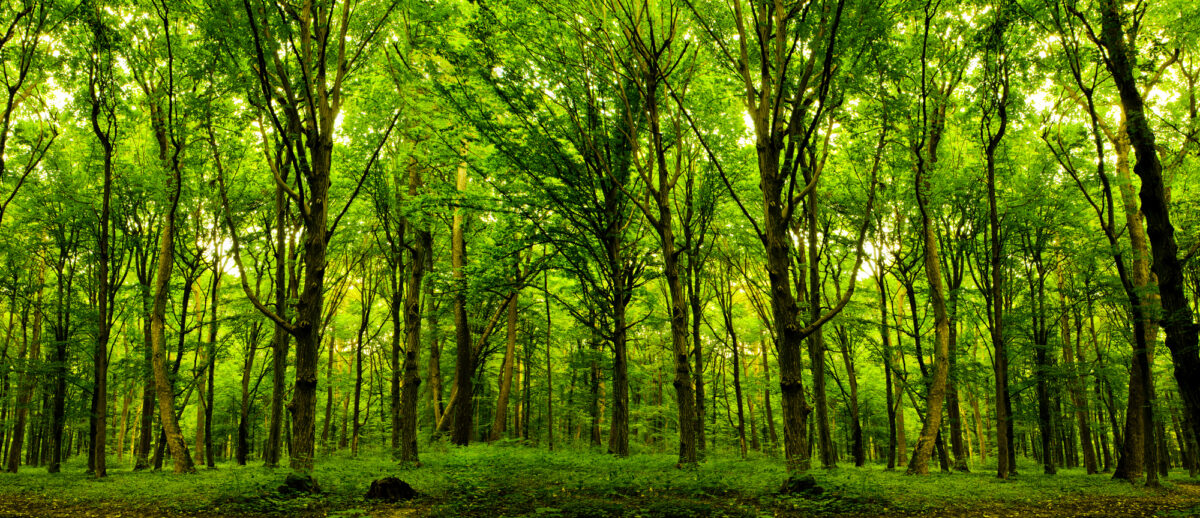
Current estimates suggest Earth has about 3 trillion trees. The Milky Way contains roughly 100-400 billion stars, so trees outnumber stars by a factor of at least 7 to 1, which puts terrestrial life into a perspective that most people find disorienting (there’s something profound about realizing that what feels infinite when you look up at the night sky is actually outnumbered by something you can touch and climb).
And here’s what makes this even stranger: we’ve cut down roughly half the trees that existed before human civilization began. So historically, trees outnumbered stars by an even larger margin.
Cleopatra Lived Closer in Time to the Moon Landing Than to the Construction of the Great Pyramid
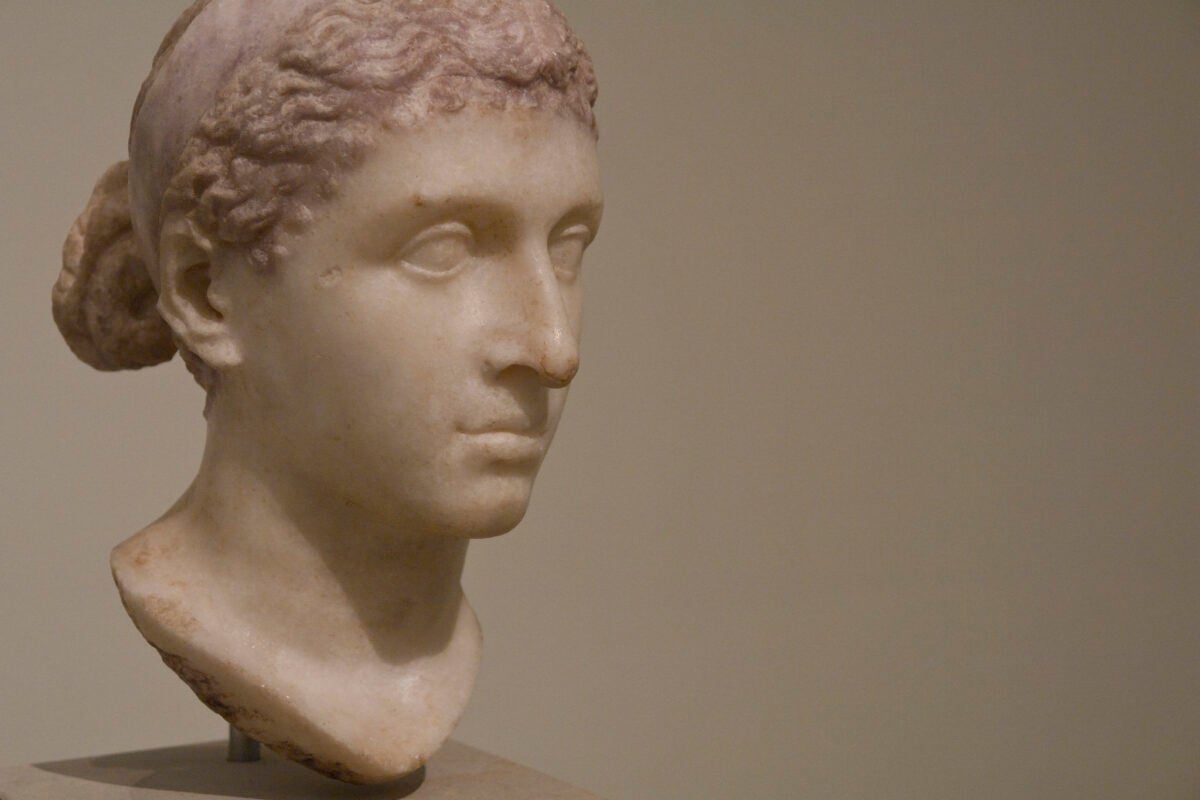
Cleopatra VII lived around 30 BCE. The Great Pyramid was completed around 2560 BCE.
The Apollo 11 moon landing happened in 1969 CE.
From Cleopatra’s time to the moon landing: about 2,000 years. From the Great Pyramid’s completion to Cleopatra’s era: about 2,500 years.
Ancient Egypt’s civilization lasted so long that its own monuments were ancient history to its later rulers.
This timeline confusion happens because “ancient” civilizations actually spanned enormous periods. What feels like a single historical moment was actually thousands of years of change, innovation, and cultural evolution.
You Can’t Taste Food Without Smell

Your tongue recognizes only five basic tastes: sweet, sour, salty, bitter, and umami. Everything else you think you’re tasting is actually aroma molecules traveling from your mouth to your olfactory receptors through the back of your throat.
This is why food tastes bland when you have a stuffy nose — you’re only getting those five basic tastes without any of the complex flavor profiles created by smell. Professional wine tasters and chefs are essentially training their noses, not their tongues.
The connection between smell and taste is so strong that artificial flavors work primarily through scent, not flavor compounds.
A Day on Venus Is Longer Than a Year on Venus
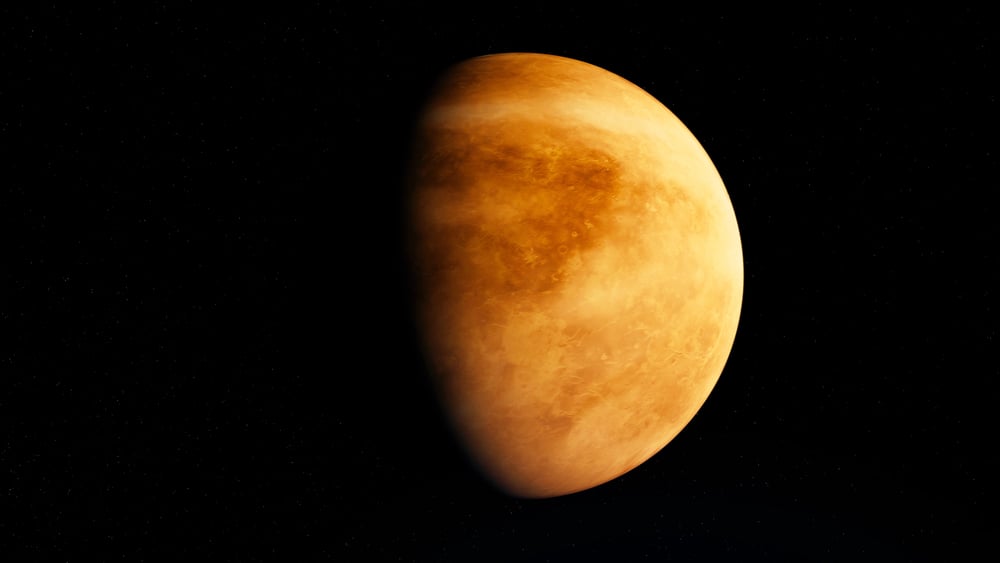
Venus rotates on its axis once every 243 Earth days, which is its day length. Venus orbits the sun once every 225 Earth days, which is its year length.
So a Venusian day lasts longer than a Venusian year.
Venus also rotates backward compared to most planets, likely due to a massive collision early in its history. If you could somehow survive on Venus’s surface, the sun would rise in the west and set in the east.
This backward rotation is so slow that Venus’s day-night cycle creates extreme temperature variations, though the thick atmosphere maintains hellish conditions regardless.
Your Body Contains About 37 Trillion Cells, but Only About Half of Them Are Human
The other half are bacteria, fungi, and other microorganisms that live in and on your body (particularly in your gut, where trillions of bacteria help digest food, synthesize vitamins, and regulate immune function in ways that scientists are still discovering — some researchers now think of the human microbiome as an additional organ system). These aren’t invaders or parasites; they’re essential partners in keeping you alive and healthy.
Without them, you’d die within days. So the question “What makes you human?” becomes complicated when you realize that maintaining your humanity requires being roughly half non-human at the cellular level.
Octopuses Have Distributed Brains

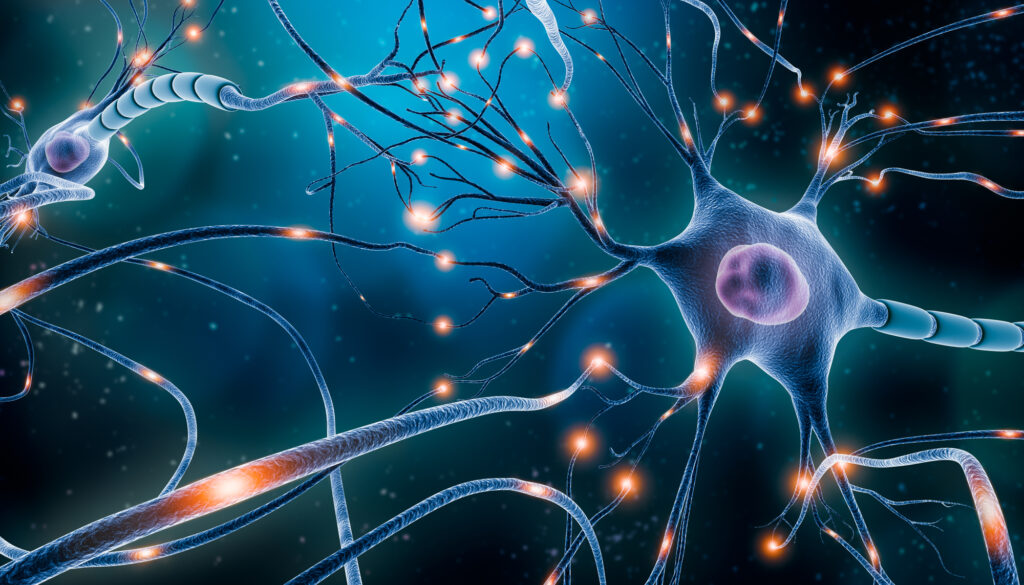
Two-thirds of an octopus’s neurons are located in its arms, not its head. Each arm can taste, touch, and react to stimuli independently.
A severed octopus arm will continue moving and reacting to food for hours after being detached.
This distributed intelligence means octopuses process information in ways completely unlike vertebrate brains. They can solve problems with their arms while their central brain focuses on other tasks.
It’s parallel processing taken to an biological extreme.
Octopuses essentially think with their entire body, which may explain their remarkable problem-solving abilities despite having evolved intelligence completely independently from vertebrates.
The Wonder Hiding in Plain Sight
Reality operates on principles so strange that discovering them feels like learning magic tricks — except the tricks are real, and they’ve been happening around you every moment of your life. Every breath you take involves quantum mechanics.
Every step you take involves relativity. Every meal you eat involves chemistry so complex that scientists still don’t fully understand how your body extracts energy from food and turns it into consciousness.
The most remarkable thing about these facts isn’t that they exist, but that the universe somehow arranges itself in ways that make them feel normal once you know them. Strange becomes familiar. Impossible becomes inevitable.
And the world reveals itself to be far more interesting than anyone ever promised it would be.
More from Go2Tutors!

- The Romanov Crown Jewels and Their Tragic Fate
- 13 Historical Mysteries That Science Still Can’t Solve
- Famous Hoaxes That Fooled the World for Years
- 15 Child Stars with Tragic Adult Lives
- 16 Famous Jewelry Pieces in History
Like Go2Tutors’s content? Follow us on MSN.