TV Shows Filmed in Front of Audiences
There’s something special about hearing real laughter ripple through a studio while actors deliver their lines. TV shows filmed in front of live audiences bring an energy that’s hard to fake, and viewers at home can feel it too.
The applause, the gasps, the genuine reactions create a connection between what’s happening on screen and the people watching from their couches. These shows became a huge part of television history, shaping how we experience comedy and drama.
Let’s look at some of the most memorable ones that brought audiences right into the action.
I Love Lucy

This 1950s sitcom changed everything about how TV shows were made. Lucille insisted on filming in front of a live audience because she wanted to perform like she did in theater, feeding off the crowd’s reactions.
The show used multiple cameras at once, which was brand new at the time, and it let the crew capture all the physical comedy without stopping. People packed into the studio to watch Lucy stuff chocolates in her mouth or stomp grapes in a giant barrel, and their laughter became part of what made those scenes so memorable.
The Tonight Show Starring Johnny Carson
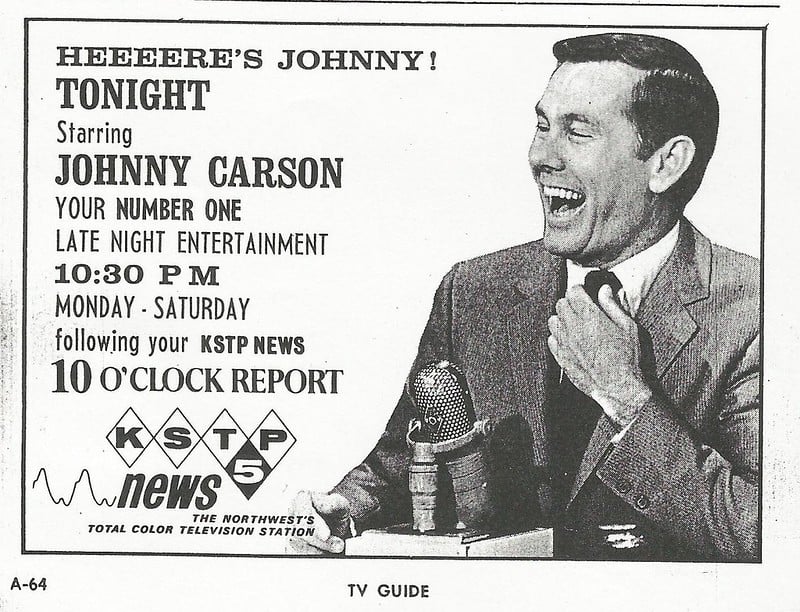
Johnny Carson hosted this late-night talk show for 30 years, and the studio audience was always part of the experience. His monologues worked because he could hear what jokes landed and which ones bombed right away.
When something didn’t get laughs, Carson would make a face or crack a joke about the silence, and that became funny too. The audience gave the show a party atmosphere that made millions of people feel like they were staying up late with friends.
Cheers
This Boston bar became America’s favorite hangout spot for 11 seasons. The cast performed in front of hundreds of people who came to watch the taping each week, and their reactions helped the actors know when to hold for laughs.
Sam and Diane’s arguments got bigger responses when a real crowd was watching, pushing the performers to give more. The warmth you feel watching Cheers comes partly from knowing that real people were laughing along in that moment.
The Mary Tyler Moore Show

Mary Richards became a role model for working women across America, and the live audience made her victories feel even more satisfying. When Mary stood up to her boss Lou Grant or handled a crisis at the newsroom, people in the studio seats cheered her on.
The show tackled serious topics like equal pay and workplace discrimination, and having an audience there added weight to those moments. Their reactions reminded viewers at home that these issues mattered to real people.
Saturday Night Live

This sketch comedy show has been performing live since 1975, making it one of the longest-running examples of audience participation on TV. The crowd’s energy can make or break a sketch, and the performers know it.
When something goes wrong or an actor breaks character and laughs, the audience reaction turns a mistake into a highlight. The show only works because of the unpredictable nature of live performance with hundreds of people watching.
The Carol Burnett Show

Carol Burnett would take questions from the audience at the start of every episode, making them feel like part of her variety show family. The sketches that followed had audiences howling at physical gags and costume changes that happened right in front of them.
When Harvey Korman couldn’t keep a straight face during a scene, the audience’s laughter at his struggle made it twice as funny. Burnett treated her studio guests like friends dropping by for an evening of entertainment.
All in the Family

Archie Bunker’s controversial opinions sparked debates in living rooms across America, and the studio audience reacted strongly to every episode. Norman Lear wanted real responses to the show’s difficult topics about racism and social change.
Sometimes the audience groaned at Archie’s bigoted comments, and sometimes they laughed nervously, but their reactions were always genuine. The show proved that sitcoms filmed with audiences could handle heavy subjects and still be entertaining.
Seinfeld
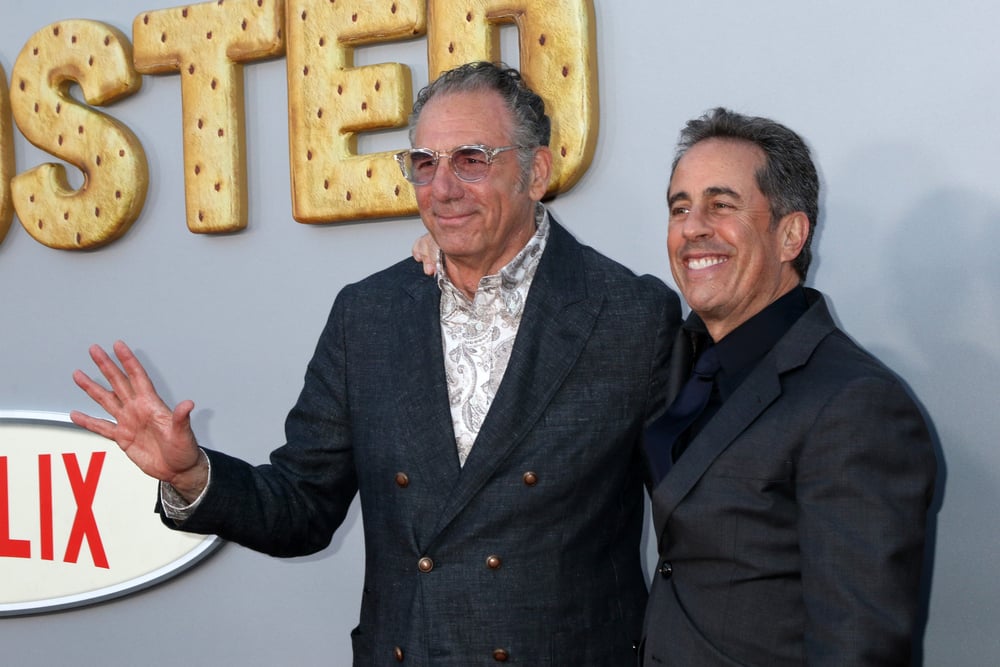
This show about nothing became one of the biggest hits in TV history, and the live audience was there for every bizarre conversation and scheme. J. Seinfeld and Larry David wanted to hear if their observational humor actually worked before it aired.
When Kramer slid through the door or George had another meltdown, the crowd’s laughter validated the weirdness. The audience helped turn everyday annoyances into comedy gold.
Friends
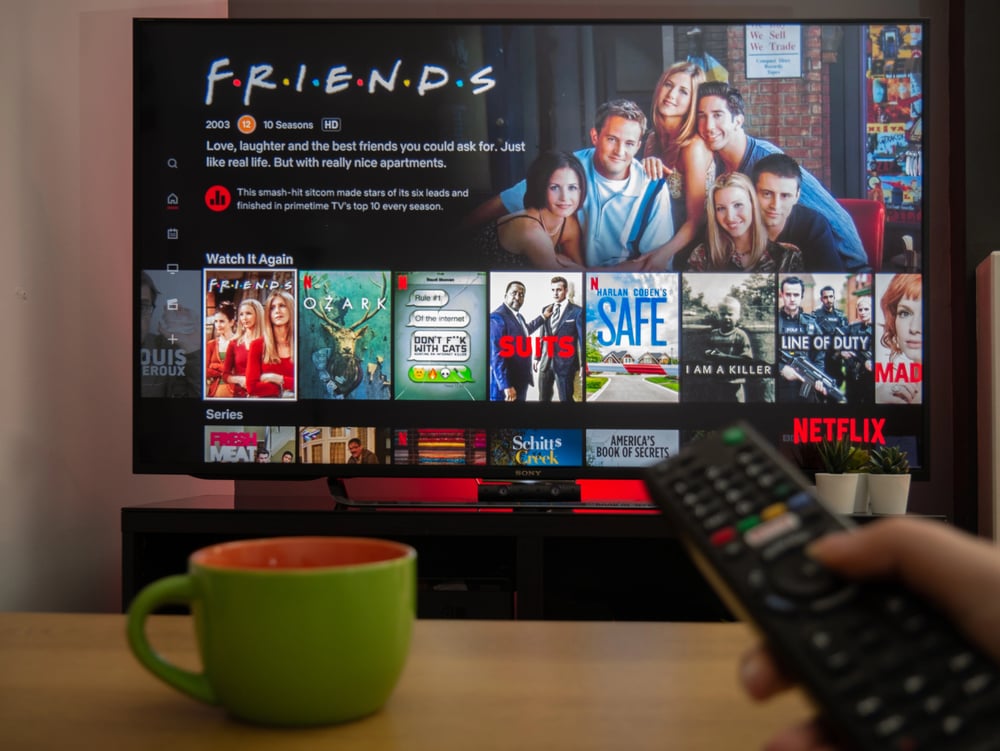
Six twentysomethings hanging out in a coffee shop attracted audiences of over 300 people for each taping. The crowd would sometimes watch the same scene multiple times as the cast tried different versions, and they’d laugh just as hard each time.
When Ross and Rachel finally got together or apart again, the audience reactions were so loud that the actors had to wait to deliver their next lines. Those pauses became part of the show’s rhythm.
The Fresh Prince of Bel-Air
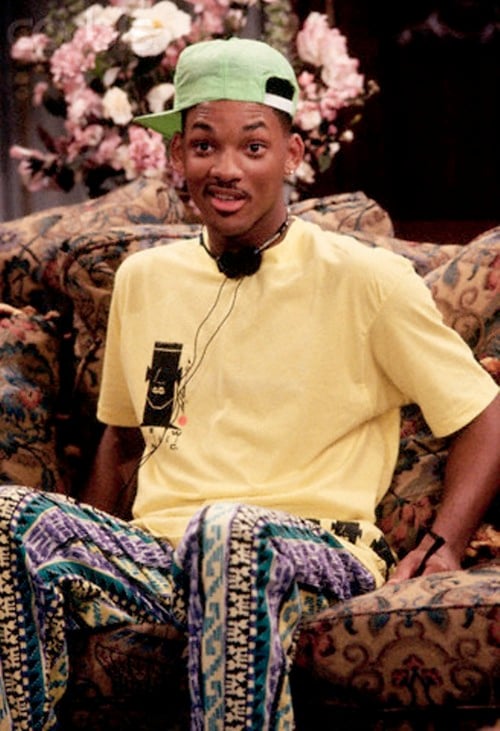
Will Smith’s journey from Philadelphia to a Bel-Air mansion played out in front of audiences who treated him like a star from the first episode. The dance sequences and physical comedy worked better with real people watching and clapping along.
When the show tackled serious moments, like Will’s father leaving him again, the audience’s silence added power to those scenes. Their presence helped balance the comedy with genuine emotion.
MAS*H

This show about a medical unit during the Korean War started with a laugh track but later dropped it for operating room scenes. The early seasons were filmed in front of audiences who laughed at Hawkeye’s jokes while dealing with the darker reality of war.
The contrast between comedy and drama worked because real people were processing both elements together. Eventually, the show moved away from audience filming as it became more serious, but those early seasons show how audiences could handle complex material.
The Cosby Show

This family sitcom brought audiences into the Huxtable household for eight seasons. The show was filmed in Brooklyn, and New Yorkers packed the studio to watch Cliff and Clair raise their five kids.
When Theo struggled in school or Denise made another impulsive decision, the audience reacted like extended family members witnessing it firsthand. Their involvement made the show’s lessons about parenting and growing up feel more communal.
Who’s the Boss?

Tony Micelli and Angela Bower’s will-they-won’t-they relationship kept audiences invested for eight seasons. The studio crowd picked up on every meaningful glance and near-miss moment between the two leads.
When Tony’s daughter Samantha dealt with typical teenager problems, the parents in the audience related to Angela’s responses. The show’s charm came from how the performers played to the room’s energy.
The Drew Carey Show

Drew Carey built his sitcom around his stand-up comedy background, making the studio audience essential to the show’s vibe. The episodes often included musical numbers and breaking the fourth wall, which worked because real people were sitting right there.
When Drew and his friends hatched ridiculous plans or dealt with their nightmare boss Mr. Wick, the audience howled. Carey’s improvisational style meant no two tapings were exactly the same.
Full House
This family sitcom about raising three girls after their mother’s death became a cultural phenomenon. The Tanner family’s heartfelt moments and corny jokes landed differently with a live audience providing instant feedback.
When Uncle Jesse sang a lullaby or Michelle delivered her catchphrase, the crowd’s enthusiastic response encouraged the performers to lean into those moments. The audience made the show’s sweetness feel earned rather than manufactured.
Everybody Loves Raymond
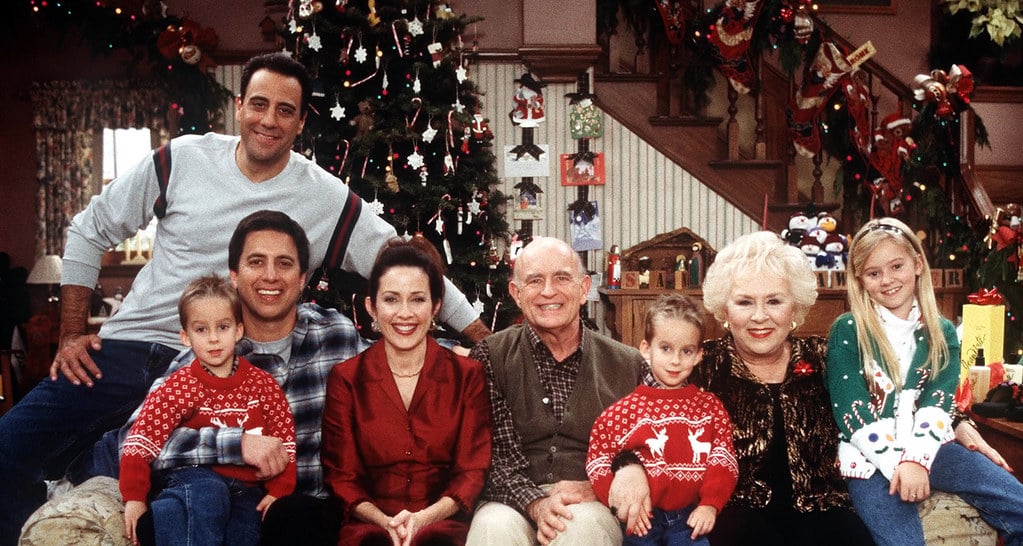
Ray Romano brought his stand-up observations about family life to this sitcom filmed in front of audiences for nine seasons. The crowd’s reactions helped the cast understand which family dynamics hit home with viewers.
When Raymond’s parents barged into his house uninvited or Debra reached her breaking point, audiences laughed in recognition. The show’s relatability came from performing family conflicts for people who’d lived through similar situations.
The Big Bang Theory
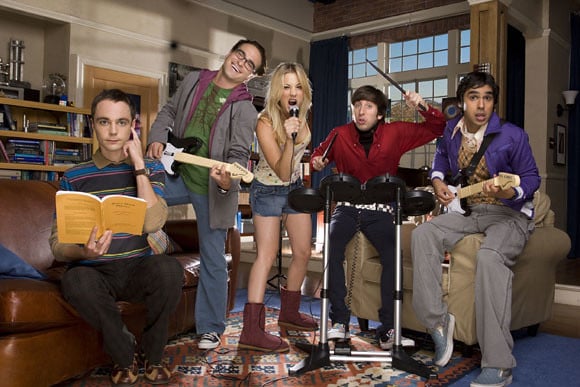
Twelve seasons unfolded while real people filled the seats, reacting as scenes played out. Between filming pauses, actors broke down tricky science gags just enough for laughs to land later.
Knocking happened exactly thrice – Sheldon’s rhythm met by eager faces leaning forward. Conversations over comics sparked cheers, not silence. That energy in the room showed something quiet shifting: what once felt niche now had a home in broad daylight.
How I Met Your Mother
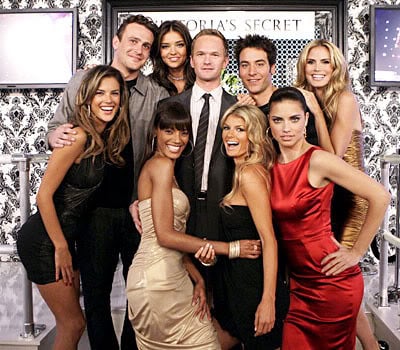
One day, someone told a story about how that TV show came together. It ran for nearly ten years, using real people clapping and laughing each week despite jumping around in time.
Scenes unfolded step by step, so those watching felt part of something unfolding live. Whenever Barney spun out some wild idea or Marshall twisted his face into a silly shape, noise rose from the room – proof it worked.
What waited at the very last episode stayed hidden from them. Still, their presence shaped every moment leading there.
Here is where everything fits into place

People laughing together helped make TV shows feel alive for years. Nowadays some productions bring folks into studios, even if most series shoot without them.
What those crowds gave – honest reactions – can’t be copied by machines or scripts. Moments of surprise, joy, silence – they showed how stories truly landed.
Recorded responses weren’t filler; they were evidence someone was really listening.
More from Go2Tutors!

- The Romanov Crown Jewels and Their Tragic Fate
- 13 Historical Mysteries That Science Still Can’t Solve
- Famous Hoaxes That Fooled the World for Years
- 15 Child Stars with Tragic Adult Lives
- 16 Famous Jewelry Pieces in History
Like Go2Tutors’s content? Follow us on MSN.



