Famous Speeches That Were Improvised
Some of the most powerful words ever spoken weren’t carefully written down beforehand. They came straight from the heart, unscripted and raw.
These moments changed history, moved millions, and proved that sometimes the best thing to say is what comes naturally in the moment. Let’s look at some speeches that weren’t supposed to happen the way they did, yet became unforgettable.
I Have a Dream
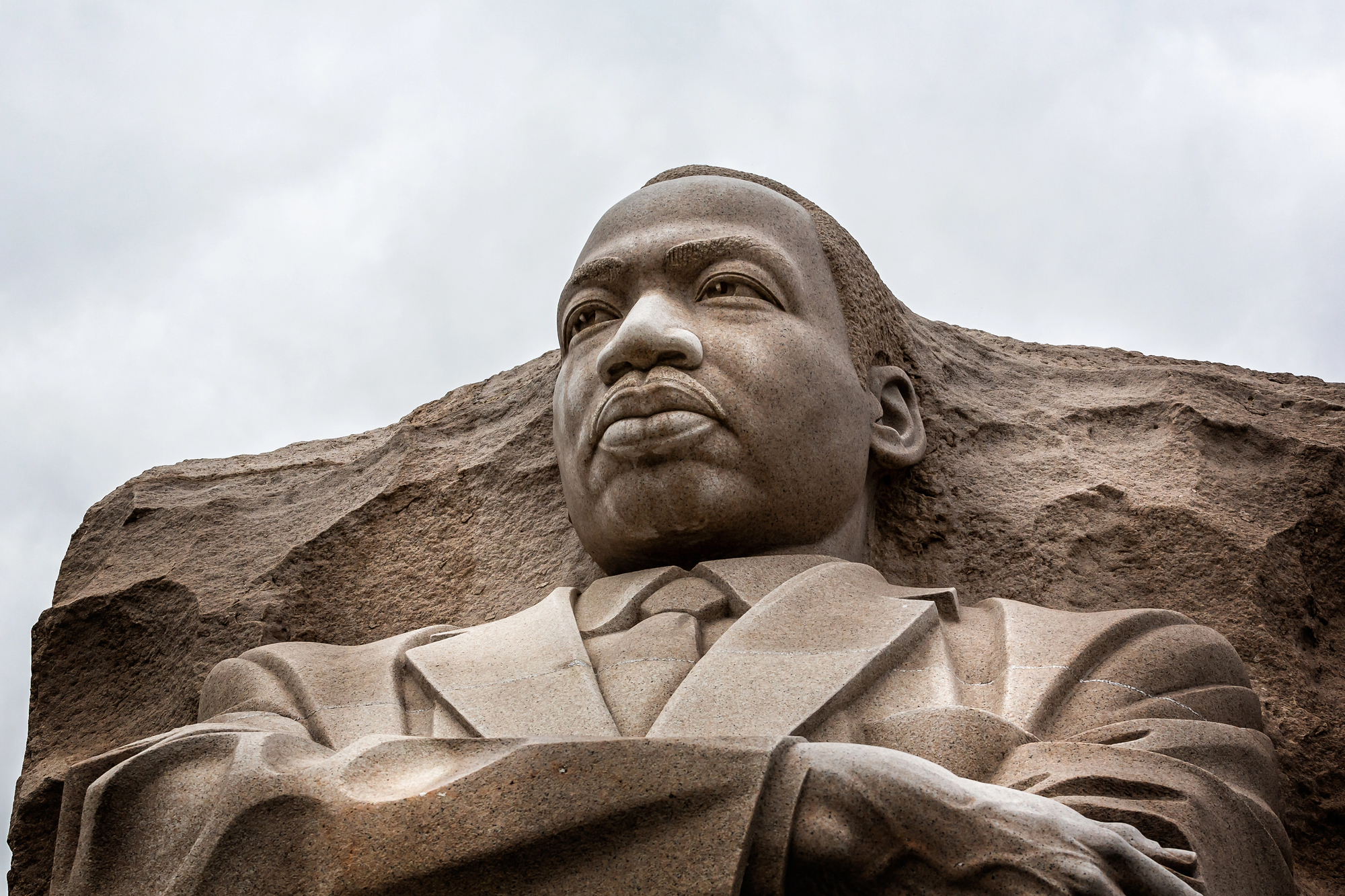
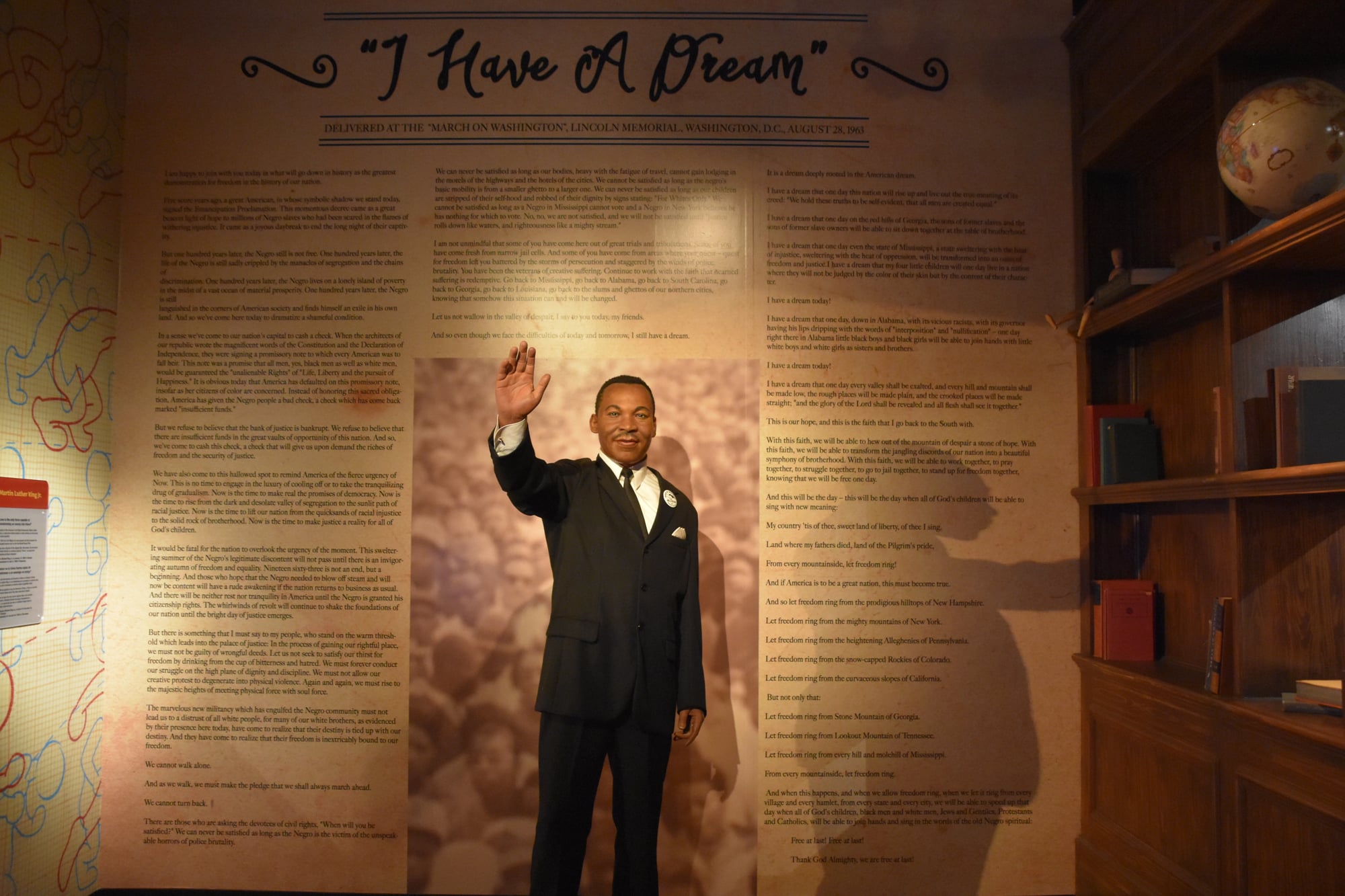
Martin Luther King Jr. stood before 250,000 people at the March on Washington in 1963 with a prepared speech in hand. He was reading through his notes when gospel singer Mahalia Jackson called out from behind him, ‘Tell them about the dream, Martin!’
King pushed his notes aside and launched into what became the most famous part of his speech. The ‘I Have a Dream’ section was completely off script, drawing from themes he’d explored in earlier, smaller talks but never on this scale.
The Gettysburg Address
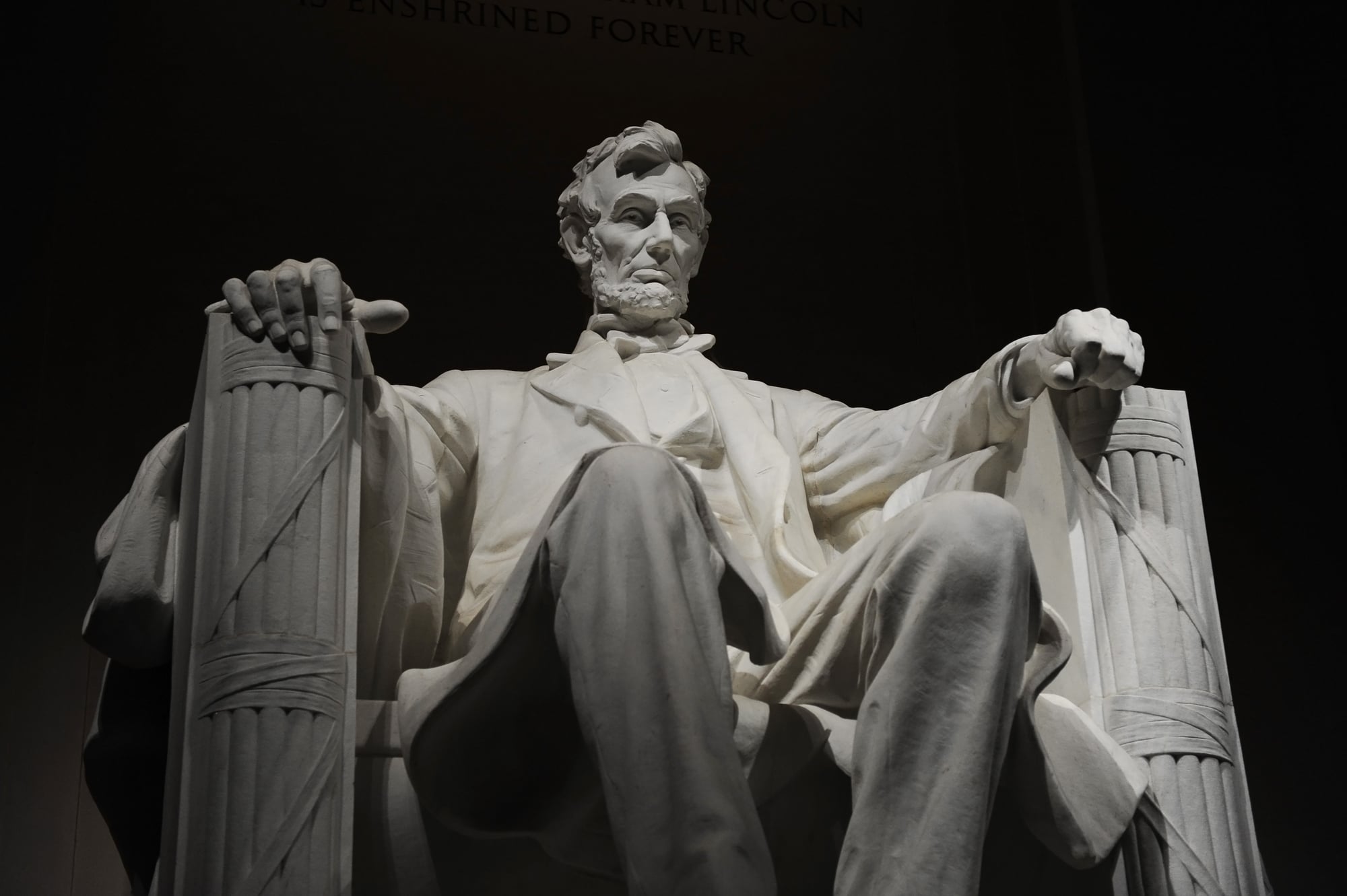
Abraham Lincoln rode a train to Gettysburg in November 1863, and legend says he scribbled his speech on an envelope during the journey. While historians now know he’d actually drafted it before leaving Washington, Lincoln made significant changes while speaking.
The final version delivered at the cemetery dedication was notably different from what he’d written. He spoke for just two minutes, and many in the crowd hadn’t even realized he’d finished when he sat down.
We Shall Fight on the Beaches
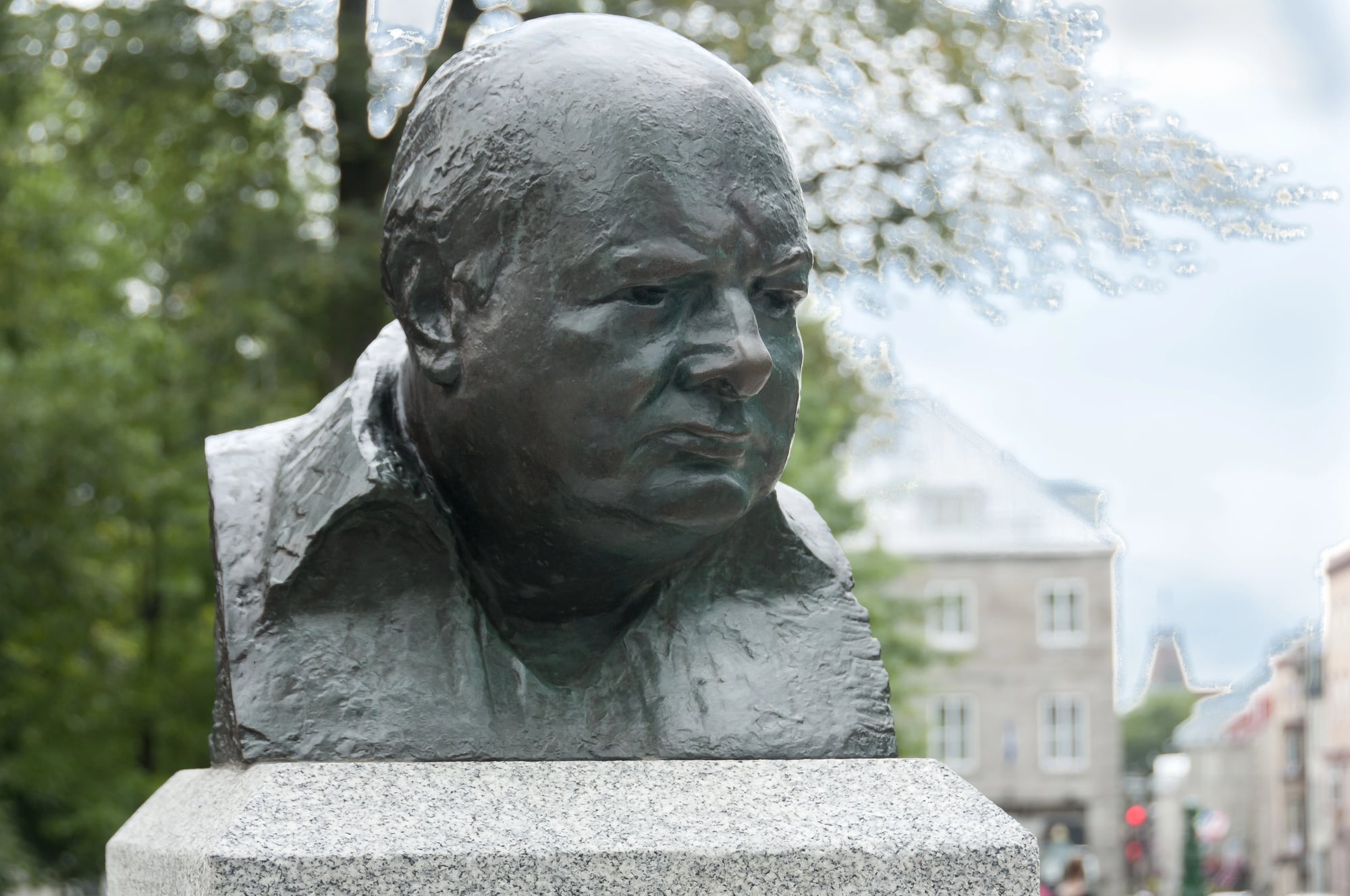
Winston Churchill delivered this stirring speech to the House of Commons in June 1940 as France fell to Nazi Germany. He’d prepared general notes but spoke largely without a script, his words flowing from genuine emotion about Britain’s dire situation.
The passion in his delivery came from speaking what he truly felt rather than reading prepared lines. His refusal to surrender, expressed through these improvised phrases, rallied a nation facing its darkest hour.
Blood, Toil, Tears and Sweat
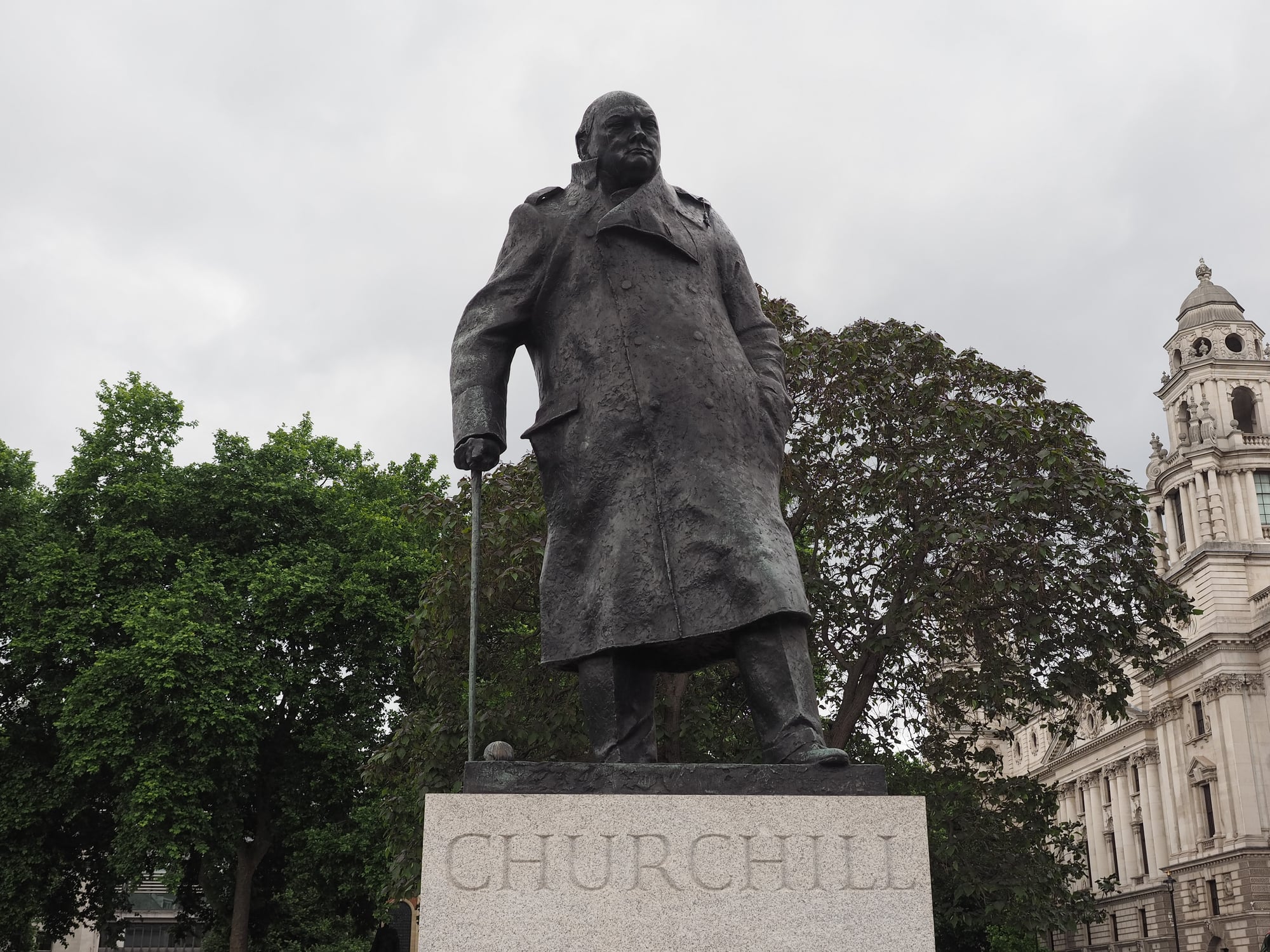
Churchill’s first speech as Prime Minister came just three days after taking office in May 1940. He had virtually no time to prepare a formal address.
Standing before Parliament, he spoke briefly and bluntly about the grim reality Britain faced. The famous phrase that became the speech’s title emerged naturally as he assessed what he could honestly promise his country.
The Only Thing We Have to Fear Is Fear Itself
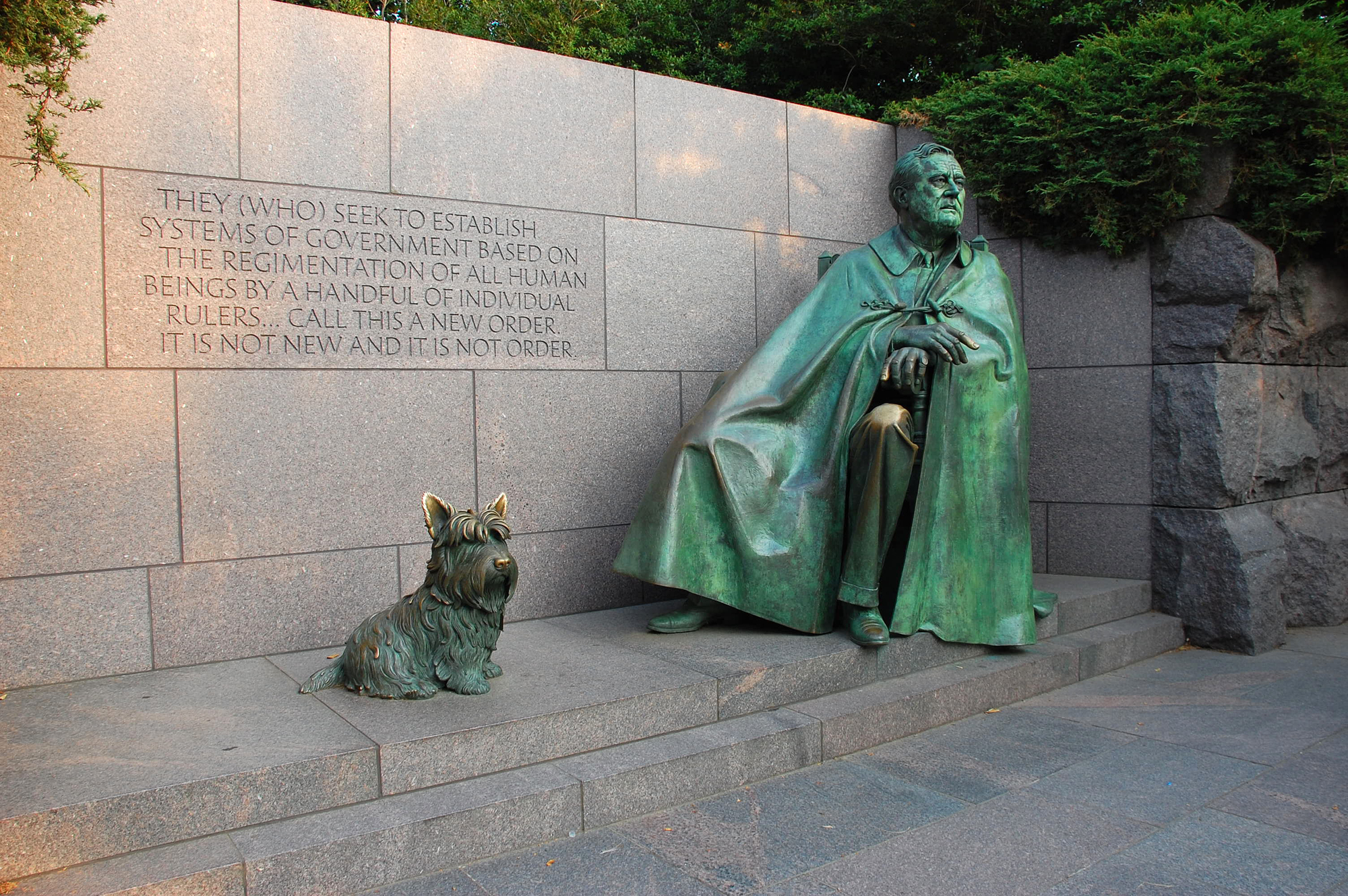
Franklin D. Roosevelt took office during the Great Depression’s lowest point in March 1933. While he had speechwriters, FDR personally rewrote much of his inaugural address the night before and even the morning of the ceremony.
The most famous line, about fear itself being the greatest danger, was added in his final handwritten edits. His delivery made it sound completely spontaneous, as if the thought had just occurred to him while speaking.
Tear Down This Wall
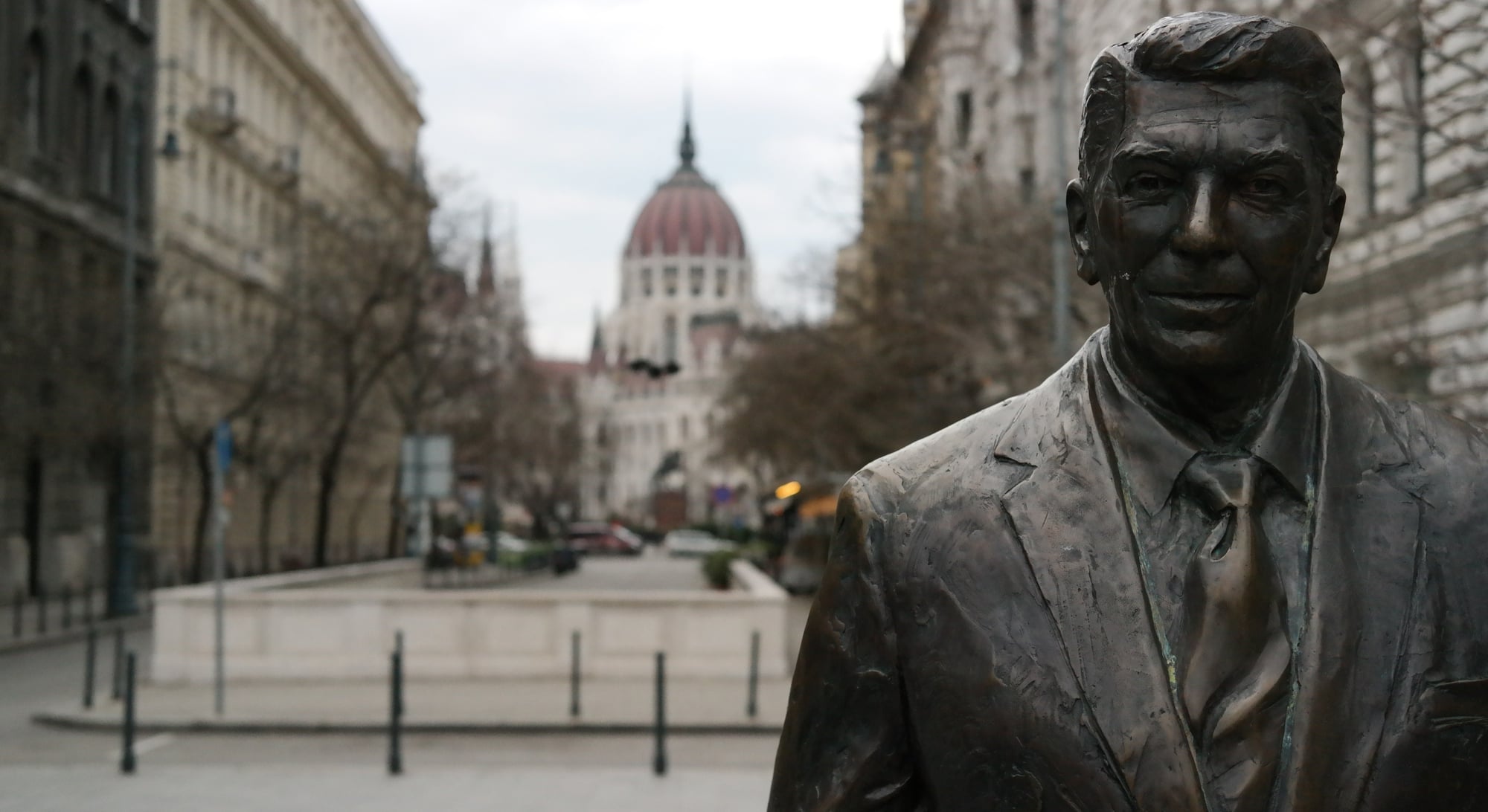
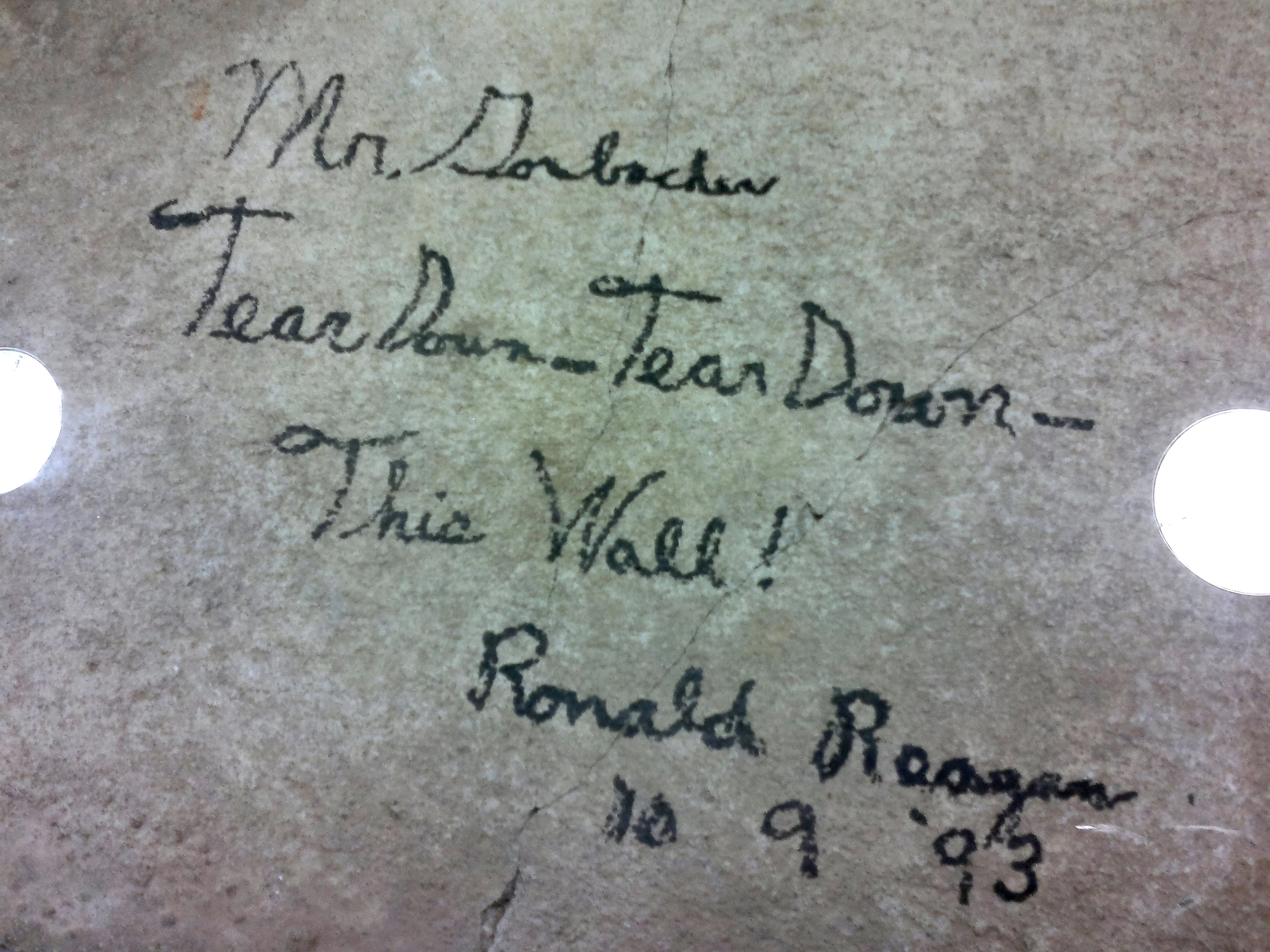
Ronald Reagan’s speechwriters included the famous line about tearing down the Berlin Wall in their 1987 draft. However, the State Department and National Security Council repeatedly tried to remove it, calling it too provocative.
Reagan kept putting it back in, and when he finally stood at the Brandenburg Gate, he delivered it with an intensity that went beyond the written words. His improvised emphasis and timing transformed a scripted line into a thunderbolt that echoed across the Iron Curtain.
Ask Not What Your Country Can Do for You
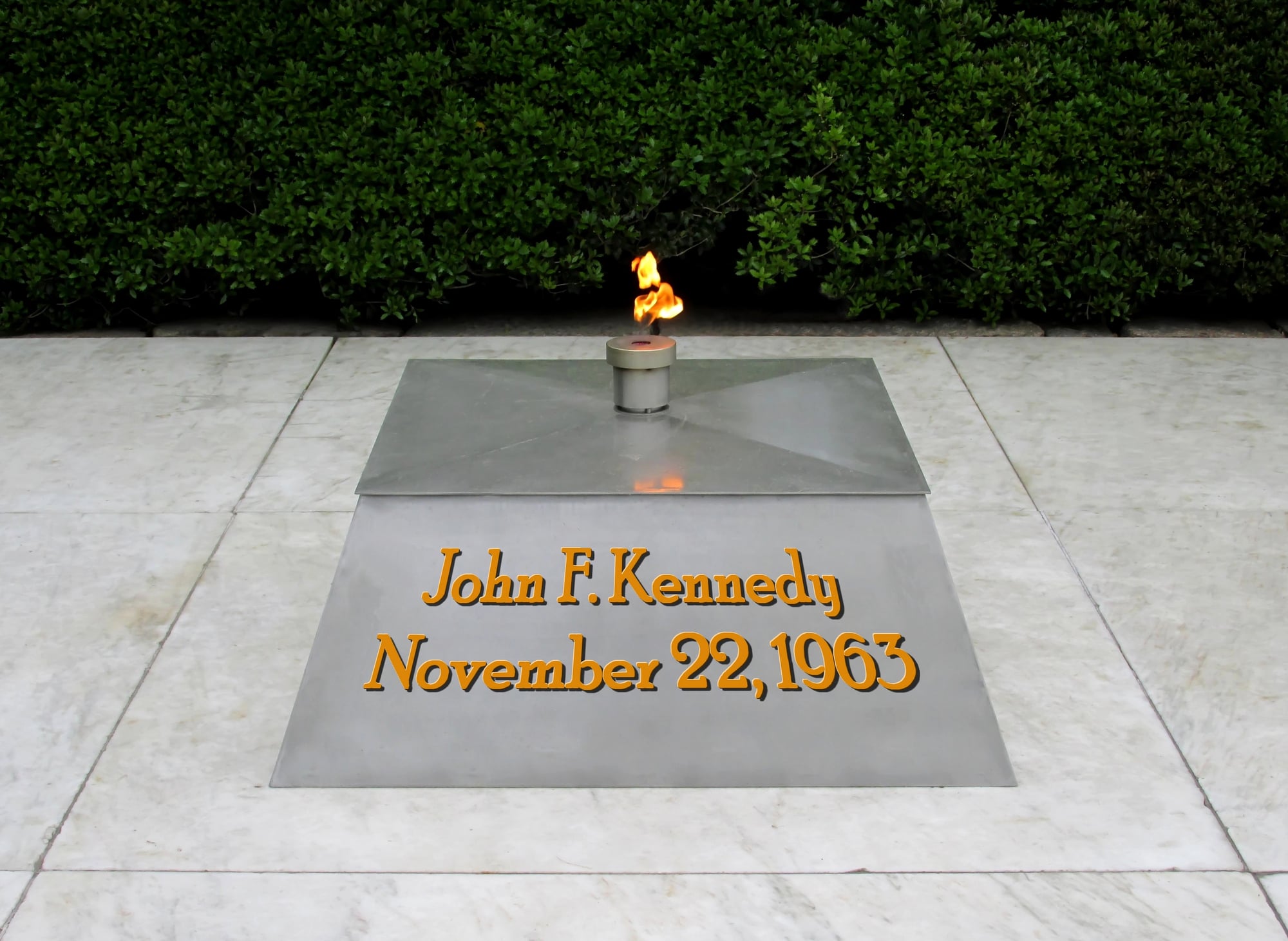
John F. Kennedy worked extensively on his 1961 inaugural address, but he modified it significantly during delivery. The rhythm and pacing he used weren’t in the written version.
Kennedy added pauses, changed emphasis, and adjusted phrasing as he spoke. His delivery coach had told him to feel the words rather than just read them, and that’s exactly what he did on that cold January day.
I’ve Been to the Mountaintop
Martin Luther King Jr. arrived in Memphis in April 1968 to support striking sanitation workers. He was exhausted and hadn’t planned to speak that rainy evening.
Friends convinced him to go to the church, where he delivered what would be his final speech without any prepared text. The prophetic ending, where he talked about seeing the promised land, came entirely from his heart.
The Man in the Arena
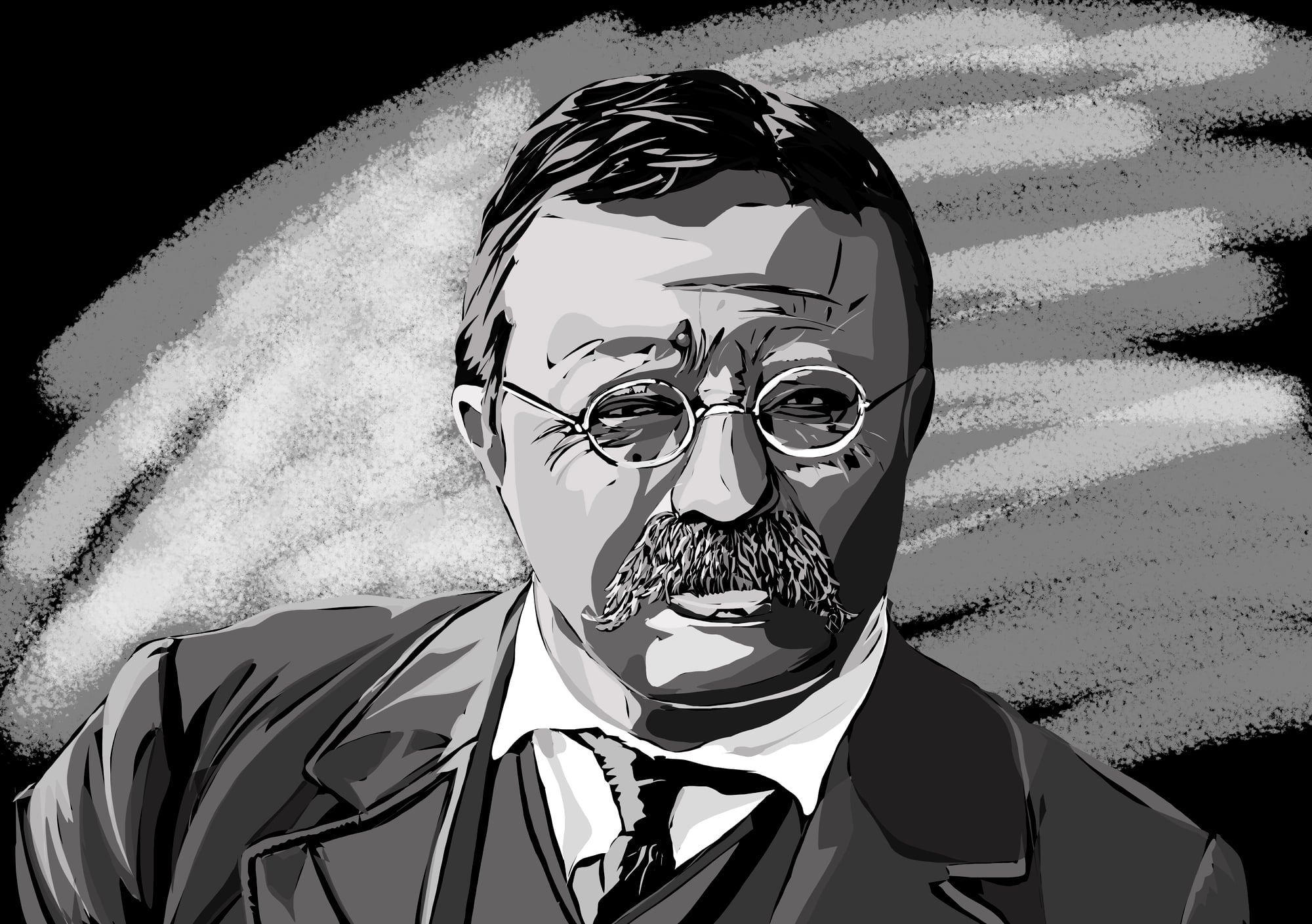
Theodore Roosevelt gave a speech at the Sorbonne in Paris in 1910 titled ‘Citizenship in a Republic.’ While he had notes, the most famous passage about the man in the arena came from his habit of speaking beyond his prepared remarks.
Roosevelt often went off script when he felt passionate about a point. This particular addition became one of history’s most quoted passages about courage and effort, yet it wasn’t in his original draft.
Day of Infamy
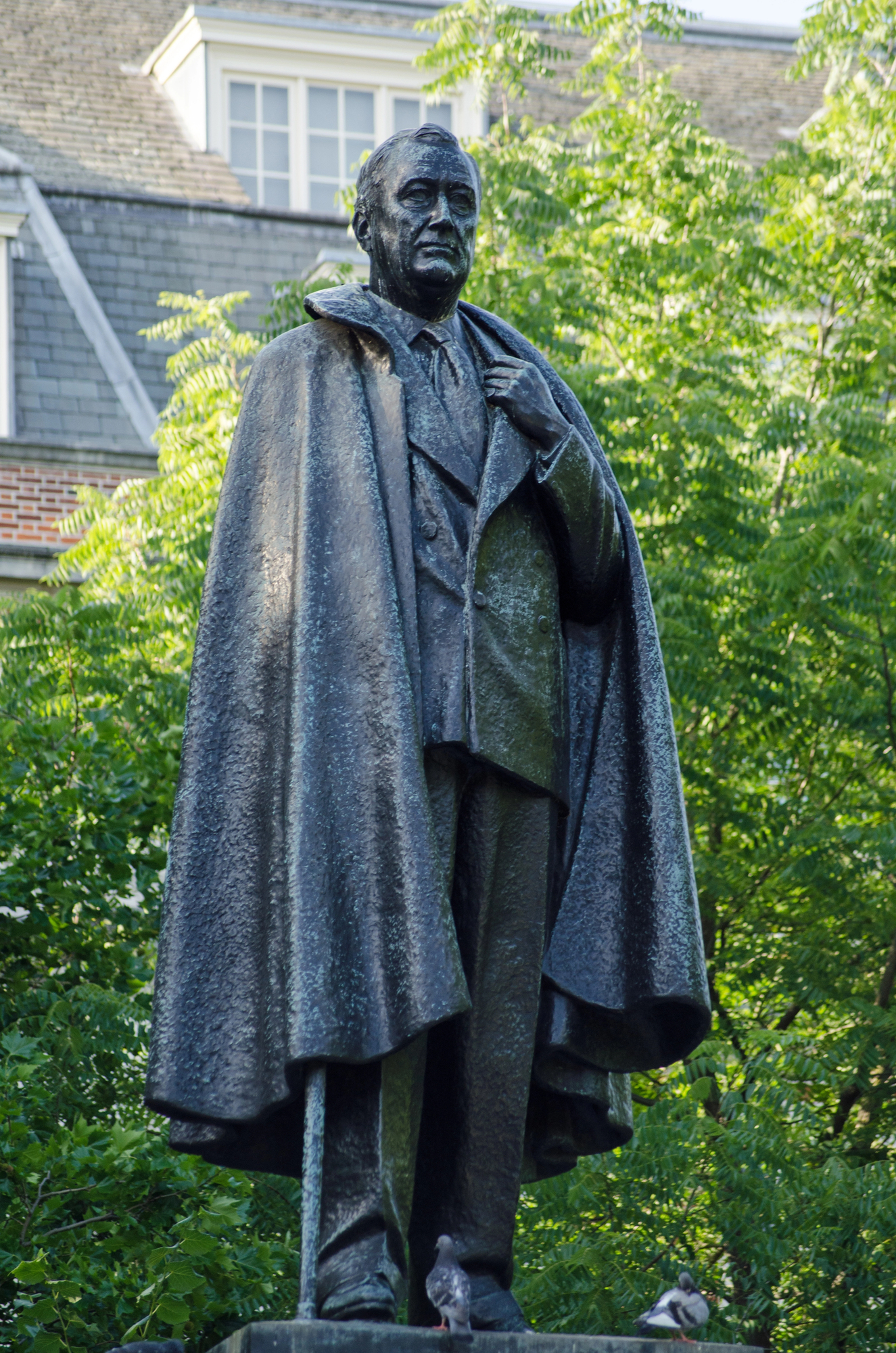
Franklin D. Roosevelt learned about the Pearl Harbor attack on December 7, 1941, and had to address Congress the next day. He worked through the night with advisors, but kept changing his words until moments before speaking.
The opening line called it ‘a date which will live in infamy’ only after Roosevelt personally crossed out ‘world history’ and wrote ‘infamy’ instead. His delivery added weight to words that were still being refined as he walked to the podium.
Evil Empire
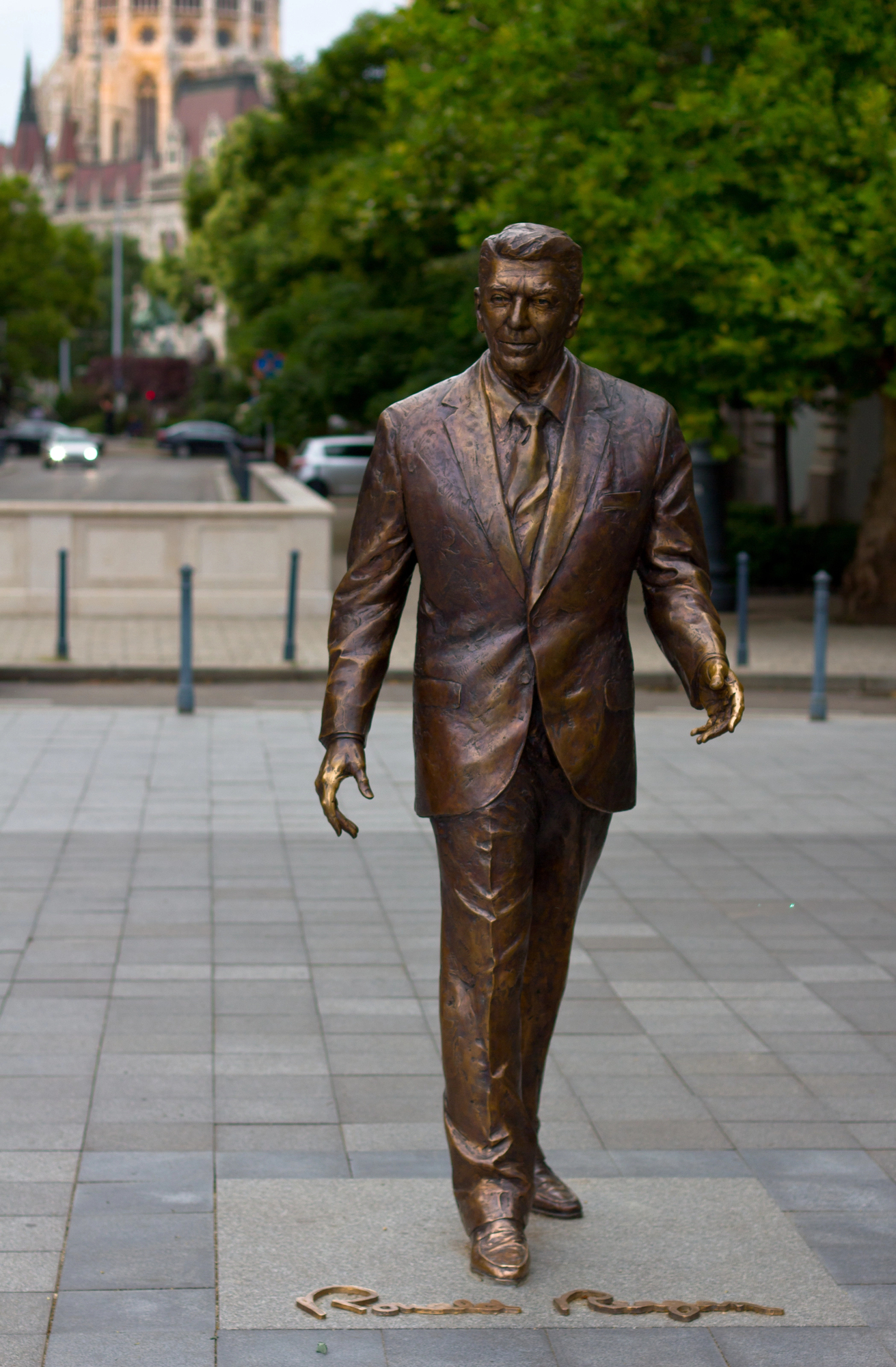
Ronald Reagan spoke to the National Association of Evangelicals in March 1983 with a prepared text about domestic issues. Near the end, he added unrehearsed comments calling the Soviet Union an ‘evil empire.’
His advisors had removed similar language from earlier drafts, fearing diplomatic backlash. Reagan said it anyway, speaking from personal conviction rather than calculated strategy.
Ich Bin Ein Berliner
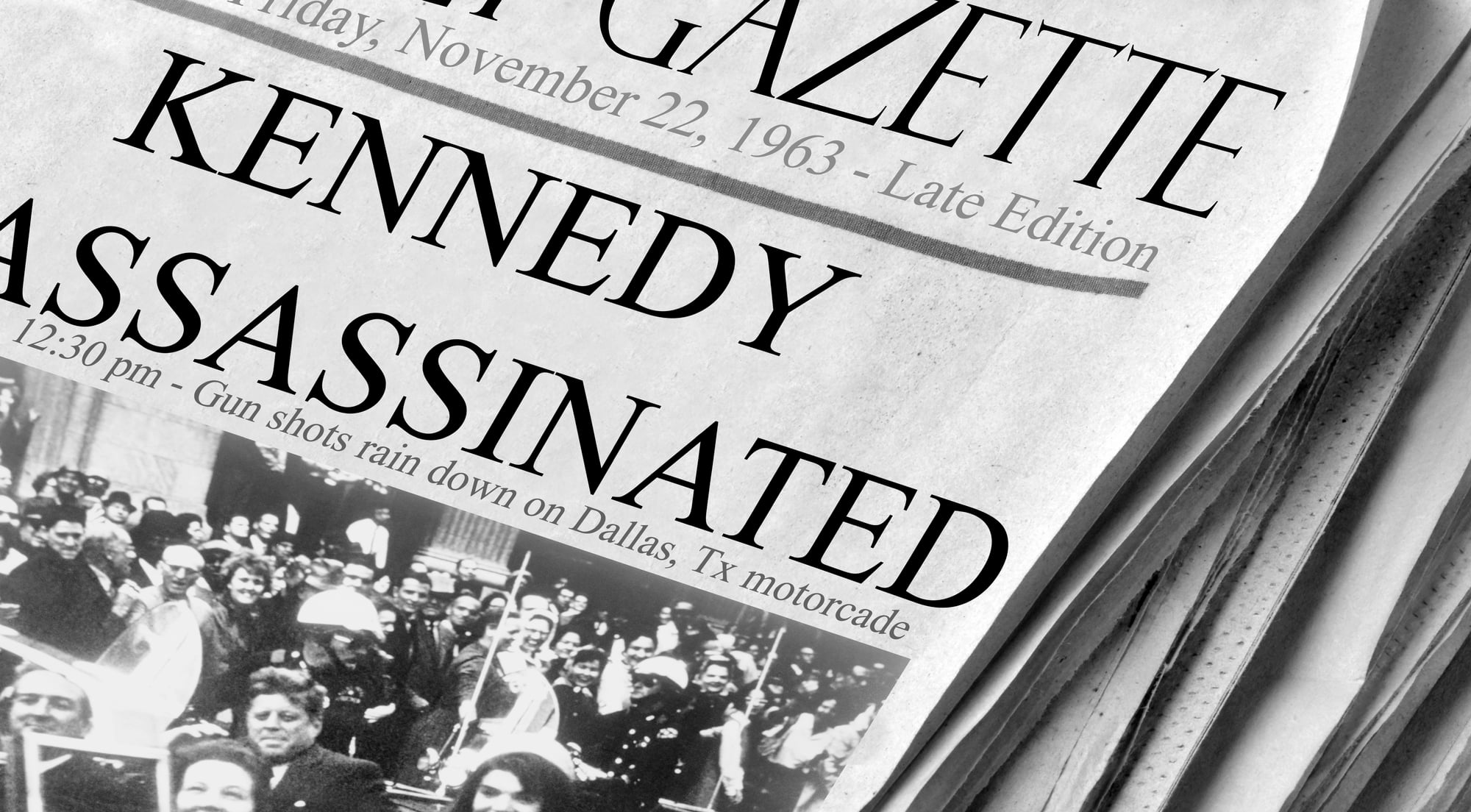
John F. Kennedy practiced his German phonetically before speaking in West Berlin in June 1963. He had note cards with the pronunciation written out.
When he reached the crucial moment, Kennedy repeated the phrase with different emphasis than he’d rehearsed, adding an impromptu second iteration that wasn’t planned. The crowd’s roaring response made him repeat it twice more, each time with growing emotion.
I Am Prepared to Die
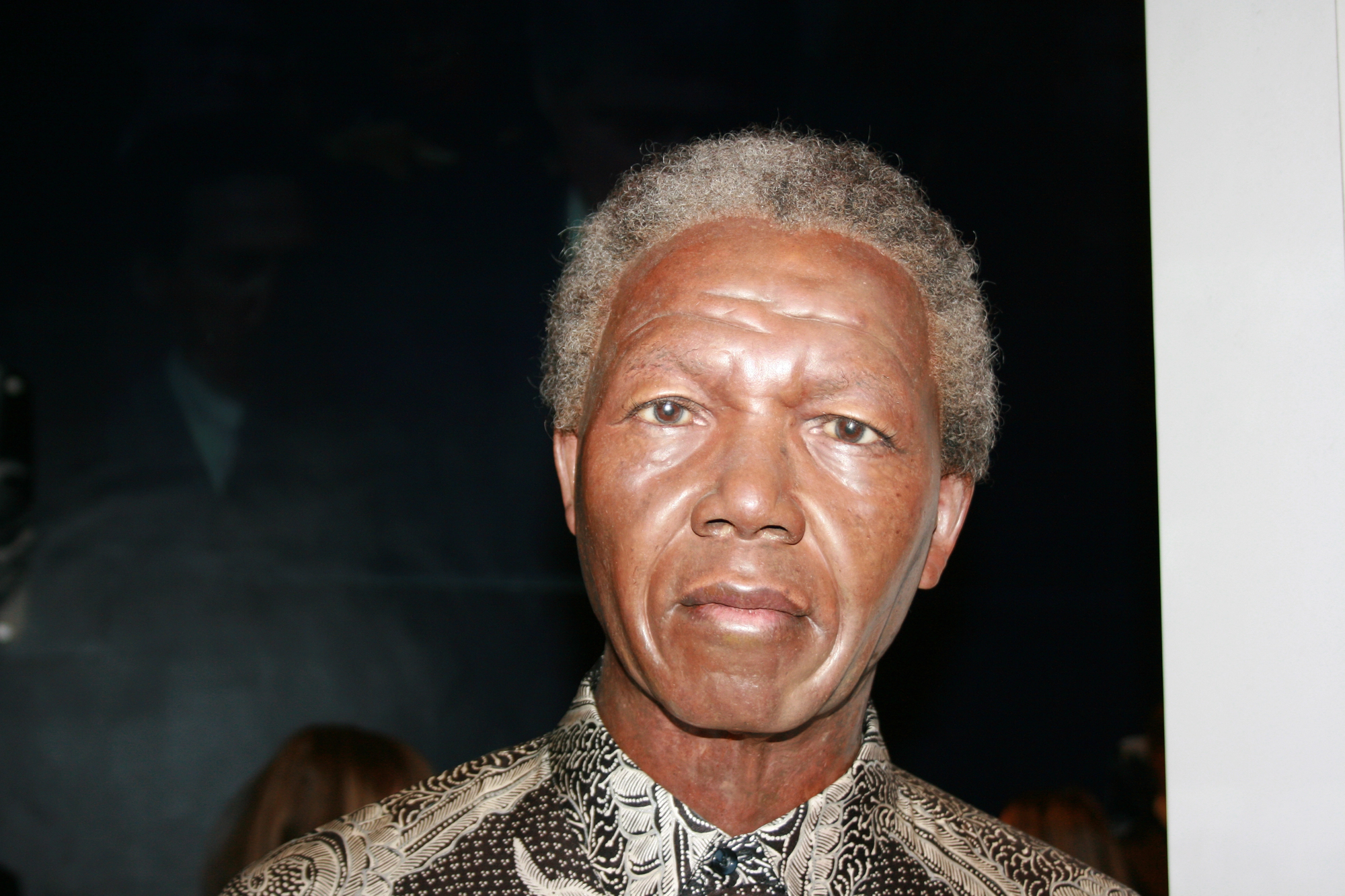
Nelson Mandela faced the death penalty when he gave his statement from the dock in 1964 during the Rivonia Trial. He’d written a basic text but was told he could speak as long as he wanted.
Mandela expanded on his prepared remarks for over four hours, adding personal reflections and passionate arguments he hadn’t originally included. The famous closing line about being prepared to die for his ideals was refined the night before but delivered with spontaneous power that still echoes today.
The Ballot or the Bullet
Malcolm X delivered this speech in April 1964 in Cleveland after splitting from the Nation of Islam. He spoke from a loose outline rather than a script, which was typical for him.
His fiery delivery and pointed challenges to the audience came from speaking his genuine thoughts without filtering them through written text. Malcolm’s ability to read the crowd and adjust his message in real time made this one of his most powerful addresses.
Yes We Can
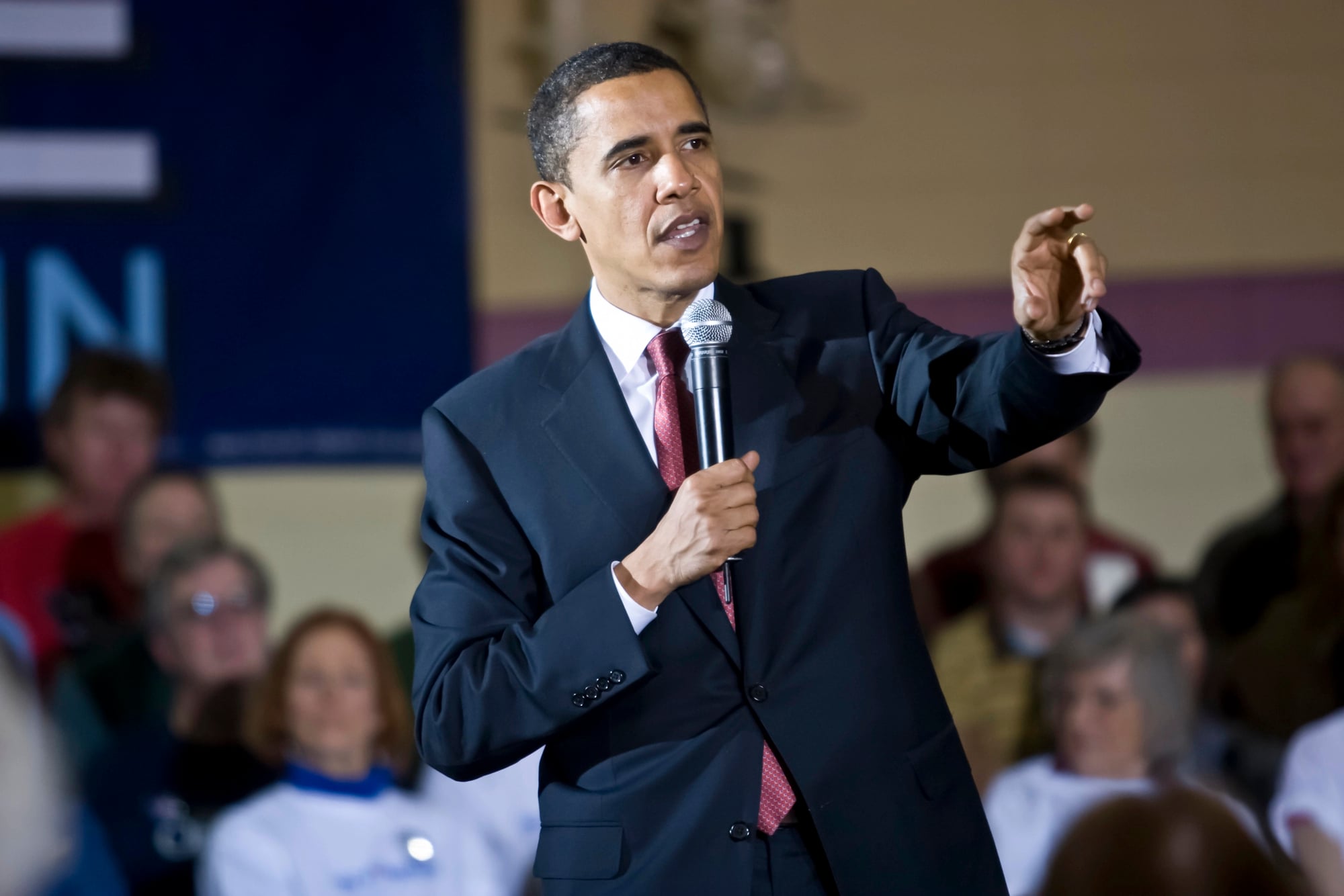
Barack Obama stepped up to speak in New Hampshire back in January 2008, right after coming second to Hillary Clinton. He had some usual lines ready – yet things changed once he started talking.
“Yes we can” kept popping up, even though those words weren’t written down; they came alive because of how people reacted. As he felt the mood, he wove that line again and again into what he was saying, turning defeat into motivation.
That chant stuck around, later becoming the heartbeat of his whole run – even though it first showed up by accident.
We Choose to Go to the Moon
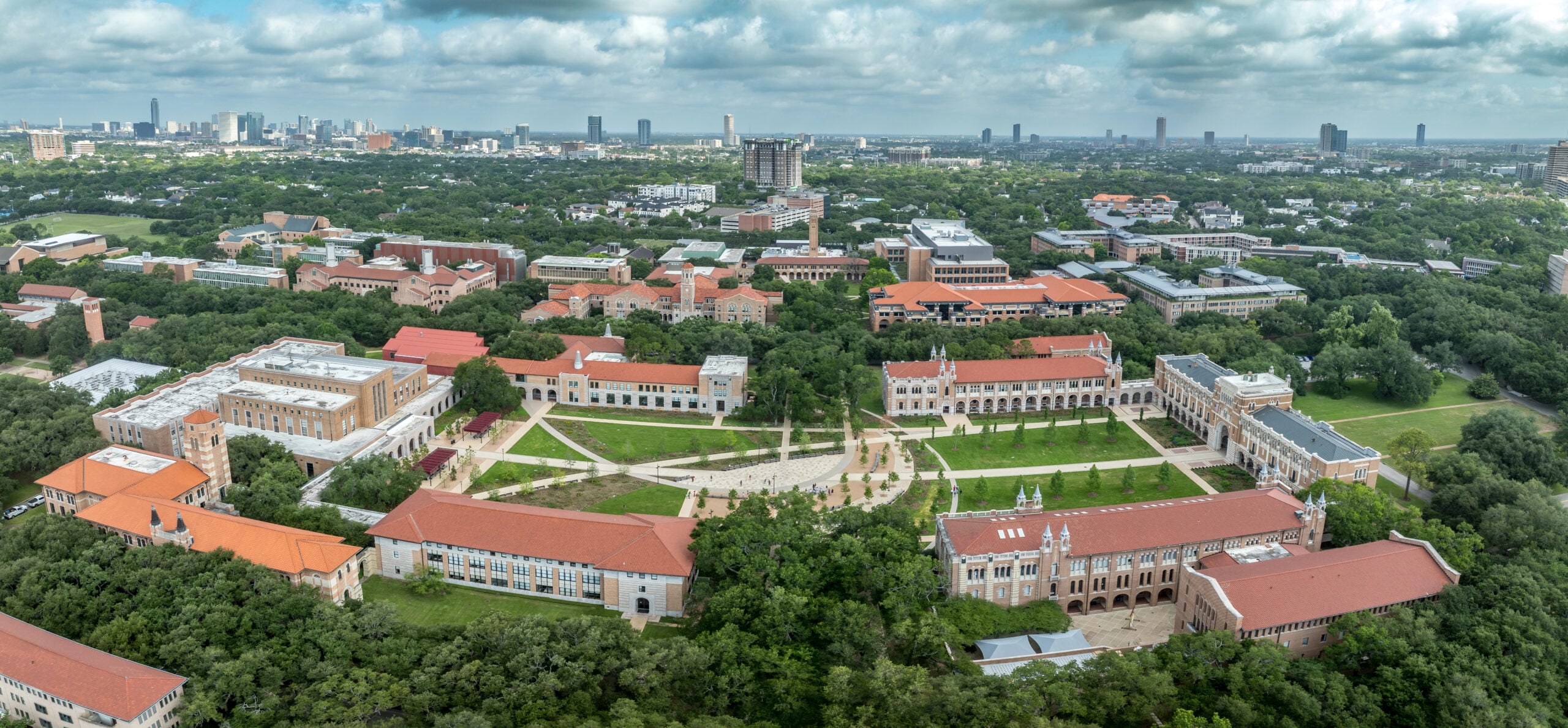
John F. Kennedy’s speech at Rice University in September 1962 started off using notes – yet he quickly went off script. Instead of sticking to the page, he spoke from impulse, especially when talking about tackling tough goals.
Because of this, the strongest bits emerged on the fly. While the original draft lacked certain details, Kennedy tossed in real-life references as he went.
Emphasis grew stronger thanks to his spontaneous energy. Since he leaned into those unplanned lines, the moment felt alive – not just rehearsed.
That raw drive is what turned the address into something unforgettable.
Give Me Liberty or Give Me Death
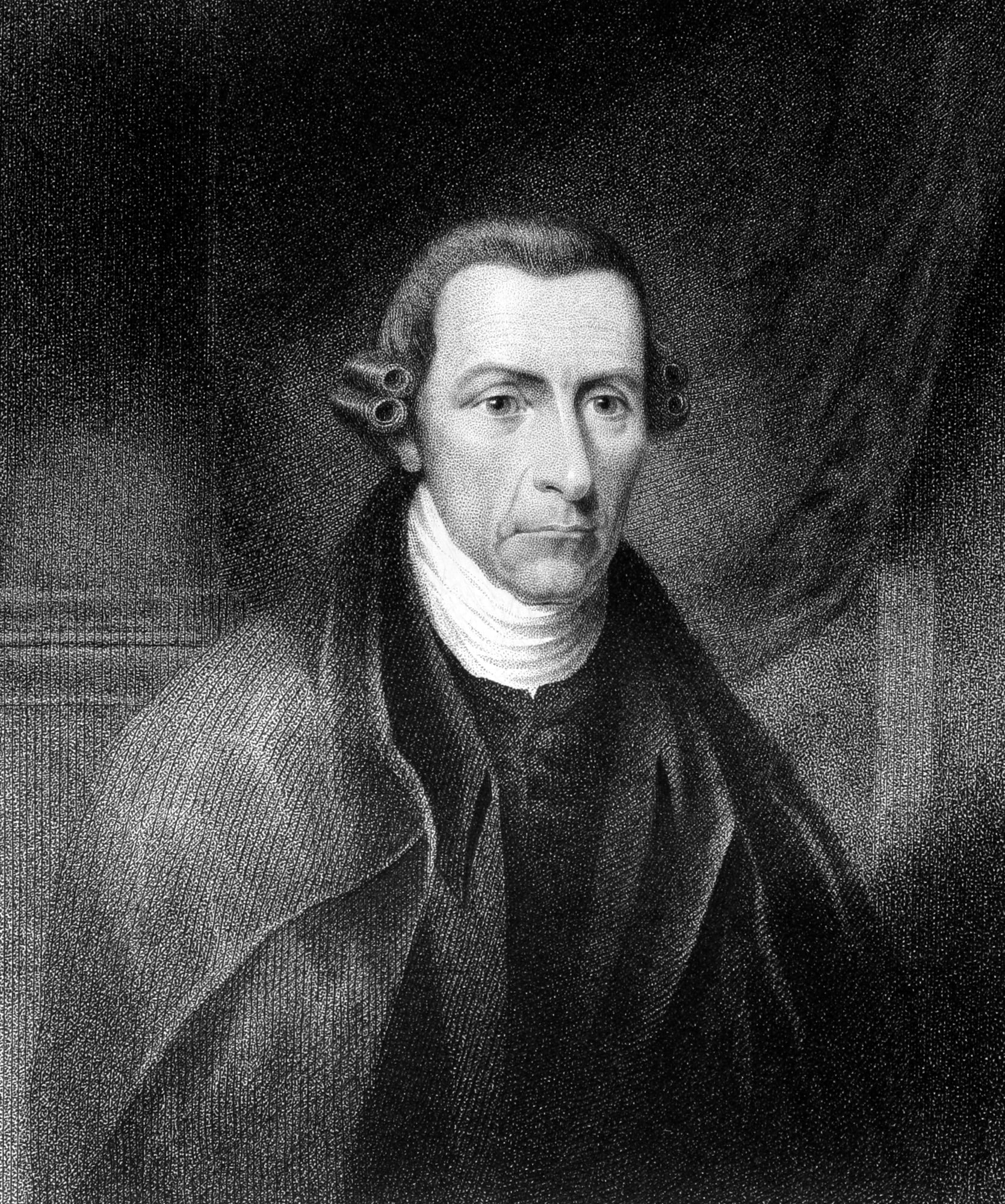
Patrick Henry stood before the Virginia Convention in March 1775 with nothing written down – not a single note. What we have today is pieced together by people who heard him speak, then wrote it out later from recollection.
He had a reputation for talking off the cuff, driven more by fire than planning. That powerful closing phrase – what everyone remembers – popped up mid-debate when tensions ran high over equipping soldiers.
Even he didn’t see it coming; the words just arrived when needed.
A Time for Choosing
Ronald Reagan’s 1964 TV appearance backing Barry Goldwater’s run for president started off planned – there was a written version ready. He’d already shared similar words often while touring with General Electric.
Once filming began, though, he skipped the page, going from recall instead. That shift let him tweak how things came out, stressing points that mattered most to him.
Because he sounded relaxed, almost chatting, it seemed like he was speaking straight to one person at home, not giving some stiff talk.
When Words Found Their Moment
Those talks show how true feelings can hit harder than polished words. Instead of sticking to scripts, some chose to speak from the heart – making moments others couldn’t match.
By leaning on belief rather than rehearsed lines, they shared messages that stuck around. Even now, years after, those raw thoughts still push folks to think, feel, react.
Turns out, what matters isn’t perfection – but meaning, along with guts to share it.
More from Go2Tutors!

- The Romanov Crown Jewels and Their Tragic Fate
- 13 Historical Mysteries That Science Still Can’t Solve
- Famous Hoaxes That Fooled the World for Years
- 15 Child Stars with Tragic Adult Lives
- 16 Famous Jewelry Pieces in History
Like Go2Tutors’s content? Follow us on MSN.



