The Weirdest Things Found Inside Old Walls During Renovations
There’s something thrilling about tearing into an old wall, sledgehammer in hand, dust flying everywhere. Most of the time, you’ll find exactly what you’d expect: insulation, wiring, maybe some mouse droppings if you’re unlucky.
But every once in a while, renovation projects turn into archaeological digs, revealing treasures, mysteries, and downright bizarre artifacts that previous homeowners left behind. These discoveries offer glimpses into lives lived decades or centuries ago, frozen in time between the studs and drywall.
Sometimes they’re valuable, sometimes they’re creepy, and sometimes they’re just plain inexplicable.
Prohibition-Era Liquor Stashes
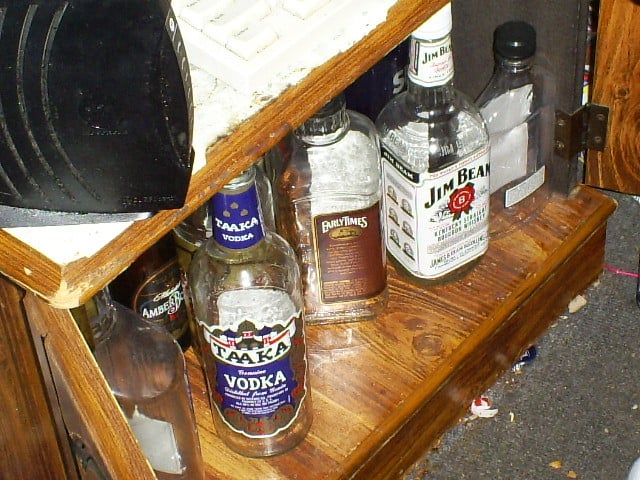
Bootleggers knew how to hide their goods. Wall cavities made perfect hiding spots during the 1920s and 1930s.
Renovators still find bottles of gin, whiskey, and homemade moonshine tucked behind plaster walls.
Cash and Currency Collections

Money talks, even when it’s been silent for decades. Homeowners have discovered everything from Depression-era savings stashed in mason jars to foreign currency collections wrapped in oilcloth.
Some bills are so old they’re worth more to collectors than their face value.
Love Letters and Personal Documents
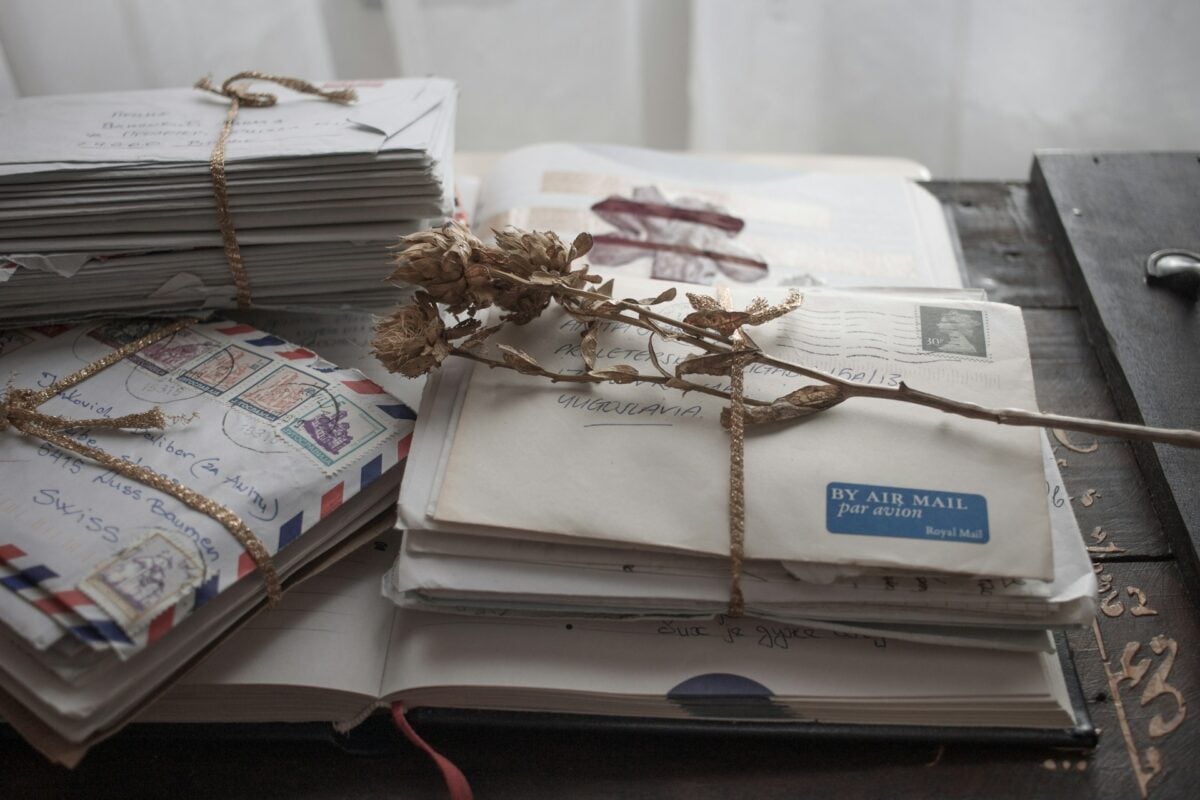
The most intimate discoveries often come in bundles tied with ribbon (or rubber bands that disintegrated long ago), and these paper time capsules carry a weight that goes far beyond their physical presence—they’re someone’s entire emotional world preserved in cursive handwriting. Birth certificates for children who grew up and moved away decades ago.
Love letters between sweethearts who may have married, divorced, or passed on. And then there are the divorce papers, tucked away like secrets that couldn’t quite be thrown away but couldn’t bear to be seen either.
Even so, these documents create an odd intimacy between the finder and people they’ll never meet.
Toys and Children’s Belongings

Dolls are the worst finds. Their porcelain faces peer out from decades of darkness with expressions that somehow seem more unsettling than charming.
Toy soldiers march in formation inside wall cavities where no child has played in half a century.
Old toys tell stories about the families who lived there before, but they also raise questions. Was the toy hidden on purpose, or did it fall through a gap during construction?
Sometimes renovators find entire collections—marbles, comic books, small action figures—suggesting a child’s secret hideaway rather than accidental loss.
Clothing and Vintage Textiles

Finding vintage clothing inside walls is like discovering someone’s abandoned identity, carefully folded and forgotten between joists as if they were planning to come back for it someday. Wedding dresses from the 1940s emerge from behind bathroom walls, still wrapped in tissue paper that crumbles at the touch.
Military uniforms surface with medals still pinned to the chest, carrying stories that can only be guessed at now. Sometimes it’s just everyday clothing—a child’s Sunday dress, a man’s work shirt—but these ordinary garments carry an extraordinary weight when they appear unexpectedly from the bones of an old house.
The fabric often survives better than anyone would expect, protected from light and air in its accidental tomb.
Weapons and Ammunition

Homeowners have found everything from Civil War-era muskets to more recent handguns tucked behind walls. Most are unloaded and harmless, but smart renovators call the police before handling anything that looks like a weapon.
Sometimes the ammunition tells a more complete story than the weapon itself—boxes of shells suggest preparation for something that may or may not have ever come to pass.
Religious Artifacts and Charms
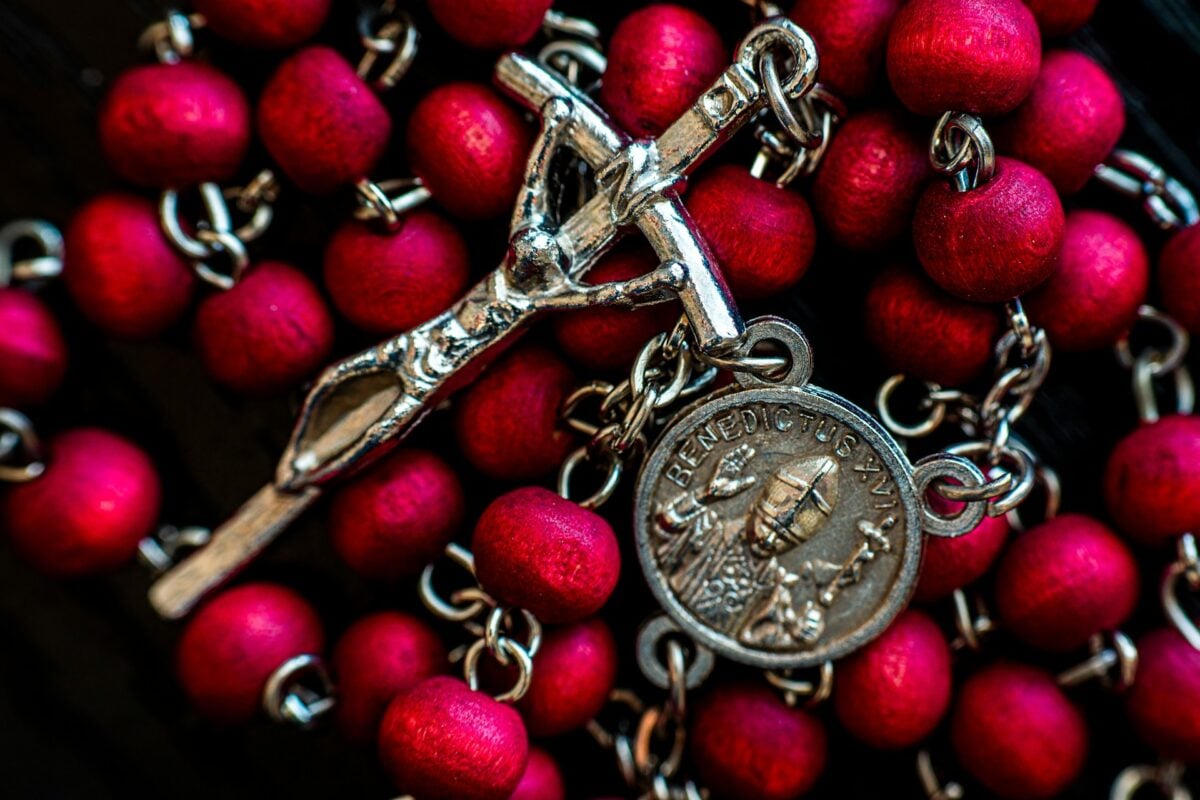
Houses hold onto prayers in unexpected ways, and the spiritual artifacts that surface during renovations suggest that protection was often built right into the walls themselves—sometimes literally. Crucifixes appear wedged between studs, as if someone believed the house needed blessing from the inside out.
Good luck charms from various traditions turn up: horseshoes, rabbit’s feet, small statues of saints, even written prayers folded into tiny squares and tucked into corners where they’d never be accidentally discovered. But the most haunting finds are the protective symbols carved directly into the wooden beams—pentacles, crosses, other markings that suggest someone was genuinely afraid of something and wanted the house itself to serve as sanctuary.
Medical and Pharmaceutical Items
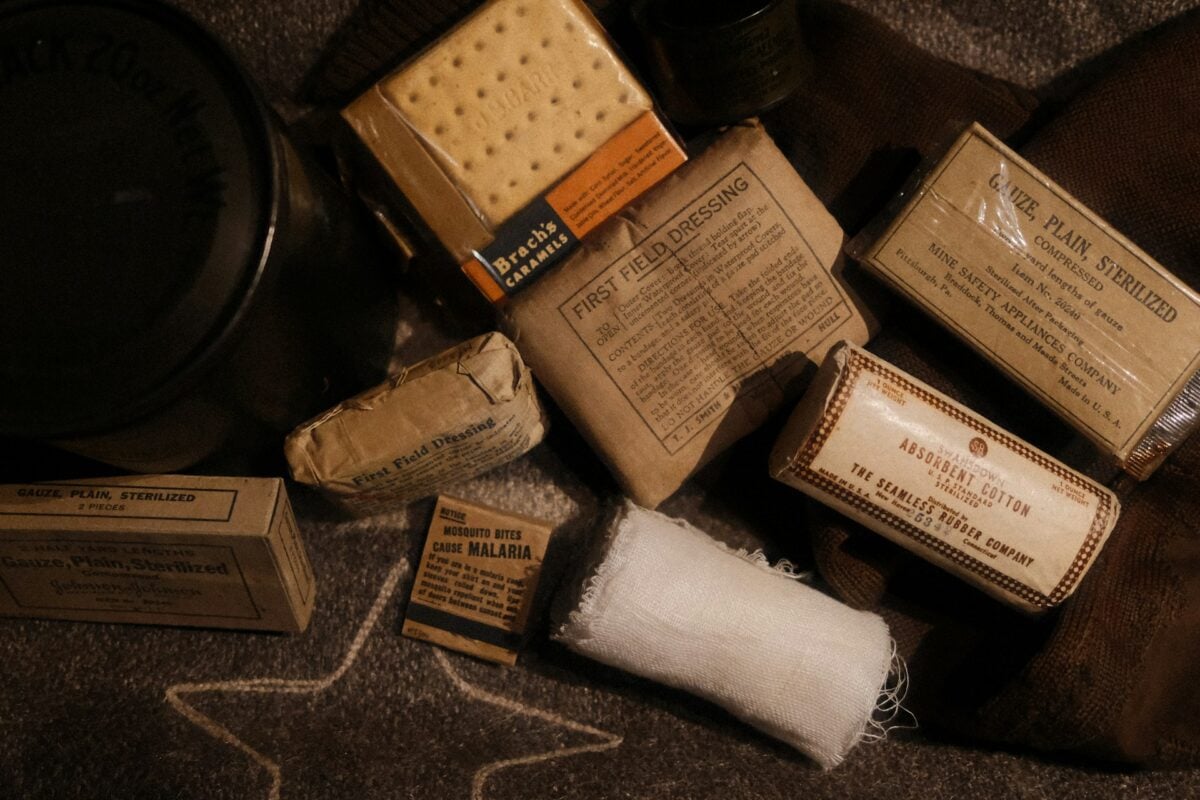
Vintage medicine bottles containing mysterious powders and liquids appear regularly in old walls. These discoveries offer snapshots of medical practices from different eras—laudanum bottles from the 1800s, patent medicines with bizarre ingredients, even early prescription bottles with handwritten labels from local pharmacists who’ve been dead for decades.
Most of these medicines would be considered dangerous or illegal today. The contents are usually degraded beyond recognition, but the bottles themselves often carry elaborate embossed designs and company names that medical historians find fascinating.
Tools and Mechanical Objects
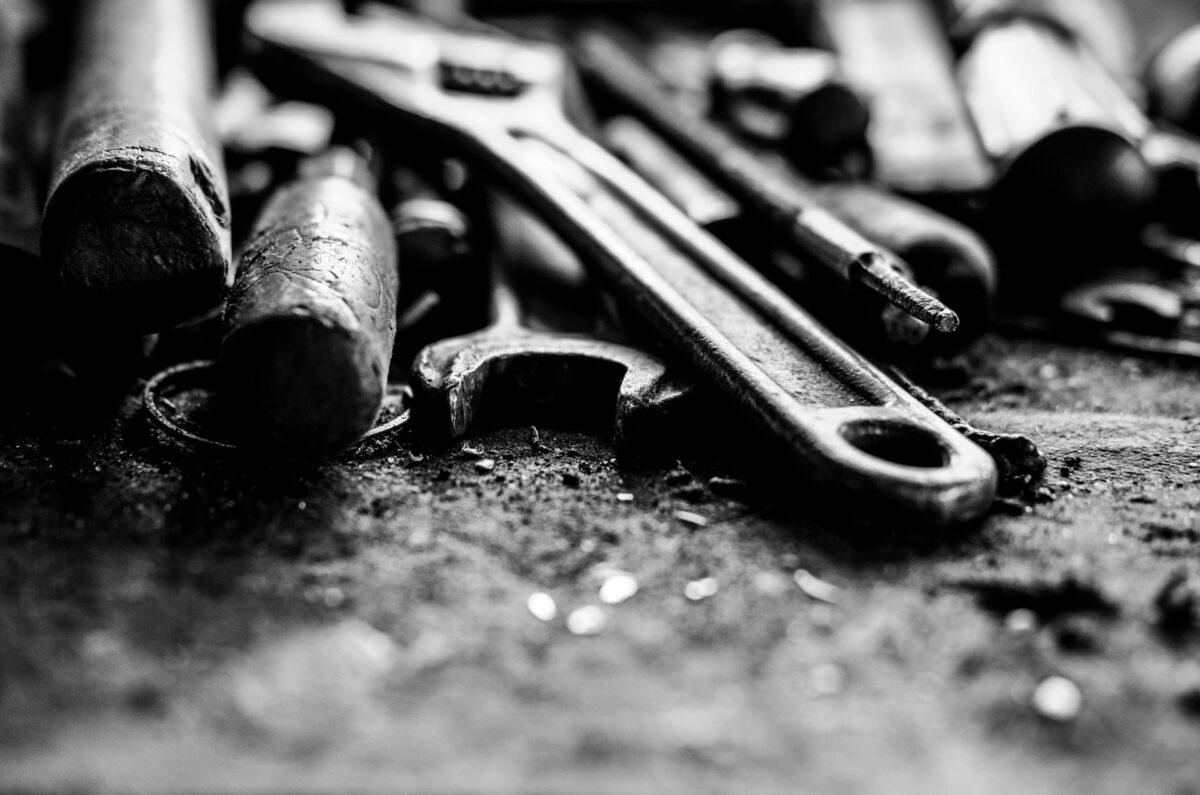
Construction workers hide tools in walls all the time, but finding them decades later creates an odd connection between tradesmen separated by generations. Hammers, wrenches, levels, and measuring tools appear as if their owners just stepped away for lunch and never came back.
Some tools are so well-preserved they could still be used today.
The most interesting mechanical finds are the gadgets and devices that seemed important enough to hide but obscure enough that modern renovators can’t identify them without research. Clockwork mechanisms, small engines, precision instruments—all suggesting hobbies or professions that required specialized equipment.
Artwork and Photographs
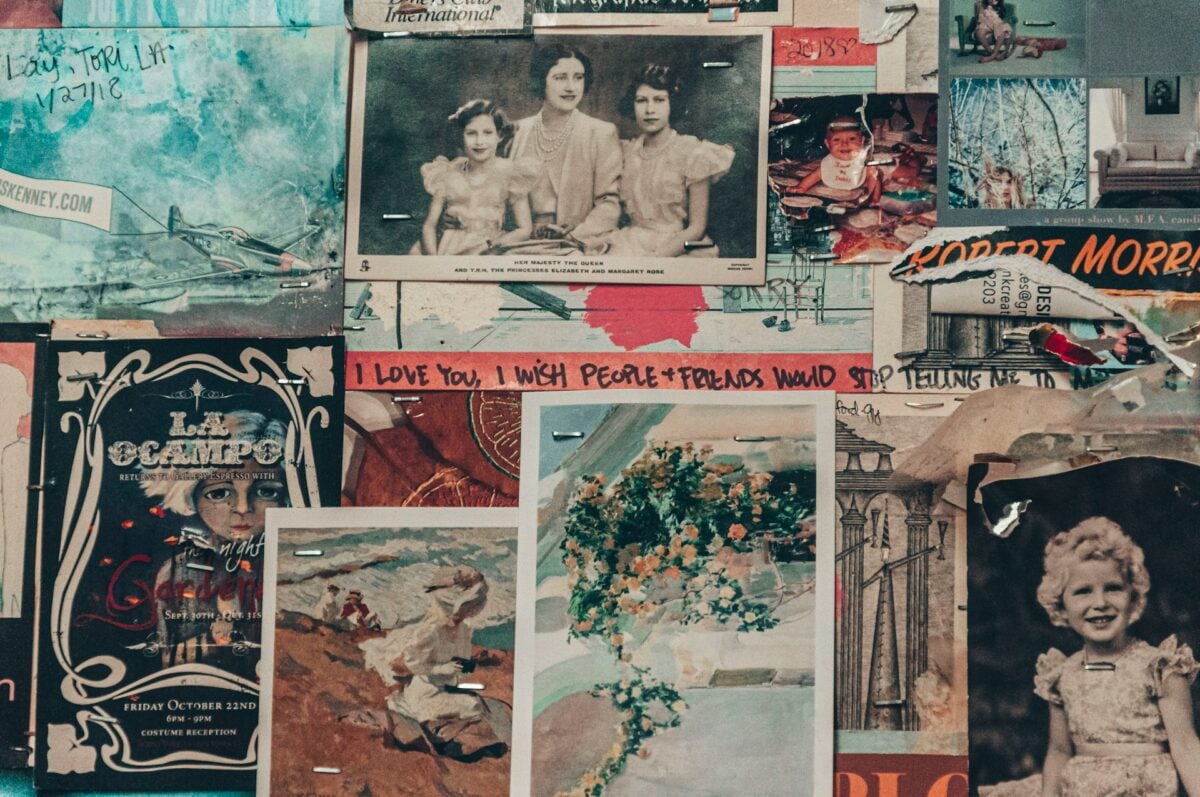
Family photographs from the early 1900s have survived decades behind walls in surprisingly good condition. These images often show multiple generations posed stiffly for formal portraits, or candid shots of children playing in yards that may not even exist anymore.
The photographs raise obvious questions about why they ended up inside walls—were they hidden intentionally, or did they fall during previous renovations?
Original artwork surfaces too, from children’s drawings to more sophisticated paintings and sketches. Sometimes the artwork was clearly placed deliberately, as if the wall cavity was being used as storage.
Other times, it seems accidental.
Newspaper and Magazine Archives
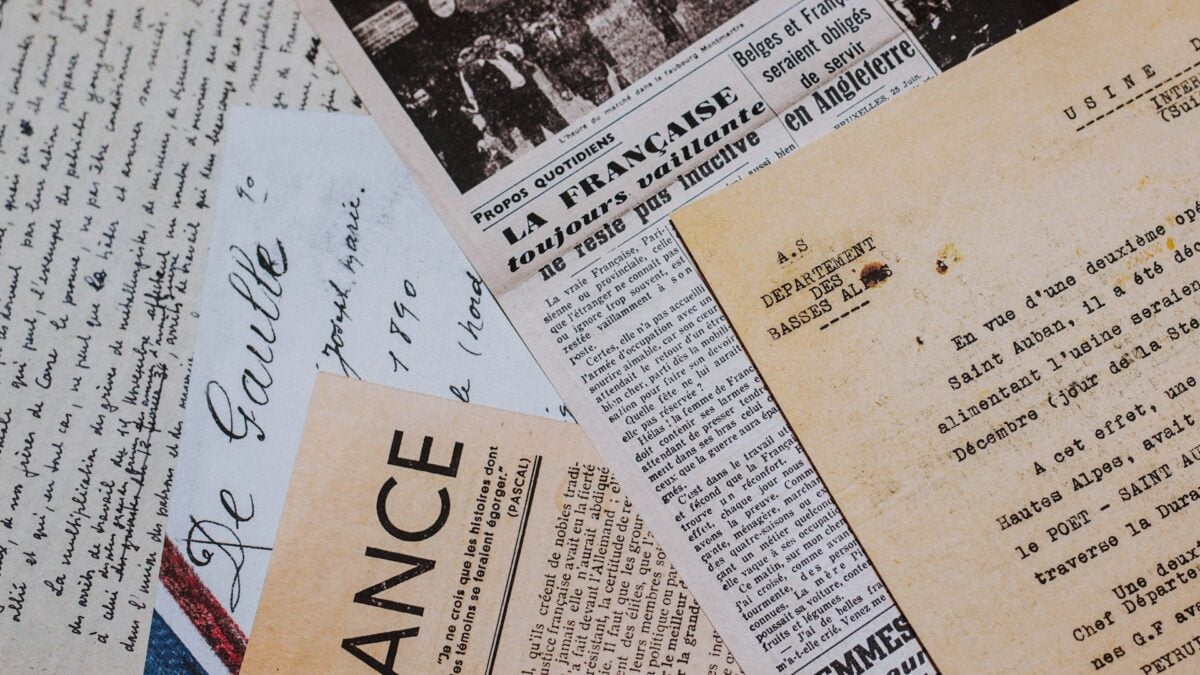
People used newspapers as insulation, wall covering, and packing material throughout the 20th century, creating accidental time capsules that offer perfect snapshots of specific historical moments when renovators peel them away layer by layer. Headlines about World War II, the Great Depression, or local elections from the 1950s appear as if they were printed yesterday.
The advertisements are often more fascinating than the news—products, prices, and social attitudes preserved exactly as they were when someone decided those newspapers were more useful as wall stuffing than reading material. Even the comic strips and advice columns provide insights into daily life that history books often miss.
Natural Specimens and Collections
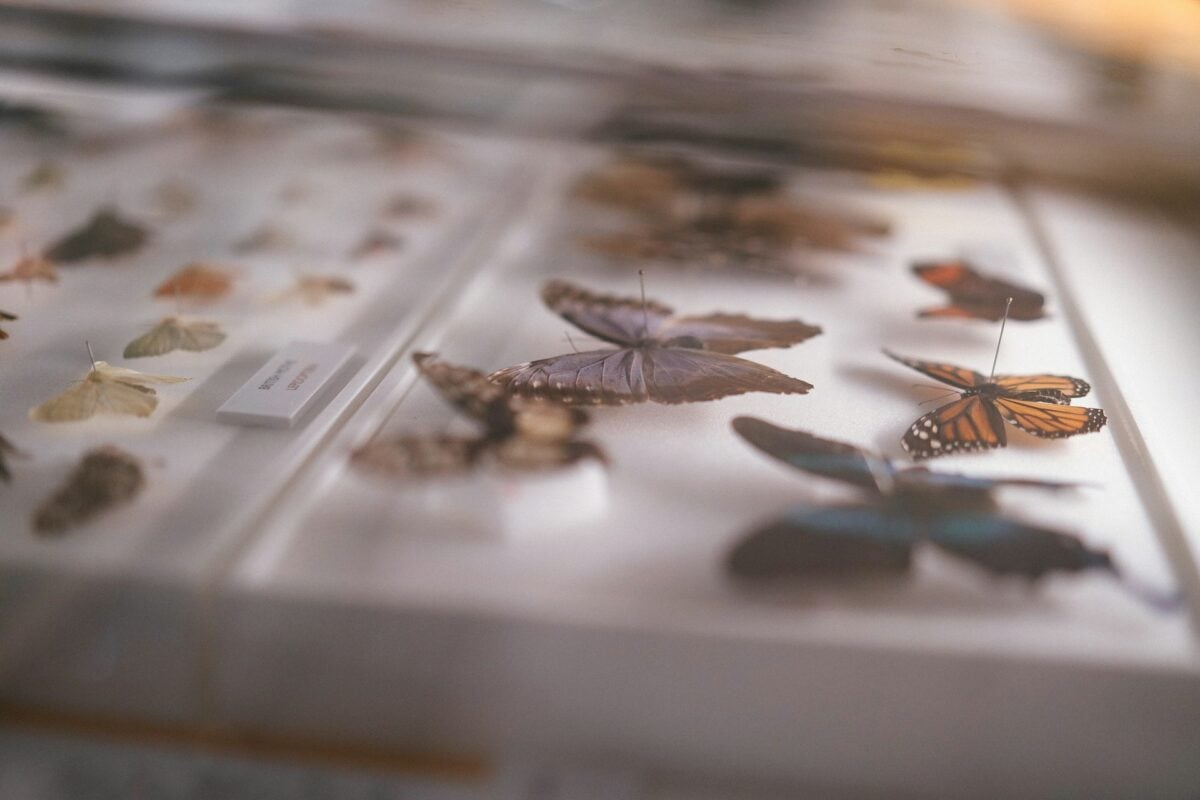
Dead animals aren’t uncommon in old walls, but deliberate collections of natural specimens are genuinely weird. Renovators have found carefully preserved insects, pressed flowers, rock collections, and even taxidermied small animals tucked into wall spaces as if someone was using the house as a natural history museum.
Some discoveries suggest serious amateur naturalists lived in the house—butterfly collections with handwritten labels, pressed leaves organized by species, mineral samples with detailed notes about where they were found. These collections were clearly valuable to their creators, making their eventual abandonment inside walls even more mysterious.
The Stories Walls Remember
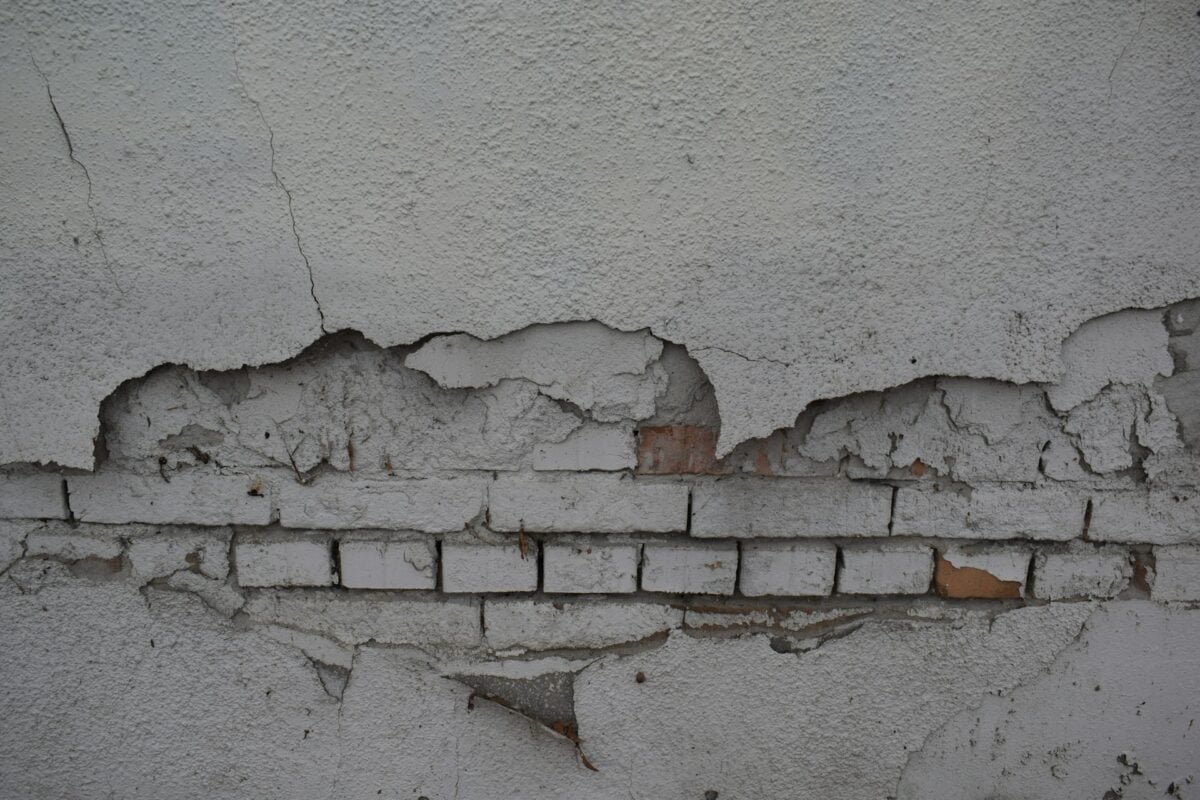
Every renovation becomes an excavation of someone else’s life, and the strangest truth about these discoveries is how they make perfect sense once you find them. That hidden bottle of whiskey wasn’t just contraband—it was someone’s insurance policy during uncertain times.
Those love letters weren’t just correspondence—they were proof that someone was loved and wanted to keep that proof close, even if they had to hide it. The toys, the photographs, the religious artifacts, all of them served purposes that seemed important enough to preserve, even if the preservation was accidental.
Houses absorb the lives lived within them, and sometimes those lives refuse to stay completely buried.
More from Go2Tutors!

- The Romanov Crown Jewels and Their Tragic Fate
- 13 Historical Mysteries That Science Still Can’t Solve
- Famous Hoaxes That Fooled the World for Years
- 15 Child Stars with Tragic Adult Lives
- 16 Famous Jewelry Pieces in History
Like Go2Tutors’s content? Follow us on MSN.