The Surprising Origins of Dentistry
Have you ever wondered how people dealt with toothaches before the invention of modern dentistry? The response may make you appreciate every dental experience you’ve ever had, even the less enjoyable ones.Consider this: since humans have had teeth for as long as we have existed, dental issues have also existed for as long.
But the answers our forefathers devised? To put it mildly, they were imaginative, frequently strange, and occasionally downright frightening.Even the most courageous person would be prompted to reconsider the unexpected heroes, bizarre beliefs, and practices that abound in the history of dentistry.
The path to modern dental care has been anything but simple, from ancient societies who believed that microscopic worms were consuming their teeth to Revolutionary War heroes who worked as dentists on the side.Here’s a fascinating look at how humanity’s quest for healthy teeth led to some of the most surprising discoveries and characters in medical history.
Ancient Egypt’s Dental Pioneers

The world’s first recorded dentist was an Egyptian scribe named Hesy-Re, who lived around 2600 BC and served as the pharaoh’s personal tooth doctor. His tomb inscription proudly declares him ‘the greatest of those who deal with teeth,’ making him humanity’s first celebrity dentist.
What’s remarkable is that Egyptian dentistry was incredibly advanced for its time—they performed extractions and experimented with gold wires and rudimentary prosthetics, though these were likely symbolic or for burial rather than daily use. Archaeologists have discovered that Hesy-Re didn’t just treat royalty; he also cared for pyramid workers, suggesting that dental care was valued across social classes.
The Egyptians were so serious about oral health that they included dental tools in burial chambers for use in the afterlife.
The Great Tooth Worm Delusion
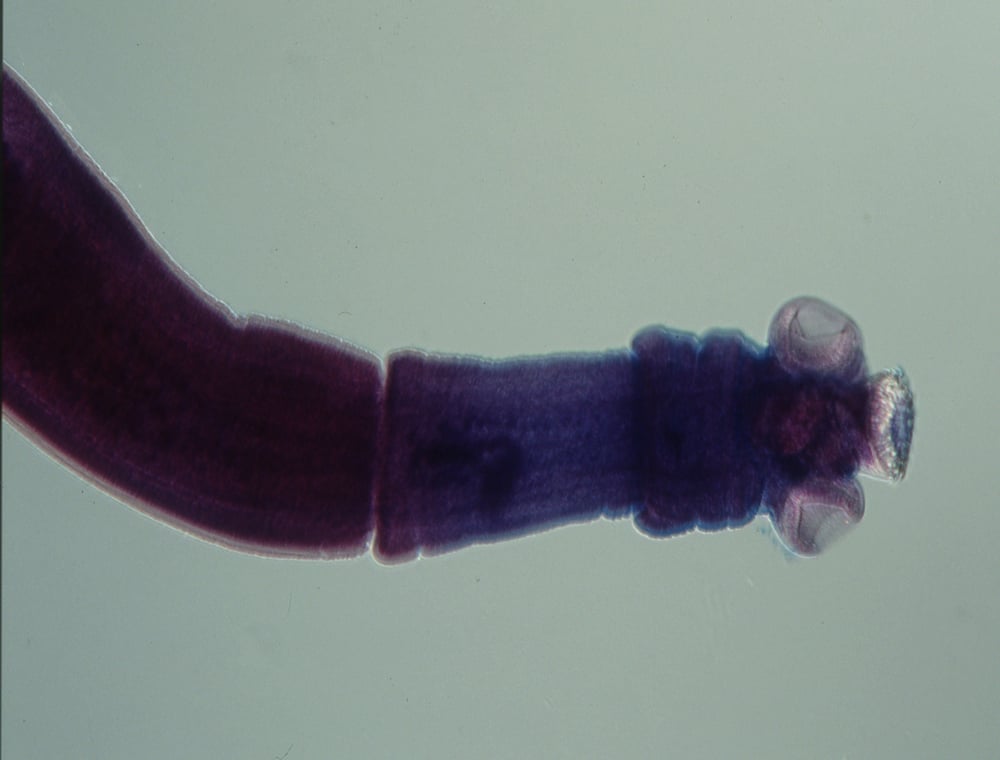
For thousands of years, people believed that tiny worms burrowing into teeth caused all dental problems. This wasn’t just a casual theory—it was documented medical fact from ancient Sumeria around 5000 BC, and the belief persisted in parts of Europe until the 18th century.
Even the brilliant French surgeon Guy de Chauliac was still promoting the tooth worm theory in the 14th century, despite having ample opportunity to examine countless teeth and never finding a single worm. Ancient practitioners developed elaborate rituals to ‘smoke out’ these imaginary creatures, including heated probes, magical incantations, and herbal concoctions designed to make the worms flee.
The persistence of this belief shows how desperate people were to explain the mystery of tooth pain.
Paul Revere’s Secret Dental Career
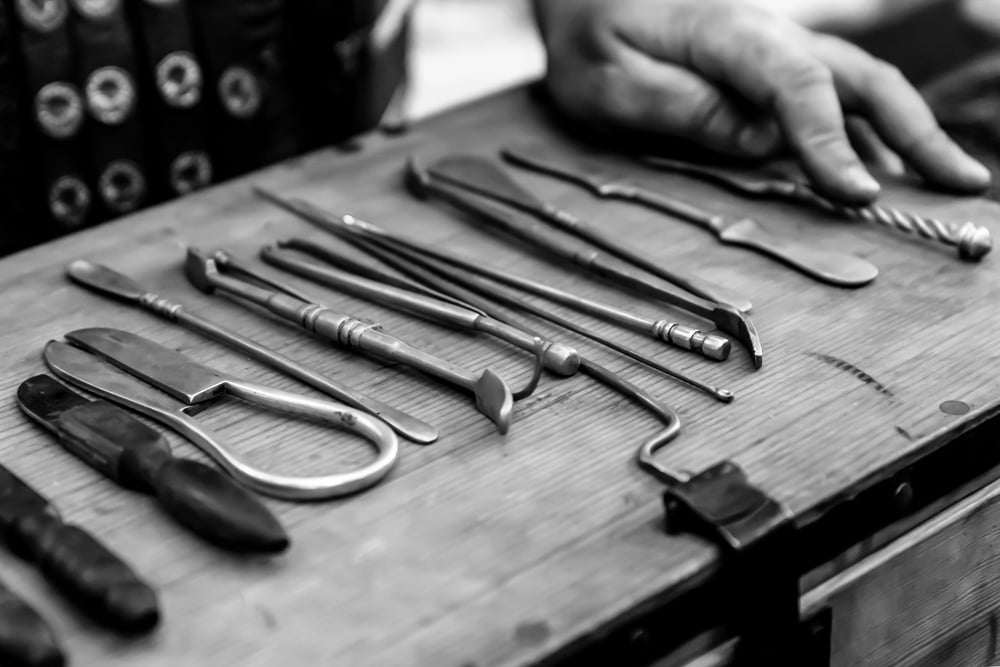
Everyone knows Paul Revere for his midnight ride warning that the British were coming, but few realize he was also one of America’s early dentists. Trained by John Baker, America’s first professional dentist, Revere advertised his dental services in Boston newspapers and became quite skilled at the craft.
His dental expertise even helped solve what might be America’s first case of forensic dentistry—when General Joseph Warren’s body was discovered after the Battle of Bunker Hill, Revere identified him by recognizing the silver wire dental bridge he had made for his friend. This remarkable intersection of patriotic history and dental innovation shows how small the early American professional community really was.
Medieval Barber-Dentists
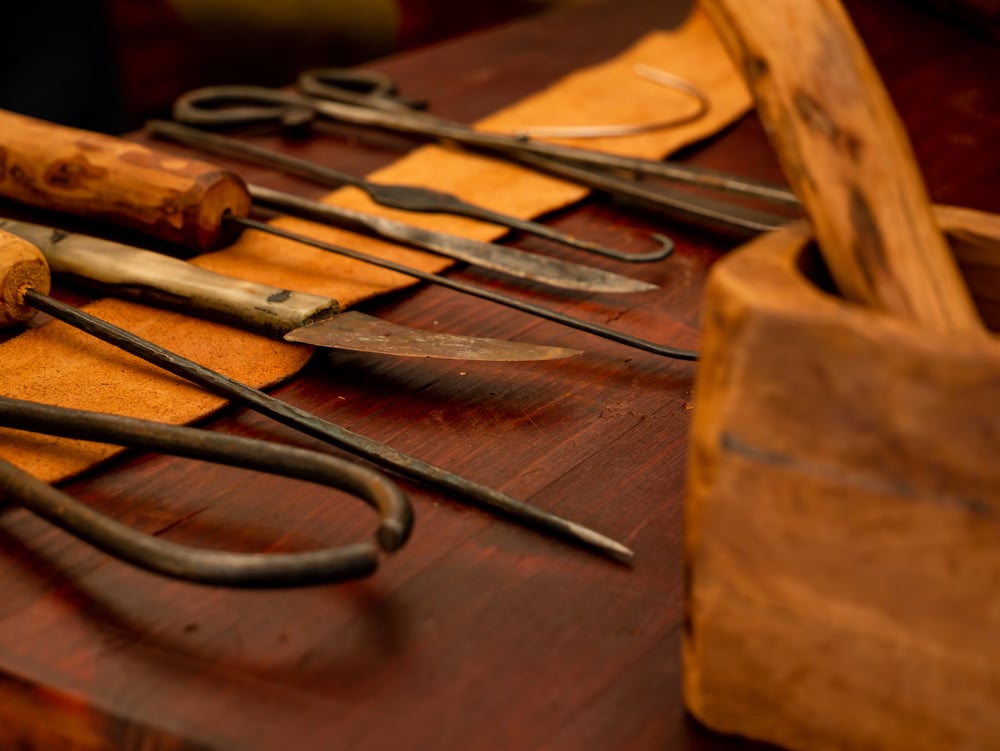
During the Middle Ages, your local barber was basically a one-stop shop for all things involving sharp instruments. The same person who trimmed your hair and shaved your beard would also yank out your rotten teeth, perform surgery, and let your blood for medical purposes.
The iconic red and white barber pole actually represents this bloody history—red for blood from dental extractions and surgeries, white for the bandages used during procedures. These barber-surgeons were remarkably versatile, using the same tools for cutting hair as they did for dental work, which gives you a pretty good idea of how sophisticated their techniques were.
The profession of barber-dentist persisted across Europe well into the 19th century.
Bizarre Ancient Remedies

Ancient dental remedies ranged from the merely unpleasant to the absolutely revolting. Medieval practitioners recommended kissing donkeys to cure toothaches, while others suggested rubbing teeth with dried cow dung or applying earthworms boiled in oil to the corresponding ear.The Elizabethans favored ‘mouse paste’—a mixture of crushed mice, herbs, and spices applied directly to painful teeth. For loose teeth, some believed that tying a live frog to your jaw would somehow stabilize them.
Ancient Romans are reported to have used various animal-tooth concoctions as remedies, while others thought that carrying a wolf’s tooth would prevent all dental problems. These remedies seem absurd now, but they represent humanity’s desperate attempts to find relief from dental pain before understanding what actually caused it.
The First Toothbrushes and Toothpaste

Surprisingly, toothpaste actually predates the toothbrush by thousands of years. Ancient Egyptians created the first dental cream around 5000 BC using powdered ashes from oxen hooves, myrrh, eggshells, and pumice—ingredients that would make modern dentists cringe.
The first recognizable toothbrush appeared in China during the Tang Dynasty (618-907 AD), featuring handles made of bamboo or bone with bristles from boar hair. What’s fascinating is that people continued making their own toothpaste well into the modern era, with 1860s recipes calling for mixtures of powdered charcoal, Peruvian bark, and lavender oil.
You can still buy boar bristle toothbrushes today, though they’re marketed as eco-friendly alternatives rather than cutting-edge technology.
America’s Dental Awakening

Americans didn’t develop good brushing habits until after World War II, when soldiers returning from overseas brought back the military requirement of brushing twice daily. This military hygiene standard, designed to prevent dental problems in close quarters, revolutionized American oral health practices.
Before this, dental care was largely seen as something you dealt with only when problems arose. The war essentially created the first generation of Americans with consistent daily brushing habits, leading to dramatically improved dental health outcomes.
This shows how cultural practices around health can change remarkably quickly when there’s sufficient motivation.
The Dental Pelican

For over 400 years, European dentists used a terrifying instrument called the ‘dental pelican’ to extract teeth. Named for its resemblance to a pelican’s beak, this device was designed to grip and lever teeth out of the jaw, but it frequently did more damage than good.
Dentists would often need assistants to hold patients down while they used the pelican, and many extractions resulted in broken jaws or severe complications. The pelican was considered a major advancement over simple pliers, which shows just how brutal early dental procedures were.
Patient testimonies from the era describe the experience as so traumatic that many people would endure years of pain rather than submit to extraction.
George Washington’s Dental Struggles
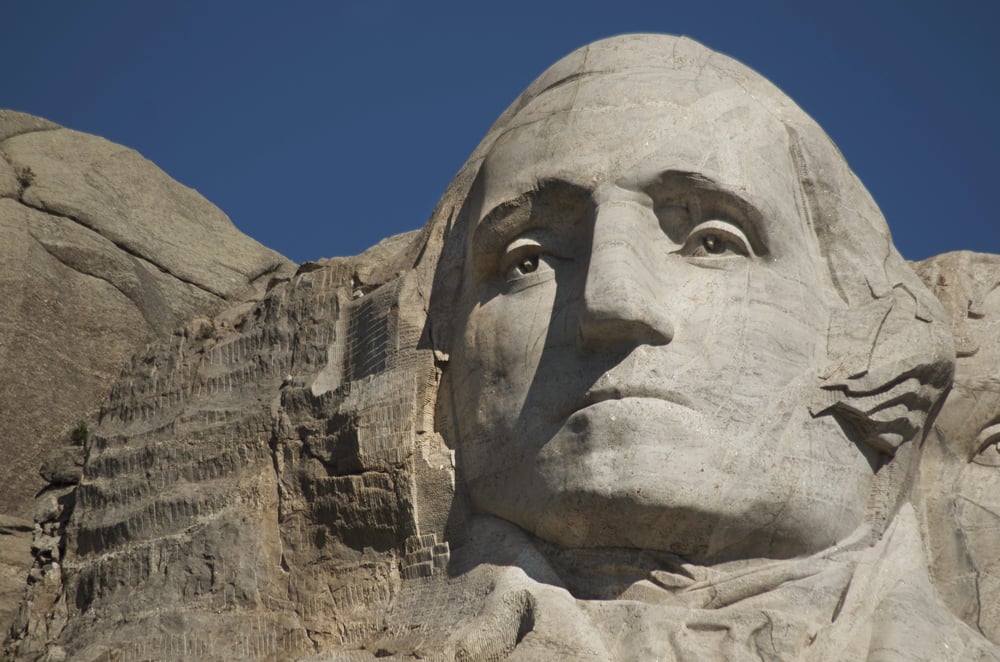
Despite the popular myth, George Washington never had wooden teeth, but he did suffer from dental problems his entire life. By the time he died, he had only one natural tooth remaining and wore dentures made from human teeth, animal teeth, and carved ivory.
Washington’s dental struggles were well-documented in his letters and diaries, providing insight into how even wealthy, prominent people suffered from poor dental health. His surviving dentures can be viewed today and show the craftsmanship involved in creating custom prosthetics before modern materials.
The fact that America’s first president dealt with such severe dental problems illustrates how common tooth loss was in the 18th century.
Cotton Candy’s Dental Connection

One of the most ironic inventions in dental history came from a dentist who helped create the cotton candy machine. Dr. William Morrison partnered with confectioner John C. Wharton to develop the machine that spun sugar into the fluffy treat we know today, originally called ‘Fairy Floss.’
The irony wasn’t lost on people even then—a dentist creating one of the sugariest treats imaginable. This invention demonstrates how medical professionals have always been involved in unexpected industries and innovations beyond their primary field.
Morrison’s cotton candy machine became incredibly popular at fairs and carnivals, creating a lasting legacy that has brought joy (and probably dental work) to millions.
The Rise of Dental Anesthesia
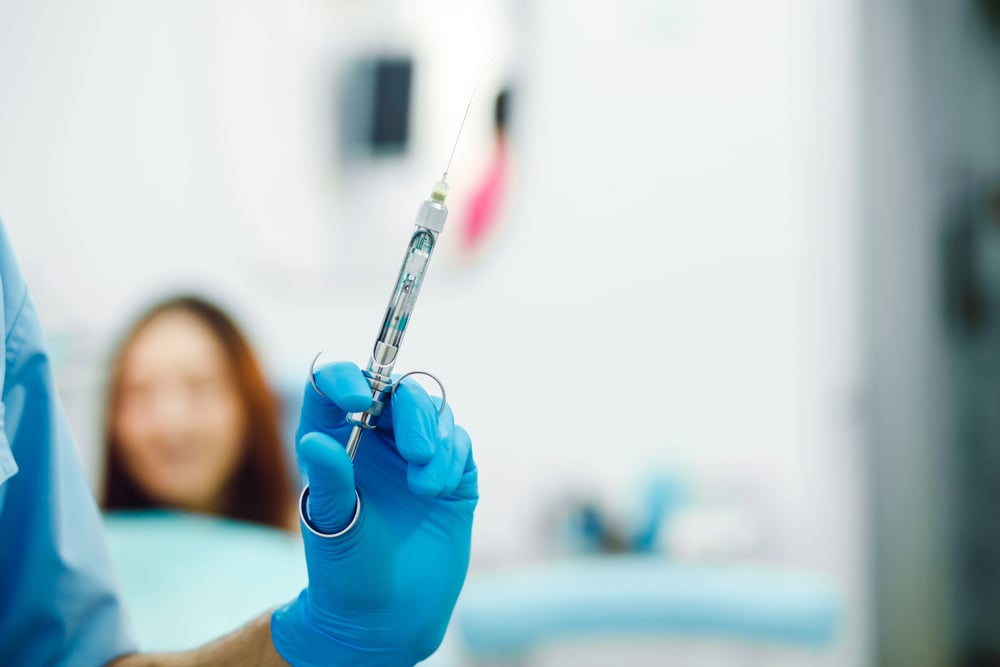
The development of dental anesthesia represents one of the most important advances in medical history, pioneered by dentists themselves. Dr. William Morton conducted the first successful public demonstration of ether anesthesia in 1846, while Dr. Horace Wells had experimented with nitrous oxide (laughing gas) the year before.
These breakthrough discoveries came from dentists’ desperate need to find ways to perform procedures without causing unbearable pain to their patients. Before anesthesia, dental procedures were so traumatic that many people preferred to suffer with infected teeth rather than seek treatment.
The introduction of pain-free dentistry revolutionized not just dental care but surgery in general.
The Father of Modern Dentistry

Pierre Fauchard, a French surgeon, earned the title ‘Father of Modern Dentistry’ by publishing the first comprehensive guide to dental care in 1723. His book, ‘The Surgeon Dentist, a Treatise on Teeth,’ was revolutionary because it provided the first scientific approach to dental treatment and established dentistry as a legitimate medical profession.
Fauchard was the first to identify sugar as a cause of tooth decay, introduced the concept of dental fillings, and developed early forms of dental prosthetics. His work transformed dentistry from a crude craft practiced by barbers into a sophisticated medical specialty.
The principles and techniques he established formed the foundation for modern dental education and practice.
The Fluoride Revolution

The addition of fluoride to drinking water in 1945 represents one of the greatest public health achievements in dental history. This simple intervention dramatically reduced tooth decay rates and demonstrated how preventive measures could be more effective than treatment.
Fluoride was added to toothpaste five years later, creating a double defense against tooth decay that transformed oral health outcomes. The fluoride story shows how scientific discoveries can have massive practical applications that benefit entire populations.
What started as an observation about naturally fluoridated water in certain communities became a deliberate public health strategy that continues to protect millions of people today.
From Ancient Mysteries to Modern Miracles
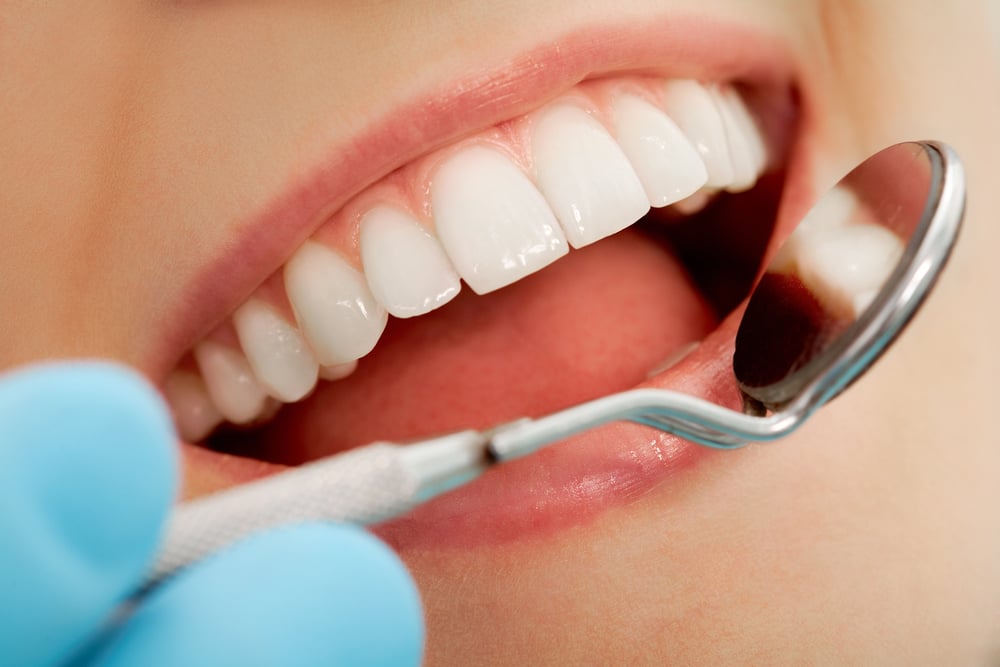
One of the most amazing medical advancements in human history is the progression from tooth worms to contemporary dental implants. A complex science that can now replace entire teeth, straighten smiles, and stop the majority of dental issues before they start has grown from desperate attempts to understand mysterious tooth pain.
The fact that many of our fundamental oral hygiene habits emerged so recently is arguably the most unexpected aspect of dental history. Our grandparents may not have been exposed to the relatively recent advancements of painless treatment, fluoride protection, and regular brushing.
Remember that you are enjoying the benefits of thousands of years of human ingenuity, trial and error, and the occasional fortunate accident the next time you are seated in a contemporary dental chair. The history of dental care demonstrates how human resolve to find solutions and lessen suffering has resulted in genuinely amazing advancements, from Hesy-Re treating pharaohs to modern digital dentistry.
More from Go2Tutors!

- The Romanov Crown Jewels and Their Tragic Fate
- 13 Historical Mysteries That Science Still Can’t Solve
- Famous Hoaxes That Fooled the World for Years
- 15 Child Stars with Tragic Adult Lives
- 16 Famous Jewelry Pieces in History
Like Go2Tutors’s content? Follow us on MSN.