17 Forgotten American Breakfast Cereals No One Misses
There’s something oddly comforting about breakfast cereal nostalgia—until you actually remember what some of these cereals tasted like. The grocery store cereal aisle has always been a battlefield of sugar-coated experiments, and not every box that made it to shelves deserved to stay there. Some cereals disappeared because they were ahead of their time, others because they were behind it, and a few because they never should have existed in the first place.
These 17 cereals managed to carve out their own small corner of breakfast history before quietly vanishing from store shelves. Most took their final bow without much fanfare—and honestly, that’s probably for the best.
OKs
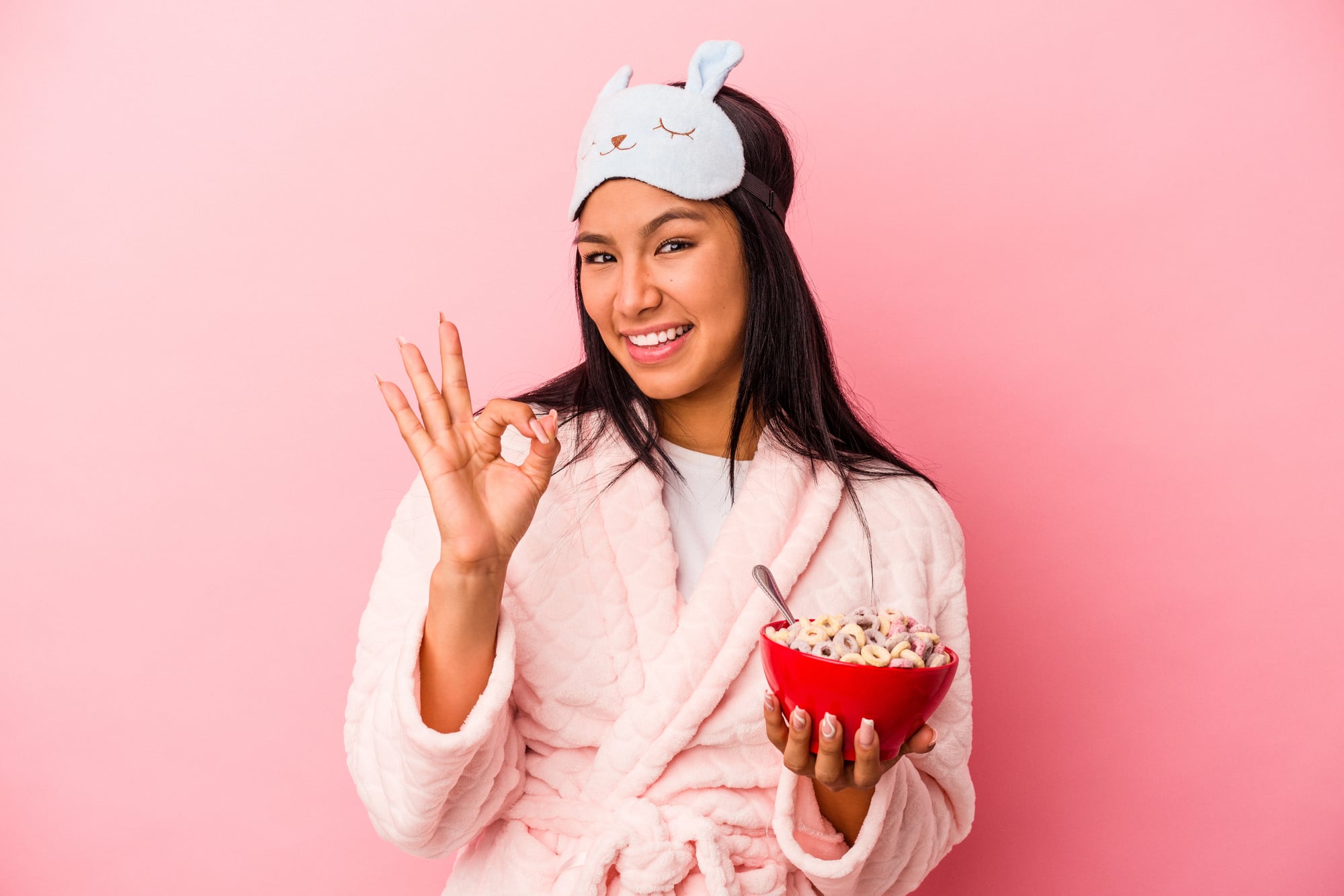
Kellogg’s tried to steal some of Cheerios’ thunder by making tiny letter shapes that spelled out “OK.” The cereal lasted exactly as long as you’d expect something called “OKs” to last. Mediocre doesn’t sell breakfast cereal, even with a cute gimmick.
Freakies
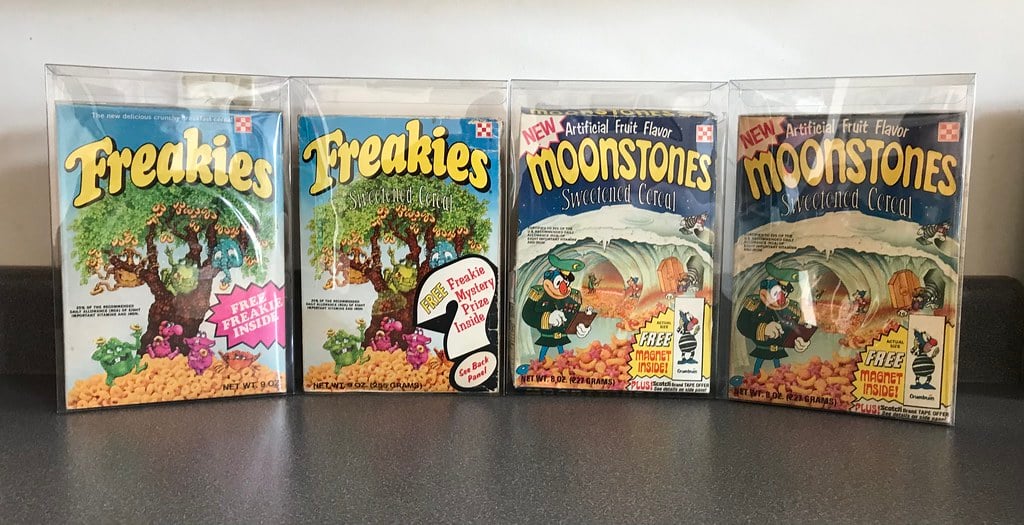
The mascots looked like reject monsters from a Saturday morning cartoon fever dream, which was exactly the point. Ralston wanted to ride the wave of weird that made Count Chocula successful (and the advertising campaign leaned hard into the bizarre), but parents took one look at creatures named “Snorkeldorf” and “Grumble” and steered their grocery carts toward something that wouldn’t give their kids nightmares.
Even the cereal pieces themselves were oddly shaped — not quite round, not quite square, just uncomfortable in your mouth. The whole concept felt like someone’s art project that accidentally made it to market, complete with a backstory about the Freakies living on a magical island where they danced around singing about breakfast.
Which sounds charming until you’re staring at a bowl of beige chunks floating in milk while a creature with three eyes judges you from the box.
Crazy Cow
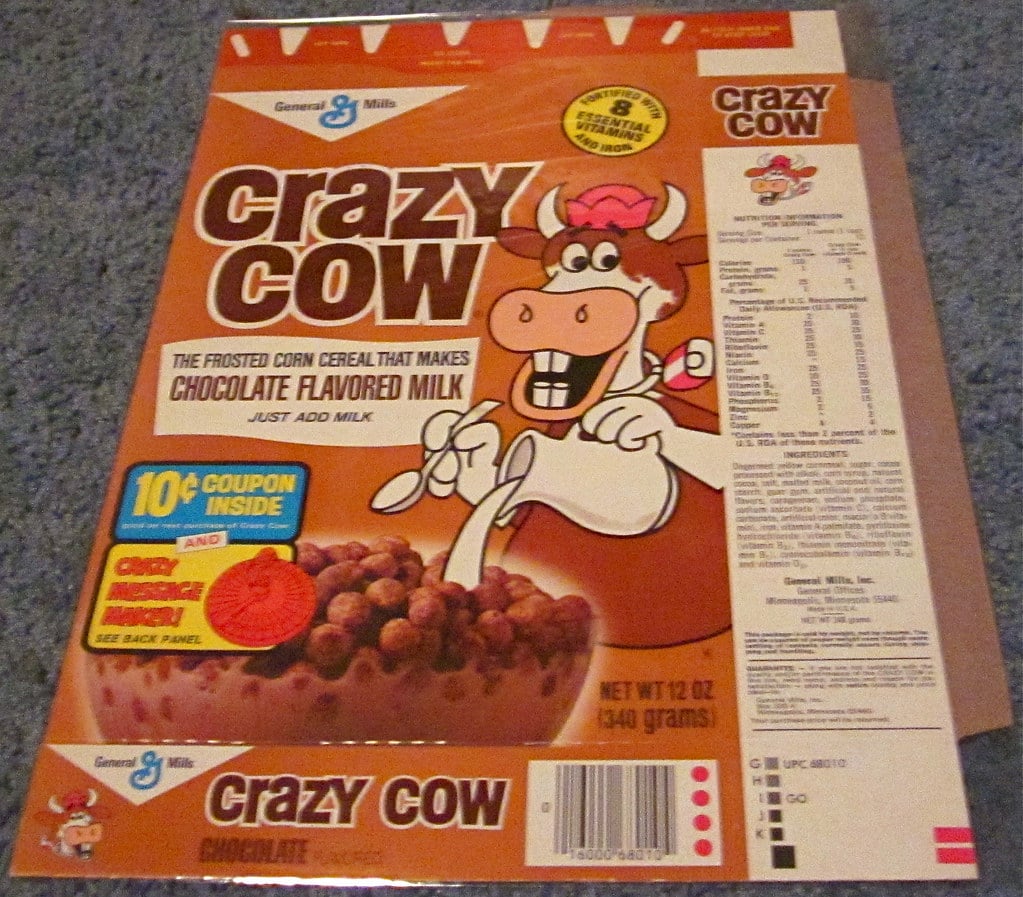
Strawberry and chocolate cereals that turned your milk pink or brown weren’t revolutionary — they were just honest about what every sugary cereal was already doing. The gimmick wore thin fast, and parents figured out that regular chocolate milk was cheaper and tasted better.
Crazy Cow also had the unfortunate timing of arriving right when health consciousness started creeping into breakfast conversations. A cereal that advertised its ability to turn milk into dessert wasn’t exactly positioned for longevity.
Vanilly Crunch
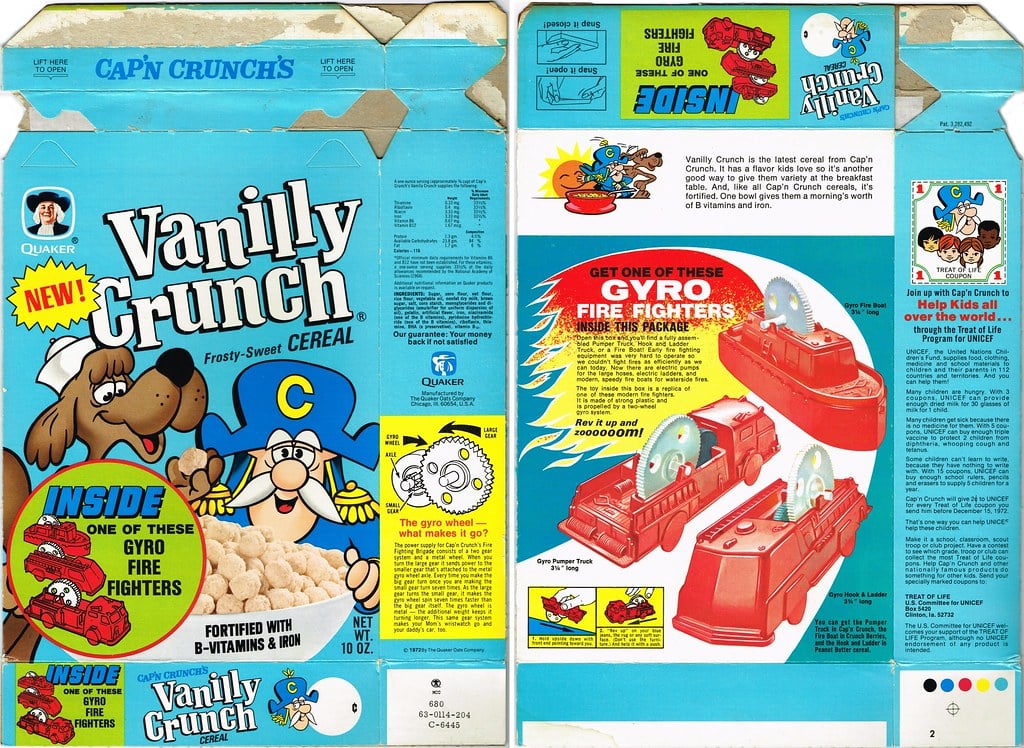
Quaker Oats clearly wanted their own version of Cap’n Crunch but decided vanilla was the flavor that would set them apart. Vanilla is the training wheels of ice cream flavors, and it turns out that doesn’t translate well to breakfast cereal either.
The name alone should have been a warning sign. “Vanilly” sounds like something a toddler would say, not a cereal that serious breakfast eaters would respect.
Grins & Smiles & Giggles & Laughs
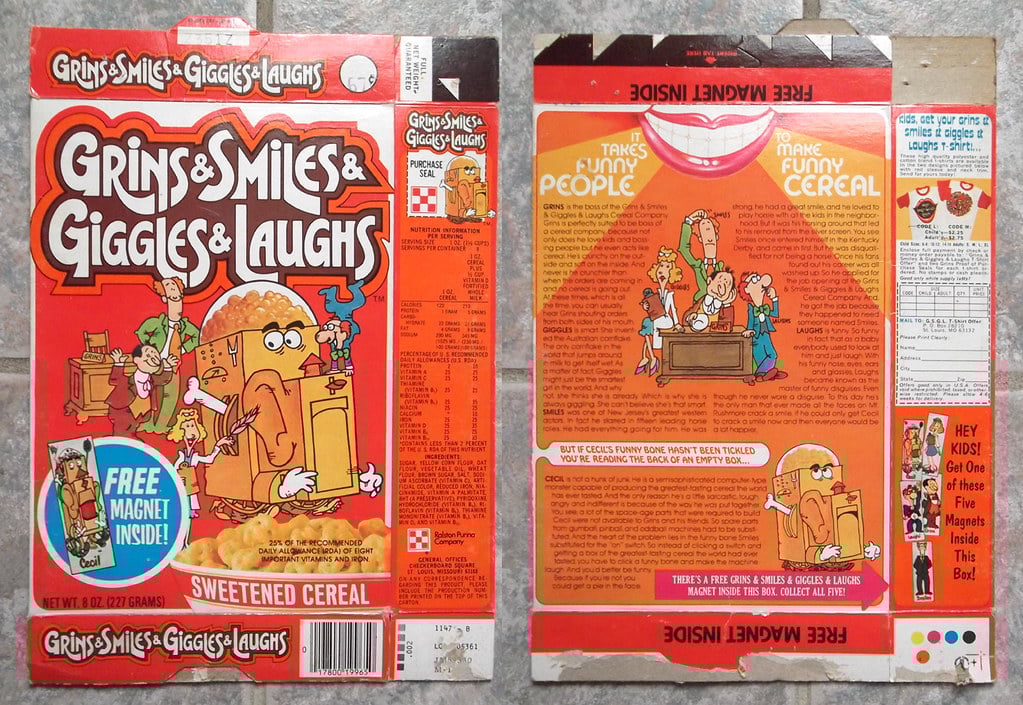
The name took longer to say than the cereal took to disappear from shelves. Ralston was really committed to the happiness theme here — the pieces were shaped like smiling faces, and the marketing insisted that eating them would improve your mood.
Breakfast cereal has always been about selling joy to kids, but this one felt like it was trying too hard, like that overly enthusiastic substitute teacher who thinks being loud equals being fun. And the cereal itself was just another corn-based crunch that happened to be shaped like tiny yellow emoticons.
Even kids could sense the desperation..
Baron Von Redberry
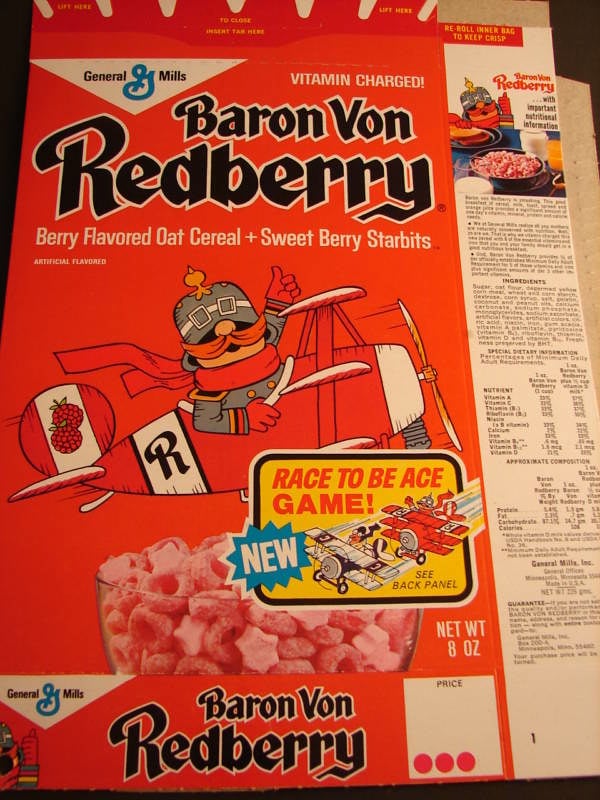
Part of the monster cereal extended universe, but instead of a classic movie monster, General Mills went with… a German aristocrat obsessed with strawberry-flavored cereal. The Baron shared shelf space with his counterpart Sir Grapefellow, and both felt like someone’s attempt to make cereal mascots more sophisticated.
The execution was all wrong though. Kids wanted monsters and pirates, not characters who sounded like they belonged in a dusty history textbook. Plus, the artificial strawberry flavor was aggressive in that chemical way that left your tongue feeling slightly violated.
Super Orange Crisp
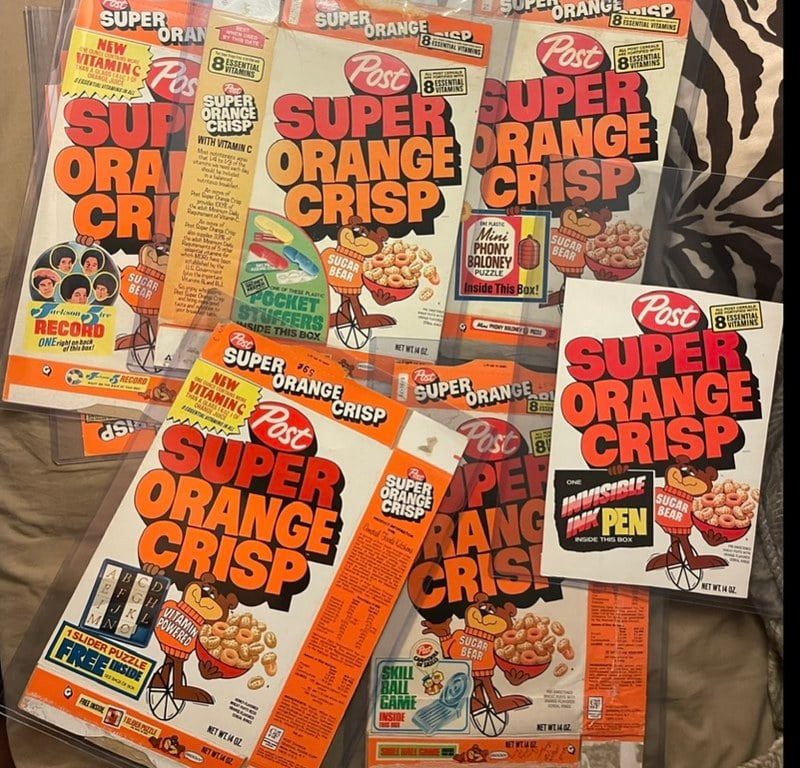
Post decided that what breakfast needed was a cereal that tasted like Tang mixed with cornflakes. The orange flavor was so intense it felt like drinking concentrate, and the pieces themselves had an unsettling artificial glow that made your milk look radioactive.
The whole thing felt like a science experiment that escaped from a lab and ended up in the cereal aisle by mistake.
Kaboom
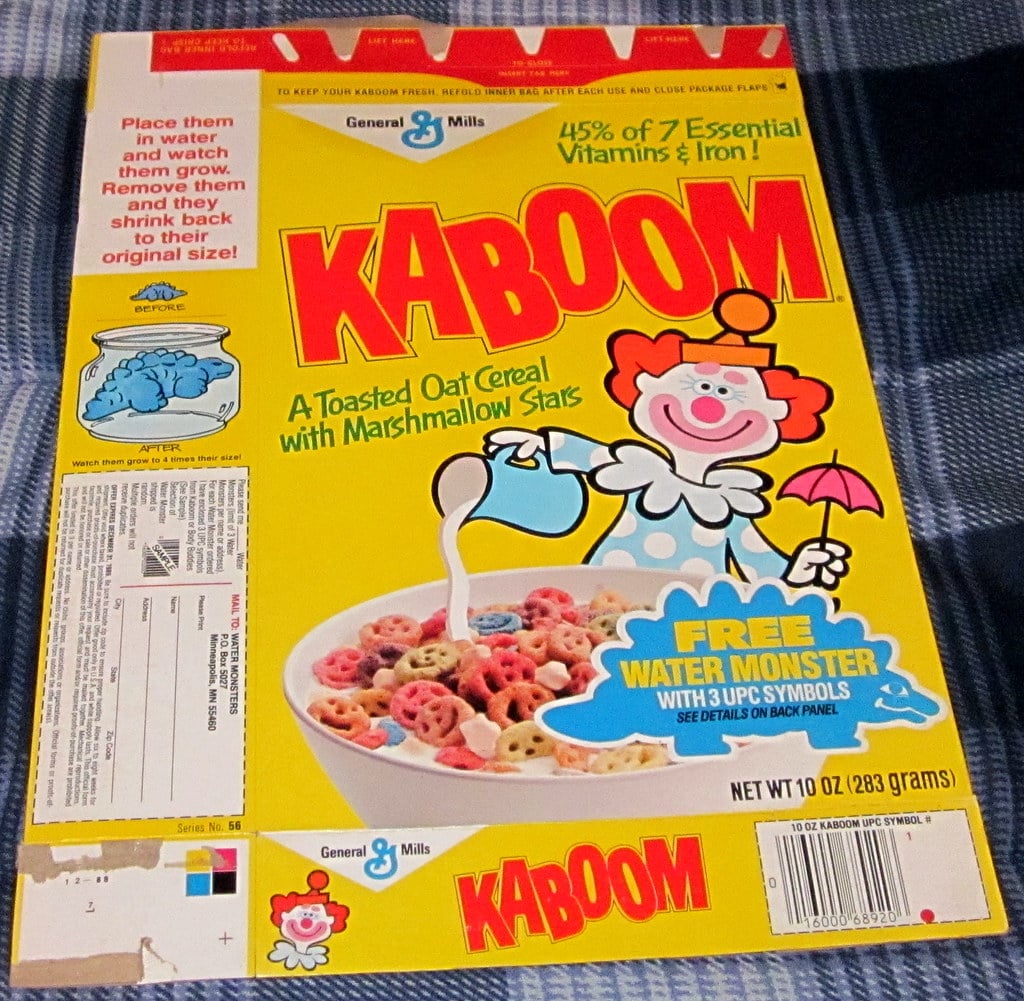
General Mills marketed this as a clown-themed cereal, complete with a mascot that looked like he’d been banned from every children’s birthday party in America. The cereal pieces were star-shaped and came in colors that don’t occur in nature.
But here’s the thing about clown-themed anything in the food world: it’s a tough sell even when people aren’t already suspicious of clowns. The mascot had this manic energy that felt more threatening than fun, and the cereal itself tasted like someone had mixed Lucky Charms with disappointment.
Cröonchy Stars
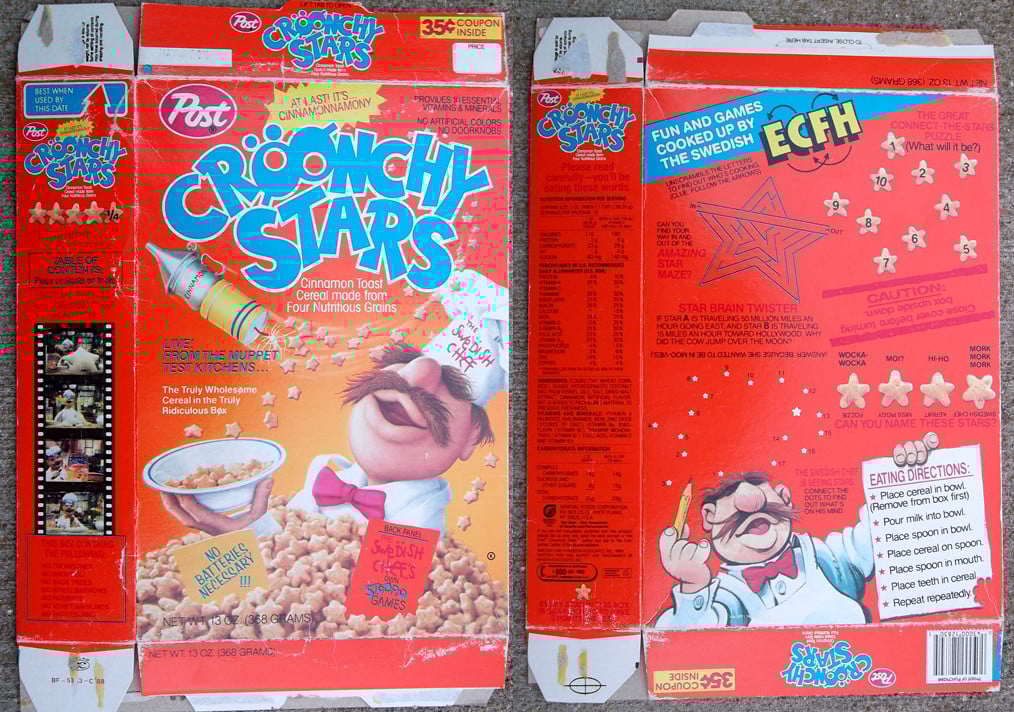
Post threw an umlaut over the double-o and called it European sophistication. The cereal was a cinnamon toast creation featuring the Swedish Chef from the Muppets, but the marketing team was convinced that fancy punctuation would make kids feel worldly while they ate their breakfast.
The pronunciation was never clear either. Was it “croon-chy” or “croh-nchy”? Most kids just called it “those star things” and moved on with their lives.
Waffelos
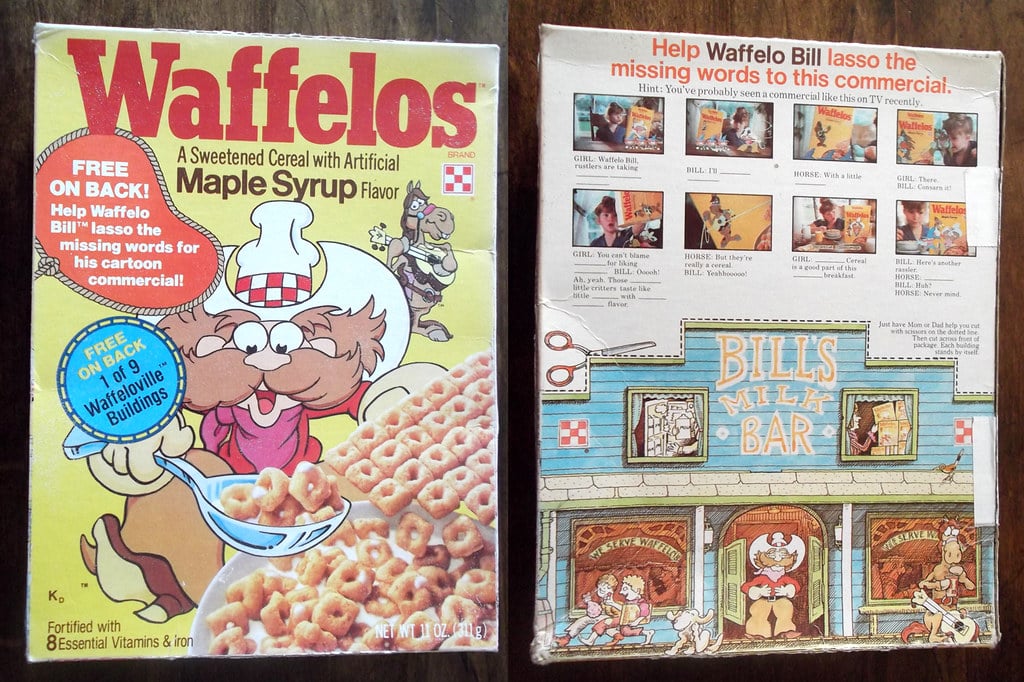
Ralston looked at the success of Eggo waffles and decided breakfast cereal shaped like tiny waffles was the logical next step. The concept made sense on paper — waffles are already breakfast food, so waffle-shaped cereal should be twice as breakfast-y.
The execution fell flat because cereal-sized waffles just looked like square Cheerios with a grid pattern. The novelty lasted exactly as long as it took kids to realize they were eating crunchy cardboard that vaguely resembled the real thing.
And the syrup flavoring they added tasted like someone had described maple syrup to someone who had never actually tasted it.
Pink Panther Flakes
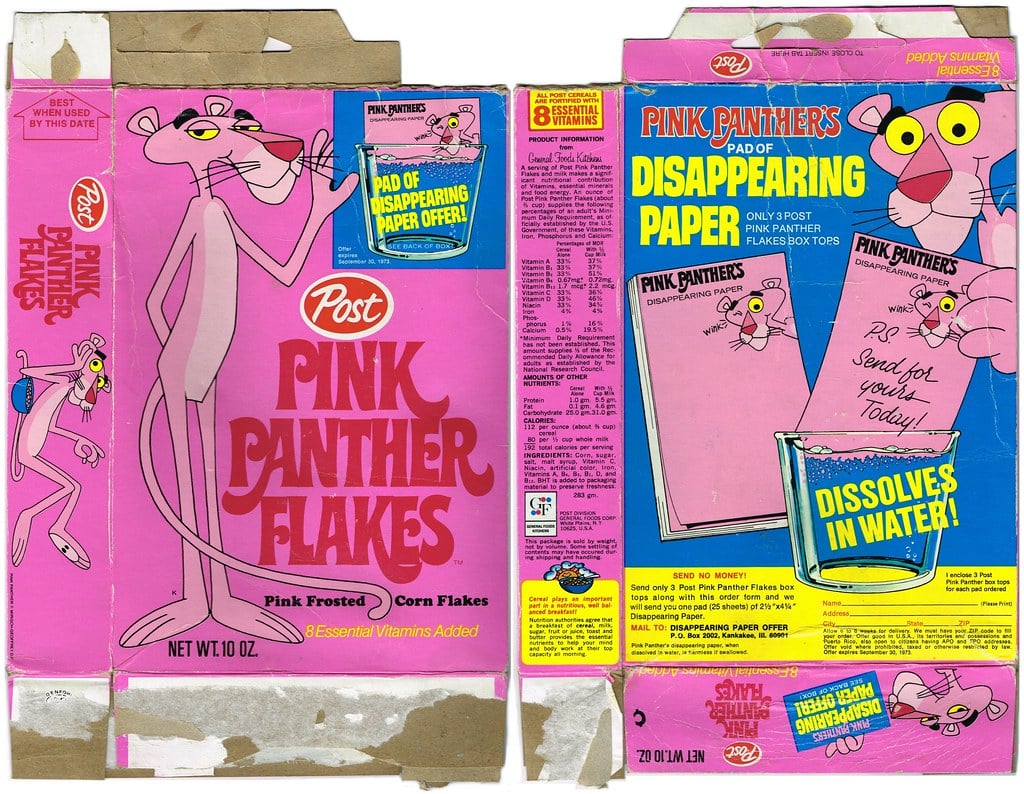
Post licensed the Pink Panther character and created a cereal that was essentially Frosted Flakes dyed pink. The mascot was already beloved from the movies and cartoons, so the marketing was built-in.
But pink breakfast cereal has always been a hard sell to parents, and this was no exception. The artificial coloring was so intense it turned milk into something that looked like Pepto-Bismol, and kids quickly figured out that the taste didn’t live up to the character they loved.
Pac-Man Cereal
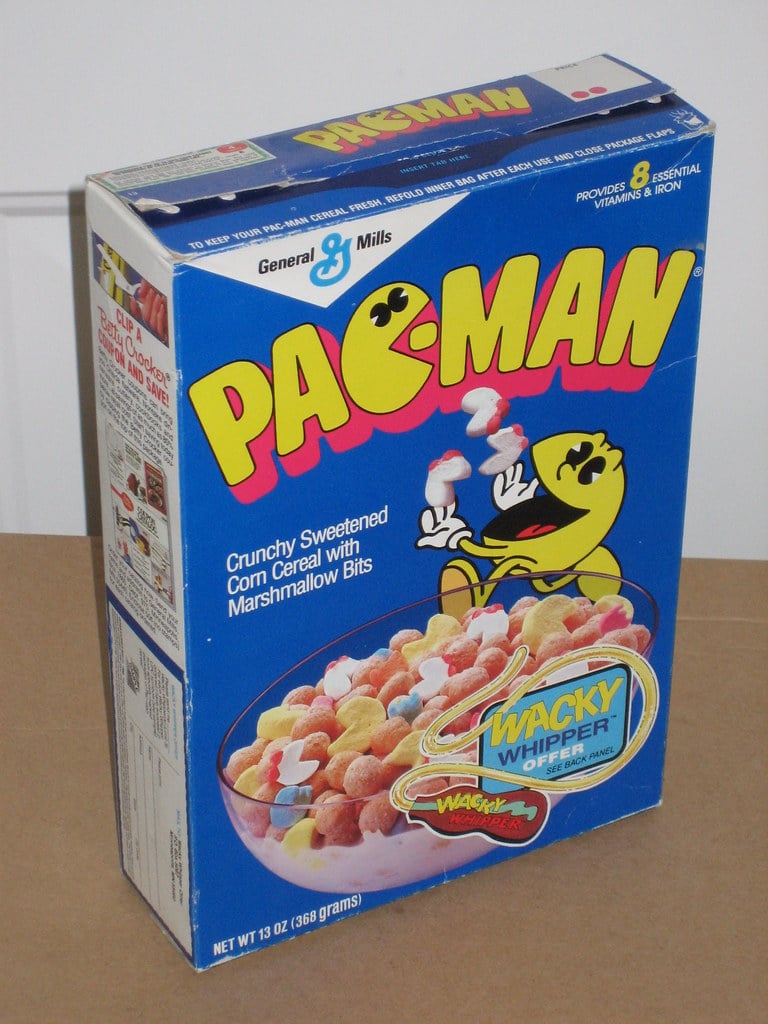
PGeneral Mills jumped on the video game craze with cereal pieces shaped like Pac-Man and the ghosts. Half the pieces were yellow Pac-Man shapes, half were colorful ghost shapes, and the whole bowl was supposed to recreate the game experience.
The problem was that eating Pac-Man felt weird in a way nobody had anticipated. You’re essentially chomping on the character you’re supposed to be rooting for, which breaks the whole fantasy.
Plus, the marshmallow ghosts got soggy faster than regular cereal, so you had to eat strategically or end up with a bowl of mush.
Ice Cream Cones
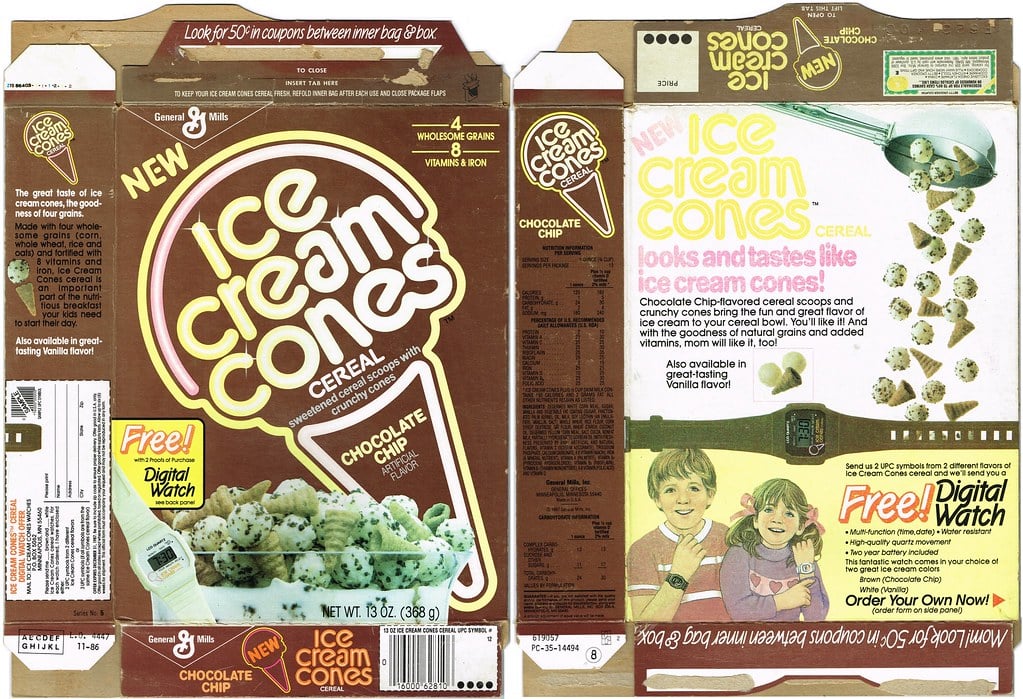
General Mills created cereal pieces shaped like tiny ice cream cones and marketed them as “the ice cream cereal.” The concept was pure sugar-fueled genius until you actually tried to eat them.
Cone-shaped cereal doesn’t work mechanically — the pieces either float point-up like tiny traffic cones or flip over and trap air bubbles that make them bob around your bowl like bath toys. And the vanilla-chocolate flavor combination tasted like someone had dissolved birthday cake in milk, which sounds better than it actually was.
Mr. Wonderfull’s Surprize
The intentional misspelling of “surprise” was supposed to make the cereal feel whimsical and fun. Instead, it made parents wonder if the company that couldn’t spell basic words should be trusted with their children’s breakfast.
The surprises were color-changing cereal pieces that shifted from one artificial hue to another when milk hit them. The novelty lasted exactly one bowl, and then you were left with a cereal that tasted like food coloring and regret.
Bigg Mixx
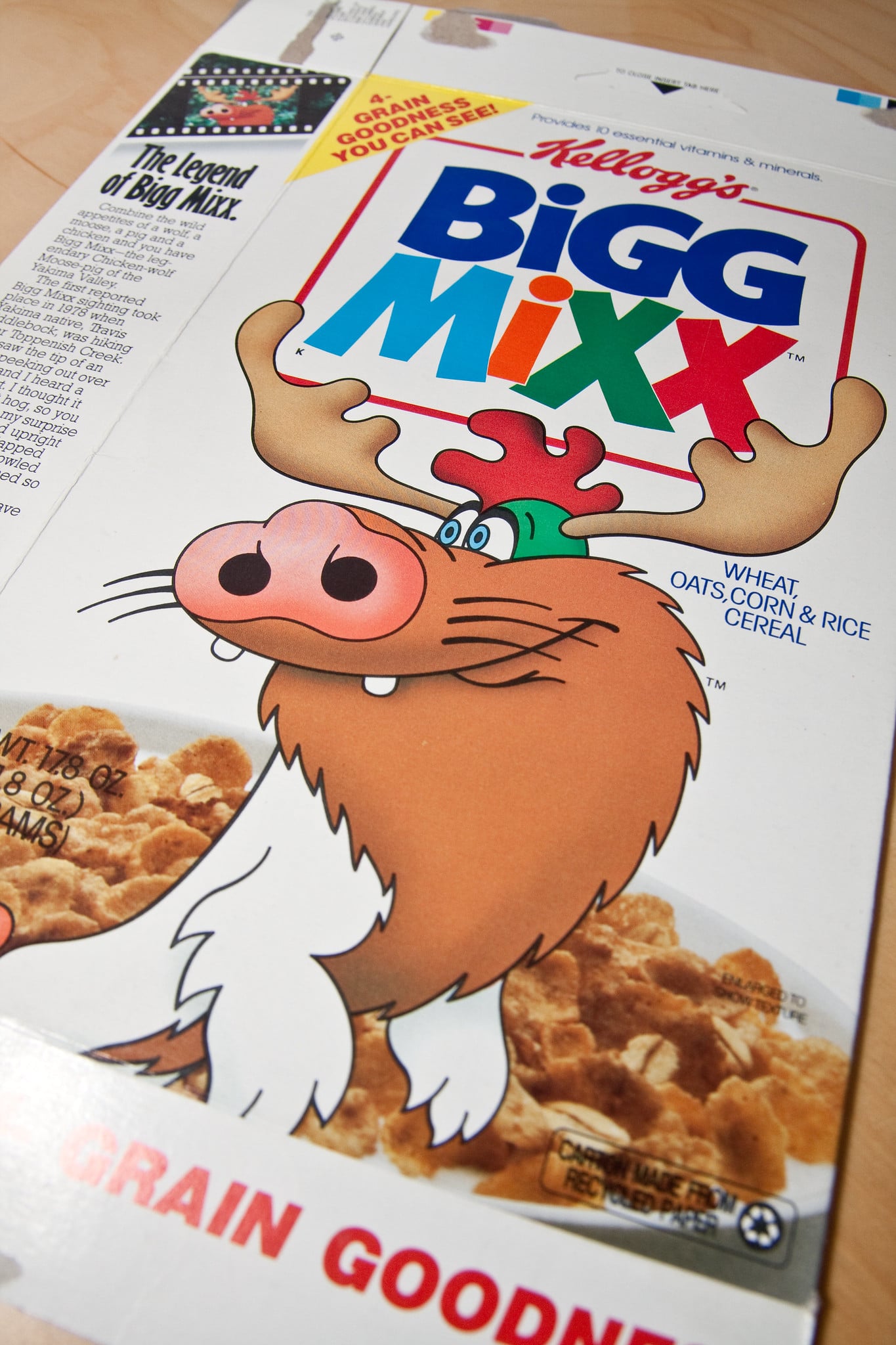
Kellogg’s created a cereal that was four different cereals mixed together — corn flakes, rice puffs, wheat squares, and something called “oat spirals.” The mascot was a wolf character that looked like he’d been assembled from spare parts, which was fitting since the cereal felt the same way.
The problem with mixing four cereals is that they all have different sogginess timelines. By the time you’d eaten half the bowl, you had some pieces that were still crunchy, others that were chewy, and a few that had dissolved into mush.
It was like eating cereal with a texture identity crisis.
Banana Frosted Flakes
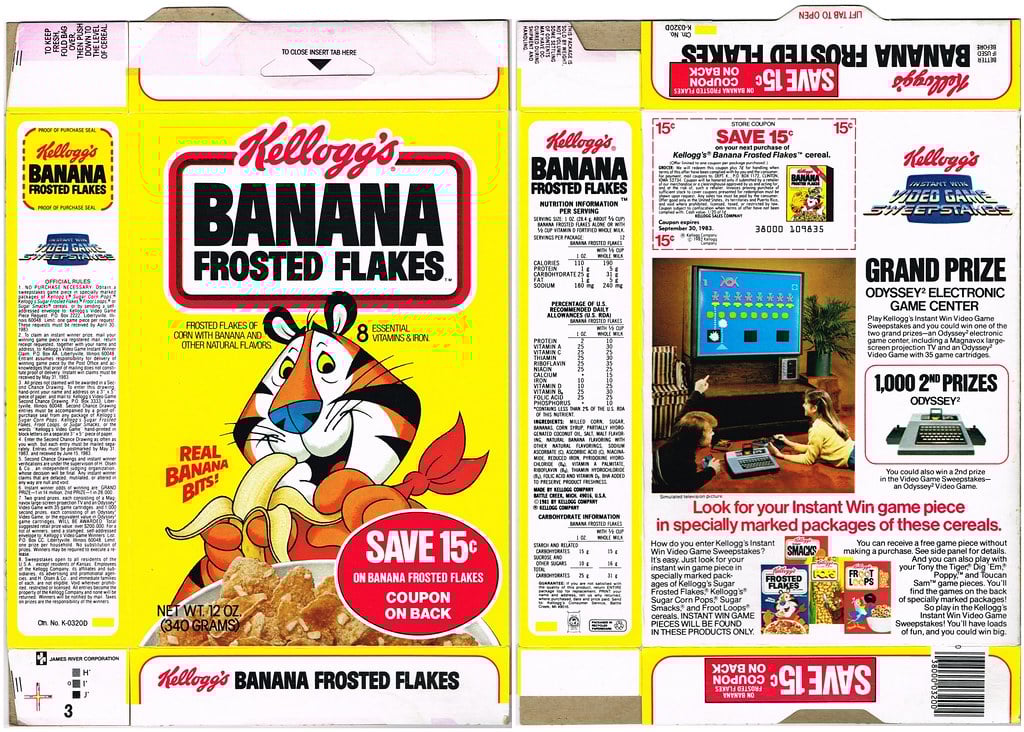
Kellogg’s took their most successful cereal and added banana flavoring, which should have been a slam dunk. Bananas are already breakfast food, Frosted Flakes were already popular, and the combination seemed obvious.
But artificial banana flavor has always been its own category of disappointment — too sweet, too chemical, and somehow nothing like actual bananas. The cereal tasted like someone had mixed Frosted Flakes with banana Laffy Taffy, which sounds appealing until you’re actually chewing it at 7 AM.
Rainbow Brite
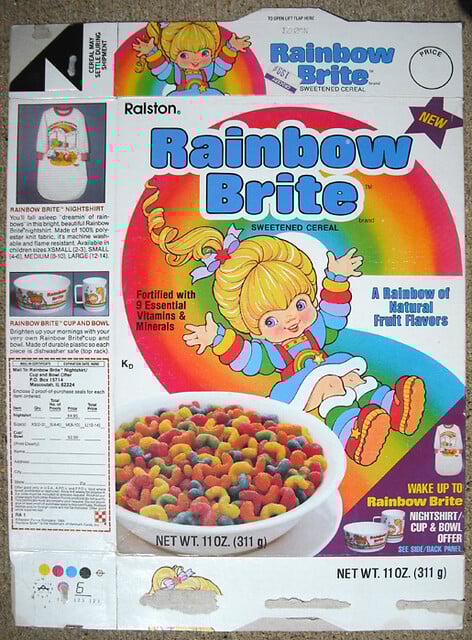
Post licensed the Rainbow Brite character and created a cereal with pieces in every color of the spectrum. The marketing was solid — little girls loved the character, and the rainbow theme gave parents something wholesome to point to.
The execution was where things went wrong. The cereal pieces were basically colored Kix, which meant you were paying extra for food coloring and a character license.
And eating a full rainbow’s worth of artificial colors first thing in the morning turned out to be more intense than most kids could handle. The milk turned into a muddy brown mess that looked like something you’d find in a puddle.
Looking Back
These cereals represent a specific moment in American food history when companies were willing to try almost anything if it might stick. The 1970s and 1980s were the wild west of breakfast marketing — mascots could be literally anyone, flavors could be borrowed from any other food, and if you could get a character license, you were halfway to success.
Most of these cereals failed not because they were terrible ideas, but because they were ideas that didn’t think past the initial concept. A cereal shaped like ice cream cones sounds fun until you try to eat it.
A cereal that turns milk pink sounds magical until you’re looking at pink milk every morning for a week. The breakfast table has always been where American food culture gets weird, and these forgotten cereals are proof that sometimes weird doesn’t work.
They had their moment, made their mark, and quietly disappeared, leaving behind nothing but faded memories and the occasional vintage box on eBay. And honestly, that’s probably exactly where they belong.
More from Go2Tutors!

- The Romanov Crown Jewels and Their Tragic Fate
- 13 Historical Mysteries That Science Still Can’t Solve
- Famous Hoaxes That Fooled the World for Years
- 15 Child Stars with Tragic Adult Lives
- 16 Famous Jewelry Pieces in History
Like Go2Tutors’s content? Follow us on MSN.