17 Animals With Abilities That Seem Completely Impossible
Nature has a way of making science fiction look unimaginative. While humans pride themselves on technological breakthroughs, the animal kingdom has been quietly perfecting abilities that would make any superhero jealous.
These creatures don’t need special effects or CGI — their powers are real, tested by millions of years of evolution, and frankly, they make our smartphones look primitive.
Platypus
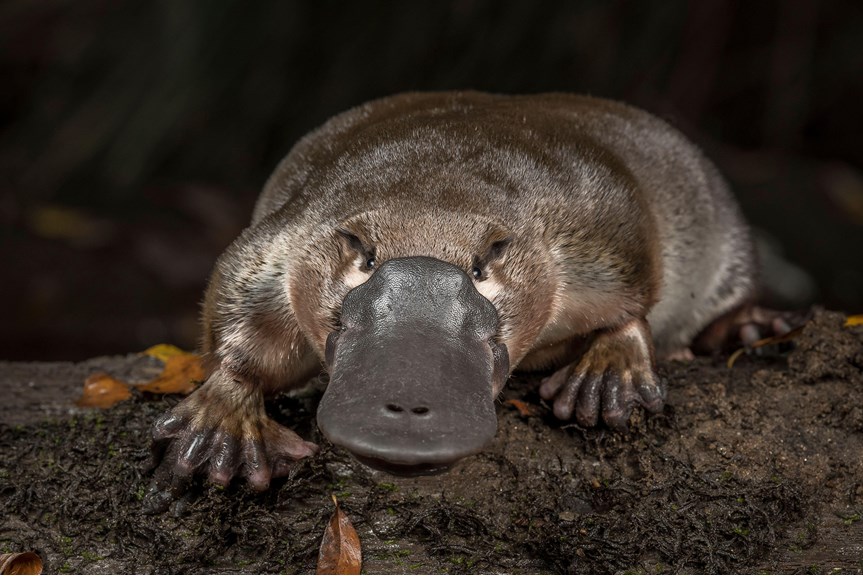
The platypus reads like a joke that evolution decided to commit to. A mammal that lays eggs, has a duck bill, beaver tail, and venomous spurs — and that’s before getting to the truly impossible part.
This Australian oddball can detect electrical fields generated by muscle contractions in other animals, essentially giving it the ability to see electrical auras underwater with its eyes and ears completely shut.
Tardigrade
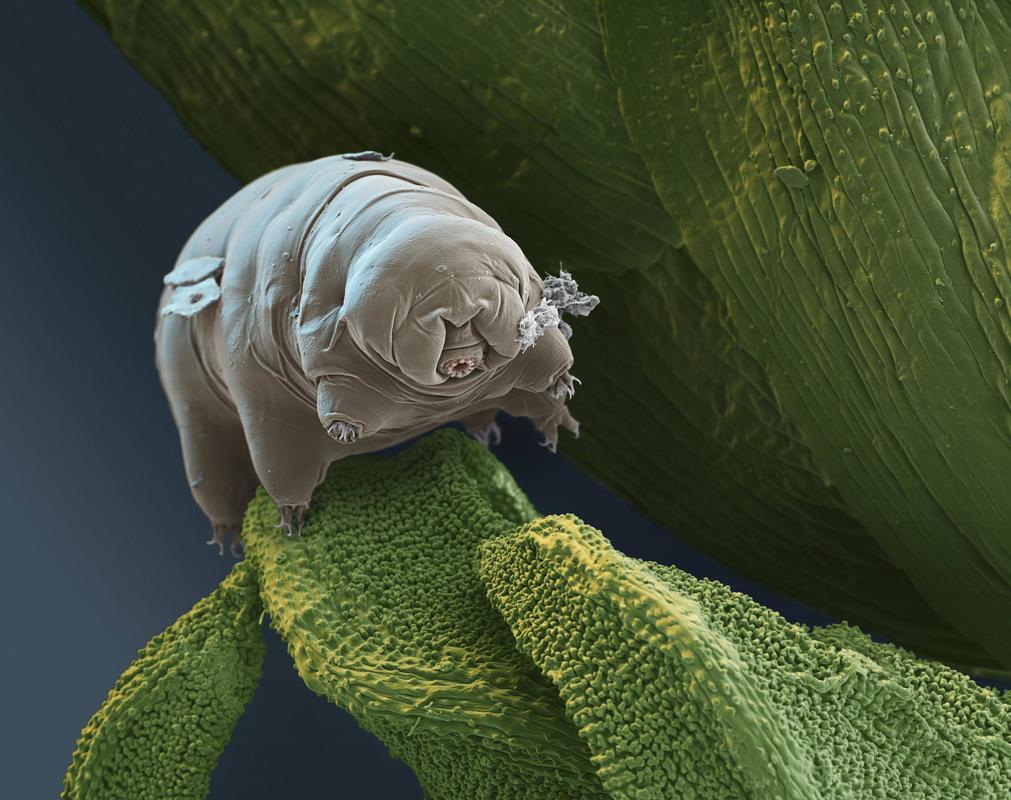
These microscopic bears (they’re actually called water bears, which somehow makes them more endearing) can survive literally anything. Radiation levels that would cook a human.
The vacuum of space. Temperatures near absolute zero or hot enough to boil water.
They dry up completely, shut down all biological processes, and then spring back to life decades later when conditions improve. Death is apparently just a suggestion to tardigrades.
Arctic Tern
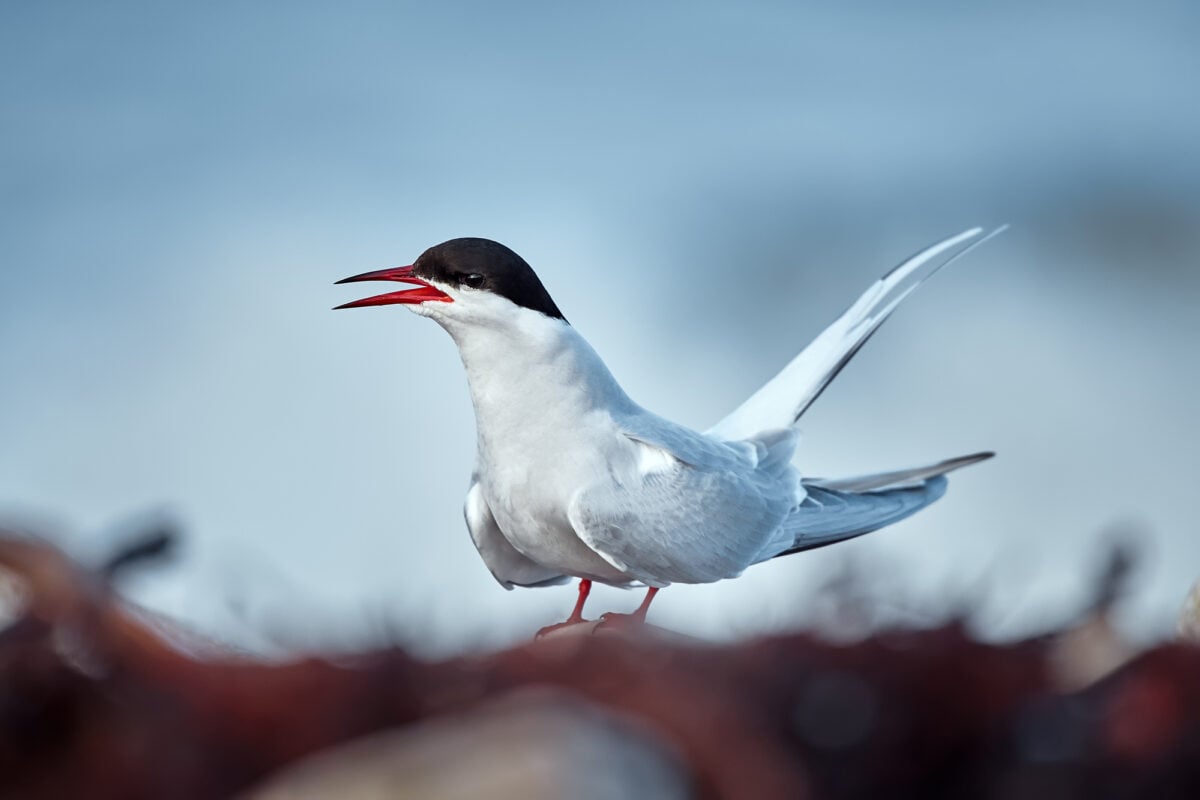
Consider the Arctic tern’s annual commute: a round trip from Arctic to Antarctic that covers roughly 44,000 miles — equivalent to flying around the Earth twice (and these birds live for decades, meaning some will cover more distance in their lifetime than a trip to the moon and back). But here’s what makes it impossible rather than merely impressive: they navigate this journey with pinpoint accuracy using magnetic fields, celestial cues, and an internal GPS system that puts human technology to shame, often returning to the exact same nesting site year after year.
And they do this without ever getting lost, without maps, without compasses — just an innate understanding of the planet’s magnetic signature that science is still trying to decode.
Mantis Shrimp
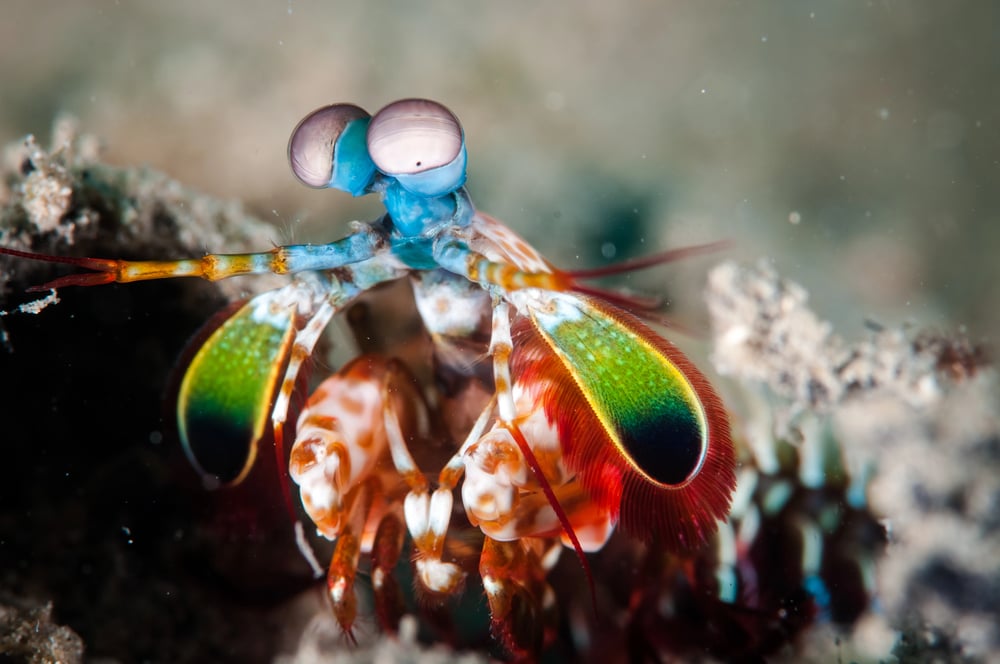
Mantis shrimp don’t just see color — they see colors that don’t exist in human perception. Sixteen types of color receptors compared to our three.
They can see ultraviolet, visible, and polarized light simultaneously.
Their eyes move independently, giving them trinocular vision, and they can see circular polarized light, something no other animal can do. They essentially live in a visual dimension humans can’t even imagine.
Electric Eel
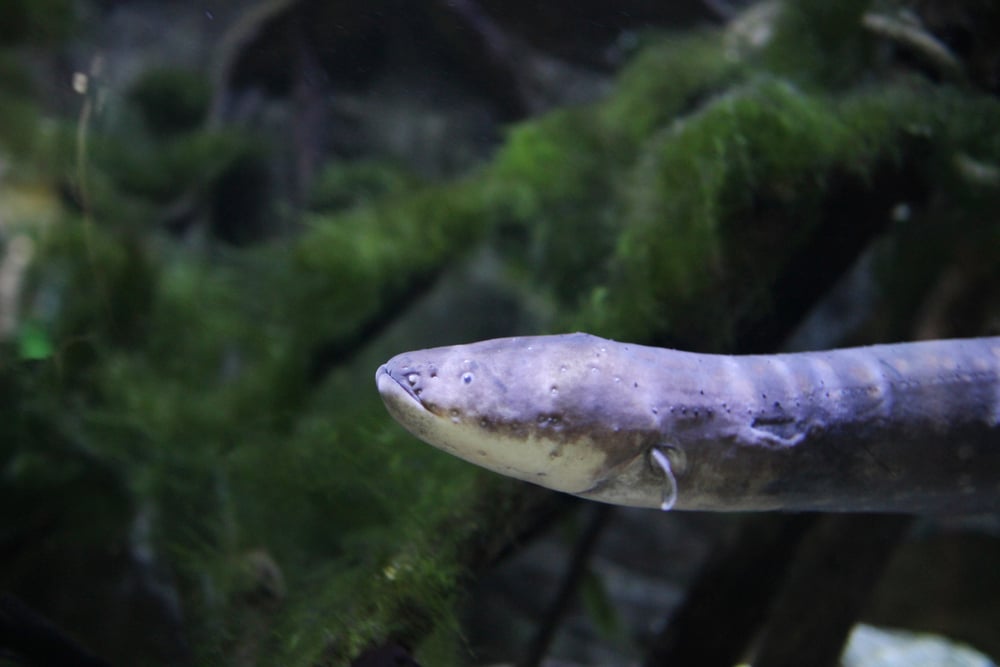
Six hundred volts. That’s what an electric eel can generate — enough to power a household appliance or stop a human heart.
These South American fish are living batteries, capable of producing three different types of electrical discharges: low-voltage for navigation, medium-voltage for hunting, and high-voltage for defense. They’ve turned their entire body into a bioelectric weapon.
Gecko
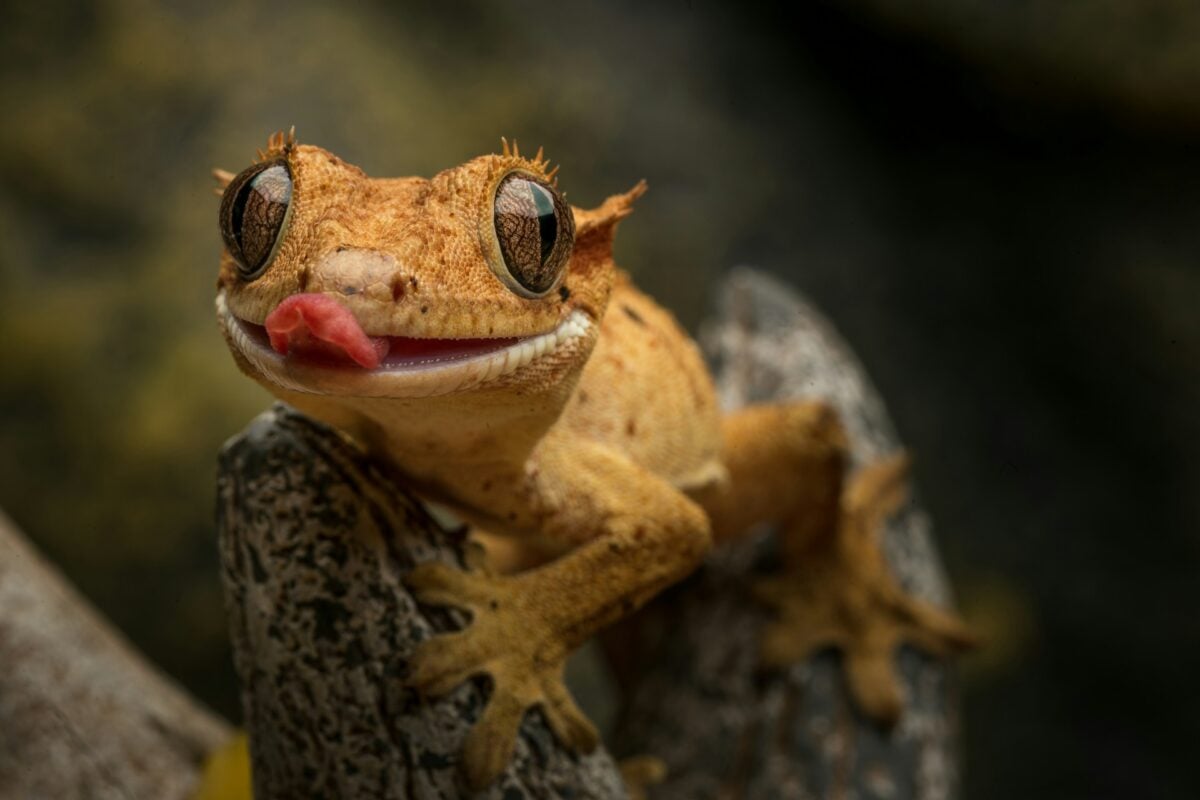
Geckos walk up glass walls and hang upside down from ceilings, defying gravity through molecular forces called van der Waals interactions (the same forces that allow Spider-Man to stick to walls, though comic books borrowed this from geckos, not the other way around). Each gecko toe has millions of tiny hairs called setae, and each hair splits into even tinier branches that interact with surfaces at the molecular level.
They can support their entire body weight hanging from a single toe, and they can turn this stickiness on and off at will — something materials scientists are still trying to replicate.
Lyrebird
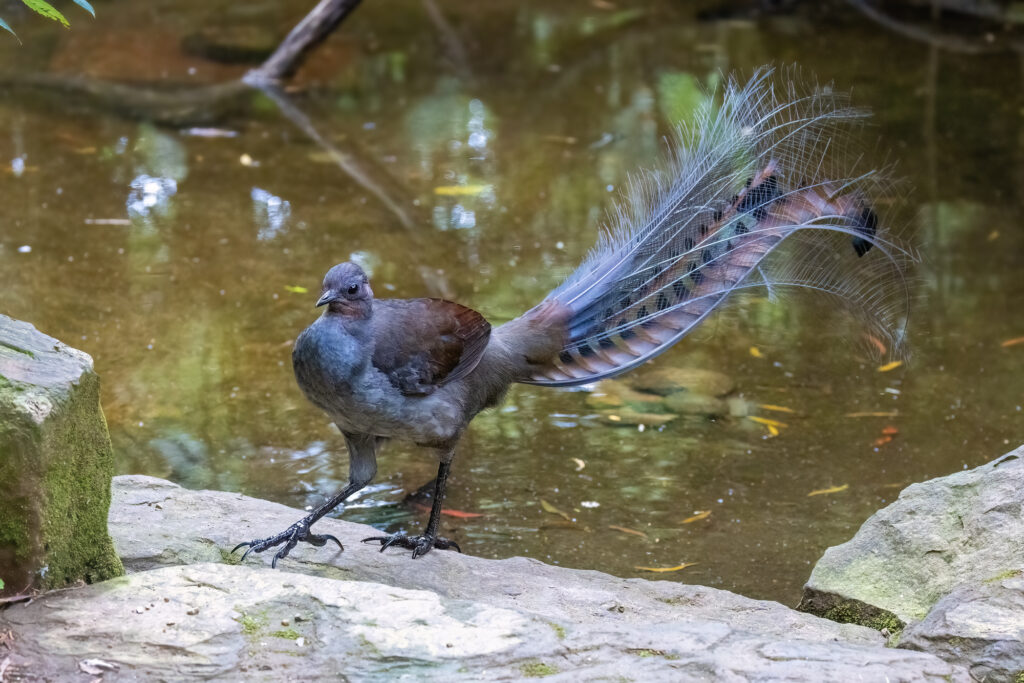
The lyrebird doesn’t just mimic sounds — it becomes them. Chainsaws, camera shutters, car alarms, crying babies, other birds, even human speech.
And it doesn’t simply repeat these sounds; it incorporates them into complex songs, layering multiple sounds simultaneously.
Some lyrebirds can accurately reproduce sounds they heard decades ago. They’re essentially living recording studios with perfect pitch and unlimited storage capacity.
Pistol Shrimp
This tiny crustacean creates cavitation bubbles by snapping its specialized claw so fast that it briefly reaches temperatures approaching those on the surface of the sun — around 8,000 degrees Fahrenheit (hotter than lava, for perspective). The collapsing bubble produces a shockwave that stuns or kills nearby fish, and for a split second, generates light through a process called sonoluminescence.
They’re firing plasma bullets underwater, something that sounds like science fiction until you watch it happen.
Arctic Ground Squirrel
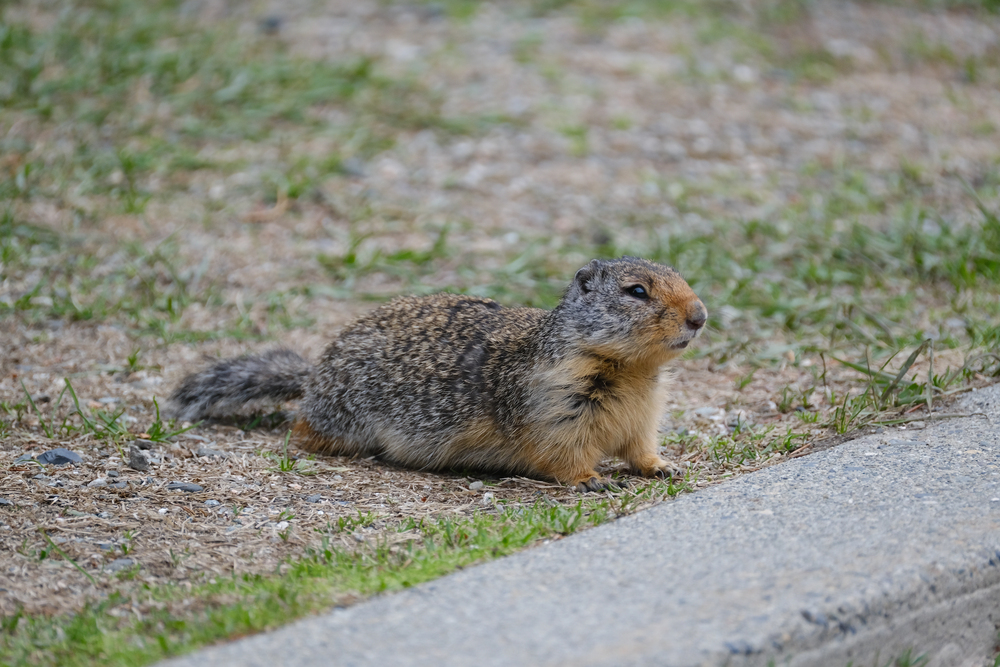
These Alaskan rodents drop their body temperature below freezing — as low as 26 degrees Fahrenheit — and their brain activity essentially flatlines for months during hibernation. They’re clinically dead by most medical definitions, yet they wake up every spring completely healthy.
Their bodies produce natural antifreeze proteins and somehow avoid the cellular damage that would kill any other mammal. They’ve essentially solved the problem of suspended animation.
Salmon
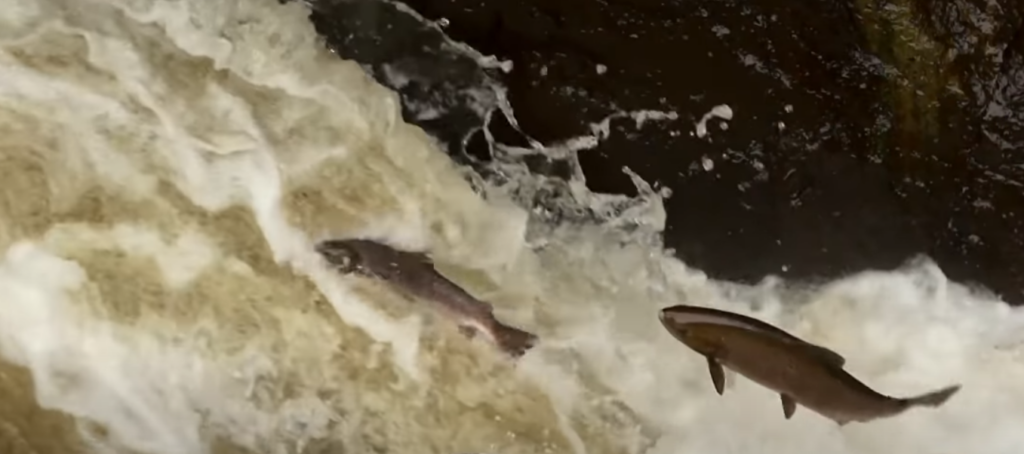
Salmon return to the exact stream where they were born after years in the ocean, navigating thousands of miles with precision that would impress any GPS engineer. They imprint on the unique chemical signature of their birth water as juveniles, then follow this olfactory map back home through the vast Pacific.
But here’s the impossible part: they can detect their home stream’s scent in concentrations as dilute as a few parts per billion — equivalent to detecting a teaspoon of their home water in an Olympic swimming pool.
Cuttlefish
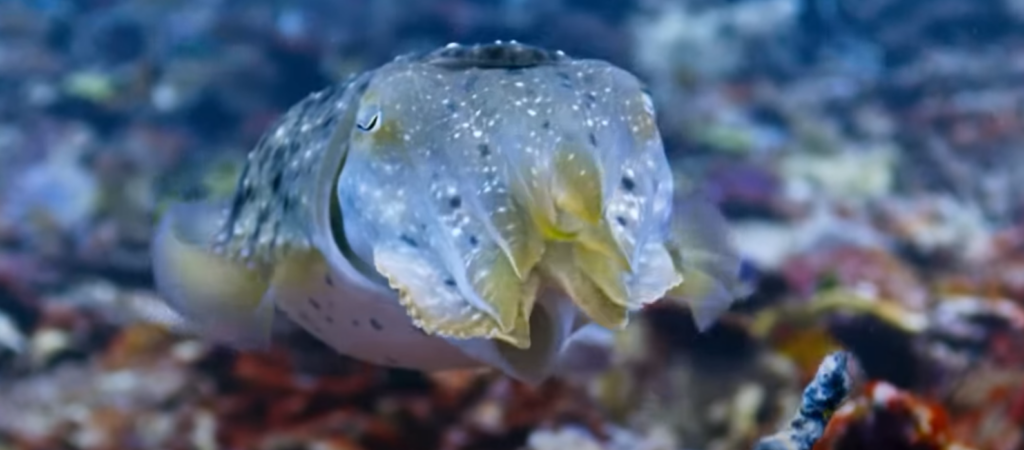
Cuttlefish are shape-shifting masters who can change not just their color but their skin texture in real time, creating bumps, ridges, and patterns that perfectly mimic coral, rocks, or seaweed (watch one disappear against a background of different colored stones — it’s like watching someone turn invisible right in front of your eyes). They have distributed brains, with two-thirds of their neurons located in their arms, meaning each tentacle can taste, feel, and react independently.
They can literally think with their limbs while their main brain focuses on bigger picture problems.
Vampire Bat
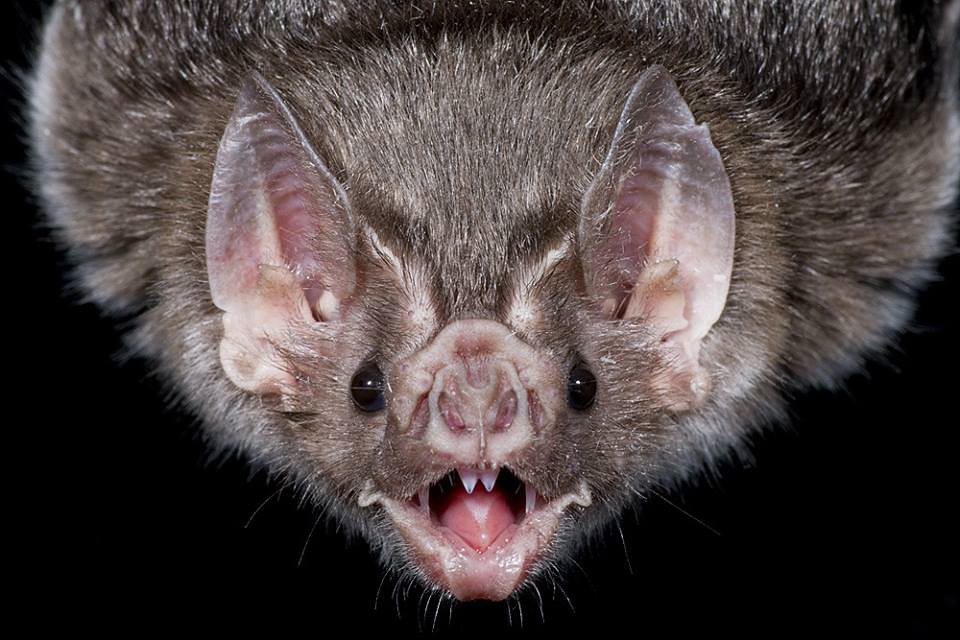
Vampire bats have heat sensors so sensitive they can detect the warmth of blood vessels beneath their victim’s skin from several inches away. They inject anticoagulants to keep blood flowing and anesthetics so their bite goes unnoticed.
Their saliva contains compounds that prevent clotting so effectively that medical researchers study it for developing stroke treatments. They’re flying pharmaceutical laboratories with a very specific specialty.
Desert Ant
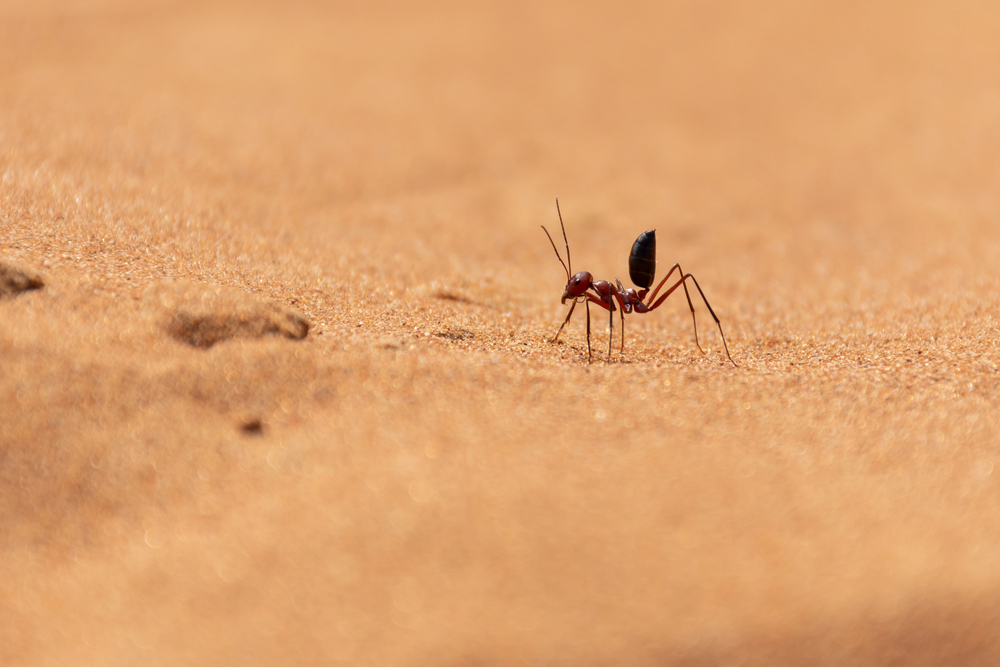
These Saharan insects count their steps and measure the angle of polarized light to navigate home across featureless sand dunes. They can travel thousands of times their body length — equivalent to a human walking from New York to Chicago — and return directly to a nest entrance smaller than a quarter.
When researchers put stilts on their legs to alter their step count, the ants consistently overshot their nest by the exact distance the stilts would account for.
Bowerbird
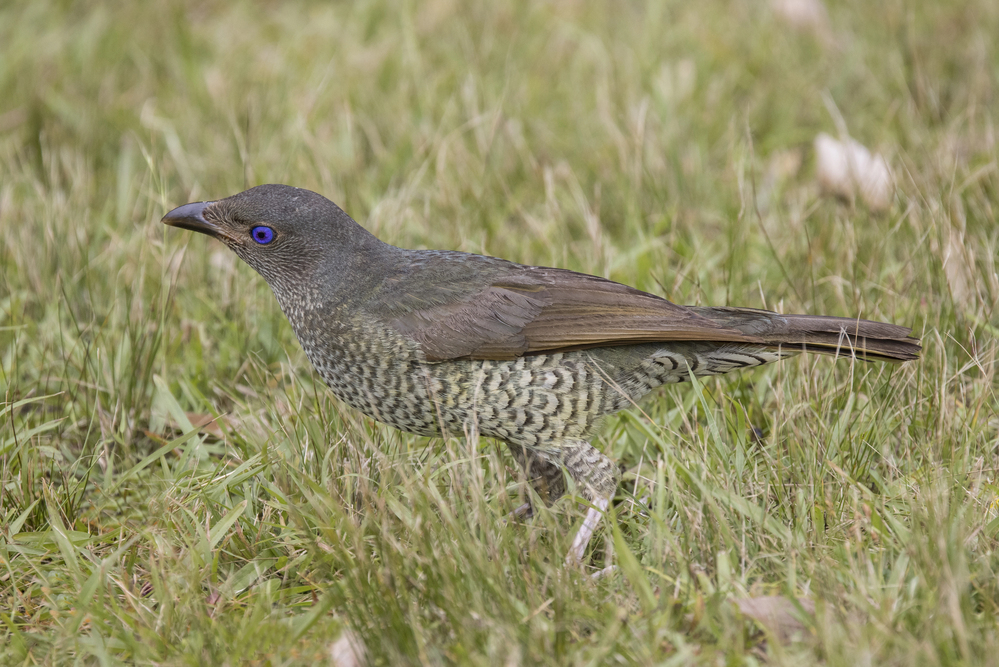
Male bowerbirds construct elaborate structures decorated with carefully arranged objects sorted by color, size, and type. They understand perspective, deliberately placing larger objects farther from the viewing area to create forced perspective that makes their display appear larger.
They’re not just building; they’re creating optical illusions, demonstrating an understanding of visual perception that suggests they can think about how others see the world.
Star-Nosed Mole
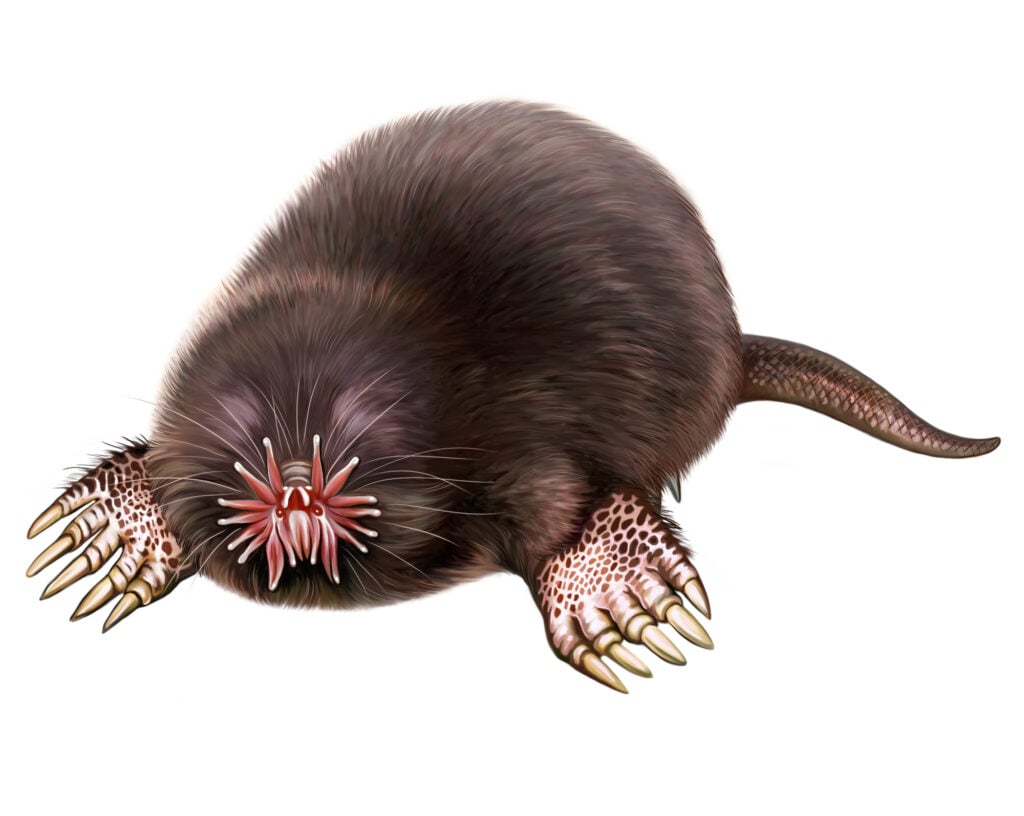
The star-nosed mole’s bizarre facial appendage contains over 100,000 nerve fibers — six times more sensitive than a human hand — packed into an area smaller than a fingertip. It can identify and consume small prey in as little as 120 milliseconds, making it one of the fastest foragers in the animal kingdom.
The star is so sensitive it can detect electrical fields and even smell underwater by exhaling and quickly re-inhaling air bubbles.
Peregrine Falcon
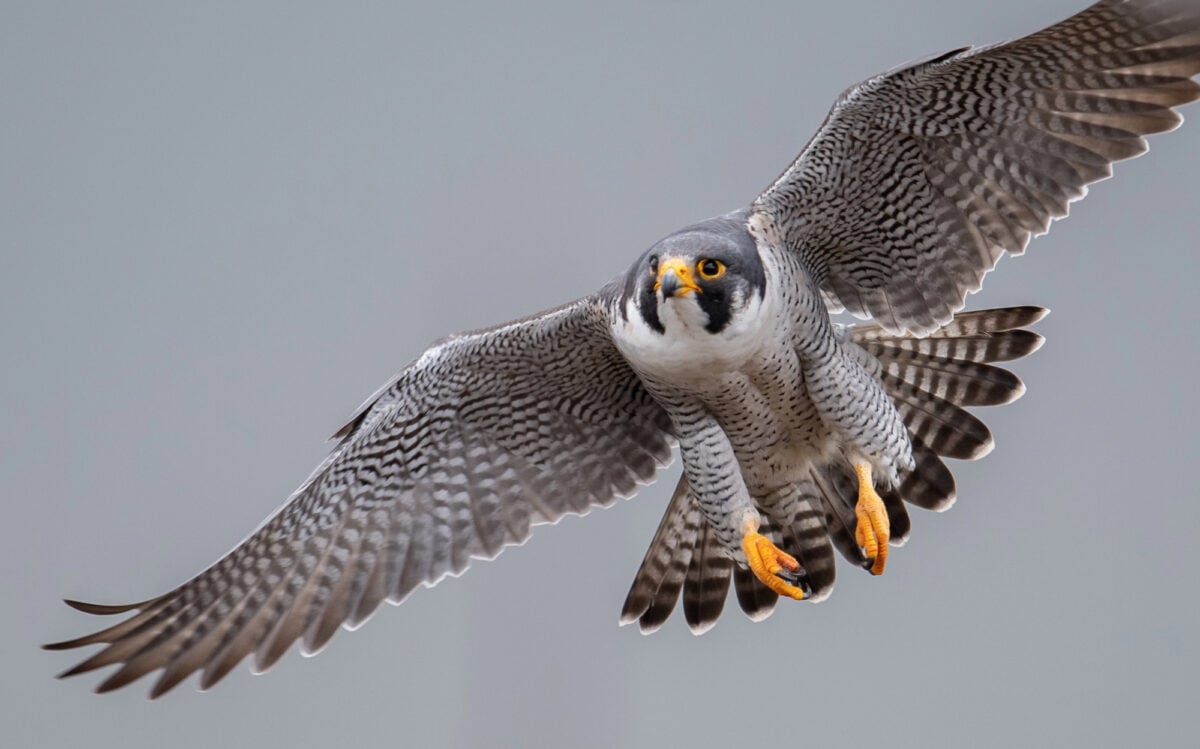
Diving at speeds exceeding 240 mph, peregrine falcons are the fastest animals on Earth, yet they can spot and track prey the size of a pigeon from over a mile away while maintaining perfect flight control. Their eyes process visual information four times faster than humans, essentially giving them slow-motion vision during high-speed hunts.
They have specialized baffles in their nostrils to prevent their lungs from exploding during high-speed dives.
Dolphin
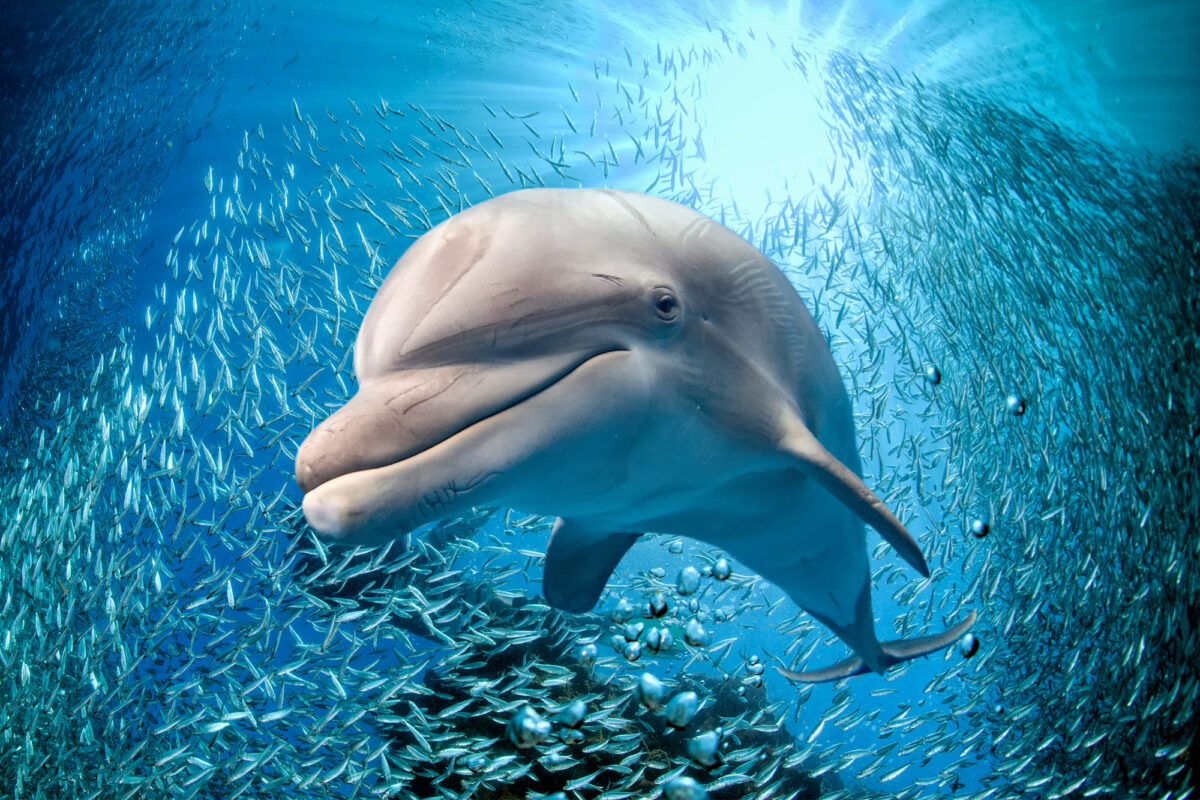
Dolphins create detailed three-dimensional images of their environment using echolocation, essentially seeing with sound in complete darkness. They can echolocate objects buried in sand, determine the internal structure of opaque objects, and even “see” inside other dolphins and humans, detecting pregnancies, air-filled organs, and internal injuries.
They live in a world of acoustic imagery that humans can barely comprehend, where sound creates as detailed a picture as sight.
The Real Magic Show
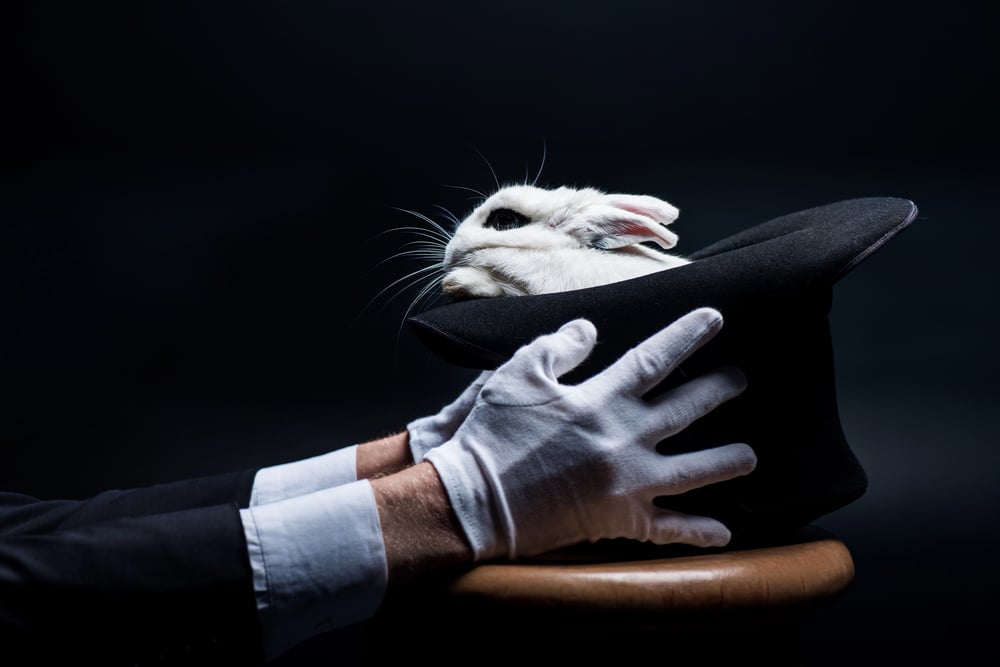
These abilities sound like the opening credits of a superhero movie, but they’re happening right now in forests, oceans, and backyards around the world. While humans debate whether we’re alone in the universe, we share this planet with creatures that routinely perform feats we’d call miraculous if we encountered them in science fiction.
The impossible, it turns out, is just evolution’s way of solving problems we haven’t figured out yet.
More from Go2Tutors!

- The Romanov Crown Jewels and Their Tragic Fate
- 13 Historical Mysteries That Science Still Can’t Solve
- Famous Hoaxes That Fooled the World for Years
- 15 Child Stars with Tragic Adult Lives
- 16 Famous Jewelry Pieces in History
Like Go2Tutors’s content? Follow us on MSN.