Visual History Through 15 American Military Uniforms
Military uniforms tell stories that history books often skip. They reveal changing technology, shifting social attitudes, and the evolution of American identity itself.
Each stitch, button, and fabric choice reflects the era that produced it — not just military strategy, but the entire world soldiers lived in. These fifteen uniforms span centuries of American military history, from colonial militias to modern combat zones.
They show how clothing adapts to new weapons, new enemies, and new understandings of what it means to serve.
Continental Army Blue and Buff
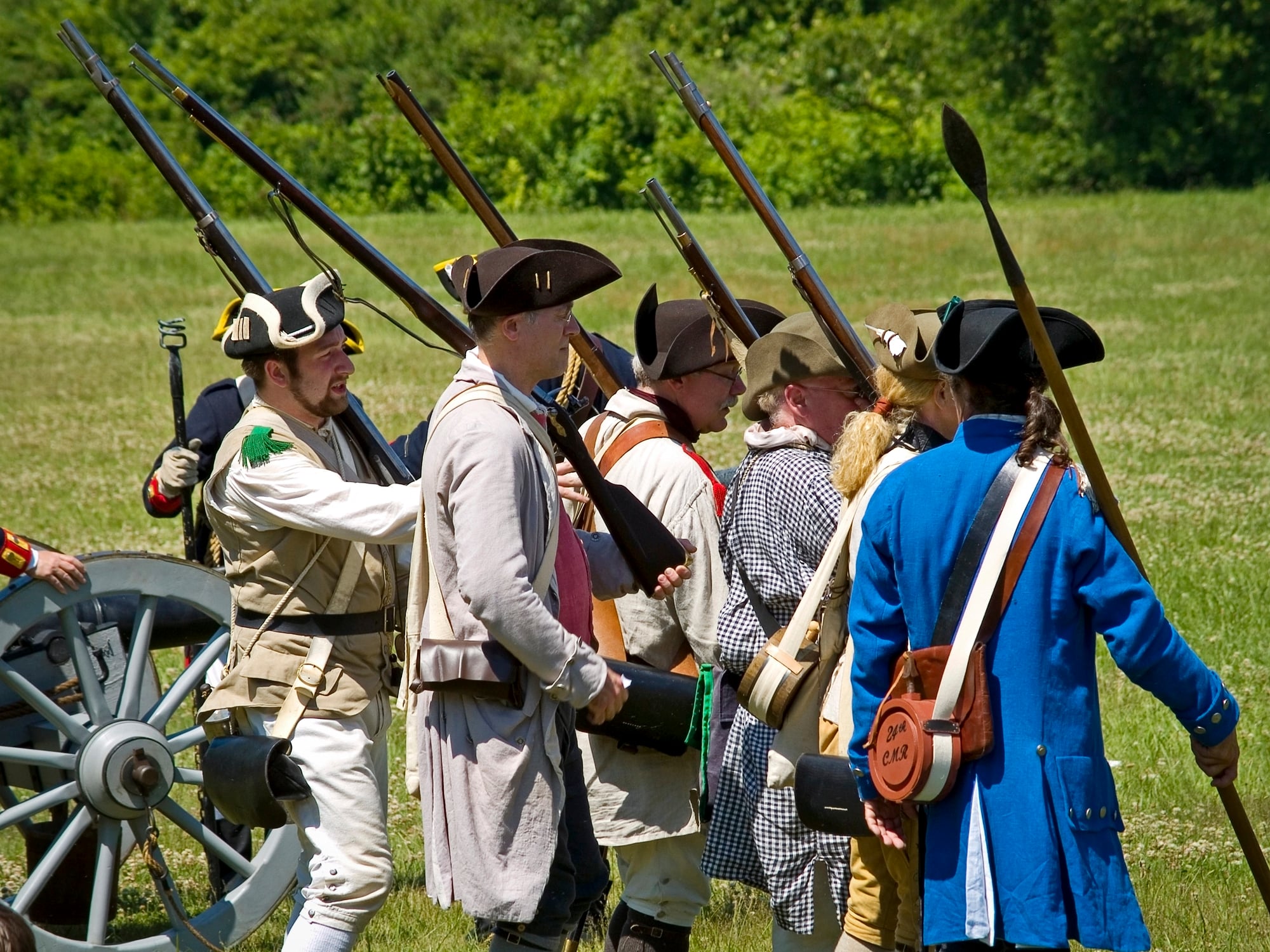
The Continental Army’s blue and buff uniform was more aspiration than reality. Washington wanted his soldiers to look like European professionals, not ragtag colonials in hunting shirts.
Blue coats with buff facings became the official standard in 1779. Most soldiers never saw one. Supply problems meant Continental troops wore whatever they could find — captured British red coats, civilian clothes, or nothing at all during the winter at Valley Forge.
War of 1812 Infantry Uniform
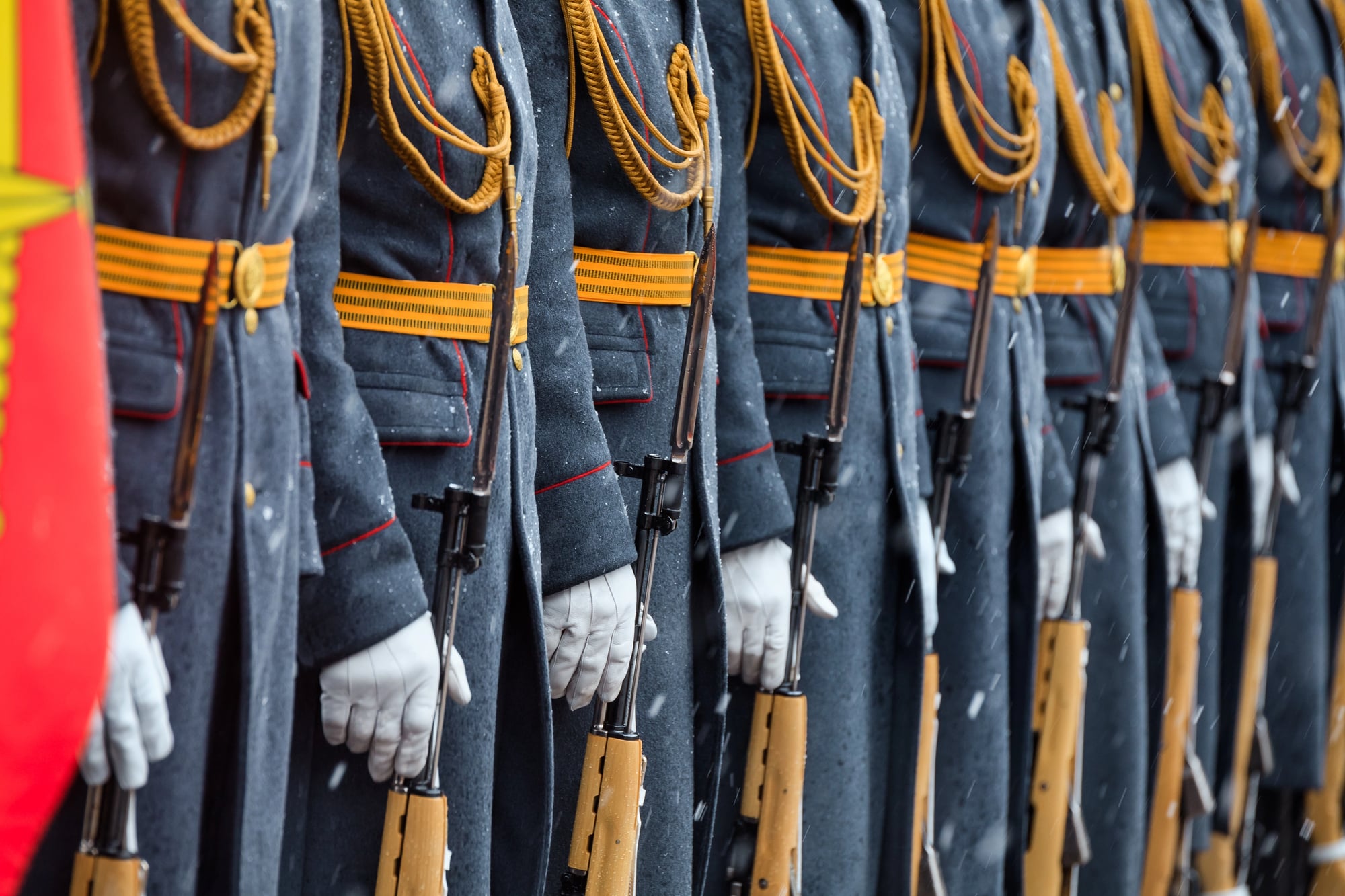
By 1812, American uniforms had settled into a pattern that would last decades. The reality of military supply chains meant soldiers often made do with whatever fabric and buttons they could find, creating variations that would horrify modern quartermasters but somehow worked in the field.
The dark blue wool coat with red trim became standard for infantry — a choice that seemed practical until soldiers realized dark colors showed dirt, wear, and bloodstains with uncomfortable clarity. And yet the color stuck, probably because blue dye was cheaper than anything else, though military bureaucrats would never admit cost drove their aesthetic choices.
But here’s what made these uniforms particularly American: they borrowed heavily from European military fashion while quietly rejecting the most impractical elements. No powdered wigs, fewer brass buttons that required constant polishing, and a general acknowledgment that soldiers needed to move, march, and fight rather than pose for portraits.
Mexican-American War Campaign Dress
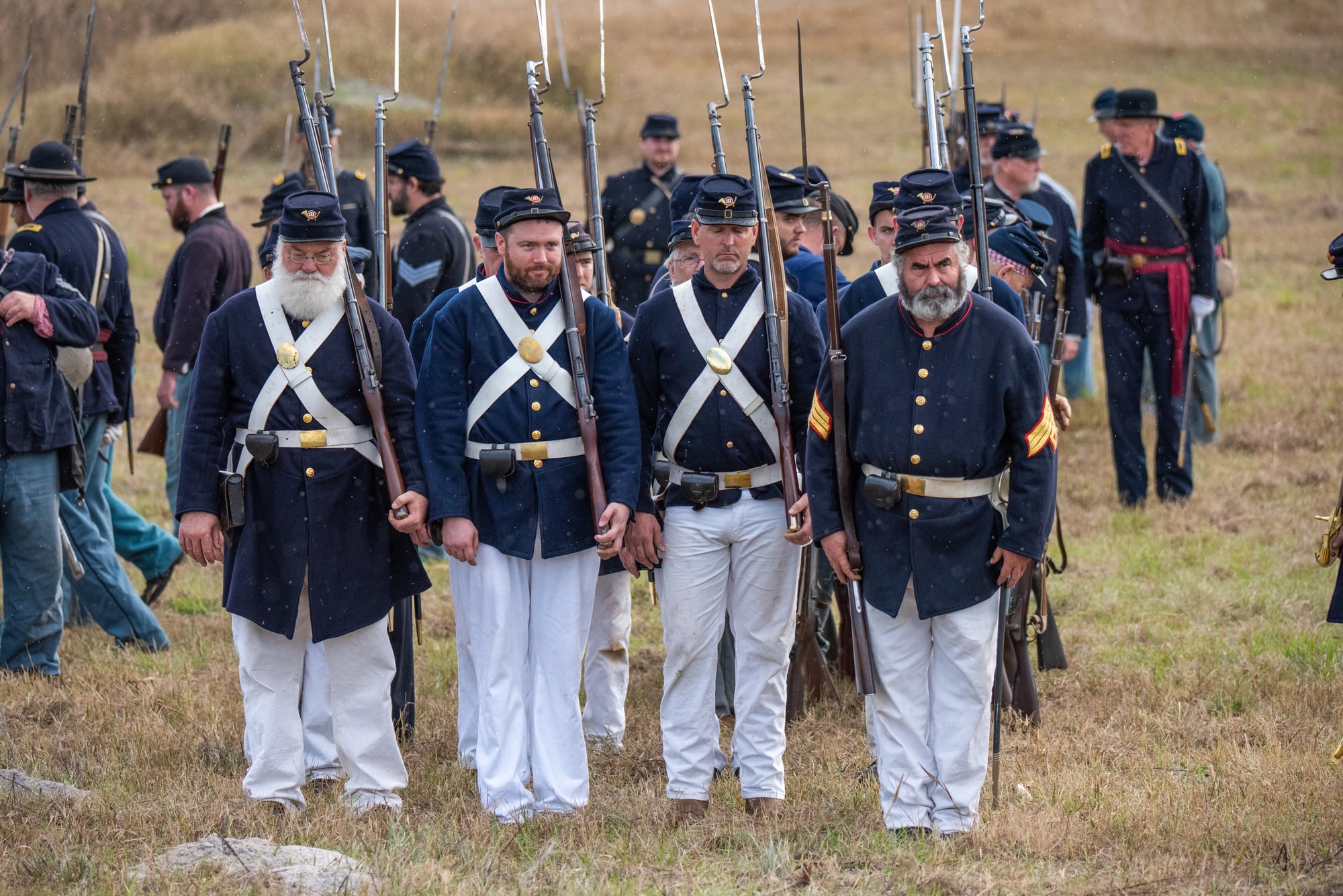
Something changes when you see a soldier’s uniform after months in the field. The Mexican-American War campaigns produced clothing that looked nothing like parade ground standards.
Faded blue turned gray, brass tarnished to green, and improvised repairs created a patchwork that somehow conveyed more authority than pristine dress uniforms ever could. These uniforms carried dust from deserts soldiers had never imagined, sweat stains from marches that redefined endurance, and the particular wear patterns that come from sleeping on the ground for months.
They looked like they’d been through something. Because they had.
Civil War Union Infantry
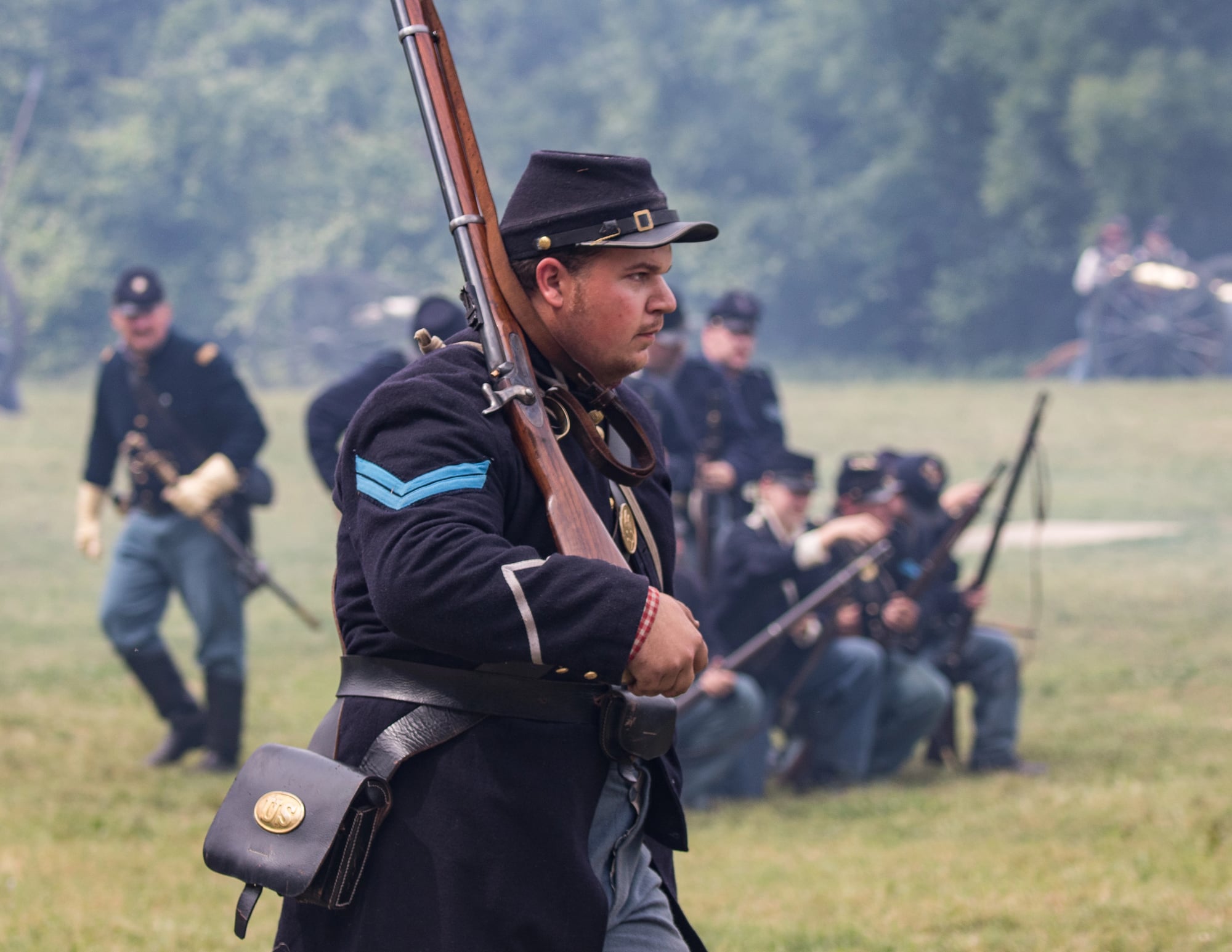
The Union Army’s standard issue was blue wool. Period.
No variations, no seasonal alternatives, no consideration for Southern heat or Northern cold. This uniform killed as many soldiers as enemy bullets did.
Wool traps sweat, breeds disease, and becomes unbearably heavy when wet. But it was durable, available, and most importantly, distinguishable from Confederate gray at distances where split-second recognition meant survival.
Civil War Confederate Gray
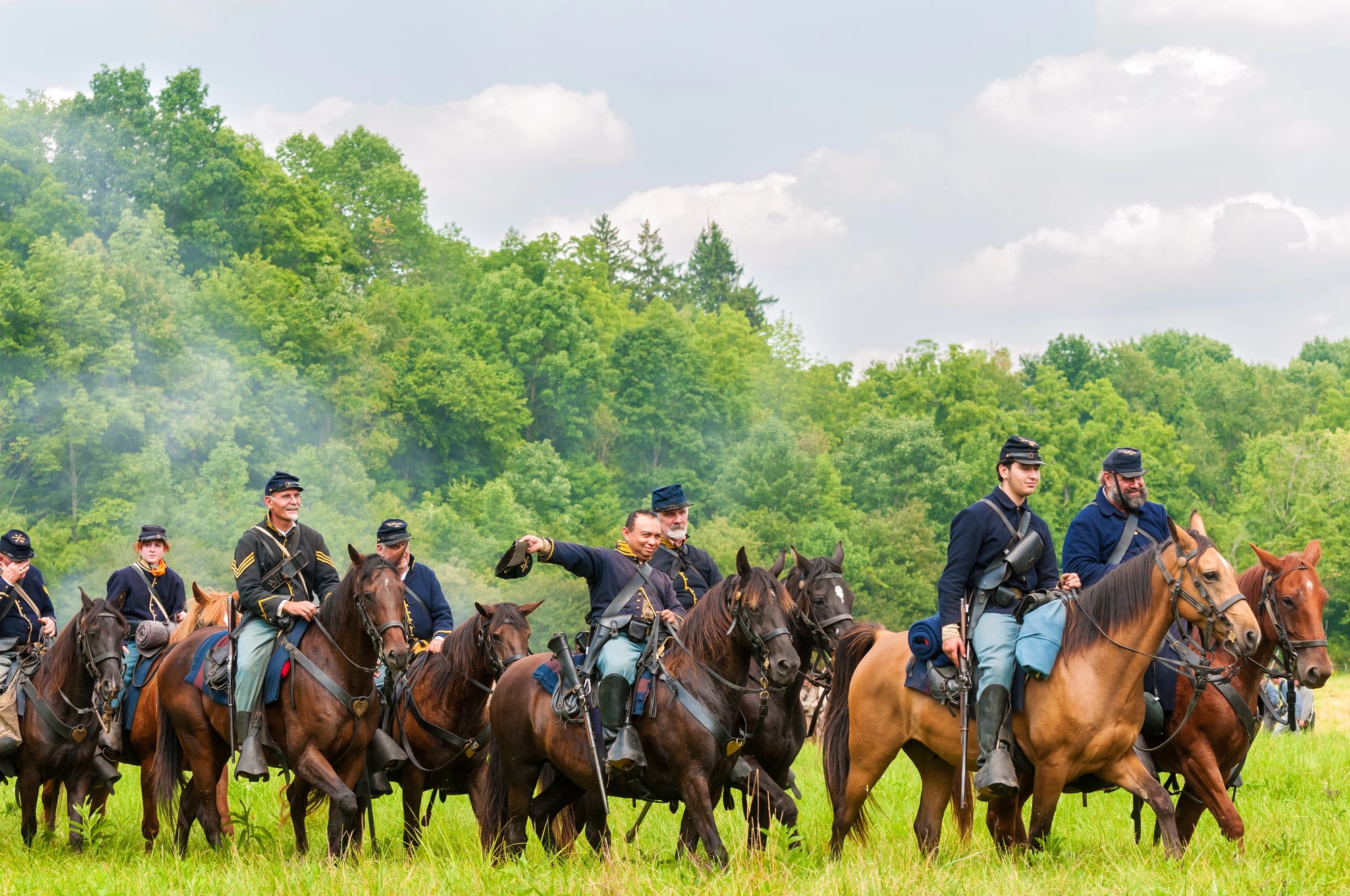
Confederate uniforms started as a point of pride and ended as a study in wartime desperation. Soldiers wore everything from proper military gray to homespun butternut brown to captured Union blue, creating a visual timeline of the Confederacy’s declining resources that no historian could have planned better.
Early war Confederate gray looked sharp, professional, and distinctly different from Union blue — exactly what a new nation wanted to project to the world and to itself. As the war dragged on, “Confederate gray” became more of a suggestion than a standard, with soldiers wearing whatever their families could make, whatever they could capture, or whatever hadn’t completely fallen apart yet.
The truth about Confederate uniforms reveals itself in museum displays. The early war examples look almost pristine, while late war uniforms show patches upon patches, mismatched buttons, and the kind of creative repairs that come from making do when there’s nothing left to make do with.
Spanish-American War Tropical Uniform
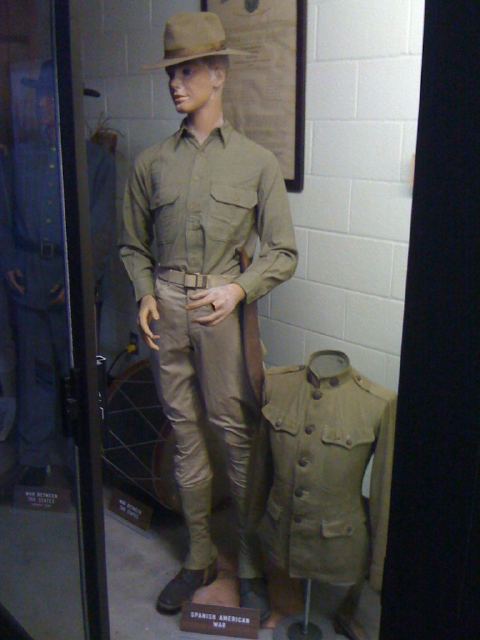
The Spanish-American War introduced American soldiers to something they’d never seriously considered before: climate-appropriate military clothing. Fighting in Cuba and the Philippines meant wool uniforms were not just uncomfortable but potentially lethal.
This forced military planners to acknowledge that maybe, just maybe, different environments required different approaches to dress. The khaki cotton uniforms that emerged weren’t revolutionary — the British had been using similar designs in India for decades — but they represented a shift in American military thinking.
Practicality started winning arguments against tradition. Soldiers needed to survive the environment before they could fight the enemy.
World War I Doughboy Uniform
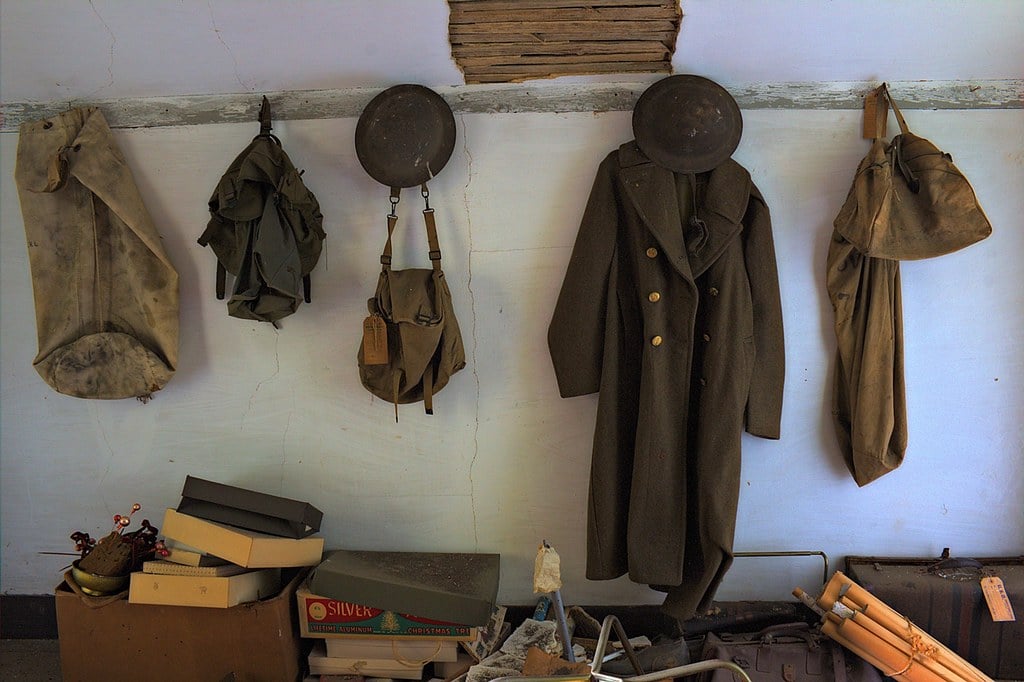
World War I uniforms were built for a war that didn’t exist yet. American planners expected mobile campaigns and quick victories, so they designed uniforms for marching and maneuvering.
Trench warfare made those assumptions look ridiculous. The olive drab wool uniform that looked practical in 1917 became a liability in muddy trenches where soldiers lived for months.
But it was what America had, so doughboys made it work through the kind of field modifications that would horrify supply sergeants and impress anyone who’s ever tried to stay warm in a pit in the ground.
World War II Class A Service Uniform
There’s something about the World War II Class A uniform that still stops people in airports when they see it on elderly veterans. It carries weight that modern uniforms somehow don’t — not just historical significance, but a particular kind of understated authority.
That authority comes from being worn by people who’d been places and done things the rest of the world was still trying to understand. The tailoring was deliberate: clean lines that looked professional without being flashy, colors that suggested competence rather than ceremony.
It was designed for a generation that had lived through the Depression and wasn’t impressed by show, but respected substance.
Korean War Winter Gear
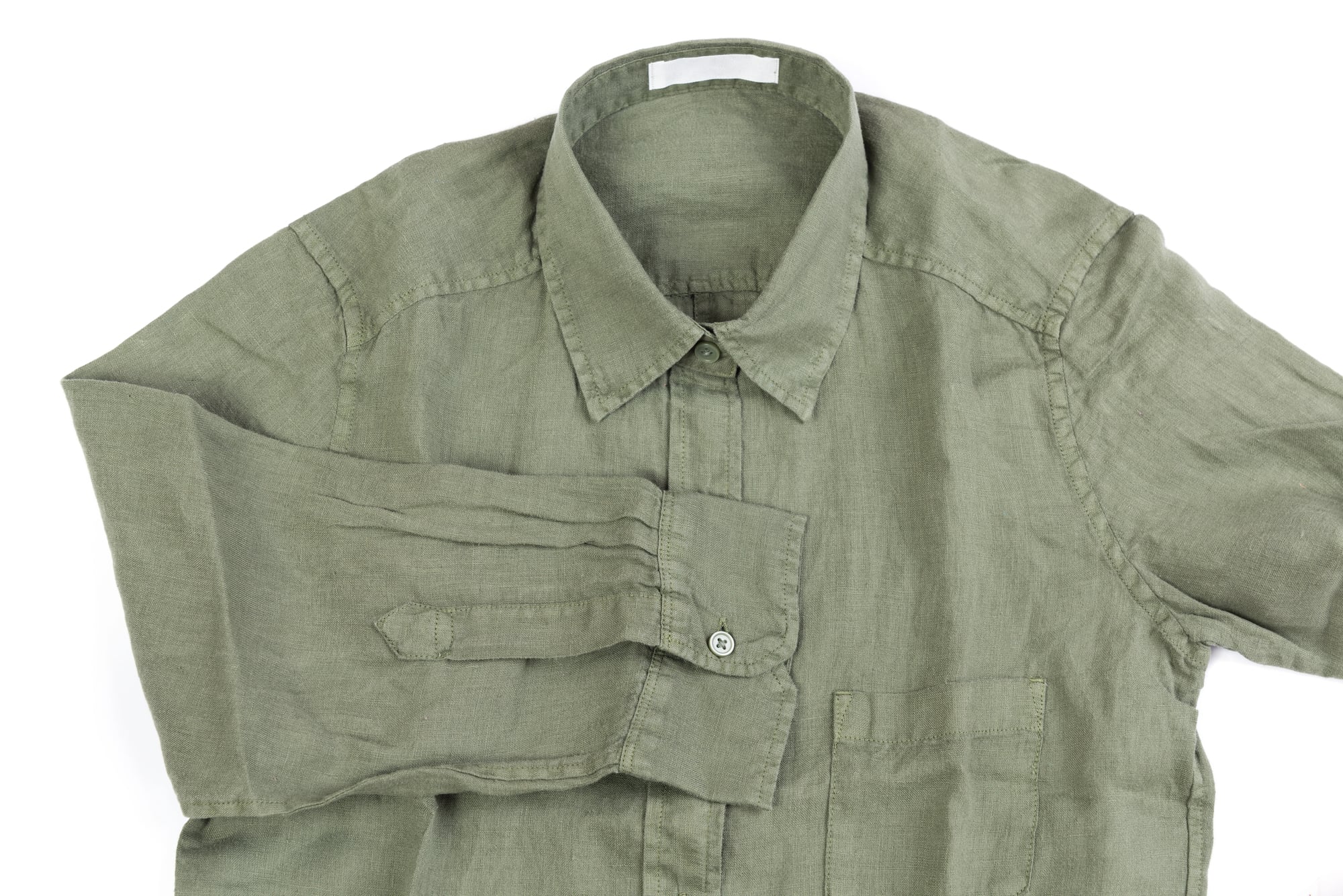
Korean winters taught American quartermaster corps lessons they should have learned in previous wars but somehow hadn’t. Temperatures that dropped to minus-thirty made World War II winter gear look like a cruel joke.
This forced rapid innovation in everything from boot design to layering systems. The results weren’t pretty — bulky parkas, oversized boots, and layer upon layer of clothing that made soldiers look more like arctic explorers than infantry.
But they worked. Soldiers stayed alive in conditions that would have killed them in earlier uniforms.
Vietnam-Era Jungle Fatigues
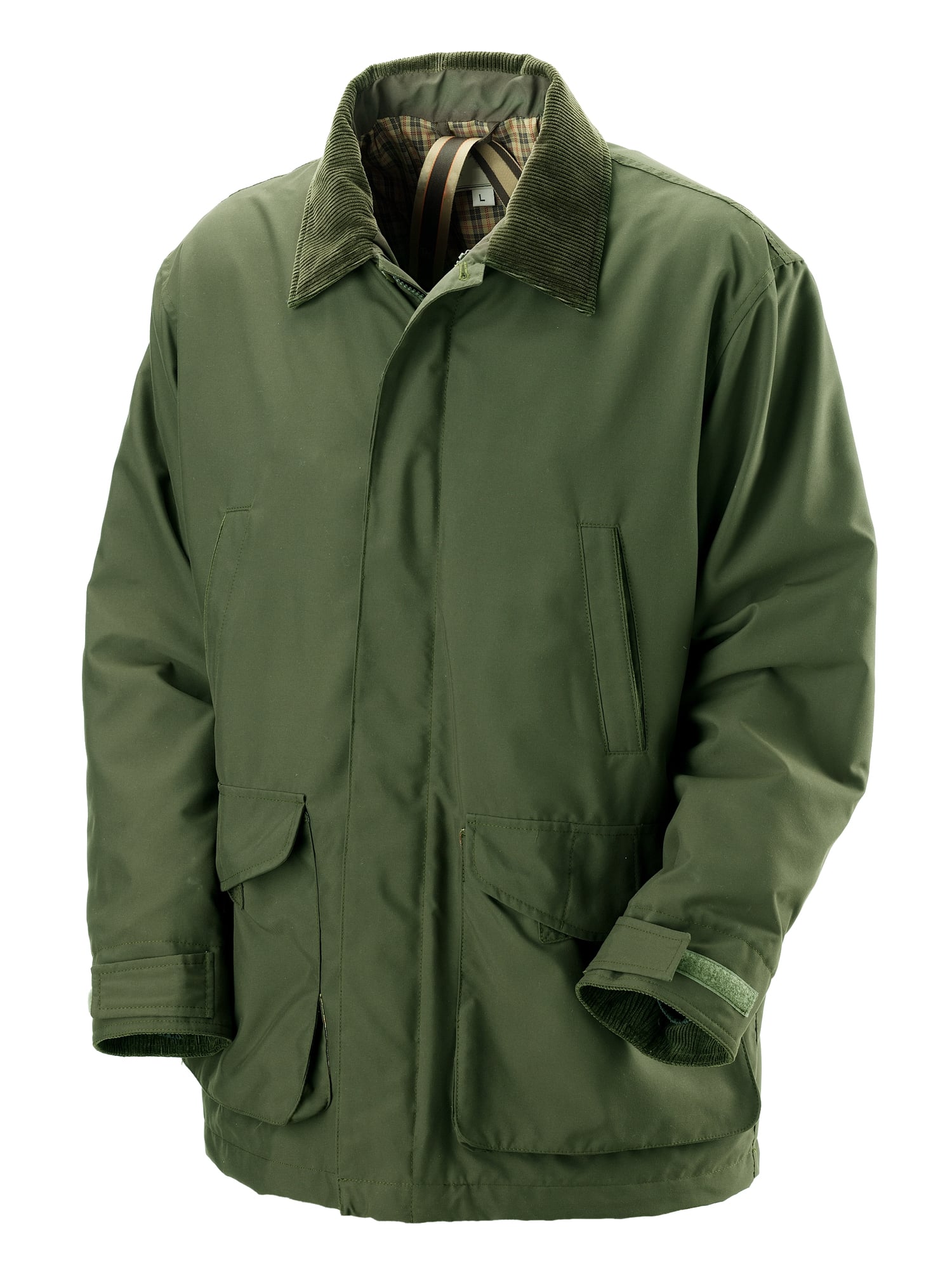
Vietnam jungle fatigues were the first American military uniform designed specifically for guerrilla warfare in tropical climates. Lightweight cotton poplin, subdued colors, and minimal insignia reflected hard-learned lessons about visibility and durability.
They also reflected the kind of war American soldiers were actually fighting rather than the kind military planners had expected. The camouflage patterns that emerged during Vietnam represented more than tactical adaptation — they acknowledged that modern warfare required soldiers to blend in rather than stand out.
Traditional military bearing gave way to practical invisibility.
Battle Dress Uniform Era
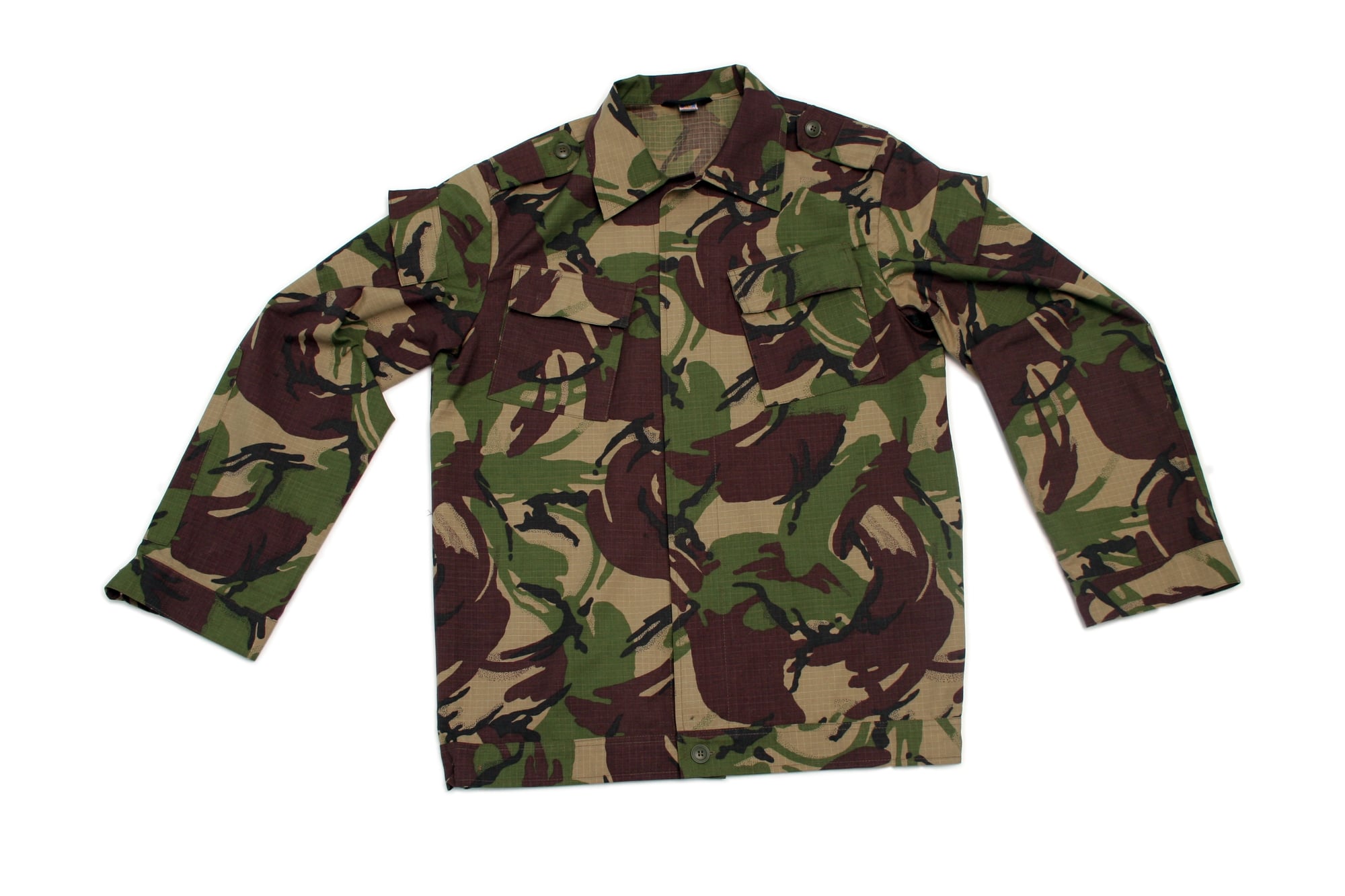
The Battle Dress Uniform dominated American military appearance from the 1980s through the early 2000s. It created the look most Americans associate with modern soldiers, though the woodland camouflage pattern became iconic in ways its designers never fully anticipated.
By the time it was retired, it had become a visual marker of an era, like certain cars or hairstyles. The BDU was designed for European warfare against Soviet forces — a conflict that never happened — but it became the standard for everything from humanitarian missions to desert campaigns.
Soldiers made it work, because that’s what soldiers do.
Desert Combat Uniform
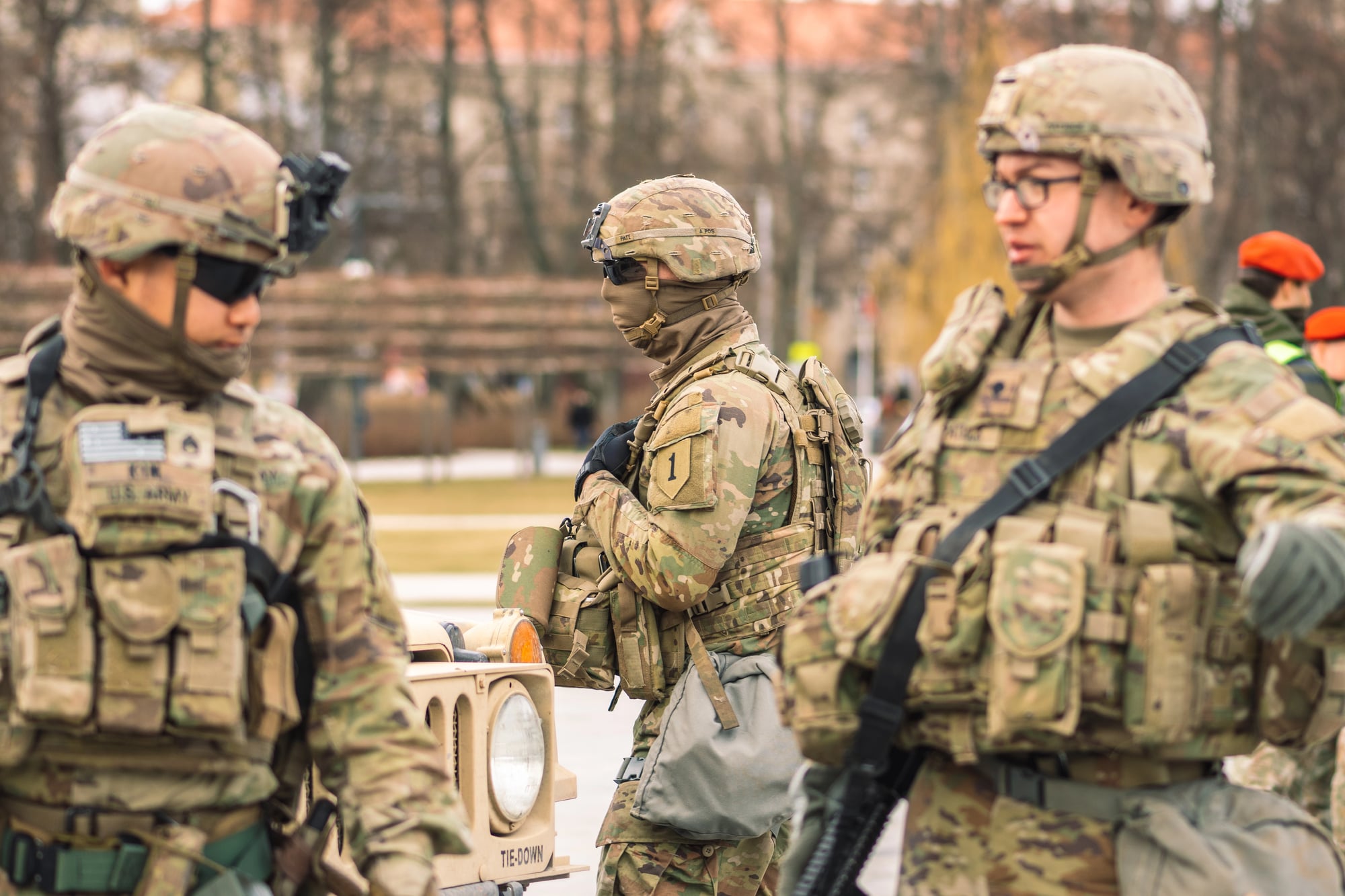
Desert warfare requires different thinking about color, fabric, and survival. The Desert Combat Uniform abandoned decades of green-based camouflage for tans and browns that actually matched the environments where American soldiers were fighting.
This was acknowledgment that camouflage patterns needed to match actual combat zones rather than theoretical ones. The “chocolate chip” pattern looked strange to eyes accustomed to woodland green, but it worked in sandy environments where traditional camouflage made soldiers visible from miles away.
Army Combat Uniform
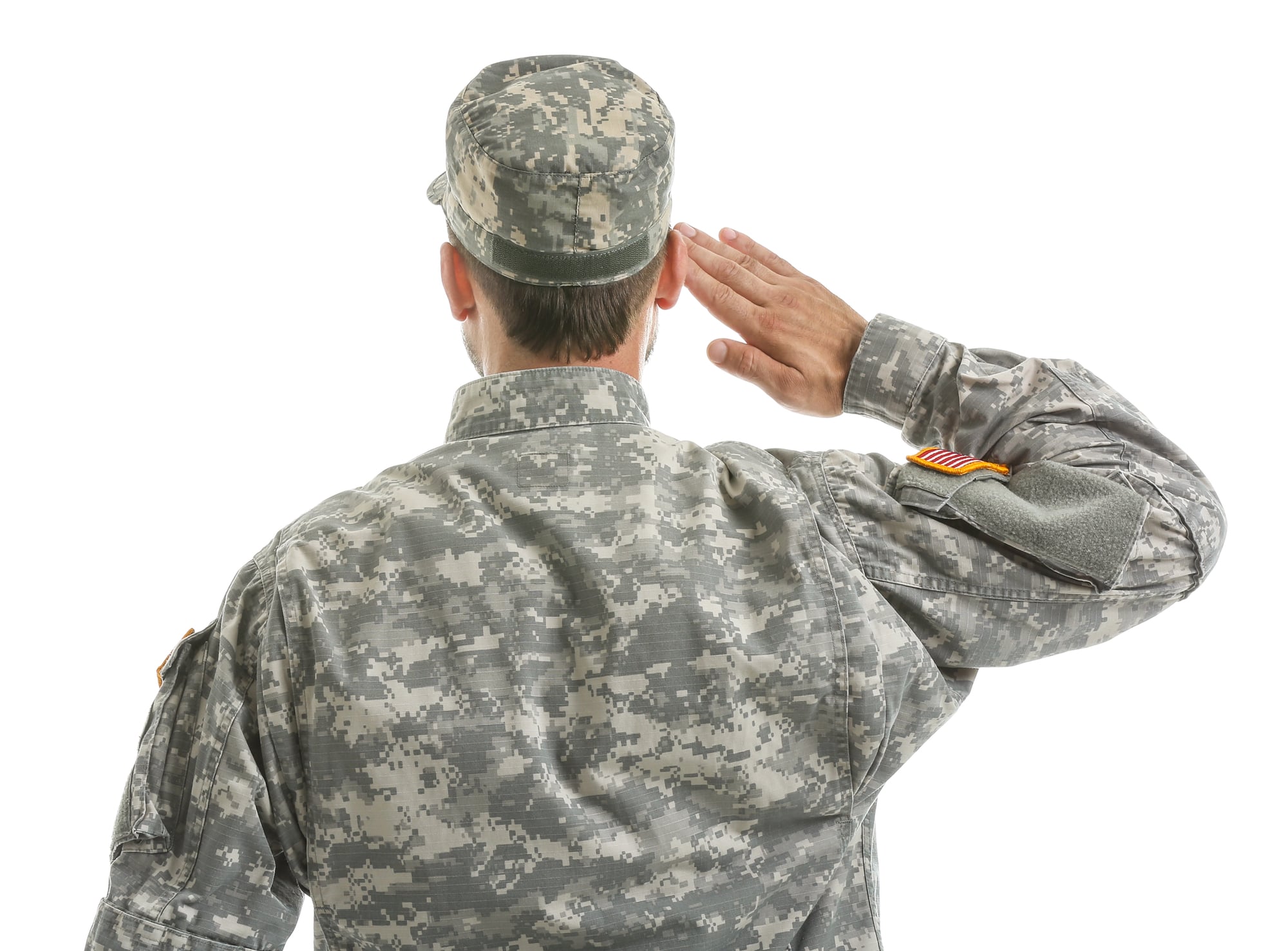
The Army Combat Uniform represents everything right and wrong with modern military procurement. The digital camouflage pattern was scientifically designed using computer analysis and extensive testing.
It produced a uniform that looked futuristic and performed well in controlled conditions. Then soldiers wore it in actual combat zones and discovered that “universal” camouflage doesn’t work universally.
The ACU’s gray-green digital pattern was too light for most environments and too dark for deserts, creating a uniform that didn’t quite work anywhere while working slightly better than solid colors everywhere.
Marine Corps MARPAT
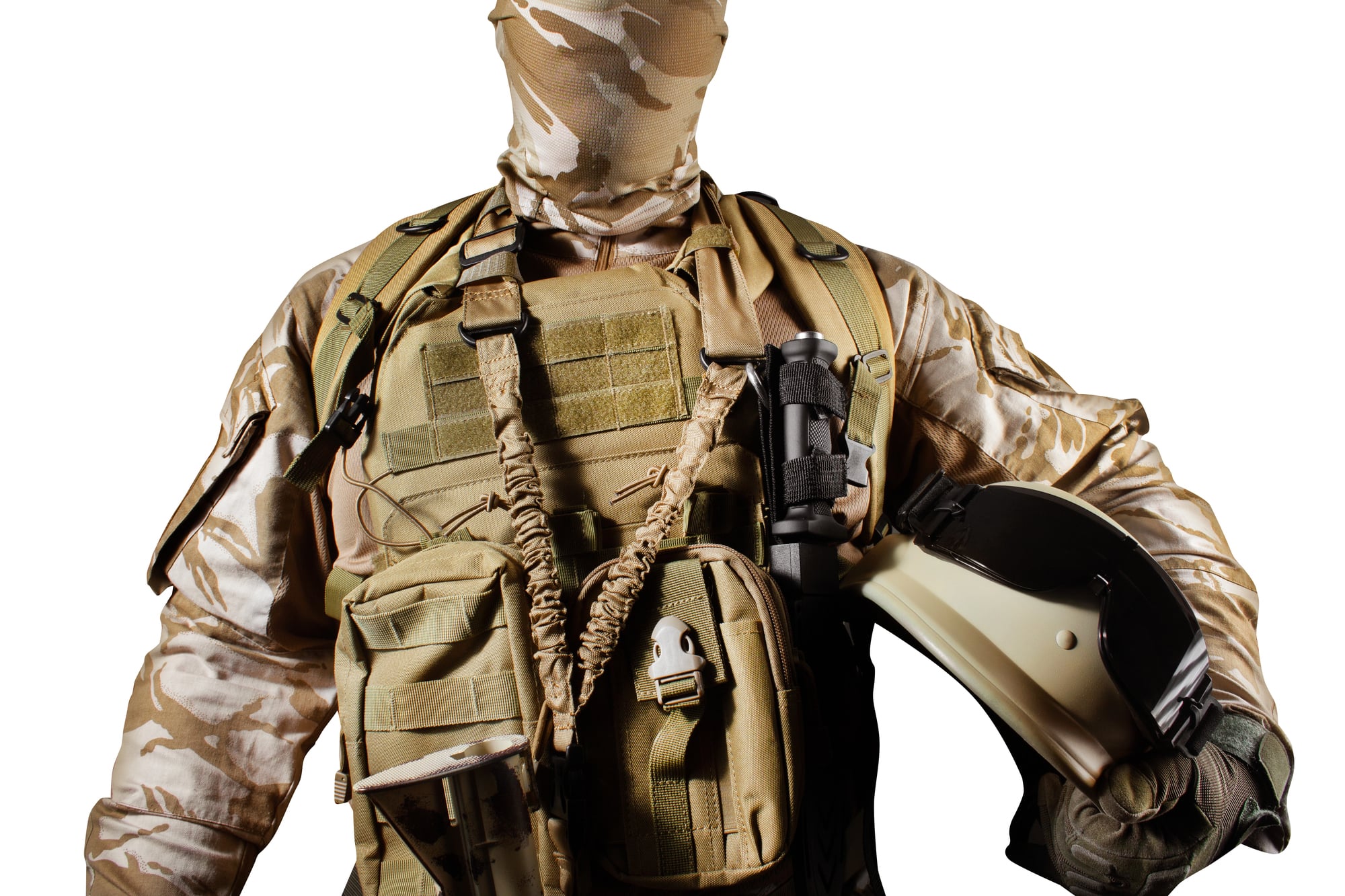
Marines got camouflage right by ignoring the Army’s universal approach and developing environment-specific patterns. MARPAT comes in woodland and desert versions, each optimized for its intended environment.
The digital pattern works because it was designed by people who understood that different environments require different solutions. Marines fighting in Afghanistan wore desert MARPAT, while Marines training in North Carolina wore woodland MARPAT.
Revolutionary concept: uniforms that match where you’re actually going.
Modern Multicam
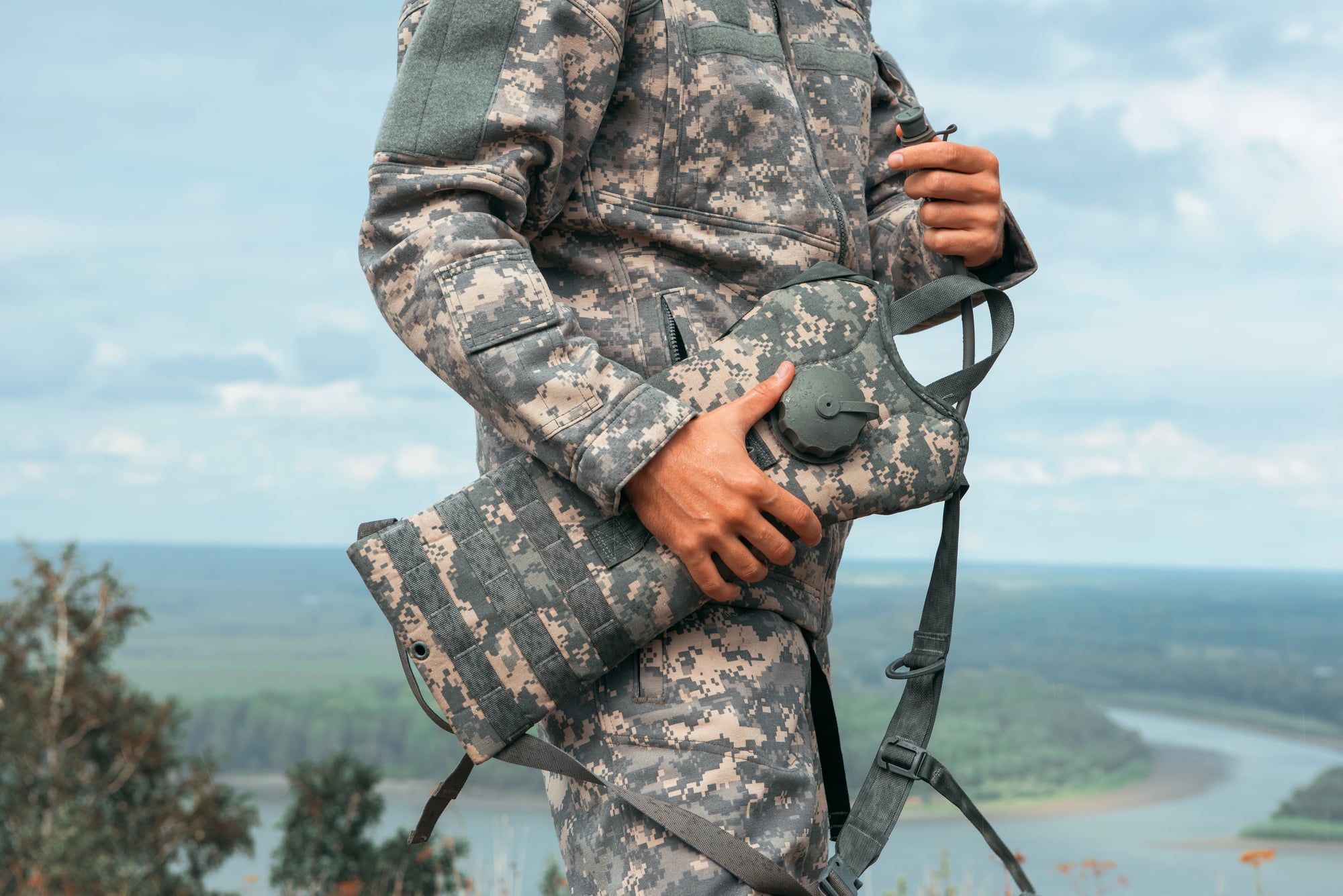
Multicam finally solved the universal camouflage problem by acknowledging that universal doesn’t mean identical. The pattern uses multiple colors and organic shapes that adapt to different environments rather than trying to match specific terrains.
It works in forests, deserts, and urban environments because it doesn’t try to perfectly match any of them. Instead, it breaks up the human silhouette in ways that confuse the eye regardless of background.
Sometimes the best solution isn’t optimization — it’s flexibility.
Threads That Bind Generations

Military uniforms preserve moments in American history that official records often miss. They show how soldiers actually lived, fought, and adapted rather than how military planners intended them to.
Each uniform represents not just military doctrine, but the technology, resources, and social attitudes of its era. Looking at these fifteen uniforms reveals a country constantly learning, adapting, and occasionally making the same mistakes twice.
They remind us that behind every piece of military equipment is a person who had to wear it, fight in it, and sometimes die in it.
More from Go2Tutors!

- The Romanov Crown Jewels and Their Tragic Fate
- 13 Historical Mysteries That Science Still Can’t Solve
- Famous Hoaxes That Fooled the World for Years
- 15 Child Stars with Tragic Adult Lives
- 16 Famous Jewelry Pieces in History
Like Go2Tutors’s content? Follow us on MSN.



