15 Richest People in History Ranked by the Century They Lived In
Wealth has always been relative to its time and place. A merchant who owned three ships in the 14th century might have wielded more economic influence than some modern billionaires.
And yet, when you try to compare fortunes across centuries, the numbers get strange fast. How do you measure the purchasing power of someone who owned entire trade routes against someone who built a tech empire? The answer isn’t perfect, but it’s fascinating to try.
Mansa Musa
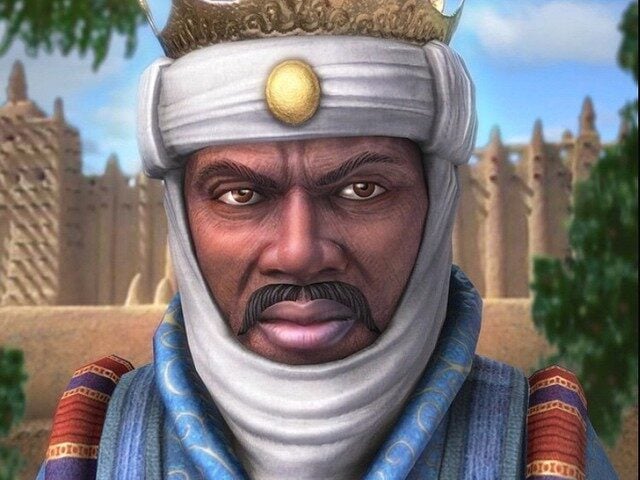
Mansa Musa ruled the Mali Empire during the 14th century and owned roughly half the world’s gold supply. His wealth was so immense that when he made his pilgrimage to Mecca in 1324, he gave away so much gold in Cairo that the metal’s value didn’t recover for a decade.
The Mali Empire controlled the gold and salt trade routes across West Africa, which at the time was like owning the internet and oil reserves combined. Musa’s net worth has been estimated at $400 billion in today’s money, though that number feels almost meaningless when describing someone who could single-handedly crash entire regional economies.
Jakob Fugger
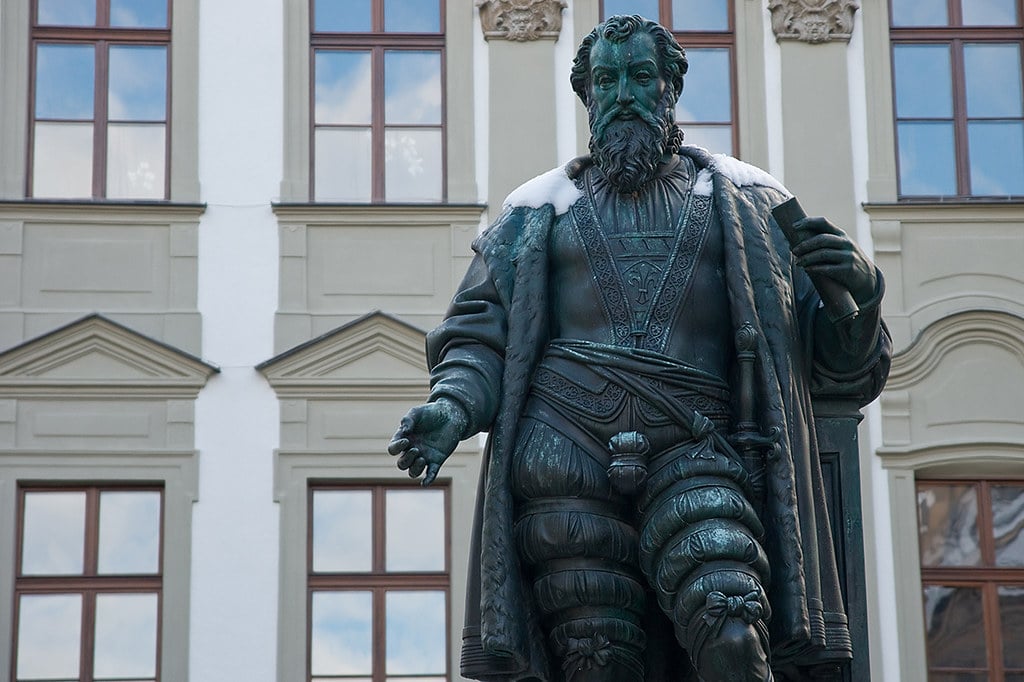
Jakob Fugger the Rich lived during the late 15th and early 16th centuries, and his banking empire stretched across Europe. He financed kings, controlled silver mines, and basically invented international finance as we know it.
At his peak, Fugger’s wealth equaled about 2% of Europe’s entire economic output. He was wealthy enough to loan money to the Holy Roman Emperor and powerful enough to influence papal elections.
Modern estimates put his fortune at around $400 billion, adjusted for inflation.
Emperor Akbar
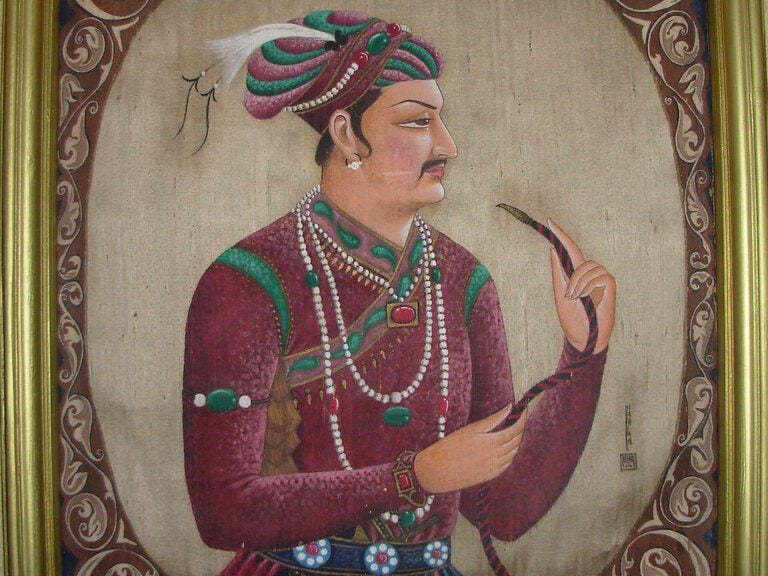
Akbar ruled the Mughal Empire from 1556 to 1605, controlling an empire that produced about 25% of the world’s economic output. The Mughal treasury was legendary, filled with gold, silver, and precious stones that made European monarchs look like small-town mayors.
His empire’s annual revenue was enormous by any standard, and Akbar personally controlled vast amounts of land, trade routes, and natural resources. Economic historians estimate his personal wealth at over $21 billion in modern terms, though the true scope of his economic control was probably much larger.
Emperor Kangxi
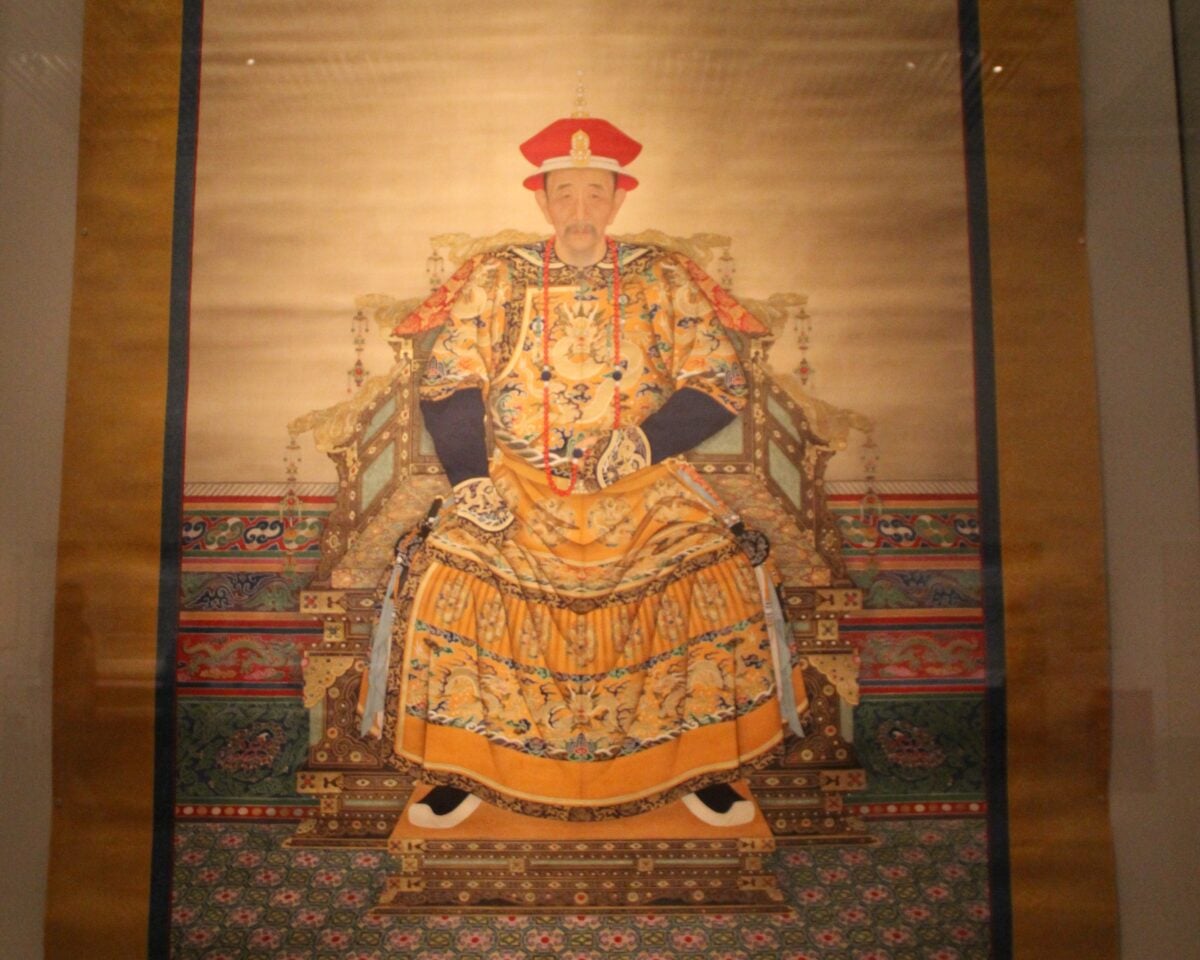
The Kangxi Emperor ruled China from 1661 to 1722, during a period when China represented about one-third of global economic output. The Qing Dynasty treasury under his reign was staggeringly wealthy, and the emperor had personal control over vast resources.
China during this period was the world’s largest economy, and Kangxi’s personal wealth reflected that dominance. His fortune has been estimated at around $25 billion in today’s money, though measuring imperial Chinese wealth against modern currencies involves a lot of guesswork.
Mir Osman Ali Khan
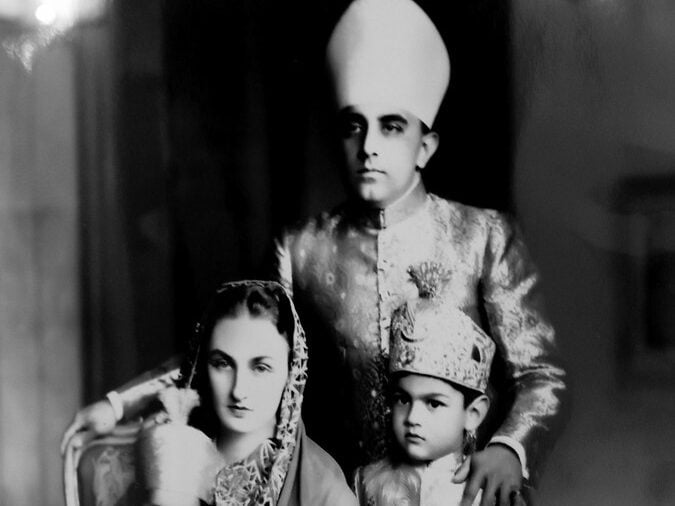
Mir Osman Ali Khan, the Nizam of Hyderabad, ruled during the late 17th and early 18th centuries. He controlled one of the wealthiest princely states in India and owned the world’s largest collection of diamonds, including the famous Jacob Diamond.
His personal treasury contained gold, silver, and jewels worth hundreds of millions in today’s money. He was reportedly so wealthy that he used a 185-carat diamond as a paperweight.
Modern estimates place his wealth at around $2 billion, adjusted for inflation.
Catherine the Great
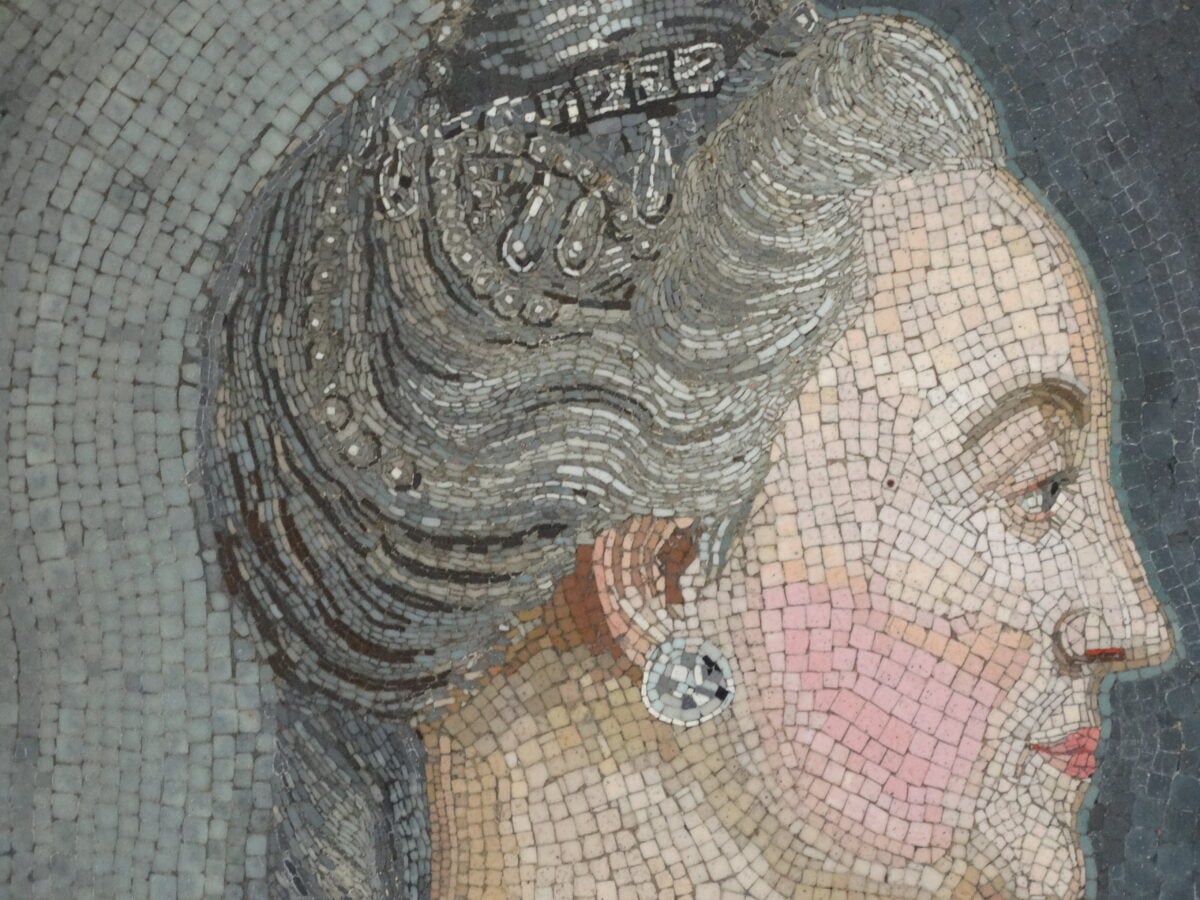
Catherine the Great ruled Russia from 1762 to 1796 and expanded the Russian Empire to become one of the world’s largest. She controlled vast natural resources, from Siberian furs to Ukrainian grain, and built up a massive imperial treasury.
The Russian Empire under Catherine produced enormous wealth, much of which flowed directly to the imperial coffers. Her personal wealth has been estimated at around $1.5 billion in modern terms, though her real power came from controlling an empire that spanned eleven time zones.
Emperor Shah Jahan
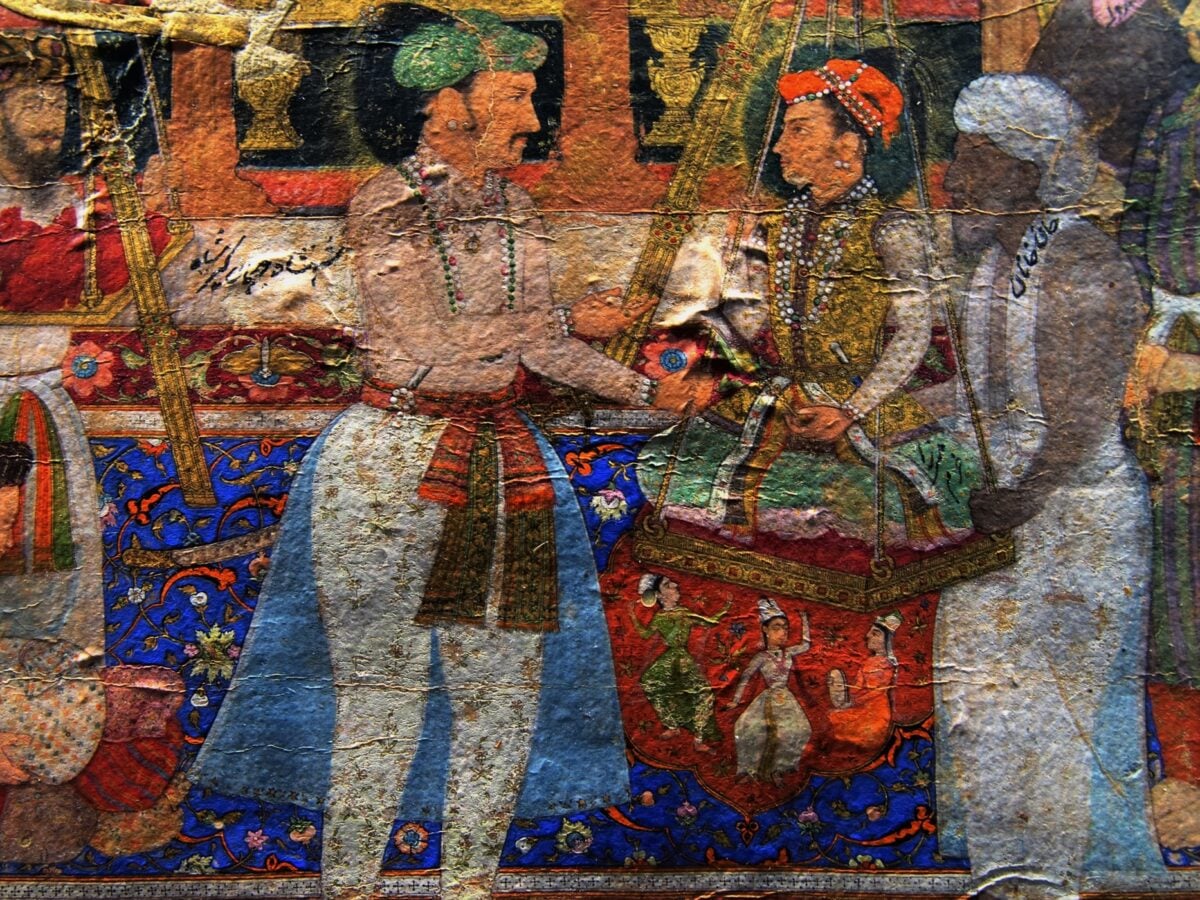
Shah Jahan ruled the Mughal Empire from 1628 to 1658, during what many consider the empire’s golden age. He commissioned the Taj Mahal and controlled an empire that represented about 25% of global GDP at the time.
The Mughal treasury under Shah Jahan was legendary for its wealth, and the emperor’s personal spending was astronomical by any standard. Building the Taj Mahal alone cost what would be billions in today’s money.
Historians estimate his personal fortune at around $22 billion in modern terms.
Genghis Khan
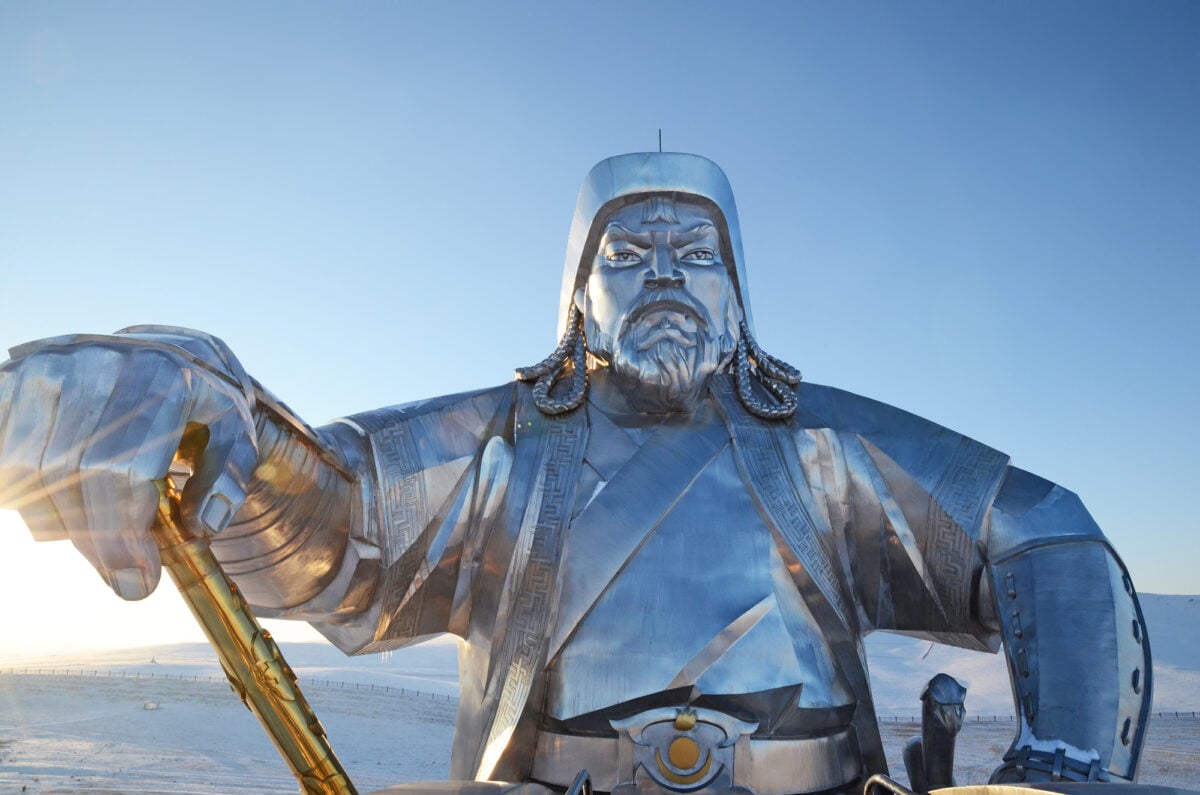
Genghis Khan lived in the late 12th and early 13th centuries and built an empire that stretched from Eastern Europe to the Pacific Ocean. His wealth came from controlling the Silk Road trade routes and collecting tribute from conquered territories.
At its peak, the Mongol Empire controlled about 16% of the world’s total land area and collected tribute from dozens of kingdoms and city-states. Khan’s personal wealth has been estimated at around $120 billion in today’s money, though his real power came from commanding the largest contiguous land empire in history.
Cornelius Vanderbilt
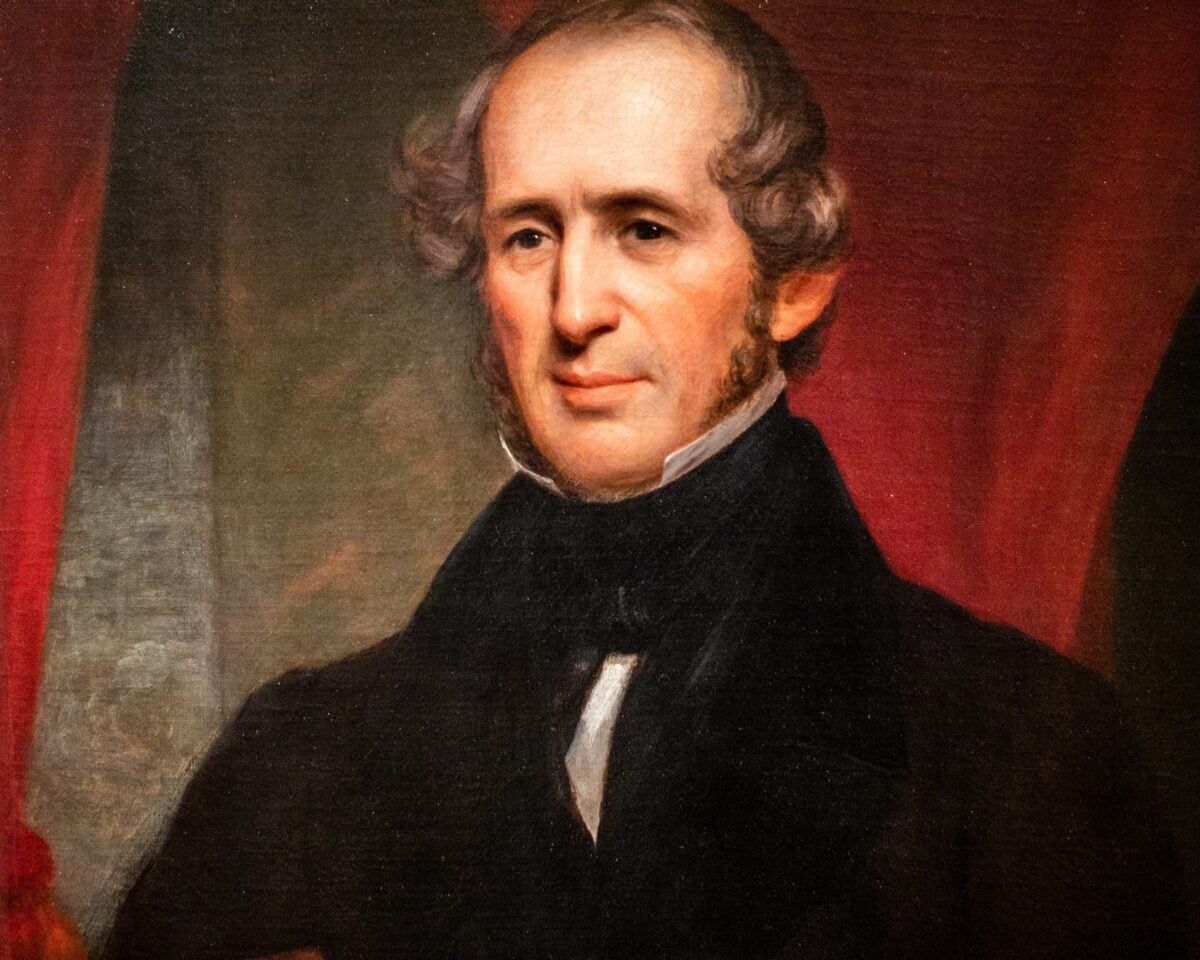
Vanderbilt dominated American transportation in the 19th century, first with steamships and later with railroads. At his death in 1877, he was worth about $105 billion in today’s money, making him the richest American of his time.
His railroad empire controlled much of the transportation between New York and the Midwest, and his shipping business dominated trade routes along the Eastern seaboard. Vanderbilt’s wealth was built on monopolizing essential transportation infrastructure during America’s period of rapid expansion.
John D. Rockefeller
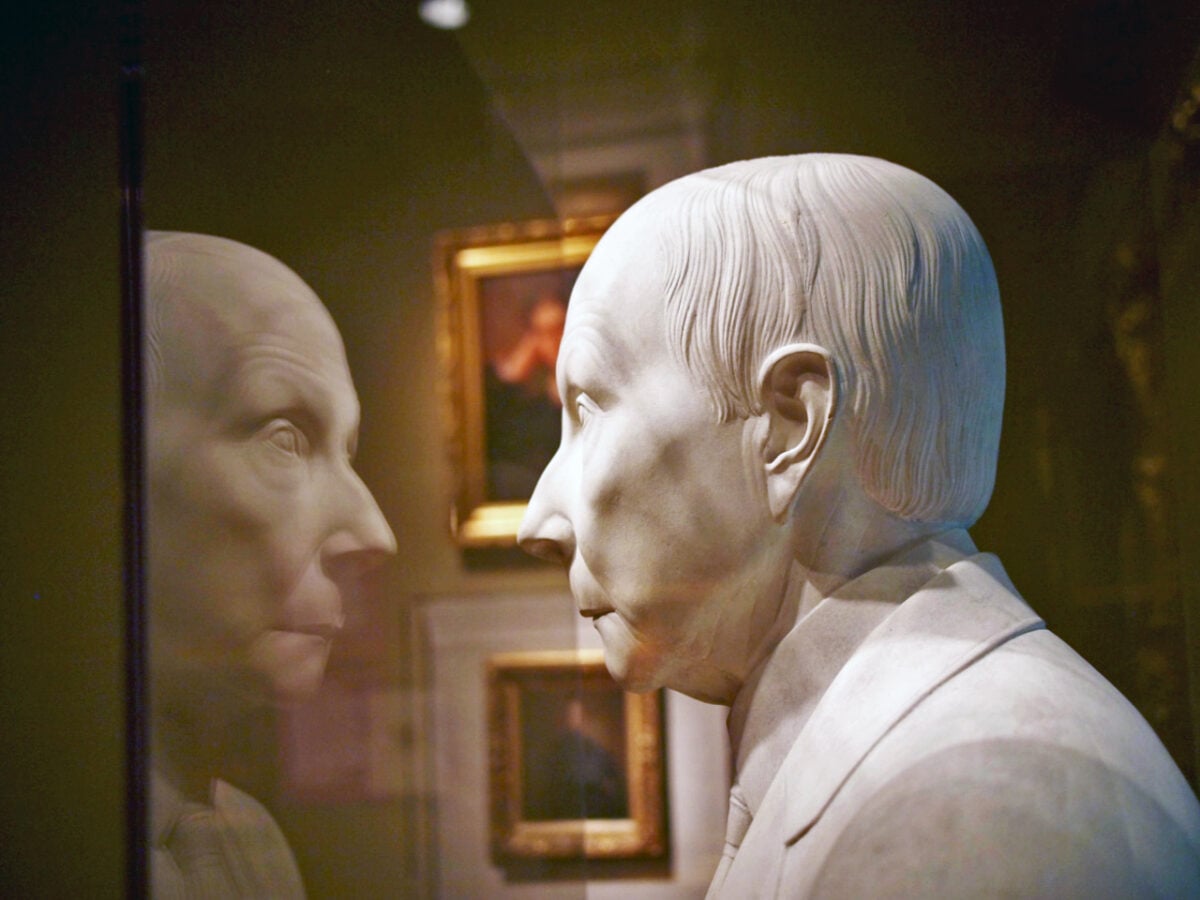
Rockefeller built Standard Oil into a monopoly that controlled about 90% of American oil refining by the 1880s. His peak wealth in 1913 was equivalent to about $400 billion today, and he remained the richest American until his death in 1937.
Standard Oil’s dominance was so complete that the company was eventually broken up by antitrust legislation, but not before making Rockefeller possibly the wealthiest person in modern history. His fortune was built during the period when oil was becoming the world’s most important commodity.
Andrew Carnegie
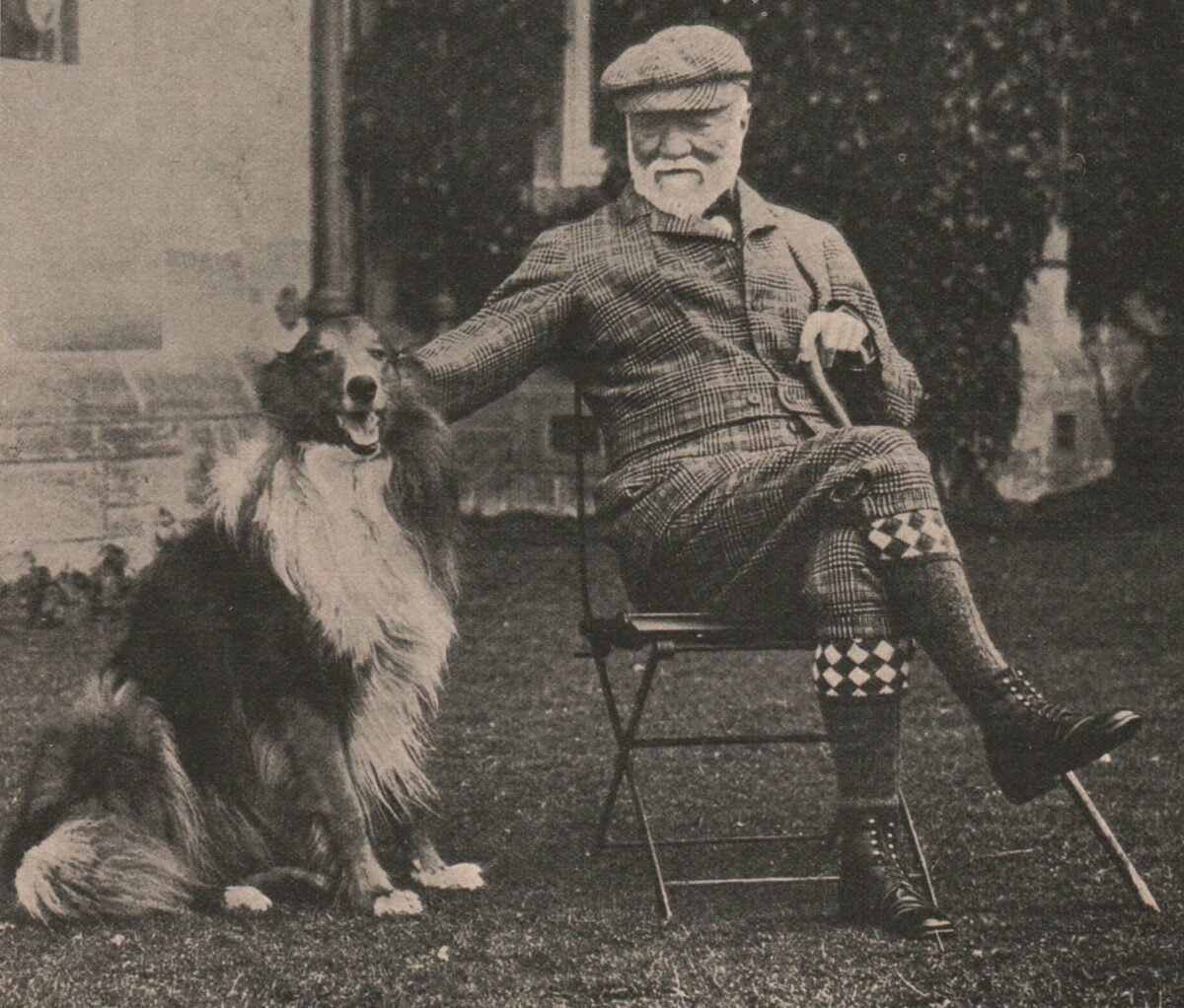
Carnegie dominated the American steel industry in the late 19th century, selling his company to J.P. Morgan in 1901 for what would be about $310 billion in today’s money. His steel empire helped build America’s railroads, skyscrapers, and industrial infrastructure.
Carnegie’s wealth peaked just as America was becoming an industrial superpower, and steel was the essential material for that transformation. He spent the later part of his life giving away most of his fortune, funding libraries and educational institutions across the country.
Henry Ford
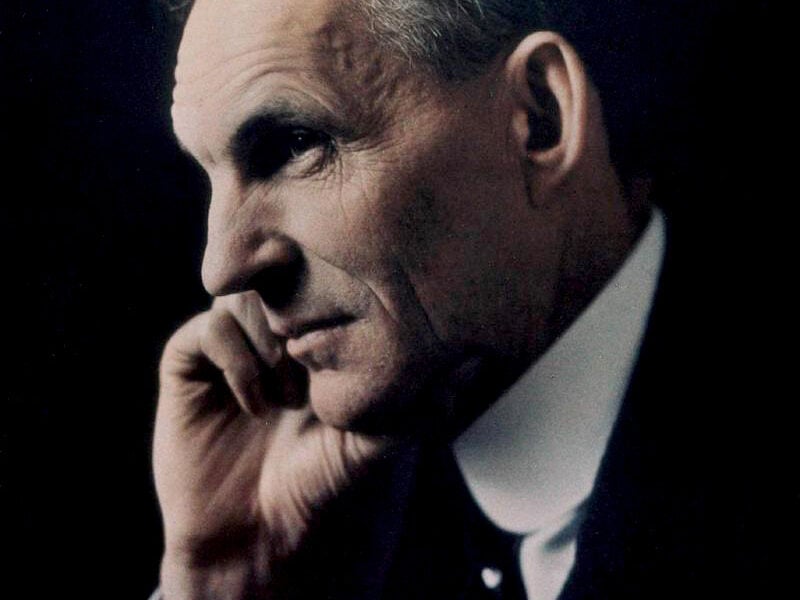
Ford revolutionized manufacturing with the assembly line and made the automobile accessible to ordinary Americans. At his peak in the 1920s, his wealth was estimated at about $200 billion in today’s money, and Ford Motor Company dominated global car production.
The Model T made Ford incredibly wealthy, but his real innovation was figuring out how to mass-produce complex products cheaply and efficiently. This manufacturing approach became the template for 20th-century industrial production and made Ford one of the era’s richest men.
J.P. Morgan
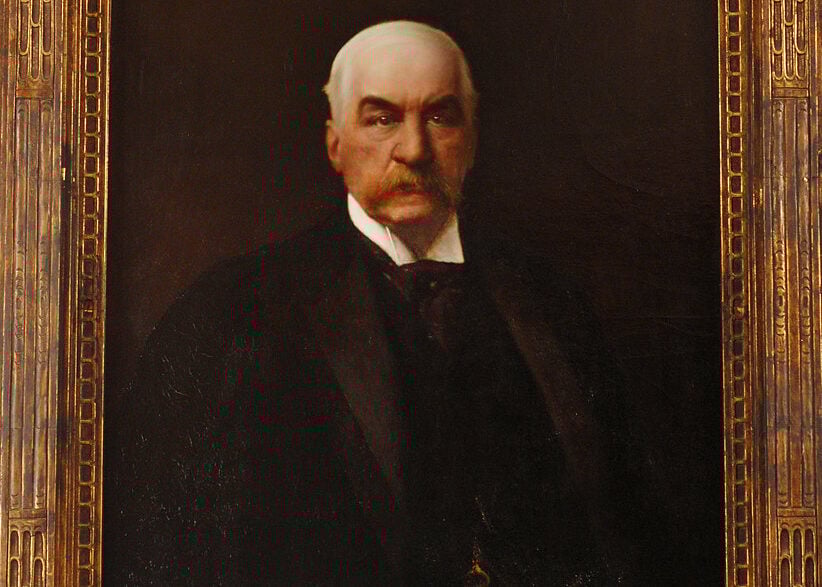
Morgan was America’s most powerful banker during the early 20th century, and his personal wealth peaked at around $80 billion in today’s money. But his real influence came from the financial empire he controlled, which had assets worth hundreds of billions more.
Morgan’s bank financed railroads, steel companies, and electrical utilities during America’s industrial expansion. He was wealthy enough to single-handedly stabilize the U.S. economy during financial panics, and powerful enough that the federal government regularly sought his assistance during economic crises.
John Jacob Astor IV
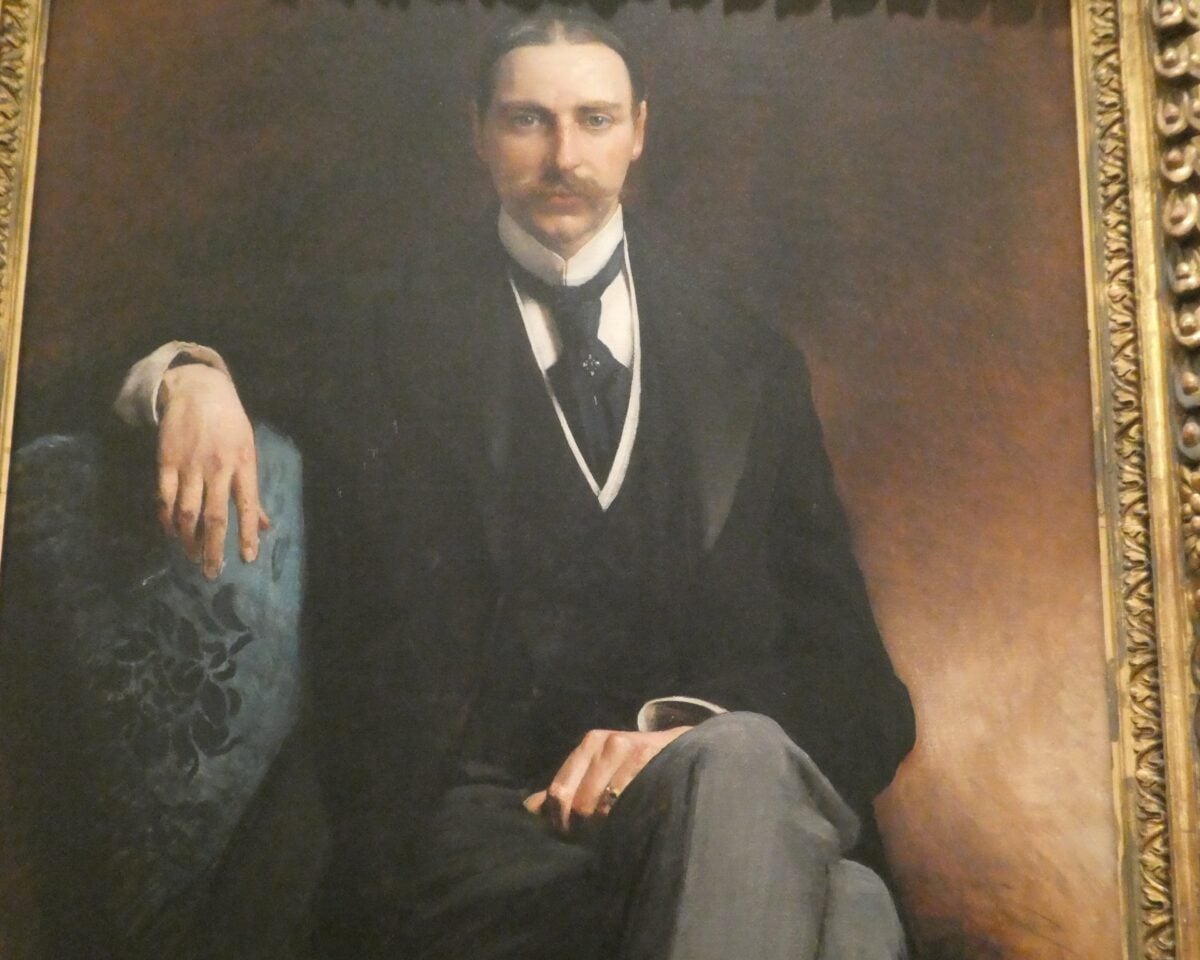
Astor built his fortune in real estate and fur trading, becoming America’s first multimillionaire. At his death on the Titanic in 1912, his wealth was equivalent to about $2.3 billion today, and the Astor family controlled vast amounts of prime New York real estate.
The Astor fortune was built on owning land in Manhattan before it became valuable, then holding onto it as the city grew around those properties. This approach to wealth-building through strategic real estate investment became a template for later American fortunes.
Howard Hughes
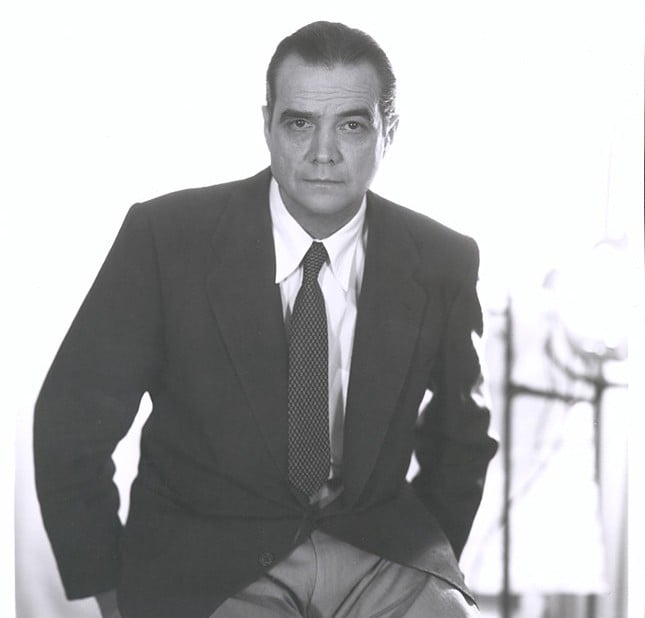
Hughes inherited a successful oil tool company and expanded into aviation, movies, and real estate. At his death in 1976, he was worth about $11 billion in today’s money and controlled a business empire that spanned multiple industries.
Hughes was one of the last of the old-style American industrialists, building wealth through owning physical assets and operating businesses rather than financial speculation. His fortune peaked just as the American economy was transitioning from industrial production to service-based wealth creation.
The Weight of Gold and Time
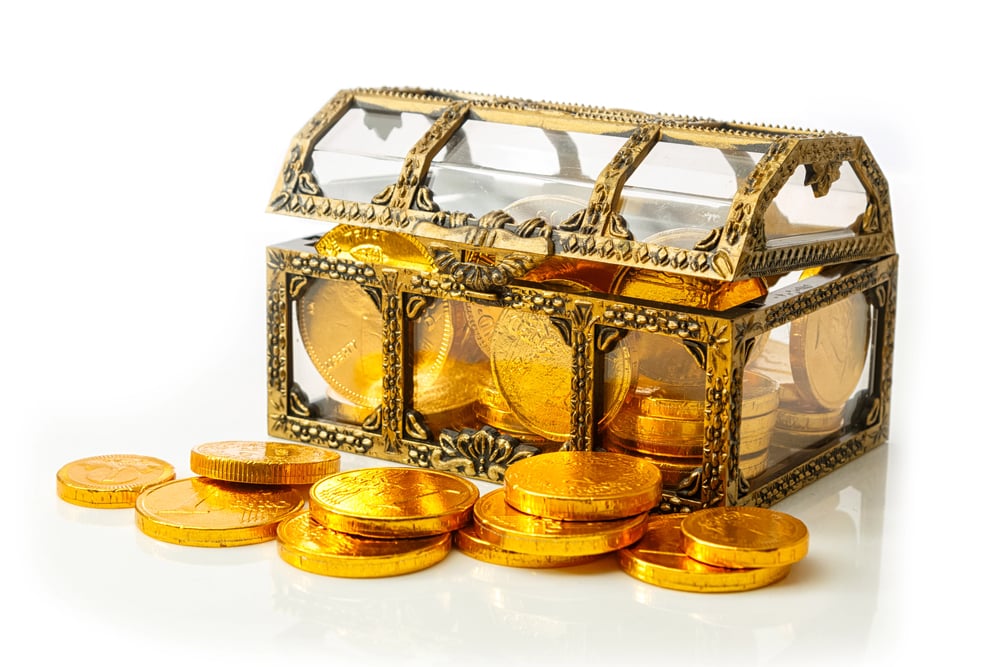
Comparing wealth across centuries reveals something unexpected about human nature. The richest people in history weren’t necessarily those with the biggest numbers in their bank accounts, but those who controlled the essential resources of their time.
Mansa Musa had gold when gold was currency itself. Rockefeller had oil when oil was transforming civilization.
And each of them understood that real wealth isn’t about having money, but about controlling what everyone else needs. The lesson isn’t about the money itself—it’s about recognizing what matters before everyone else does.
More from Go2Tutors!

- The Romanov Crown Jewels and Their Tragic Fate
- 13 Historical Mysteries That Science Still Can’t Solve
- Famous Hoaxes That Fooled the World for Years
- 15 Child Stars with Tragic Adult Lives
- 16 Famous Jewelry Pieces in History
Like Go2Tutors’s content? Follow us on MSN.