Most Dangerous Cities in the Victorian Era
Walking down a modern city street at night might make you clutch your phone a little tighter, but you’ve got nothing on Victorian-era urbanites. Back when gas lamps cast eerie shadows and sewage ran openly through gutters, entire neighborhoods were virtual death traps.
Disease, crime, and industrial accidents turned daily life into a gamble with mortality. Some cities earned reputations so fearsome that travelers avoided them entirely, while others became synonymous with human misery and early death.
London
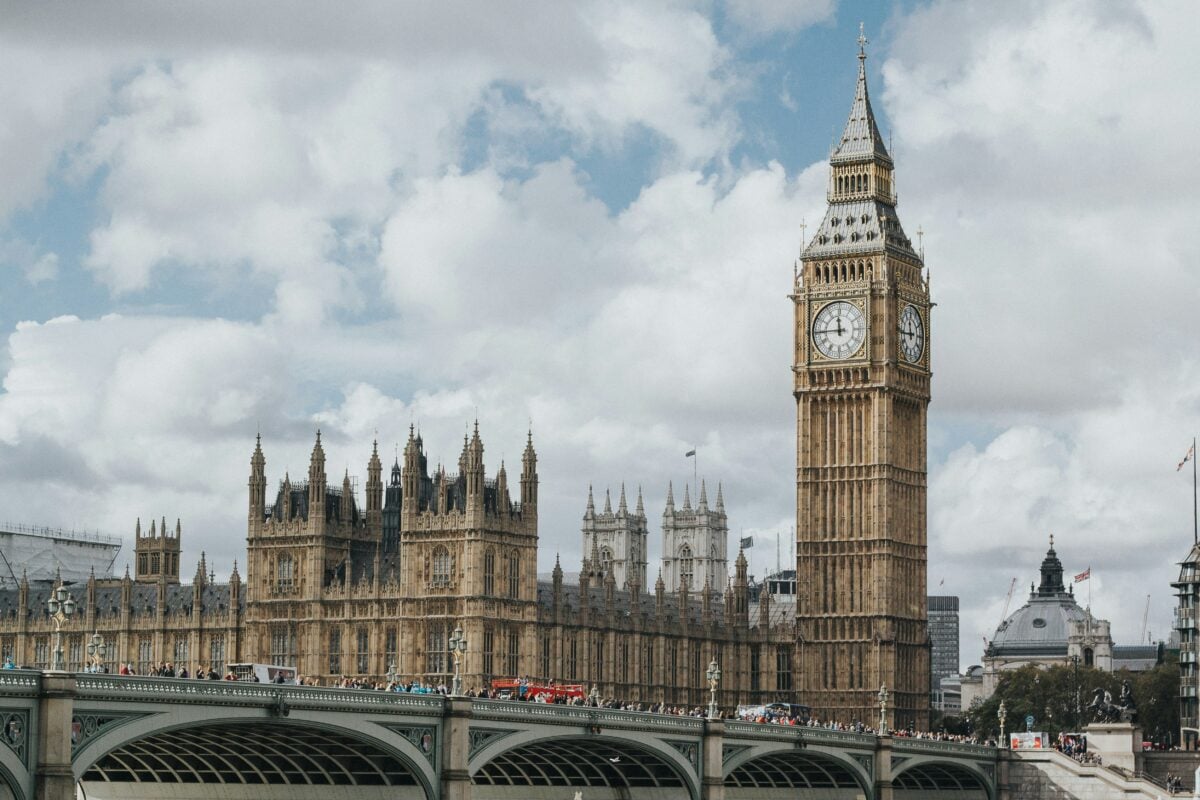
The fog wasn’t romantic. It was lethal.
London’s infamous smog contained coal smoke, sulfur, and enough industrial toxins to kill thousands during particularly bad episodes. The East End made Jack the Ripper famous, but the area was already a nightmare before any serial killer arrived.
Whitechapel, Spitalfields, and Bethnal Green packed families into single rooms where tuberculosis spread faster than gossip. Children worked in match factories where phosphorus rotted their jawbones, creating the grotesque condition known as “phossy jaw.”
New York City
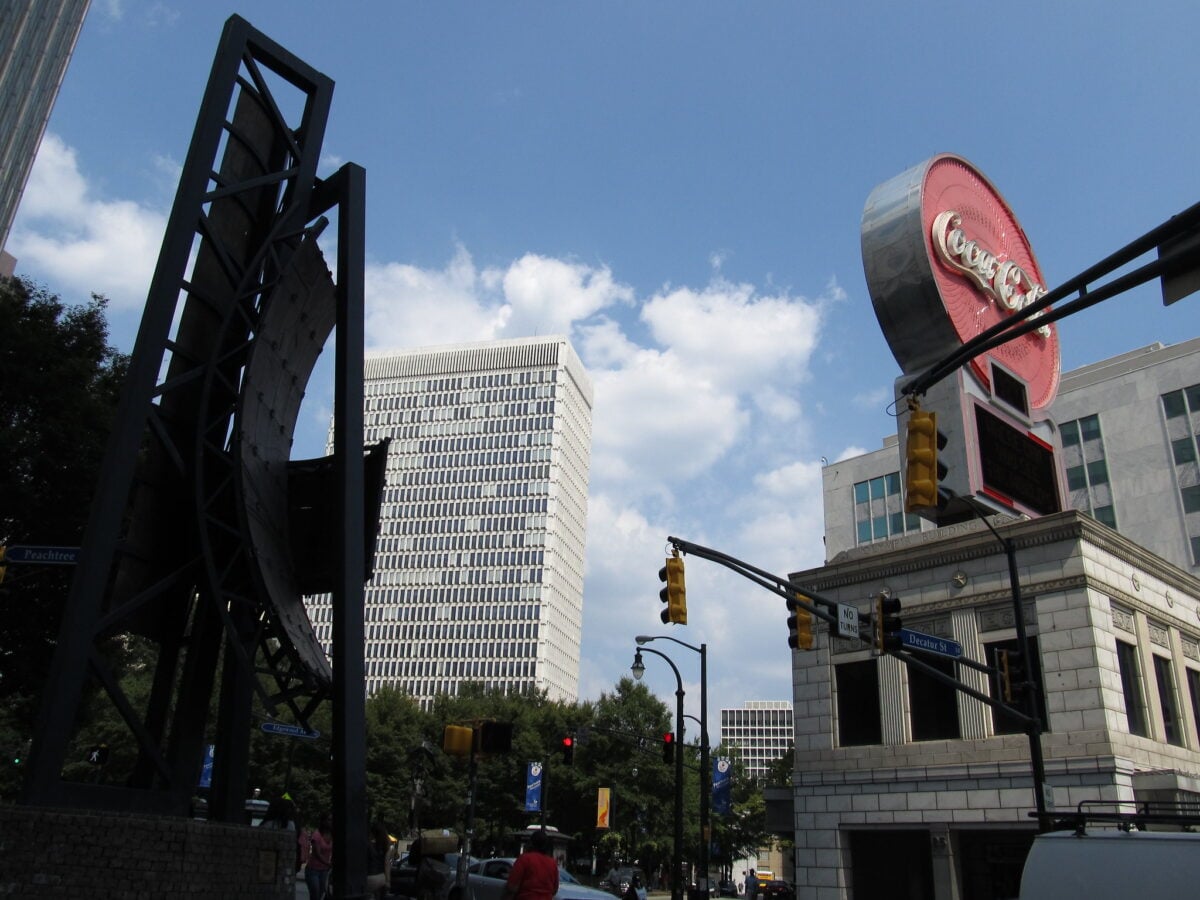
The Five Points district (where the modern civic center now sits) was so dangerous that police refused to patrol it alone — and sometimes refused to patrol it at all, which is saying something when you consider how desperate cities were to maintain some semblance of order during this period. Gang warfare was constant, with groups like the Dead Rabbits and the Bowery Boys turning entire blocks into battlegrounds where even residents couldn’t predict which streets would be safe from one day to the next.
Tenements crammed immigrant families into airless rooms. But the real killer wasn’t violence — it was contaminated water that caused cholera outbreaks every few years.
So thousands would die not from the knives and clubs everyone feared, but from drinking what came out of the tap.
Manchester
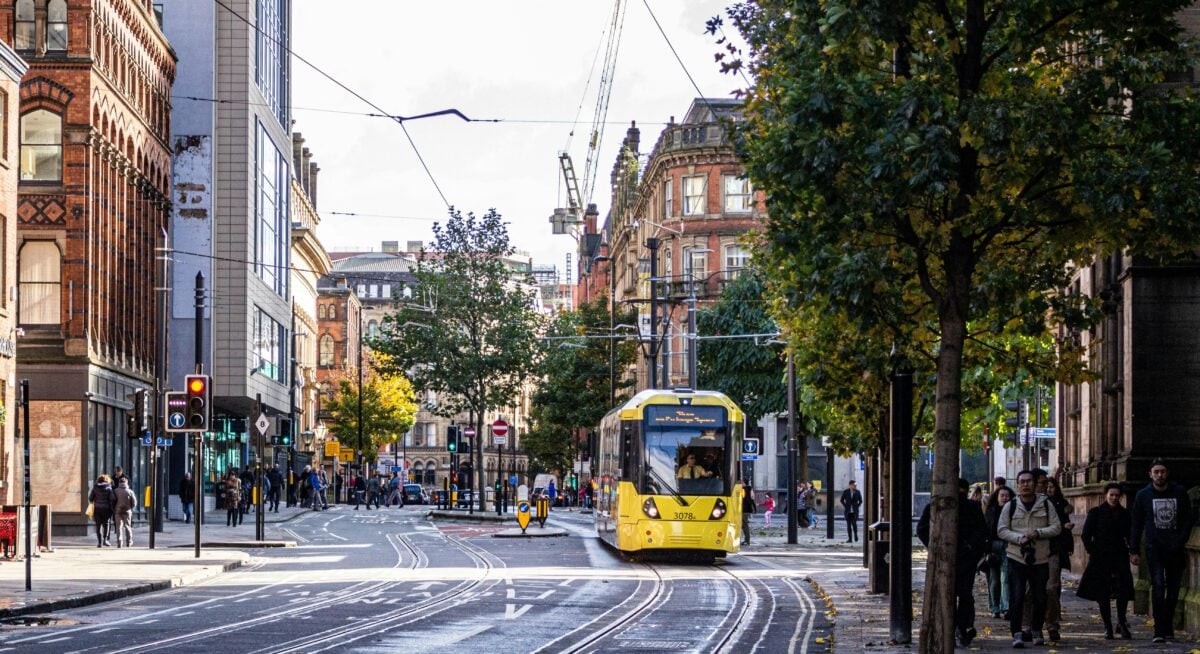
There’s a particular kind of despair that settles over a place where the air itself becomes an enemy, and Manchester in the 1840s carried that weight like a shroud. The cotton mills didn’t just employ children — they consumed them, drawing in small bodies and spitting out adults with ruined lungs before their fifteenth birthdays.
Walking through the industrial districts felt like moving through a man-made hell where the sky stayed permanently gray and the rivers ran colors that didn’t exist in nature. Friedrich Engels called it “social murder,” this slow grinding down of human life in service to industrial profit.
The metaphor wasn’t hyperbolic. Manchester was literally killing its residents, just slowly enough that nobody could point to a single moment when the dying began.
Glasgow
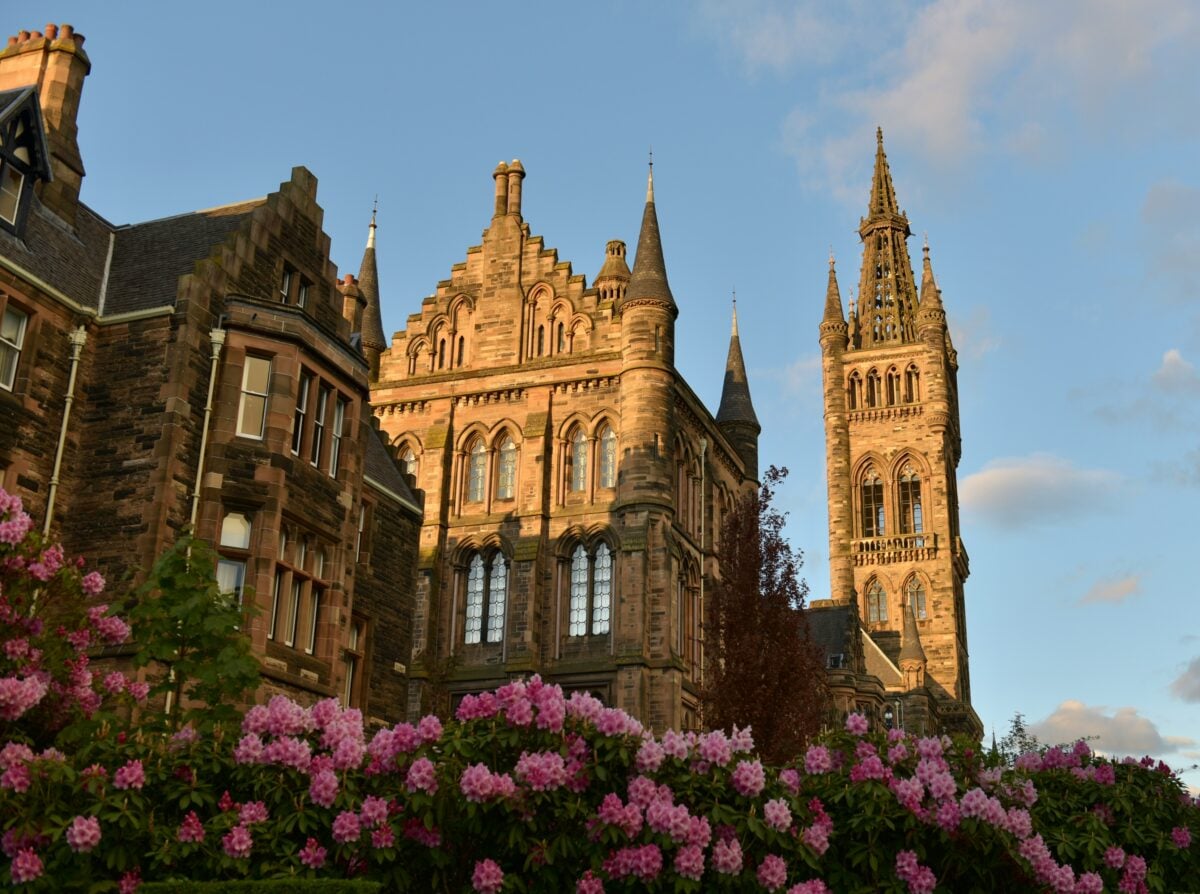
Glasgow earned a fearsome reputation during the Victorian era for its combination of extreme violence and industrial hazards. The city’s shipyards and heavy industry created a culture where violence was endemic to daily life.
The Gorbals became legendary for its squalor. Entire families lived in single-room cellars that flooded during heavy rains.
Disease spread so rapidly that life expectancy in working-class areas dropped below thirty. Cholera, typhus, and smallpox competed to see which could kill residents fastest.
Paris
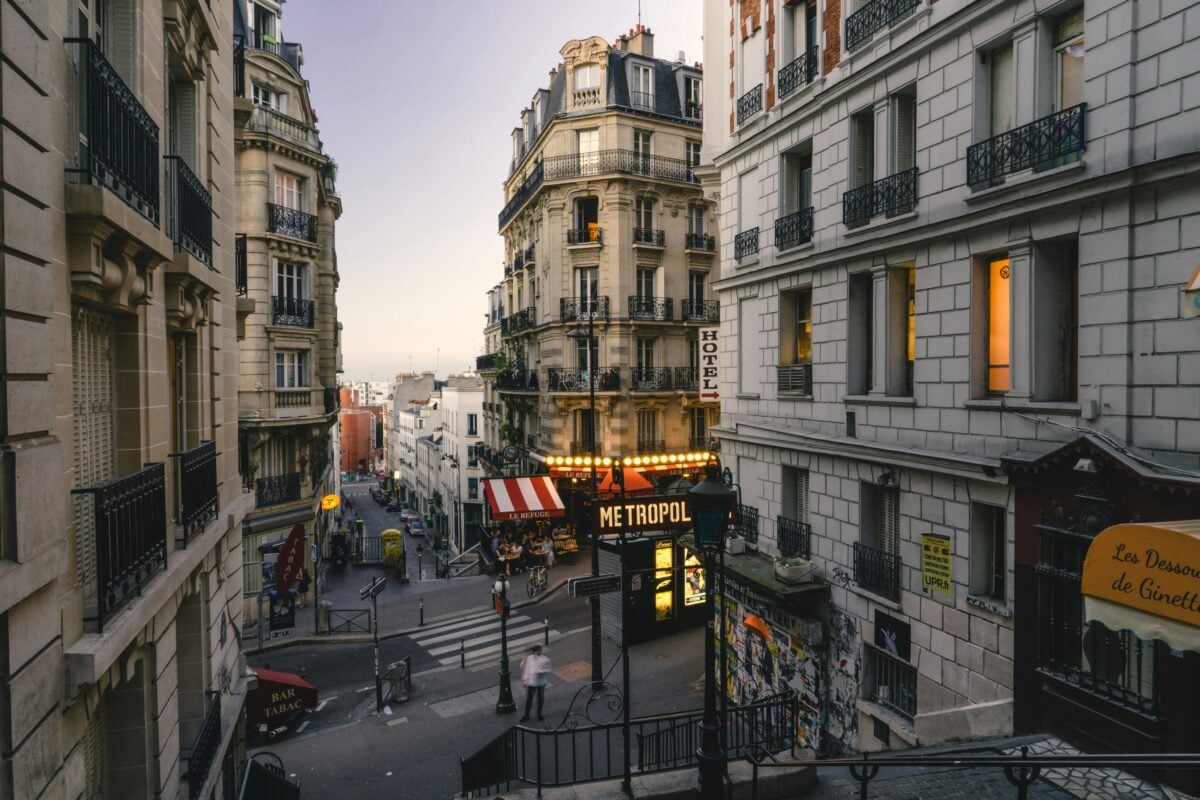
Baron Haussmann’s renovations get credit for modernizing Paris, but they also displaced thousands into even worse slums on the city’s outskirts (and the renovations themselves killed hundreds of workers who fell from scaffolding, were crushed by building materials, or simply worked themselves to death under impossible deadlines). The old medieval neighborhoods that were torn down had been overcrowded and unsanitary, but at least they were centrally located — the new slums were overcrowded, unsanitary, and miles from any employment opportunities.
Cholera outbreaks in 1832 and 1849 killed tens of thousands each. The Seine became an open sewer, and drinking water came from the same river where factories dumped chemical waste.
And the city’s poor were so desperate they’d eat anything, which led to regular food poisoning deaths from rotten meat sold at discount prices.
Chicago
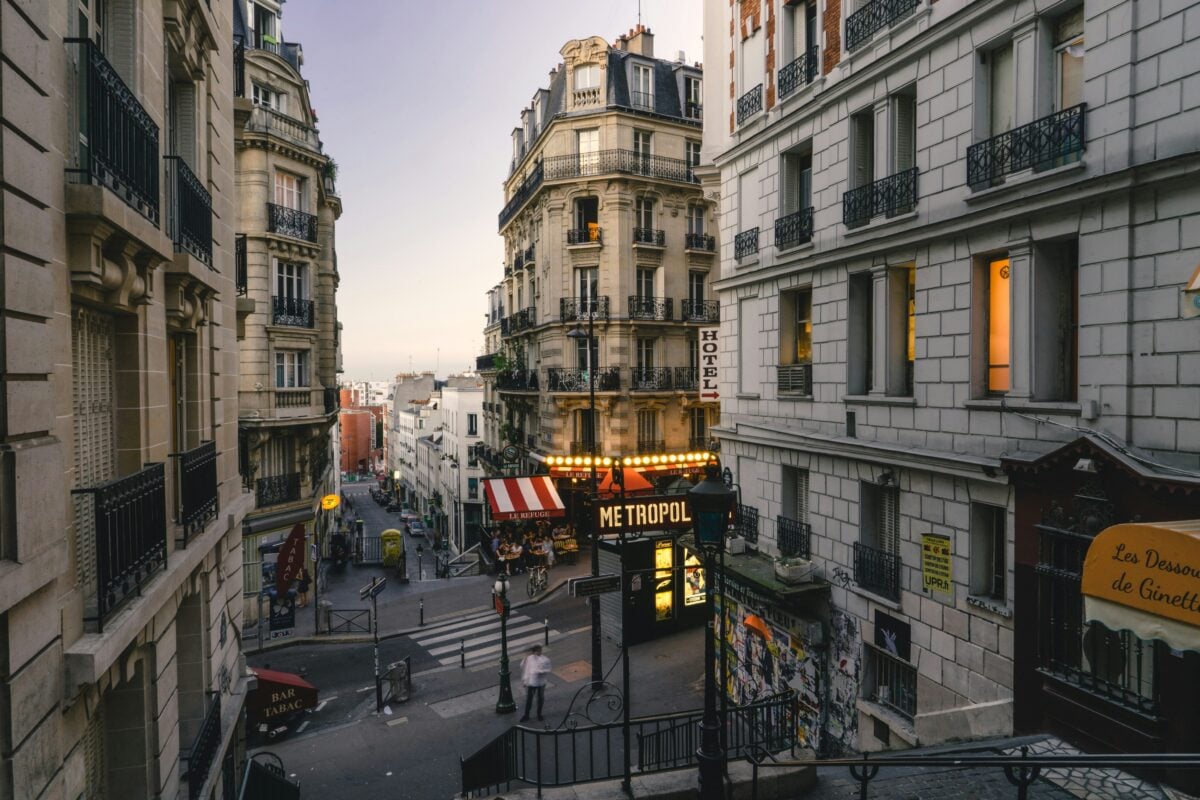
Chicago burned in 1871, but it had been a death trap long before the Great Fire gave it an excuse to start over. The city was built on swampland, which meant foundations constantly shifted and buildings collapsed without warning.
The meatpacking industry made Chicago famous, but it also made the city deadly. Slaughterhouses dumped waste directly into Lake Michigan — the same lake that provided drinking water.
Workers regularly died from falls, machinery accidents, and exposure to diseased animals. The neighborhoods around the stockyards reeked of death and rotting meat.
Liverpool
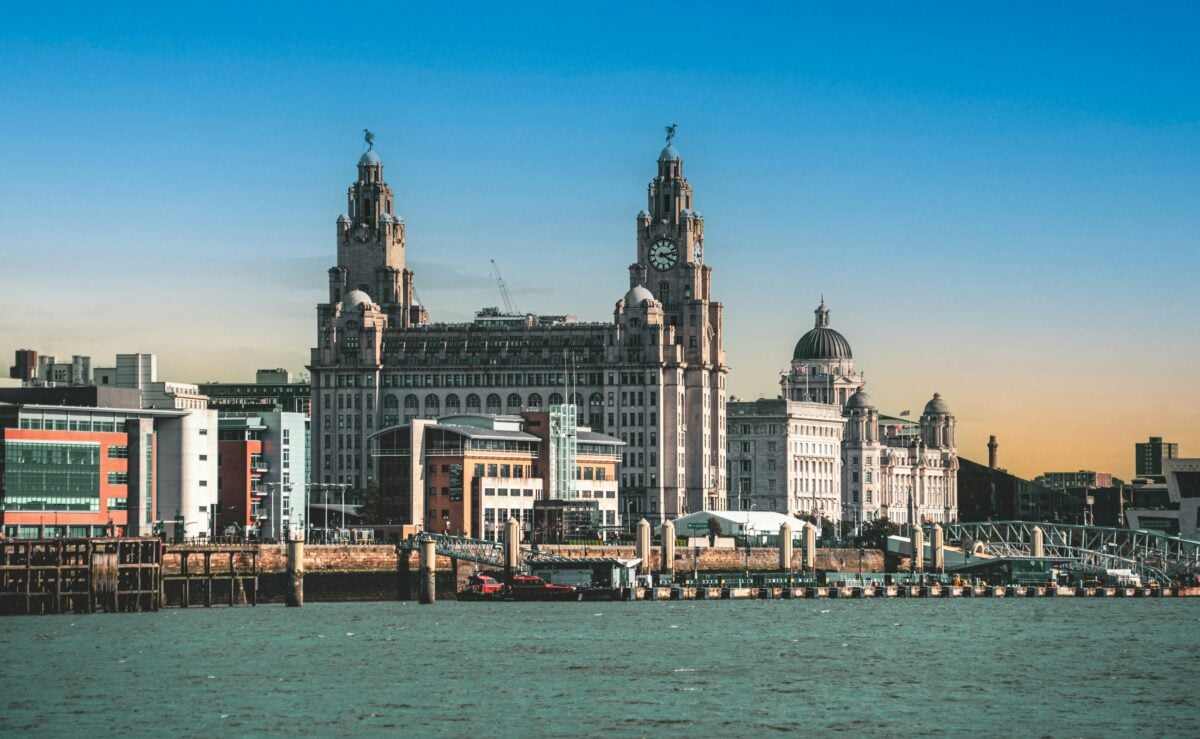
The port city that launched a million immigrants to America was itself a nightmare many were desperate to escape, and the irony wasn’t lost on anyone who spent time in the docklands where hope and despair traded places with each tidal cycle. Ships brought more than cargo — they imported cholera, typhoid, and yellow fever from tropical ports, turning Liverpool into a petri dish where diseases from around the world competed for victims among residents who were already weakened by malnutrition and overwork.
The cellars along the Mersey housed thousands of Irish refugees who’d fled the potato famine only to find conditions that were arguably worse than what they’d left behind. But at least here they could die with the promise that their children might eventually find passage to somewhere better.
Birmingham
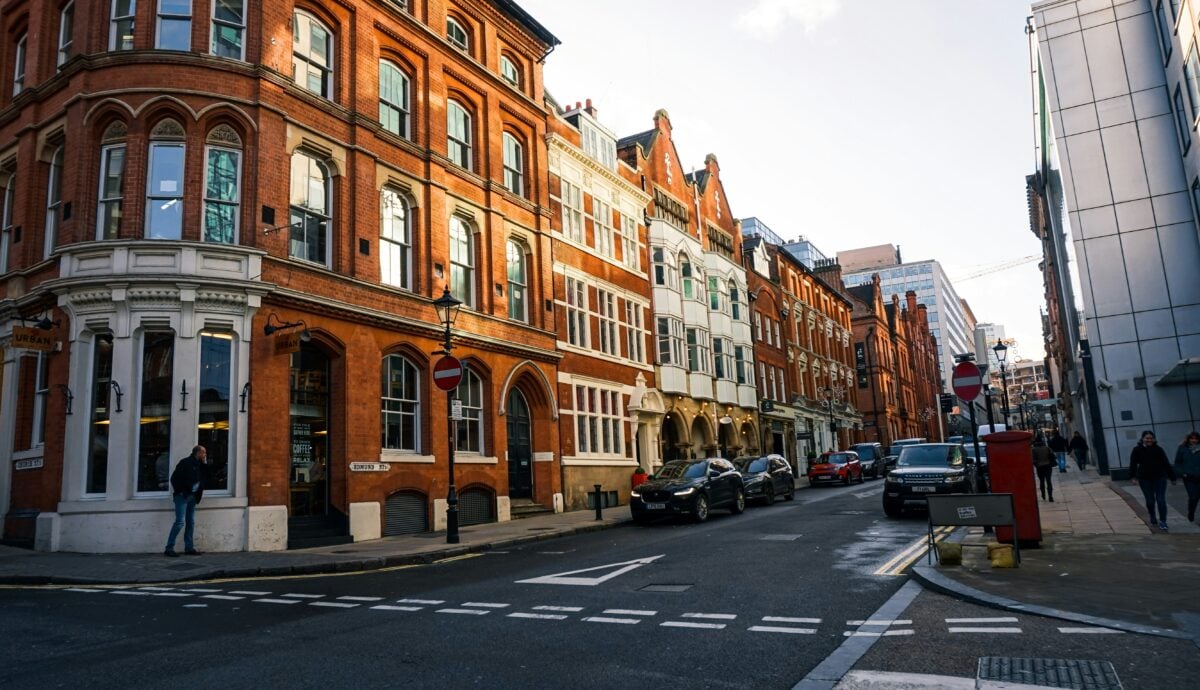
Birmingham called itself the “Workshop of the World.” More accurate would have been “Graveyard of the Working Class.”
The metalworking industries filled the air with lead particles and toxic fumes. Workers developed what locals called “painter’s colic” from lead poisoning — stomach cramps so severe they’d double over in the streets.
Children born near the foundries often showed signs of developmental delays from breathing contaminated air. The city’s rapid industrial growth meant housing couldn’t keep pace.
Families crowded into hastily built tenements that collapsed regularly, burying residents under tons of cheap brick and mortar.
Naples
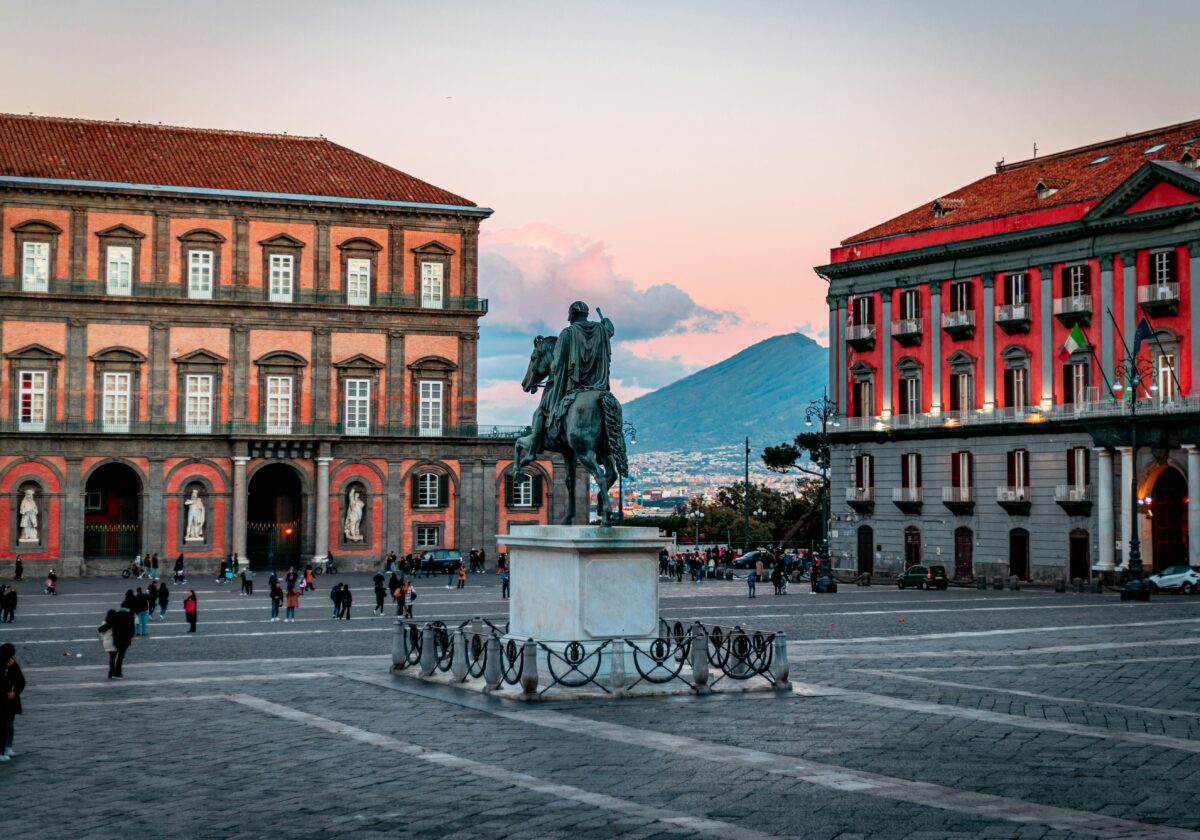
Naples had survived invasions, volcanic eruptions, and plague outbreaks for centuries — it took the Industrial Revolution to nearly finish it off, which tells you something about the relative brutality of human progress versus natural disasters. The city’s ancient infrastructure couldn’t handle the population boom that came with factory work, so residents improvised solutions that ranged from merely dangerous to actively suicidal (like building additional floors on top of buildings that were already structurally unsound, or diverting sewage into underground caverns that occasionally collapsed and took entire neighborhoods down with them).
Cholera loved Naples. The disease returned every few years like a particularly unwelcome relative, killing thousands each visit.
The narrow medieval streets that had once been charming became death traps where disease spread faster than news, and where the smell of human waste mixed with volcanic ash to create an atmosphere that visitors described as “breathing through a dirty sock.”
Dublin
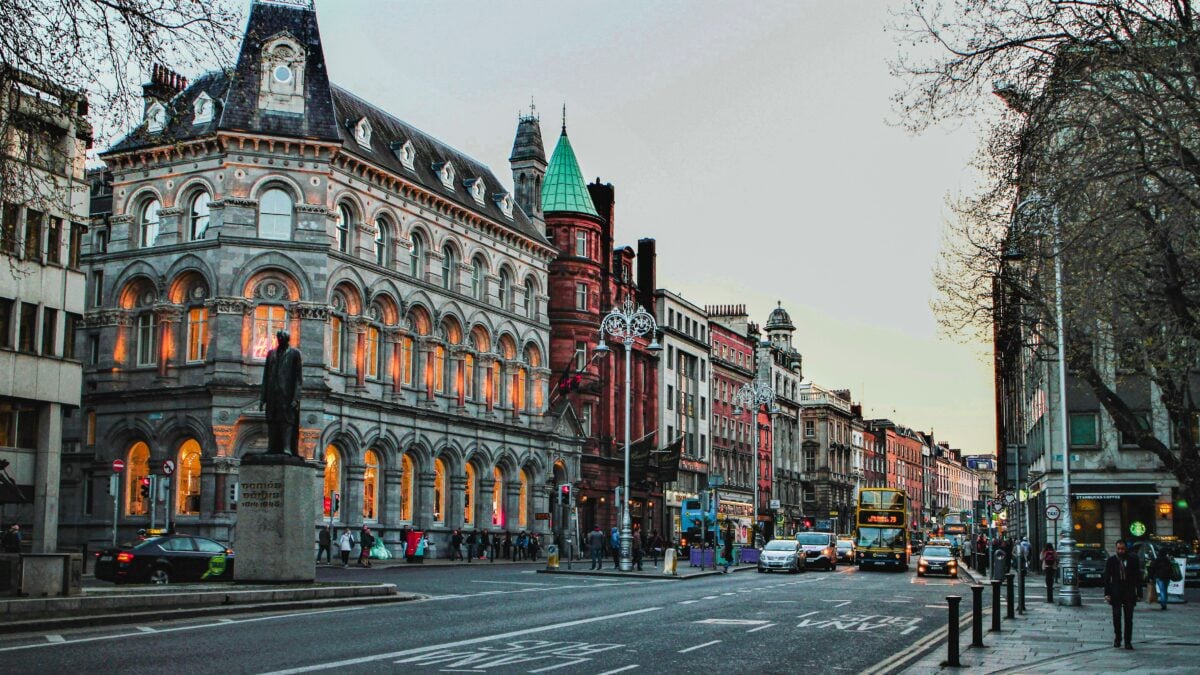
The tenements of Dublin were architectural marvels — marvels of how many people could be crammed into spaces designed for one-tenth the number. Georgian mansions built for wealthy families were subdivided until single rooms housed entire extended families.
Disease was so common that Dublin’s death rate exceeded its birth rate for most of the Victorian era. The city was literally dying faster than it could reproduce.
Tuberculosis thrived in the overcrowded conditions, and contaminated water supplies caused regular outbreaks of waterborne diseases.
St. Petersburg
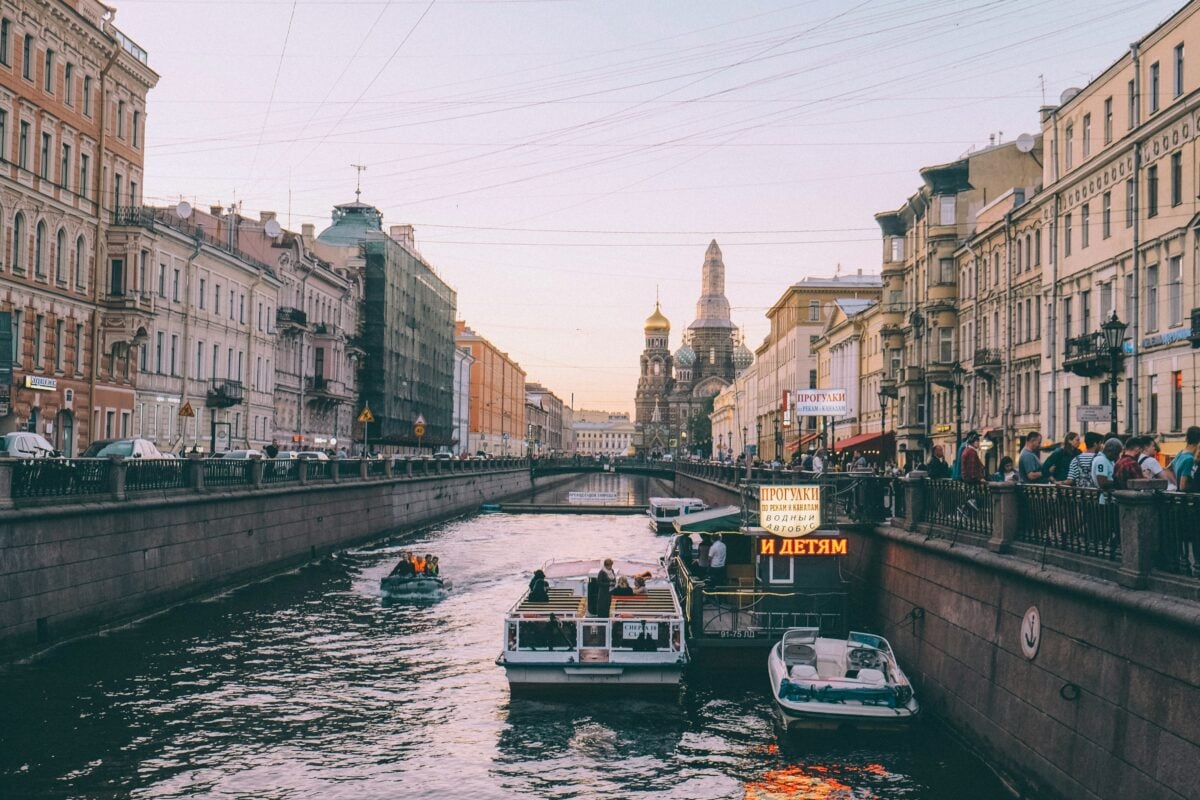
St. Petersburg was supposed to be Russia’s window to Europe. Instead, it became a showcase for how quickly a city could kill its residents.
The city was built on marshland, which meant constant flooding. Cholera outbreaks were regular occurrences, and the combination of harsh winters and poor housing killed thousands every year.
Factory workers lived in barracks-style housing where disease spread rapidly through entire buildings. The government’s solution was typically Russian — they built more factories and imported more workers to replace the ones who died.
The cycle continued until revolution finally interrupted it.
Bombay
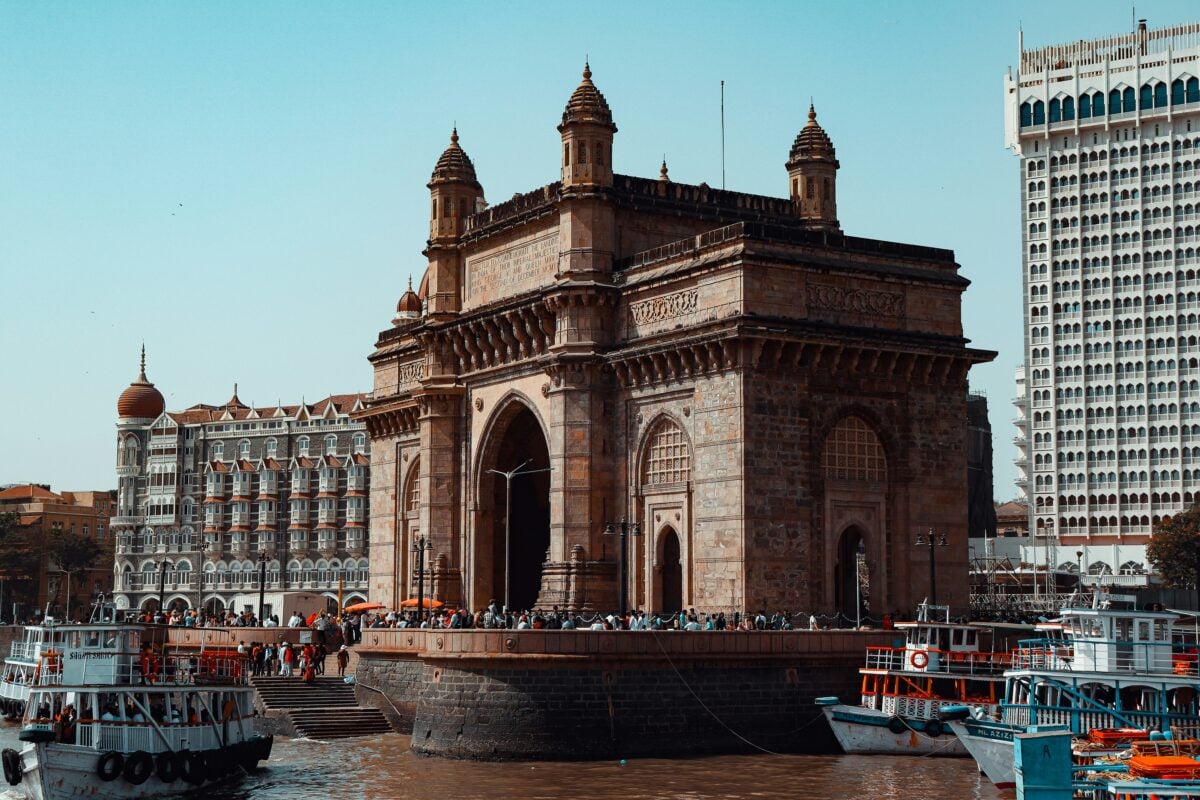
Bombay’s textile mills turned the city into Britain’s most profitable colonial outpost. They also turned it into a death sentence for mill workers.
The monsoon seasons brought cholera, malaria, and plague. The 1896 plague outbreak killed thousands and required military intervention to contain.
Workers lived in chawls — single-room tenements that housed entire families in spaces smaller than modern closets. The city’s rapid growth meant infrastructure couldn’t keep pace.
Open sewers ran alongside drinking water supplies, and industrial waste contaminated both. British colonial administrators lived in well-ventilated bungalows outside the city while Indian workers died in overcrowded slums.
Detroit
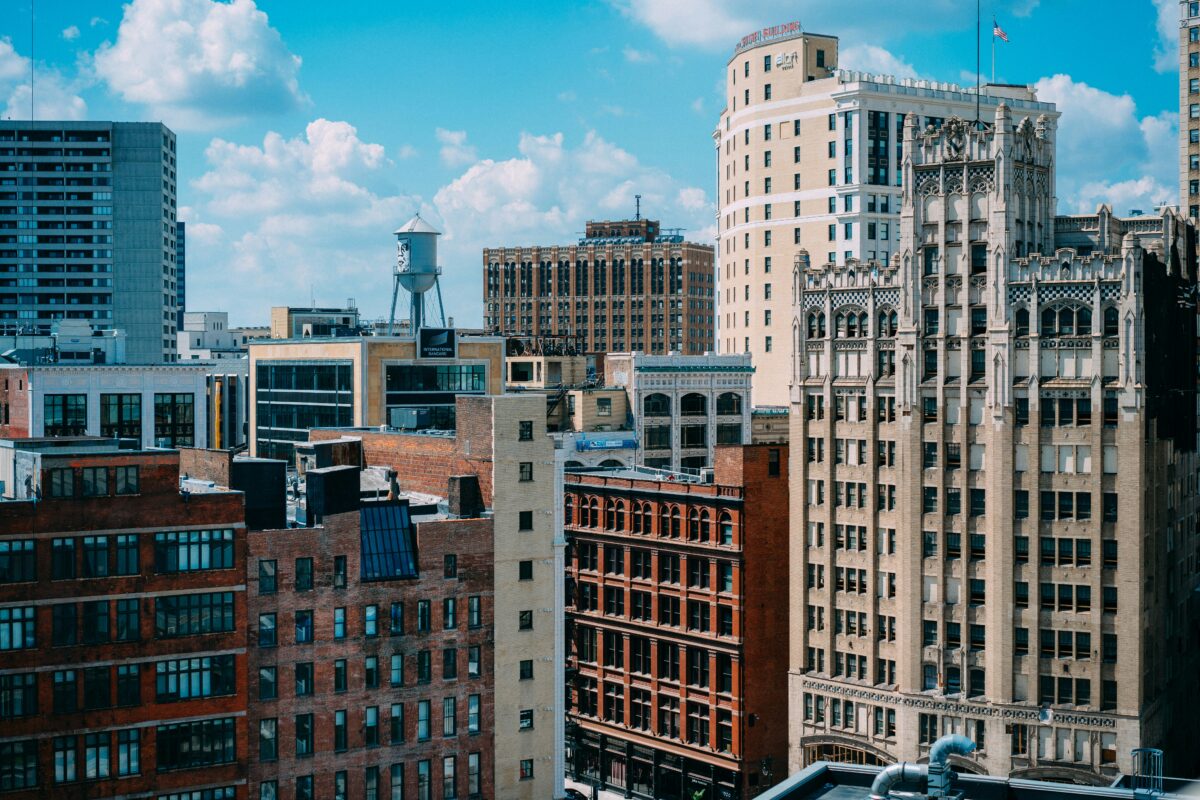
Detroit’s rise as an industrial center came with a body count that would make modern war zones envious. The lumber mills that preceded the automobile industry were particularly creative in their methods of killing workers — massive saws that could cut through a human body as easily as a tree trunk, steam engines that exploded without warning, and log drives down the Detroit River that regularly claimed lives when workers slipped into the churning water.
The city’s location on the Great Lakes made it a natural stopping point for diseases traveling between port cities. Cholera arrived regularly via ship, and the city’s primitive sewage system ensured it spread quickly once it landed.
The Reckoning

These cities didn’t become dangerous by accident — they became dangerous because the people who profited from their growth didn’t have to live with the consequences. Factory owners lived in suburban mansions while their workers died in urban slums.
Politicians made speeches about progress while children suffocated in coal-smoke fog. The Victorian era’s greatest achievement wasn’t technological innovation — it was the systematic perfection of human exploitation disguised as civilization.
More from Go2Tutors!

- The Romanov Crown Jewels and Their Tragic Fate
- 13 Historical Mysteries That Science Still Can’t Solve
- Famous Hoaxes That Fooled the World for Years
- 15 Child Stars with Tragic Adult Lives
- 16 Famous Jewelry Pieces in History
Like Go2Tutors’s content? Follow us on MSN.